

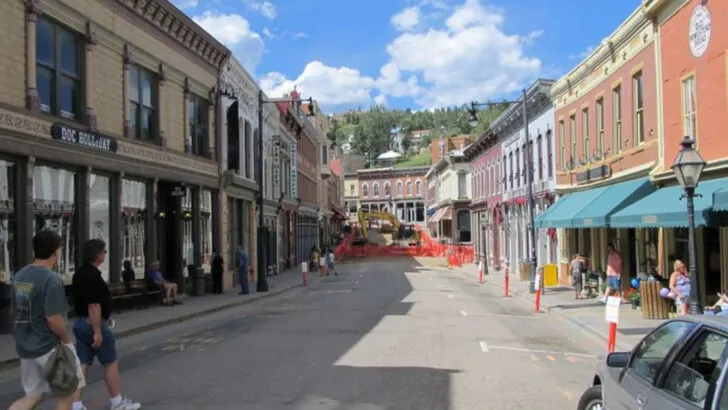
Tucked high in the Front Range, Central City earned a nickname so audacious it still turns heads.
During the Colorado Gold Rush, this compact gulch minted fortunes that rivaled far larger cities, then froze that prosperity in brick, stone, and gilded trim.
Today you can walk a single square mile where wealth, preservation, and mountain isolation collided.
Come for the antiques, stay for the stories hidden in every creaking floorboard and ornate facade.
A Square Mile That Once Outshone Cities
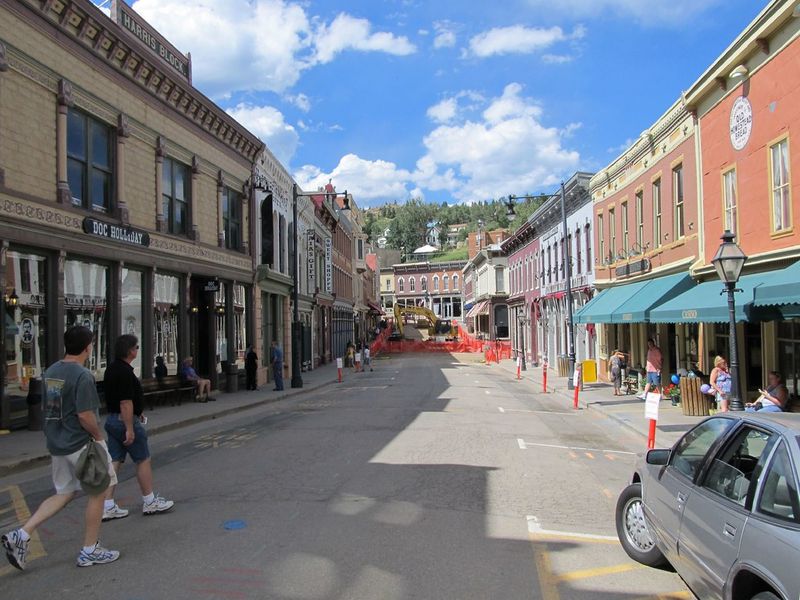
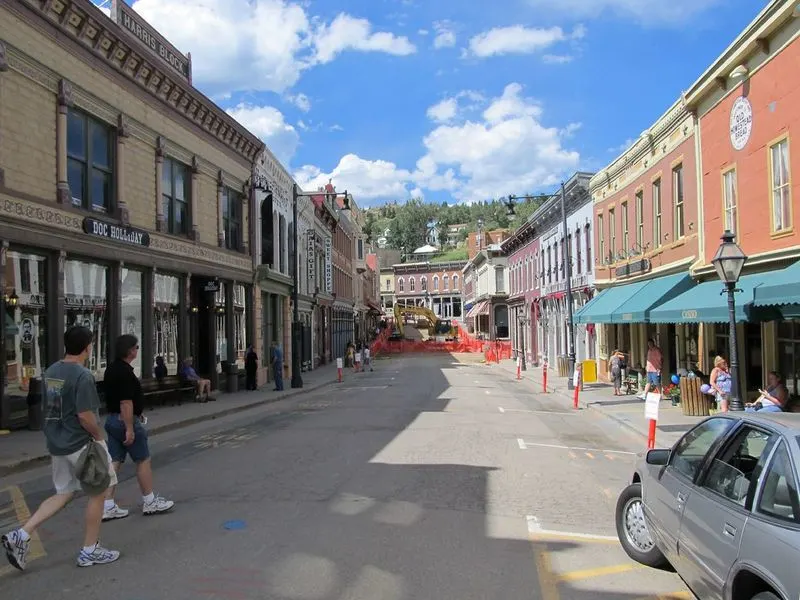
Stand at a street corner here and you can feel how crowded prosperity once was. Banks, assay offices, and mercantile counters stacked shoulder to shoulder, compressing ambition into narrow lots and steep alleys. The town operated like a tiny engine that could, fueled by ore and audacity.
What makes it unforgettable is the intimacy of scale. You are close to everything: courthouse, opera, shaft houses, and saloons.
The compact grid concentrates history so tightly that each block tells a chapter, and together they read like a novel about fortune, risk, and endurance.
Gold Rush Origins and the Birth of Immense Wealth
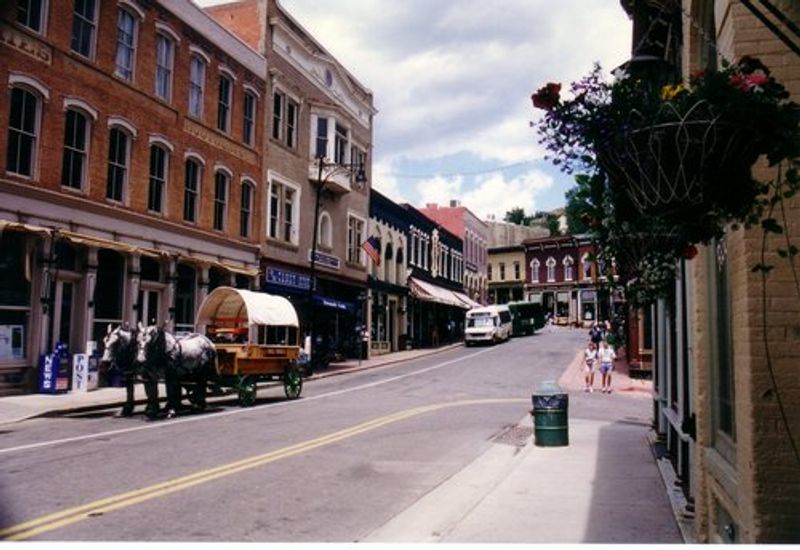
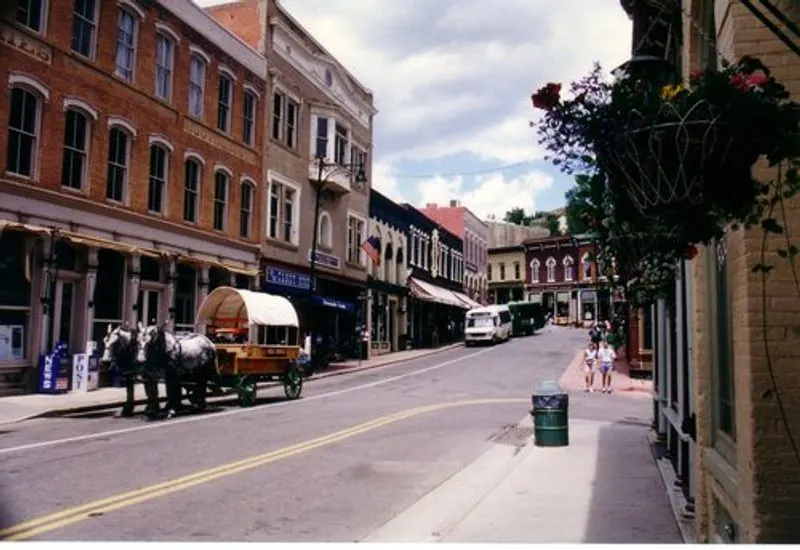
In the late 1850s, prospectors clawed into a rugged gulch and struck pay dirt that changed Colorado. Streams glittered with placer flakes, then tunnels chased veins into the hills, turning tents into timbered streets and fortunes into institutions. Banks opened, newspapers printed, and railroads angled toward the lode.
That momentum made this mountain pocket a powerhouse. Ore carts squealed, stamp mills thundered, and investment capital poured from Denver and beyond.
You can still trace those beginnings in tailings piles, stone retaining walls, and maps that look like spiderwebs of claims threading under homes, churches, and storefronts.
Why It Was Called the Richest Square Mile on Earth
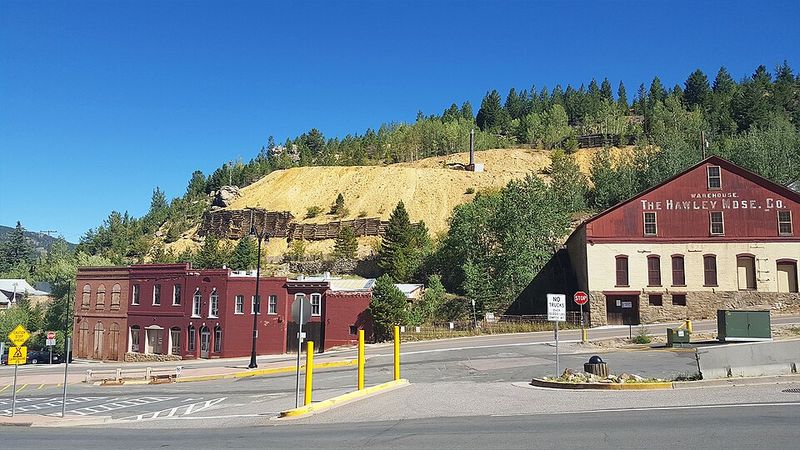
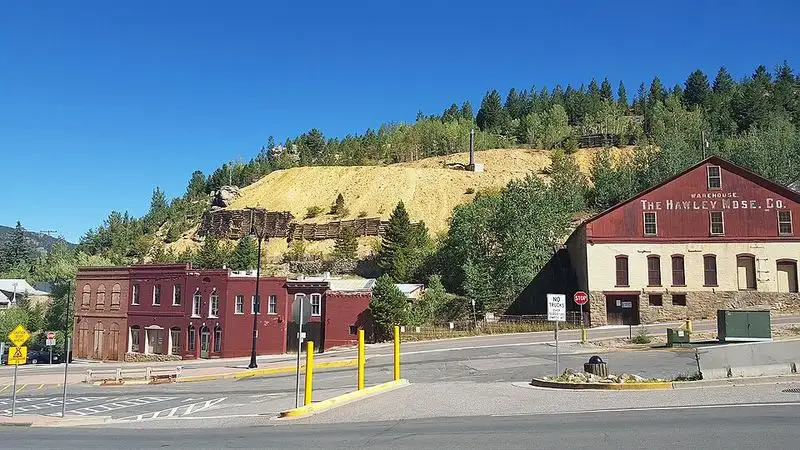
The phrase did not come from bravado alone. Within a remarkably small area, dozens of productive mines delivered consistent, high grade ore that attracted deep pockets and serious engineering. The result was concentrated output that magnified wealth per acre like nowhere else in the Rockies.
Numbers told the story, but so did influence. Capital flowed to regional banks, equipment suppliers, and railroads, rippling outward. Standing here, you sense that density: shafts underfoot, headframes above, and money channeled through every corridor.
The town became a fulcrum where geology and finance leveraged an extraordinary return.
Victorian Architecture Preserved in the Mountains
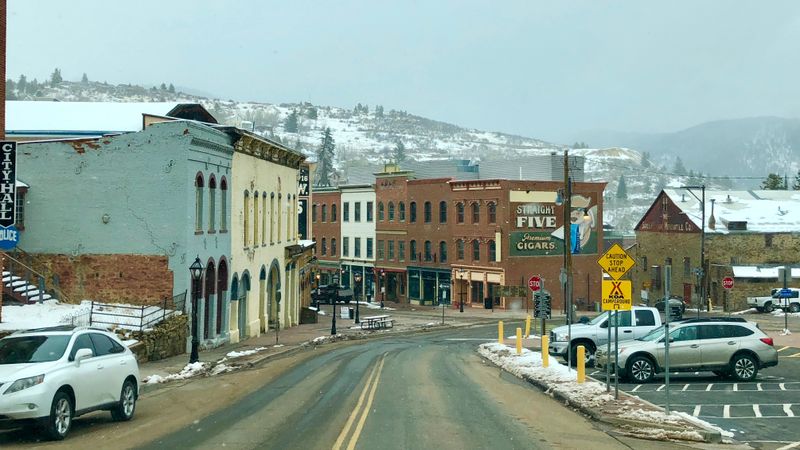
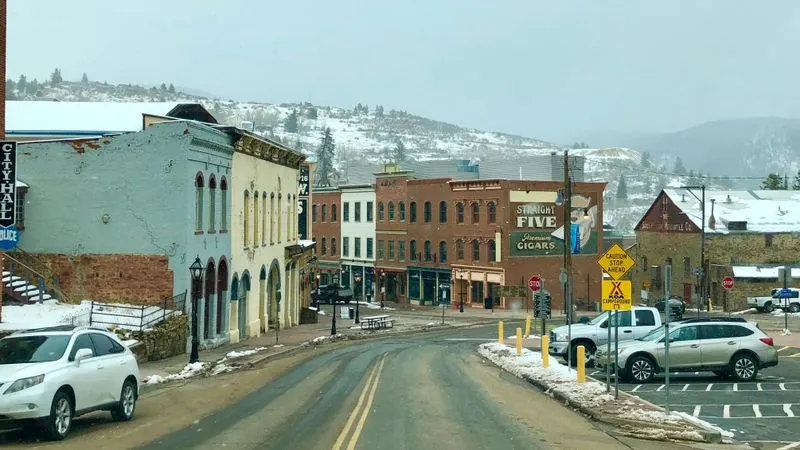
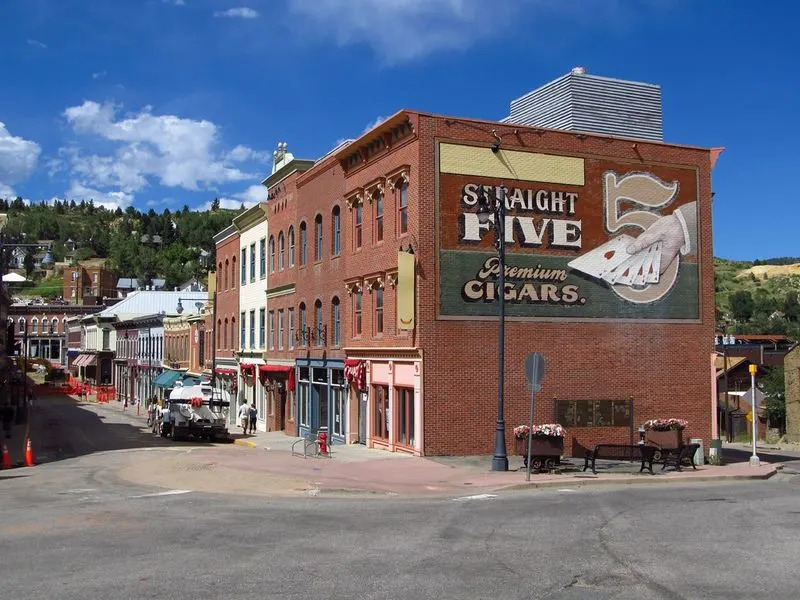
Gold bought gingerbread trim, arched windows, and pressed tin ceilings that still sparkle in high country light. Hotels flaunted bay windows, mercantiles stacked brick with pride, and mansions wore lace like spandrels. Even utility buildings borrowed elegance, proof that prosperity wanted to look permanent.
Walk the blocks and you will count cornices, keystones, and iron storefronts like jewels in a crown. Inside, staircases creak with confidence, and wallpaper patterns nod to imported taste.
The architecture reads as a public diary of ambition, each facade a sentence, each block a paragraph preserving Victorian bravado.
The Central City Opera House: Cultural Wealth Beyond Gold
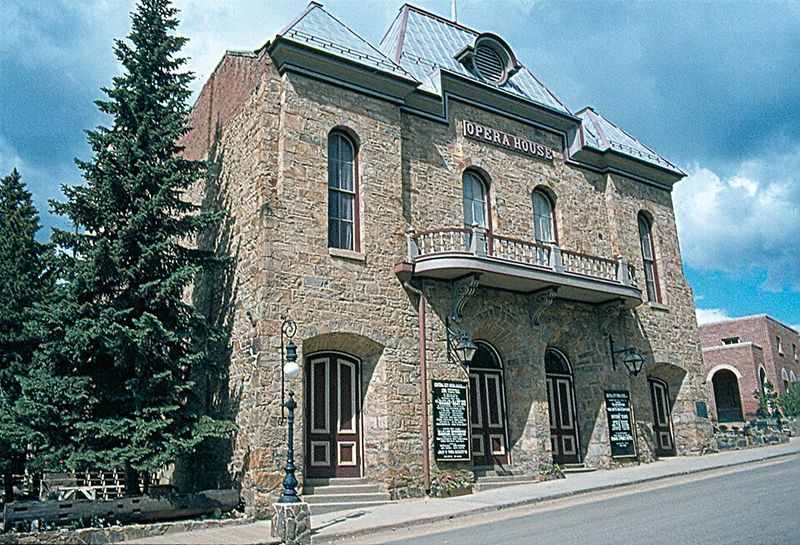
When miners built an opera house, they announced that refinement belonged here too. The auditorium’s horseshoe balconies and hand painted details framed voices that carried beyond pick strikes. Opening nights stitched culture into a town better known for ore and wagers.
Today the opera house anchors summer seasons that feel both grand and intimate. You sit beneath chandeliers, hearing arias resonate off old stone, as if the walls themselves remember.
It proves that wealth funded more than machinery. It purchased aspiration, community, and a legacy that still lifts your heart above the gulch.
Antiques as Artifacts of a Gilded Past
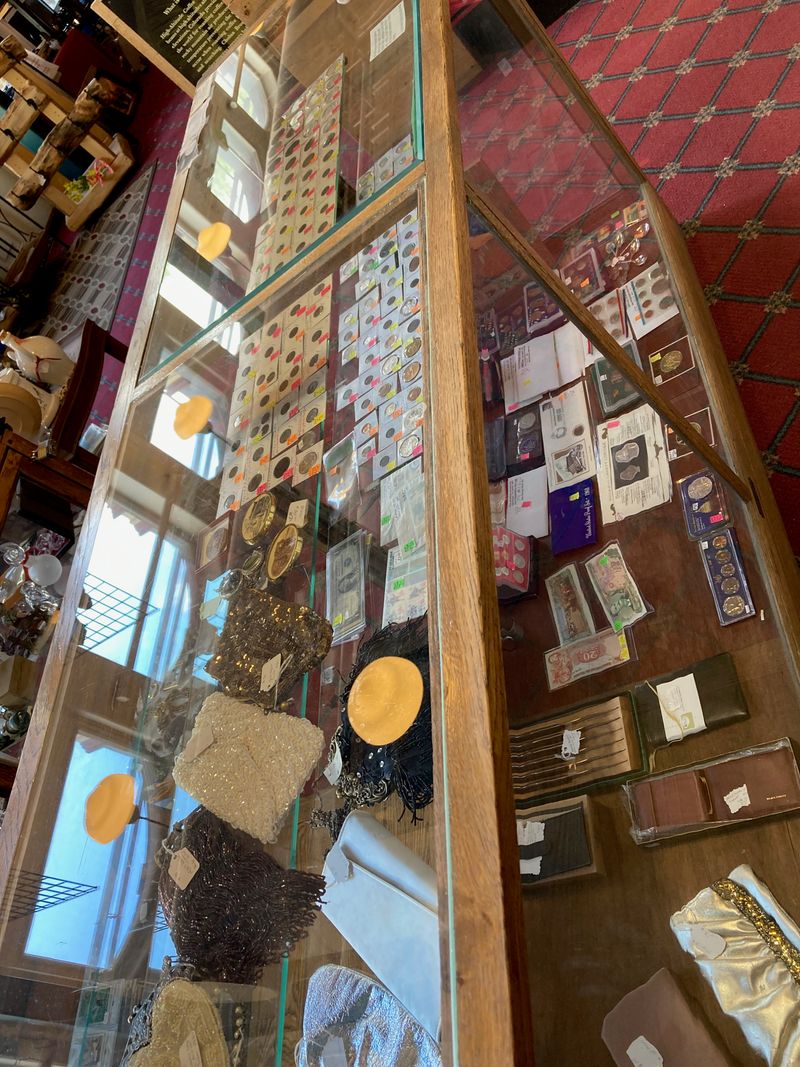
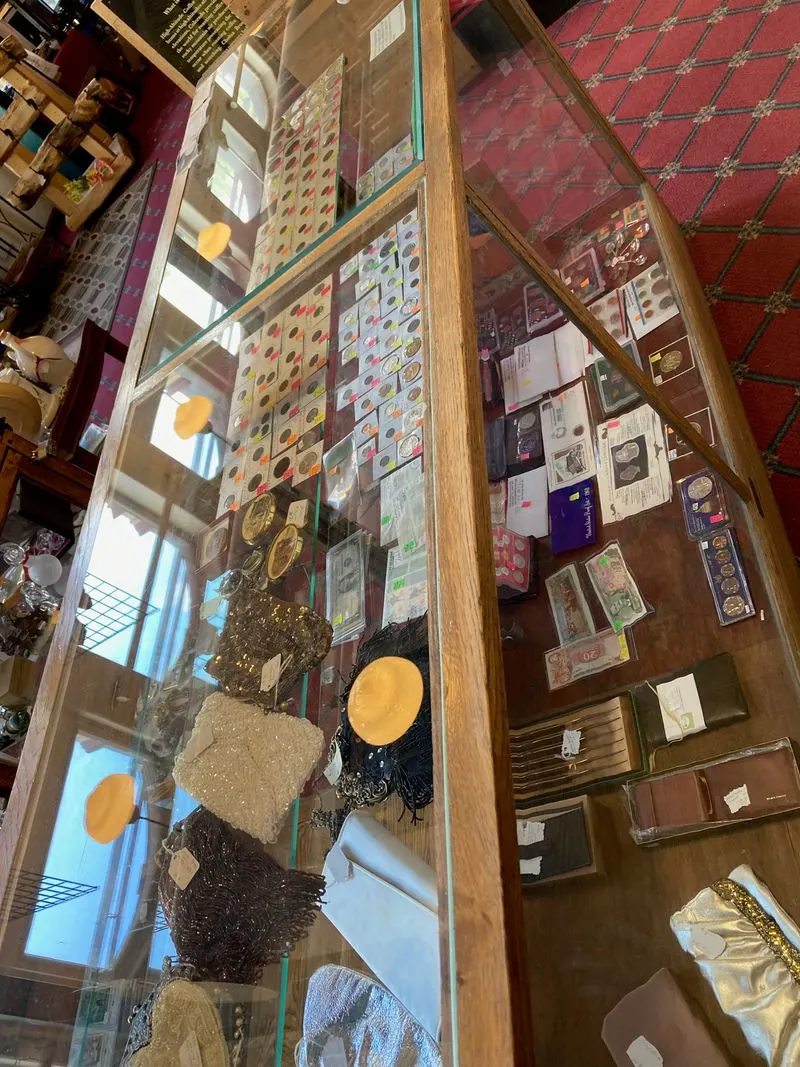
Antique storefronts here are like curated attics for the entire town. You browse walnut dressers, miners’ lamps, assay scales, and mourning jewelry that once flashed in gaslight. Every scuff tells you this was used, carried, cherished, or pawned in a hurry.
Pieces whisper context. A velvet fainting couch recalls parlor gossip, while a powder tin echoes mill grime. You feel connected to real people rather than myth.
Bring curiosity and time, because each tag becomes a tiny history lesson, and you will leave with stories even if your hands stay empty.
Boom, Bust, and Preservation
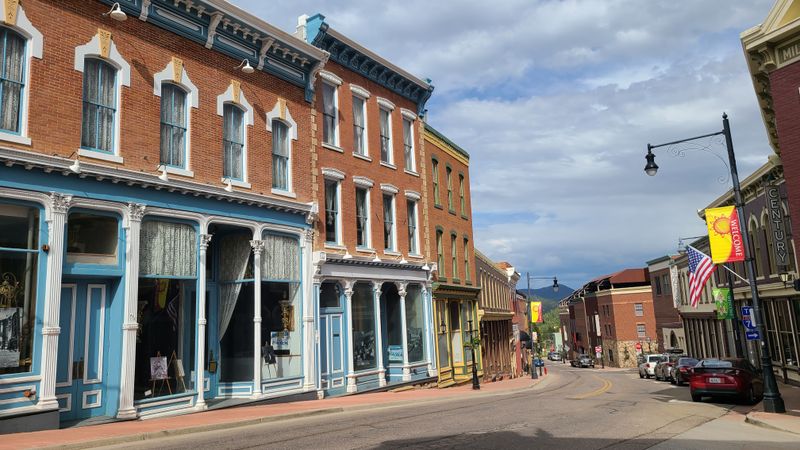
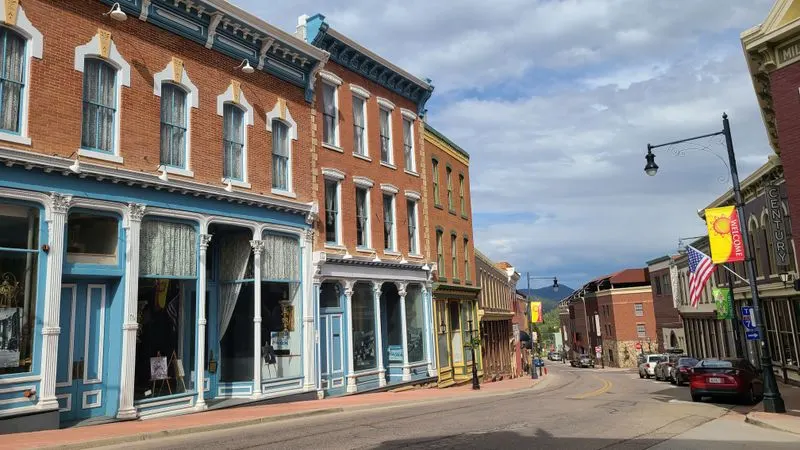
After the veins thinned, silence crept in. Businesses shuttered, families left, and weather gnawed at clapboard and brick. Yet abandonment slowed change, ironically protecting what prosperity built.
Preservationists rallied, historians documented, and designations set guardrails against careless loss. Grants repaired roofs, volunteers scraped paint, and new uses filled old rooms.
Casinos arrived but did not erase the bones. What survived feels earned, a compromise between economy and memory that lets you walk through cycles of hope, collapse, and careful stewardship.
Walking Through History: The Town Today
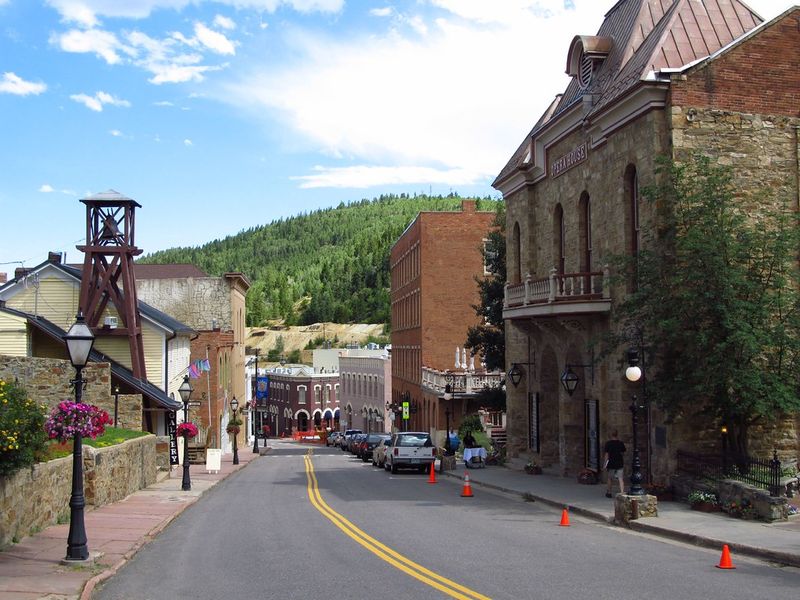
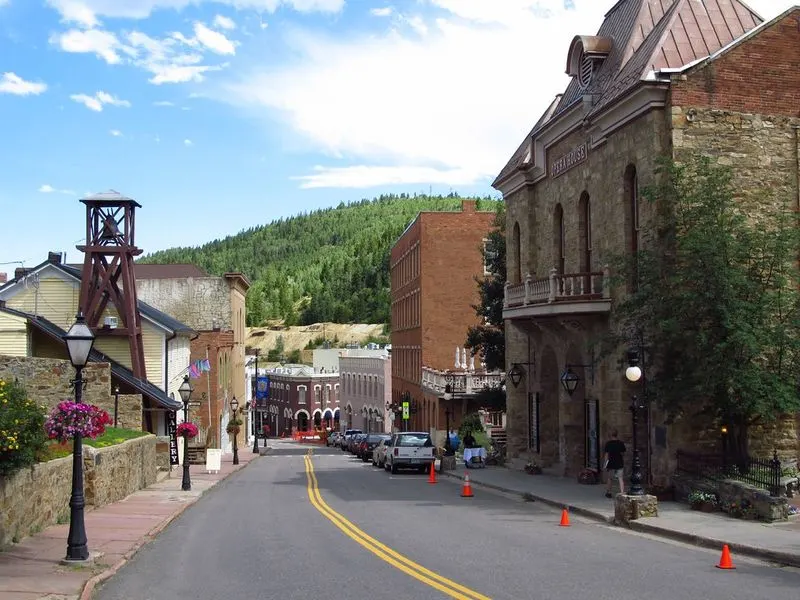
Put boots on the brick lined streets and let the details guide you. Gas style lamps glow at dusk, cast iron grates shimmer, and window displays mix velvet with mining gear. Every turn serves another postcard angle without feeling staged.
You can grab coffee in a former bank, browse antiques, then tour a shaft before lunch. The mountains lean close, making the town feel sheltered and story rich.
It is less a theme park than a living scrapbook, where everyday errands double as time travel and the air smells like pine and old paper.
Central City vs. Black Hawk: A Tale of Two Mining Towns
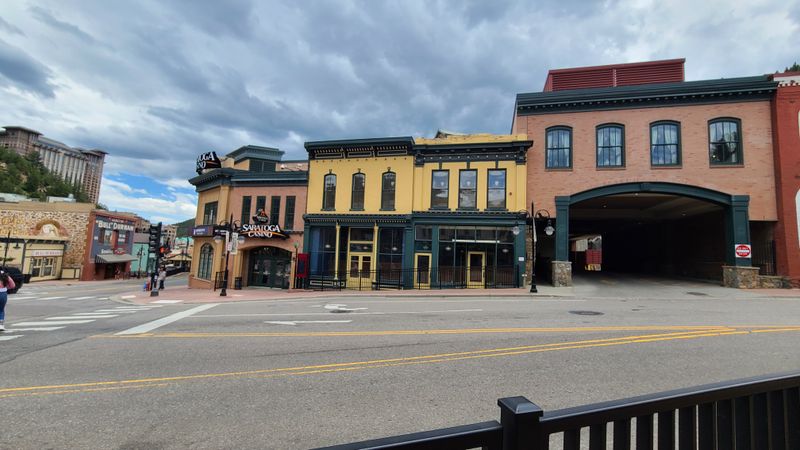
Neighbors share ore but not identity. Black Hawk embraced large casinos and glassy silhouettes, chasing a different kind of boom. Central City prioritized historic streetscapes, allowing smaller casinos and cultural anchors to keep the texture intact.
Walking from one to the other feels like flipping pages between eras. You get neon and scale in Black Hawk, patina and proportion in Central City. Neither is wrong.
Together they show how towns adapt, and you can choose your pace: quick thrills down the hill or slow history up the grade.
Why Central City Still Matters
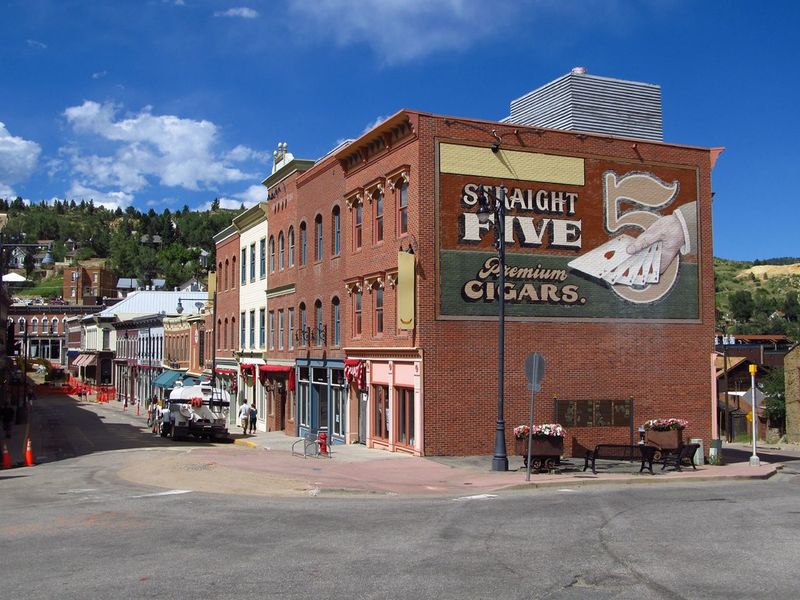
This square mile condenses the American West into walkable lessons. Geology, risk, culture, and community meet where mines burrow and balconies bloom. It shows how ambition can build beauty and how preservation can rescue memory from weather and haste.
When you leave, the town trails you like gold dust in a cuff. You will remember the opera’s echo, the antique’s worn handle, and the mountain air that made everything feel sharper.
Central City proves legacy does not require sprawl. It needs stewardship, stories, and a place worth lingering.