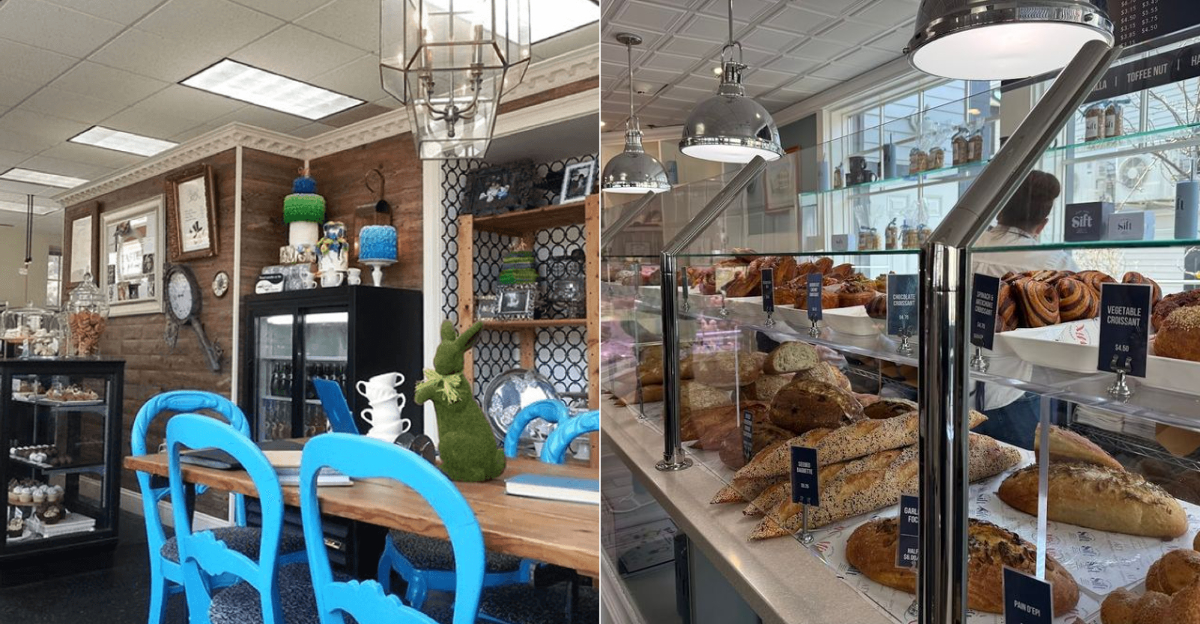
Modern pastry shops often rely on complex glazes, multi-layer cakes, and decorative flourishes to capture attention and sometimes distract from weaknesses in the dessert itself.
True baking mastery, however, is most evident in formats that remain visually restrained, where the entire experience depends on precision, texture, and the quality of the crust.
Across Connecticut’s culinary landscape, sweet potato pie represents exactly that kind of stripped-down standard, one that has endured through generations of loyal customers.
Every technical decision, from resting the dough to controlling moisture within the filling, becomes visible from the very first slice, making this dessert an ultimate test of skill for any independent bakery.
We explored which local bakeries continue to honor traditional preparation methods and why their offerings are worth going out of the way to experience.
Michele’s Pies – Norwalk
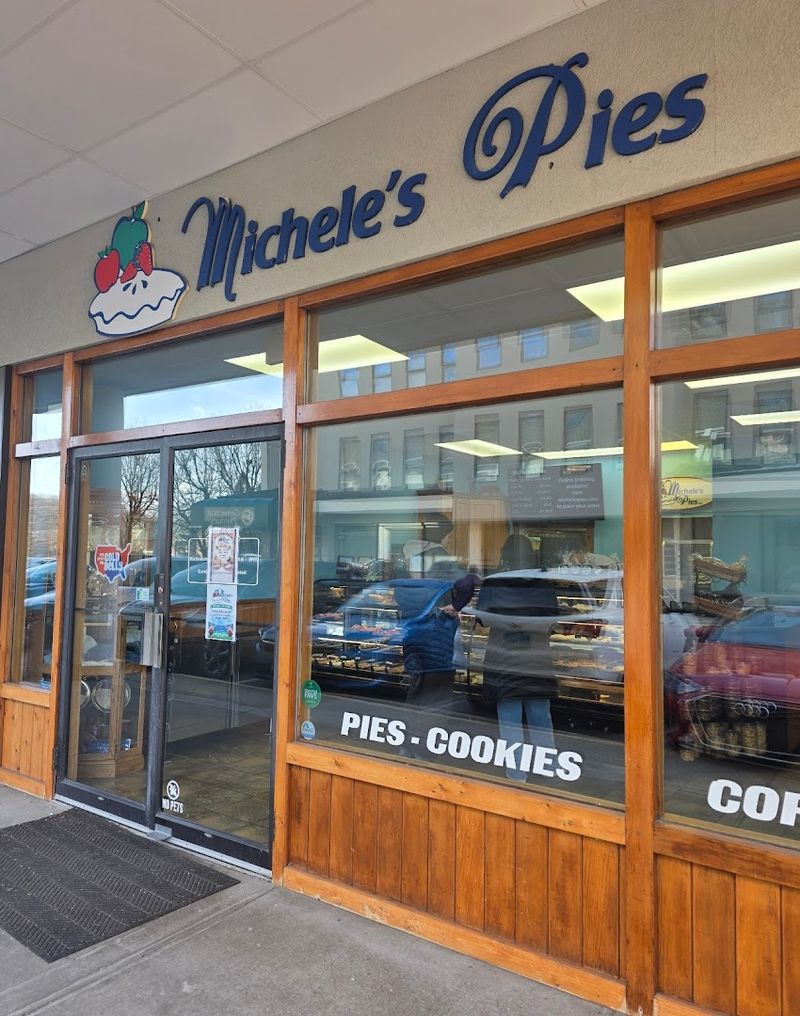
Founded by a pie specialist with a national following, this shop built its reputation on the idea that classic pies deserve the same respect often reserved for plated desserts.
Careful scratch baking remains central to that identity, and the best example is a sweet potato pie that depends on a fully developed crust, restrained sweetness, and a filling with real depth.
Fresh dairy, quality spices, and a patient bake give the slice a clean structure rather than a soft, pudding-like collapse.
Elsewhere on the menu, fruit pies and cream pies show how seriously the kitchen treats proportion, finish, and consistency.
That broader expertise matters because sweet potato pie can only stand out in a pastry program when the bakers understand balance across many styles.
Butter flavor stays present in the pastry, while cinnamon and nutmeg support the vegetable’s natural character instead of covering it.
Regular dessert buyers often remember the texture first.
Nothing about it feels ornamental. Everything points back to disciplined pie making, which is exactly why the slice remains so memorable.
Bean & Batter – Windsor
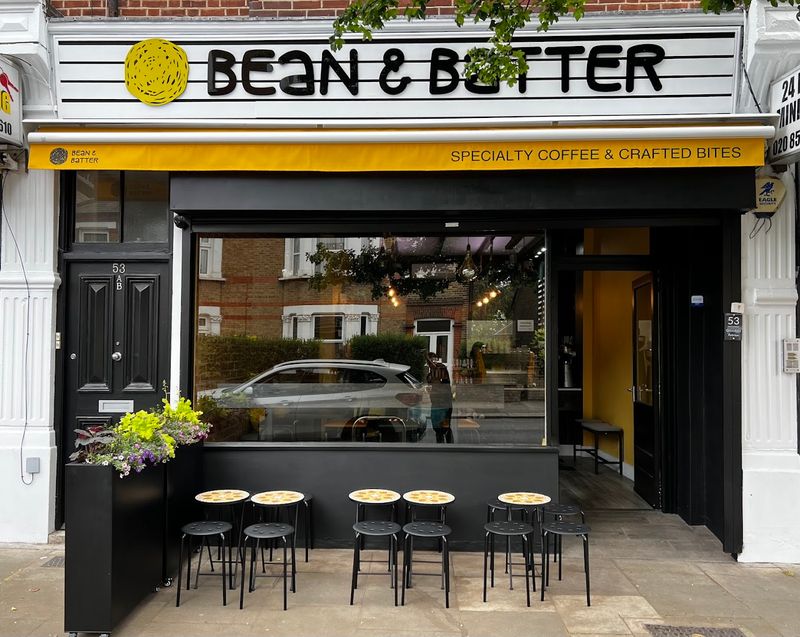
Home baking values shape the appeal here, where desserts feel grounded in familiar techniques rather than trend driven presentation.
A sweet potato pie fits naturally into that approach because it asks for steady hands, good dough, and confidence with old-fashioned flavor.
Properly mixed crust gives the slice a gentle flake, while the filling stays thick enough to cut cleanly without losing its soft, custard-like finish.
Beyond pies, the pastry case reflects a broad interest in comfort desserts made with care.
That range strengthens the bakery program because traditional pie work teaches discipline in mixing, rolling, blind baking, and controlling moisture.
Sweet potato brings natural sugar and body, so the spice blend has to stay measured, with cinnamon, vanilla, and nutmeg supporting the base rather than competing with it.
Community bakeries often earn loyalty through consistency, and that standard matters most in simple desserts.
Soft richness, balanced seasoning, and dependable crust make this style of pie feel connected to home kitchens while still showing the skill of a professional bakery team every day.
Taste by Spellbound – Avon
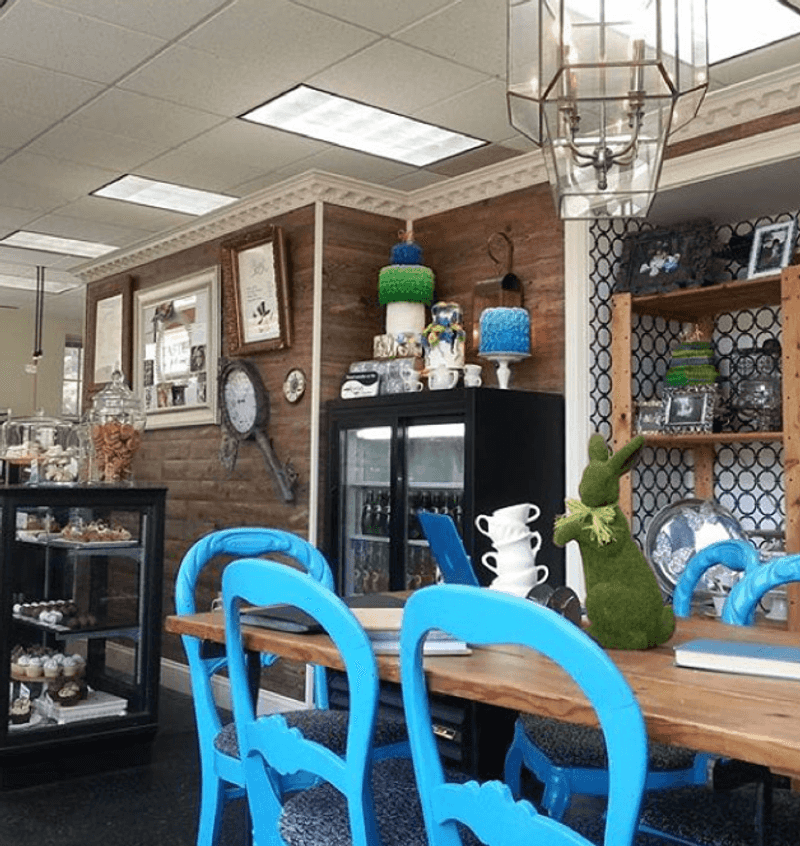
Known for a polished dessert case and broad pastry range, this bakery shows how precision can elevate familiar American sweets.
Sweet potato pie stands out in that setting because it relies less on visual flourish and more on exact execution, from the thickness of the crust to the final texture of the custard.
Measured ingredient selection is crucial, especially when the goal is a filling that tastes full and earthy without becoming heavy.
Among customer favorites, pies succeed when they feel classic yet fully considered.
That balance suits a modern bakery, where guests may expect clean presentation but still respond most strongly to desserts built on memory and flavor.
Ginger, cinnamon, and nutmeg need careful proportion, while butter and eggs must support a slice that remains smooth, sliceable, and never grainy.
Seasonal pastry programs often reward novelty, but traditional pie baking demands steadier discipline. Refined technique gives the crust an even bake and keeps the bottom from turning soggy.
Sweet potato pie becomes especially compelling in this context because it proves that a restrained dessert can carry as much authority as layered cakes and elaborate pastries.
Taste by Spellbound – West Hartford

Consistency defines the strongest bakery cultures, and that principle is especially clear in desserts with little room for error.
Sweet potato pie makes that point better than almost anything in the case because each batch depends on repeatable dough handling, even baking, and a filling with stable texture.
Well managed spice and sugar levels let the vegetable’s flavor remain central, giving the pie a quiet confidence that encourages return visits.
Daily production in a busy pastry shop rewards mastery more than showmanship.
Loyal customers notice when crust stays tender yet crisp, when the filling remains silky instead of dense, and when every slice tastes carefully calibrated.
Traditional desserts endure in such an environment because they offer a benchmark for skill, revealing how the bakers manage fat distribution, moisture, and oven timing.
Modern bakery menus often stretch across cookies, cakes, and plated sweets, but old standards still shape a shop’s identity.
Patient technique turns sweet potato pie into more than a seasonal extra.
Dependable results, balanced flavor, and a respectful approach to classic baking explain why this style of dessert continues to hold attention beside more elaborate offerings.
LuAnn’s Bakery & Cafe – Ellington
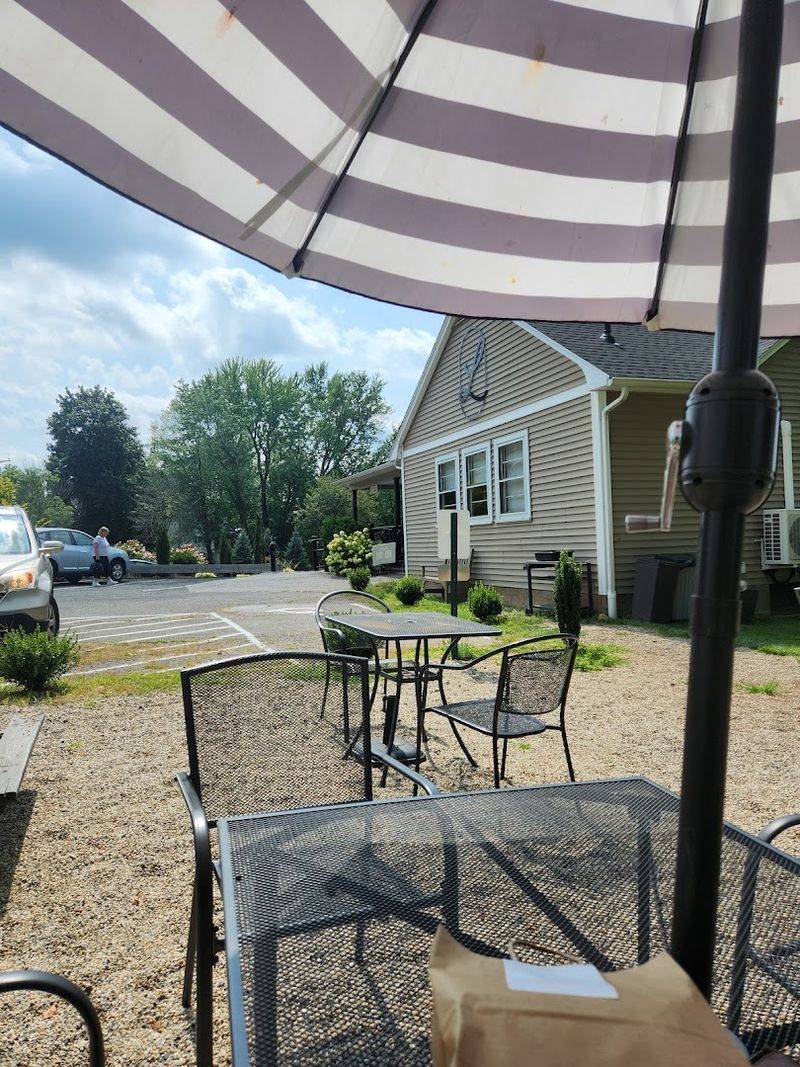
Family baking traditions give many great pie shops their strongest foundation, and sweet potato pie benefits more than most desserts from that inheritance.
Familiar methods matter here because the recipe depends on judgment that is often learned through repetition, including how soft the potatoes should be, when the filling is fully blended, and how long the crust can bake without losing tenderness.
Comfort food works best when it feels straightforward, yet every simple element has been handled with care.
Homemade desserts succeed when flavor feels settled rather than overly engineered.
That quality makes sweet potato pie especially persuasive, since its appeal comes from a creamy center, a sturdy but flaky shell, and warm seasoning that never turns sharp.
Brown sugar, butter, and spice need to support the natural sweetness of the root vegetable and preserve a sense of balance.
Regional bakery menus may include many cakes and bars, but old pie recipes often carry the deepest emotional pull.
Gentle texture and familiar flavor create that connection.
A well made slice suggests patience, kitchen memory, and the lasting importance of desserts that remain close to home baking traditions.
Scratch Baking – Milford
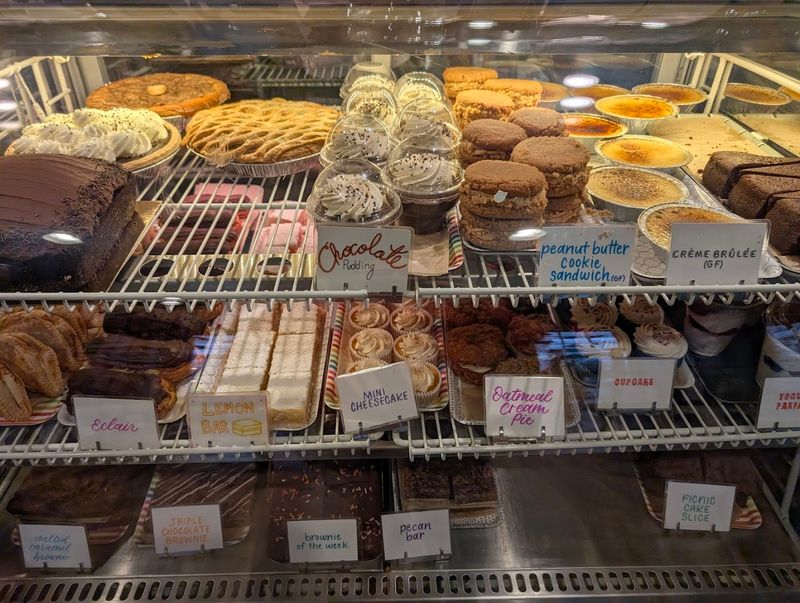
Artisanal baking tends to reveal itself most clearly in foundational items, and sweet potato pie is a strong measure of that commitment.
Hand-crafted production affects everything, from how the dough is mixed to how the filling sets during baking.
Ingredient sourcing matters as well, because butter quality, spice freshness, and the character of the sweet potatoes all shape a dessert that has nowhere to hide behind frosting or decoration.
From a technical standpoint, the pie asks bakers to respect basics.
Gentle gluten development keeps the crust from turning tough, while careful roasting or cooking of the potatoes helps produce a smooth interior with concentrated flavor.
Classic pies remain important in a modern bakery landscape because they show whether the kitchen can execute simple forms with control, restraint, and consistency.
Contemporary pastry work often celebrates complexity, yet scratch methods can make a humble pie feel more substantial than trendier sweets.
Even browning, clean slices, and balanced spice tell the story. Sweet potato pie earns attention here because it reflects the discipline of baking at its most essential and most honest.
Sugar Bakery – East Haven
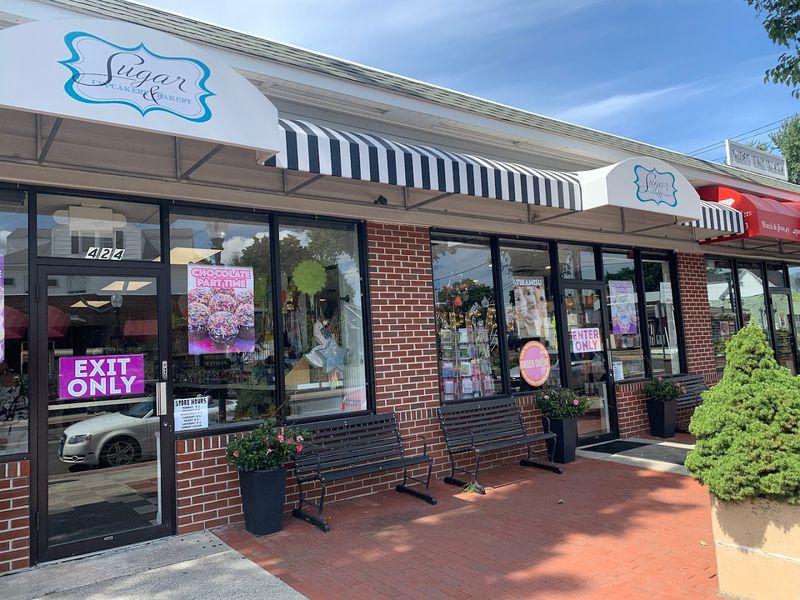
Creative bakeries often attract attention through decorated cakes and playful desserts, yet the most revealing work may be the simplest item in the case.
Sweet potato pie belongs in that category because it demands technique rather than visual excess, requiring a crust with structure and a filling that tastes smooth, full, and carefully seasoned.
Customer expectations can be high in a varied dessert shop, which makes a well executed pie even more impressive.
Technical choices shape the final result in subtle ways.
Proper mixing avoids a dense or grainy center, while smart baking control prevents overcooked edges and under-set middles.
Simple desserts frequently require the most skill because every flaw is exposed, especially in a pie where the sweetness, spice, and starch have to work together without one element dominating the others.
Bakery culture also matters when a traditional recipe shares space with modern pastries.
Distinctive desserts may draw interest, but classics build trust.
Sweet potato pie remains memorable in that environment because it shows respect for fundamentals, proving that a restrained Southern-inspired dessert can carry as much authority as the most decorated product in the shop.
Hartford Baking Company – West Hartford
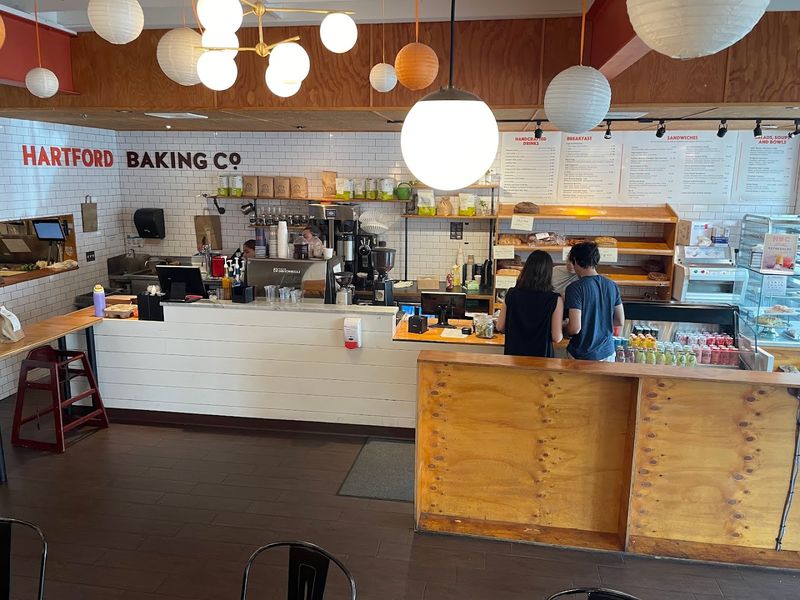
Community focused bakeries often build their reputation through reliability, and that standard is easy to measure in a sweet potato pie.
Every stage has to be repeatable, from mixing the dough to baking the filling until it holds together without losing softness.
Traditional recipes remain relevant because they reward consistency, giving customers a dessert that feels familiar while still showing the craft behind everyday production.
Product quality becomes especially visible in pies, where ingredient choices are hard to disguise.
Good butter supports flavor in the crust, fresh spice adds warmth without bitterness, and properly prepared sweet potatoes create a rich texture that should stay smooth rather than pasty.
Dessert offerings in a broad bakery menu can vary widely, yet a strong pie often says more about the kitchen than a complicated pastry.
Local loyalty grows when simple foods are treated seriously.
That is why classic pies continue to matter in contemporary shops tied closely to neighborhood routines. Sweet potato pie works so well in this setting because it bridges comfort and craftsmanship, offering a dessert rooted in tradition while reflecting careful execution in every clean, balanced slice.
Wave Hill Breads – Norwalk
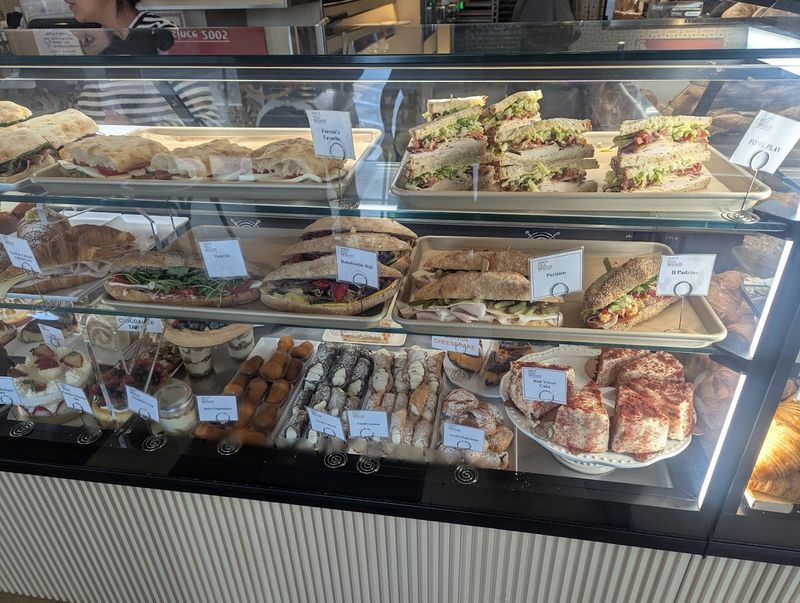
Bread bakeries with a serious artisanal philosophy often bring that same rigor to pastry, and sweet potato pie can benefit tremendously from the crossover.
Craftsmanship shows up first in the crust, where flour handling, fat distribution, and bake temperature determine whether the shell stays flaky and structured.
Respect for traditional baking practices gives the dessert a clear point of view, treating pie as a product of technique rather than nostalgia alone.
Ingredient quality matters because the filling has very few places to hide.
Well prepared sweet potatoes bring natural body and sweetness, while dairy, eggs, and spice need to support that flavor with precision.
Artisanal production methods also encourage patience, which is essential for a pie that must cool properly to achieve the right slice and keep its texture from turning loose.
Philosophy can be tasted in restrained desserts more easily than in elaborate ones. Honest baking allows each component to do real work.
Sweet potato pie stands out in this context because it mirrors the values of careful fermentation and hand production, rewarding discipline, repetition, and a strong belief that traditional forms still deserve exacting attention.
Sift Bake Shop – Mystic
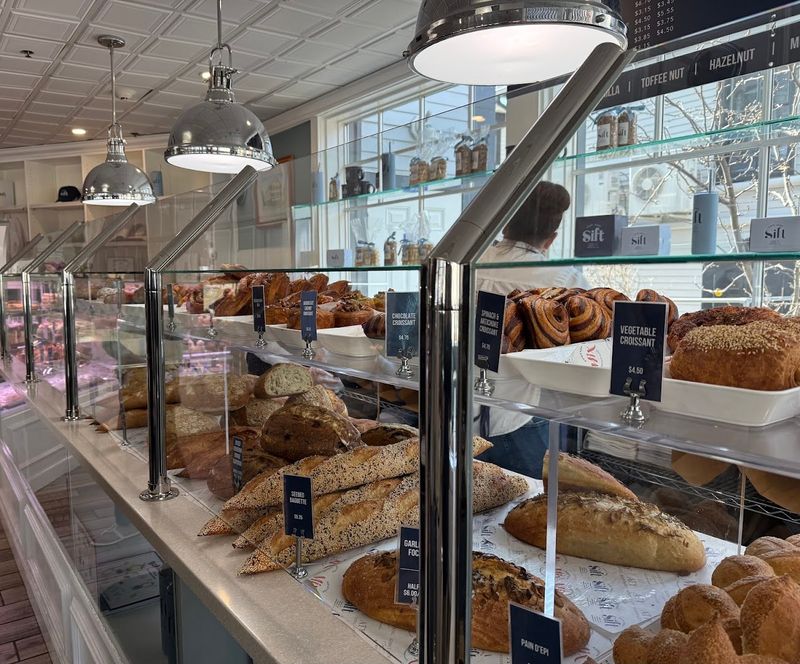
Pastry expertise often becomes most interesting when it is applied to a classic American dessert, and sweet potato pie offers a perfect test.
Technical precision matters at every step, including how the filling is blended, how the crust is shaped, and how the bake is timed to preserve a silky interior.
Flavor balance is equally important, since too much spice can flatten the vegetable’s sweetness while too little leaves the pie tasting dull.
In a refined dessert lineup, classic pies provide contrast and perspective.
Layered entremets and laminated pastries may display complexity, but a well made sweet potato pie proves mastery through texture and restraint.
Smooth custard, crisp pastry, and measured seasoning create a dessert that feels grounded, showing that traditional American baking can stand comfortably beside more formal patisserie techniques.
Professional pastry kitchens understand that simplicity raises the standard rather than lowering it.
Fine details become easier to notice, especially in the cut of the slice and the finish on the palate.
Sweet potato pie fits beautifully within an accomplished program because it highlights control, maturity, and the enduring value of old recipes treated with modern precision.
Queen Street Bakery – Southington
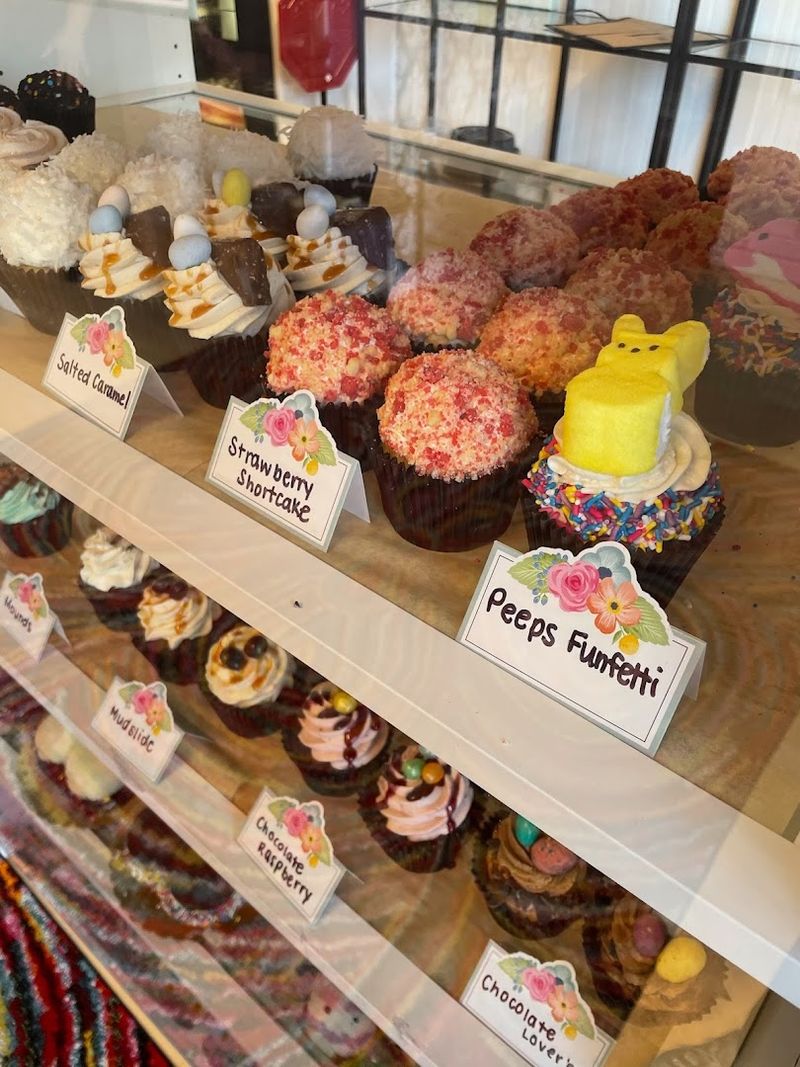
Neighborhood baking culture can keep traditional desserts alive in ways larger pastry trends often cannot. Sweet potato pie thrives in that environment because it speaks directly to homemade quality, steady habits, and the value of recipes that improve through repetition.
Customer loyalty often forms around foods that feel dependable, and pie offers one of the clearest examples of how scratch baking turns ordinary ingredients into something memorable.
Many baked goods compete for attention, yet classic pies hold a special place because they reveal the baker’s hand so plainly.
A good version needs a crust that flakes without crumbling apart, plus a filling that tastes rich and earthy with balanced sweetness.
Dessert traditions matter here not as nostalgia alone, but as practical standards for judging texture, seasoning, and ingredient care.
Across changing bakery menus, baked-from-scratch pies continue to appeal because they provide comfort backed by technique.
Familiar flavor is only part of the story.
Sweet potato pie becomes notable when every detail, from spice warmth to the final set of the custard, shows the discipline and consistency that define strong neighborhood baking.