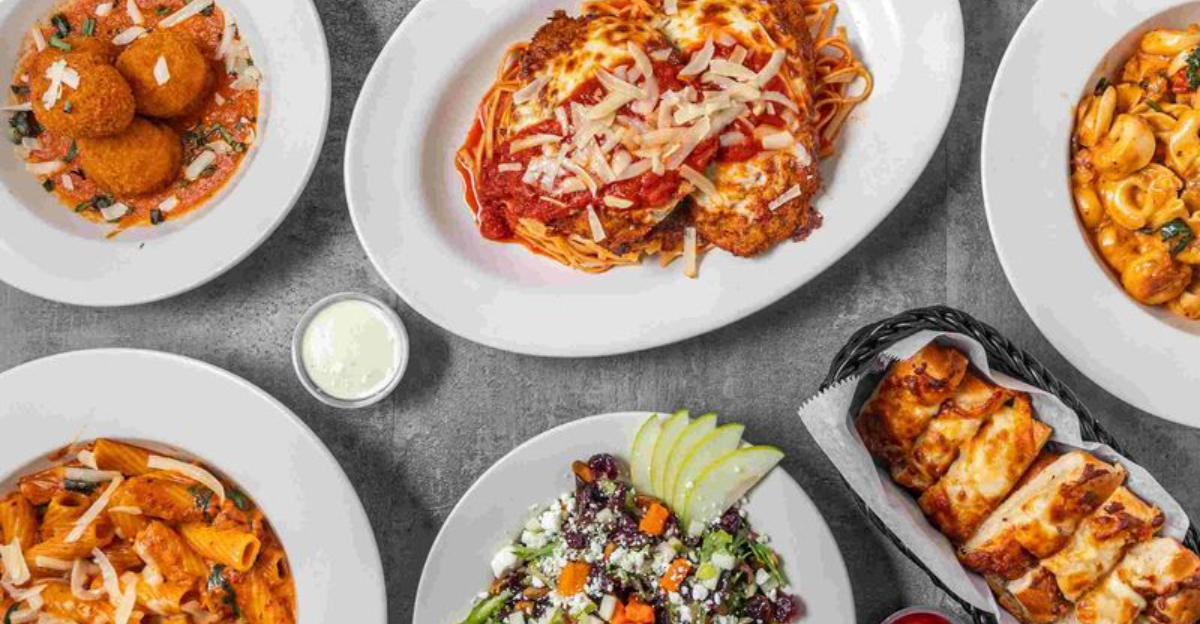
Some of the best culinary traditions are preserved behind the modest windows of small family-run restaurants where pasta is still made by hand.
In Connecticut, Italian-American heritage is sustained not through large-scale tourism but through the daily work of dedicated kitchen teams that continue to reject industrial shortcuts.
Authentic pasta here depends on skill, patience, and generations of regional knowledge passed down over decades.
That commitment to craftsmanship helps create a quieter culinary landscape where every plate reflects a balance between technique, tradition, and comfort.
The following guide explores 14 pasta restaurants across Connecticut that feel like true Italian treasures.
These are places that have maintained the intimacy, hospitality, and high standards associated with an earlier era of Italian dining.
Pasta Eataliana Trattoria Napoletana – New Haven
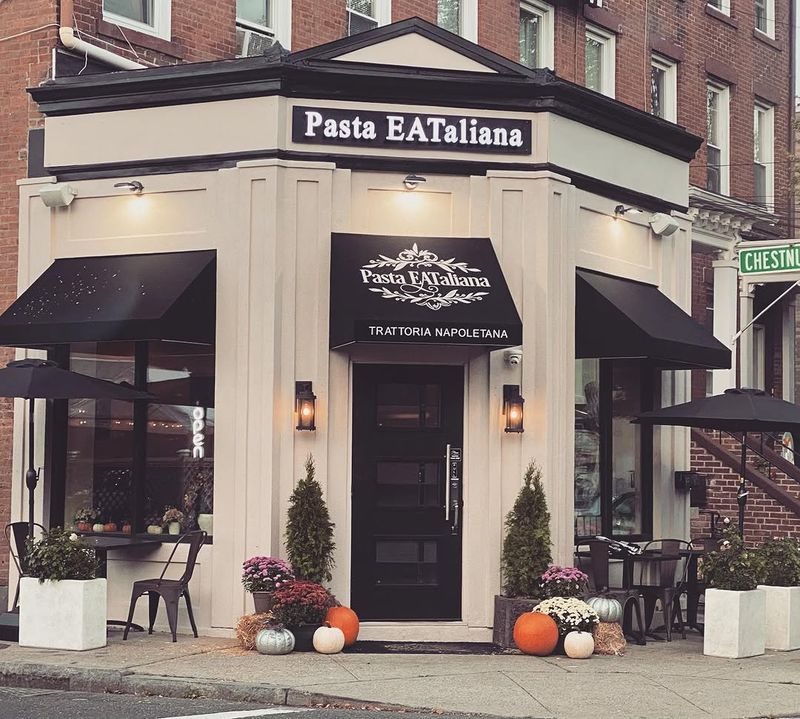
Deep ties to Neapolitan cooking shape the menu here, and that matters because southern Italian pasta traditions lean on restraint rather than excess.
Fresh dough becomes the center of the meal, not just a vehicle for sauce.
Local diners notice that distinction in the bite, which stays tender but still structured.
Elsewhere, red sauce can flatten into sweetness, yet the gravies here tend to carry more savory depth and olive oil character.
Seafood, tomato, garlic, and basil combinations reflect the south without forcing a tourist version of it. Family-style service also changes the experience, since sharing reinforces how pasta historically functioned at large tables.
New Haven’s old Italian community gives the room cultural weight beyond nostalgia.
Generations built bakeries, markets, and social clubs nearby, so dishes rooted in Naples feel connected to place rather than copied from trend.
Watching fresh pasta appear beside familiar southern flavors shows why neighborhood restaurants remain vital keepers of regional memory.
Paul’s Pasta Shop – Groton
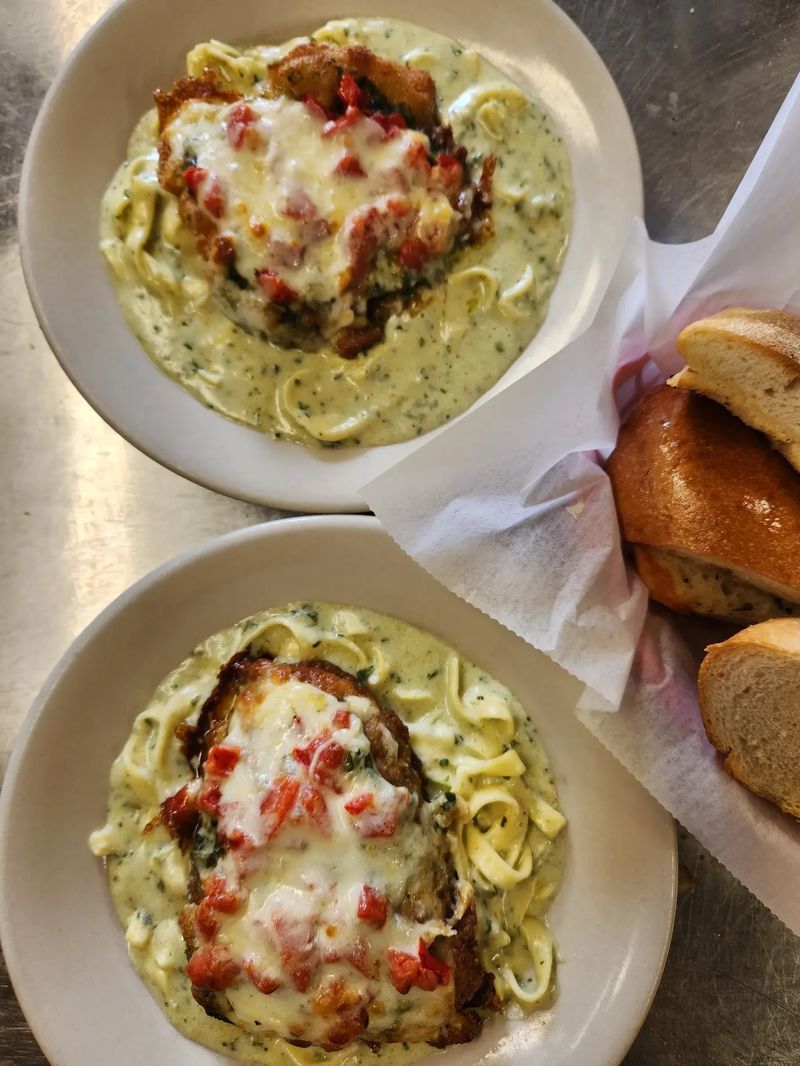
Fresh pasta production defines this longtime spot, and the visible commitment to making noodles daily explains its endurance better than any slogan could.
Consistency matters most in a place people return to for years.
Dough texture, cooking times, and sauce balance become part of local routine when they stay dependable.
Coastal setting subtly shapes the menu, especially when lighter seafood pairings meet delicate strands or stuffed shapes.
Homemade sauces carry the straightforward style many regulars want, with tomato, cream, and butter preparations that support rather than bury the pasta.
That approach feels old-school in the best sense because repetition sharpens execution.
Groton’s working waterfront culture also helps explain the restaurant’s appeal.
Residents often value places that feed families without ceremony while still respecting craft, and fresh pasta satisfies both goals.
Over decades, that kind of reliability becomes culturally important, since it preserves a tradition of independent pasta making that chain restaurants rarely attempt with equal discipline.
Il Pastaficio – Westport
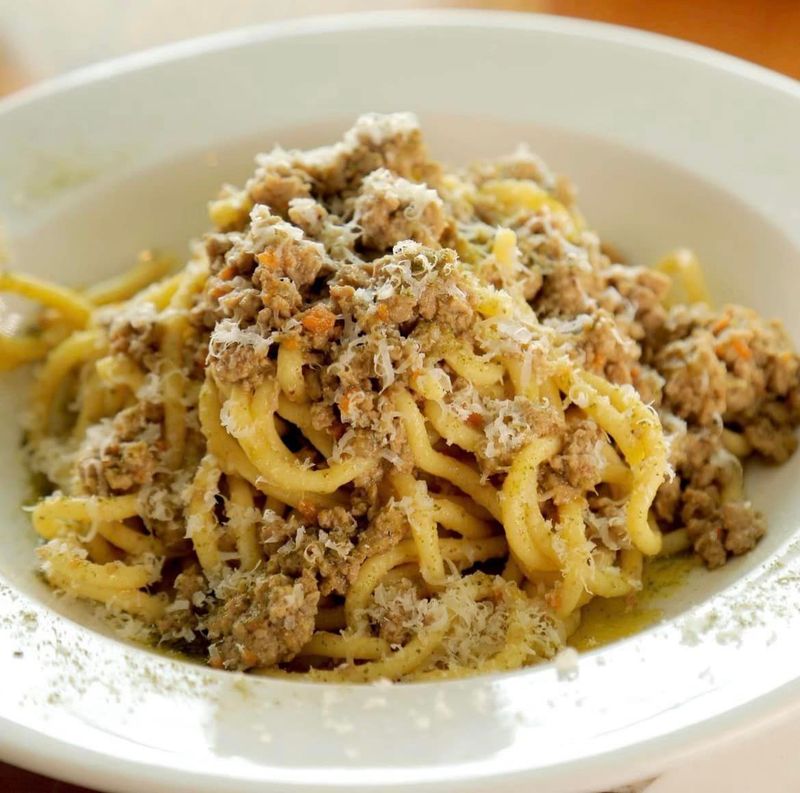
Handmade pasta sits at the heart of the experience, turning each plate into a study of texture, flour quality, and proper hydration.
Specialty pasta restaurants succeed when they persuade guests to notice those subtleties.
This kitchen leans into that mission through artisan production methods rather than oversized menus.
Ingredient quality becomes especially visible in simpler dishes, where butter, cheese, pepper, or a light tomato sauce leave nowhere to hide.
Better eggs and carefully chosen flour create richer color and a cleaner finish.
Traditional Italian technique matters here because lamination, resting, and rolling all affect how sauce clings and how each strand lands on the palate.
Westport’s growing appreciation for focused, craft-driven dining gives a place like this room to thrive. Diners increasingly understand that pasta can be as technical as pastry or bread when made with discipline.
By centering production itself, the restaurant highlights why independent pasta specialists occupy an important space between neighborhood comfort food and serious culinary workmanship.
Il Pastaficio – Cos Cob
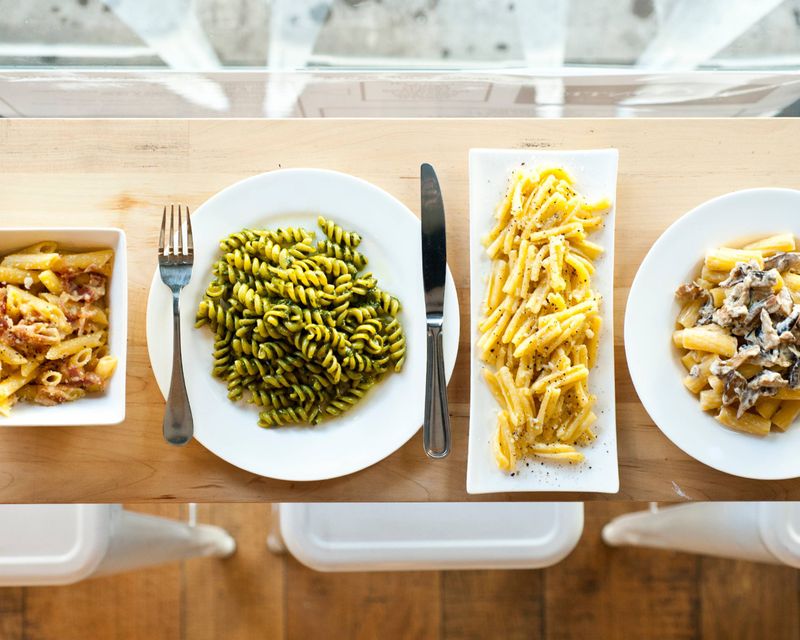
Small-batch pasta production gives this neighborhood restaurant its identity, because limited runs allow closer control over dough elasticity and filling balance.
Craftsmanship becomes easier to taste when volume stays manageable.
You can sense that attention in shapes that feel precise rather than industrial.
Regional Italian influences broaden the menu beyond a single red-sauce tradition.
Stuffed pastas, ribbons, and short cuts each suggest different parts of Italy, which helps explain how pasta culture evolved through local ingredients and local habits.
Technique links those regions together, since shaping, sealing, and cooking require judgment that machines often flatten into sameness.
Cos Cob’s dining culture favors places that feel woven into everyday life, and fresh pasta suits that intimacy well.
Meals built around handmade dough create a slower rhythm than quick service dining, even when the room stays casual.
That neighborhood scale is important because authentic Italian cuisine has long depended on small operations where skill, repetition, and direct hospitality reinforce each other.
Via Emilia – Mystic
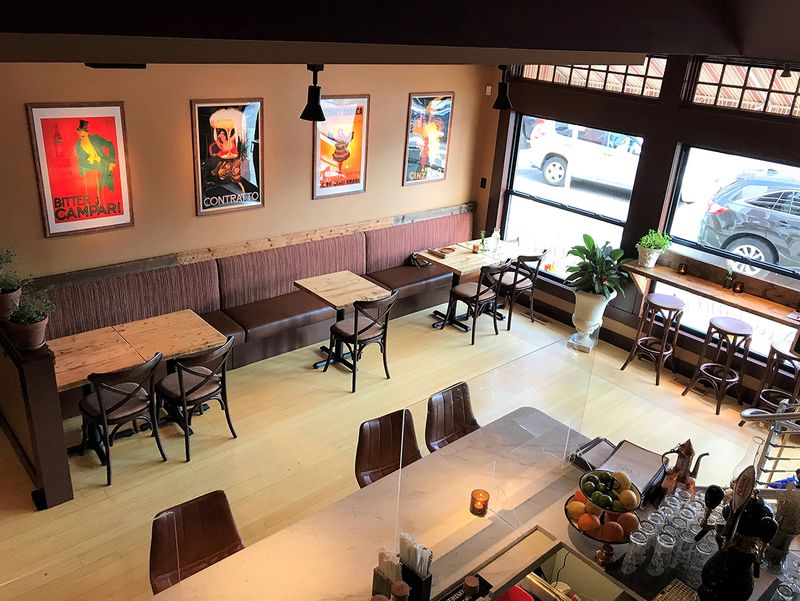
Emilia-Romagna traditions give this restaurant a clear culinary compass, and that specificity matters because the region shaped many of Italy’s canonical pasta forms.
Handmade sheets, stuffed parcels, and ragus all carry different technical demands.
A menu grounded there naturally emphasizes craft over novelty.
Butter, Parmigiano Reggiano, prosciutto, and slow-cooked sauces often define the region more than the tomato-heavy expectations many Americans bring to Italian food.
When those flavors meet fresh pasta, the result feels layered without becoming heavy.
Local ingredients can still play a role, especially when coastal Connecticut produce and proteins are handled through Italian methods rather than forced fusion.
Mystic provides an interesting setting for that exchange between place and tradition.
Visitors may arrive expecting a generic seaside Italian meal, yet a regional approach teaches how pasta reflects geography, climate, and agricultural history.
By staying faithful to Emilia-Romagna’s logic while using nearby ingredients carefully, the kitchen shows that authenticity is less about imitation and more about disciplined translation.
Cafe Silvium – Stamford
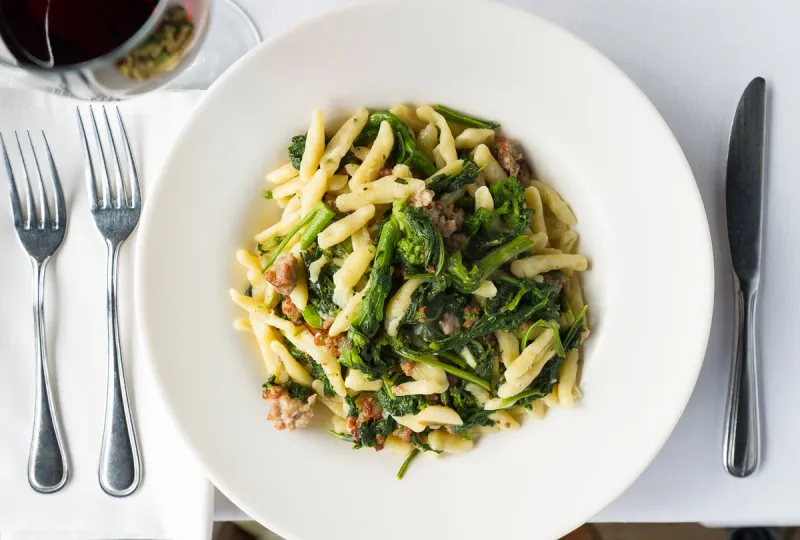
Family ownership shapes the rhythm here as much as the recipes do.
Hospitality feels personal in a room where closeness, conversation, and kitchen confidence all matter.
That intimacy helps homemade pasta register not as luxury, but as evidence of care and repetition.
Daily specials and house favorites often drive the experience more than a sprawling menu would.
Sauces tend to follow a comforting logic, with braised meats, mushrooms, cream, or tomato supporting pasta made to hold them well.
Neighborhood reputations develop from details like that, since regulars remember how a place makes them feel while still expecting technical reliability.
Stamford has no shortage of places to eat, which makes a tightly loved dining room especially notable. Smaller environments create accountability because every plate reaches guests in direct view of the staff and often under the pressure of strong demand.
Reservation difficulty, when it happens, says less about hype than about the enduring appeal of restaurants where handmade pasta and genuine Italian hospitality remain inseparable.
L’Orcio – New Haven
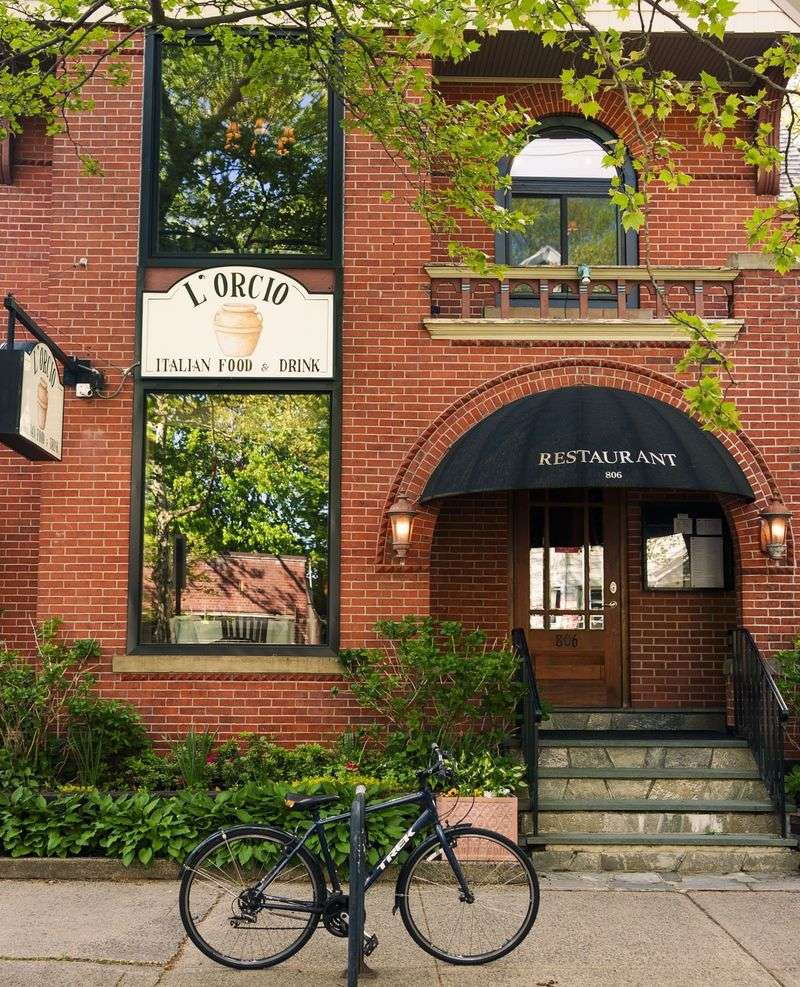
Rustic Italian cooking finds a fitting home in a historic setting, where the surroundings reinforce the age-old logic of simple ingredients treated carefully.
Atmosphere matters here because pasta traditions developed in homes, inns, and village rooms, not sterile concepts.
Homemade noodles therefore feel consistent with the building’s character rather than added for effect.
Seasonal sourcing strengthens that rustic identity.
Mushrooms, herbs, braised meats, greens, and tomatoes all speak differently depending on time of year, and fresh pasta adapts beautifully to those shifts.
Such flexibility is important because traditional Italian cuisine relies on the cook’s response to available ingredients more than on fixed luxury products.
New Haven adds another layer of meaning, given the city’s long relationship with immigrant foodways and independent restaurants.
Preserving culinary practices requires places willing to maintain labor-intensive methods even when easier shortcuts exist.
Here, the pairing of historic space, house-made pasta, and ingredient-driven cooking offers a useful reminder that authenticity often survives through disciplined routine rather than loud declarations.
Trattoria Amalfi – Mystic
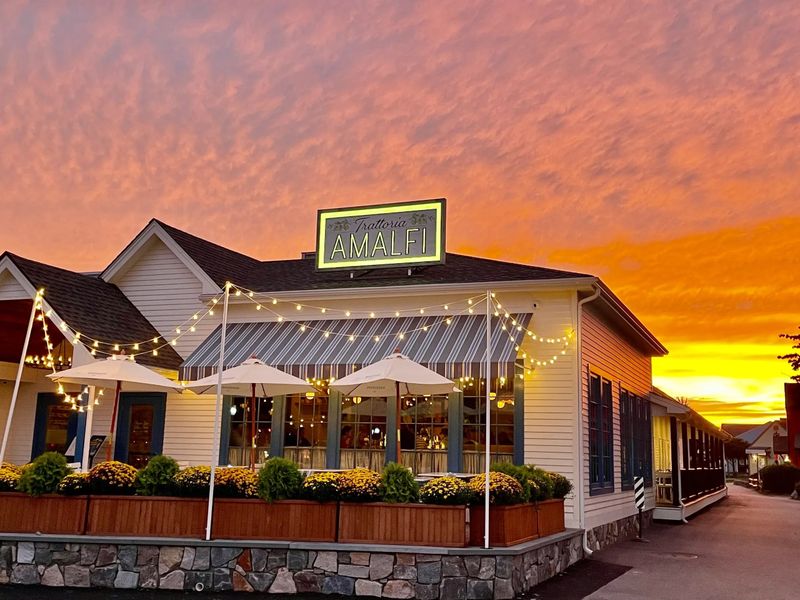
Coastal Italian influences shape the menu in ways that make immediate sense in a maritime town.
Seafood pasta works best when sauces stay focused, letting brininess, olive oil, garlic, and acidity carry the plate. Southern Italian traditions understand that balance especially well.
Clams, shrimp, mussels, and lighter tomato preparations often mirror the practical cooking of shoreline communities, where freshness matters more than embellishment.
Fresh or well-chosen dried pasta must be cooked precisely, since seafood can turn a dish muddy if timing slips.
Hospitality also plays a major role, because southern dining culture values warmth and abundance without losing the simplicity that makes these combinations compelling.
Mystic’s own connection to the water helps these flavors feel grounded rather than imported.
Maritime communities frequently share habits of resourcefulness, seasonality, and communal eating, so Italian coastal cuisine translates naturally along New England shores.
By emphasizing seafood and southern technique together, the restaurant illustrates how pasta can express both regional identity and the broader cultural links between ports, trade, and family tables.
Buon Appetito Ristorante – North Haven
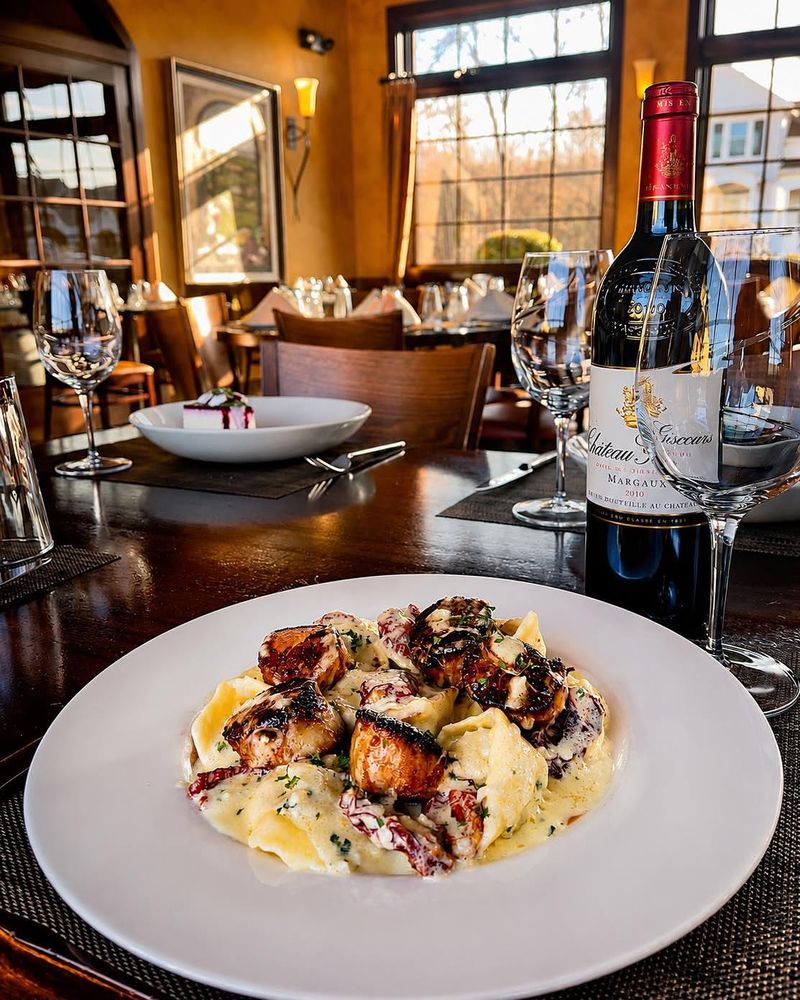
Classic Italian-American dining still carries real cultural value when it is grounded in family recipes and neighborhood loyalty.
Homemade pasta becomes part of that tradition by connecting Sunday dinner expectations to restaurant cooking.
Comfort matters here, but comfort is built through repeated technique, not sentiment alone.
Red sauces, baked pastas, stuffed shells, ravioli, and meat-centered gravies often define this style because they reflect immigrant adaptation in the Northeast.
Those dishes translated regional Italian memory into ingredients that were affordable and available in America.
Understanding that history makes familiar plates more interesting, since they document how families preserved identity while adjusting to new circumstances.
North Haven remains a strong setting for that continuity.
Local regulars help sustain restaurants that prioritize consistency, portions meant for sharing, and flavors that feel stable across generations.
Rather than chasing novelty, this kind of kitchen protects an important branch of pasta culture, one where hospitality, family repetition, and the dependable satisfaction of homemade staples are treated as serious culinary virtues.
Pagliacci’s Restaurant – Plainville
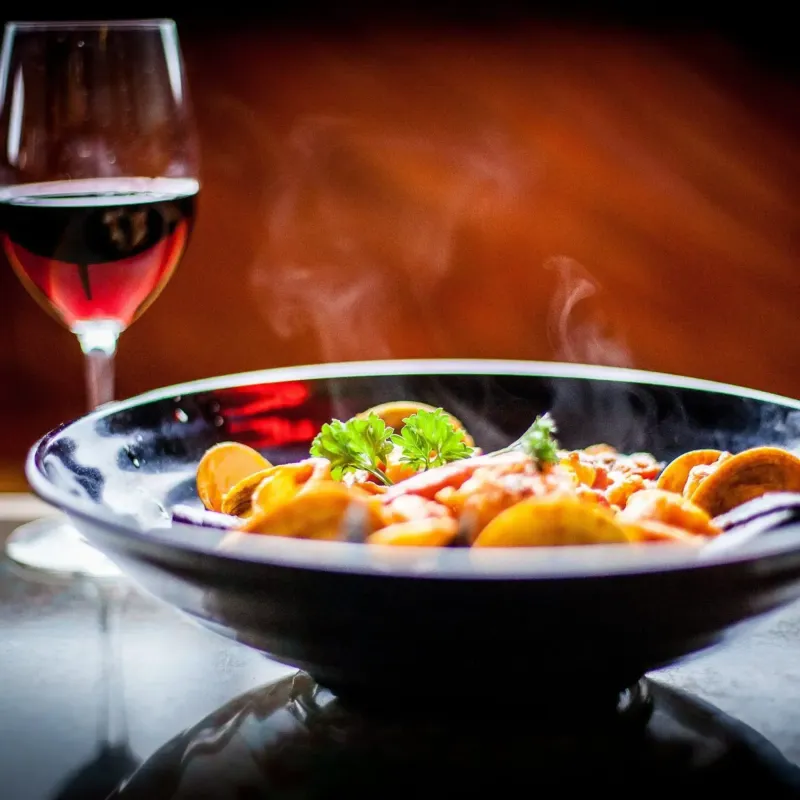
Long-standing family restaurants reveal their strengths through repetition, and that is especially true with pasta.
Years of making the same dishes teach cooks where small adjustments matter most. Consistency becomes a form of craftsmanship when each service aims to reproduce a trusted standard.
Traditional pasta plates often anchor the menu, reflecting an Italian-American heritage shaped by durability and broad family appeal.
Spaghetti, ravioli, lasagna, and red-sauce classics persist because they fit gatherings, celebrations, and weeknight meals alike.
Community ties deepen their significance, since these dishes become part of local memory through birthdays, postgame dinners, and multigenerational routines.
Plainville benefits from establishments that continue serving as social fixtures rather than disposable dining options.
In those rooms, value is measured not only by portion size but by familiarity, predictability, and the comfort of recipes that do not drift with fashion.
That steadiness explains why older pasta restaurants deserve attention: they preserve a lived tradition of Italian-American cooking that depends on discipline every bit as much as sentiment.
Salute – Hartford
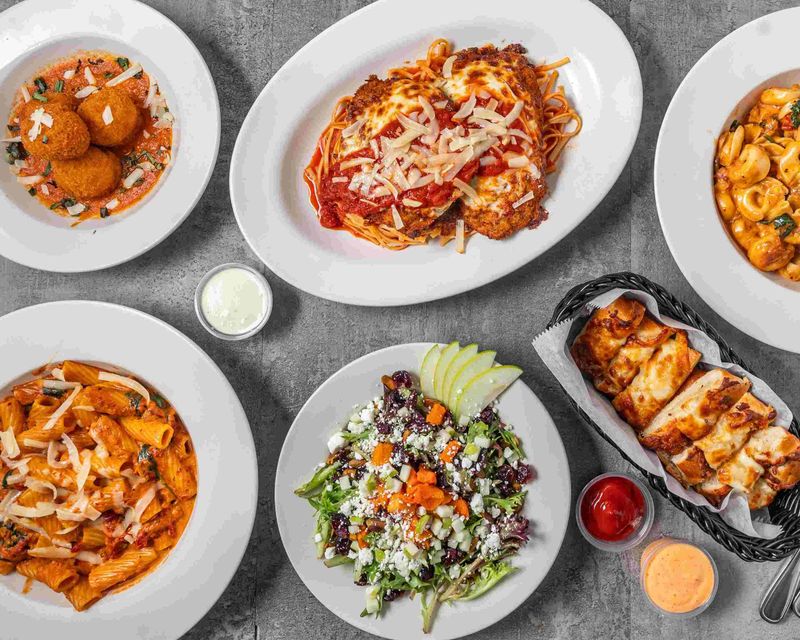
Contemporary Italian restaurants succeed when modern presentation does not weaken traditional flavor logic.
Fresh pasta provides the ideal test because visual refinement quickly fails if texture or sauce structure is off.
Here, polished plating tends to support, not distract from, the fundamentals.
Quality ingredients show up most clearly in restrained compositions.
A well-made ribbon with a measured ragu or a filled pasta with balanced butter and sage can communicate more than elaborate garnish ever could.
Hospitality also matters in urban dining rooms, where professional warmth helps keep serious cooking from feeling remote or overly formal.
Hartford benefits from places that interpret Italian food through current standards while still respecting older methods.
The balance is important because many diners want precision and atmosphere without losing the comfort that pasta should provide.
By investing in fresh production and disciplined flavor building, this restaurant demonstrates how contemporary style can coexist with tradition.
The kitchen understands that refinement begins with dough, stock, sauce, and timing, allowing classic foundations to support a more modern expression of Italian cooking.
Posa Ristorante – Guilford
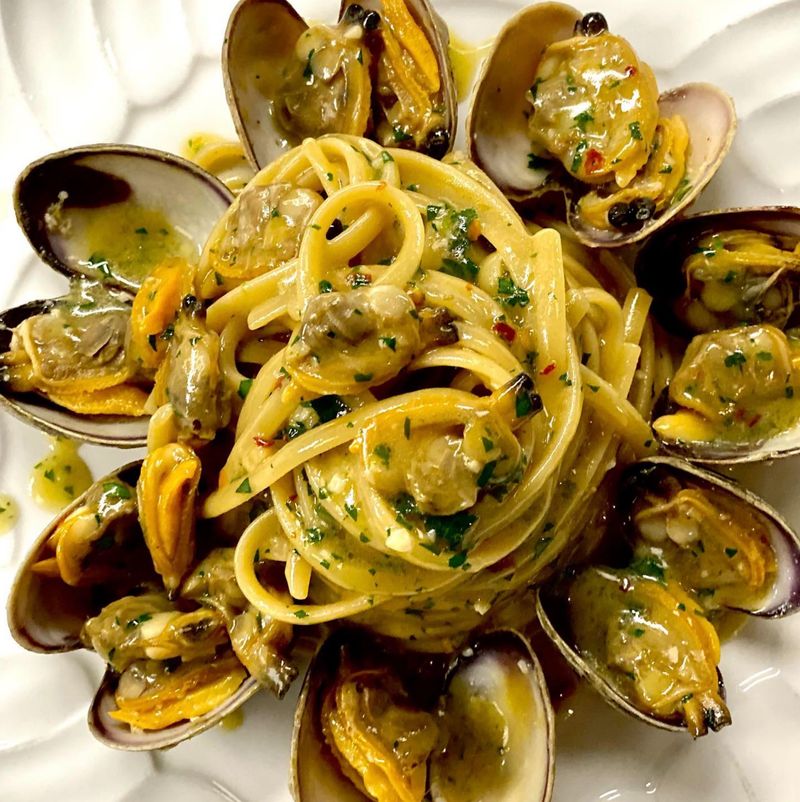
Chef-driven cooking can sharpen a pasta menu when technical ambition stays anchored to regional Italian principles.
Handmade dough rewards precision, since thickness, filling ratios, and sauce density all influence the final plate.
That precision becomes meaningful when it serves flavor rather than ego.
Regional references give contemporary menus structure. Instead of offering vague Italian inspiration, a focused kitchen can draw from specific traditions in northern, central, or southern cooking and then adapt carefully to season and supply.
Traditional methods still guide the work, whether through slow ragus, egg-rich doughs, restrained broths, or the disciplined use of cheese and cured meats.
Guilford is an appealing place for this kind of measured sophistication because it supports dining that feels intentional without becoming stiff.
Guests often notice when a pasta course reflects exact cooking and thoughtful editing, even if they cannot name every technique behind it.
That response matters, since chef-led restaurants help translate old methods for modern audiences while proving that rigor and comfort do not need to pull in opposite directions.
Della Francesca – Niantic
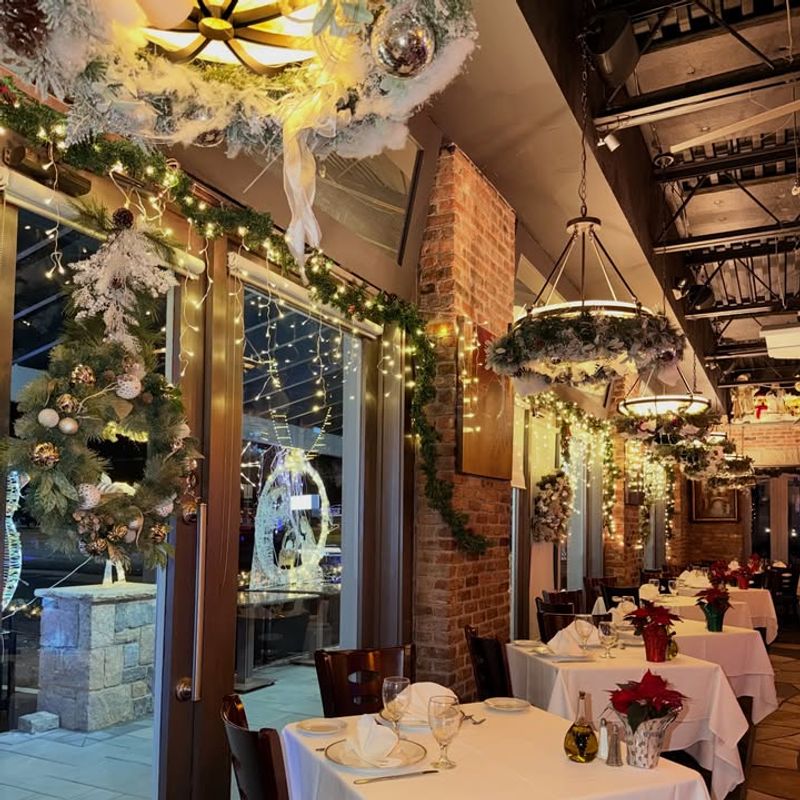
Waterfront dining changes how people experience pasta, often making them slow down and notice rhythm, texture, and aroma more carefully.
Setting alone does not guarantee quality, but it can shape attention. Fresh pasta benefits from that slower pace because its subtleties reveal themselves between bites, not in a rush.
Family traditions help ground the menu so atmosphere does not overshadow cooking.
House specialties built around handmade noodles, classic sauces, and seafood pairings make sense in a coastal town where hospitality and lingering meals often overlap.
Service style matters here too, since genuine warmth encourages diners to share courses and engage with food as part of the evening rather than as a quick transaction.
Niantic’s shoreline identity gives the restaurant a natural framework.
Views, maritime air, and neighborhood familiarity can heighten appreciation when the kitchen provides substance to match the scene.
That relationship between atmosphere and food is worth taking seriously.
Memorable Italian meals often depend on context as much as recipe, with the setting reinforcing the emotional and sensory impact of well-made pasta.
More Italian Pasta Lab – West Hartford
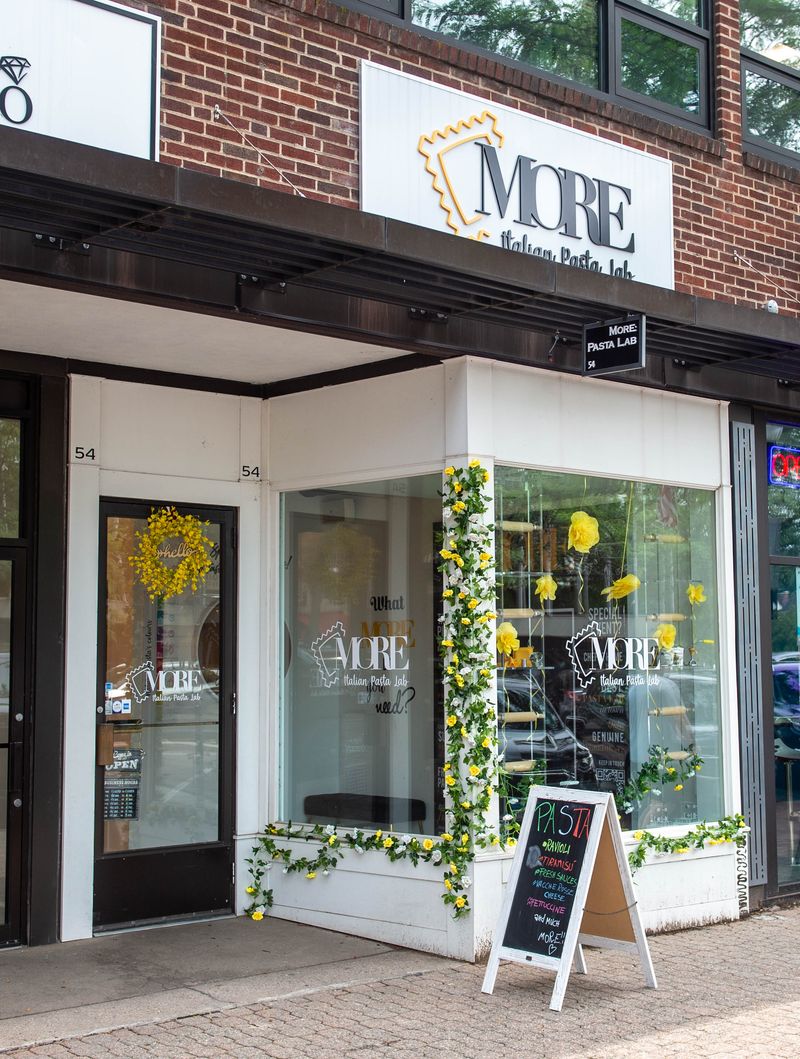
Pasta-focused dining represents a newer phase in American Italian restaurant culture, one that treats dough work as the main event instead of a supporting category.
An artisanal lab approach invites closer attention to shape, hydration, fillings, and finishing technique.
That focus can deepen appreciation for craft when it remains grounded in tradition.
Modern interpretations become worthwhile only if they understand the originals first.
Creative sauces, seasonal accents, or unusual formats should still respect the structural logic of Italian pasta making, including how different shapes hold fat, cheese, broth, or ragu.
Culinary artistry matters most when it clarifies those relationships rather than covering them with novelty.
West Hartford is a fitting place for this model because diners there often show curiosity about specialized food experiences.
Interest in dedicated pasta restaurants reflects a broader shift toward ingredient literacy and process-driven dining.
By centering production and experimentation within an Italian framework, this restaurant helps show why fresh pasta has become a serious subject for contemporary cooks, not merely a comforting default order.