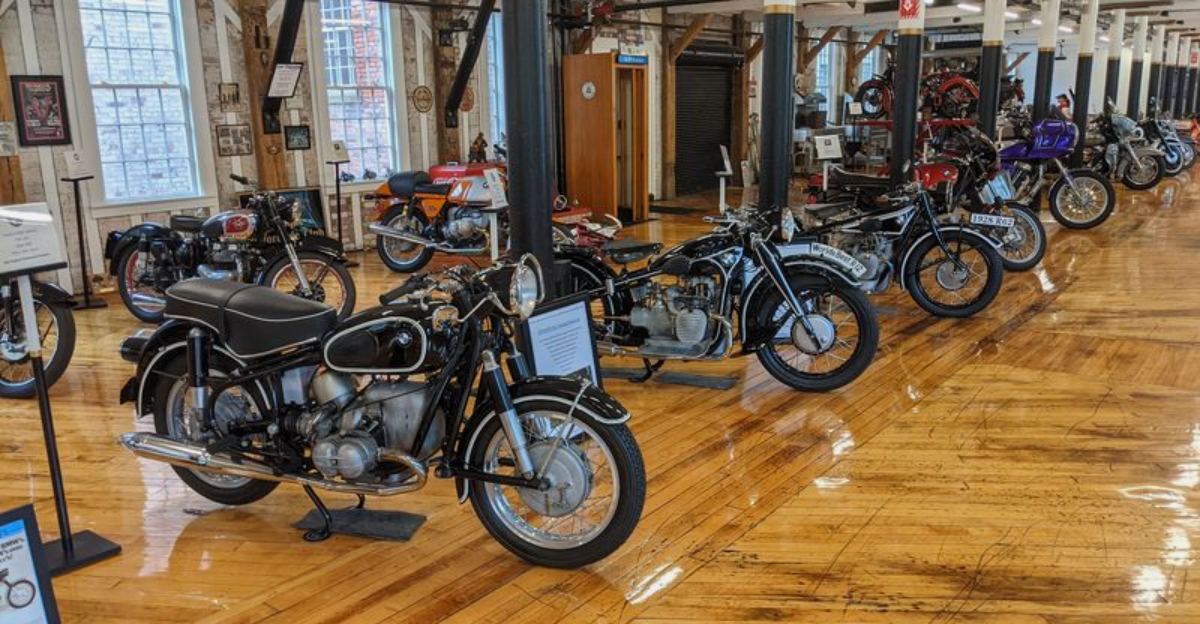
The scent of machine oil lingers in the air, polished brass catches the light, and the quiet outline of a vintage trolley or locomotive hints at journeys taken long before modern highways existed. Across Connecticut, transportation history lives on in places where every vehicle tells part of a much larger story about innovation, industry, and everyday life.
From historic trolley barns and railroad depots to museums dedicated to motorcycles, trucks, and classic automobiles, Connecticut transportation museums offer an unexpectedly rich look at how people and goods have moved across the state for generations. Many of these collections are housed in beautifully preserved buildings, where weathered wood, gleaming metal, and carefully restored vehicles create an atmosphere that feels both authentic and inviting.
Ahead, you’ll discover 10 remarkable destinations where engineering, craftsmanship, and local history come together, revealing the people, machines, and moments that helped keep Connecticut moving through the decades.
Haul of Fame Trucking Museum
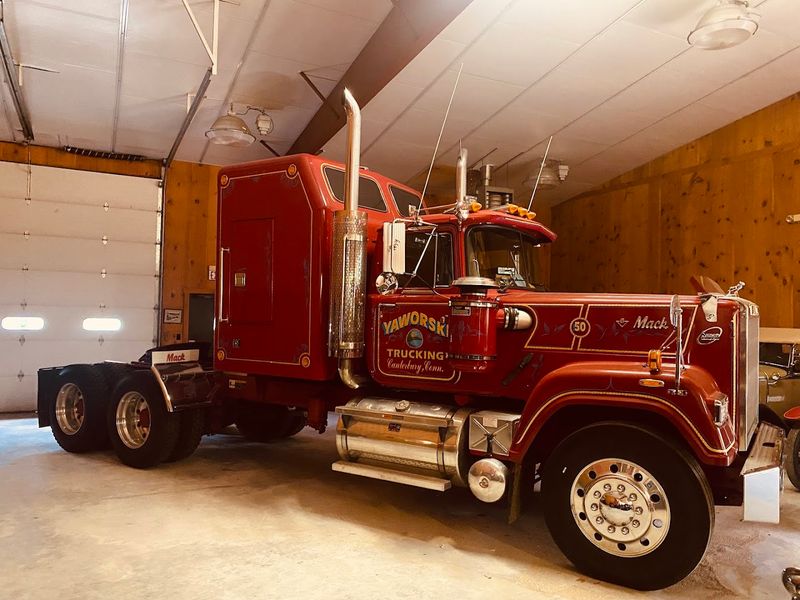
There is something unexpectedly moving about standing eye level with a truck grille built for another century. The scale, the steel, and the faded company lettering bring back a version of New England where the highway felt hard earned and every delivery carried a story.
Even if you came looking for classic cars, this place pulls you in fast.
Out in Canterbury, the Haul of Fame Trucking Museum preserves antique commercial trucks and the culture that traveled with them. The memorabilia adds texture, from old signs to transportation artifacts that make the collection feel personal rather than purely technical.
You start to notice design details that echo classic automobiles too, especially in the curves, badges, and practical beauty of older machines.
It is a quieter visit than some larger museums, and that works in its favor. You can take your time, read closely, and let the road history unfold.
New England Motorcycle Museum
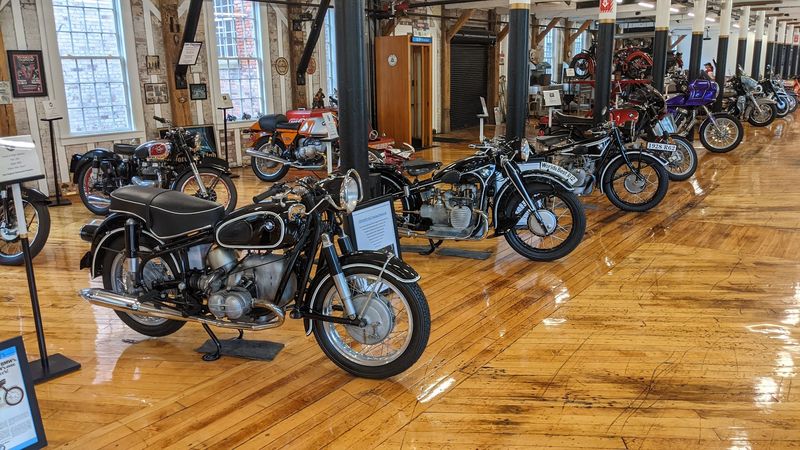
Even before you focus on the machines, the building sets the mood. Brick walls, old mill textures, and the faint hum of history make the whole place feel charged, like speed and craftsmanship have simply settled into the air.
It is a wonderful reminder that transportation history does not always sit still.
In Vernon, the New England Motorcycle Museum brings together nearly 200 vintage motorcycles with racing memorabilia and broader stories about motorized travel. For classic car fans, the appeal is easy to understand.
The chrome, paintwork, engineering, and period styling hit many of the same emotional notes that make old automobiles irresistible.
You may come for two wheels and still leave thinking about design across an entire era. Nearby Rockville adds a little small town texture to the outing, especially if you pair your visit with coffee or lunch along Main Street.
It feels local in the best way.
Connecticut Trolley Museum
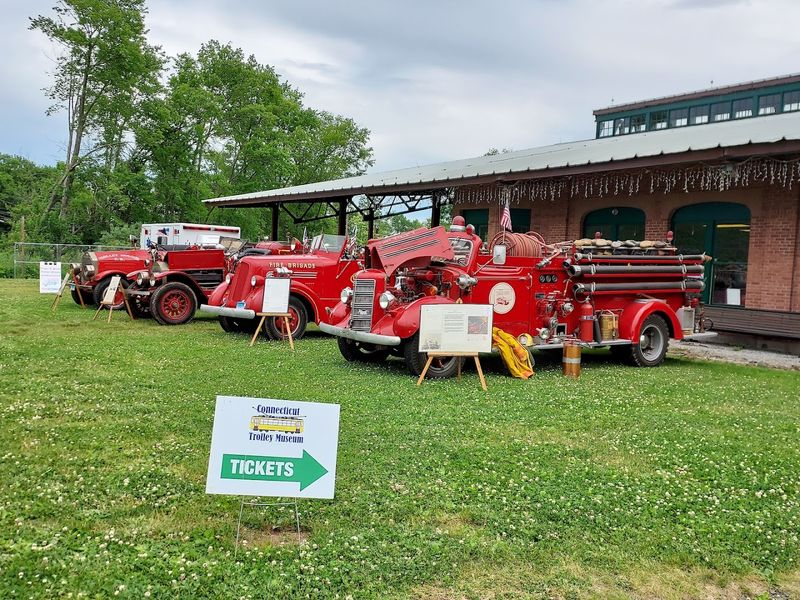
The gentle rattle of an old trolley can do something a static display never quite manages. Suddenly, transportation history is not behind glass.
It moves, creaks, sparks, and reminds you that the trip itself once carried as much character as the destination. That feeling lands immediately here.
In East Windsor, the Connecticut Trolley Museum offers restored electric streetcars, service vehicles, and a look into the restoration process that keeps them alive. While it is not a car museum in the narrow sense, classic vehicle lovers usually connect with the craftsmanship and mechanical ingenuity on display.
The workshop details are especially satisfying if you enjoy seeing how preservation actually happens.
There is also a simple pleasure in riding through a leafy stretch of Connecticut while hearing the car respond to track and wire. Pair it with a relaxed drive through the countryside, and the day feels wonderfully old fashioned.
Shore Line Trolley Museum
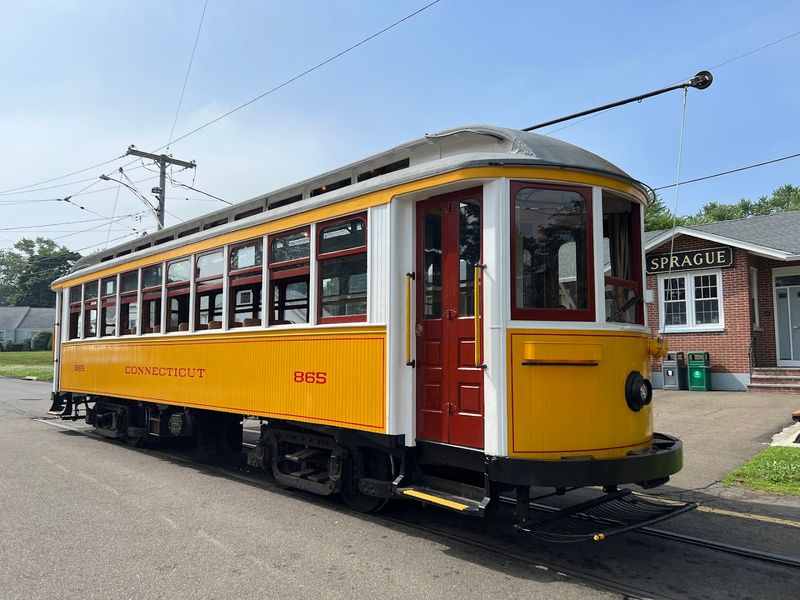
Some museums feel quiet in a sleepy way. This one feels quiet in a listening way, as if every rail, pole, and wooden seat still holds a conversation from another era.
That mood is part of what makes it memorable, especially if you love old vehicles for the worlds they suggest.
Over in East Haven, the Shore Line Trolley Museum is one of America’s oldest trolley museums, and that long history gives the place real depth. Restored streetcars and transportation equipment tell a broader story about motion, urban life, and the elegance of public travel before everything became standardized.
Classic car fans often appreciate the same design instincts here: careful proportions, durable materials, and details made to last.
The nearby shoreline adds another layer to the visit. After the museum, a seafood stop or a view of Long Island Sound feels like the perfect Connecticut coda.
Railroad Museum of New England
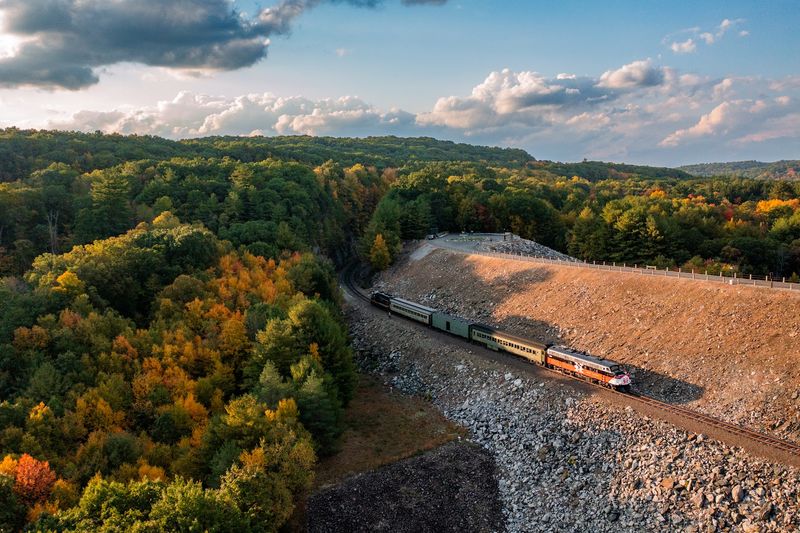
The soundtrack arrives first: metal clanks, low mechanical groans, and the soft anticipation that comes before a train moves. Even if your heart usually belongs to classic cars, there is something familiar in that combination of machinery and romance.
You start thinking less about categories and more about motion itself.
In Thomaston, the Railroad Museum of New England preserves locomotives, maintenance equipment, and excursion experiences that make history feel active rather than distant. The collection reveals how deeply transportation shaped small towns, factories, and everyday routines across the region.
For vehicle enthusiasts, the appeal often comes from the same place as a beloved coupe or roadster: design with purpose, age, and undeniable character.
The surrounding Litchfield Hills give the trip extra atmosphere, especially in fall. A ride or platform visit here pairs beautifully with a scenic drive and a slow lunch nearby.
Danbury Railway Museum
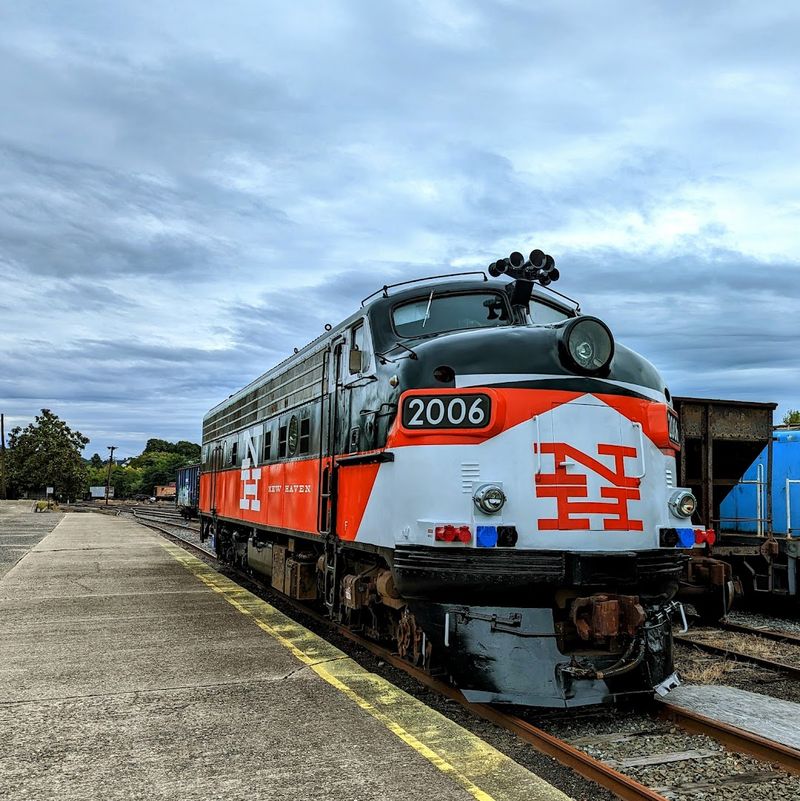
There is a particular charm to finding heavy transportation history right where town life still hums around it. One minute you are near restaurants and storefronts, and the next you are face to face with equipment that once organized the rhythms of an entire region.
That contrast gives this visit unusual energy.
In Danbury, the railway museum preserves historic railroad equipment, maintenance vehicles, and artifacts inside a setting that feels deeply tied to place. The old station atmosphere matters as much as the collection itself.
If you love classic cars, you will probably recognize the same pleasure here: rivets, enamel signs, worn textures, and engineering that still feels expressive.
Because it sits so accessibly, this museum works well as part of a fuller day. You can browse downtown, grab coffee, and then settle into the slower pace of transportation history without ever feeling rushed.
It is compact, personable, and easy to remember.
Connecticut Eastern Railroad Museum
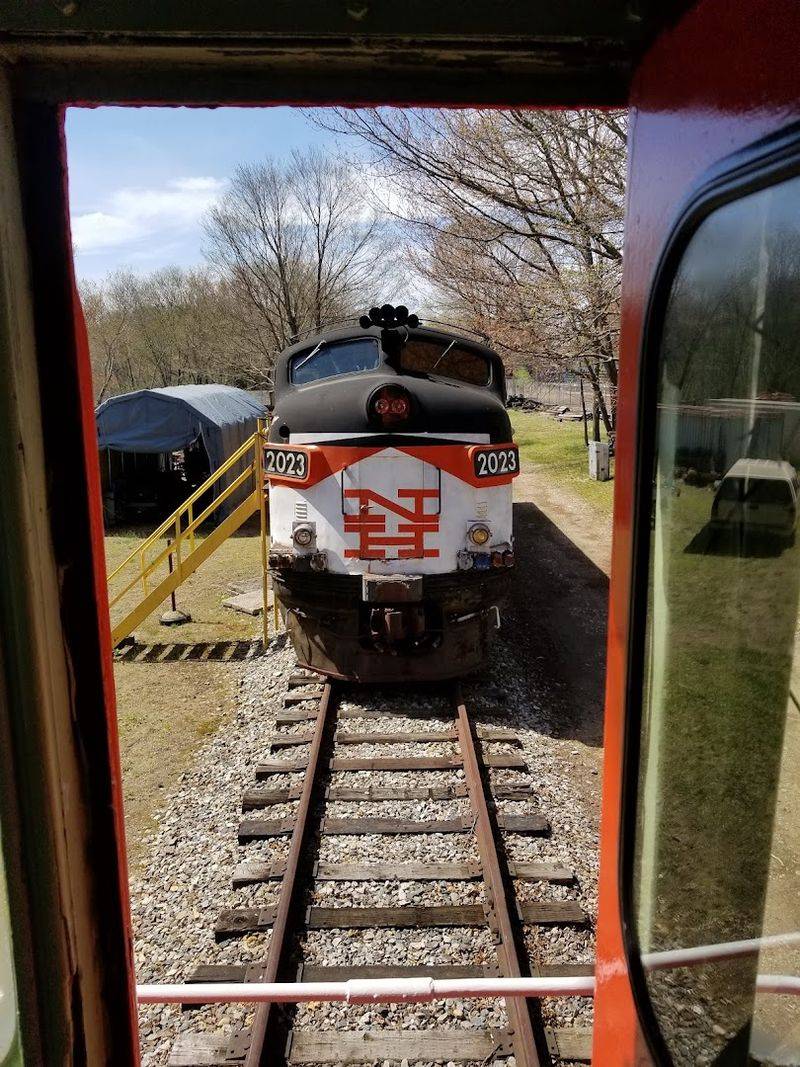
Sunlight on old paint can be surprisingly emotional. It catches every nick, rivet, and layer of use, turning practical equipment into something almost sculptural.
That is the feeling you get wandering this museum, where weather and workmanship seem to collaborate.
In Willimantic, the Connecticut Eastern Railroad Museum showcases vintage locomotives, cabooses, and maintenance gear that tell a fuller story than passenger glamour alone. There is an earthy honesty to the collection that classic vehicle fans usually appreciate right away.
Not every machine here was built to impress, but many of them do exactly that because their purpose still shows so clearly.
The setting also fits the experience. Willimantic’s mill-town character and the famous Frog Bridge nearby add a little local personality, so the visit feels anchored in more than exhibits.
It is a rewarding stop if you like transportation history with grit, texture, and a strong sense of place.
Essex Steam Train & Riverboat
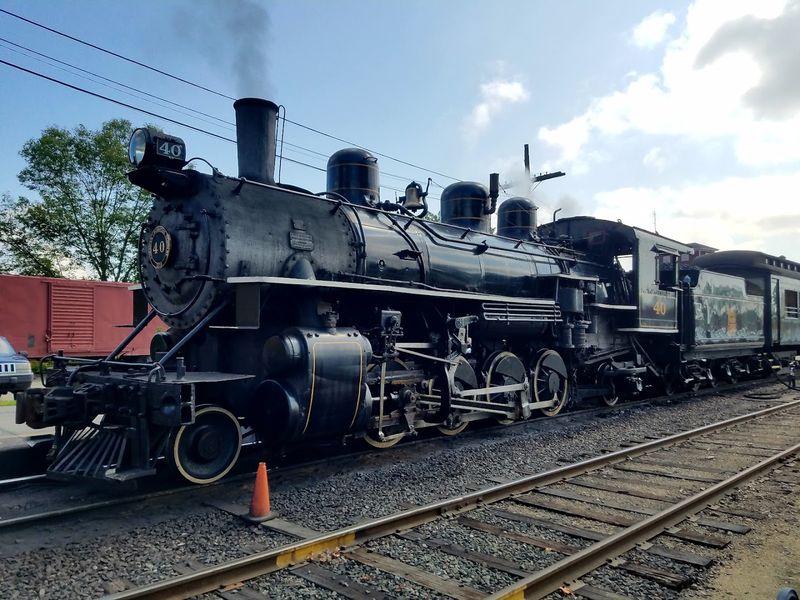
Few things stir the imagination like steam hanging in the air beside polished rail cars. The scene feels cinematic without trying, especially when the surrounding landscape is all trees, river light, and old New England charm.
It is easy to surrender to the mood before you even board.
In Essex, this heritage experience combines historic steam locomotives, restored railroad equipment, and a riverboat connection that broadens the sense of travel. While it leans more excursion than museum, classic car fans often find the same emotional pull in its careful preservation and period style.
The station details, brass accents, and rhythmic machinery make the whole visit feel tactile and alive.
The lower Connecticut River scenery gives the day its lasting glow. If you are building a road trip for transportation lovers, this stop adds beauty as well as history, and that balance makes it stand out long after the ride ends.
Connecticut Fire Museum
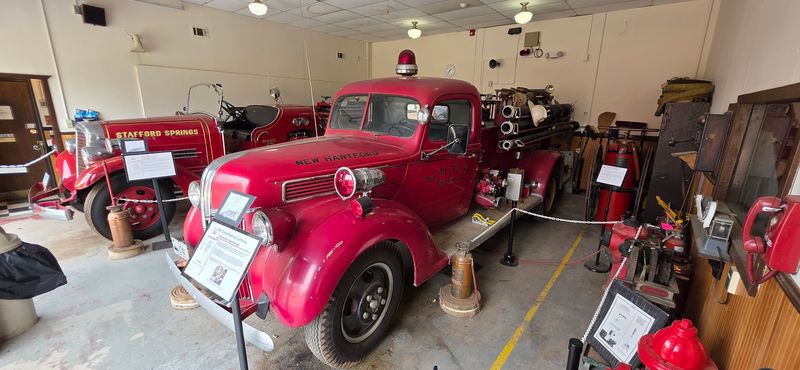
Rows of red paint and polished brass can stop you cold, even if you arrived expecting something outside your usual lane. These machines were built for urgency, but many now sit with a kind of dignified stillness that lets every curve and emblem shine.
For classic vehicle lovers, that visual drama is hard to resist.
In East Windsor, the Connecticut Fire Museum preserves historic fire apparatus and related artifacts that reveal another branch of vehicle design history. The old engines often share the same craftsmanship, coachwork beauty, and mechanical personality that make antique automobiles so captivating.
You can trace changing eras through ladders, pumps, dashboards, and the bold styling choices once given to essential public machines.
Because it is close to other transportation attractions, this stop works especially well on a themed day trip. It adds a slightly different angle while still delivering the chrome, history, and craftsmanship you came to find.
Lime Rock Park

Lime Rock Park is not a traditional museum with static displays behind glass—it’s a living archive where racing history continues to unfold in real time. Nestled in the wooded hills of northwest Connecticut, the circuit feels like an outdoor gallery for speed, where the natural amphitheater turns every lap into a performance.
For car enthusiasts, it functions like a moving museum: vintage race cars, historic touring machines, and modern prototypes all share the same narrow ribbon of asphalt that has remained largely unchanged since 1957. Instead of silence and plaques, you get the sound of engines bouncing off the hills and the sight of machines attacking corners once driven by legends of American motorsport.
Walking the paddock adds another layer of history, where teams prepare cars in full view and tire marks on the track become part of the storytelling. It’s a place where heritage isn’t stored—it’s actively used.
That’s what makes Lime Rock Park feel like a different kind of automotive museum, one where history doesn’t sit still.