

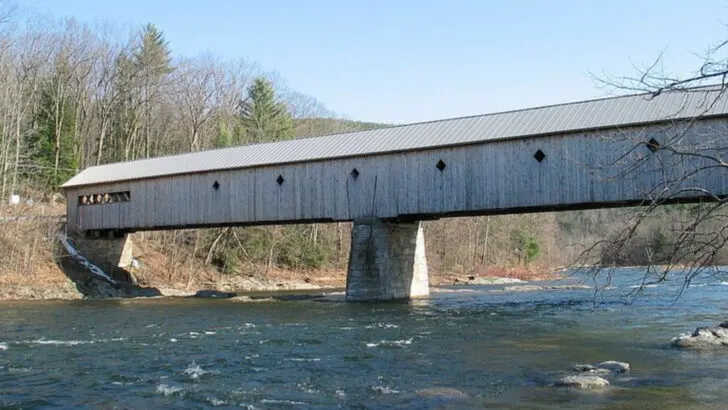
Nestled among rolling hills, rivers, and forests, New England’s covered bridges feel like windows into the past. Their timber frames and charming roofs have weathered centuries, preserving stories of early America. Walking or driving across them is like stepping into a living postcard.
Beyond their practical purpose, these bridges are symbols of craftsmanship and resilience. Each historic bridge tells a tale of community, engineering, and timeless beauty. The experience is peaceful, picturesque, and quietly awe-inspiring.
For travelers seeking scenic drives, photography spots, or a touch of nostalgia, New England’s covered bridges offer unforgettable stops. They remain testaments to history while inviting modern visitors to slow down and enjoy the journey. This is heritage you can cross again and again.
Cornish-Windsor Covered Bridge (NH/VT)
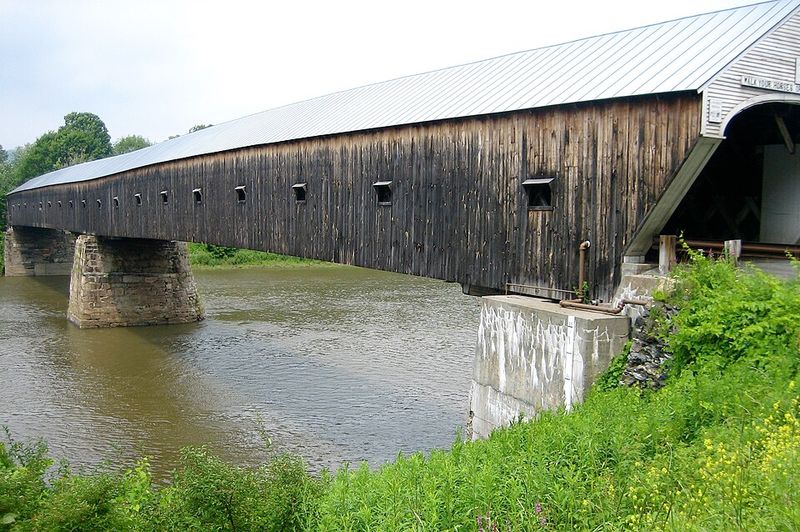
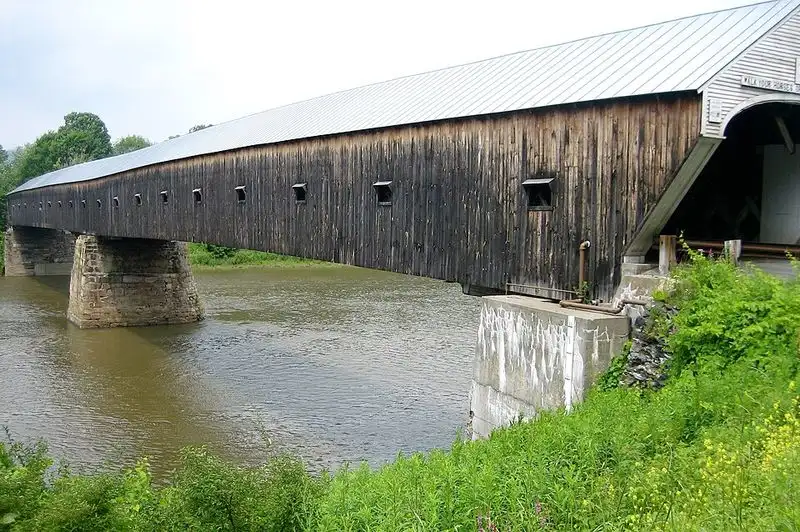
This grand structure holds the title of the longest wooden covered bridge in the United States. Stretching between New Hampshire and Vermont, the bridge has been a vital connection for communities since 1866. Its impressive length of 449 feet is a testament to the engineering marvels of its time.
The bridge’s distinct charm is accentuated by its lattice truss design, which whispers tales of travelers from centuries past. Its robust build has ensured it stands resilient against the elements, earning a revered place in New England’s rich tapestry.
A symbol of unity, the Cornish-Windsor is more than just a crossing; it’s a beloved icon, celebrated for both its historical significance and architectural beauty.
Swiftwater Covered Bridge (NH)
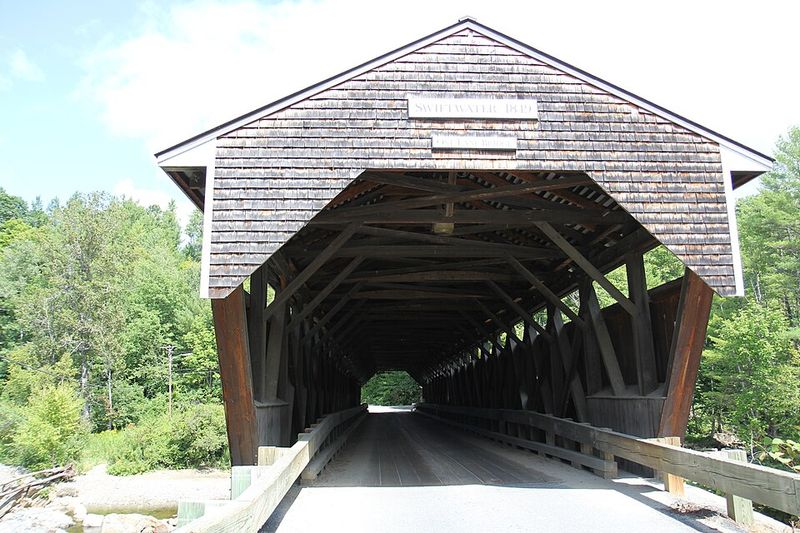

In the heart of Bath, New Hampshire, this bridge stands as a testament to sturdiness and grace. Built in 1849, the Swiftwater Covered Bridge spans the wild Ammonoosuc River, offering a rustic charm that captivates visitors.
Its red, weathered beams contrast with the surrounding greenery, creating a striking visual that has inspired countless photographs. The bridge’s unique setting amidst rocks and rapids adds a sense of drama to its presence.
A favorite among locals and tourists alike, this bridge is not just a crossing but a scenic destination. It’s a place where history and nature blend seamlessly, offering a tranquil escape from modern life.
West Dummerston Covered Bridge (VT)
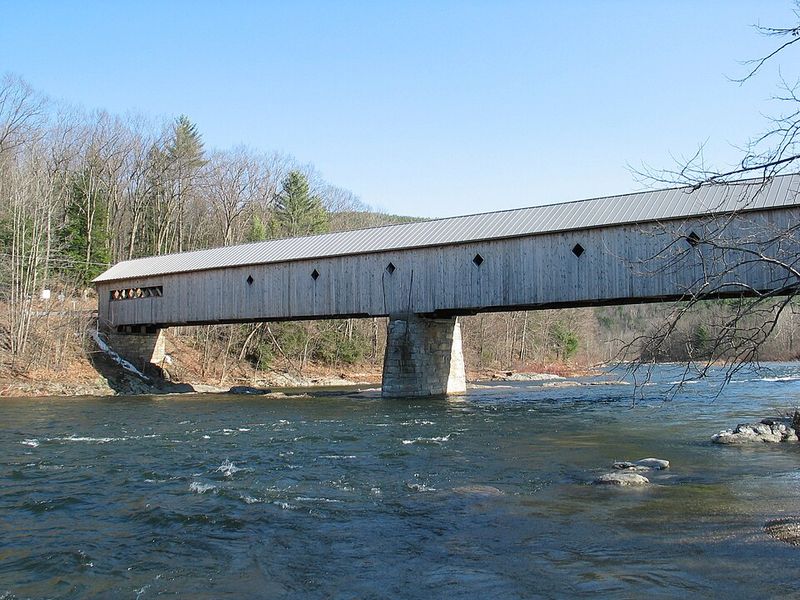
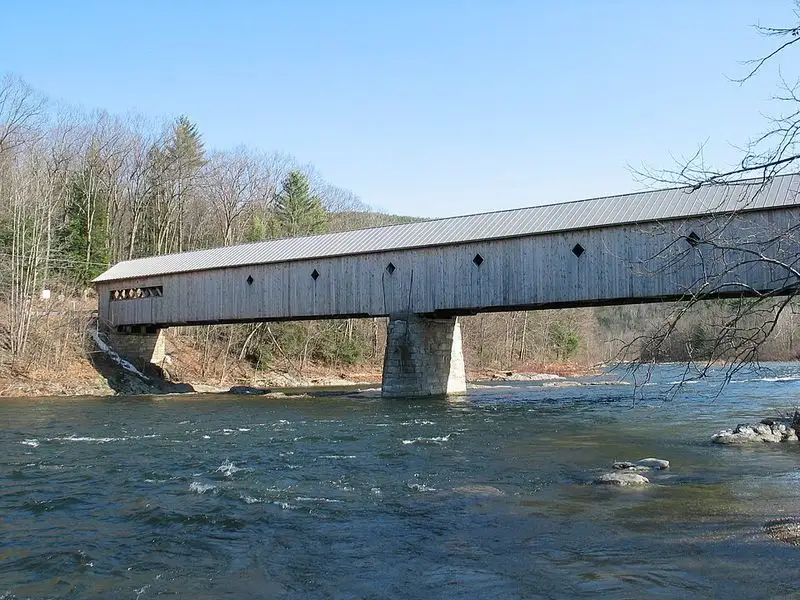
Spanning the West River, this iconic bridge is Vermont’s longest covered bridge still in service. Built in 1872, its length and grandeur make it a standout feature of Dummerston.
The bridge’s stately presence is enhanced by its intricate latticework, a hallmark of classic covered bridge design. It serves as a vital link for the community, yet its aesthetic appeal has also made it a popular subject for artists and photographers.
With its serene surroundings, the West Dummerston Covered Bridge offers a picturesque setting that invites reflection and appreciation of the past. It stands not only as a functional structure but as a cherished piece of local history.
Quechee Covered Bridge (VT)
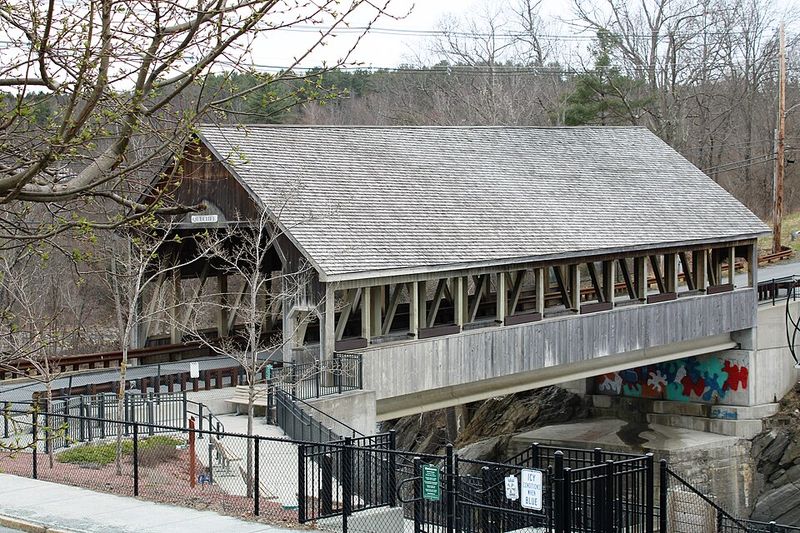

Positioned above the dramatic Ottauquechee Gorge, this bridge is a beloved landmark in Quechee, Vermont. Constructed in 1970, it cleverly replicates the design of classic 19th-century covered bridges, maintaining the region’s historic aesthetic.
The bridge’s strategic location offers stunning views of the gorge below, attracting visitors eager to capture the breathtaking scenery. Its construction is a tribute to the craftsmanship and style of the original bridges that once dotted the landscape.
Quechee Covered Bridge stands as both a functional crossing and a scenic lookout, drawing countless tourists to its picturesque perch every year. Its blend of history and natural beauty makes it truly unique.
Saco River Covered Bridge (NH)
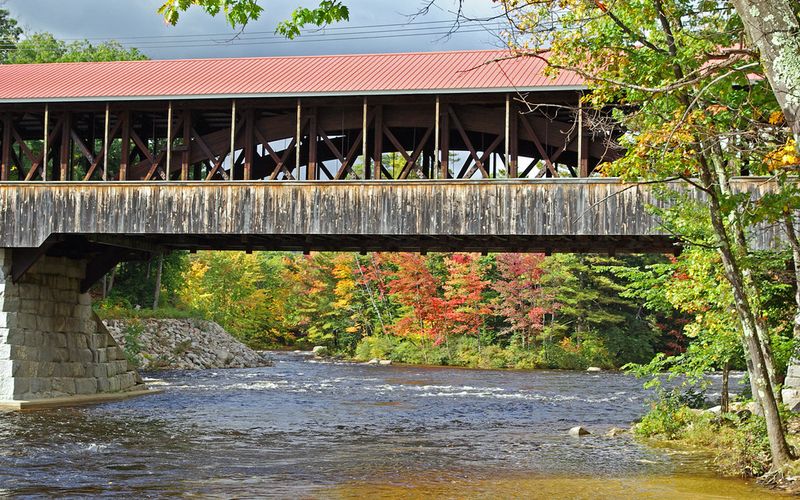
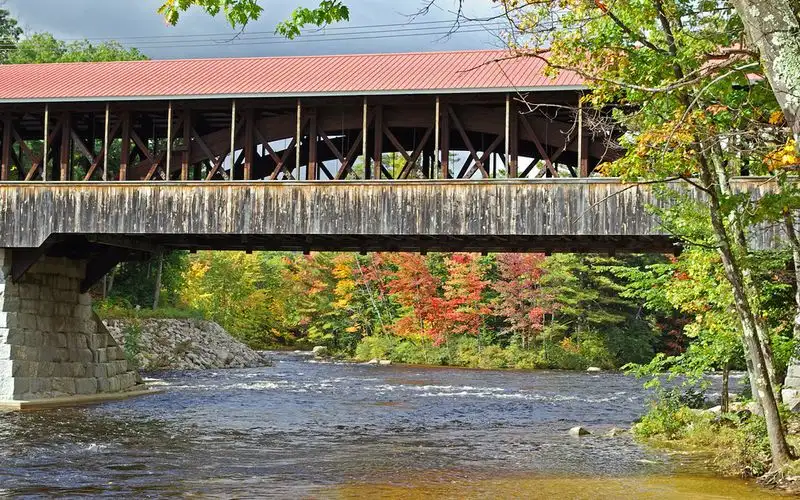
Located in Conway, New Hampshire, this bridge has weathered time since its construction in 1890. The Saco River Covered Bridge is renowned for its striking red appearance, a vibrant contrast against the lush greenery of its surroundings.
The bridge has been a silent witness to the changing seasons, its sturdy framework enduring floods and storms. Its picturesque setting by the river is a favorite spot for photographers and nature lovers alike.
Besides its beauty, this bridge serves as a historical reminder of the region’s past, when such structures were vital for transportation. Its timeless charm continues to draw visitors from near and far.
Emily’s Bridge (VT)
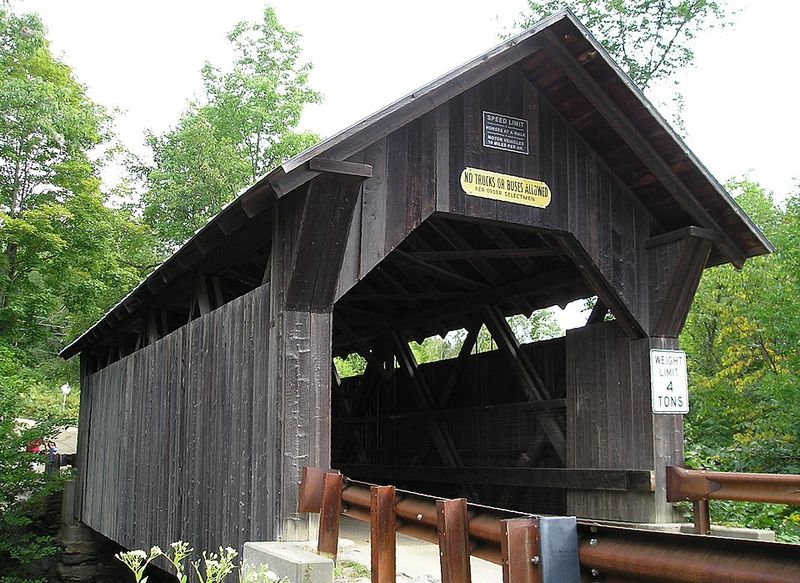
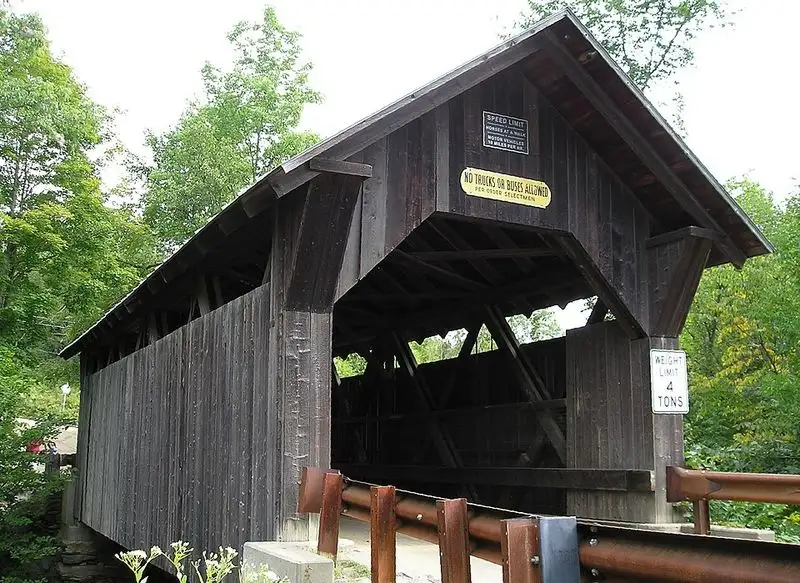
Known officially as Gold Brook Bridge, this structure in Stowe, Vermont, is steeped in legend. Stories of a ghostly presence have earned it the moniker “Emily’s Bridge,” attracting ghost hunters and curious visitors.
Built in 1844, the bridge’s quaint design belies the eerie tales that surround it. Despite its spectral associations, the bridge remains a testament to the craftsmanship of its era, with its wooden beams standing strong.
For thrill-seekers and history buffs alike, Emily’s Bridge offers a unique blend of folklore and architecture. Its mysterious allure continues to captivate those who dare to cross its haunted span.
Blacksmith Covered Bridge (NH)
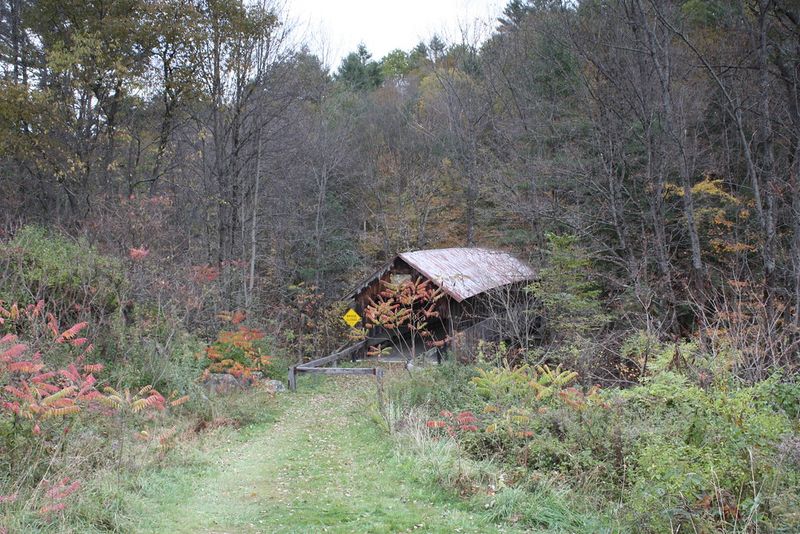
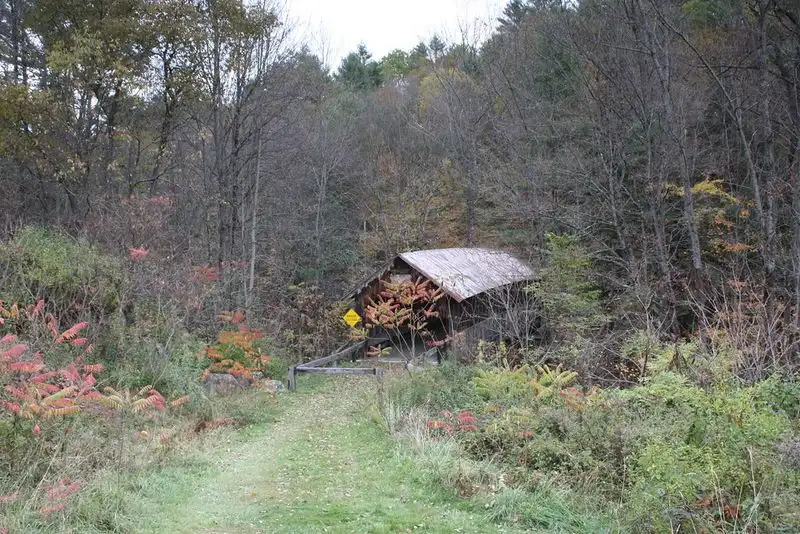
In Cornish, New Hampshire, this bridge serves as a quaint crossing over Mill Brook. Built in 1881, Blacksmith Covered Bridge boasts a simple, yet elegant design that perfectly complements its bucolic surroundings.
The bridge’s name pays homage to its past, as it once connected travelers to the local blacksmith’s shop. Its unassuming charm and historical significance make it a valued landmark in the community.
Visitors are drawn to its peaceful setting, where the gentle babble of the brook adds to the serene atmosphere. The bridge stands as a quiet reminder of a time when life moved at a slower pace.
Bartonsville Covered Bridge (VT)
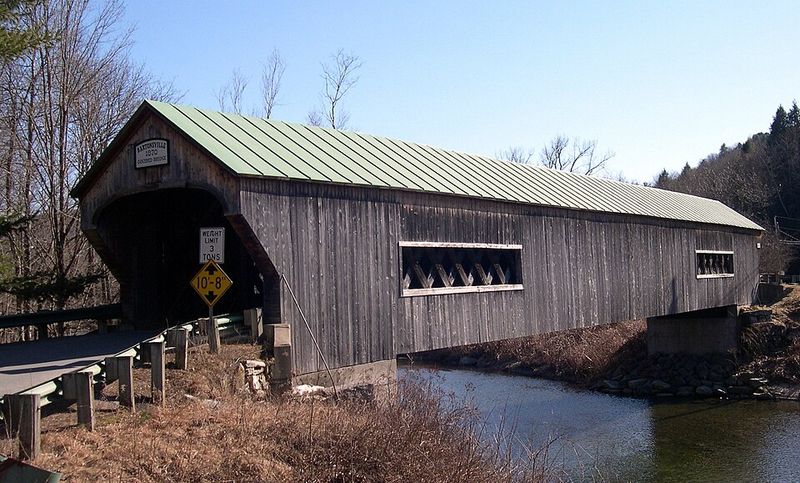

Originally built in 1870, Bartonsville’s bridge was tragically destroyed by Hurricane Irene, but resilient community efforts saw it meticulously rebuilt in 2012. This modern replica captures the spirit and charm of the original structure.
Standing in Rockingham, Vermont, the bridge is a testament to community spirit and respect for heritage. Its vibrant red hue stands out beautifully against the rural landscape, making it a popular spot for photographers.
The new Bartonsville Covered Bridge not only serves as a functional crossing but also as a cherished symbol of perseverance and renewal. It continues to welcome travelers and remind them of the past and present harmony.
Hopkinton Covered Bridge (NH)
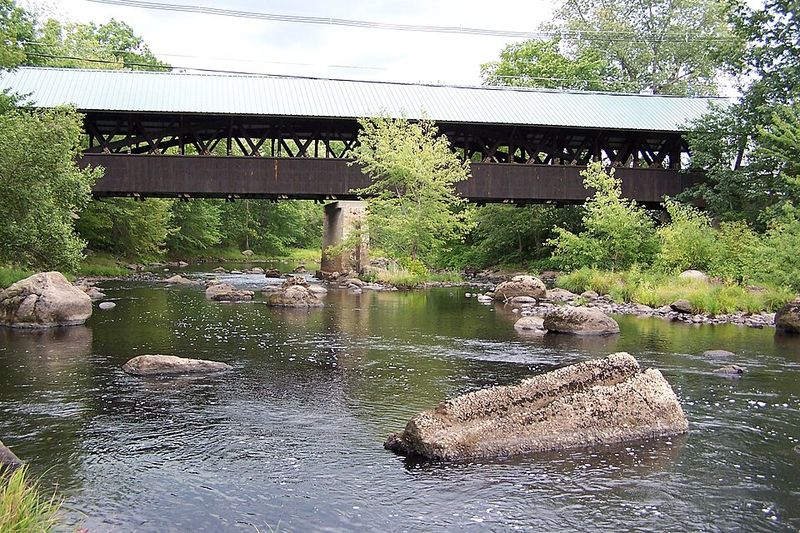
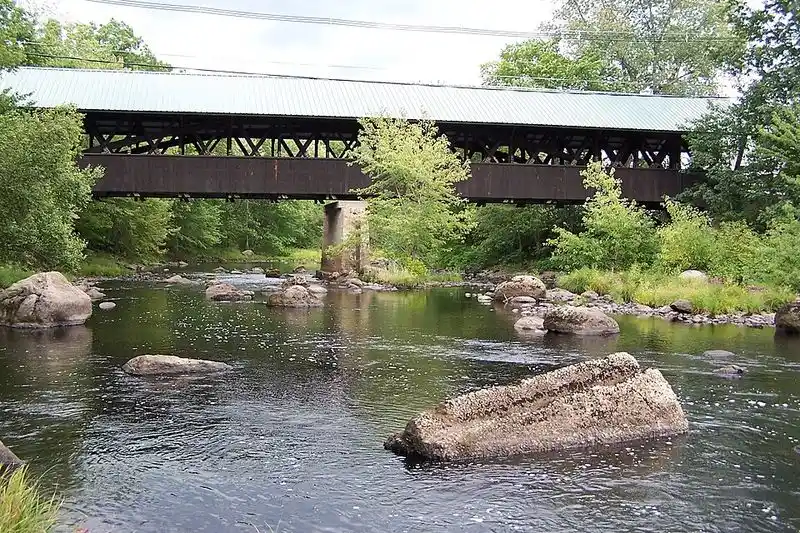
In the town of Hopkinton, New Hampshire, this bridge has been a staple since 1964. Although newer than others, it replicates the traditional design of historical covered bridges.
Its pristine white siding and modest length make it a charming addition to the countryside, drawing both casual visitors and photography enthusiasts. The bridge serves as a beautiful backdrop for both nature and the changing seasons.
Hopkinton Covered Bridge may be a modern creation, but its design and setting offer a nostalgic nod to the past, honoring New England’s rich architectural traditions. It stands as a beloved feature of the local landscape.