South Carolina’s creative scene is alive and thriving, offering hands-on learning experiences that go far beyond the classroom.
Whether you’ve always dreamed of throwing pottery, weaving fabric, or carving wood, the state’s craft schools welcome beginners and seasoned makers alike.
From the buzzing streets of Greenville to the coastal workshops of Charleston, there’s something for every artistic curiosity.
Many offer single-day workshops, multi-week courses, and even retreats for those who want to fully immerse themselves in the craft.
Whether you’re picking up something brand new or deepening a longtime hobby, these 11 craft schools are the perfect place to start.
1. AR Workshop, Lexington, Lexington County
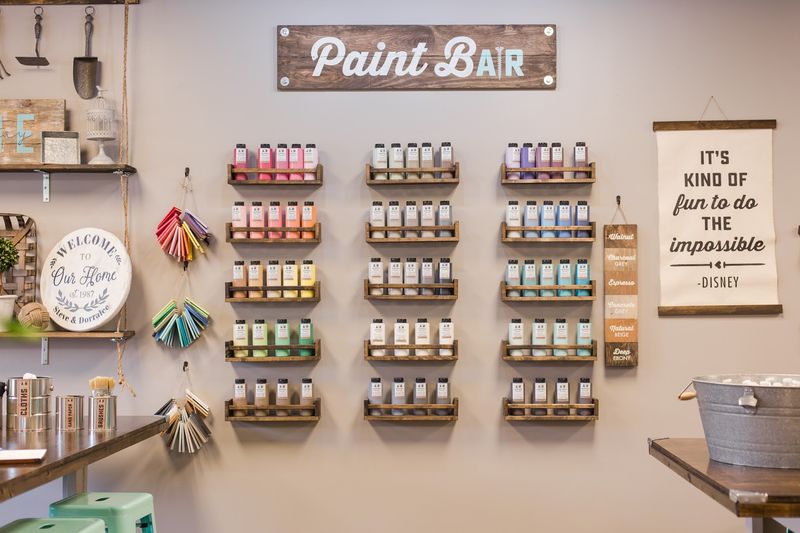
Not every great creative reset happens in a large city, and that is part of what makes this place appealing.
The AR Workshop gives Lexington-area residents a community-focused way to explore new skills without needing to travel far for quality instruction.
For busy adults and families, that accessibility can be the difference between thinking about creativity and actually making room for it.
Because community arts centers often serve broad audiences, programming usually spans multiple interests and experience levels.
You may find workshops in painting, seasonal crafts, youth art, or mixed media that let you experiment before committing to one path.
That variety is useful when you are still figuring out what kind of making feels most natural to you.
The atmosphere also tends to be less intimidating than highly specialized studios.
People show up to learn, connect, and enjoy the process, which creates a welcoming energy for first-timers who feel rusty or nervous.
If your goal is simply to begin somewhere supportive, that matters more than having a perfect setup.
Lexington’s growing cultural scene makes The AR Workshop worth watching for new opportunities and local collaborations.
It feels rooted in community rather than exclusivity, which is often exactly what craft education needs.
2. Charleston Crafts Cooperative, Charleston, Charleston County
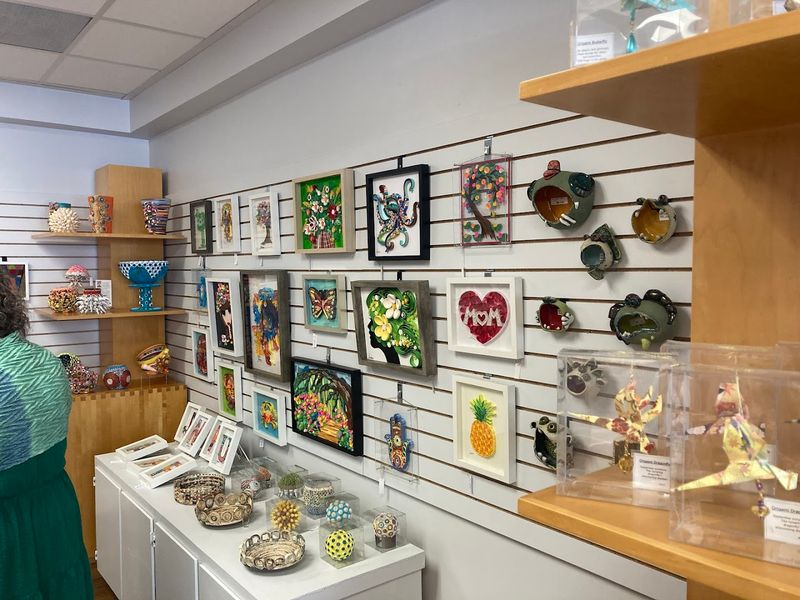
In a city known for texture, color, and handmade detail, learning a craft can feel especially inspiring.
Charleston Crafts Cooperative reflects that spirit by connecting people with hands-on instruction rooted in practical making and local creative culture.
Based in Charleston, this kind of cooperative environment is ideal for anyone who wants learning to feel personal, social, and grounded in real craftsmanship.
Programs can vary, but the appeal usually comes from access to working makers who teach techniques through direct demonstration and guided practice.
You are not just hearing about process here, you are watching materials change shape in real time under experienced hands.
That immediacy helps new students gain confidence faster, especially in tactile forms like fiber work, jewelry, or decorative craft traditions.
Another advantage is the atmosphere itself, which tends to feel more collaborative than competitive.
Instead of chasing perfection, you can focus on repetition, experimentation, and the simple satisfaction of making something tangible.
That is often exactly what adults need when they are trying a new skill after spending years in purely digital routines.
If you want a craft experience that feels tied to Charleston’s artistic identity, this cooperative stands out.
You may come for a workshop, but the deeper reward is discovering how much your hands still want to create.
3. South Carolina Artisans Center, Walterboro, Colleton County
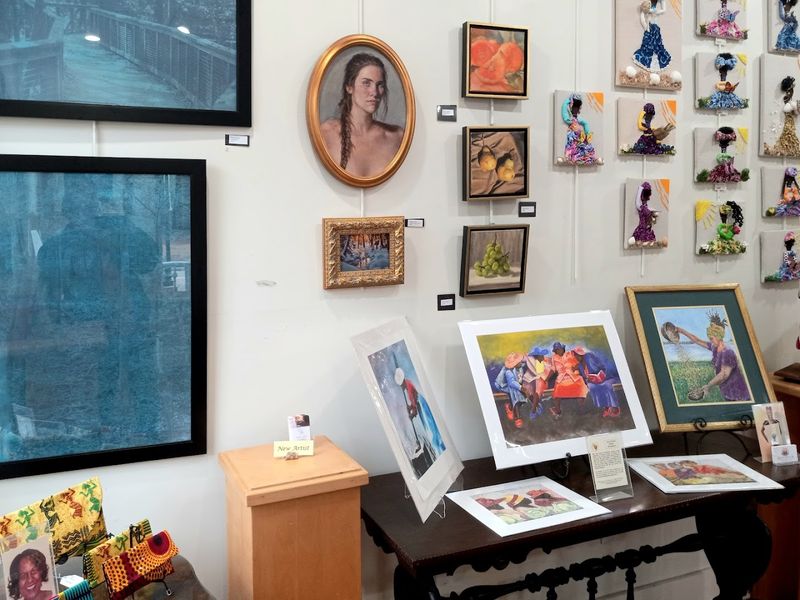
Sometimes the best place to learn something new is where tradition is still treated like a living skill.
The South Carolina Artisans Center offers that kind of experience, blending education, craftsmanship, and statewide creative heritage in one memorable stop.
Located in Walterboro, it is especially compelling for anyone interested in craft forms shaped by South Carolina’s cultural history.
Rather than functioning only as a gallery, the center introduces visitors to the makers behind the work and the techniques that sustain it.
Depending on programming, you may encounter demonstrations, seasonal events, or educational opportunities tied to pottery, fiber arts, woodwork, and other handmade disciplines.
That broader context makes each lesson feel richer, because you are learning both a process and the story around it.
For beginners, that historical grounding can be surprisingly helpful.
It reminds you that craft is not about instant perfection, but about patience, repetition, and knowledge passed from one set of hands to another.
If you have ever wanted your hobby to feel more meaningful, this setting naturally adds depth to the experience.
Walterboro’s reputation as part of the South Carolina artisan trail also strengthens the visit.
That makes the South Carolina Artisans Center a smart choice if you want inspiration, cultural context, and a genuine introduction to craft traditions.
4. Columbia Museum of Art Workshops, Columbia, Richland County
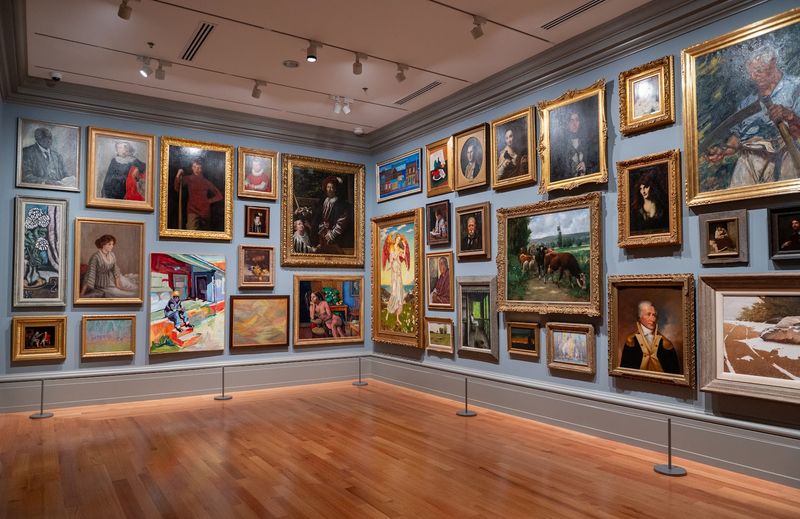
Learning inside a museum changes the mood immediately, because inspiration is already hanging on the walls around you.
The Columbia Museum of Art Workshops give beginners and curious hobbyists a chance to make art in direct conversation with exceptional collections and exhibitions.
In Columbia, that creates a learning environment that feels elevated, but still accessible enough for newcomers.
Workshop offerings often include drawing, painting, printmaking, and other media linked to current shows or broader studio practice.
That connection matters, because it helps you understand techniques not as isolated exercises, but as choices artists use to communicate ideas.
When teaching is paired with close looking, your confidence grows alongside your visual awareness.
The museum setting also tends to attract people who genuinely want to learn, not simply pass time.
You can expect thoughtful instruction, clear demonstrations, and an atmosphere that encourages questions without making anyone feel behind.
For adults returning to art after many years, that balance of seriousness and warmth can be exactly what makes the leap possible.
Another bonus is the location in the state’s capital, where additional cultural resources make it easier to stay engaged beyond class.
If you want craft and art education framed by strong visual context, these workshops are an excellent place to start.
5. Park Circle Ceramics, Charleston, Charleston County
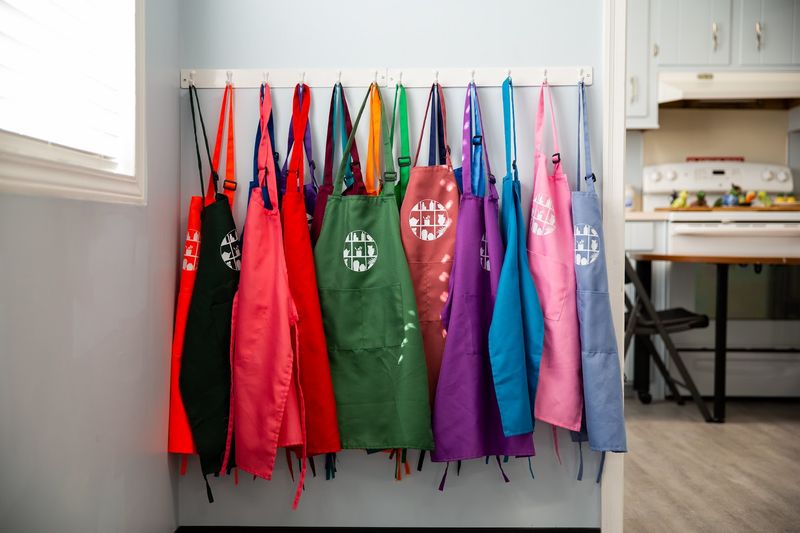
There is something instantly grounding about clay, especially when your day has been full of screens and noise.
The Park Circle Ceramics offers a focused, hands-on place to learn pottery through repetition, touch, and patient attention.
In Charleston, it stands out for people who want a craft that is both practical and deeply absorbing.
Classes typically center on wheel throwing, handbuilding, glazing, and studio habits that help beginners understand the full ceramic process.
That matters because pottery can seem simple from the outside, yet each stage asks you to slow down and respond to the material.
With good instruction, even early frustrations become part of the learning instead of a reason to quit.
A dedicated ceramics studio also creates a different kind of community than a general art classroom.
You see works in progress drying on shelves, hear kiln talk, and watch classmates solve the same technical problems you are facing.
That shared process can make your improvement feel visible week by week, which is incredibly motivating.
Charleston’s creative energy adds to the appeal, but the real draw is the studio rhythm itself.
By the time you finish a course, clay often feels less like a material and more like a language you are beginning to speak.
6. Pickens County Museum of Art and History, Pickens, Pickens County
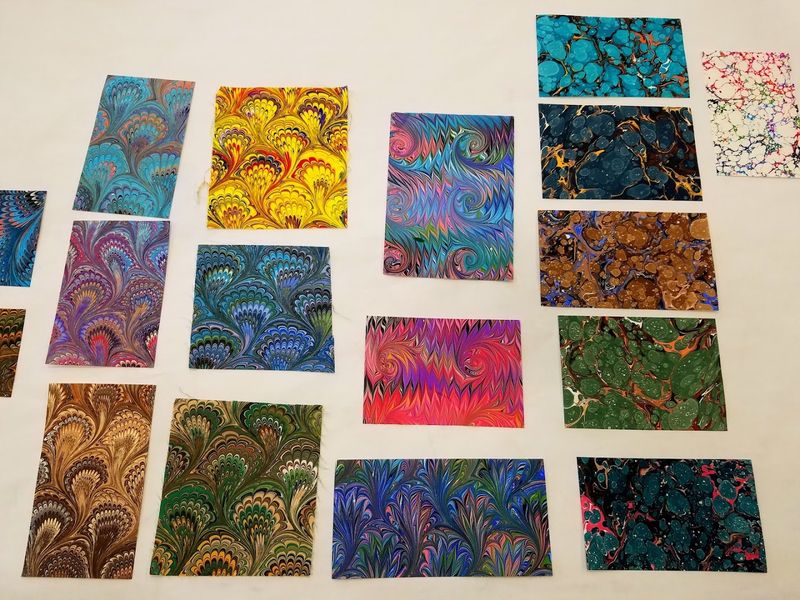
When art and local history share the same space, learning can feel more connected to the place around you.
The Pickens County Museum of Art and History offers that layered experience, mixing regional storytelling with opportunities for creative engagement.
In Pickens, it is a compelling stop for anyone who likes the idea of making something while also understanding the community behind it.
Smaller museums often host workshops, talks, and educational programs that feel personal rather than anonymous.
That can be a real advantage if you prefer asking questions, meeting instructors, and learning in a setting where the pace feels manageable.
Instead of being overwhelmed, you are more likely to feel invited into the process.
The museum’s emphasis on local art and heritage adds another benefit.
You are not learning technique in a vacuum, because the surrounding exhibits can spark ideas about landscape, tradition, memory, and regional identity.
For many new makers, those themes make it easier to start creating with purpose instead of staring at a blank page.
This is a smart option if you enjoy quieter cultural spaces and want a craft experience with context.
The museum gives you room to slow down, notice details, and discover how creativity often grows best in places that feel genuinely rooted.
7. Greenville Center for Creative Arts, Greenville, Greenville County
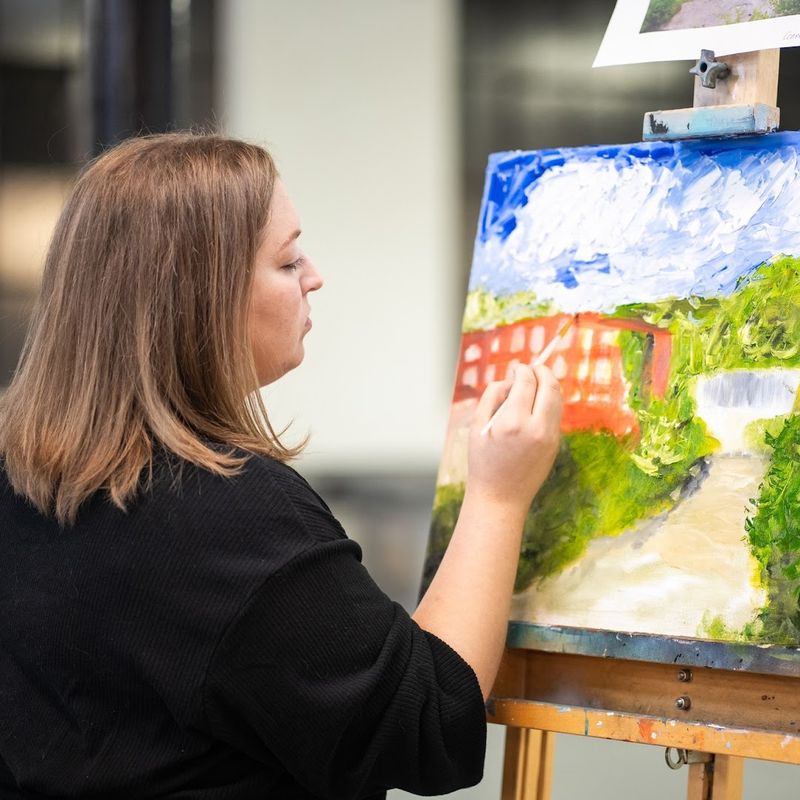
Stepping into a busy studio can be the quickest way to shake off routine and try seeing differently.
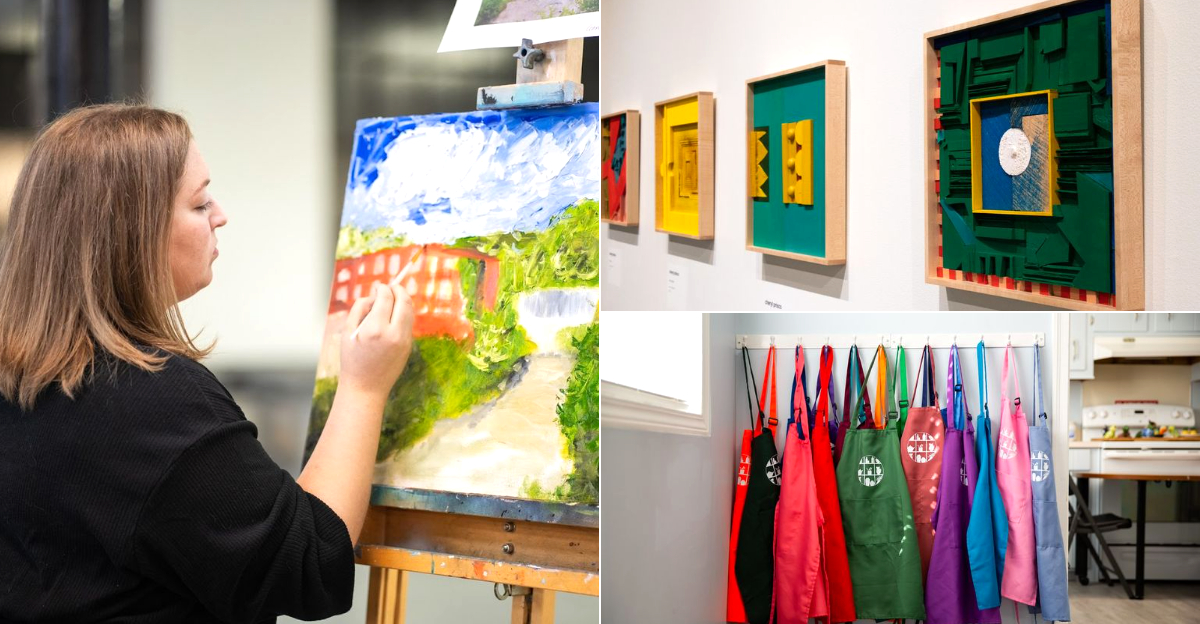
At Greenville Center for Creative Arts, beginners and returning makers find classes that feel serious without feeling stiff.
Set in Greenville, this nonprofit arts hub uses a renovated mill setting to make drawing, painting, printmaking, and mixed media feel approachable.
You can sign up for multiweek courses, shorter workshops, and open studio opportunities depending on your schedule and confidence level.
Instructors typically balance technical guidance with encouragement, so you learn foundational skills while still exploring your own style.
That combination makes it especially appealing if you want structure, but do not want the pressure of a formal degree program.
The center also benefits from a strong exhibition calendar, which means your learning happens in a place connected to working artists.
Seeing contemporary shows nearby can sharpen your eye and help new techniques make more sense in practice.
If you are hoping to build a creative habit, the surrounding arts energy in Greenville gives you extra motivation to keep going.
For anyone curious about visual art but unsure where to begin, this is one of the state’s strongest starting points.
8. Sumter County Gallery of Art, Sumter, Sumter County
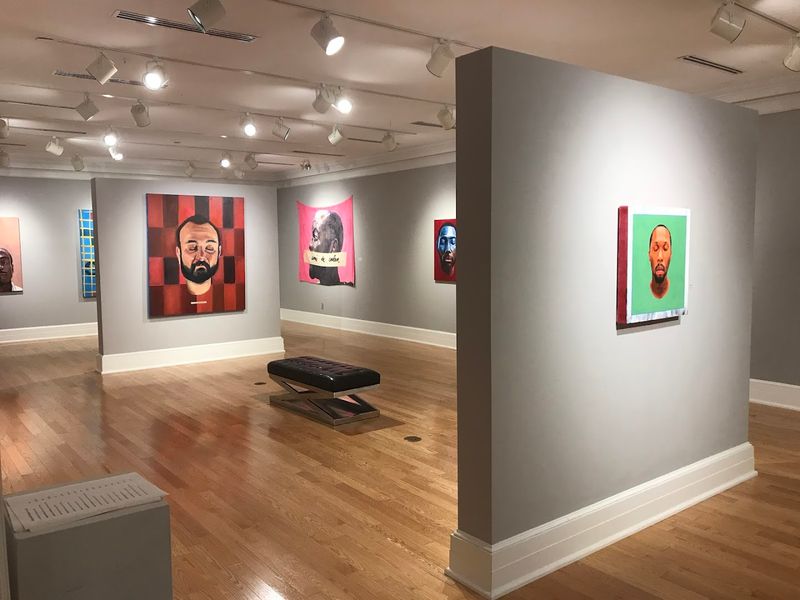
A friendly gallery classroom can make trying something new feel far less intimidating than you might expect.
The Sumter County Gallery of Art has built a reputation as a community-centered space where visual art education is woven into everyday cultural life.
Located in Sumter, it is a strong pick for anyone who wants guided creativity in a setting that feels open and encouraging.
Programming often includes classes, camps, workshops, and outreach that welcome different ages and skill levels.
That range is helpful if you are exploring art casually, returning after a long break, or hoping to share the experience with family.
A flexible calendar also gives you more ways to test your interest before investing deeply in one medium.
What makes a place like this valuable is not only the instruction, but the environment around it.
Seeing exhibitions nearby reminds you that learning is part of a larger conversation, and that your early attempts belong in that process too.
For many beginners, that sense of belonging is what keeps them showing up long enough to improve.
Sumter benefits from having a cultural space that treats art as both education and community connection.
The gallery’s approachable programming can help you build skills without feeling like an outsider.
9. Spartanburg Art Museum, Spartanburg, Spartanburg County
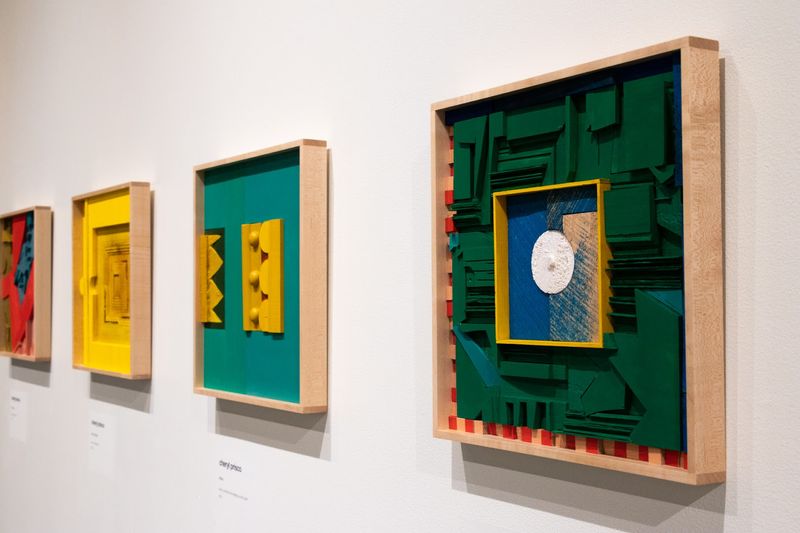
Fresh ideas often come easier when you are surrounded by contemporary work that challenges what art can look like.
The Spartanburg Art Museum offers that spark through workshops and educational programs designed to connect people with making as well as viewing.
In Spartanburg, it is a particularly good fit for curious learners who want craft and art instruction with a modern edge.
Museum classes frequently draw energy from current exhibitions, which can push you beyond the usual beginner assumptions.
Instead of thinking only about realism or perfect technique, you may start exploring composition, material choices, storytelling, and experimentation.
That shift can be liberating if you have always wanted permission to be creative without doing everything the traditional way.
The museum context also supports thoughtful teaching.
You are learning in a place where conversation, observation, and process are valued, so questions feel like part of the experience rather than interruptions.
For adults who enjoy understanding the why behind a technique, that intellectual layer adds real value.
Spartanburg has steadily strengthened its cultural identity, and the museum plays an important role in that momentum.
Taking a workshop here lets you tap into that energy while building practical skills of your own.
10. Anderson Arts Center, Anderson, Anderson County
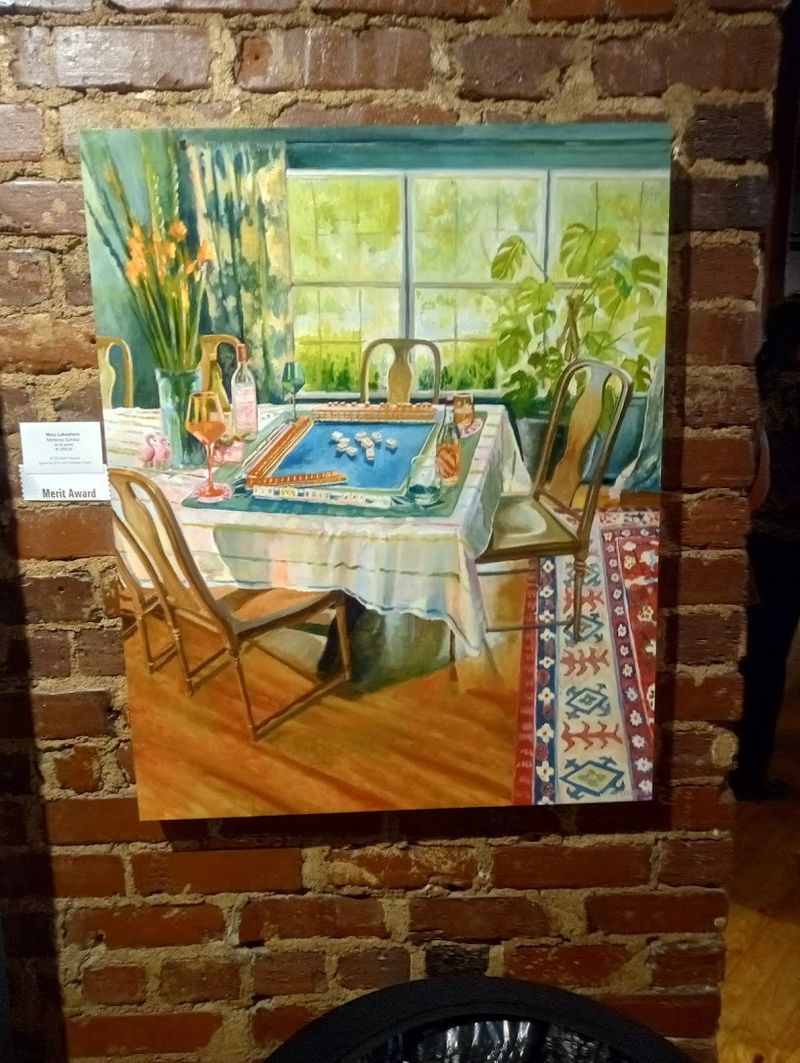
Sometimes the best creative momentum comes from a place that feels deeply local and genuinely invested in its community.
The Anderson Arts Center offers that kind of atmosphere, combining exhibitions, classes, and regional arts support in a way that feels accessible to newcomers.
In Anderson, it stands out as a practical place to test a new medium without getting lost in a larger institution.
Community arts centers are often strongest when they bridge casual interest and real skill building.
You can usually find workshops or classes that introduce techniques clearly while still leaving room for experimentation and personal voice.
That balance matters when you want more than a one-time activity, but are not ready for an intense formal program.
The center’s connection to local artists also gives learning here a grounded quality.
You are engaging with people who understand the region, participate in its culture, and often bring that perspective into their teaching.
For students, that can make lessons feel less abstract and more connected to the world just outside the classroom.
If you are looking for a welcoming entry point into South Carolina’s creative landscape, Anderson Arts Center deserves attention.
You may arrive curious about art supplies and leave feeling more connected to your own creative possibilities.
11. Florence Regional Arts Alliance, Florence, Florence County
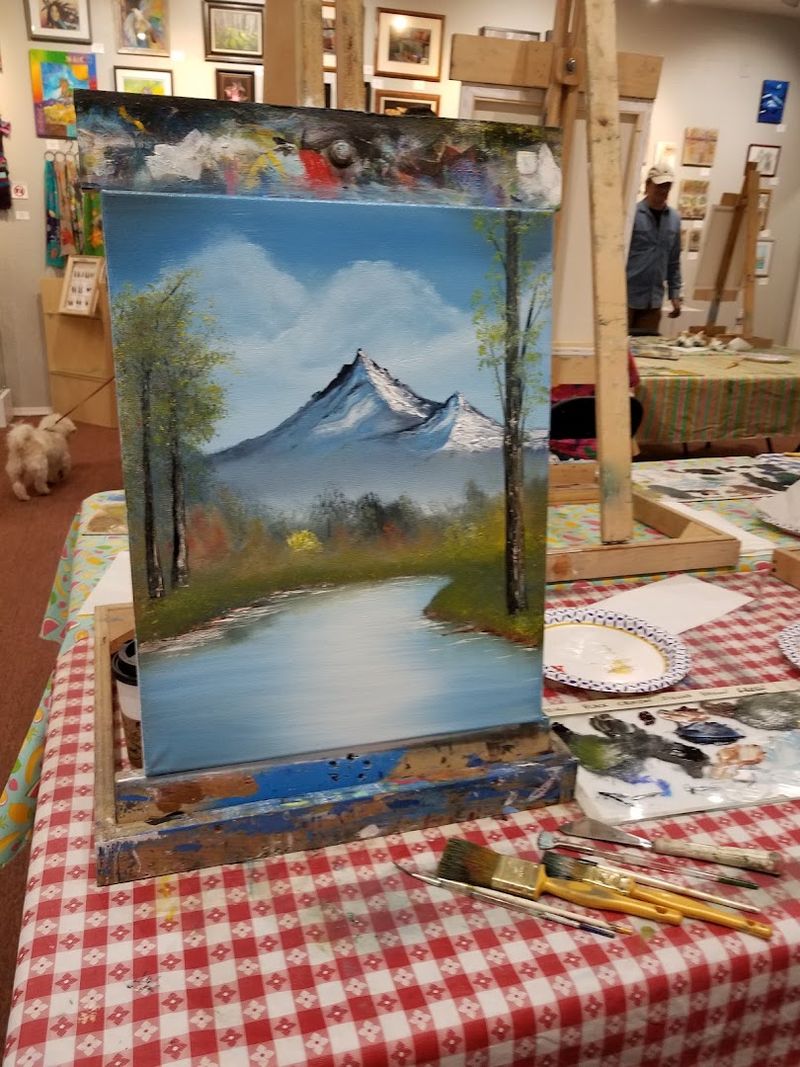
Creative growth often starts when a region decides art should be shared, visible, and easy to access.
The Florence Regional Arts Alliance reflects that mission by supporting programs and opportunities that help people participate in the arts, not just observe them.
In Florence, that makes it an exciting resource for anyone ready to explore a new craft or creative discipline.
Because alliances often work through partnerships, the learning opportunities can feel broad and dynamic rather than limited to one studio model.
You may encounter workshops, community events, artist-led sessions, or collaborative programming that introduces techniques through a wider cultural network.
That kind of variety is useful if you enjoy discovering different forms before settling into one favorite practice.
There is also something energizing about learning in a setting focused on regional connection.
You are not entering an isolated classroom, but a creative ecosystem that wants residents to feel involved and encouraged.
For beginners, that support can make experimentation feel safer and much more sustainable over time.
Florence continues to build its cultural profile, and organizations like this help drive that momentum forward.
Choosing a class or program here means you are stepping into a scene that values participation as much as polished results.