Travel becomes unforgettable when your hands stay busy and your senses remain awake.
In North Carolina, creative campuses and craft schools offer exactly that, an experience shaped through making, firing, weaving, and carving.
Instead of passive sightseeing, these places invite visitors to slow down, feel materials beneath their fingertips, and learn through movement.
The object carried home at the end is not just a simple class project, but a tangible reminder of a place experienced through personal effort and creation.
Whether you are drawn to the scent of freshly planed wood or the warmth of a pottery kiln, these are the artistic retreats where the search can begin.
John C. Campbell Community School – Brasstown
Morning arrives with mist on the hills and the faint ring of metal from an open workshop.
Paths lead between timbered buildings where clay, wool, wood shavings, and song seem to share the same air.
Learning here feels tied to older mountain habits, where making useful things also carries story, memory, and pride.
One room hums with looms and treadles, another holds bowls drying beside pottery wheels, while outside a forge throws brief orange flashes into the day.
Instructors do not rush the process.
They let beginners listen to tools, feel grain under the palm, and understand why handmade traditions endure when speed would be easier.
Even the social life becomes part of the lesson.
Shared meals, porch conversations, and evening music turn classes into community learning rather than private achievement.
Travelers drawn to meaning over spectacle often leave with sore hands, steadier eyes, and the rare satisfaction of having truly participated in a place instead of merely passing through it.
The Bascom – Highlands
Set among cool mountain air and steep green slopes, this arts campus balances refinement with genuine curiosity.
Gallery walls may introduce polished work, yet the real charm begins when doors open into classrooms filled with pigment, paper, clay, and quiet concentration.
The surrounding plateau lends clarity to color, making greens richer and shadows cleaner than expected.
Studios here encourage artistic experimentation without losing a sense of care.
A print pulled from the press reveals crisp graphics and accidental beauty at once, while nearby shelves hold vessels at different stages of becoming.
Even sculpture feels responsive to the landscape, as if forms were shaped by rain, rock, and the long view beyond the windows.
For travelers, the experience goes beyond admiring finished objects.
Making something inside these rooms sharpens the trip itself, turning mountain light into part of the lesson. Time slows, hands steady, and the day becomes less about checking off sights than discovering how perception changes when material, weather, and imagination start speaking together.
Tryon School of Arts and Crafts – Tryon
There is something wonderfully grounded about a place where the scale stays human and the making stays close to daily life.
Doors open onto studios that feel approachable rather than ceremonial, with shelves of clay forms, woodworking benches, and tables scattered with small experiments.
The creative identity here is built from closeness, conversation, and repeated return.
Classes often carry the satisfying sounds of process: a saw moving through hardwood, tools tapping metal, a wheel spinning under wet hands.
Wood processing and pottery gain a local intimacy in these rooms, where instruction feels less like performance and more like steady accompaniment.
Mistakes are not hidden. They become evidence that learning is happening honestly.
That spirit makes the visit especially rewarding for travelers seeking participation.
Instead of standing at a distance from culture, people are invited into its working side, where handmade objects begin as awkward gestures and gradually find shape.
By the end of an afternoon, the town feels easier to understand because its creative life has been touched directly, not simply observed from the sidewalk.
Randolph Mint Museum – Charlotte
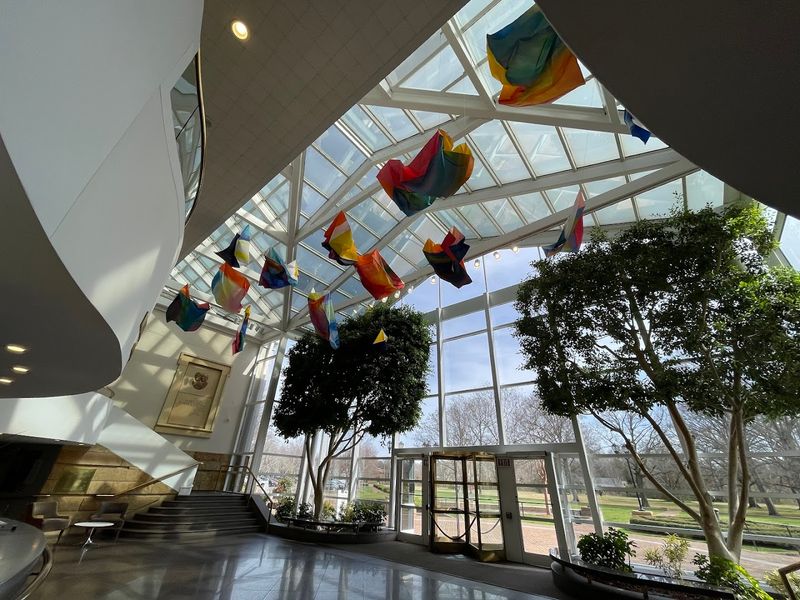
In a city better known for speed and polish, this museum shaped setting offers a different kind of engagement.
Decorative arts, design, and making are presented not as distant achievements but as living practices connected to material decisions.
The result is a visit that feels both cultivated and unexpectedly hands-on.
Galleries sharpen the eye first.
Line, surface, color, and composition begin to register more intensely, and that heightened seeing carries into educational spaces where graphics, ceramics, and object study invite direct exploration.
A traveler may arrive expecting polished display cases, then discover that the real reward comes from tracing how ideas move from sketch to form, from concept to something held in the hand.
Urban creative travel often risks becoming passive, all looking and no touch.
Here, the experience gains substance through process and interpretation, giving the city a more intimate register.
Learning inside these rooms turns culture into an active encounter, one where craft, design history, and personal discovery intersect in ways that stay with you long after the skyline disappears.
Warren Wilson College Fiber Arts Program – Swannanoa
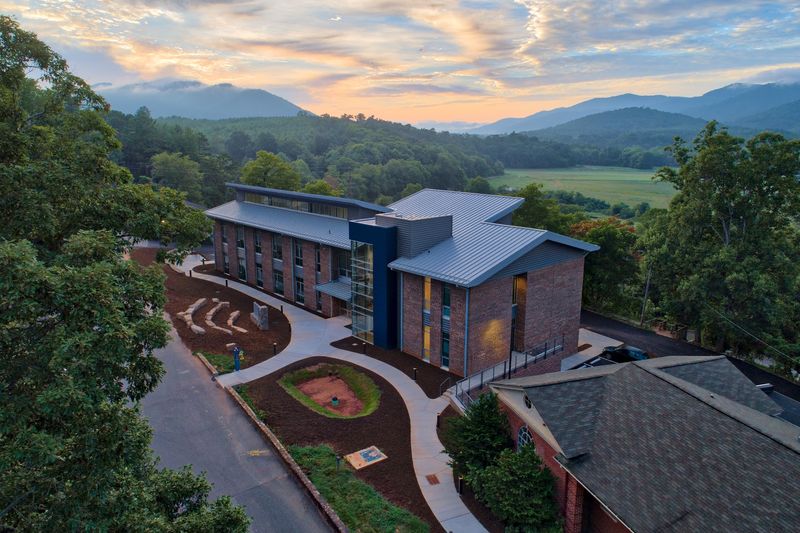
Few creative experiences feel as quietly transformative as entering rooms filled with yarn, looms, dyed cloth, and patient labor.
Here, fiber art is not treated as a minor practice.
It becomes a serious language of structure, color, touch, and movement, shaped by mountain weather and a long regional relationship with clothmaking.
Warp threads stretch like musical lines across the studio, and weaving turns into a bodily lesson in sequence and pressure.
Skeins hanging to dry bring flashes of mineral blue, rust, moss, and berry tones that seem drawn from the valley itself.
The work asks for close looking, but it also asks for trust, because fabric grows slowly and reveals its intelligence over time.
Travelers often remember this kind of learning with unusual tenderness.
Handling fibers reconnects thought to motion in a way screens never can, and the surrounding landscape deepens that sensation.
What might have been a scenic stop becomes something richer: an encounter with process, handmade traditions, and the humble miracle of building strength and beauty one thread at a time.
Pocosin School of Art – Columbia
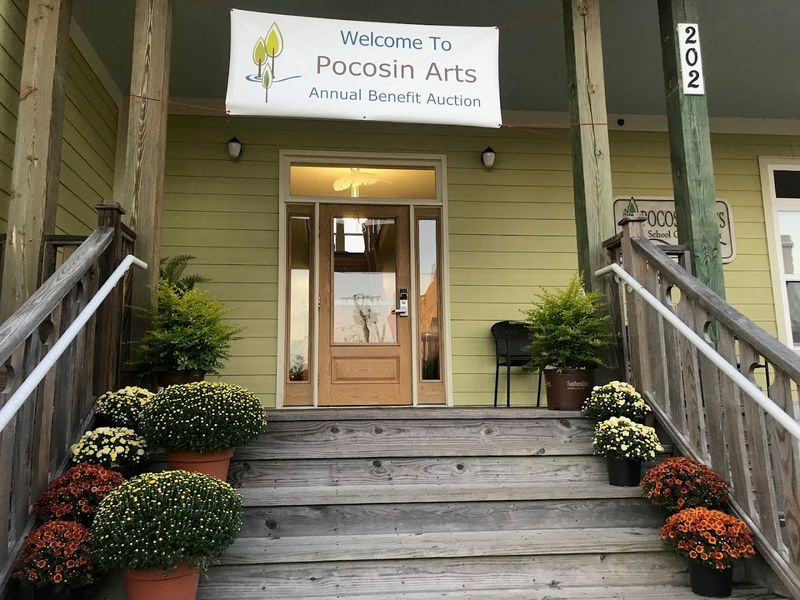
Creative work changes when it is surrounded by flat water, reeds, broad sky, and the hush of a wetland edge.
The mood here is less about spectacle than observation, where subtle shifts of light and land sharpen artistic instinct.
Studios seem to borrow their palette from the nearby world: peat darks, silver reflections, weathered greens, and sudden bird-wing flashes.
That setting encourages forms of making rooted in notice.
Printmaking, painting, and mixed media often feel guided by the region’s surfaces, whether smooth water, rough bark, or drifting grasses bending under wind.
Silence becomes useful in these rooms. It allows materials to speak more clearly and gives travelers space to settle into a slower, more receptive state of mind.
Meaningful travel often depends on entering a place at its own pace rather than imposing your own. Learning here does exactly that.
By working with color, paper, and process in a landscape shaped by water, visitors begin to understand how environment can direct imagination.
The experience feels less like a class on the itinerary and more like a conversation with the land itself.
Cameron Museum of Art – Wilmington
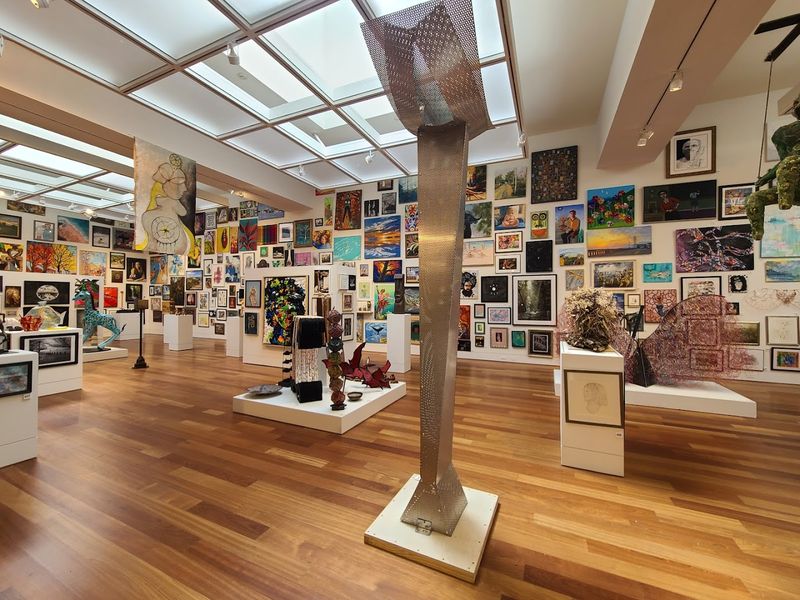
Coastal light has its own way of reorganizing perception, and that quality carries through both gallery spaces and educational rooms here.
Colors appear cleaner, shadows feel airy, and even familiar materials seem altered by the nearby water and salt air.
Learning in this setting becomes inseparable from the region’s brightness and openness.
Contemporary work in the galleries sharpens curiosity before the hands ever touch a tool.
Then workshops extend that visual conversation into action through painting, craft, and object making, allowing ideas to move from looking to doing.
Sculpture outside changes with the day, framed by shifting sky and foliage, reminding visitors that art is never fully static when the environment keeps participating.
Travelers drawn to meaningful experiences often want more than a beautiful scene.
They want to feel changed by contact, challenged by process, and briefly connected to local ways of seeing. That happens naturally here.
A class taken during a coastal visit can anchor the whole trip, turning sea light, conversation, and material practice into one continuous memory instead of separate attractions.
McColl Center – Charlotte
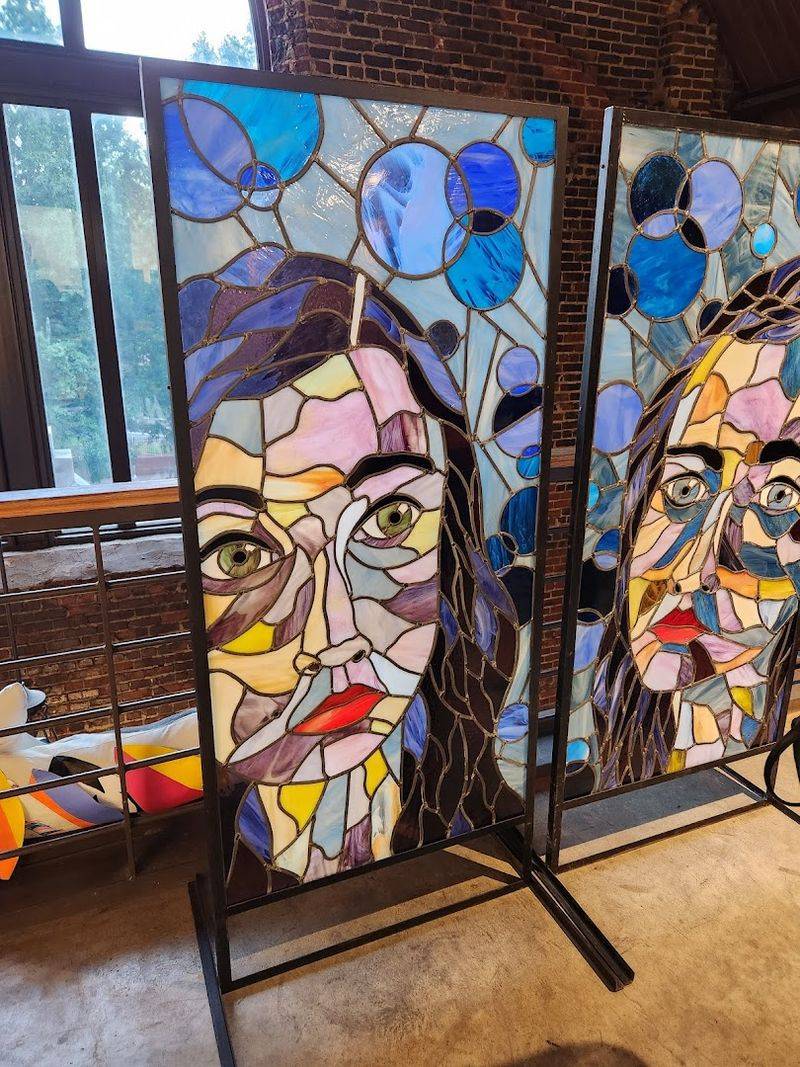
Inside a former industrial shell, creative work takes on a charged, contemporary edge.
High ceilings, generous work areas, and the visible residue of earlier labor give the building a productive tension, as if old manufacturing logic had been turned toward imagination.
That history matters. It makes experimentation feel earned rather than decorative.
Residency culture shapes the experience, bringing a seriousness to studios where sculpture, mixed media, and ambitious ideas are tested in public view.
Process often remains visible: materials stacked against walls, partial forms waiting on tables, plans revised midstream.
Travelers who encounter art in this state of becoming gain something rare. They see uncertainty not as failure, but as one of the most truthful parts of creative life.
There is a particular excitement in learning around work that is still searching for itself.
It encourages bolder questions and loosens the fear of getting things wrong.
In a city setting, that openness feels especially valuable, offering a counterpoint to finished surfaces and polished impressions.
The visit becomes memorable because it reveals making as inquiry, risk, and real human labor.
Durham Arts Council – Durham
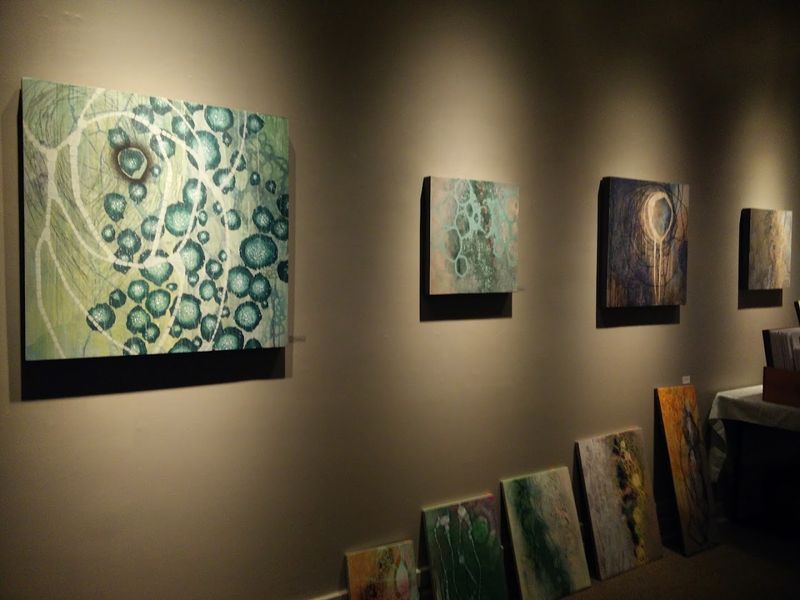
Creative energy gathers differently in a city with layers of industry, scholarship, and reinvention, and that complexity gives these classrooms real spark.
Hallways carry a mix of voices, generations, and artistic interests, creating a sense that community learning is not an accessory here but the main event.
The mood is active, civic, and open to experimentation.
One session may lean toward graphics and design, another toward clay, drawing, or collaborative making, yet all of it feels tied to the city’s larger spirit of transformation.
Materials move quickly through hands, ideas bounce between strangers, and the making becomes social without losing seriousness.
There is pleasure in that balance. It turns art into a shared public language instead of a private retreat.
For travelers, the appeal lies in stepping briefly into local creative life rather than consuming a packaged version of it.
Working inside these rooms reveals how a city imagines itself through color, form, and exchange.
The experience offers something richer than sightseeing: a chance to join a living current of practice and leave with a felt sense of how culture is built together.
Western North Carolina Sculpture Center – Lenoir
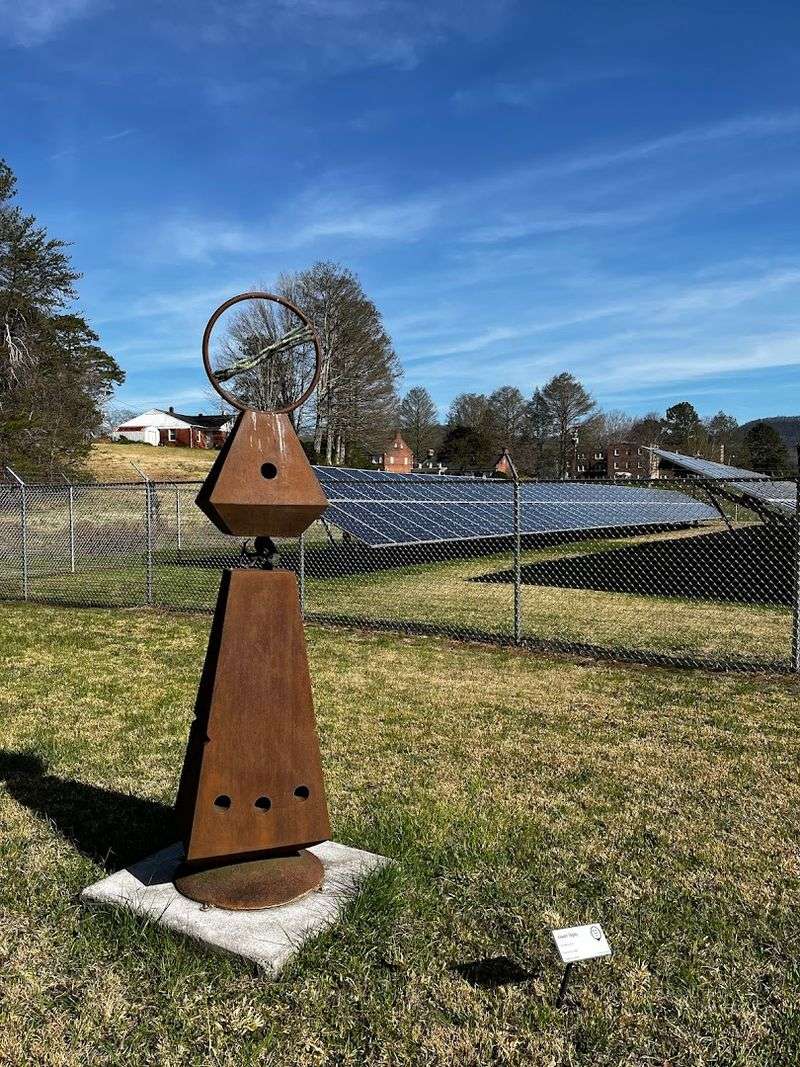
Some places announce themselves through scale, and this one does so with steel, stone, weight, and the thrilling sound of impact.
Sculpture asks the body to think differently. Space becomes material, mass becomes conversation, and every decision carries physical consequence in a way that drawing or writing rarely does.
Workshops devoted to carving, metalwork, and three dimensional form make process unmistakably present.
Dust gathers on boots, tools answer with clang and grind, and rough surfaces gradually yield to intention without ever becoming tame.
In the foothill landscape, that effort feels deeply fitting, as if the region’s geology had entered the studio and demanded respect from everyone working there.
For travelers, learning through sculpture can be unexpectedly clarifying.
It strips away passivity because the material resists, challenges, and occasionally surprises.
Progress comes not from gliding through an itinerary but from negotiating weight, balance, and form with your whole body involved.
The memory lasts because it is physical as well as visual, tied to exertion, sound, and the moment an unwieldy idea finally stands on its own.
Rock School of Art Foundation – Valdese
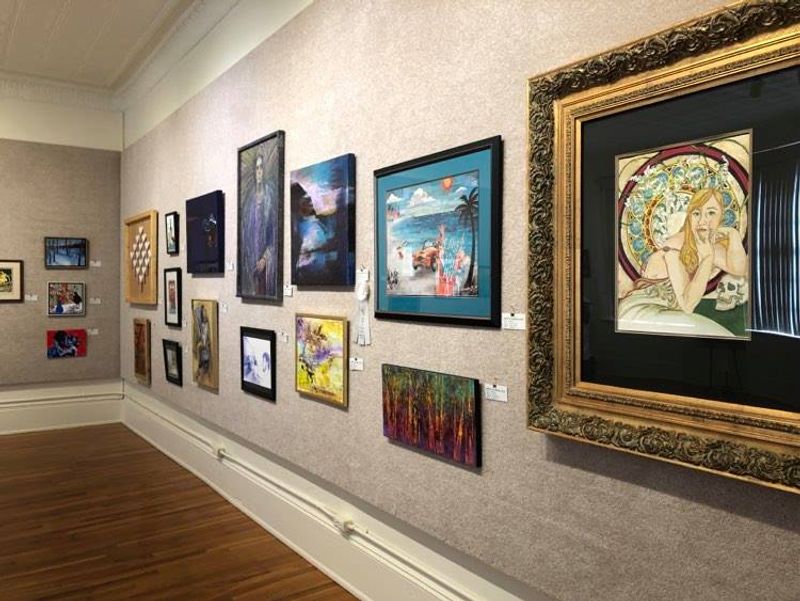
A historic building can change the emotional tone of learning before a single tool is lifted, and that is part of the appeal here.
Old stone, solid walls, and well used rooms create an immediate sense of continuity between past and present making.
The setting suggests that art belongs in everyday community life, not only in polished institutions.
Classes unfold with a neighborly steadiness that suits pottery, painting, and handmade traditions passed through conversation as much as demonstration.
There is room for seriousness without stiffness.
Laughter moves through the corridors, brushes tap jar rims, and clay answers the hand with that familiar resistance that keeps people returning to craft year after year.
Travelers often seek places that reveal how creativity roots itself in local identity, and that is where this foundation becomes especially memorable.
The experience is less about spectacle than belonging, even for a short visit.
By joining a workshop inside rooms shaped by history and continued use, visitors encounter art as a lived community practice, something generous, durable, and woven into the town’s daily character.