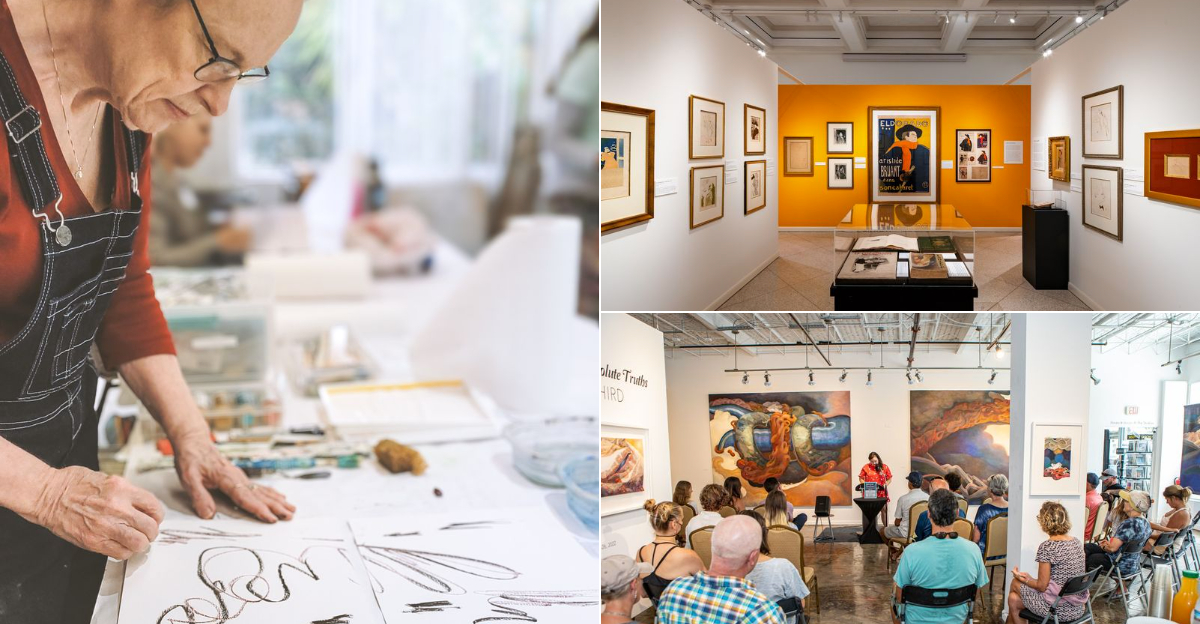
Florida’s creative side shines brightest in places where travelers can do more than simply look around.
Across the state, craft schools and art centers invite visitors to work with their hands, learn from skilled instructors, and experience local culture through making.
Many of these spaces are set in coastal communities, historic neighborhoods, and lively arts districts, giving each workshop a strong sense of place.
These destinations also make excellent additions to weekend trips, especially for travelers who enjoy slower, more meaningful experiences.
Together, they show that Florida’s charm is not limited to beaches and sunshine; it also lives in studios, workshops, and creative communities across the state.
1. Dunedin Fine Art Center – Pinellas County, Dunedin
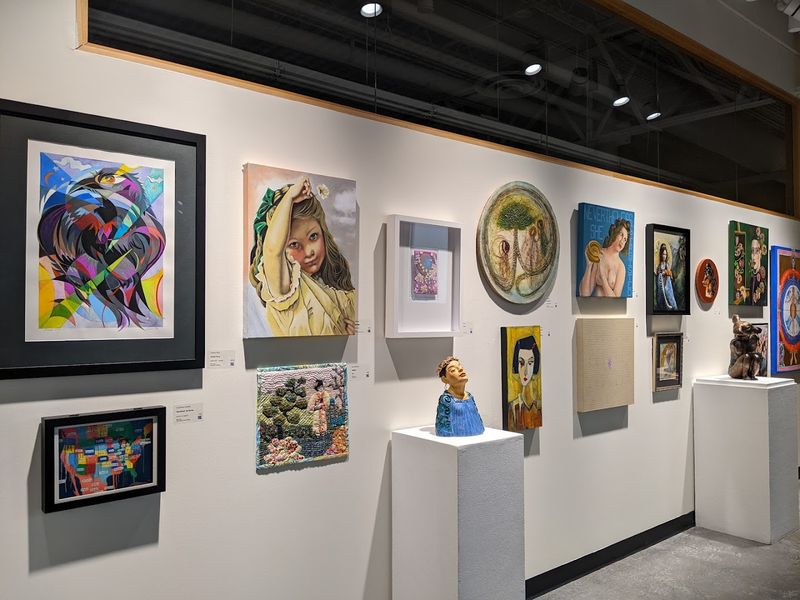
Coastal towns often have a laid-back charm, but this place adds a solid creative backbone to the mood. Dunedin Fine Art Center in Dunedin, Pinellas County, runs an impressive variety of classes in mediums like ceramics, jewelry, fiber, painting, and mixed media, making it easy to try something new without feeling out of step.
I like how the center manages to stay friendly and community-based while still offering enough depth for returning students.
The schedule tends to be broad, which is excellent news if your interests bounce around a bit.
Exhibitions, workshops, and special programs give visitors more than one reason to stop in, and the location works nicely if you are pairing an arts outing with the walkable downtown and waterfront nearby. Check registration timing before you show up hoping for a same-day opening; it is safer and it’ll keep in you in the good mood.
Also, keep an eye on family or seasonal programming if you are traveling with others, and do not skip the gallery spaces, because they often add a fresh layer to the class experience.
2. Florida School of Woodwork – Duval County, Jacksonville
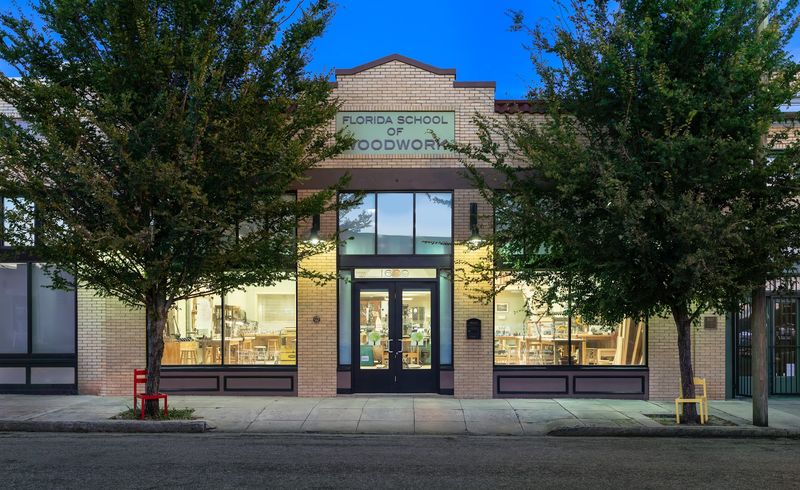
The smell of fresh-cut lumber feels exactly right when you have an urge to create art with your own hands.
Florida School of Woodwork in Jacksonville, Duval County, gives you a focused place to learn hand tools, joinery, carving, and furniture making without any fussy atmosphere.
I like that the shop feels serious but not stiff, so beginners can ask basic questions while experienced makers still find real challenge in the course lineup.
Patience becomes part of the curriculum here, and that is a gift in a fast-moving state. Instructors guide students through practical processes, from sharpening to finishing, and the small class energy makes it easier to notice details you would miss online.
If you visit for a class, wear closed-toe shoes, expect to stand for long stretches, and arrive early enough to admire the benches before the room starts humming, because the setting itself quietly teaches respect for the craft.
I love how this school turns learning into something tactile and memorable, whether you want to shape glass, throw pots, carve wood, or simply watch creativity get to work.
3. Benzaiten Center for Creative Arts – Palm Beach County, Lake Worth Beach
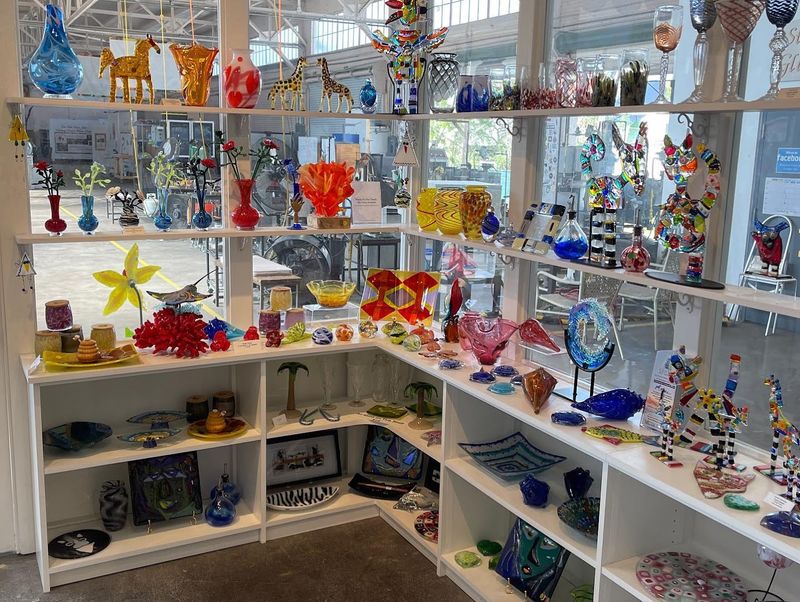
Heat changes the mood of a room in an instant, and here it also shapes the art.
Benzaiten Center for Creative Arts in Lake Worth Beach, Palm Beach County, is known for glassblowing, flameworking, and fusing, with a studio environment that feels both industrial and inviting.
I remember watching molten glass gather on a blowpipe and realizing how much teamwork and timing are hidden inside pieces that look effortless in a gallery.
There is a nice mix of spectacle and skill in the experience, which keeps visitors engaged even before they sign up.
Classes range from approachable introductions to more involved workshops, and the staff usually explains safety clearly, which matters when the furnace is doing its fiery thing a few feet away.
Bring a water bottle, tie back long hair, and check the calendar for demos or exhibitions, because seeing finished work after watching the process gives the whole visit a satisfying spark.
If you have ever wanted a class schedule to double as a small adventure, this place is truly worth your time.
4. Morean Center for Clay – Pinellas County, St. Petersburg
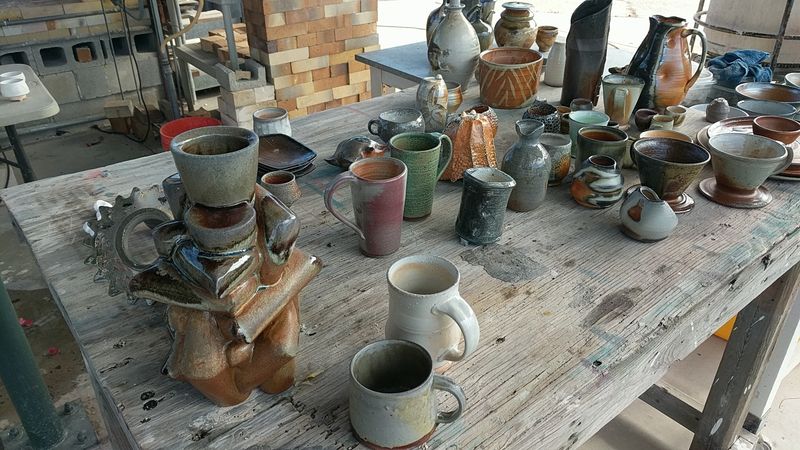
Clay has a way of slowing your thoughts before your hands even touch the wheel.
Morean Center for Clay in St. Petersburg, Pinellas County, offers a strong ceramics program where throwing, handbuilding, glazing, and kiln knowledge come together in a studio that feels busy in the best way.
I appreciate how the space balances community warmth with enough technical structure that you leave knowing why your piece succeeded or slumped.
Messy hands are almost guaranteed, but the learning stays surprisingly clear and organized.
The center supports both new students and dedicated makers, and you can often sense that people are returning not just for access to equipment, but for the rhythm of practice and conversation around the worktables.
If you go, wear clothes that can handle splashes, as tose happen often.
Moreover, ask about firing schedules before planning a short trip, and spend a few minutes studying the finished student work, because it quietly reveals how much range this studio encourages.
5. Morean Glass Studio – Pinellas County, St. Petersburg
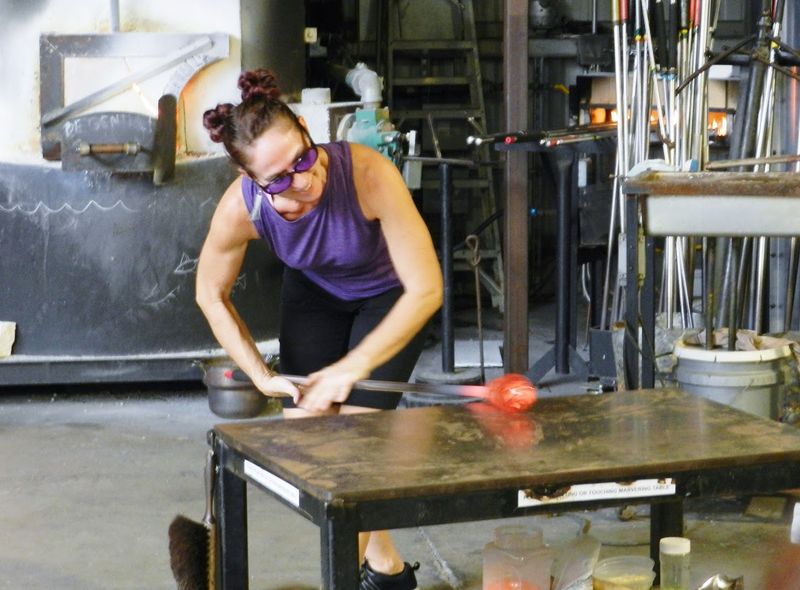
Firelight makes every demonstration feel a little theatrical, even when the lesson is deeply practical.
Morean Glass Studio in St. Petersburg, Pinellas County, pairs public energy with serious instruction, offering classes and demos that let you see how hot glass moves from glowing blob to elegant object.
I have always found this kind of place memorable because the process is loud, fast, and exact, yet the finished work often looks calm and refined.
The viewing setup helps beginners feel welcome, which is useful if you want to learn before committing to a workshop.
Instructors explain techniques in plain language, and the studio often creates that ideal moment where you realize art is not mysterious at all, just disciplined and very, very hot.
Check whether a demonstration is scheduled before you go, and stand where you can watch the teamwork near the furnace.
Also, keep your phone ready to capture color and light, because few craft spaces in Florida glow quite like this one.
6. First City Art Center – Leon County, Tallahassee
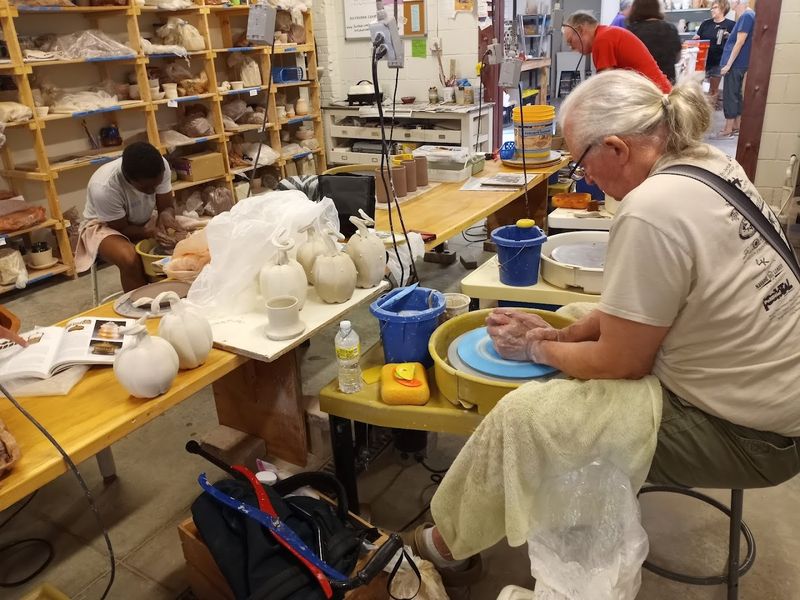
Creative spaces often feel best when they double as neighborhood hangouts with real purpose.
First City Art Center in Tallahassee, Leon County, brings together ceramics, glass, exhibitions, and community programming in a way that feels open rather than intimidating.
I like that you can sense local loyalty here, with people coming not only to make things, but also to support a place that keeps the arts visible in the capital city.
That mix of accessibility and substance gives the center its character.
Depending on the schedule, you might catch a class, browse a show, or time your visit around one of its lively events, and that variety makes it easy for different kinds of visitors to connect with the space.
If you are new, ask what beginner options are running, wear something comfortable for studio activity, and leave room in your plan for the gallery side too.
After all, seeing the community-made work beside instruction adds a fuller picture of why this center matters, not just to the visitors, but the locals as well.
7. Armory Art Center – Palm Beach County, West Palm Beach
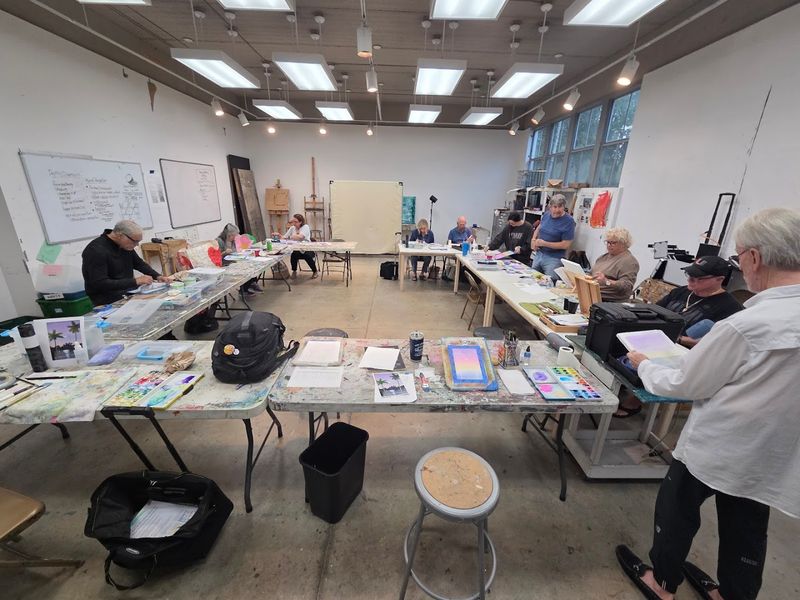
Some buildings seem to hold creative momentum in their walls, and this one certainly does.
Armory Art Center in West Palm Beach, Palm Beach County, offers classes across ceramics, sculpture, jewelry, painting, printmaking, and more, all inside a historic setting that gives studio time an extra sense of occasion.
I enjoy places where you can move from one discipline to another in a single visit and still feel that each room has its own personality.
The range here makes it especially good for curious learners who have not settled on just one medium. There is a steady mix of youth programs, adult instruction, exhibitions, and artist energy, so the center feels active without becoming chaotic, and the campus location keeps you close to the city’s broader cultural scene.
Try checking course lengths before enrolling, arrive a little early to navigate the studios, and look at the seasonal offerings instead of only the headline classes.
Turns out, some of the most interesting opportunities hide in the additional workshops.
8. Crealdé School of Art – Orange County, Winter Park
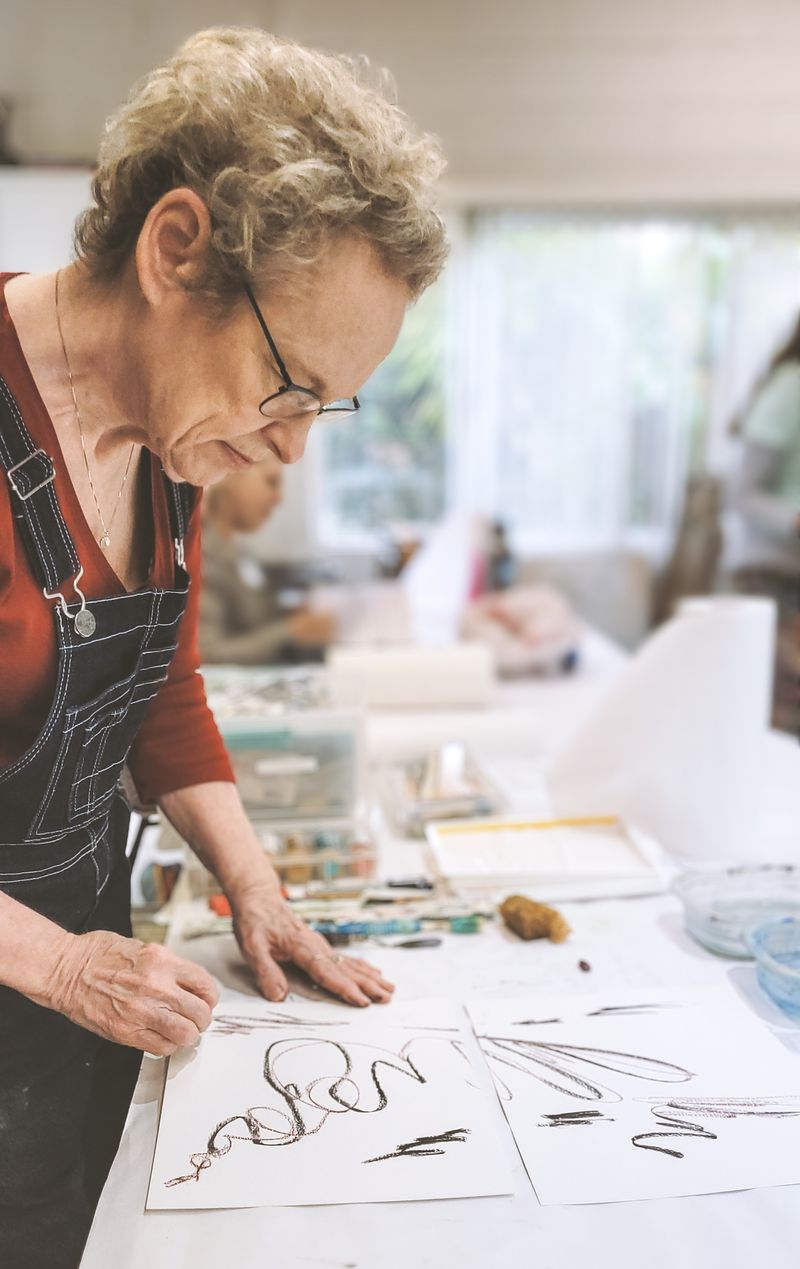
Shade trees and studio buildings create a calm first impression here, almost like the campus is asking you to slow down.
Crealdé School of Art in Winter Park, Orange County, has long offered hands-on instruction in painting, ceramics, sculpture, photography, and other media within a setting that feels grounded and personal.
I find that the atmosphere encourages experimentation, especially for people who want skill-building without the pressure of a formal degree environment.
There is also a sense of local history that deepens the visit beyond the classroom.
The school is known for community engagement and a strong connection to Central Florida artists, and that makes the exhibitions and campus spaces feel lived in rather than polished just for show.
If you stop by, give yourself time to walk the grounds, check whether an exhibit is on view, and read the course descriptions closely before booking.
As it often happens in life, the best fit might be a class you did not expect to choose at first glance, so leave some room for surprises.
9. Boca Raton Museum Art School – Palm Beach County, Boca Raton
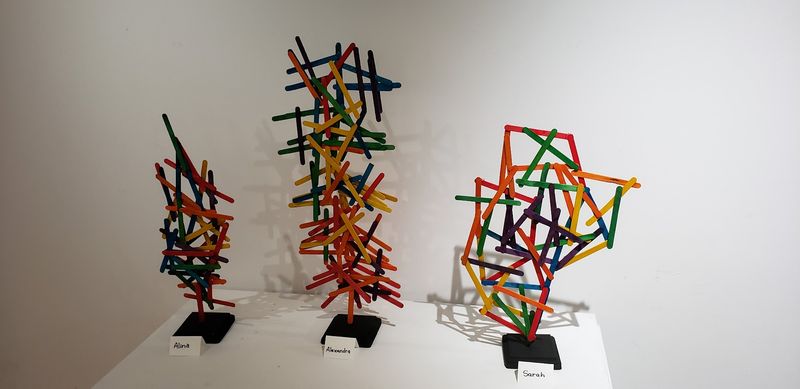
A polished cultural district can sometimes feel formal, yet this school keeps the experience approachable. Boca Raton Museum Art School in Boca Raton, Palm Beach County, extends the museum’s mission through studio classes in ceramics, drawing, painting, photography, and design, giving learners a practical way to connect with art beyond the gallery wall.
I enjoy that combination, because seeing exhibitions and then stepping into a class can sharpen your eye surprisingly fast.
The setting also makes it easy to build a fuller day around your visit.
The school benefits from its relationship to the museum, and that connection often adds context, whether you are studying fundamentals or just looking for a creative reset while spending time in the city center.
If you are planning a class, review supply lists early and pair your visit with museum time if possible.
The reason for this is that the two experiences complement each other well and make the whole outing feel less like an errand and more like a rewarding shift in perspective.
10. The Studios of Key West – Monroe County, Key West
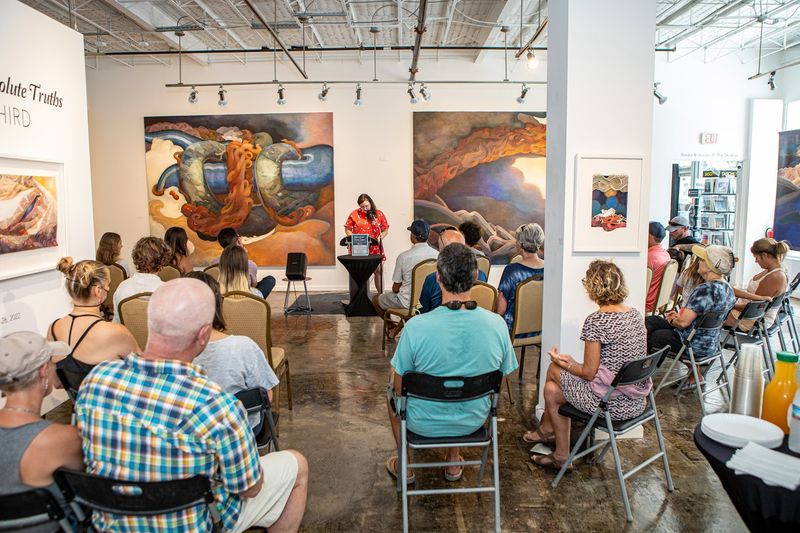
Island light does wonderful things to color, and you notice that quickly in Key West.
The Studios of Key West in Monroe County blends classes, exhibitions, performances, and artist residencies in a way that feels deeply connected to the island’s creative pulse rather than separate from it.
I have always liked arts spaces that reflect their surroundings, and this one clearly carries the layered, slightly offbeat personality that makes Key West feel unlike anywhere else in Florida.
The experience is broader than a standard classroom visit, which is part of the appeal.
Depending on when you go, you might catch a workshop, a gallery show, or a cultural event, and the building’s downtown location makes it easy to fold into a walk through old streets and nearby cafes.
Check the calendar carefully because programming changes often, and allow extra time for parking and strolling.
Moreover, be ready for a more multidisciplinary atmosphere than a single-focus craft school, because that variety is exactly what gives the place its staying power.
11. ArtCenter Manatee – Manatee County, Bradenton
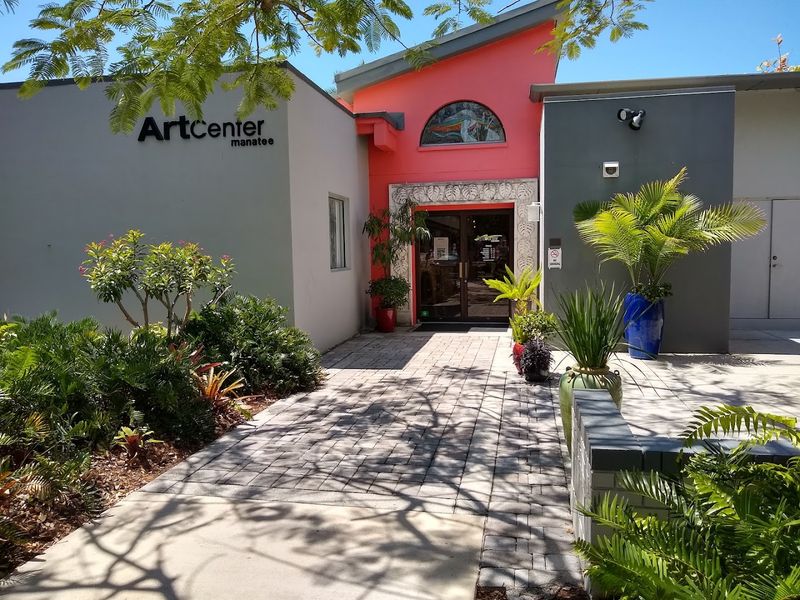
Sometimes the most inviting arts spaces are the ones that feel immediately local in the best sense. ArtCenter Manatee in Bradenton, Manatee County, offers classes, exhibitions, and workshops in painting, ceramics, drawing, and mixed media, serving both serious students and people who simply want to make something with their hands.
I appreciate places like this because they can lower the barrier to entry without lowering the quality of the instruction.
The center has a community rhythm that makes drop-in visitors feel less like outsiders.
Its galleries provide a snapshot of regional talent, and the class options often reflect a practical understanding of what learners actually want, whether that means a short workshop or a longer skills-based commitment.
If you are stopping by while exploring the Gulf Coast, look up exhibit dates in advance, ask staff which classes welcome beginners.
Try to give yourself a little browsing time before or after instruction, because the conversation between student work and gallery work is part of the experience.
12. Naples Art Institute – Collier County, Naples
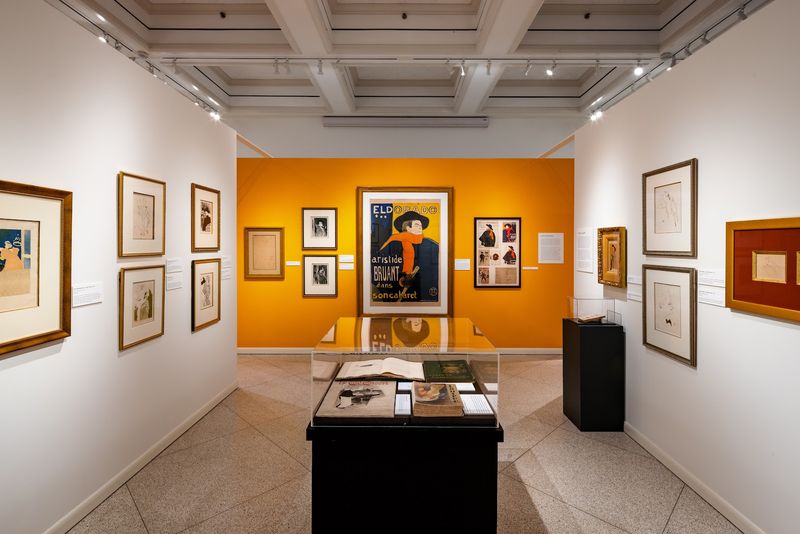
Refined surroundings can still leave room for playful experimentation, and this school proves it.
Naples Art Institute in Naples, Collier County, combines exhibitions, education, and artist support with a course lineup that invites both first-timers and practiced makers into the conversation.
I like that the institute does not treat learning as separate from viewing art, because one often improves the other in subtle ways you only notice after a class or two.
There is a polished feel to the operation, but it does not overshadow the hands-on mission.
Workshops and lectures add depth beyond standard studio sessions, and the broader programming helps visitors understand how the local arts scene fits into the city’s more familiar beaches, boutiques, and winter-season buzz.
Check whether a special exhibition overlaps with your visit, confirm materials requirements before registering, and dress for both indoor studios and warm outdoor walks.
Turns out, Naples has a habit of turning even a simple class day into a slightly more stylish outing.
13. Atlantic Center for the Arts – Volusia County, New Smyrna Beach
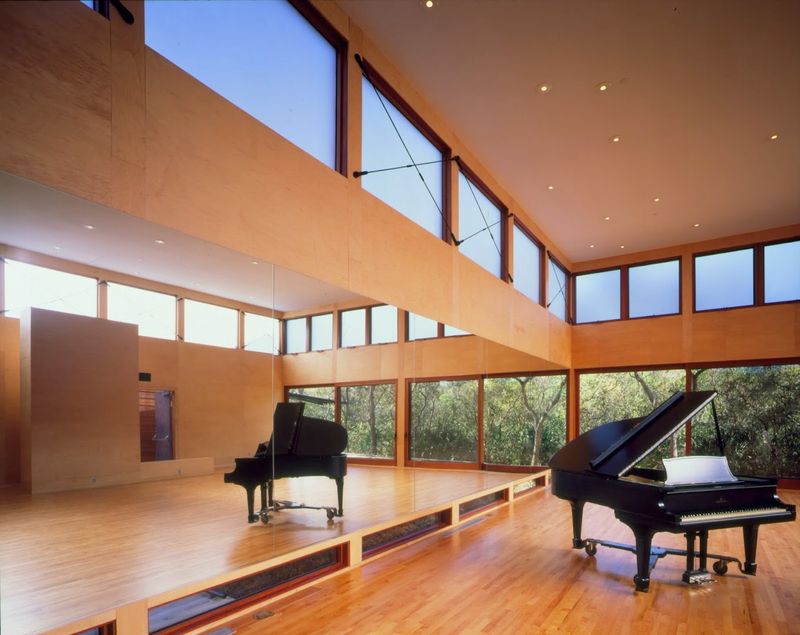
Not every inspiring art stop is built around a conventional classroom, and that is part of the appeal here. Atlantic Center for the Arts in New Smyrna Beach, Volusia County, is best known for its residency model, exhibitions, and multidisciplinary programming.
However, it still offers public workshops and experiences that let visitors tap into a deeper creative atmosphere.
I think it stands out because the campus feels reflective and purposeful, which can be refreshing if you want something less routine than a weekly studio session.
The connection to working artists gives the place a different kind of energy.
Public events often open a window into serious creative practice, and the setting near one of Florida’s notable arts communities adds context that makes even a brief visit feel meaningful.
If you go, read the schedule carefully since opportunities vary more than at standard schools, and plan for a quieter experience than a bustling downtown center.
And, don’t forget to take time to notice the campus design itself, because the environment contributes almost as much to the visit as the programming.