

Connecticut is packed with hidden gems that come alive when the weather finally warms up.
From crashing waterfalls to blooming gardens and coastal boardwalks, the state offers something for every kind of adventurer.
Whether you want a quiet nature walk or a history-filled afternoon, spring is the best time to explore.
Here are ten day trips that will make you glad you cleared your schedule.
Mystic Seaport & Coastal Walks (Mystic)

Few places in Connecticut carry as much seafaring history as Mystic Seaport, and spring is when the whole waterfront finally exhales after a long winter. The museum sits along the Mystic River, and its outdoor exhibits feel completely different when surrounded by blooming gardens and fresh coastal air.
Tall ships, historic buildings, and working craftspeople make this feel more like stepping into another century than visiting a museum.
Beyond the museum grounds, the nearby streets of Mystic are easy to wander on foot. Boutique shops, bakeries, and waterfront benches invite you to slow down and stay longer than planned.
The famous Mystic drawbridge adds a charming focal point to any riverside stroll.
Families, couples, and solo visitors all find something to love here. Pack a light jacket since coastal breezes can be cooler than expected, even on warm spring days.
Pair your visit with lunch at one of the local seafood spots for a full Connecticut coastal experience that feels genuinely earned by the end of the afternoon.
Gillette Castle State Park (East Haddam)

Built by eccentric actor William Gillette between 1914 and 1919, this stone castle sitting above the Connecticut River is one of the strangest and most delightful surprises the state has to offer. Gillette was famous for playing Sherlock Holmes on stage, and his home reflects that same theatrical, over-the-top personality.
The castle features hand-carved woodwork, built-in furniture, and a miniature railroad that once circled the property.
Spring greenery frames the trails beautifully, making hikes through the park feel like scenes from a storybook. The overlooks along the river offer sweeping views that reward even casual walkers who stick to the easier paths.
Wildflowers start appearing along the trail edges as early as April, adding soft color to the rugged landscape.
The park is free to enter, though tours of the castle interior carry a small fee. Either way, the grounds alone justify the drive out to East Haddam.
Bring water, wear comfortable shoes, and give yourself at least two to three hours to truly take in the quirky grandeur of this completely one-of-a-kind Connecticut landmark.
Elizabeth Park Rose Garden (West Hartford)

Opened in 1904, Elizabeth Park holds the distinction of being the oldest municipal rose garden in the entire United States. That history alone makes it worth visiting, but in spring, the park transforms into something genuinely stunning.
Tulips arrive first, painting the beds in bold reds, yellows, and purples before the roses even begin to bud.
Wide, well-maintained paths make strolling easy for all ages and fitness levels. Benches are scattered throughout, so there is no pressure to keep moving if you find a spot that simply feels too peaceful to leave.
A small greenhouse near the entrance stays active year-round and offers a cozy contrast to the open garden beds outside.
Picnicking is encouraged here, and locals treat the park like an extension of their own backyards. Bring a blanket, a good book, and something to snack on for a low-effort afternoon that still feels genuinely special.
Admission is completely free, making it one of the best deals in Connecticut. Spring visits before the full summer crowds arrive offer a quieter, more personal experience with the blooms at their freshest.
Devil’s Hopyard State Park (East Haddam)
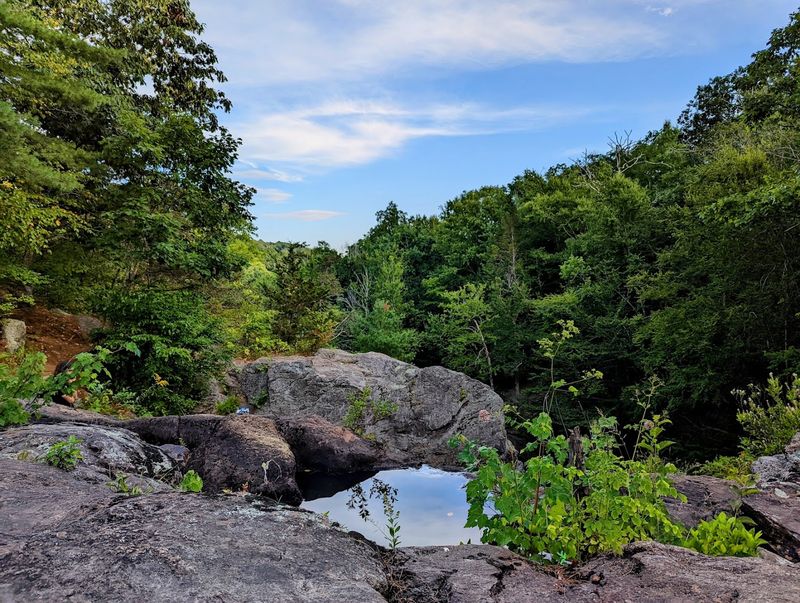
Something almost mythical happens at Devil’s Hopyard every spring. Snowmelt and seasonal rain push Chapman Falls into full roar, sending white water crashing over a series of rocky ledges in a display that feels wildly out of proportion with the park’s quiet, wooded surroundings.
Standing at the base of the falls in April or May is genuinely jaw-dropping.
The park’s name comes from old local legends about the Devil leaving hoof-shaped potholes in the rocks below the falls. Whether or not you believe the story, those circular depressions in the stone are real and worth looking for during your visit.
The trails winding away from the falls pass through mossy forest and patches of spring wildflowers like trout lilies and trillium.
Parking fills up on weekends, so arriving before 10 a.m. makes a real difference. The main trail to the falls is short and manageable for most visitors, including older kids.
Longer loop trails extend the experience for those who want more mileage. Pack snacks and plan to linger, because the combination of rushing water, blooming forest floor, and cool spring air makes this one of the most refreshing day trips in the state.
Yale University Campus Walk (New Haven)
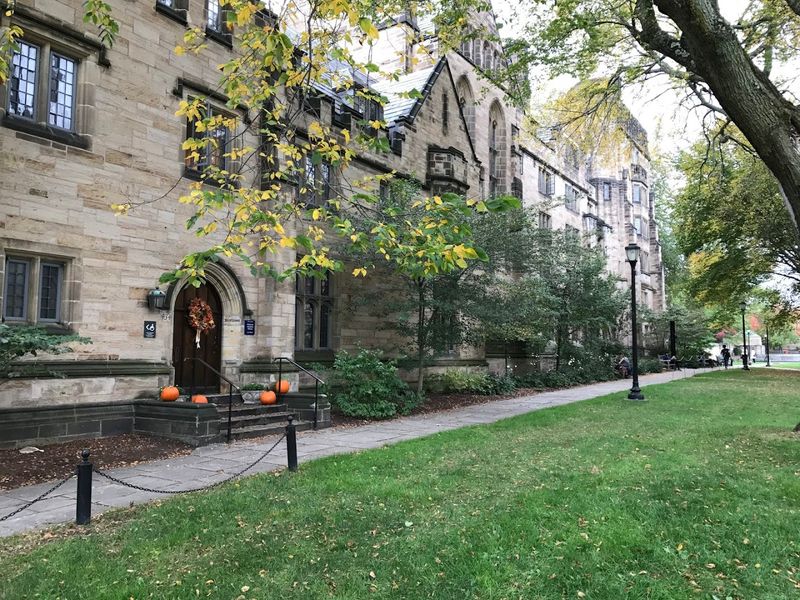
Walking through Yale’s campus in spring feels like borrowing someone else’s extraordinary life for an afternoon. The Gothic stone buildings, ornate archways, and carefully tended courtyards create an atmosphere that is equal parts academic and theatrical.
Spring blossoms soften the imposing architecture in a way that makes the whole campus feel welcoming rather than intimidating.
The university is free to walk through, and self-guided tours are easy to plan using campus maps available online. Highlights include the Old Campus quad, Harkness Tower, and the stunning Beinecke Rare Book and Manuscript Library with its translucent marble walls.
Each building has a story, and even a casual stroll surfaces surprising architectural details at every turn.
New Haven’s food scene is another reason to extend the day well past campus. The city is famously serious about pizza, and several legendary spots are just a short walk from the university gates.
Grab a slice, explore the Yale University Art Gallery (free and open to the public), and finish with a stroll through the New Haven Green. Spring brings street vendors and outdoor seating back to life, giving the whole city a lively, energetic buzz that pairs perfectly with the campus atmosphere.
Kent Falls State Park (Kent)
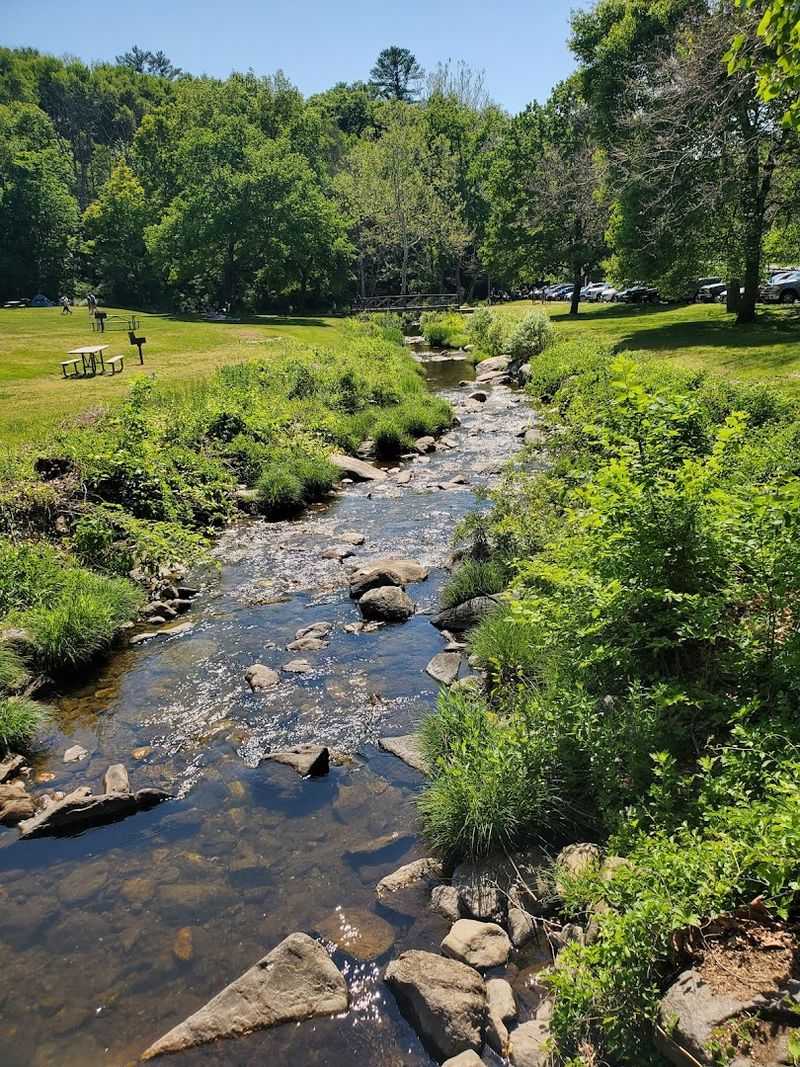
You can hear Kent Falls before you see it. The sound of rushing water carries through the trees from the parking area, building anticipation with every step toward the main cascade.
In spring, when seasonal rains push the stream to its highest levels, the falls drop roughly 70 feet in a series of tumbling tiers that are genuinely dramatic for such a short hike.
The walk from the parking lot to the base of the falls takes only a few minutes, making this an accessible stop for families with young kids or anyone who wants big scenery without a strenuous effort. A steeper trail climbs alongside the falls for those who want to earn the top-down view, which offers a completely different and equally rewarding perspective.
Kent itself is a charming small town worth exploring after your time in the park. Art galleries, antique shops, and a handful of solid restaurants line the main street, giving the afternoon a relaxed, unhurried rhythm.
The drive through the Litchfield Hills to reach Kent is scenic on its own, especially in spring when the hillsides shift from bare branches to fresh, bright green almost overnight. Budget a half day at minimum for this one.
Weir Farm National Historical Park (Wilton/Ridgefield)
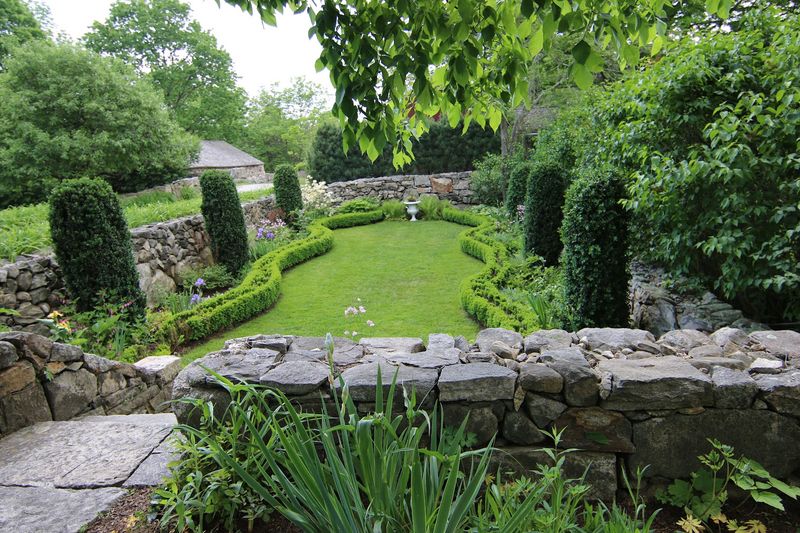
Weir Farm is the only national park in the United States dedicated to American painting, and spending a spring morning here makes it immediately obvious why artists kept returning to this land for generations. Julian Alden Weir purchased the farm in 1882 and turned it into a gathering place for Impressionist painters who were captivated by the soft light, open meadows, and gently wooded hillsides.
That same light still falls across the fields today.
Visitors are welcome to bring sketchbooks, watercolors, or cameras and create their own artwork on the grounds. Ranger-led programs and self-guided trail maps help orient newcomers to the landscape and its artistic legacy.
Spring wildflowers and budding trees add layers of color that make even a simple photo walk feel rewarding.
The park sits across two towns, Wilton and Ridgefield, and the surrounding area has a quiet, unhurried character that feels like a genuine escape from suburban Connecticut. Admission is free, and the visitor center offers helpful context about the artists who worked here.
For anyone who appreciates creativity, history, or just a really beautiful walk through the countryside, Weir Farm delivers something quietly profound that lingers well after you have driven back home.
Essex Steam Train & Riverboat (Essex)

Climbing aboard a vintage steam train and watching Connecticut’s spring landscape roll past the windows is the kind of experience that feels both nostalgic and completely fresh at the same time. The Essex Steam Train has been running since 1971, but the route it follows through the Connecticut River Valley has been a scenic favorite for much longer than that.
In spring, the trees along the tracks shift from bare gray to vivid, layered green almost week by week.
The full excursion combines a train ride with a riverboat cruise along the Connecticut River, making it a two-for-one adventure that fills a good chunk of the day. Wildlife sightings are common on the water leg, with osprey, herons, and the occasional bald eagle visible along the riverbanks during spring migration season.
Tickets should be booked in advance since spring weekends fill up quickly, especially for families. The train departs from Essex Station, a beautifully preserved Victorian-era depot that adds to the old-fashioned atmosphere.
Essex village itself is one of the most charming small towns in New England, with waterfront dining, independent shops, and a laid-back pace that makes it easy to stretch a train ride into a genuinely full and satisfying day.
Silver Sands State Park Boardwalk (Milford)

Before the beach umbrellas and summer crowds descend on Connecticut’s shoreline, Silver Sands State Park offers something rare: a coastal boardwalk experience that feels genuinely calm and unhurried. Spring mornings here carry a cool, salty breeze and a quality of light that photographers love, soft and angled and completely different from the harsh midday glare of July.
The boardwalk stretches across coastal marshland and provides access to a long sandy beach with views of Charles Island sitting just offshore. That small island has its own wild history, including legends of buried pirate treasure and a documented history as a nesting ground for protected bird species.
During spring migration, the shoreline and marsh edges draw an impressive variety of shorebirds and waterfowl worth watching even without binoculars.
Parking is free outside of peak summer months, which makes a spring visit even more appealing from a practical standpoint. The beach itself is not yet crowded, the water is still too cold for swimming, but the walking and bird-watching are excellent.
Bring a thermos of something warm and plan to move slowly. Silver Sands rewards patience and a willingness to simply stand still and listen to the water for a few unscheduled minutes.
Litchfield Hills Scenic Drive & Stops (Litchfield County)
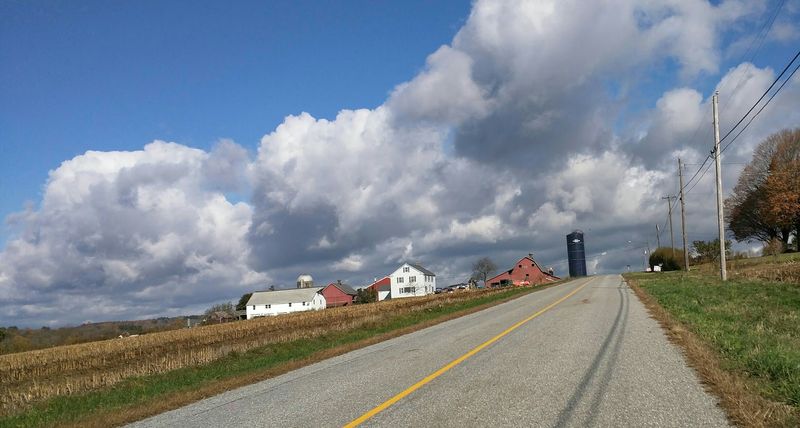
Not every great day trip requires a destination. Sometimes the road itself is the whole point, and the Litchfield Hills region of northwestern Connecticut makes a compelling argument for that philosophy every single spring.
As the hills shake off winter, the landscape shifts through a remarkable range of greens, from the pale yellow-green of newly budded maples to the deeper hues of hemlock and pine lining the back roads.
Route 202 and the roads branching off toward towns like Washington, Warren, and Bantam pass through countryside that looks like it was designed for a travel magazine. Farm stands begin opening in April, offering early-season plants, maple syrup, eggs, and local preserves.
Antique shops and small art galleries dot the route, and none of them require advance planning or reservations.
The town of Litchfield itself anchors the drive with a beautifully preserved historic green surrounded by Federal-style homes and a white Congregational church that has been a landmark since the 1820s. White Memorial Conservation Center near Bantam Lake offers easy nature trails if you want to stretch your legs between stops.
The whole loop can be customized to fit any pace, making it ideal for spontaneous spring Sundays when you just want to see where the road takes you.