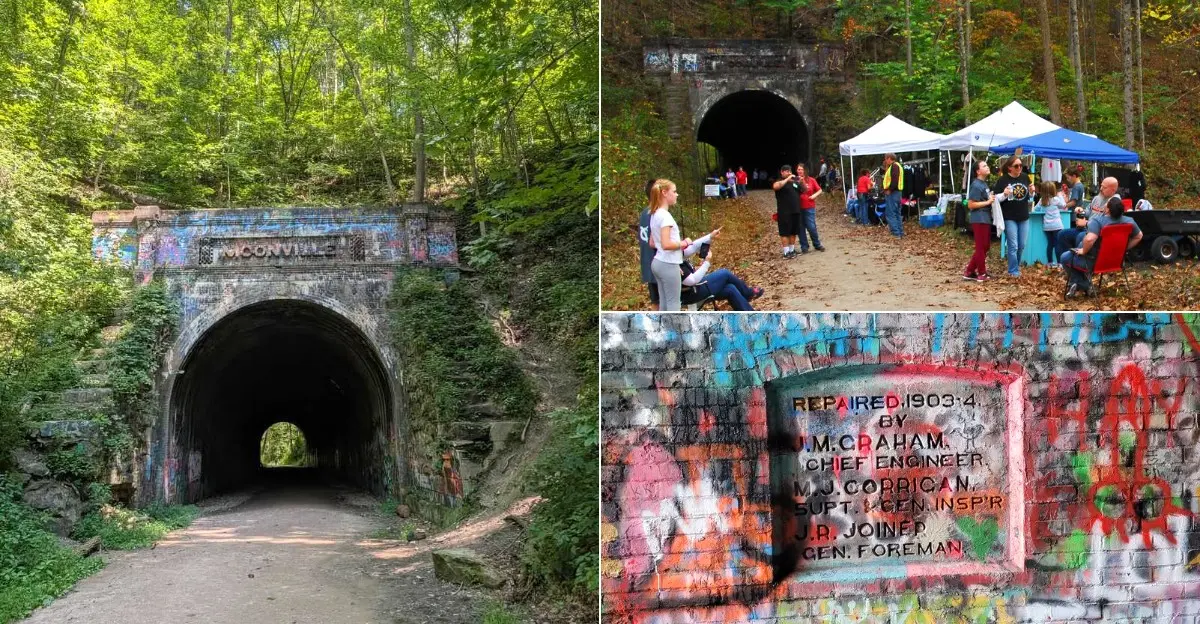
Not every trail in Ohio leads to a scenic overlook; some lead straight into history.
Deep in the state’s southeastern woods, a quiet path winds past the remains of a forgotten coal town.
Crumbling foundations and rusted relics hint at a community that once buzzed with workers and daily life.
Moss has since claimed most traces of the structures, but the outlines are still there for those who look closely.
Interpretive markers along the way help piece together what the settlement once looked like.
The hike blends a peaceful walk in the woods with a genuine sense of discovery.
This overgrown Ohio ghost town is proof that some of the best history lessons happen outdoors.
A Trail That Feels Like A Secret Door
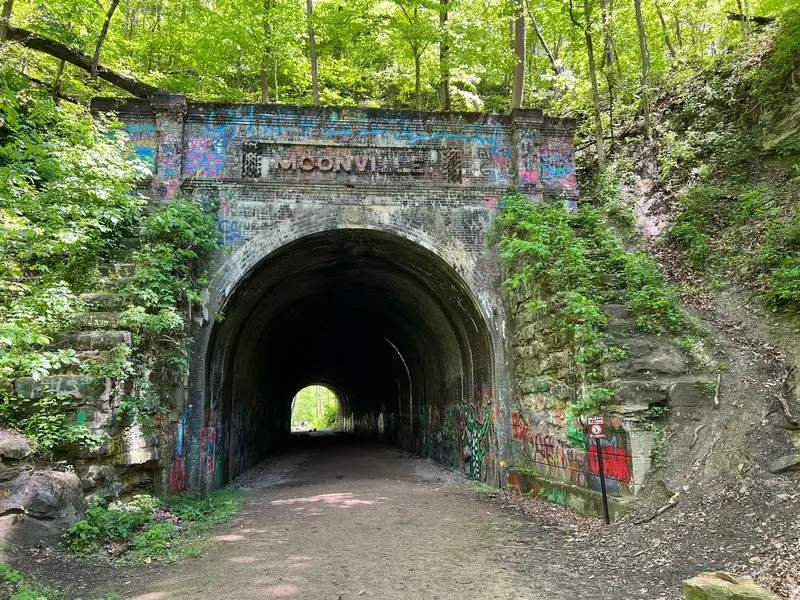
The first steps into the woods feel quiet, almost like the trees are keeping an old promise.Bird calls, crunching leaves, and distant wind replace the sounds of engines, shovels, and train cars that once shaped this landscape.
A hike here is not about a big sign or a polished attraction, but about noticing small clues.
At Mineral, Waterloo Township, OH 45766, the trail leads into a former coal-mining area where nature has slowly covered much of the past.Bring a map, charged phone, water, and sturdy shoes, because old routes can be uneven, muddy, or unclear after rain.
Stay on established paths when possible, since hidden holes, loose rock, and old industrial debris can be dangerous.
Move slowly and look for changes in the ground, such as flat benches, stone lines, or rusted metal partly buried in leaves.Those details may point to old roads, building spots, or work areas.
The best reward is not finding a dramatic ruin, but feeling how a busy community became a quiet forest story today.
Coal Dust, Hard Work, And Everyday Lives
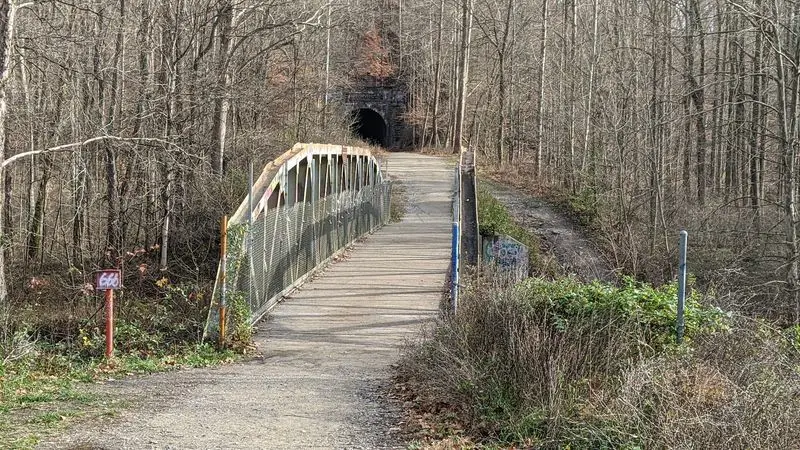
Long before hikers came looking for traces, families built daily routines around coal work in these hills.Miners faced dark tunnels, heavy tools, bad air, and long hours, while families kept homes running through hard seasons.
Remembering the people matters as much as remembering the mine.
A ghost town is easy to picture as empty, but it was once full of ordinary sounds.Children may have walked dirt lanes, neighbors may have shared news on porches, and workers may have counted the hours until payday.
Coal was not just a rock pulled from the ground, but the center of school days, store visits, meals, repairs, worries, and hope.
When writing or hiking about the site, avoid treating it like a spooky playground.Think of it as a workplace and home place where people took risks to support their families.
That mindset helps visitors act with care, speak respectfully, and understand why even a small foundation stone can carry a human story.
Reading The Woods For Clues
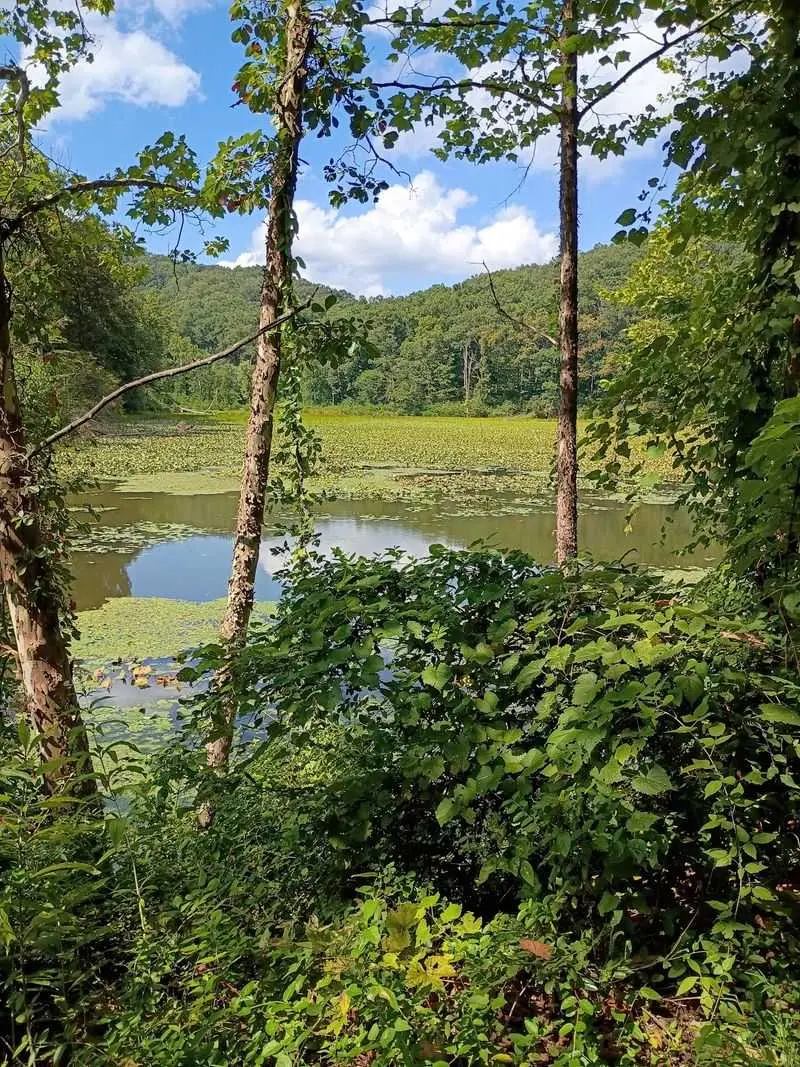
A sharp eye can turn an ordinary walk into a careful history lesson.The forest may look wild at first, yet old human patterns sometimes appear once you slow down.
Straight lines, odd mounds, flat clearings, and broken brick can all suggest past activity.
Coal towns often left behind clues that do not look dramatic.You might see dark coal pieces in a creek bed, a level place where a small building stood, or bits of metal near an old work path.
Never dig, pry, or pocket artifacts, because removing objects breaks the story for everyone who comes later.
Taking photos is a better habit than collecting.Use a notebook or phone to record what you see, where you saw it, and what questions it raises.
If you share pictures online, be careful about giving exact fragile spots that could invite damage.
Nature can hide things and protect them at the same time.Roots hold soil over old remains, moss softens sharp edges, and leaves cover hazards.
Step lightly, watch your footing, and let the place keep its quiet evidence intact for future walkers.
What A Ghost Town Really Means Here

The phrase ghost town can make people imagine leaning saloons, swinging doors, and rows of empty wooden buildings.In the wooded hills of southeast Ohio, the truth can be quieter and more powerful.
A vanished coal settlement may leave only land shapes, scattered material, and local memory.
That does not make the place less real.Many mining communities were built for a single purpose, and when coal work faded, families often moved toward new jobs, safer housing, or better roads.
Buildings were removed, reused, burned, collapsed, or slowly swallowed by weather.
Visitors should adjust their expectations before the hike.Instead of hunting for movie-like ruins, look for the bigger story of change.
Ask why people came, what kept them there, and what happened when the mine no longer supported daily life.
A ghost town is not only about absence.It also shows how work, transportation, land ownership, and natural resources can create a community, then scatter it.
That lesson feels especially strong when the only crowd left is a stand of trees, and the loudest machine is a woodpecker tapping nearby.
Safety Comes Before Curiosity
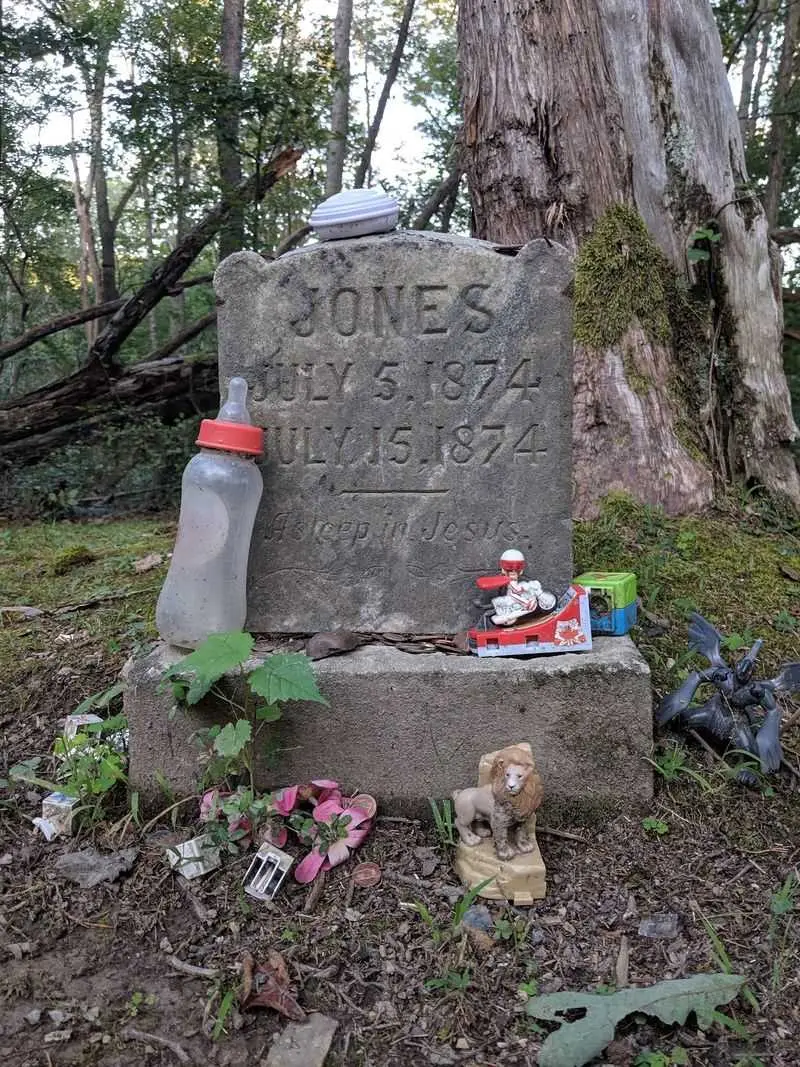
Curiosity is a great trail partner, but it should never lead the way alone.Old mining land can contain hidden dangers that are not obvious under leaves, brush, or snow.
A safe visit starts before your boots touch the ground.
Tell someone your plan, check weather, and avoid going after heavy rain when slopes and creek banks may be slick.Wear tough footwear, long pants, and bright clothing during hunting seasons.
A basic kit with water, snacks, first aid supplies, a flashlight, and a paper backup map can make a small problem easier to handle.
Do not enter holes, tunnels, collapsed openings, or unstable structures if any are present.Old mines can have bad air, weak roofs, deep water, and sudden drops.
Even shallow-looking depressions deserve space, because edges can crumble without warning.
Going with a friend is smarter than exploring alone.Move at a pace that lets you scan the ground, listen for vehicles or hunters, and turn back before daylight fades.
The goal is to leave with good memories, not a rescue story that could have been avoided with patience.
Nature Is Taking The Town Back
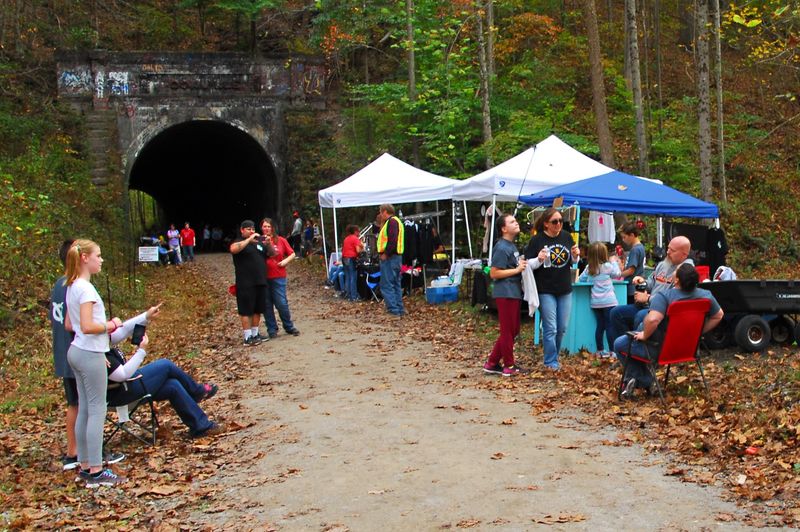
Green growth has a patient way of covering human plans.Where people once cleared space for roads, homes, and coal work, young trees and thick brush now fill the gaps.
The change can feel peaceful, but it also tells a story about recovery.
Forests do not erase the past all at once.Ferns may grow beside old stones, vines may wrap rusted scraps, and deer paths may cross former work routes.
Each season changes what visitors can see, with winter opening views and summer hiding details under leaves.
Coal mining could be hard on streams, soil, and hillsides.Over time, plants help hold the ground, shade waterways, and create homes for birds, insects, reptiles, and mammals.
Still, recovery does not mean the land is untouched, so hikers should avoid disturbing soil or walking through sensitive streambanks.
Bring binoculars if you enjoy wildlife watching, and pause often instead of rushing.Listen for thrushes, watch for salamanders after rain, and notice how moss softens old edges.
The quiet return of nature is one of the most interesting parts of the hike.
Planning A Respectful Visit
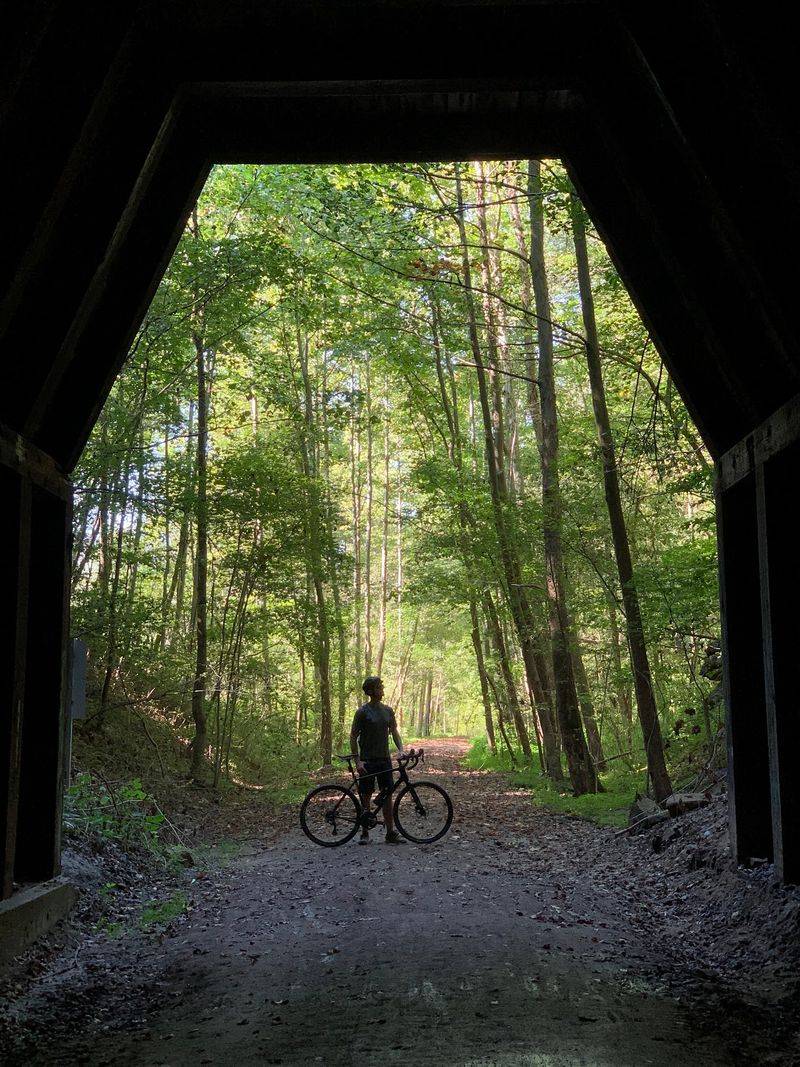
A good visit begins with respect for land, history, and local people.Before heading out, check property access, nearby road conditions, and any rules for the area you plan to walk.
Not every old path is public, and permission matters.
Pack light, but pack smart.Water, snacks, bug spray, sun protection, and a small trash bag are useful for a quiet woodland outing.
Cell service can be spotty in rural hills, so download maps ahead of time and keep your battery from draining on photos alone.
Leave No Trace habits fit historic places especially well.Carry out all trash, leave rocks and artifacts where they are, keep noise low, and avoid carving names or moving objects for better pictures.
If you visit with kids, turn the walk into a detective game based on observation, not collecting.
Local libraries, county histories, old maps, and historical societies can add meaning before or after the trip.A few minutes of research helps the woods feel less random.
When visitors prepare well, they become better caretakers of a place that cannot speak for itself.
Why The Forgotten Places Still Matter
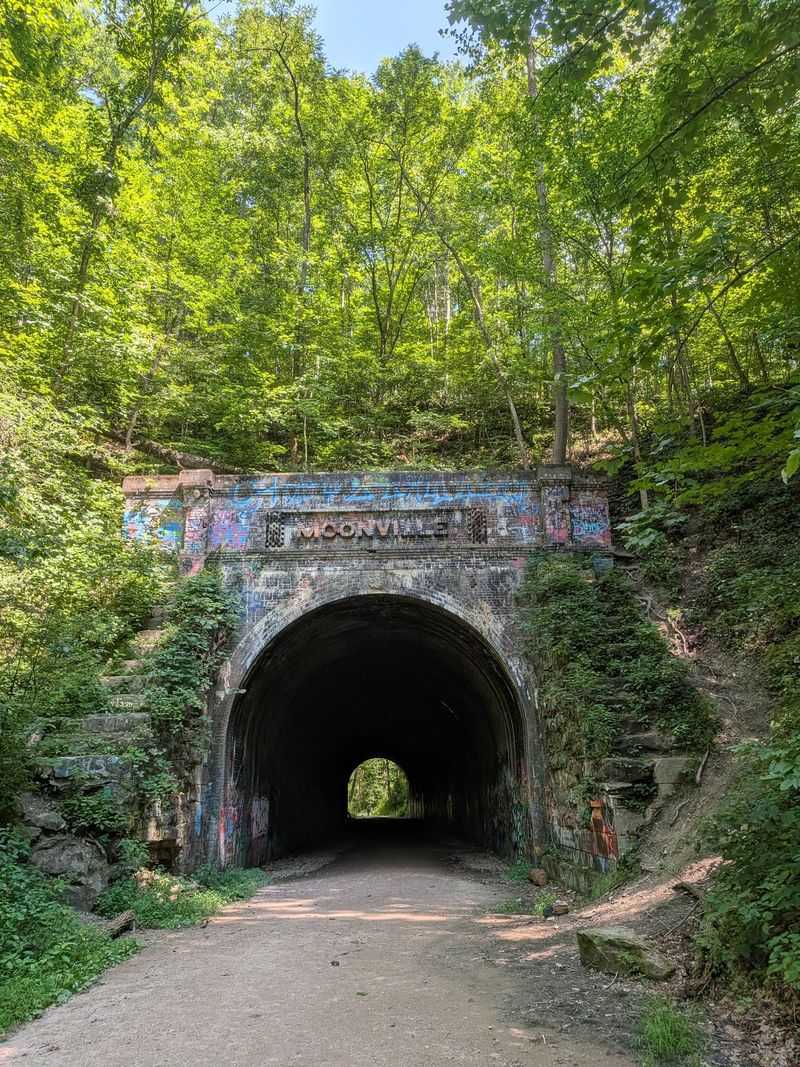
Forgotten places have a way of asking quiet questions.Who lived here, what did they hope for, and why did the community fade from the map?
A hike through old mining country can make history feel close enough to touch.
Small sites matter because they show the everyday side of big events.Coal helped heat homes, power industries, and shape towns across Ohio, but that story was built by individual workers and families.
Their lives deserve attention even when few buildings remain.
There is also value in seeing how landscapes change after an industry moves on.Roads disappear, forests return, and memories survive in records, stories, and scattered clues.
That mix of loss and renewal can help readers understand their own communities better.
The best takeaway is simple: walk with care and look with patience.A forgotten coal town is not just a strange destination for a weekend hike.
It is a reminder that ordinary places can hold deep roots, hard labor, family stories, and lessons about how people and land shape each other over time.