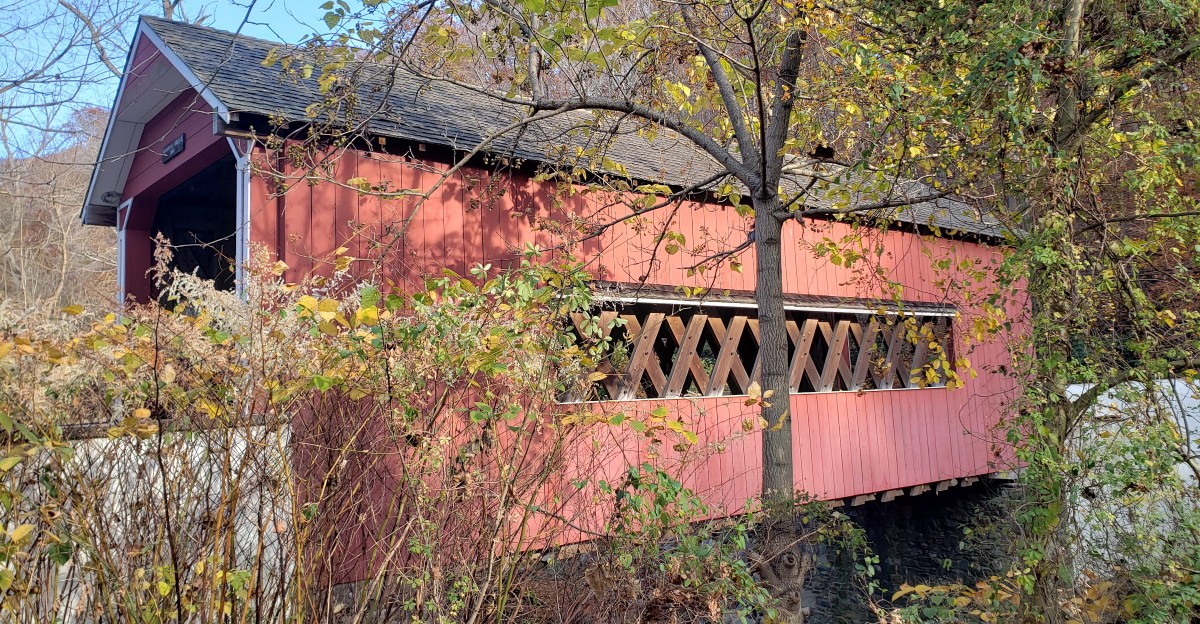
A tropical storm flattened this covered bridge in 2003, and Delaware simply refused to let it go. Five years later, a rebuilt span reopened at the exact same creek crossing, looking nearly identical.
Its new timbers are Bongossi, a tough African hardwood prized for standing up to fire. The roadway also sits higher now, with bigger openings to let angry floodwater rush through.
The design still honors a wooden bridge first raised there around 1850. Only two covered bridges remain in Delaware, and all of them sit in the same northern county.
I can’t imagine a better excuse for a slow, winding backroad drive on a lazy weekend. A red bridge, a rushing creek, and maybe a vintage steam train rumbling past sounds like a good afternoon to me.
A 72-Foot Span With A Surprisingly Big Backstory
Seventy-two feet doesn’t sound like much, but it’s plenty of room for a good story. The Historic Wooddale Covered Bridge crosses Red Clay Creek in a quiet pocket of northern Delaware.
The first bridge on this spot went up around 1850. That was back when wooden covered bridges were a smart way to build across rural creeks.
Why add a roof at all? Covering the structure kept rain and snow off the wooden frame, which helped it last much longer.
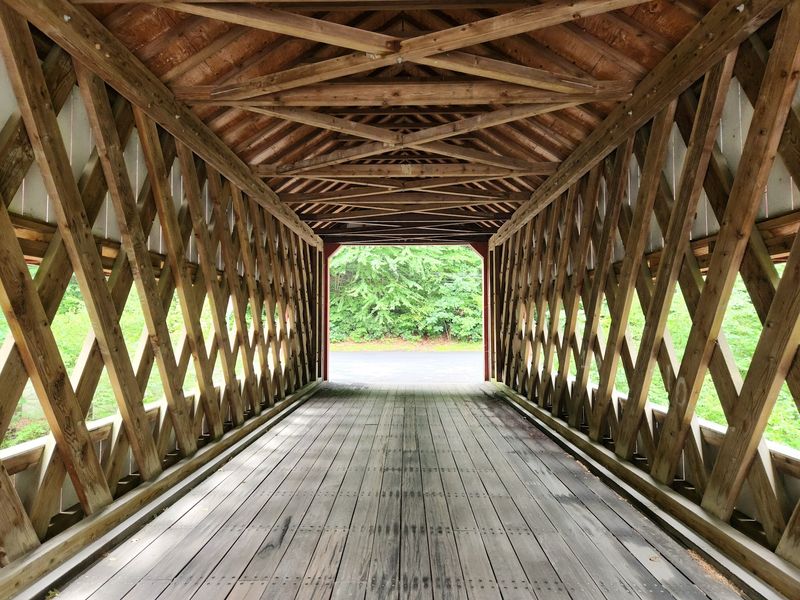
Builders here used a Town lattice truss design. It looks like a crisscross web of boards forming diamond shapes along each side wall.
That pattern spreads weight across many pieces of wood instead of a few big beams. It was a clever, practical choice for a country crossing.
Today the bridge still carries traffic, one car at a time, on Foxhill Lane. Its cozy single lane is part of the charm.
A plaque on the bridge nods to its 1850 roots. Give it a quick read before you snap your first photo.
You’ll appreciate the rest of this story more once you know where it started. The plot gets dramatic soon.
Henri Had Other Plans For This Peaceful Creek Crossing
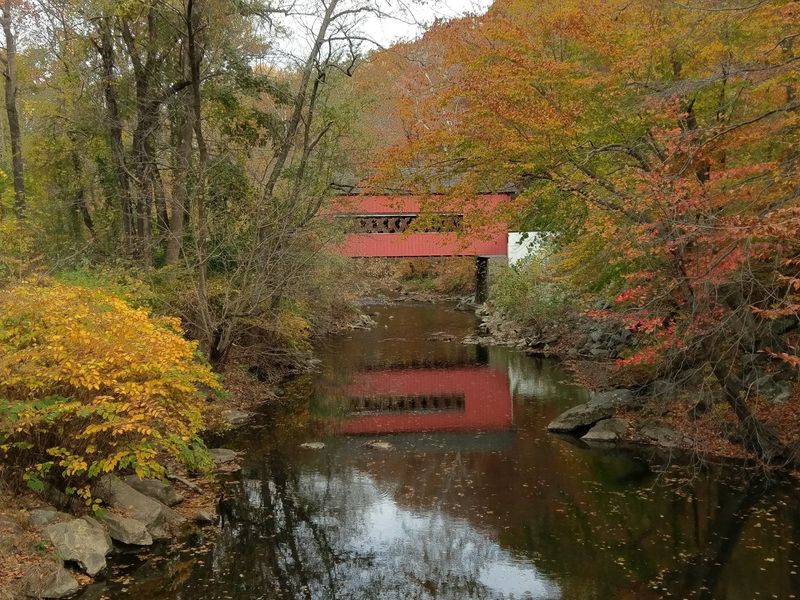
September 15, 2003, was not a good day for this bridge. Floodwaters from Tropical Storm Henri surged through the Red Clay Creek valley.
The rushing water destroyed the original Wooddale span. More than 150 years of history disappeared in a single storm.
That’s a tough loss for any community. Covered bridges are rare in Delaware, so every one of them carries extra weight.
Red Clay Creek usually looks calm and friendly. Heavy rain can change that quickly, turning a gentle stream into a powerful force.
Wooden bridges built low over creeks have always faced this risk. Floods have claimed covered bridges across many states over the years.
Good news is coming, though. The story did not end with a pile of soggy timbers downstream.
The state wasn’t ready to let this crossing fade into the history books. Plans soon formed to bring the bridge back.
Standing near the creek today, you can try to imagine the water climbing that high. It’s a humbling thought on a sunny afternoon.
Keep an eye on the bank and the bridge’s height as you visit. Those details connect directly to what came next.
Five Years, Fresh Timber, And One Very Happy Reopening Day
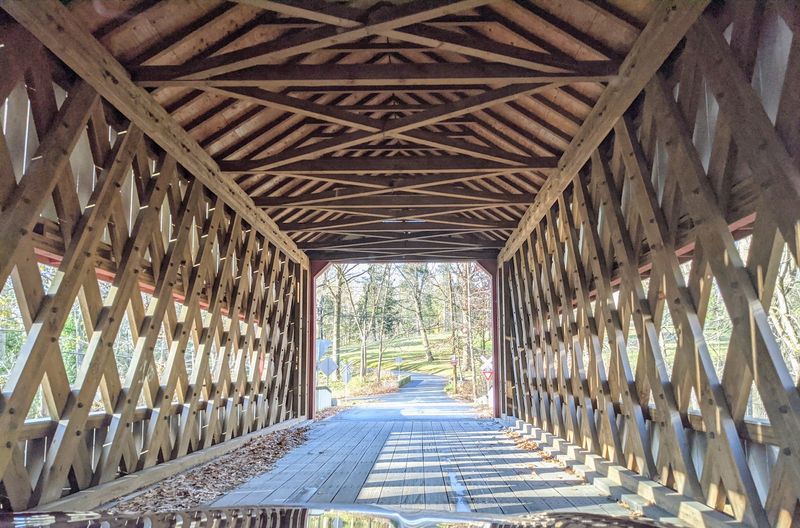
Patience paid off in December 2008. On December 15, the rebuilt Wooddale Covered Bridge officially opened again.
The Delaware Department of Transportation handled the reconstruction. Work took place between 2007 and 2008.
Crews didn’t just slap together a lookalike. The new bridge follows the site and design of the original 1850 structure.
The biggest change hides in the wood itself. Builders chose Bongossi, a dense hardwood that comes from Africa.
Bongossi is known for resisting fire, which is a big deal for a wooden bridge. It’s a tough, long-lasting choice for a structure meant to stand for generations.
So yes, the boards you see today aren’t the boards from 1850. The look, the shape, and the spirit, however, stayed put.
I think that’s a fair trade. A faithful rebuild keeps the history visible instead of leaving only an old photo behind.
Kids might enjoy hearing that their great-great-grandparents could have crossed a bridge right here. Then they can cross the newer one themselves.
Take a moment to look closely at the beams and lattice inside. The craftsmanship shows how seriously this project was taken.
Not bad for a bridge that was once swept away. Some comebacks really are worth celebrating.
Clever Upgrades Help This Bridge Stand Up To The Next Big Storm
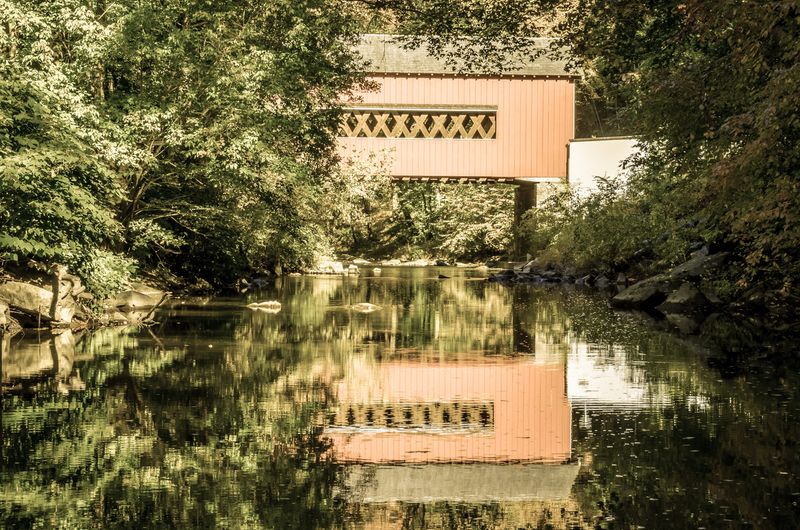
Lessons from 2003 shaped every inch of the new design. Engineers added changes meant to help the bridge handle future floods.
First, the roadway sits higher than before. More space between the creek and the deck gives rising water more room.
Second, the openings were enlarged. Bigger openings can help floodwater move through instead of shoving hard against the walls.
Smart, right? It’s like giving the bridge a little extra breathing room when the creek gets cranky.
The Town lattice truss stayed, too. Those crisscrossed boards along the sides give the bridge its classic look and its strength.
Ithiel Town, an architect, patented this lattice style in the 1820s. His design became popular because it used lots of smaller, easy-to-find boards.
Builders didn’t need giant timbers or fancy tools to make it work. That helped covered bridges spread across rural America.
When you visit, notice how the bridge sits in relation to the creek below. The raised deck tells the story of 2003 without a single word.
It’s history and engineering wrapped in one red package. Not many roadside stops can teach a lesson this neatly.
So Is It Really The Oldest? Here Is The Honest Answer
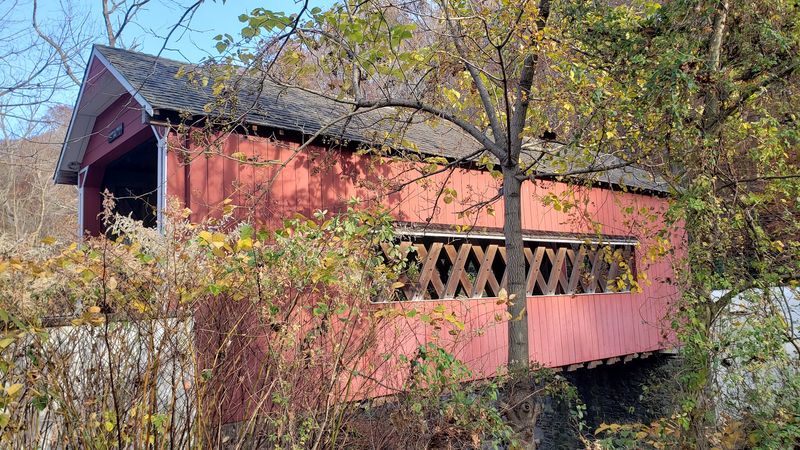
Fair warning: covered bridge fans love a good debate about age. The Wooddale crossing sits right at the center of one.
The original bridge here dates to around 1850. That’s older than the nearby Ashland Covered Bridge, which went up around 1860.
The twist comes from the 2003 flood. Since Wooddale was rebuilt, Ashland now holds the title of oldest original covered bridge still standing in the state.
So which one wins? It depends on whether you count the original design and site or the actual wood.
I like to think both bridges deserve applause. One kept its original timbers, and the other kept an 1850 legacy alive.
The site also earned national recognition long before the flood. It joined the National Register of Historic Places on April 11, 1973.
That listing celebrates places with real historical value. It’s a big honor for a modest bridge on a quiet country lane.
Want to settle the debate yourself? Visit both bridges in one afternoon and compare them side by side.
They share a similar look, so spotting the differences becomes a fun game. Bring the kids and see who notices the most details.
Either way, you’ll leave knowing more bridge trivia than most of your friends. That’s a win in my book.
Time Your Visit Right And A Vintage Train Might Roll Past
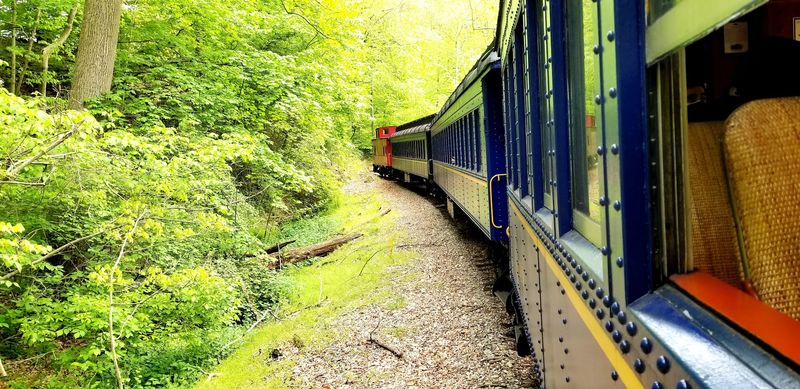
Train whistles once meant picnic time around here. A Wilmington and Western Railroad station nearby made this area a popular spot for picnickers.
Back then, a train ride to a creekside picnic counted as a great day out. Simple pleasures were the main event.
The Wilmington and Western still runs heritage excursions along Red Clay Creek today. Its tracks pass close to the bridge, adding old-fashioned charm to the scene.
Catching a vintage train rolling by is a real treat for photographers. The red bridge, the creek, and a historic engine make quite a frame.
Schedules vary by season, so check the railroad’s calendar before you go. Showing up at random could mean a long wait for nothing.
Even without a train, the tracks add character. They remind you this valley once buzzed with travel and industry.
Please stay off the rails, of course. Admire them from a safe spot and keep little ones close.
Railroad buffs and bridge lovers rarely get to enjoy their hobbies in the same spot. Here, the two worlds share one peaceful valley.
Bring a camera with a quick shutter. Moving trains don’t pose for anybody.
Plan Ahead, Because Parking Here Is Practically A Myth
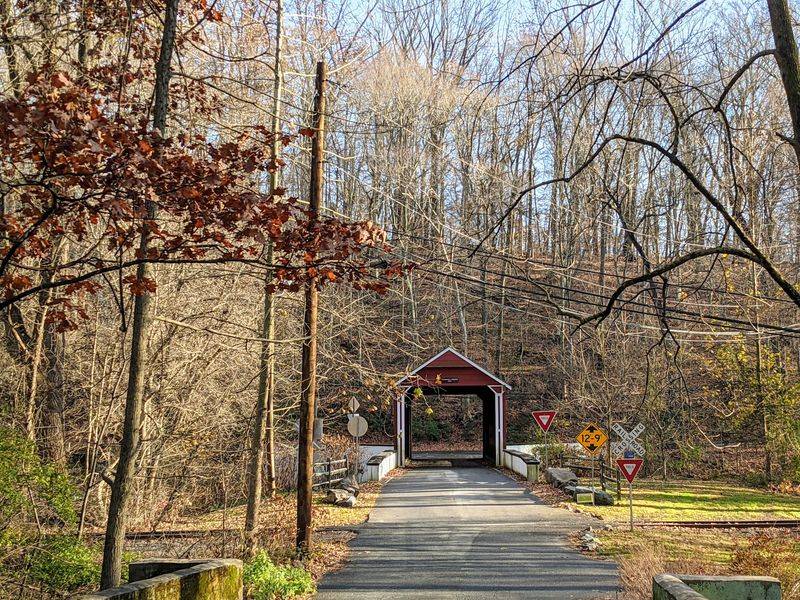
Good news first: the bridge never closes. The Historic Wooddale Covered Bridge is open 24 hours a day, every day of the week.
Plug 7 Delaware 4, Wilmington, DE 19804, into your GPS to find it. The bridge itself carries Foxhill Lane over Red Clay Creek.
Now for the tricky part. Private property surrounds the bridge, and there isn’t much room to park.
Narrow roads wind through the area, so pulling over takes care. Look for a safe spot that doesn’t block driveways or traffic.
The bridge handles only one car at a time. Wait your turn patiently, and give a friendly wave to oncoming drivers.
Respect is the name of the game here. Neighbors live close by, so keep voices low and take your trash with you.
If you walk inside for photos, watch for approaching cars. A quick glance in both directions keeps everyone safe and happy.
Plan a short stop rather than a long hangout. Treat it as a scenic pause on a longer backroads drive.
Snow, spring green, or autumn color all suit this spot beautifully. Pick your season and set your GPS.
A Whole Village Once Hummed Around This Quiet Creek
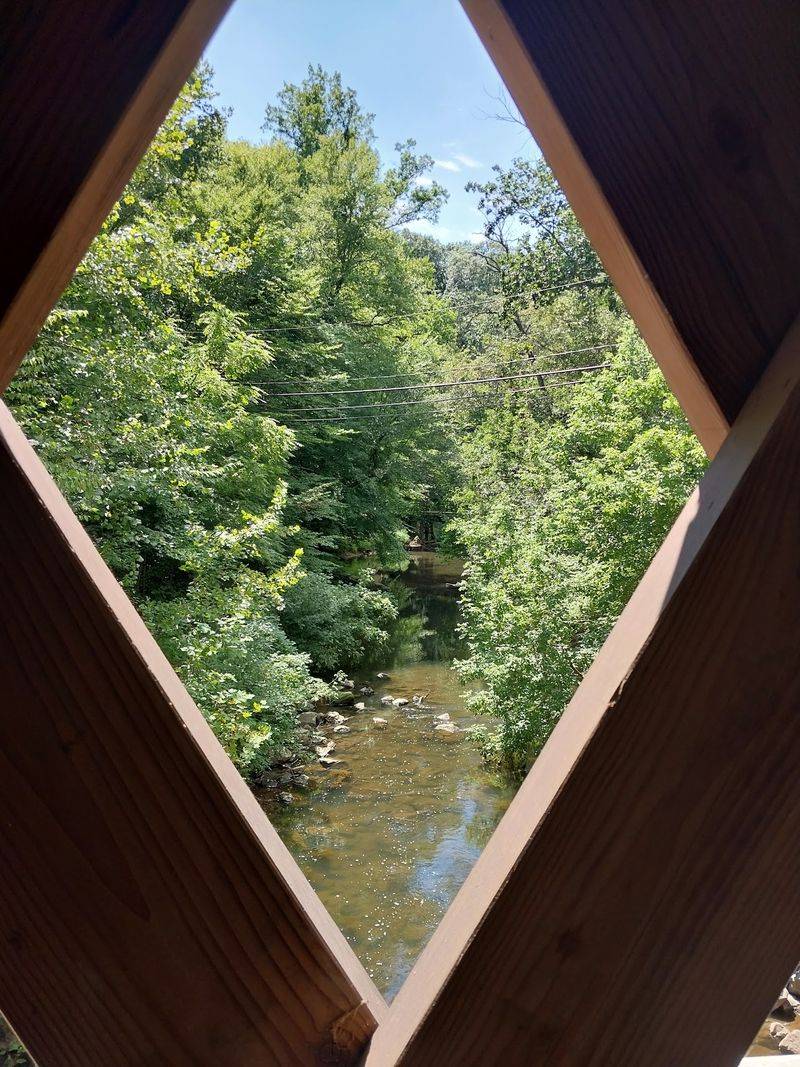
Hard to believe now, but Wooddale used to be a busy little community. It had its own post office, church, and school.
Life here once centered on more than scenery. Industry played a huge role in shaping the area.
North of the bridge, traces remain of the old Delaware Iron Works. The operation ran from 1814 until around 1890.
Early mills and works across the Brandywine Valley often relied on rushing creeks for power. It’s easy to see why people settled along these banks.
Today, the busy village days are long gone. A peaceful, wooded setting has taken their place.
I love that kind of quiet transformation. A place that once hummed with work now invites people to slow down.
History fans can treat this stop like a small treasure hunt. Learning about the ironworks first adds depth to your visit.
Remember that much of the land nearby is privately owned. Enjoy the history from public roads and respect every property line.
A covered bridge, a vanished village, and an ironworks past make an unusual trio. Not many quiet corners pack that much story into one spot.
Turn One Bridge Into A Full Backroads Adventure
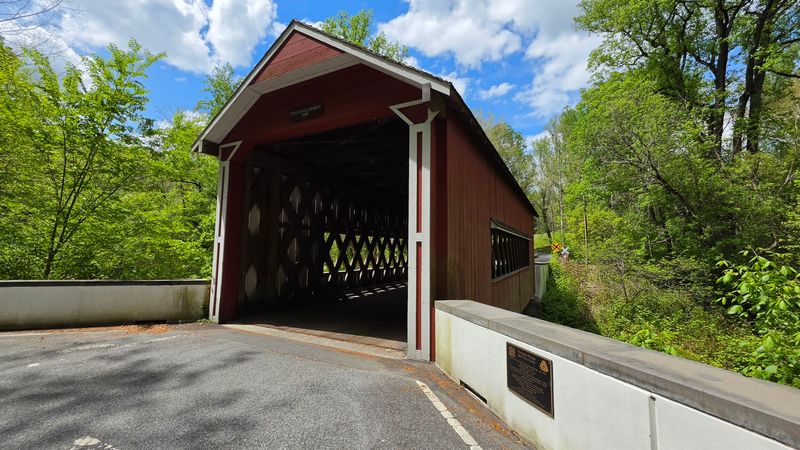
Only about two and a half miles separate this bridge from its closest sibling. The Ashland Covered Bridge also spans Red Clay Creek, making it an easy second stop.
Delaware has just two covered bridges left, and both of them stand in New Castle County. Seeing two in one trip is a pretty impressive score.
The drive between them winds through the Brandywine Valley. Rolling backroads and wooded scenery make the journey part of the fun.
Leave the rushing behind for this one. Slow driving lets you enjoy the views and handle the narrow roads safely.
Fall brings especially colorful scenery to the valley’s trees. Snowy days can turn the red bridge into a winter postcard.
Spring and summer paint everything a rich green, too. Honestly, no season looks bad on this little bridge.
Photographers should plan for both wide shots and close-ups. The creek, the lattice walls, and the surrounding woods all deserve attention.
Pack a snack for the car and turn it into a mini road trip. Kids can keep score of bridges, trains, and other fun sights.
The Historic Wooddale Covered Bridge proves small places can hold big stories. Go see this survivor for yourself.