

Across America, Depression-era landmarks stand as enduring reminders of a time that tested resilience, ingenuity, and community spirit. From abandoned factories to preserved public works, these sites feel poignant, evocative, and deeply human. Each location tells a story of struggle and survival that resonates even decades later.
What makes these landmarks so compelling is how they capture both hardship and hope. Murals, government projects, and repurposed buildings illustrate lives shaped by necessity, creating experiences that feel educational, moving, and reflective. Visiting them provides insight into the daily realities and triumphs of ordinary Americans during extraordinary times.
Bancroft Tower
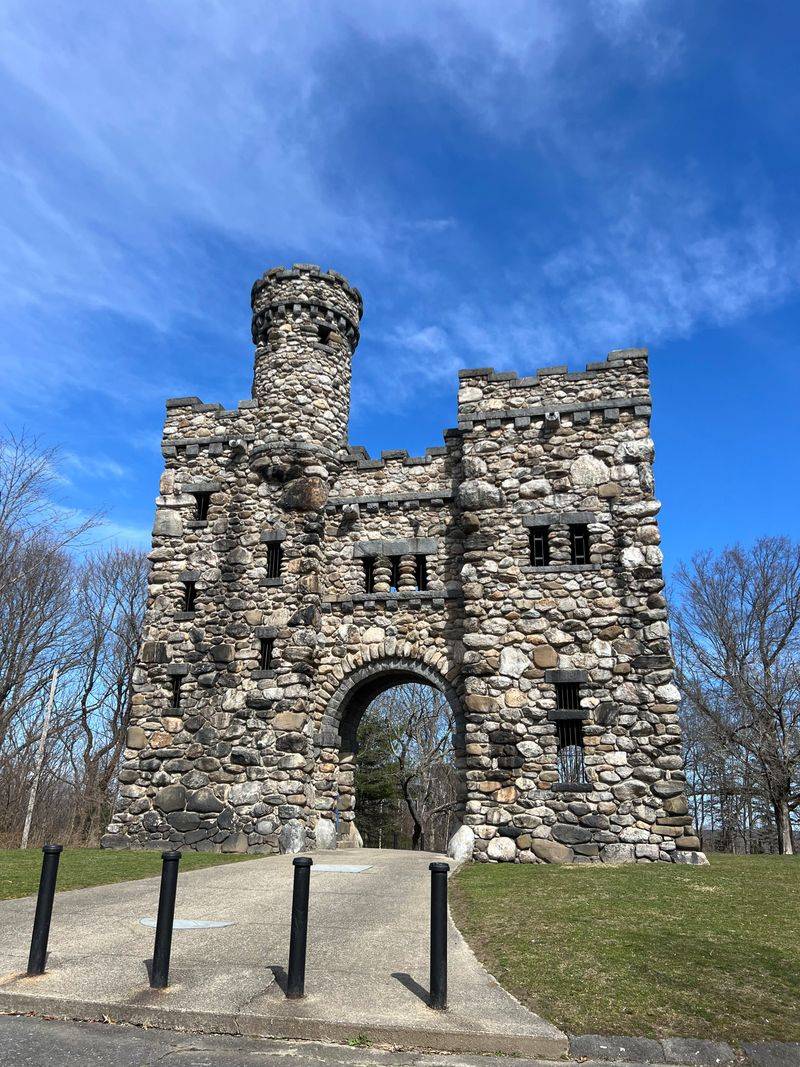
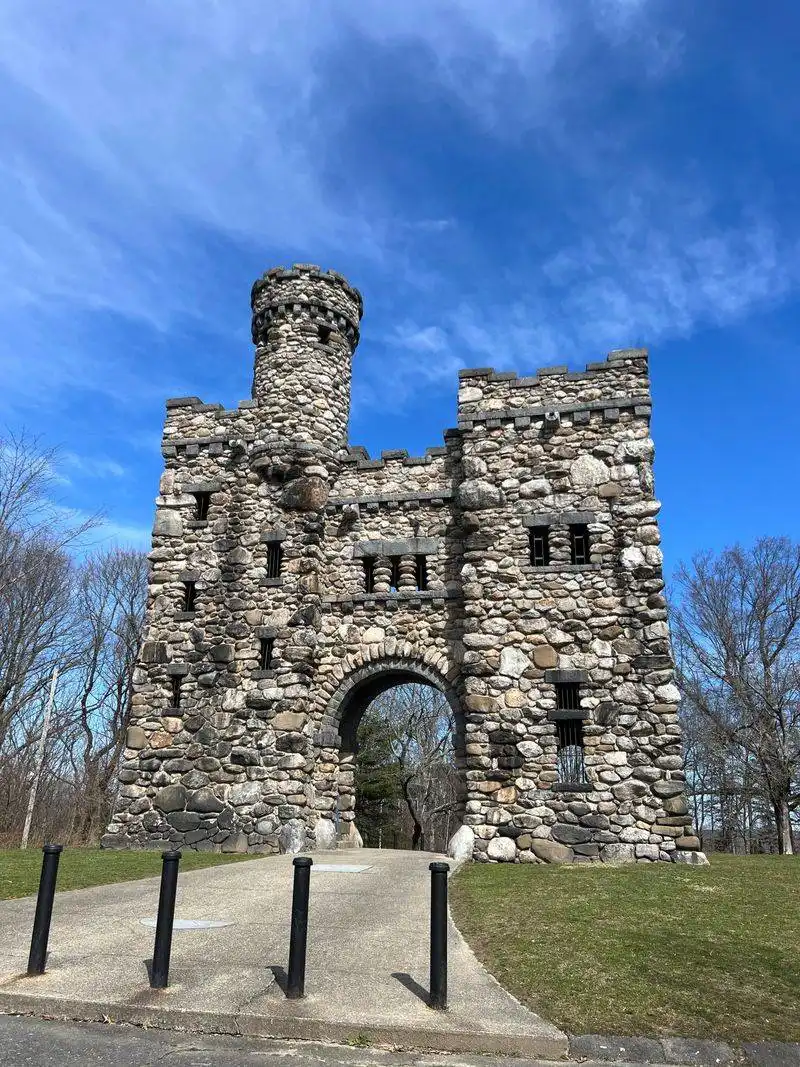
Perched on a hilltop in Worcester, Massachusetts, Bancroft Tower is a charming stone structure reminiscent of medieval architecture. It was constructed in 1900, yet it became a symbol of resilience during the Depression, as locals sought solace in its presence. This miniature castle stands as a tribute to George Bancroft, a prominent historian and statesman.
Its whimsical design invites visitors to imagine stories of knights and nobility. The tower’s picturesque setting offers panoramic views of the city, making it a popular spot for picnics and contemplation. Bancroft Tower remains a testament to community spirit and historical appreciation.
Despite its small size, the tower’s intricate stonework and lush surroundings captivate those who seek an escape from the modern world.
Bonneville Dam
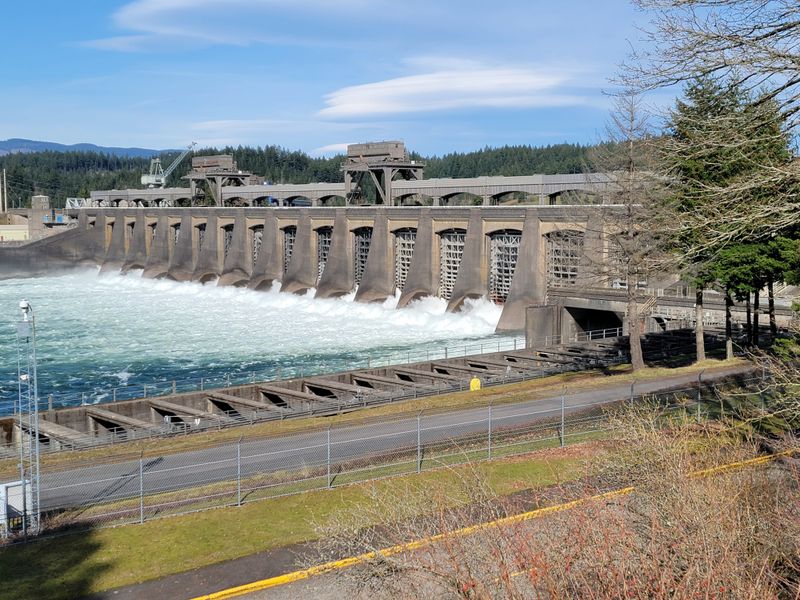
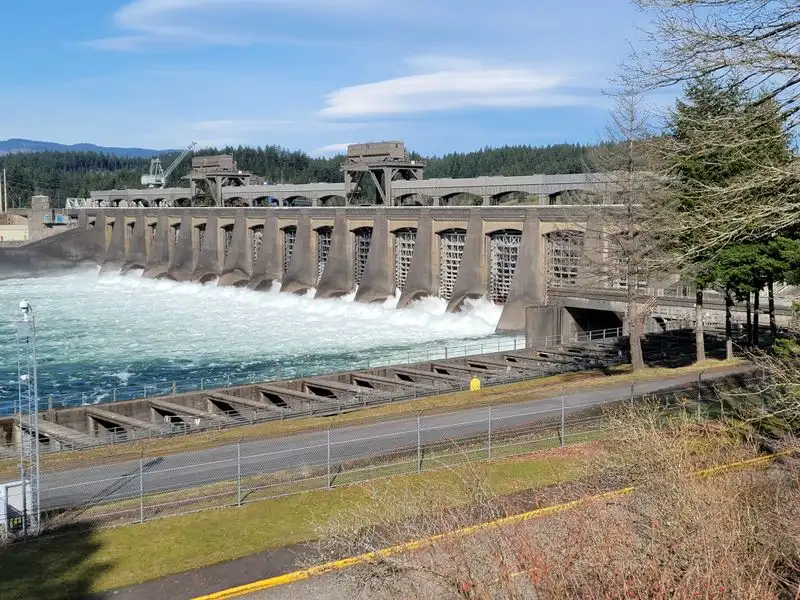
Spanning the Columbia River between Oregon and Washington, the Bonneville Dam is a feat of engineering from the Depression era. Constructed as part of the New Deal, it brought electricity and jobs to the Pacific Northwest, transforming the region’s economy. The dam’s mighty structure is a testament to the era’s ambitious infrastructure projects.
Visitors can marvel at its grandeur while learning about its impact on local communities. The dam also offers stunning views of the surrounding landscape, drawing nature enthusiasts and history buffs alike.
The visitor center provides insight into the dam’s construction and its role in shaping modern industry. Its continued operation underscores the lasting legacy of New Deal initiatives.
Hoover Dam
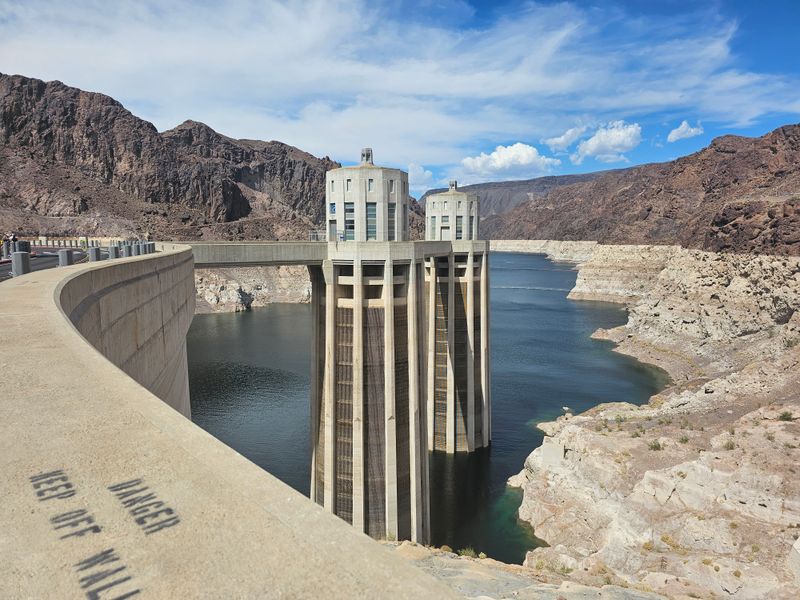
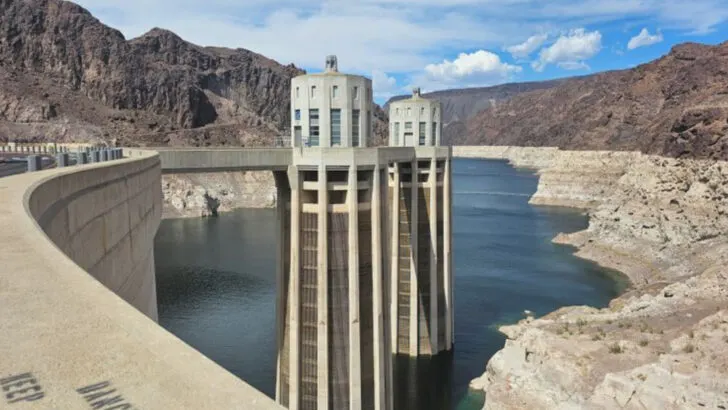
The colossal Hoover Dam stands as an enduring symbol of American ingenuity, bridging Nevada and Arizona. Its construction during the Depression provided thousands of jobs and demonstrated the potential of harnessing natural resources. The dam’s Art Deco design and immense scale make it a marvel to behold.
Visitors can tour the dam, exploring its intricacies and learning about the engineering triumphs that made it possible. Over the years, Hoover Dam has become a vital source of hydroelectric power, supporting regional development.
The visitor center offers interactive exhibits and breathtaking views of the Colorado River. Hoover Dam remains a testament to human determination and technological advancement.
Greenbelt Historic District
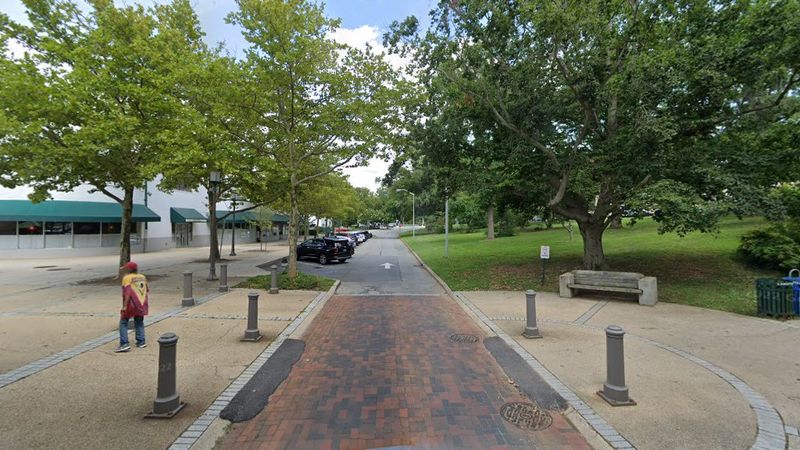
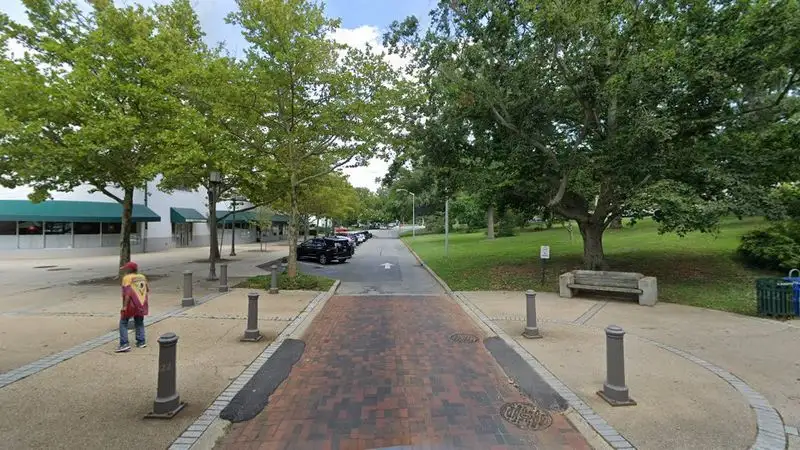
The Greenbelt Historic District in Maryland is a planned community born from New Deal ideals. Conceived as a model town, it provided affordable housing and fostered a sense of community during trying times. The district’s unique design and cooperative spirit made it a beacon of hope.
Visitors can stroll through its tree-lined streets, observing the blend of modernist architecture and verdant parks. Greenbelt’s innovative design aimed to enhance quality of life and promote sustainability.
The district’s commitment to preserving its heritage ensures that its story continues to inspire future generations. Greenbelt remains a living example of visionary urban planning from the Depression era.
Bonneville Salt Flats Visitor Center
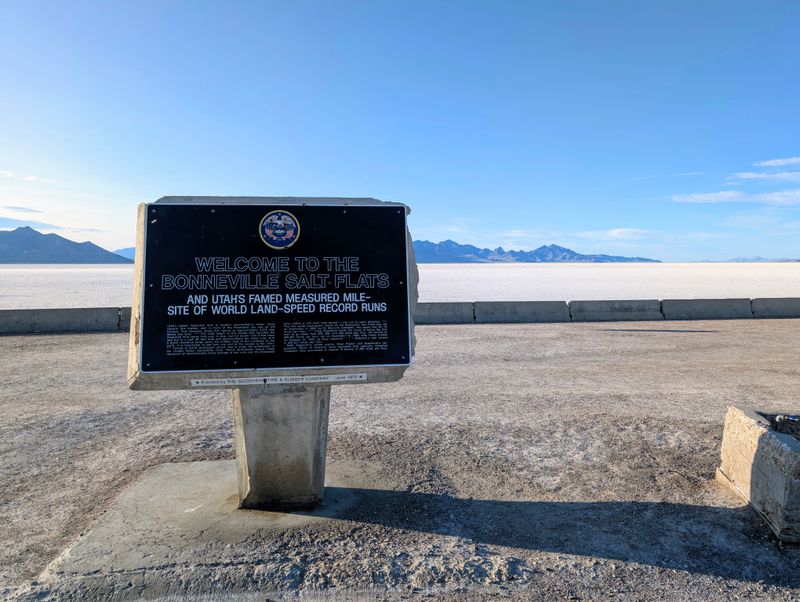
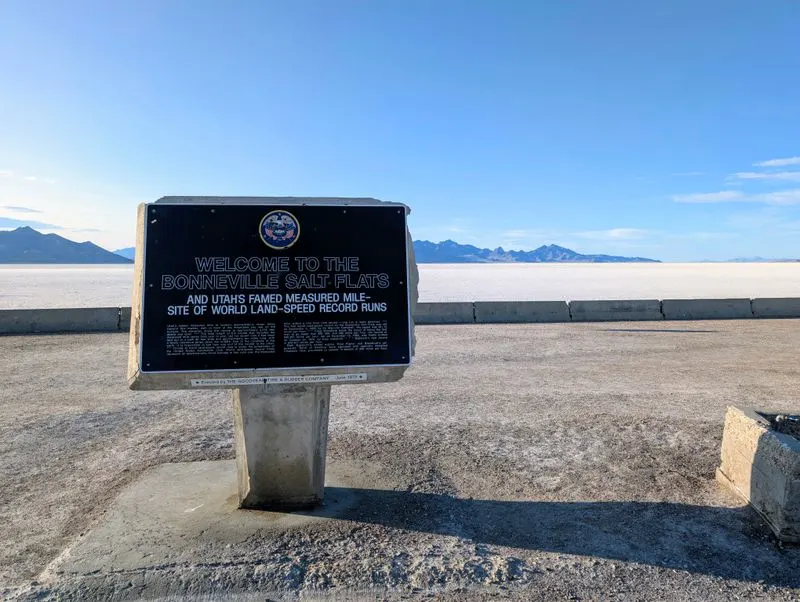
Utah’s Bonneville Salt Flats offer a stark yet stunning landscape that captivates visitors. The visitor center, constructed during the Depression, provides insight into the flats’ unique geological features and their role in land speed records.
The expanse of white salt creates a surreal, otherworldly experience. The flats have become a popular destination for filmmakers, photographers, and automotive enthusiasts.
The visitor center enhances the experience, offering educational exhibits and a comfortable base for exploration. Bonneville Salt Flats remains a testament to nature’s grandeur and the enduring spirit of adventure.
PWA Murals at City Hall

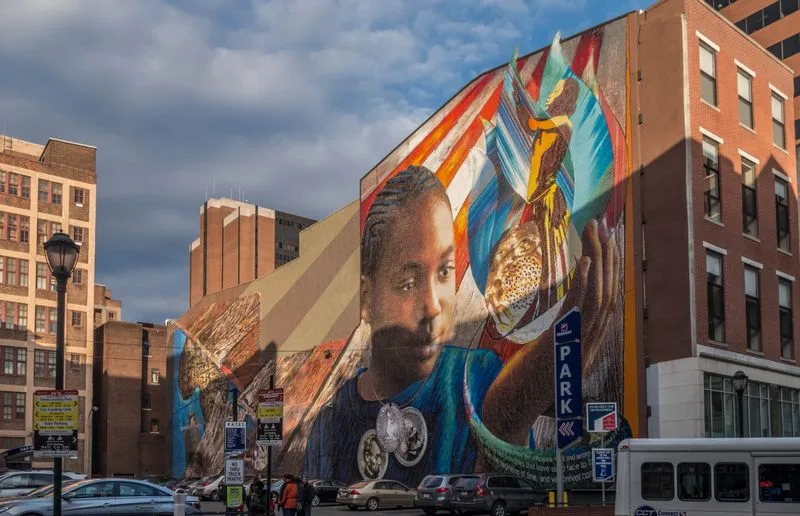
Philadelphia’s City Hall is home to stunning murals funded by the Public Works Administration. These artworks capture the spirit and struggles of the Depression era, offering a visual narrative of resilience and hope.
Visitors can admire the detailed murals that adorn the building’s walls, each piece telling a story of community and perseverance. The artwork reflects the challenges and triumphs of the time.
The murals serve as a cultural treasure, preserving the artistic legacy of the New Deal. They continue to inspire and educate, highlighting the power of art as a tool for social change.
Old Post Office Pavilion
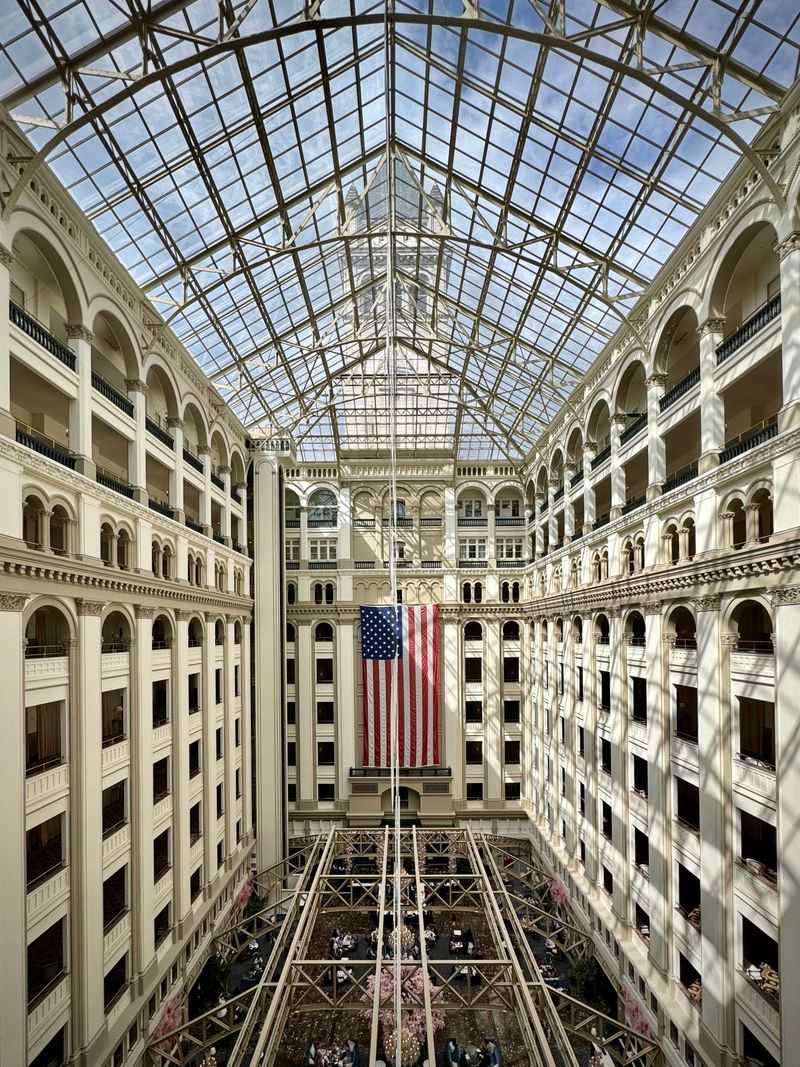
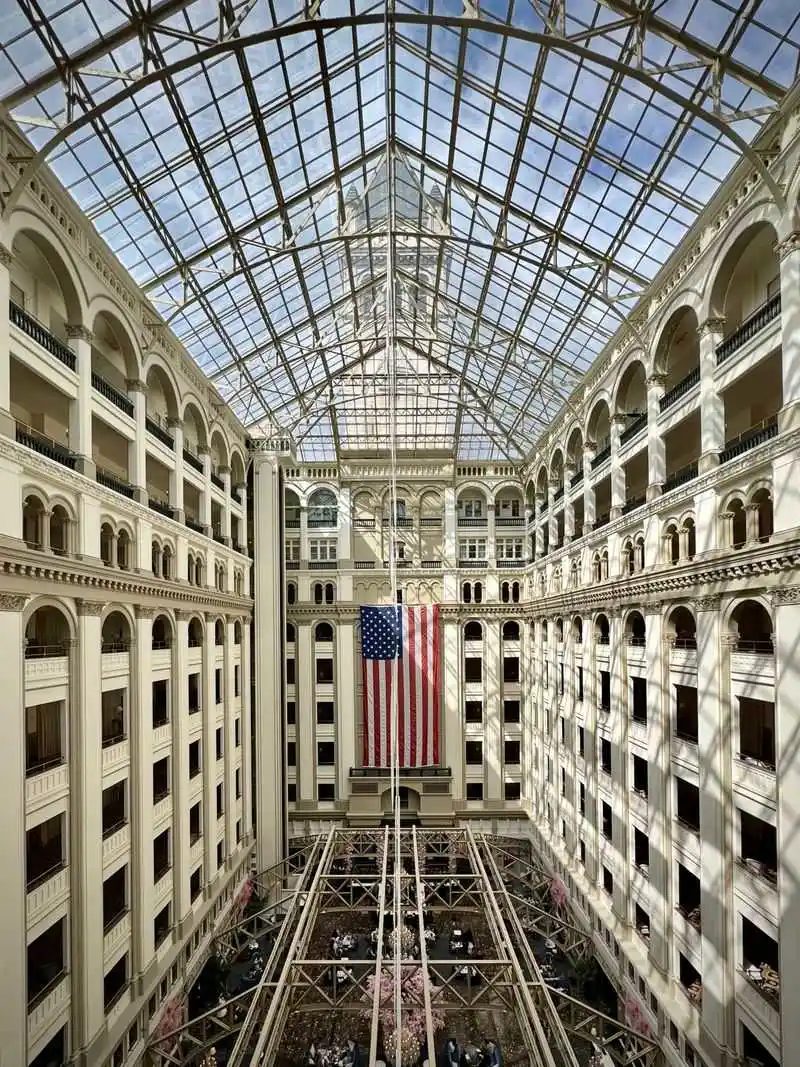
Washington, D.C.’s Old Post Office Pavilion is an architectural gem with roots in the Depression era. Originally built in 1899, it was revitalized during the 1930s, becoming a hub of activity and commerce.
The pavilion’s striking design and clock tower offer panoramic views of the nation’s capital. Its interior hosts a vibrant marketplace, reflecting the spirit of innovation and adaptation.
Today, the pavilion stands as a bridge between past and present, honoring its historical significance while embracing modern uses. It’s a must-visit for those interested in architecture and history.
Mount Rushmore Visitor Center
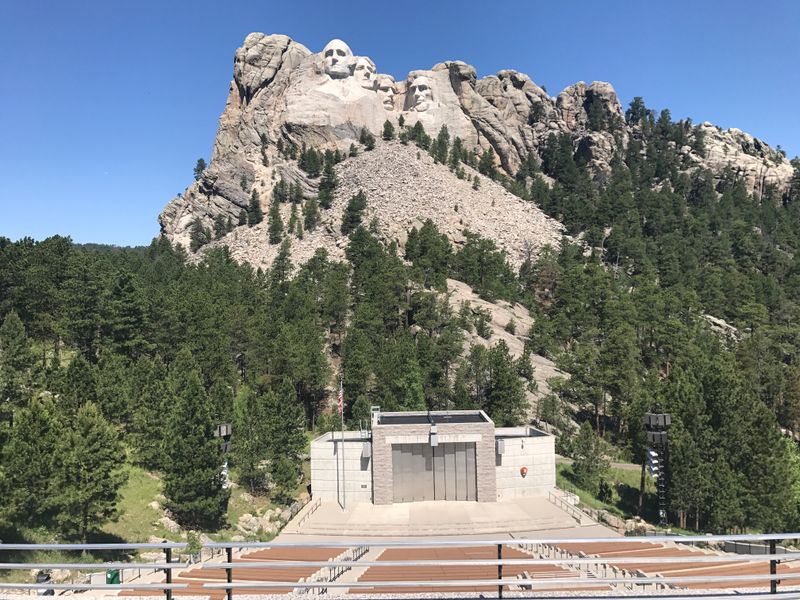
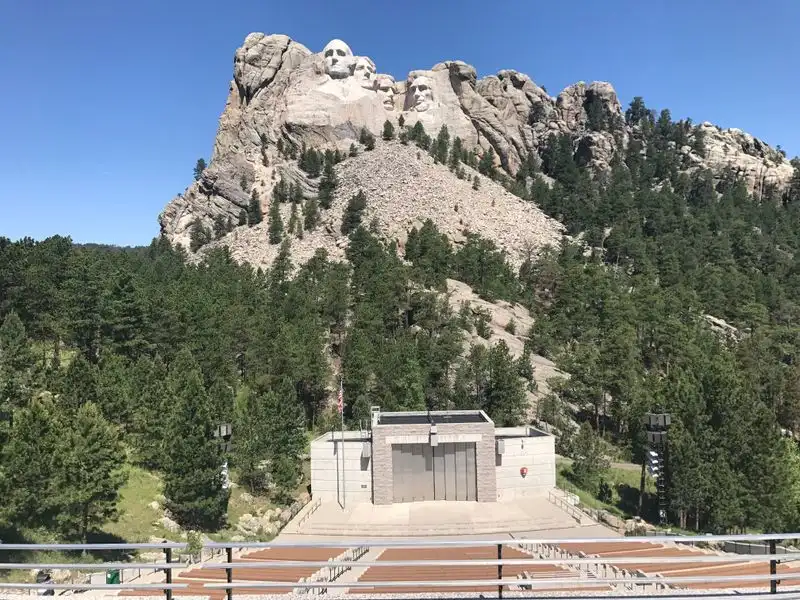
Nestled in the Black Hills of South Dakota, the Mount Rushmore Visitor Center was constructed during the Great Depression. It offers breathtaking views of the iconic presidential carvings, a testament to artistic vision and perseverance.
Visitors can learn about the monument’s creation and the challenges faced during its construction. The center provides engaging exhibits that celebrate the artistry and ambition behind this national treasure.
Mount Rushmore’s enduring appeal lies in its ability to inspire awe and reflection, drawing millions to witness its grandeur. The visitor center enhances this experience, offering insight into a defining era of American history.