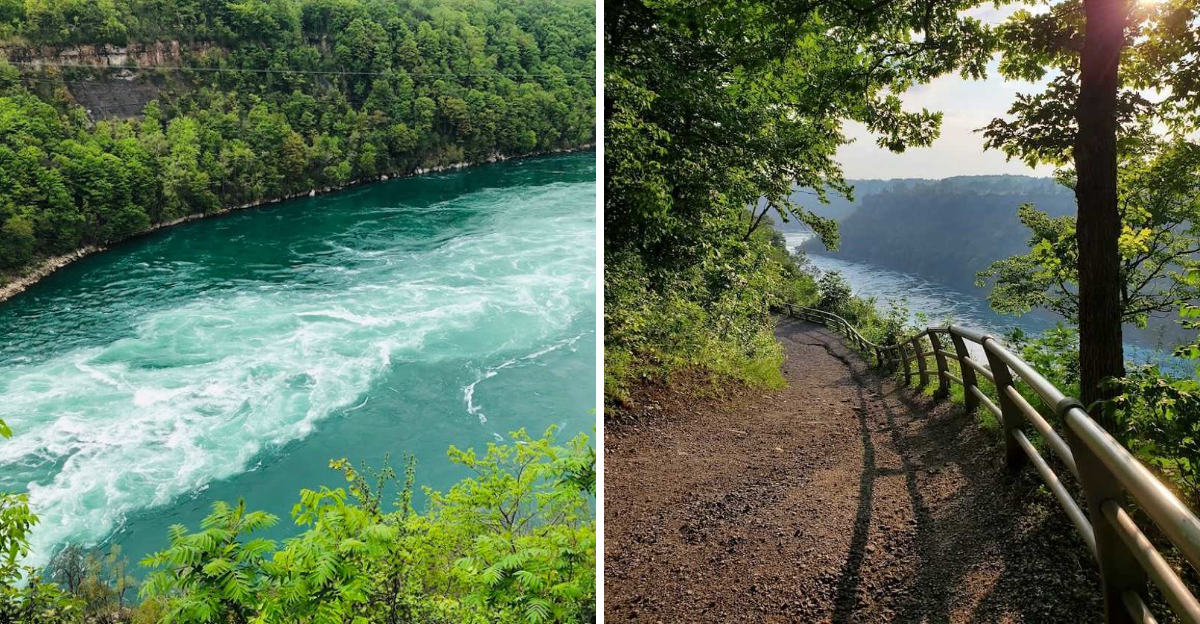
Forget the crowds for a moment—Niagara has a wilder side.
Just a few miles from the famous falls, Devil’s Hole State Park pulls visitors away from the usual viewpoints and straight into the heart of the Niagara Gorge.
A steep staircase leads downward, trading easy overlooks for towering cliffs, rushing rapids, ancient rock walls, and thick forest.
The farther you descend, the more the sounds of the tourist district fade away.
Below, the Niagara River surges through the gorge with a force that feels almost unreal, while massive rock formations rise overhead.
This isn’t the postcard version of Niagara Falls. It’s rougher, quieter, and far more adventurous—a place where every step down reveals another glimpse of the powerful natural world hiding just beyond the crowds.
The Staircase That Takes You Deep Into the Niagara Gorge
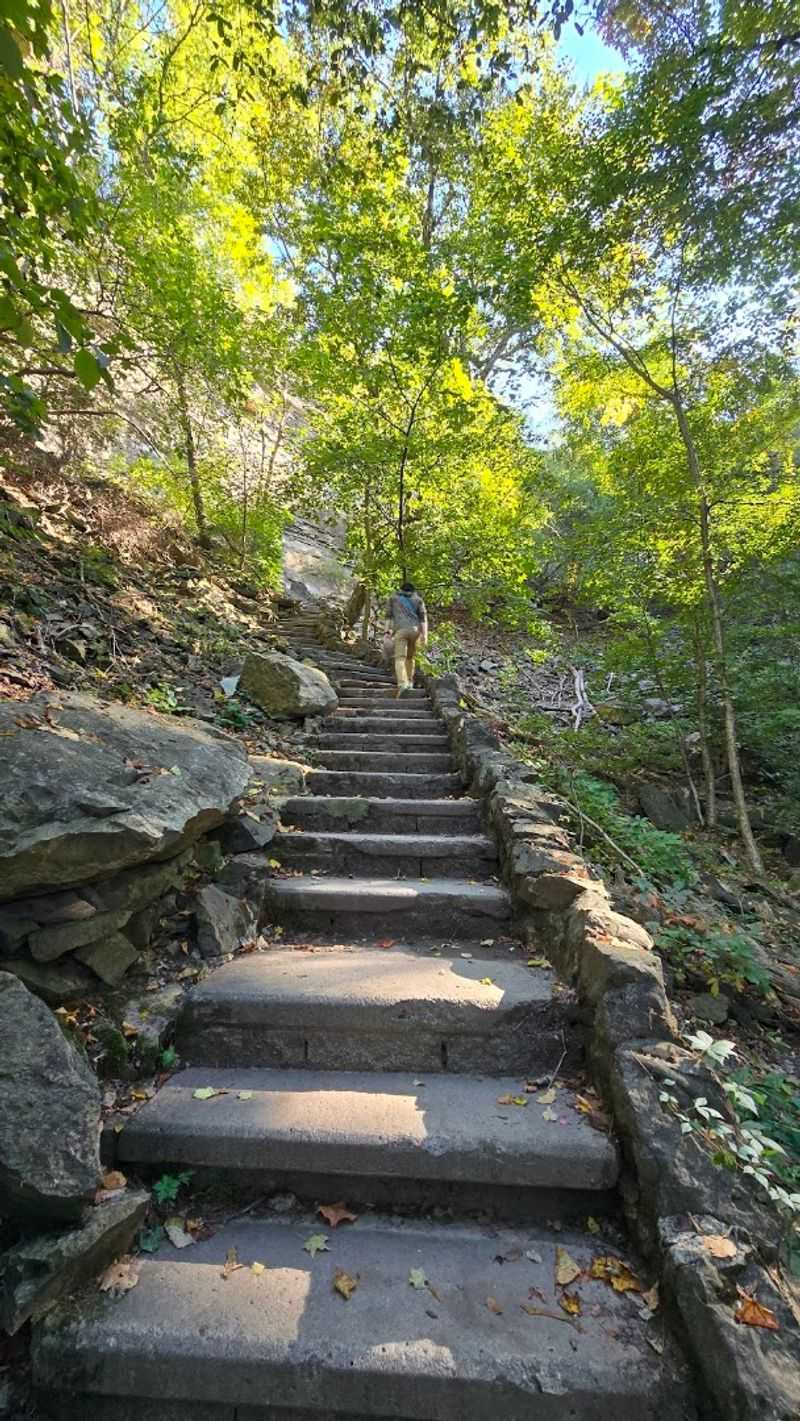
Prepare yourself for a journey that begins the moment you start walking down. The staircase at Devil’s Hole doesn’t just take you to a nice viewpoint—it drops you straight into another world.
Wooden steps cling to the gorge wall, descending hundreds of feet while the landscape transforms around you.
Each step downward makes the cliffs feel taller and the river sounds grow louder. What started as an ordinary park entrance quickly becomes an adventure into wilderness territory.
Trees lean over the path, roots grip the rocky terrain, and the temperature drops as you sink deeper into the sheltered gorge.
By the time you reach the bottom, the world above feels miles away. The staircase itself becomes part of the experience, building anticipation with every switchback and turn.
Your legs will definitely remember this climb when you head back up, but the dramatic shift in scenery makes every step worthwhile for adventurous hikers seeking something beyond typical park trails.
A Wild Side of Niagara Falls Most Visitors Miss
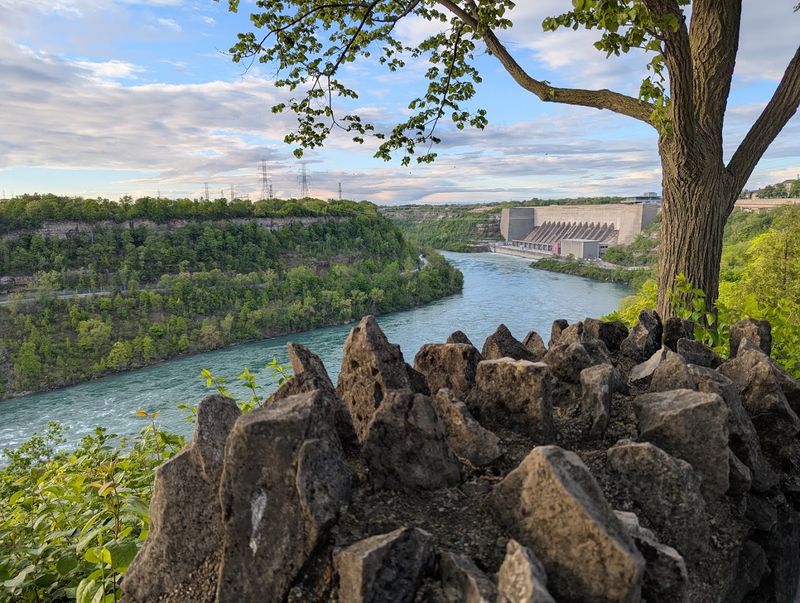
Forget the souvenir shops and tour buses for a moment. While thousands of people crowd around the famous waterfalls taking selfies, this corner of Niagara remains surprisingly peaceful and untamed.
The contrast is striking—just miles from one of the world’s most visited attractions, you can walk through wilderness that feels genuinely remote.
Nobody sells postcards of Devil’s Hole, which might be exactly why it feels so special. The crowds vanish, replaced by bird calls and rushing water echoing off canyon walls.
Here, nature takes center stage instead of human-made viewing platforms.
Many travelers never realize this rugged gorge experience exists so close to the main attraction. They miss the chance to see Niagara’s power from a completely different angle.
If you want to understand what this landscape looked like before the tourist industry arrived, Devil’s Hole offers that rare glimpse into wild, unpolished nature that theme parks can’t replicate.
The Devil’s Hole Trail Follows a Dramatic Natural Landscape
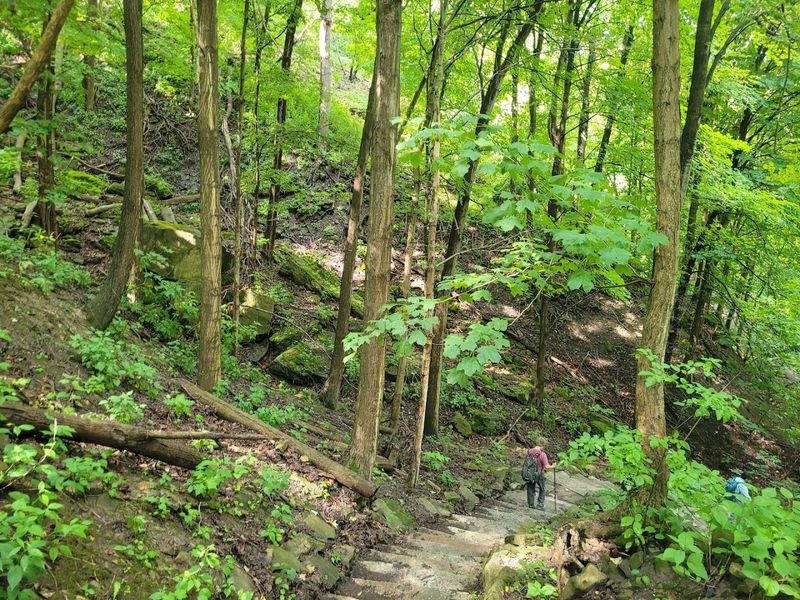
Rocky paths wind through terrain that keeps changing character around every bend. One moment you’re walking through dense forest shade, the next you’re navigating exposed stone sections where the gorge walls tower overhead.
The trail refuses to stay predictable or boring.
Elevation shifts constantly as the path follows the natural contours of the ancient riverbed. Boulders the size of cars sit scattered along the route, reminders of the powerful forces that carved this gorge over thousands of years.
Tree roots create natural handholds on steeper sections.
Rather than leading to a single scenic overlook, this trail rewards hikers who enjoy being surrounded by raw landscape. Every section offers something different—tight passages between rock walls, open stretches alongside the river, and shaded woodland areas.
The journey matters more than the destination here. Experienced hikers appreciate trails like this because they demand attention and engagement rather than offering easy, paved walkways with safety railings everywhere.
The Niagara River Turns Into a Force of Nature Below
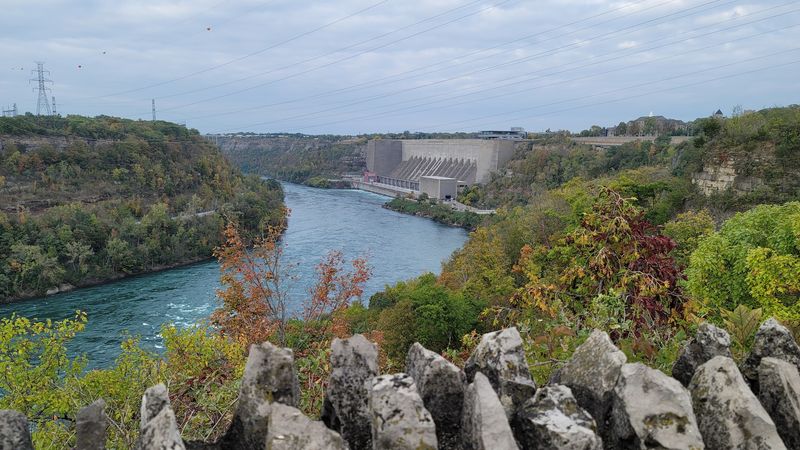
Standing at the bottom of the gorge changes everything you thought you knew about the Niagara River. Up top, it seems wide and manageable.
Down here, squeezed between towering rock walls, the water becomes something fierce and unstoppable. The volume and speed are overwhelming when viewed from ground level.
Massive boulders sit half-submerged in the churning current, evidence of the river’s strength. The sound alone commands respect—a constant roar that drowns out conversation.
Spray mists the air near the water’s edge, and you can feel the ground vibrate slightly from the sheer force moving past.
This perspective helps visitors understand how the gorge was created in the first place. The river didn’t gently shape this canyon over time—it blasted through rock with relentless power.
Watching the water rage through this narrow channel makes geological history suddenly feel immediate and real instead of abstract.
The Whirlpool and Rapids Add Even More Drama
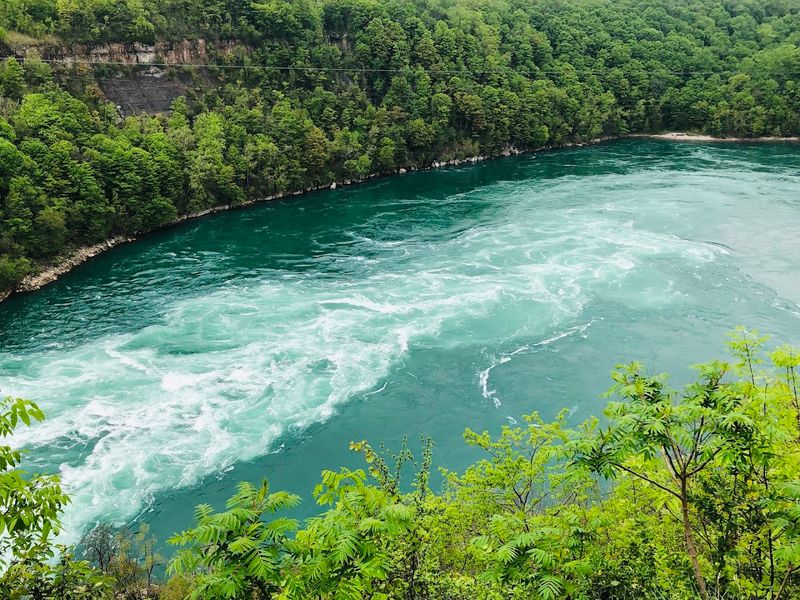
Did you know the Niagara River creates one of the world’s most impressive natural whirlpools? The Devil’s Hole area connects to trail sections that lead toward this spectacular sight where the river makes a sharp turn and the water spins in a massive, churning circle.
Rapids churn white as the current fights against itself.
Walking along the gorge reveals multiple sections where the water behaves violently and unpredictably. The river narrows, speeds up, crashes over submerged rocks, and creates waves that look more like ocean surf than a typical river.
Each rapid section has its own personality and power level.
These wild water features explain why early explorers found this stretch of the Niagara so challenging to navigate. Modern visitors can safely observe from the shore, watching nature’s hydraulic show without danger.
The rapids change with water levels and seasons, so every visit offers slightly different conditions. Photographers particularly love capturing the dynamic movement and white foam against dark rocks.
Ancient Rock Layers Tell the Story of Niagara’s Past
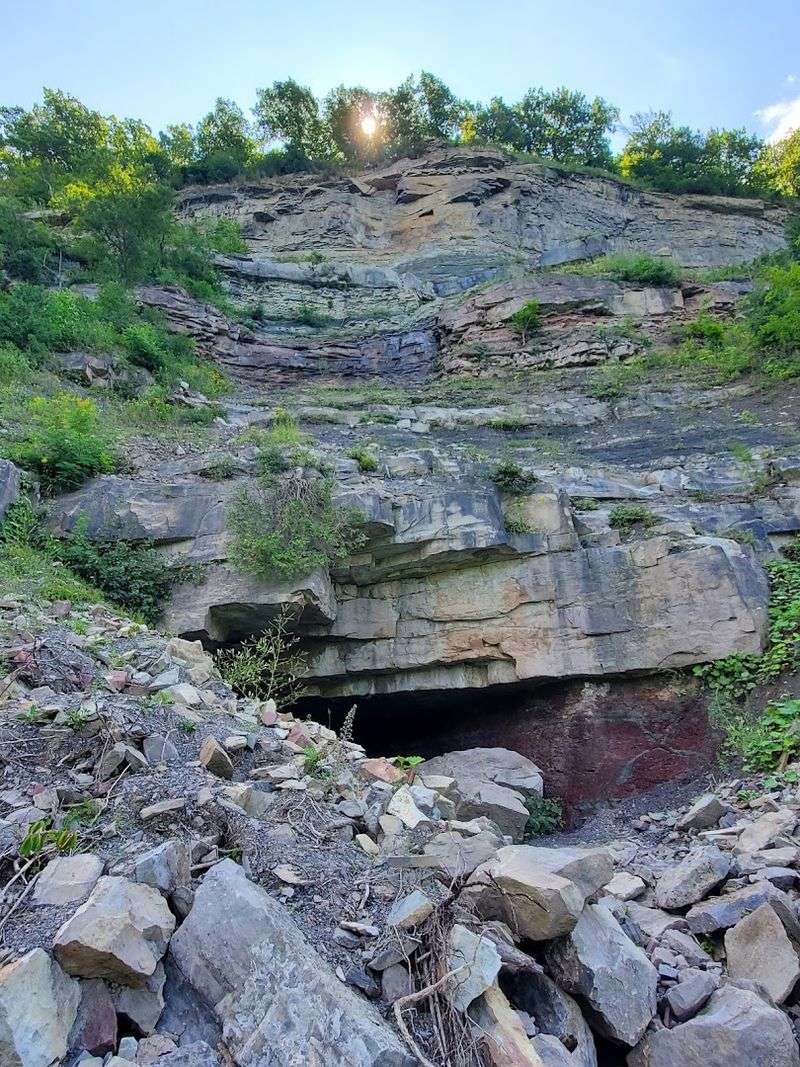
Look closely at the gorge walls and you’re reading pages from Earth’s history book. Distinct horizontal bands of different colored rock stack like layers in a cake, each representing a different time period millions of years ago.
Some layers contain fossils from ancient seas that once covered this region.
Geologists get excited about Devil’s Hole because the exposed rock faces show the story so clearly. Harder layers stick out slightly while softer rock erodes back, creating a textured surface.
You can literally touch stone that formed when dinosaurs roamed the planet.
The gorge itself is relatively young in geological terms—formed as Niagara Falls slowly moved upstream over the past 12,000 years, carving through these ancient rock layers. Glaciers also shaped this landscape during the ice ages.
Understanding this deep time perspective makes the dramatic cliffs even more impressive. Schools often bring students here because seeing rock layers in person beats studying them in textbooks any day of the week.
The Hike Is Beautiful—but the Terrain Is No Joke
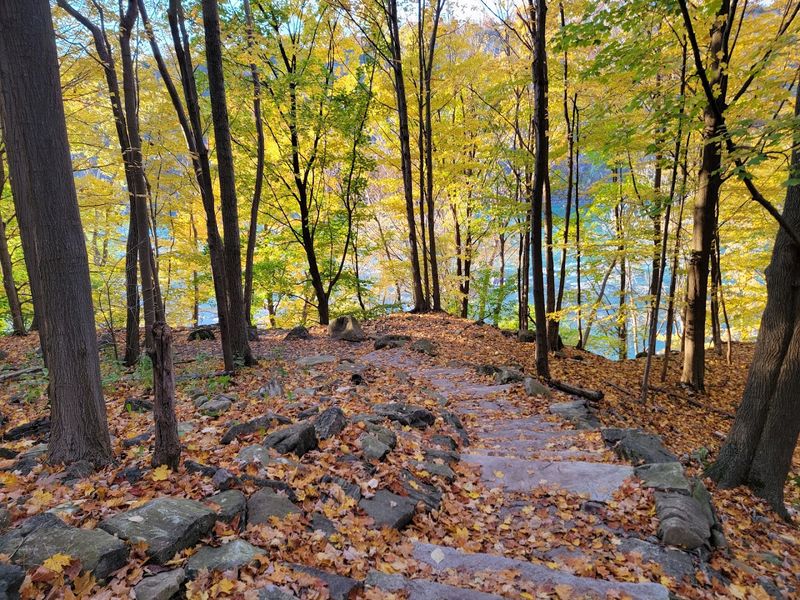
Beauty and difficulty often walk hand in hand, and Devil’s Hole proves this perfectly. The steep staircase descent tests your knees, while the return climb challenges your cardiovascular fitness.
Rocky sections require watching your footing constantly, especially when wet from rain or morning dew.
Loose stones can shift underfoot, tree roots create tripping hazards, and some trail segments slope at angles that demand careful navigation. Anyone planning to visit should pack proper hiking boots with good ankle support and tread.
Flip-flops or smooth-soled shoes invite disaster here.
After storms, sections become genuinely treacherous with mud and slippery rock. Park officials sometimes close the trail when conditions turn dangerous from rockfall or instability.
This isn’t a place to zone out while staring at your phone—attention and respect for the terrain matter greatly. Hikers who prepare properly and take their time find the challenge rewarding rather than overwhelming.
The effort required keeps crowds smaller than easier parks nearby.
Why Devil’s Hole Feels So Different From the Main Niagara Experience
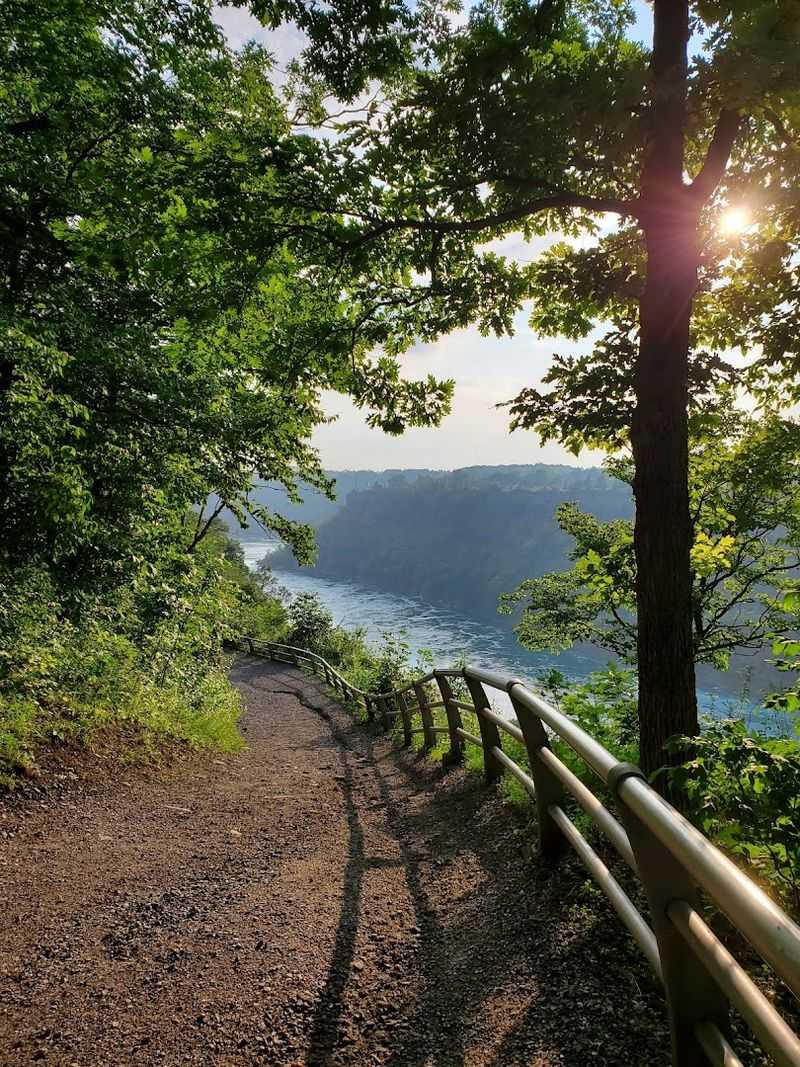
Imagine switching from watching a movie to actually stepping into the scene. That captures the difference between viewing Niagara Falls from observation decks and hiking Devil’s Hole.
One experience puts you safely behind railings as a spectator, while the other drops you into the middle of the action.
At the main falls, everything is designed for maximum tourist convenience—elevators, paved paths, gift shops, and organized viewing areas. Devil’s Hole strips away those amenities and asks visitors to meet nature on its own terms.
No fancy infrastructure exists here, just trails and wilderness.
The scale changes too. Standing above the falls makes you feel small as you watch water plunge over the edge.
Inside the gorge, surrounded by massive rock walls with the river rushing past at eye level, you feel even smaller but also more connected. This intimate encounter with geological forces creates memories that tourist photos from viewing platforms rarely capture.
Both experiences showcase Niagara’s power differently.
Visitor Info and Tips for Visiting Devil’s Hole State Park
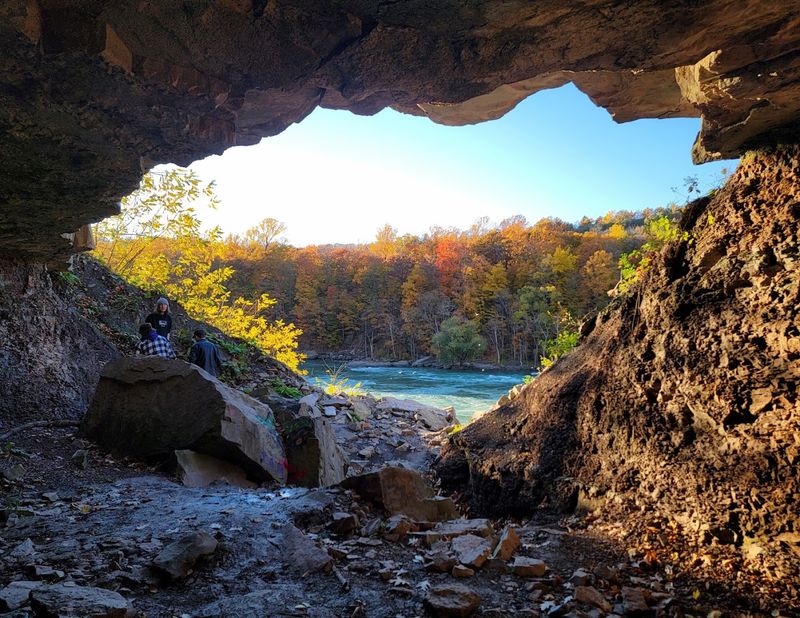
Planning ahead makes any outdoor adventure better. Devil’s Hole State Park sits along Niagara Scenic Parkway in Niagara Falls, New York, offering free parking and no entrance fees year-round.
Restrooms operate seasonally, typically from late spring through early fall, so plan accordingly during colder months.
Dawn-to-dusk hours give visitors plenty of daylight for exploring, but always check current trail conditions before heading out. Sections occasionally close due to rockfall hazards or unstable ground, especially after heavy rain or during spring thaw.
The park website or a quick phone call provides updated information.
Bring sturdy hiking shoes—this cannot be emphasized enough. Pack water bottles, snacks, and maybe a basic first aid kit.
Allow extra time for the steep descent and the inevitably slower climb back up. Stay on marked trails, especially near cliff edges and the river where danger zones exist.
Bringing a camera makes sense given the dramatic scenery. Visit during weekdays for smaller crowds, or arrive early on weekends before peak times.