Long before Detroit became a modern city, its earliest settlers gathered to pray in a wooden chapel by the river.
That congregation eventually became one of the oldest continuously operating Catholic parishes in the entire country.
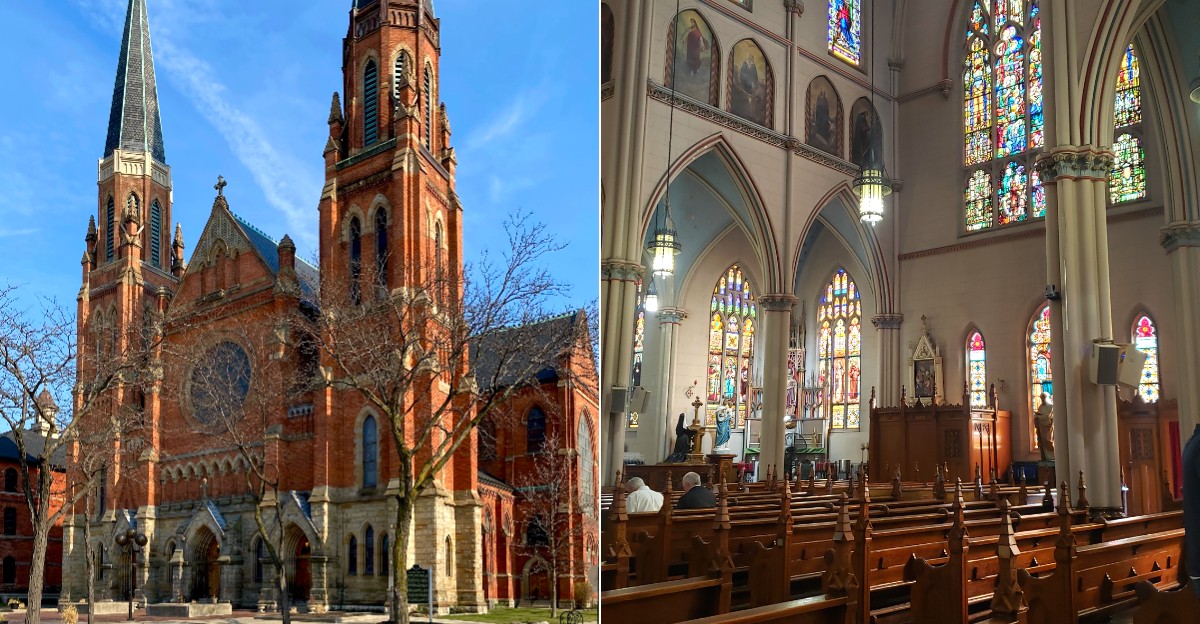
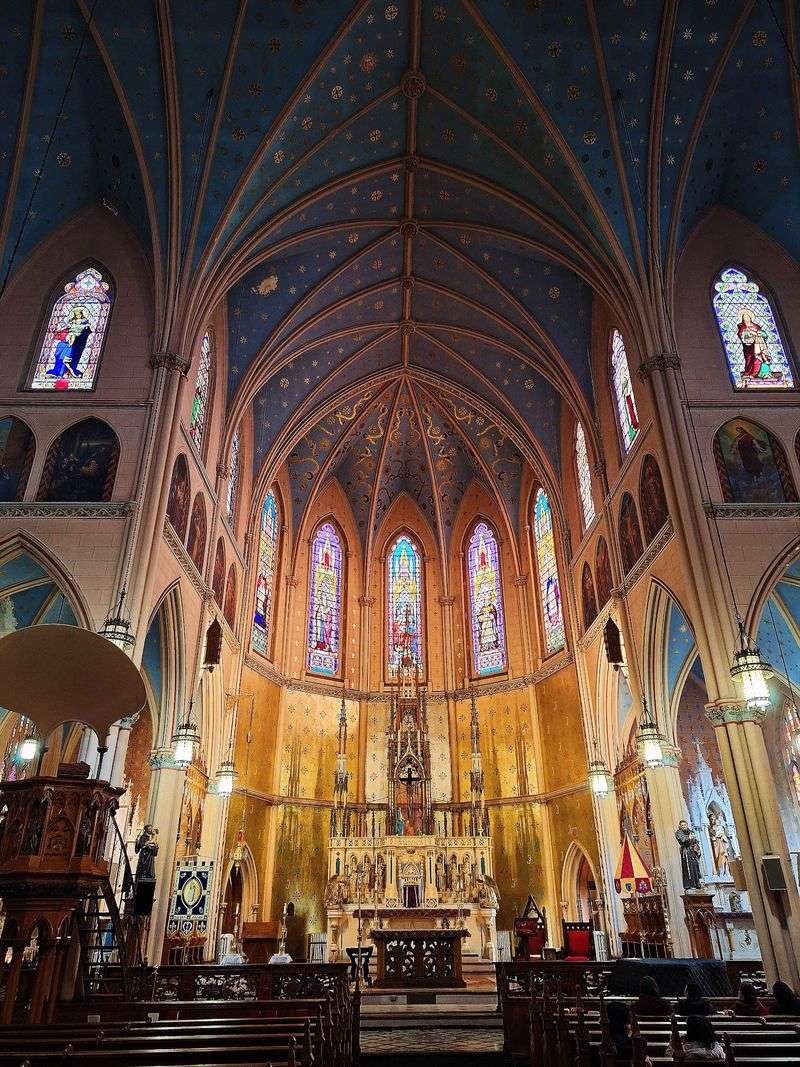
Soaring Gothic arches and stained glass windows now fill a stone sanctuary built to inspire awe.
Bells still ring out over the neighborhood, calling worshippers the same way they have for generations.
History buffs and architecture lovers alike find themselves lingering long after the service ends.
It’s a quiet reminder that some of Detroit’s deepest roots are still standing tall today.
A Parish Born With Detroit
Long before tall office buildings filled the skyline, a small chapel stood near the Detroit River and served the first French settlers.
The parish began in 1701, the same year Antoine de la Mothe Cadillac founded Fort Pontchartrain du Detroit. That makes it the oldest parish in Michigan and one of the oldest continuously operating Roman Catholic parishes in the United States. The Basilica of Sainte Anne de Détroit carries that story today at 1000 St Anne St, Detroit, MI 48216, United States.
Its first chapel was simple, but its meaning was huge. People gathered there for baptisms, prayers, burials, feast days, and comfort during hard times. Fires, wars, rebuilding, and city growth changed the parish again and again, yet it kept going.
Visitors can think of the basilica as a living history book, not just a pretty building. Before going, check the parish website or call ahead because access may depend on Mass times, events, or approved tours. That small step helps you plan a respectful visit and gives you a better chance to understand why this place matters so deeply to Detroit.
Gothic Towers With Old-World Drama
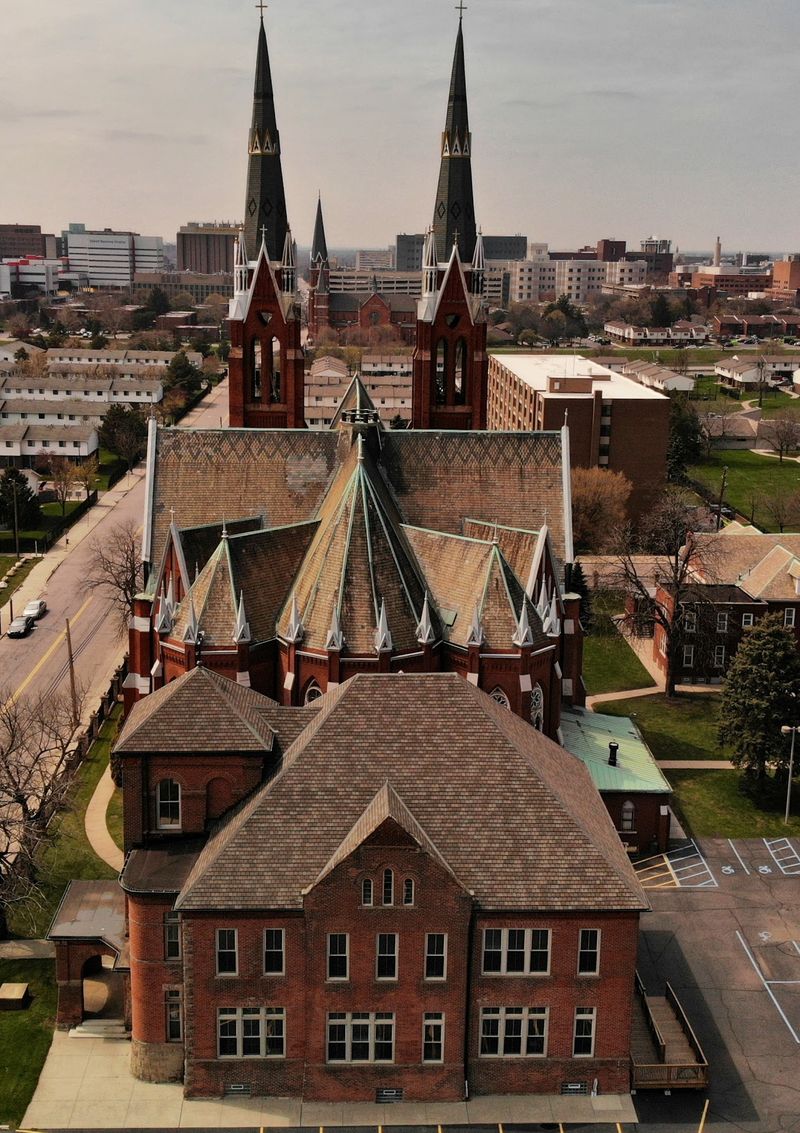
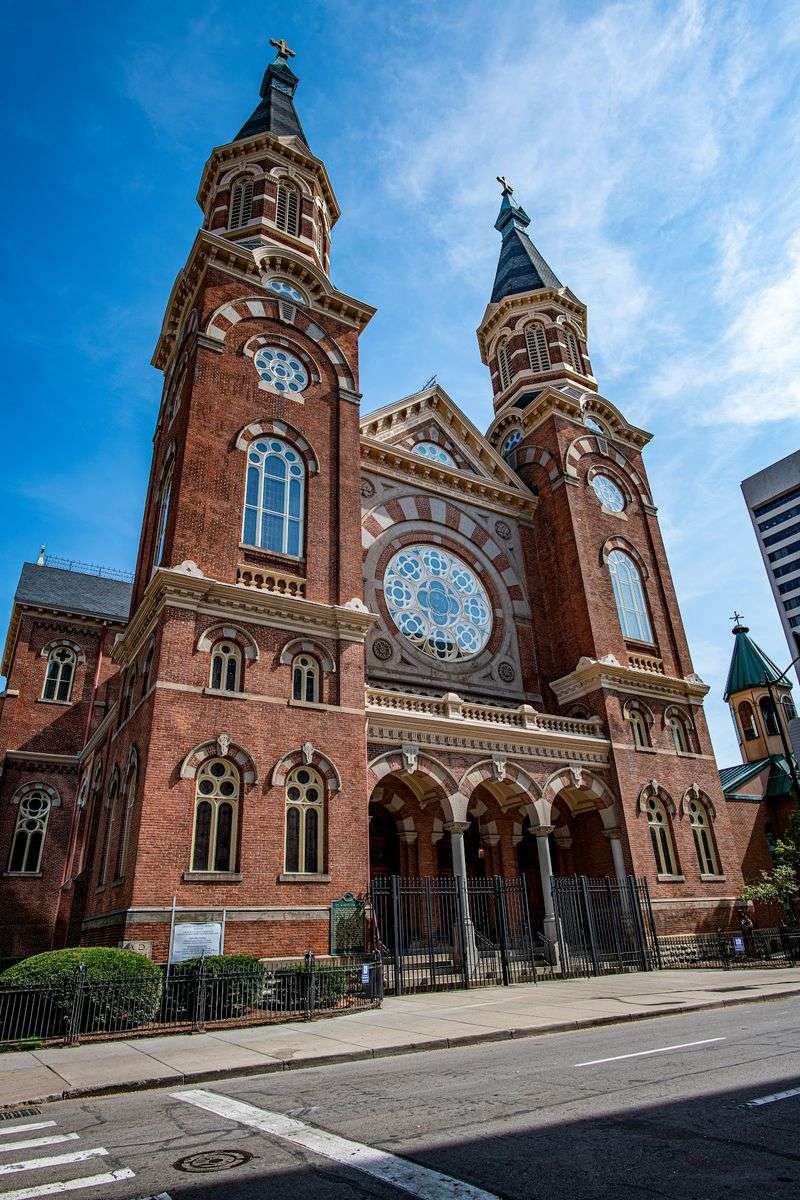
Pointed arches, tall towers, and stone details give the basilica a look that feels both grand and storybook-like.
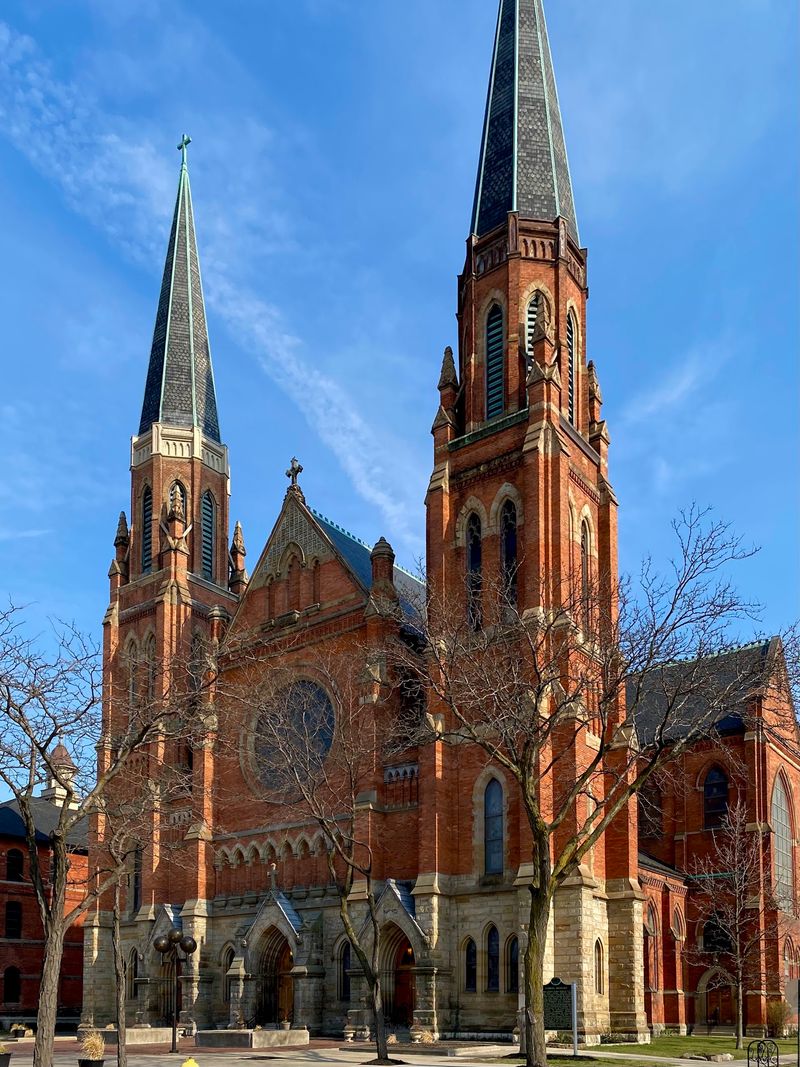
The present church was built in the 1880s in the Gothic Revival style, a design that often uses height and light to lift the eyes upward. Flying buttresses, steep shapes, and carved details help the building feel strong, elegant, and full of motion. Even from the outside, it feels different from many modern churches because every line seems planned to guide attention toward heaven.
Look closely at the north entrance and you may spot gargoyles, a fun detail that connects the building to older European church styles. The brick plaza in front also gives visitors room to step back and see the full shape of the facade. If you enjoy photography, morning or late afternoon light can make the stonework and shadows stand out beautifully.
The best visit starts slowly. Walk around the exterior first, notice the roofline, then compare the heavy walls with the delicate windows. That simple outside tour helps you understand why people call it one of Detroit’s architectural treasures before you ever step inside.
Stained Glass That Colors the Silence
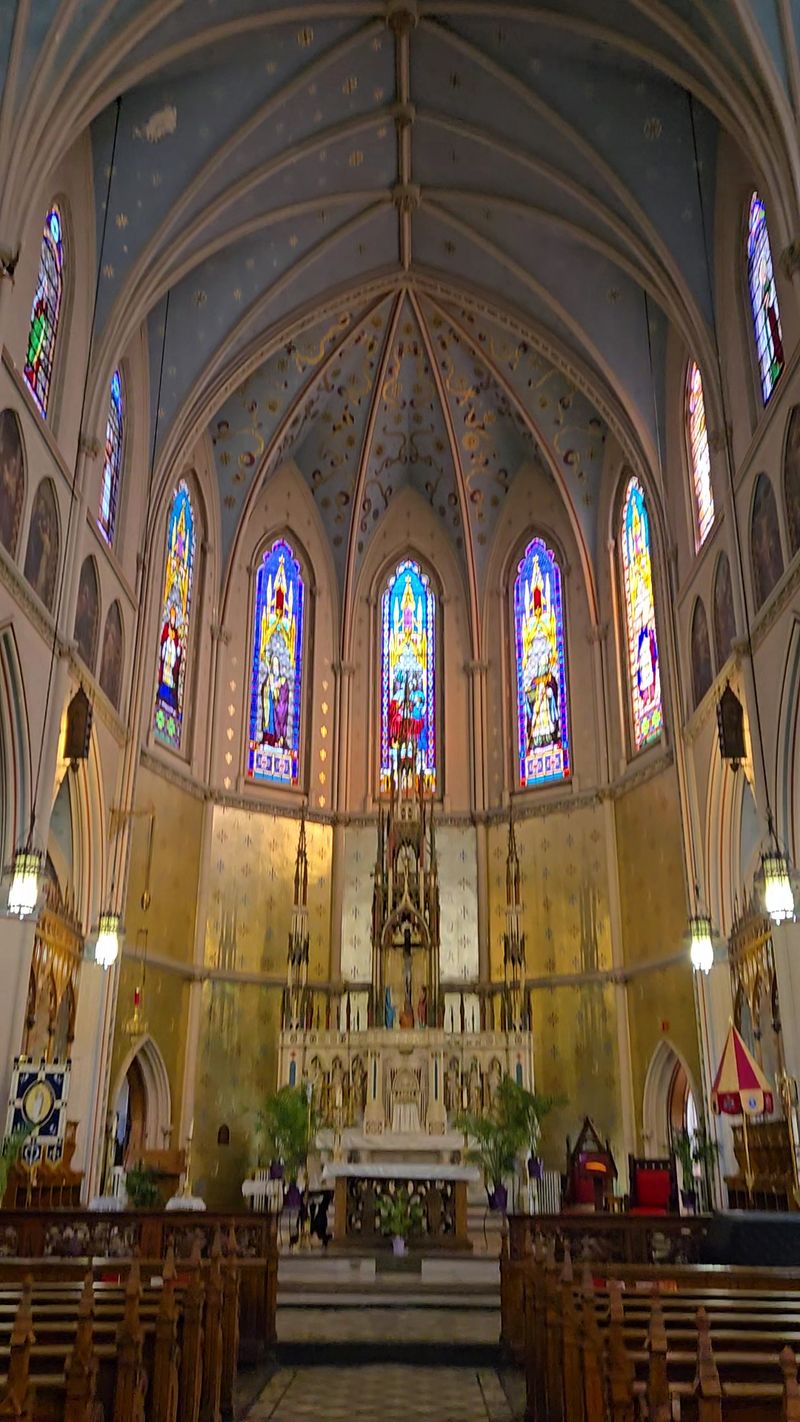
Sunlight does something special here when it passes through the stained glass.
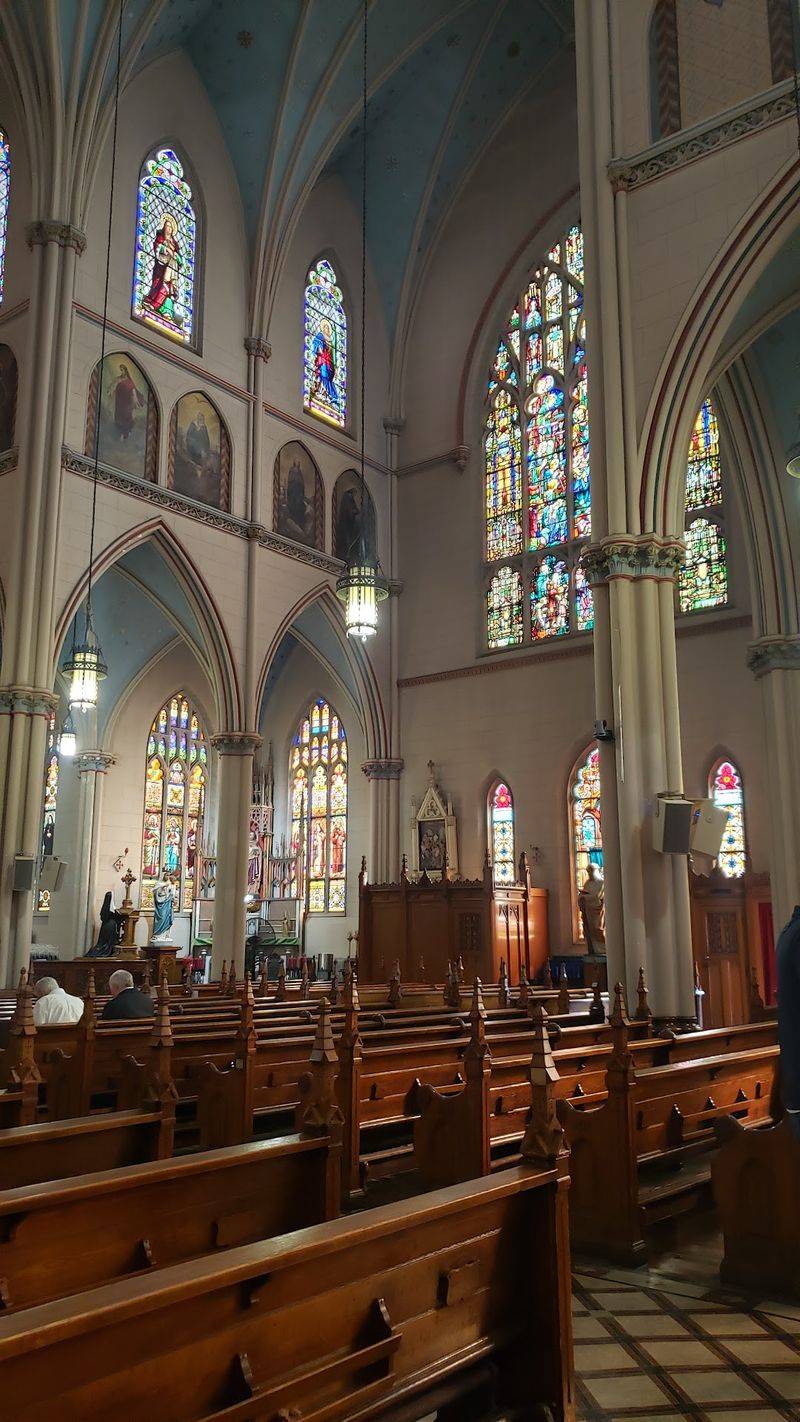
Instead of plain beams of light, the windows send soft patches of red, blue, green, and gold across the walls, floors, and pews. Many visitors mention the glass as one of the most memorable parts of the basilica, and it is easy to see why. The windows show saints, sacred scenes, and symbols that teach through pictures as much as through words.
For younger visitors, stained glass can be a simple way to start a conversation about faith and art. Ask them to find a color, a person, or a symbol they recognize. That small game can turn a quiet visit into a hands-on history lesson.
Adults may want to bring a notebook or take respectful photos only where allowed. Because churches are active places of worship, always avoid flash during services and follow posted rules. If you attend a Mass, arrive early so you can sit quietly and watch how the changing light shifts through the room. The glass is not just decoration, it helps create the peaceful mood people remember long after leaving.
Bells That Keep Time With the City
A bell ringing over a neighborhood can make time feel deeper than a clock on a phone.
At this basilica, the idea of bells connects daily life with prayer, memory, and community. For generations, church bells have called people to Mass, marked holy days, and reminded nearby streets that the parish is still alive. Their sound belongs to the same story as the towers, the altar, and the people who have worshiped there for centuries.
Even if you do not hear the bells during your visit, look up toward the towers and imagine what they have witnessed. Weddings, funerals, feast days, family gatherings, and neighborhood changes have all passed beneath them. That thought can make the building feel less like a museum and more like a steady neighbor.
Visitors hoping to hear bells should check service times before going. Arriving near Mass or a special celebration may increase the chance of hearing the basilica at its most alive. Be mindful of parking, timing, and nearby homes when you visit. A respectful listener understands that the bells are not a show, but part of a long tradition that still serves real people.
A Community Shaped by Many Generations
History feels warmer when you can see people still adding to it.
The basilica is not only known for age and architecture, but also for the community that keeps it active. Reviews often mention welcoming parishioners, diverse Masses, families, and special events that bring people together. One visitor described attending Dia de los Muertos ofrendas and feeling moved by the beauty, food, vendors, and kindness shown by clergy and parish members.
That mix of tradition and present-day life is important. A parish can be old, but it stays meaningful because people continue to pray, volunteer, celebrate, mourn, and serve there. Detroit’s French Catholic roots are part of the story, and so is the strong Hispanic community connected with the church today.
If you visit during a cultural event, come with respect and curiosity. Remember that ofrendas, Masses, weddings, and other gatherings may be deeply personal for families. Enjoy the art, music, and food if offered, but be careful with photos and always follow guidance from staff or volunteers. The best visitors do more than admire the building, they honor the people who keep its heart beating.
Tours That Unlock Hidden Stories
A guided tour can turn pretty details into unforgettable stories.
Many people who visit the basilica say tours help explain the parish’s long connection to Detroit’s first settlers, early church leaders, and the changing city around it. Without a guide, you might admire the stained glass or high ceilings, but miss the meaning behind certain chapels, statues, and historic items. A good tour can connect names, dates, and objects in a way that feels easy to follow.
Access is not always the same as visiting a public museum. Several visitors have noted that walk-ins may not be allowed at certain times, especially when the church is closed after Mass or prepared for private events. Calling ahead or checking the parish website is a smart first step.
If you are lucky enough to join a pre-approved tour, bring comfortable shoes and give yourself time to listen. Ask simple questions, such as why the building was rebuilt or how the parish survived so many changes. Those questions can open the door to stories about fire, faith, French roots, and people who helped shape Detroit. A tour also helps guests move through the sacred space respectfully.
Sacred Art, Altars, and Quiet Corners
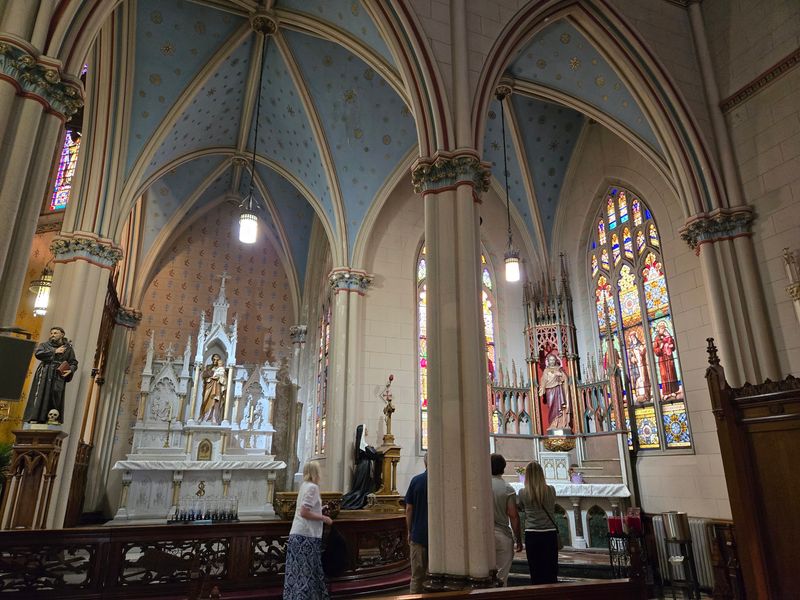
Some corners of the basilica invite visitors to slow down without saying a word.
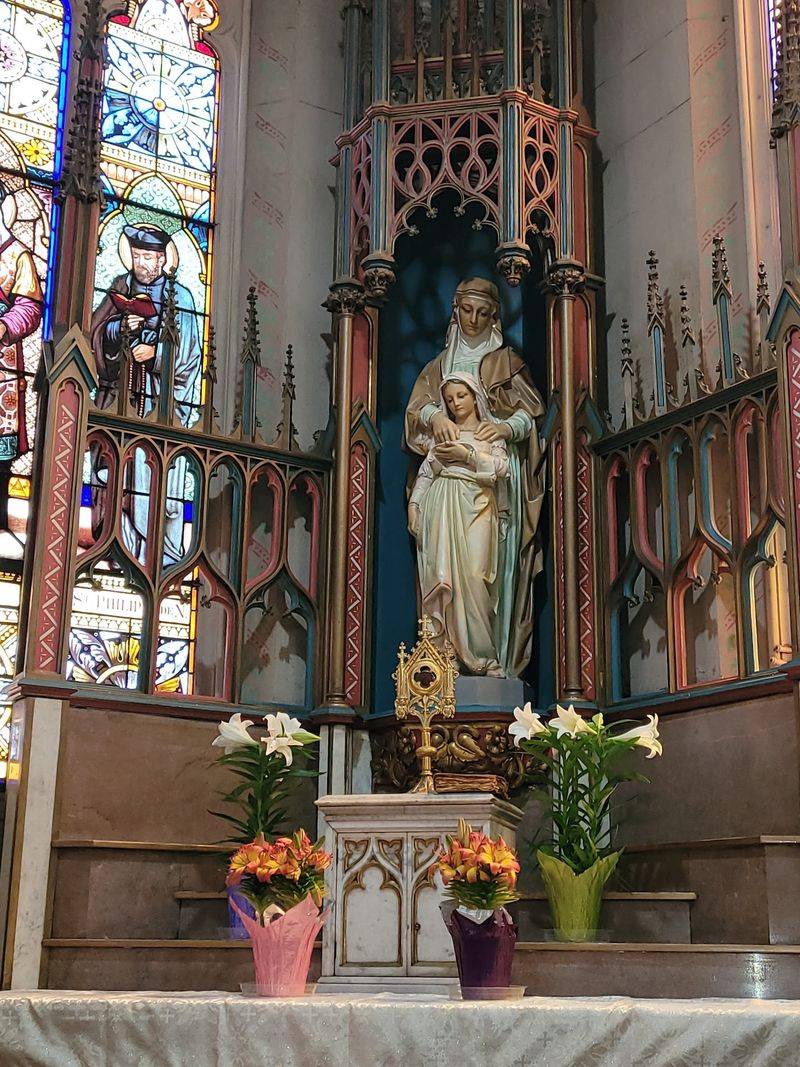
Inside, people often notice the altar, statues of saints, stations of the cross, frescoed walls, and high ceilings. These features are not random decorations. They are meant to help worshipers pray, remember sacred stories, and feel connected to generations before them.
One especially meaningful part of the parish story is the connection to Father Gabriel Richard, an important early Detroit priest. He helped support education, roads, and local publishing, and he is remembered as a major figure in Michigan history. Historic remains and older church items have been connected with the present building, showing how past and present share the same sacred space.
When visiting, give yourself permission to be quiet. Sit for a few minutes if seating is open, look at one statue at a time, and notice small details instead of rushing from spot to spot. If a service is happening, follow the lead of parishioners and avoid walking around. Sacred art works best when visitors treat it with patience. The reward is a calmer, richer experience that feels personal, even if you are simply there to learn.
Preservation Keeps the Story Alive
Old buildings need care, and this basilica shows why preservation matters.
Visitors have mentioned renovation work, worn floors, older kneelers, and areas that show the strain of time. Those details do not make the church less special. Instead, they remind us that a 300-year parish and a 19th-century building need steady support to remain safe, beautiful, and useful.
Preservation is more than fixing walls. It protects stained glass, woodwork, sacred art, records, memories, and the daily life of a parish community. The basilica is listed on the National Register of Historic Places, which shows its importance beyond one neighborhood or one faith tradition. It belongs to Detroit’s wider story.
Guests can help in simple ways. Follow visitor rules, avoid touching fragile surfaces, donate if you are able, attend approved events, and share accurate information with friends. If you take photos, use them to encourage respect, not just quick attention online. Historic churches survive when people understand that beauty has a cost and care takes teamwork. By supporting preservation, visitors help future generations hear the bells, see the windows, and feel the same sense of wonder.