Three years before the Declaration of Independence was signed, a group of curious people in Charleston decided their city needed a place to collect and study the world around them.
That idea became the oldest museum in the United States, and it is still open today.
Inside, a giant whale skeleton hangs overhead, an ancient sloth stands tall, and a piano tied to a famous American opera sits behind glass.
The collection covers everything from prehistoric rocks to the Revolutionary War, rice farming, and the Civil War.
Kids get their own hands-on spaces, and history lovers can easily lose track of time.
From fascinating exhibits to centuries-old stories, this Charleston landmark offers a memorable journey through American history for visitors of all ages.
Older Than the Country Itself
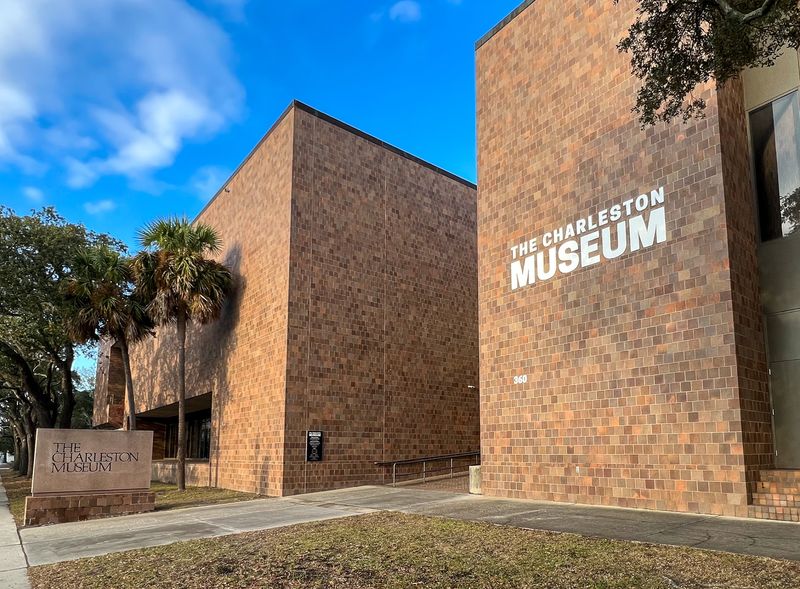
Back in 1773, the United States did not even exist yet. That year, the Charleston Library Society started a collection that grew into The Charleston Museum, now known as America’s First Museum.
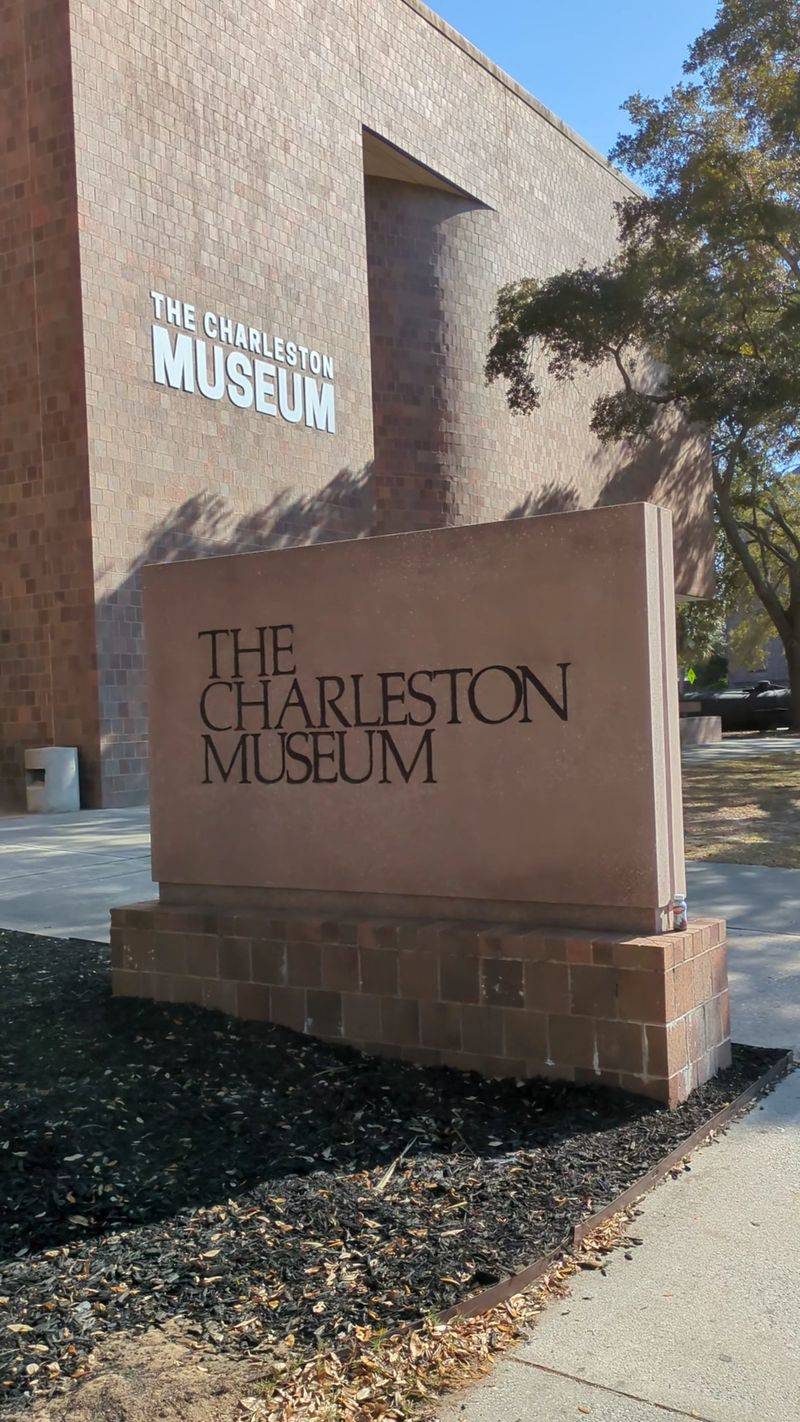
Today, it sits at 360 Meeting St, Charleston, SC 29403, in the heart of the city in South Carolina. The museum is easy to reach from many downtown spots, which makes it a handy first stop on a trip.
Founders back then wanted to gather objects from nature and daily life so people could study them. That goal still shapes the place today, though the focus has shifted more toward Charleston and the Lowcountry.
Hours run from 9 AM to 5 PM Monday through Saturday. On Sundays, the doors open at noon and close at 5 PM.
Plan for at least two hours inside. Some people who read every single sign spend four or five hours, so give yourself breathing room.
A museum older than the nation deserves an unhurried visit, after all.
A Whale of a Welcome
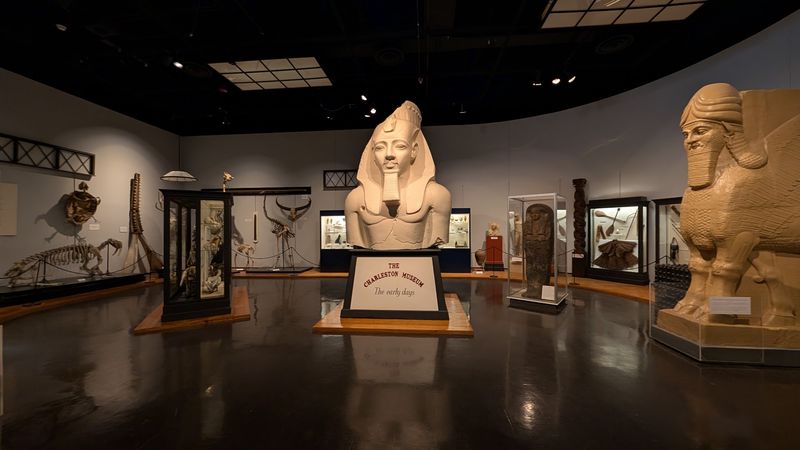
Few lobbies greet guests the way this one does. A huge whale skeleton hangs from the ceiling right near the entrance, and most people stop in their tracks to look up.
The story behind it is just as memorable as its size. On January 7, 1880, a North Atlantic right whale entered Charleston Harbor, attracting crowds and eventually becoming the target of a prolonged hunt involving dozens of boats.
Signs nearby share the details of that event, so take a minute to read them. The tale gives the bones a real connection to the city and its waters.
Kids tend to love this spot because the skeleton is so much bigger than they expect. Adults usually reach for their phones to snap a photo too.
It also sets the tone for the rest of the museum. Natural history plays a big role here, and this skeleton is the opening act.
Not every visit begins with a sea creature overhead, and that is exactly what makes this first moment so fun.
Meet the Giant Sloth
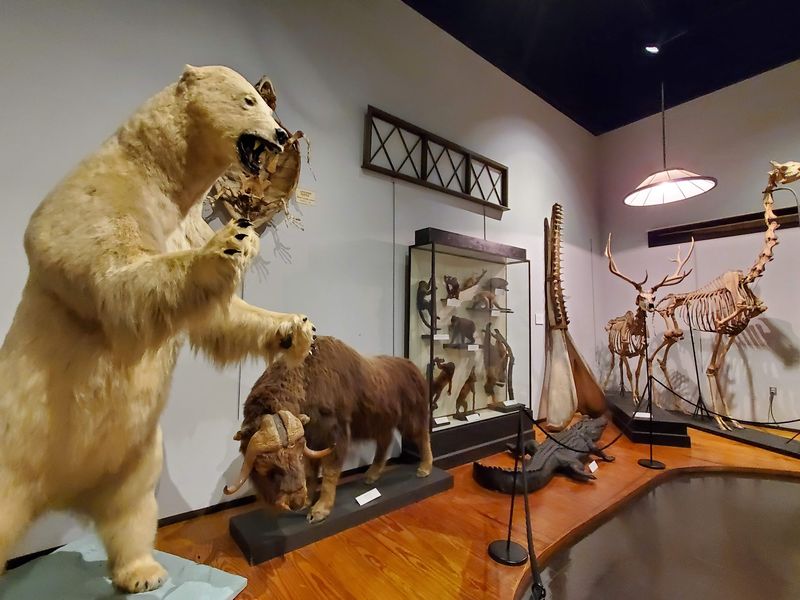
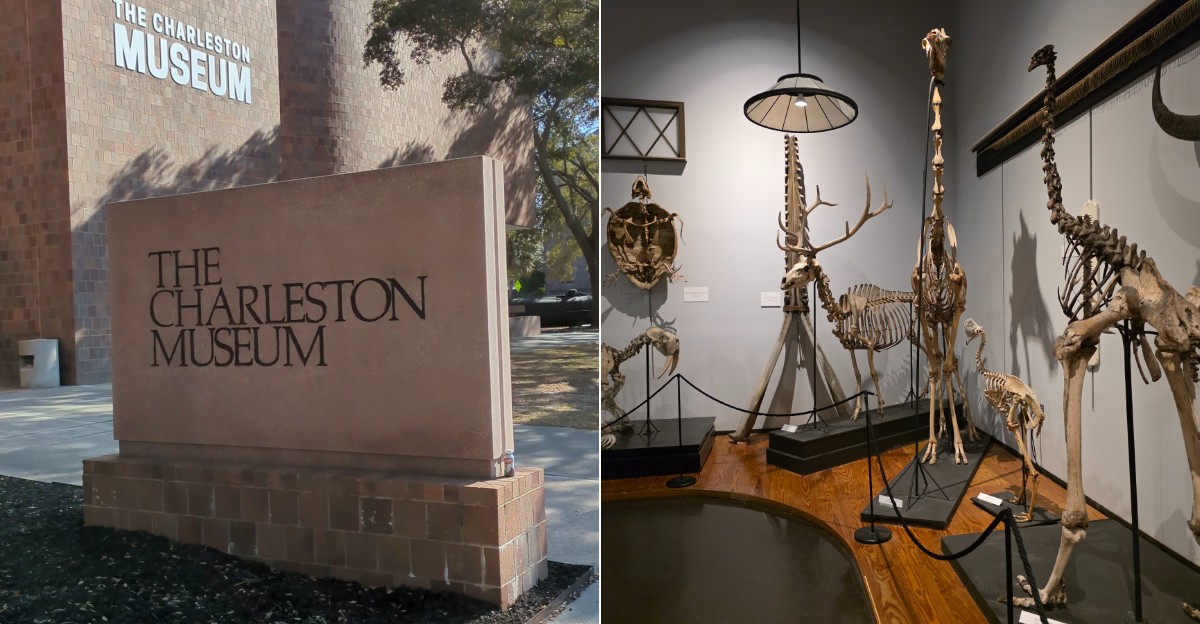
Sloths today hang slowly from tree branches. Their ancient cousins were a whole different story, and one of them stands tall inside the natural history area.
The giant ground sloth skeleton ranks among the most talked about pieces in the building. It shows how large these prehistoric animals could grow and reminds guests that the Lowcountry has a very long past.
Nearby displays also explain rocks, minerals, and natural resources found in the region over time. History here starts way before people ever arrived.
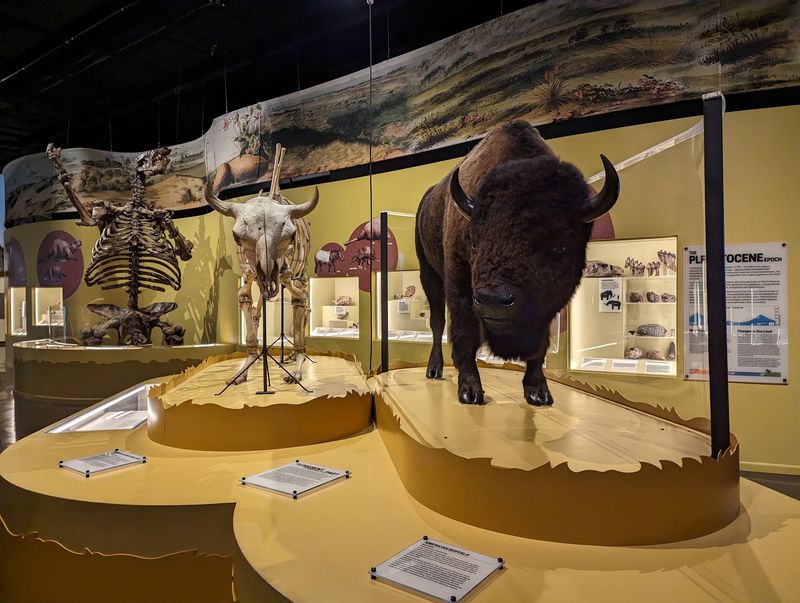
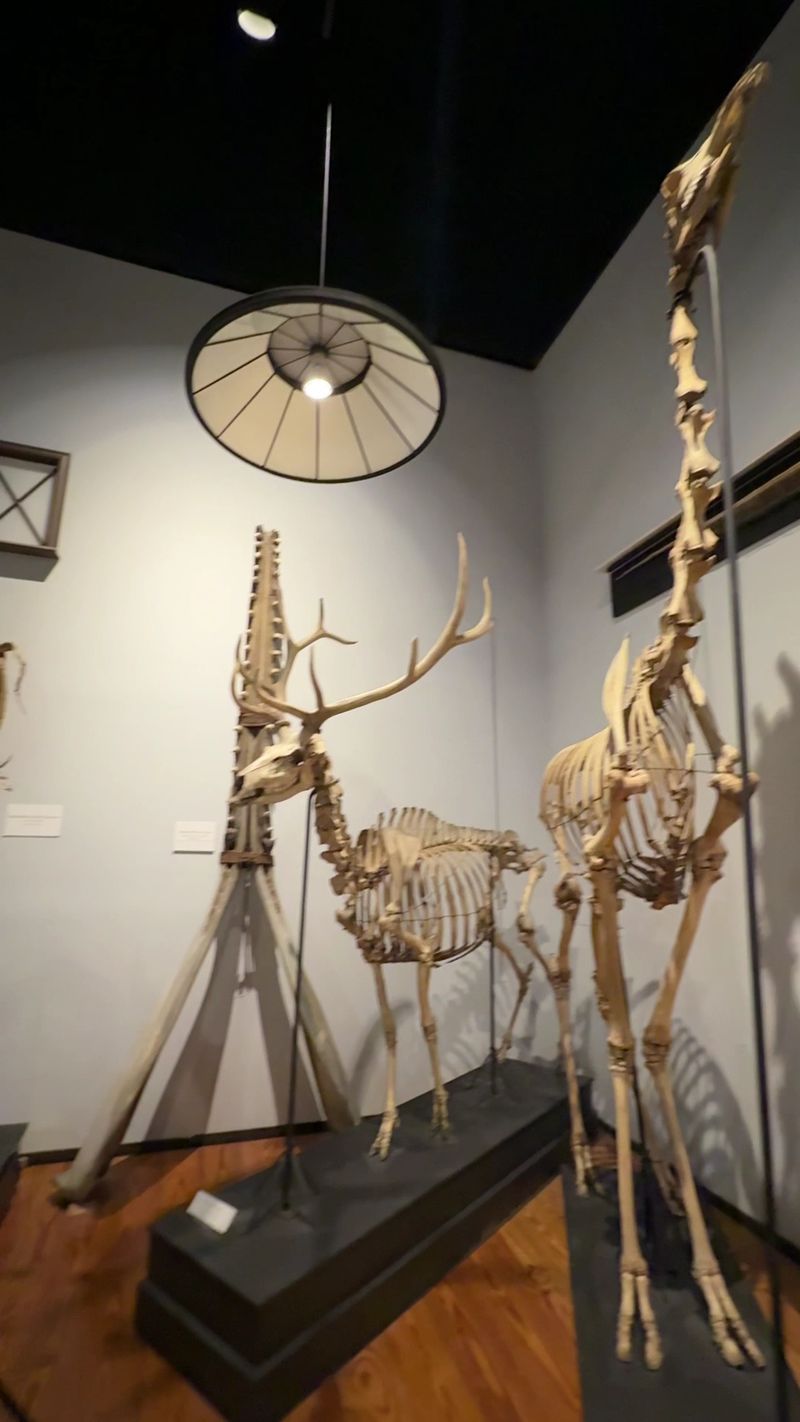
Animal exhibits fill this part of the museum too. Cases hold antlers, bones, and other specimens that connect wildlife to the land and coast.
The big idea is simple. Charleston’s human story has always been shaped by marsh, coast, weather, and the creatures living there.
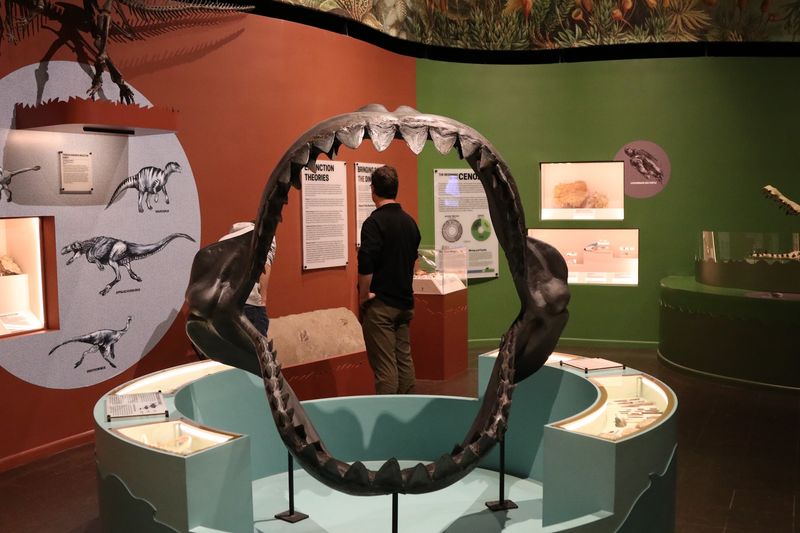
The gallery also features remarkable prehistoric creatures, including an enormous ancient crocodile and fossils that reveal how dramatically South Carolina’s natural environment has changed.
Science fans should budget extra time in this wing. It moves slowly in the best way, a lot like its most famous resident.
An Egyptian Surprise
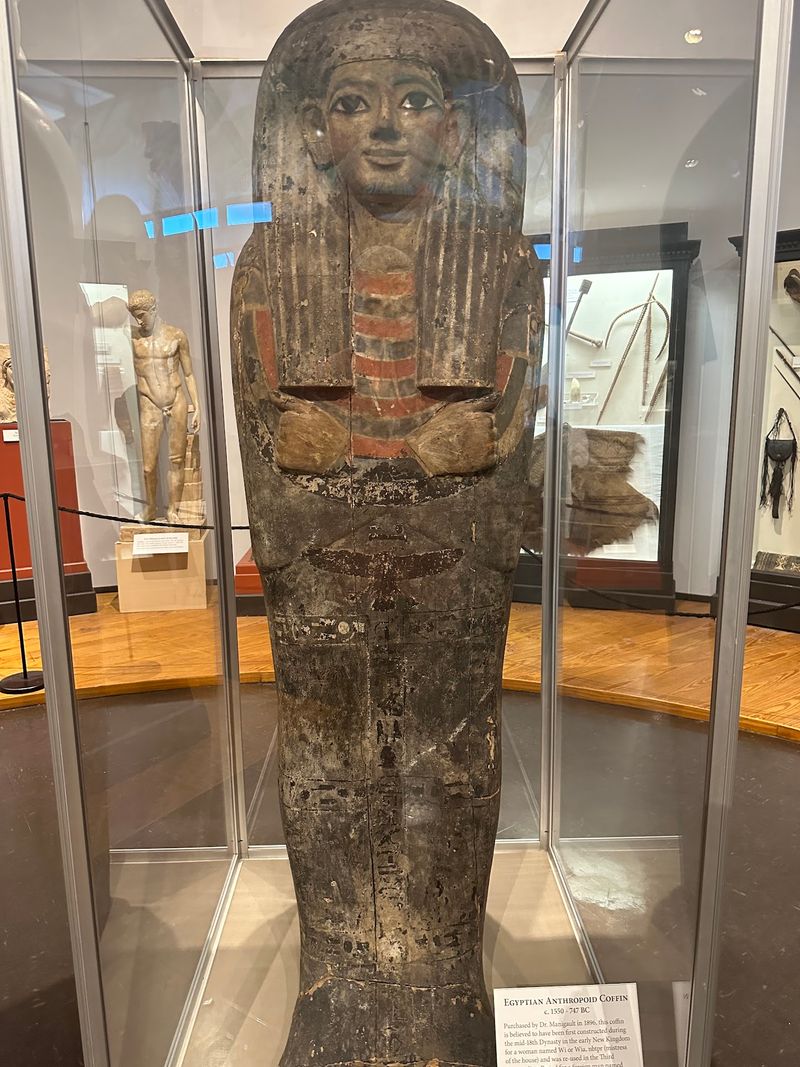
Here is a twist many travelers do not expect in South Carolina. The museum’s historic collections include an Egyptian mummy and objects reflecting its early interest in cultures and civilizations from around the world.
These pieces come from the museum’s early collecting days. Back then, people believed the whole world could be gathered, sorted, and understood in one place.
That attitude came from the Enlightenment era, a time when science and learning were exciting new pursuits. Early museums often collected items from faraway lands for that reason.
Seeing these ancient objects helps explain how the museum started. It began as a broad collection of nature and world history before focusing more closely on Charleston.
The pharaoh’s head is calm and massive, and it makes a striking contrast with the local artifacts in later rooms. Many people find it a fun conversation starter.
Families with young history buffs should point this one out early. A mummy in Charleston makes a pretty good story to share back home.
The Lowcountry Takes Center Stage
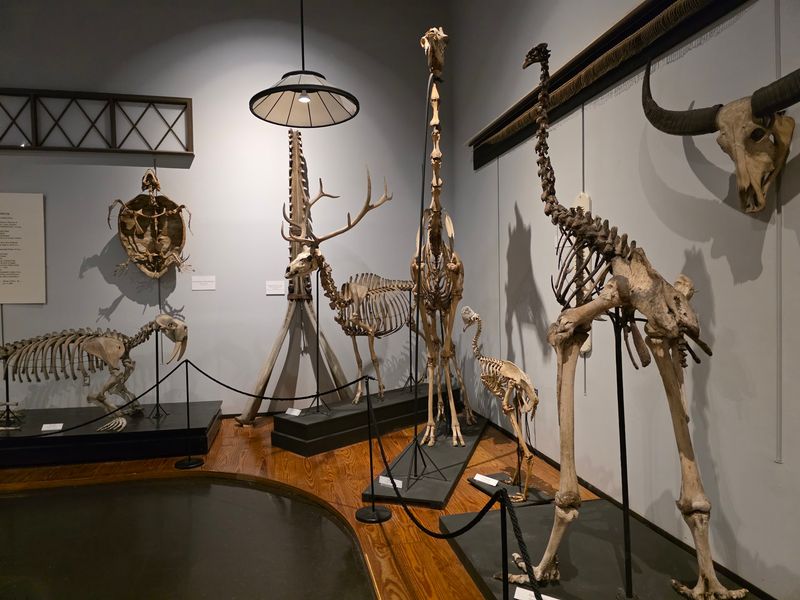
Step by step, the museum narrows its focus. The wide world fades and the Lowcountry becomes the main character.
The South Carolina history gallery packs in a huge number of objects. Two enormous pottery storage jars stand out, and they show how people stored goods long ago.
Labels next to each item are well written and full of useful information. Even quick readers can pick up interesting facts without feeling buried in text.
History here starts in the prehistoric period and moves forward through colonial times and beyond. That wide timeline helps newcomers understand how the city grew.
Many guests suggest making this museum an early stop in Charleston. It offers a little background on almost everything in the area, so later tours and walks make more sense.
Some people even find traces of their own ancestors in the exhibits. For anyone with family roots in South Carolina, these rooms can feel surprisingly personal.
Rice and the People Behind It
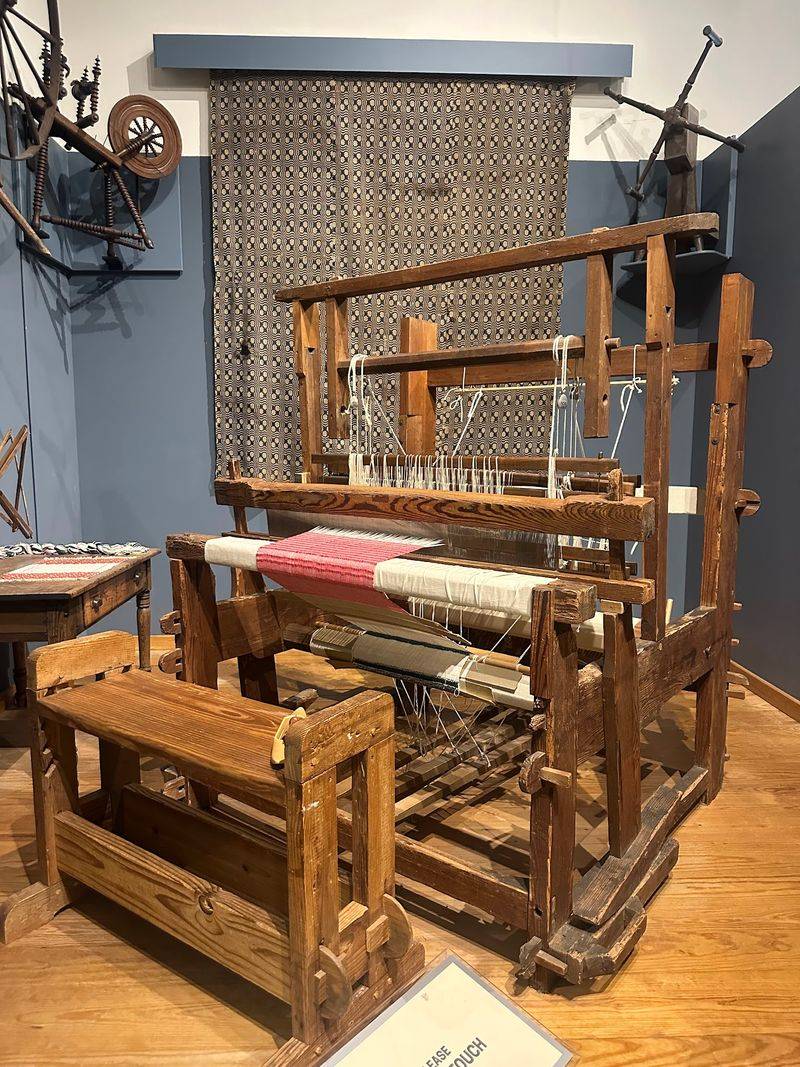
Rice built much of early Charleston’s wealth. A dedicated section of the museum explains that history and the people whose labor made it possible.
The exhibit covers how rice was grown in the Lowcountry and why it mattered so much to the region’s economy. It also faces the hard truth of enslaved workers who did that labor.
Another powerful part of the museum features short videos of people who lived through racial inequality. Hearing their personal accounts adds a human voice to the written panels.
These spaces ask bigger questions. Who made these objects, what kind of world required them, and what do they reveal about the city?
The museum does not flatten this complex history. It presents the beauty of Charleston alongside its weight, which helps guests leave with a fuller picture.
Take your time in this area. The stories here stay with people long after they head back out to Meeting Street.
Revolution on Display
Charleston played a big part in the fight for independence. The museum’s Revolutionary War exhibit brings that chapter forward in a clear and engaging way.
Many guests call it one of the strongest sections in the building. It connects nicely with the museum’s own founding, which happened just before the war began.
The Armory nearby presents weapons with a calm, straightforward style. Instead of turning them into a flashy show, the display treats them as part of the region’s record of power and defense.
This area helps explain why Charleston mattered so much to the young nation. The port city was a major prize and a center of activity.
Timing makes this exhibit extra interesting now. The country is marking its 250th anniversary, and the museum offers a close look at those early years.
History students will find plenty of material for school projects here. Bring a notebook, because the details pile up fast.
The Hunley Story Below the Surface
Long before modern submarines, Charleston was home to a daring experiment. The H.L.
Hunley became the first submarine to sink an enemy warship during the Civil War.
From October 3, 2026, through April 4, 2027, the museum presents Textiles from the Deep, a special exhibition exploring discoveries connected to the H.L. Hunley submarine.
Civil War history is a major theme across the museum. Charleston sat at the center of many key events, and the galleries cover that period in depth.
The Hunley section stands out because it blends science, engineering, and local history. Kids who like machines often get hooked here.
Panels walk through the story in plain language, so even younger readers can follow along. The details about how the crew operated the craft are especially eye opening.
After this stop, many travelers feel curious to learn even more about the sub. That curiosity is a sign the exhibit did its job well.
Gershwin’s Famous Piano
Music fans, this one is for you. A piano used by George Gershwin while he composed Porgy and Bess sits inside the museum.
The piano came from Siegling Music House, a Charleston business. Gershwin’s opera is set in South Carolina’s Lowcountry, so the connection runs deep.
It rests behind glass and looks like a fairly ordinary instrument. That is part of its charm, since an everyday object helped create something world famous.
Many guests call it one of the most unexpected highlights of the visit. It links Charleston’s culture to a story that traveled far beyond the city.
Not far away, clothing and textile collections show another side of local life. Garments reveal clues about work, social status, and how people presented themselves in public.
Kids may not know who Gershwin is yet. A quick listen to one of his songs before or after the visit can make this stop click for the whole family.
Kidstory and Hands-On Fun
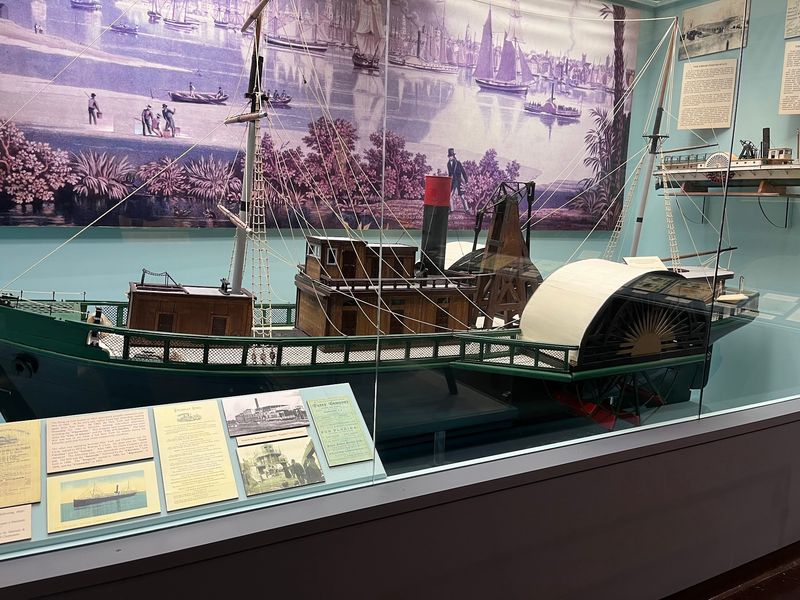
Parents often say the hardest part of the visit is getting kids to leave. Kidstory, the children’s area, is a big reason why.
This space lets young guests explore history through play. Kids can even try on colonial style clothing, which makes the past feel a lot more real.
A separate hands-on natural history section adds even more to do. Little explorers can touch, test, and discover at their own pace.
Families with kids as young as four and six have spent hours here without running out of things to see. Quiet weekday mornings make it easier to move around freely.
These areas do not feel like an afterthought. They support the museum’s belief that history is taught one generation at a time.
Plan snack and lunch breaks ahead, since there is no food service inside. That way, nobody has to rush out of the fun when tummies start rumbling.
Two Historic Houses Nearby
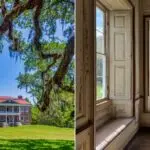
The museum’s story does not end inside its main building. It also manages two historic houses that guests can tour.
These homes are the Heyward-Washington House and the Joseph Manigault House. Both offer a close look at how people lived in Charleston long ago.
The Joseph Manigault House sits close to the museum on Meeting Street area, while the Heyward-Washington House is located in the historic district further south. Check the museum website for current hours and combination ticket options.
Touring a house adds a different layer to the visit. Instead of objects behind glass, guests see rooms, furniture, and architecture in their original setting.
History fans often say they could spend a whole day between the museum and the homes. Pairing them makes for a well rounded Charleston history day.
Comfortable shoes are a smart choice if you plan to see everything. The city’s past is best explored one doorway at a time.
Smart Tips for a Smooth Visit
A little planning goes a long way here. The museum is air conditioned, which makes it a great escape on a hot and humid Charleston day.
Most exhibits are on the second floor, and elevators make the trip easy. Ramps at the entrance help make the whole building wheelchair friendly.
Restrooms are on both the first and second floors. Water fountains and seating spots are available, and collapsible stools can be carried along too.
A small gift shop sits near the ticket counter in the lobby. There is no café, so eat before or after your visit.
Parking is available, but check the spots overhead before you pick one. Birds like the trees nearby, and cars parked under them can need a wash later.
Some local hotels offer museum tickets, so ask at the front desk. Memberships are another option for frequent guests who want to support the museum.
America’s first museum has welcomed curious minds for over 250 years. Your turn is next.