One ordinary-looking rock can hold a story that began millions of years ago. Near Rockford, Iowa, the Fossil & Prairie Center lets visitors step into that history by searching for fossils, learning how ancient creatures became preserved in stone, and discovering what once lived in a landscape that looked nothing like Iowa today.
Located at 1227 215th St, this Iowa fossil park makes hands-on science feel wonderfully tangible.
There is something exciting about brushing away loose dirt and spotting a fossil hiding beneath it, especially when you can take a favorite discovery home. Families can explore the fossil beds, walk through prairie surroundings, and turn a simple outing into a lesson they will actually remember.
Muddy shoes are part of the fun, and every small find can spark another question about the ancient world beneath your feet. With so much waiting in the ground, the next discovery could be the one everyone talks about on the drive home.
Ancient Ocean Clues Under Your Feet
The ground looks quiet at first, then your eyes begin to notice shapes that do not seem random. A curve, a ridge, or a tiny shell pattern can turn an ordinary walk into a search through deep time.
At Fossil & Prairie Center, 1227 215th St in Rockford, Iowa, those clues come from the Devonian Period, more than 365 million years ago. Iowa was once covered by a warm, shallow sea filled with marine life instead of farms, roads, and small towns.
Visitors can look for fossils from animals without backbones, including shells, corals, and snail-like creatures. The best part is how close the past feels when you hold one in your hand.
Go slowly, scan the loose rock, and compare different textures before choosing what to keep. A simple find can become a favorite souvenir because it carries a story far older than any postcard.
Easy Fossil Hunting Without Fancy Tools
There is a special thrill in finding something old without needing a toolbox or expert badge. Here, the hunt feels friendly, simple, and surprisingly rewarding, even for first-time visitors.
Many fossils at Fossil & Prairie Center rest right on the surface, especially after rain has washed fresh pieces into view. You can often spot them by bending down, turning over small stones, and watching for lines, spirals, or coral patterns.
A cloth bag, small pail, or sturdy container is helpful for carrying favorites. Some visitors like a gardening knee pad, since crouching on rocky ground can get tiring after a while.
Leave heavy digging tools at home and focus on careful looking instead. Kids often enjoy the slow treasure hunt because every step feels possible.
Adults may find it just as fun, especially when a fossil appears where they almost walked past.
Brachiopods, Horn Corals, and Tiny Sea Stories
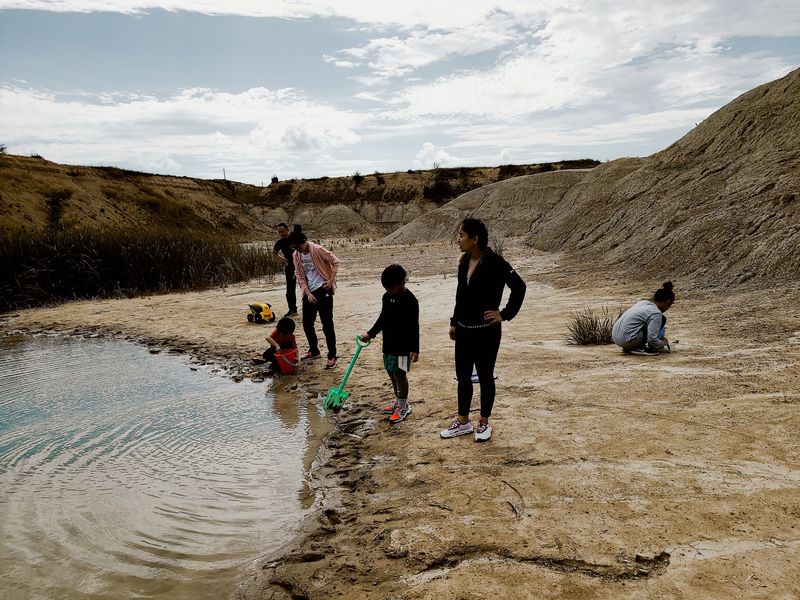
A small fossil can look plain until someone tells you it was once part of a living sea creature. Suddenly, the little ridges and bumps feel like chapters from a very old book.
At the quarry near the Fossil & Prairie Center, common finds include brachiopods, gastropods, horn corals, and colony corals. Brachiopods can look a bit like clam shells, while gastropods may show a spiral shape from an ancient snail-like animal.
Horn corals are especially fun to spot because many look like tiny cones or curled horns. Colony corals can have honeycomb-like patterns that make them easy to admire, even if you are new to fossil names.
Bring a small field guide, take photos of your finds, or ask questions at the visitor center when it is open. Learning the names makes each piece more meaningful, and the quarry turns into a hands-on museum under the sky.
Quarry Trails With a Wild Side
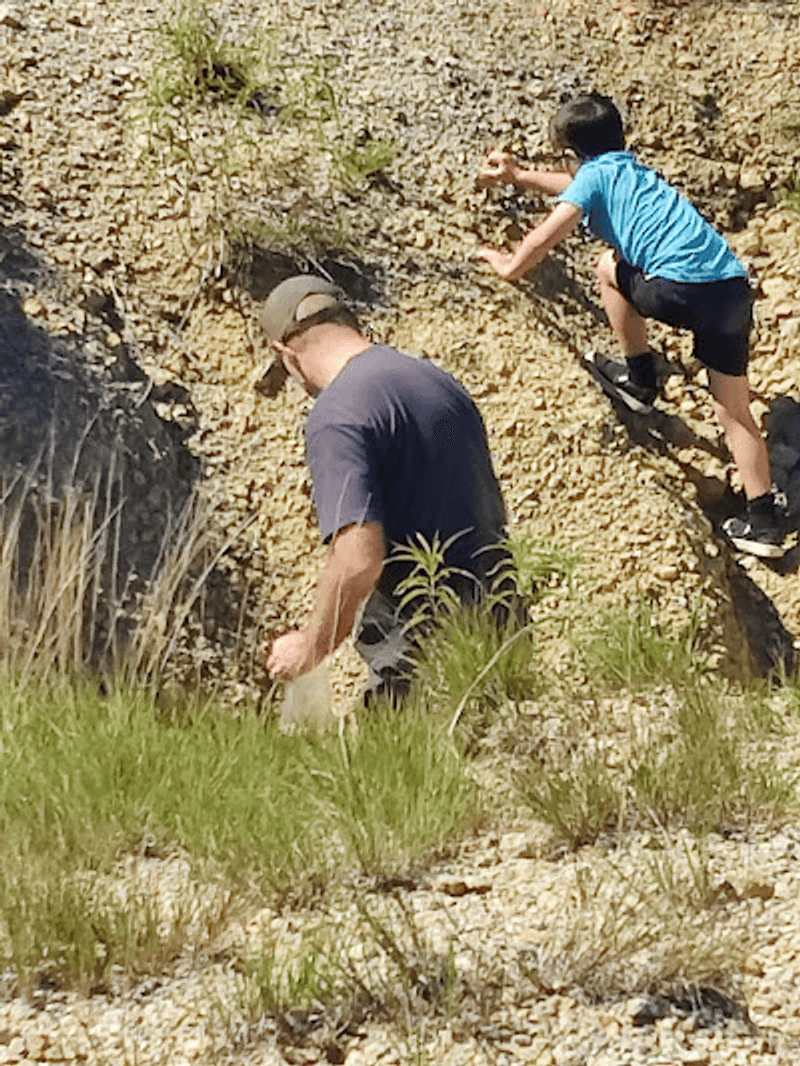
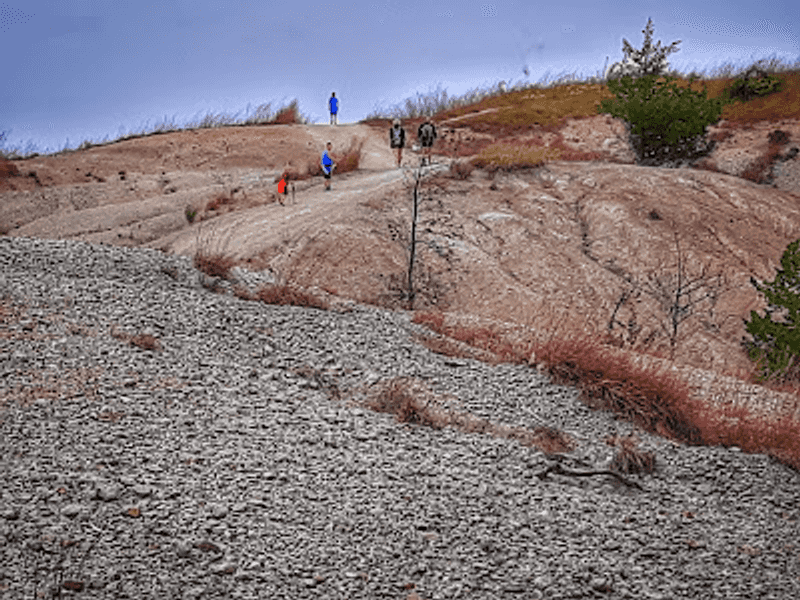
The path into the quarry adds a little adventure before the fossil search even begins. Loose rock, clay soil, and changing slopes make the walk feel rugged in the best way.
Fossil & Prairie Center sits on an old quarry landscape, so visitors should expect uneven ground and some climbs. Good shoes or hiking boots matter here, especially after rain when clay can become slick and sticky.
Families with young children should stay close together because drop-offs and steep spots are part of the land. The trails are marked, but careful steps help everyone enjoy the outing without worry.
Pack water, wear clothes that can get dusty, and avoid your newest sneakers. The workout is part of the memory, along with the view from the top and the small fossils found along the way.
A bit of planning makes the wild feeling fun instead of frustrating.
Prairie Color Beyond the Fossil Beds
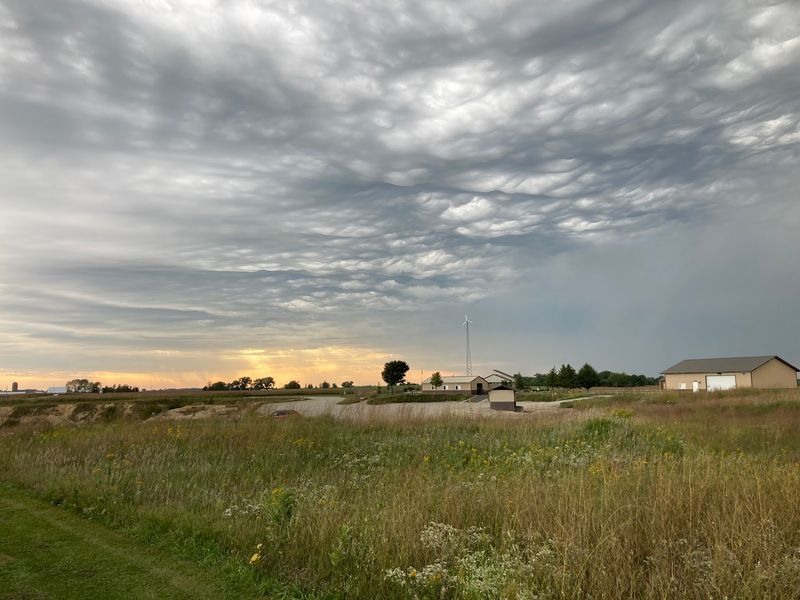
After staring down at rocks for a while, looking up can feel like a reward. The prairie around the quarry brings color, sound, and movement to a place famous for fossils.
Fossil & Prairie Center includes native prairie areas where grasses and wildflowers shift with the season. In warmer months, visitors may see purple coneflowers, orange butterfly milkweed, and other plants that support insects and birds.
The open views give the park a peaceful feeling, especially when a breeze moves through the grass. Bird watchers may spot bluebirds, pheasants, wild turkeys, or other wildlife near the trails.
Take time to walk beyond the fossil hunting zones and notice how the land changes. The prairie tells a newer story than the Devonian rocks, but it is still part of Iowa’s natural past.
It also gives families a quiet break between climbs, searches, and photo stops.
Beehive Kilns From a Working Past
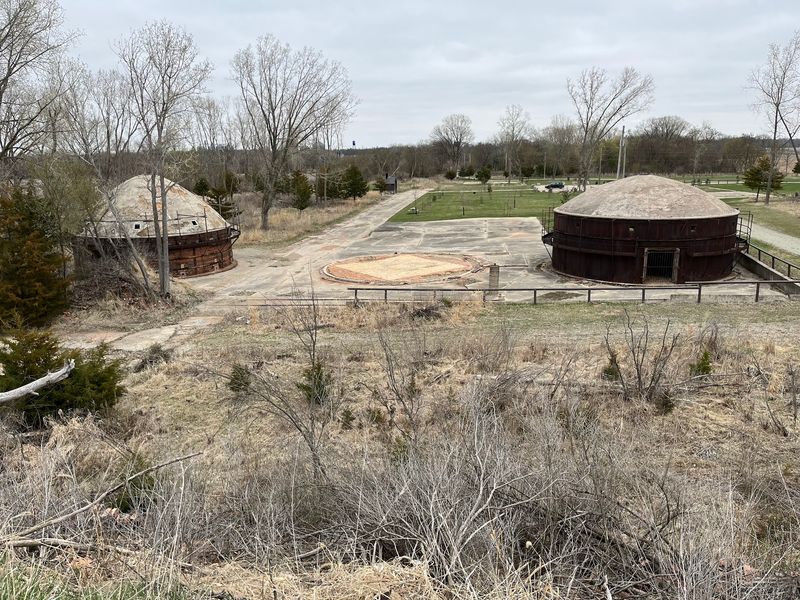
The brick kilns look like something left behind by another century, because they were. Their rounded shapes add a surprising human story to a park filled with ancient sea life.
Before the area became a fossil destination, the site was used by the Rockford Brick & Tile Company. From 1910 to 1977, workers mined clay here to make bricks and drainage tile for farms and communities.
That industrial work helped expose the fossils visitors enjoy today. What workers may have seen as hard pieces in the clay are now treasures for curious families and rock collectors.
Walking near the kilns gives the visit an extra layer. You can picture hot fires, heavy work, and piles of tile, then look back toward the quarry where ancient marine fossils wait in the open.
It is a rare spot where Iowa’s farming history, geology, and outdoor adventure meet in one easy day trip.
Visitor Center Lessons Before the Hunt
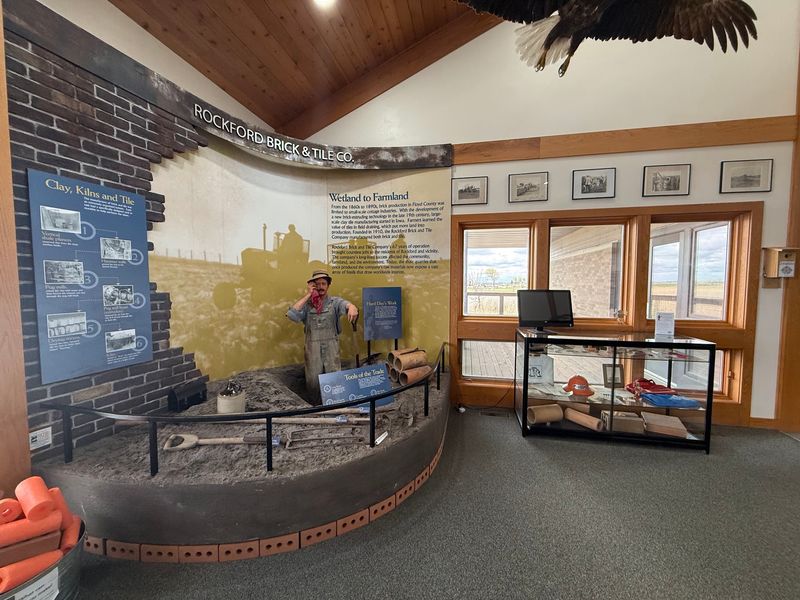
A few minutes indoors can make the outdoor hunt much more exciting. Once you know what to look for, every small rock outside has a better chance of becoming something special.
The Fossil & Prairie Center visitor center explains the quarry, the Devonian fossils, the prairie, and the old brick and tile operation. Exhibits help visitors understand why marine fossils are found in Iowa, far from any ocean today.
Families can use the displays as a simple guide before heading down the trails. Kids often enjoy seeing examples first, then trying to match those shapes in the quarry.
Check current hours before visiting, since the center has limited open times, including weekend afternoon hours during posted seasons. Even when the building is closed, the outdoor area can still offer plenty to explore.
When open, however, the center adds context, answers, and a stronger sense of discovery to the day.
Kid-Friendly Discovery With Smart Planning
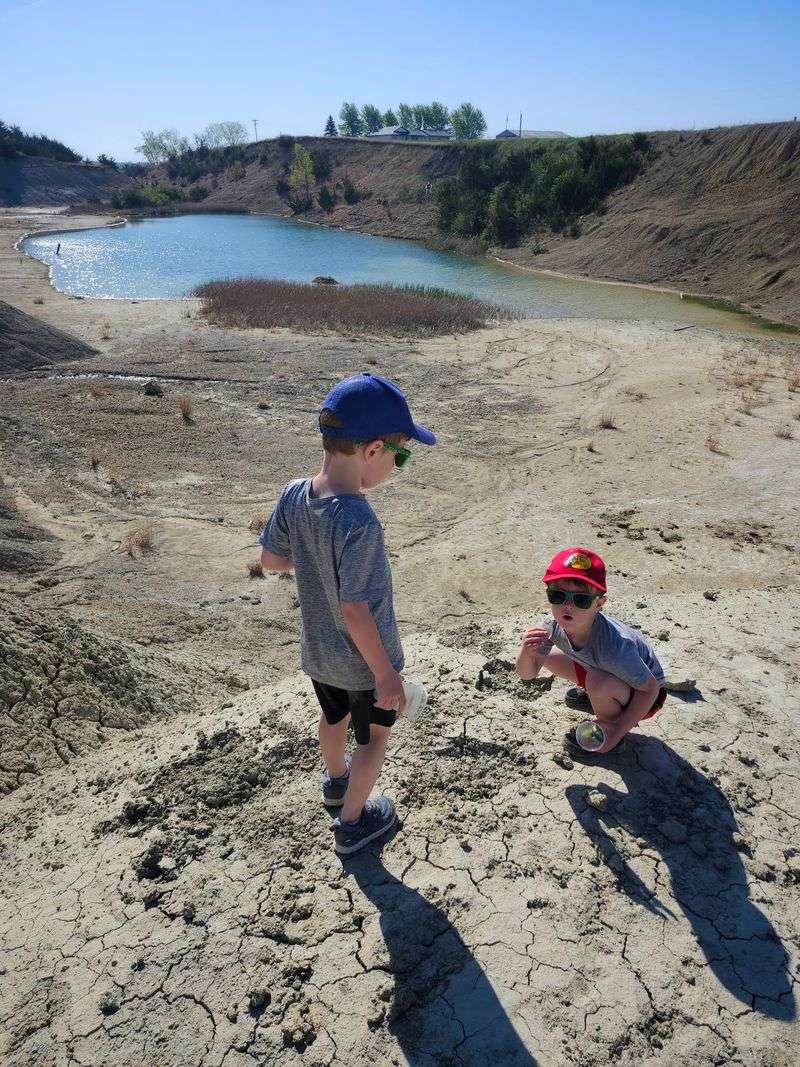
Few things light up a child’s face faster than finding a real fossil they can keep. The moment feels big, even if the treasure is small enough to fit in a pocket.
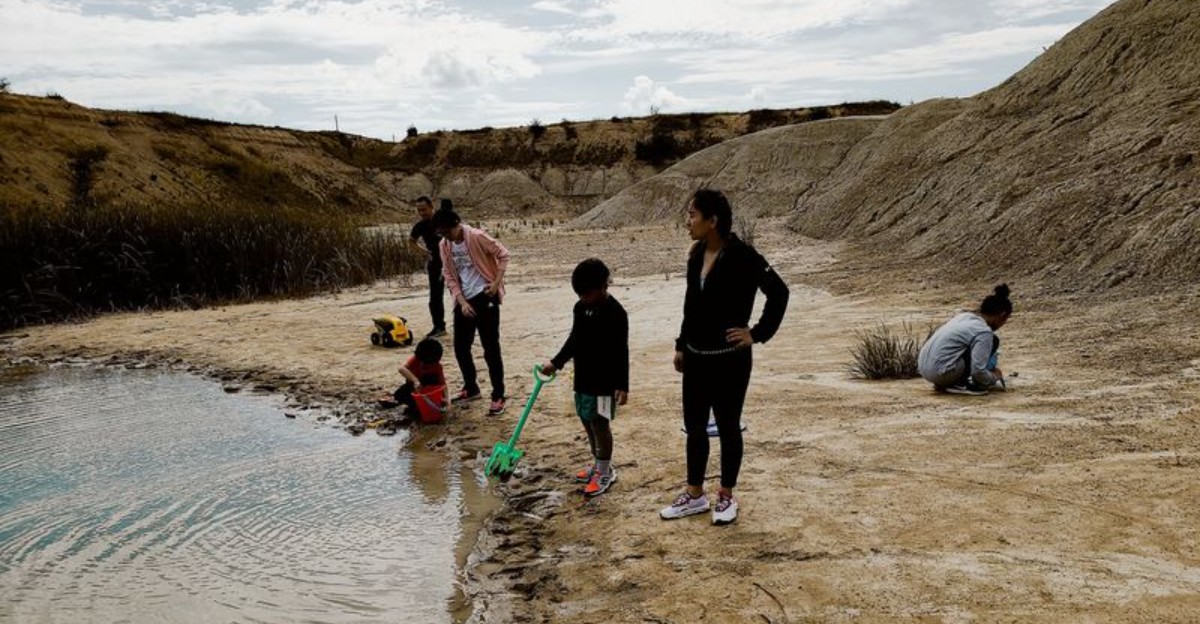
Fossil & Prairie Center is popular with families because fossils are easy to find and the experience feels active. Kids can search, compare, ask questions, and build their own little collection during one visit.
Adults should plan for the terrain, though. Sturdy shoes, water bottles, hats, sunscreen, and old clothes make the day smoother, especially in summer when the quarry can feel hot and shade is limited.
Younger children need close watching near steep areas and drop-offs. A canvas bag may work better than a bucket because it is less likely to tip and spill finds on the trail.
With simple preparation, the park becomes a playful outdoor classroom where science feels like an adventure instead of homework.
Quiet Views, Water Pools, and Photo Stops
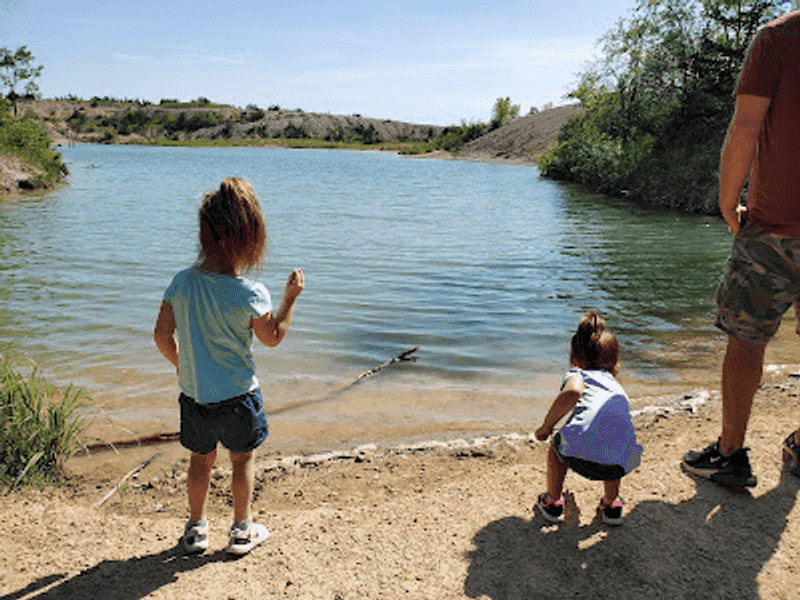
Some visitors arrive for fossils and end up pausing for the scenery. The old quarry basins, open sky, and bright water pools give the place a look that feels unexpected in rural Iowa.
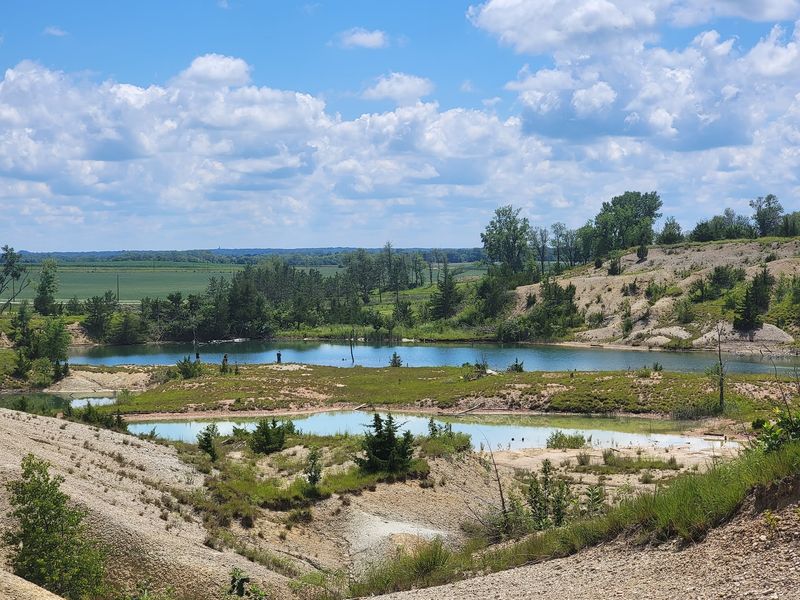
At Fossil & Prairie Center, the views change as you move from the parking area toward the pits and trails. On sunny days, water in the quarry can appear blue-green, creating a striking contrast with pale rock and prairie grass.
Photo lovers should bring a phone or camera, but safety comes first near slopes and ledges. Muddy clay can be slippery, so take pictures from stable spots and avoid stepping too close to edges.
The scenery also helps non-collectors enjoy the trip. Someone who is not as excited about fossils can still walk, watch birds, rest at a picnic area, or enjoy the quiet.
The park has a relaxed pace that rewards both busy explorers and slow wanderers.
A Take-Home Treasure With Real Meaning
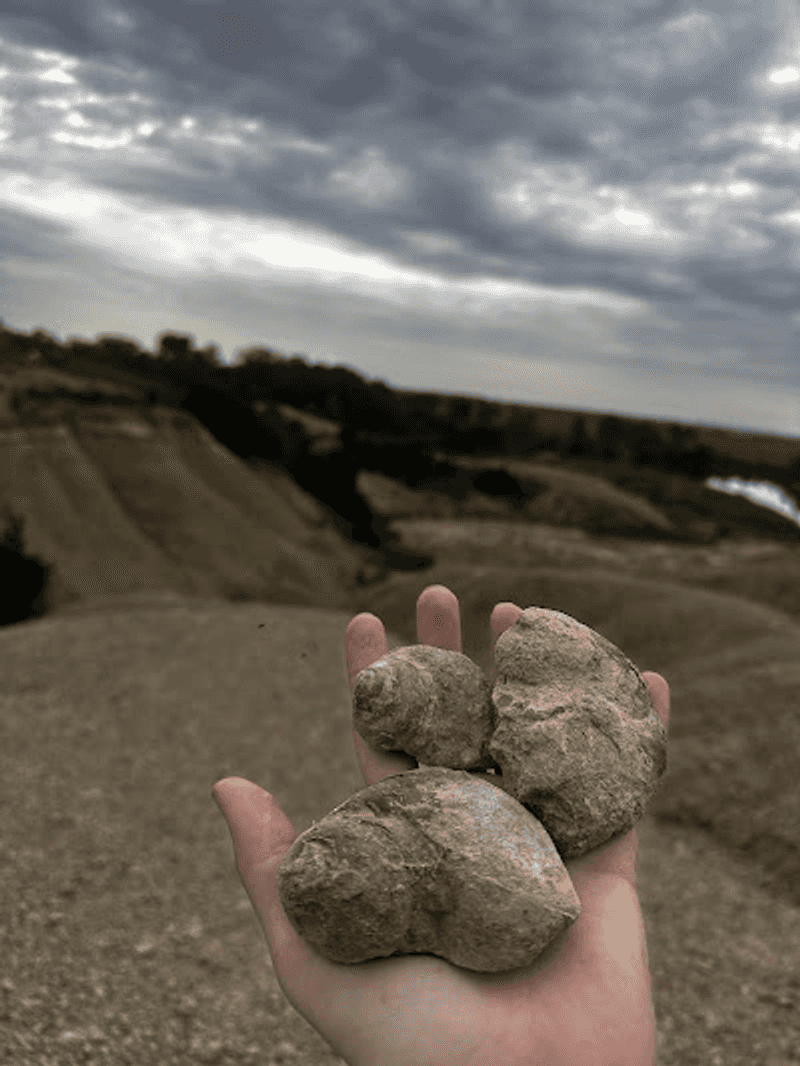
Holding a fossil from the ground you just searched creates a different kind of souvenir. It is not bought from a shelf, and that makes it feel personal.
One special part of Fossil & Prairie Center is the chance to take home favorite fossil finds from the collecting area. These are mostly ancient marine remains, such as shells and corals, not dinosaur bones, which helps visitors understand the park’s true story.
Choose a few pieces that stand out instead of trying to carry everything. Look for clear patterns, interesting shapes, or fossils that remind you of the moment you found them.
Back home, rinse them gently if needed, label them with the place and date, and store them where the story will not be forgotten. A small box, desk display, or classroom show-and-tell can keep the memory alive.
The best finds are not always the biggest, but the ones that make you remember the day.