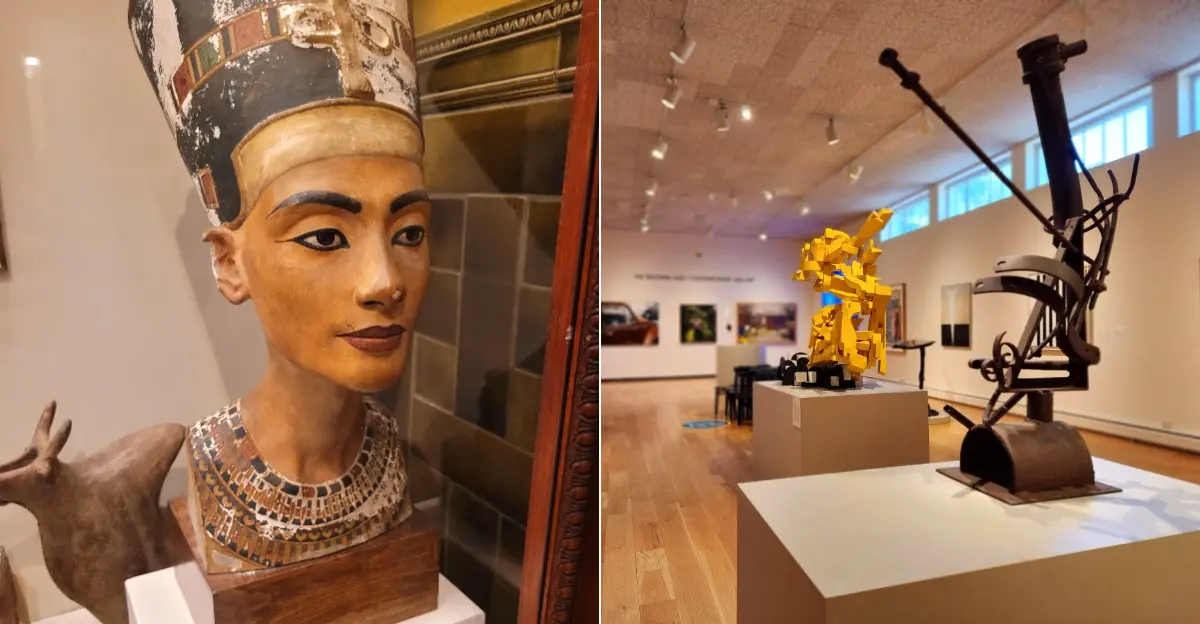
Millions of years ago, dinosaurs roamed across the land that would one day become western Massachusetts, and some of them left their footprints behind.
Today, a museum in downtown Springfield lets kids and grown-ups get close to those ancient clues.
The same building also holds a planetarium where the night sky shows up any time of day, plus animals, minerals, and stories about early humans.
Add in a quad full of other museums, and a single ticket turns into a whole day of discovery. Keep reading to learn what to see, when to go, and how to make the most of every hour inside.
Where the Fossils Hang Out

Some of the best science in New England is hiding in plain sight on a leafy city block. The Springfield Science Museum is one of five museums that make up Springfield Museums, found at 21 Edwards St, Springfield, MA 01103, in the United States.
All of the buildings sit around a grassy quad right in the center of the city. That layout makes it easy to bounce from dinosaurs to fine art to local history without ever moving your car.
Hours are simple to remember. The campus is open Tuesday through Saturday from 10 AM to 5 PM and on Sunday from 11 AM to 5 PM, and it stays closed on Mondays.
Start your trip at the welcome center. That is where you pick up tickets and the wristband that gets you into every museum on the quad.
Keep that band on your wrist all day, since staff check it at each door. Losing it would be a prehistoric-sized headache.
Parking is free in the lot next to the museums, and street spots are often available nearby too.
Footprints From a Lost World
Long before Springfield had streets, the Connecticut River Valley was a muddy playground for dinosaurs. Many of them stomped through soft ground, and the tracks they left hardened into stone.
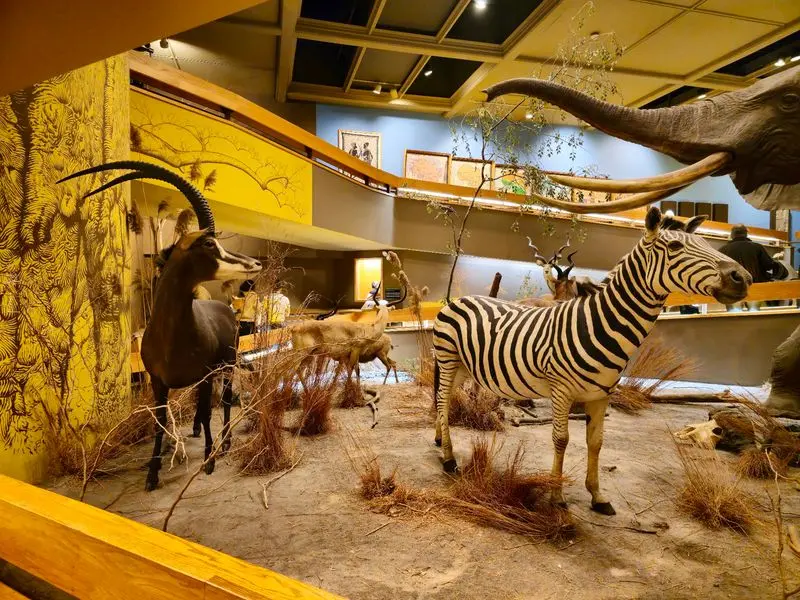
The science museum puts that local story front and center. Its dinosaur area includes fossil tracks from the region, along with a towering dinosaur model that tends to stop young explorers in their tracks.
Here is a fun bit to share in the car ride home. The valley around Springfield is famous among scientists for its dinosaur footprints, which helped early researchers learn how these animals moved.
Fair warning for dino superfans, though. The dinosaur section is a solid part of the museum, but it is not a giant hall packed with skeletons.
Think of it as one great chapter in a much bigger book. Pair the tracks with the rest of the science floors, and the visit feels complete.
Read the signs with your kids and point out the size of each print. Comparing them to your own sneakers makes the lesson stick.
Stars on Demand
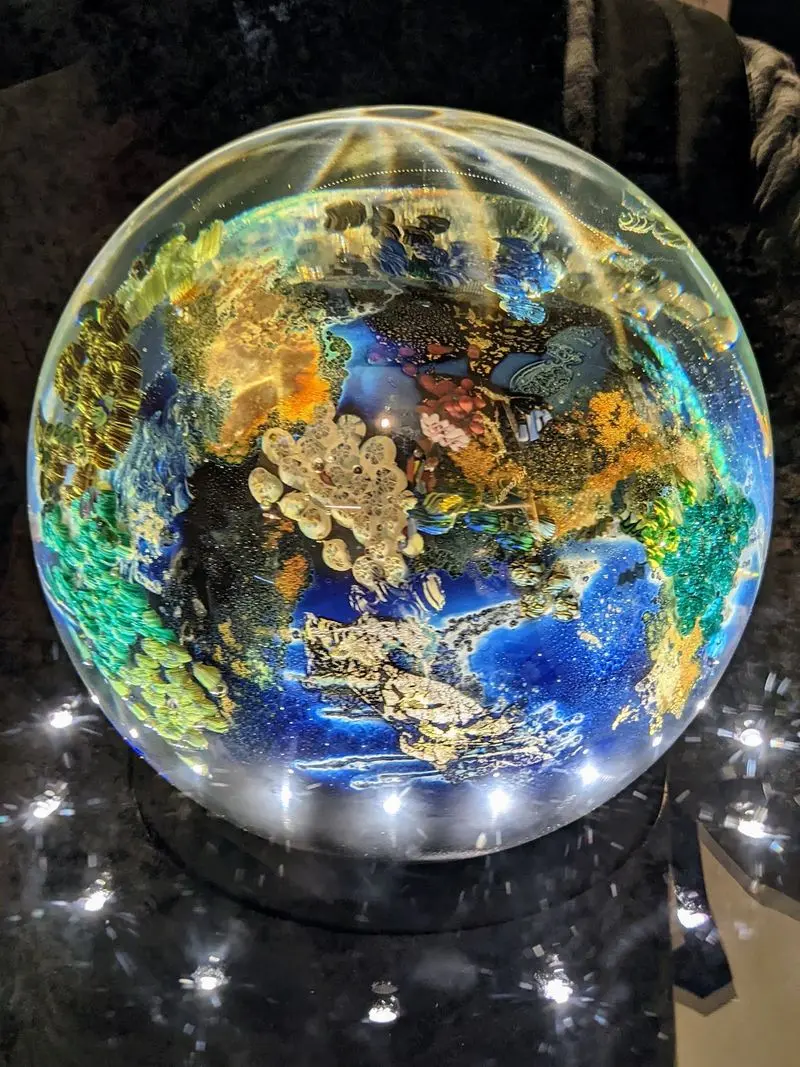
Cloudy night outside? No problem, because the Seymour Planetarium inside the science museum keeps the stars ready all day long.
The domed theater shows the night sky overhead while a program walks you through planets, constellations, and space science. It is a cozy break for tired feet after hours of exhibits.
Planetarium shows usually come with a small extra fee on top of regular admission. On a recent free museum weekend, guests still paid about five dollars for a show, which is a pretty stellar deal.
Show times are set, so check the schedule as soon as you arrive. Grabbing tickets early helps you plan the rest of the day around your seat under the dome.
Fun fact for space fans: the planetarium has a long history in Springfield and is known as one of the older planetariums in the country.
Younger kids sometimes find the dark room a little new. Sit near the aisle, explain what will happen beforehand, and let the universe do the rest.
Meet Your Ancient Relatives
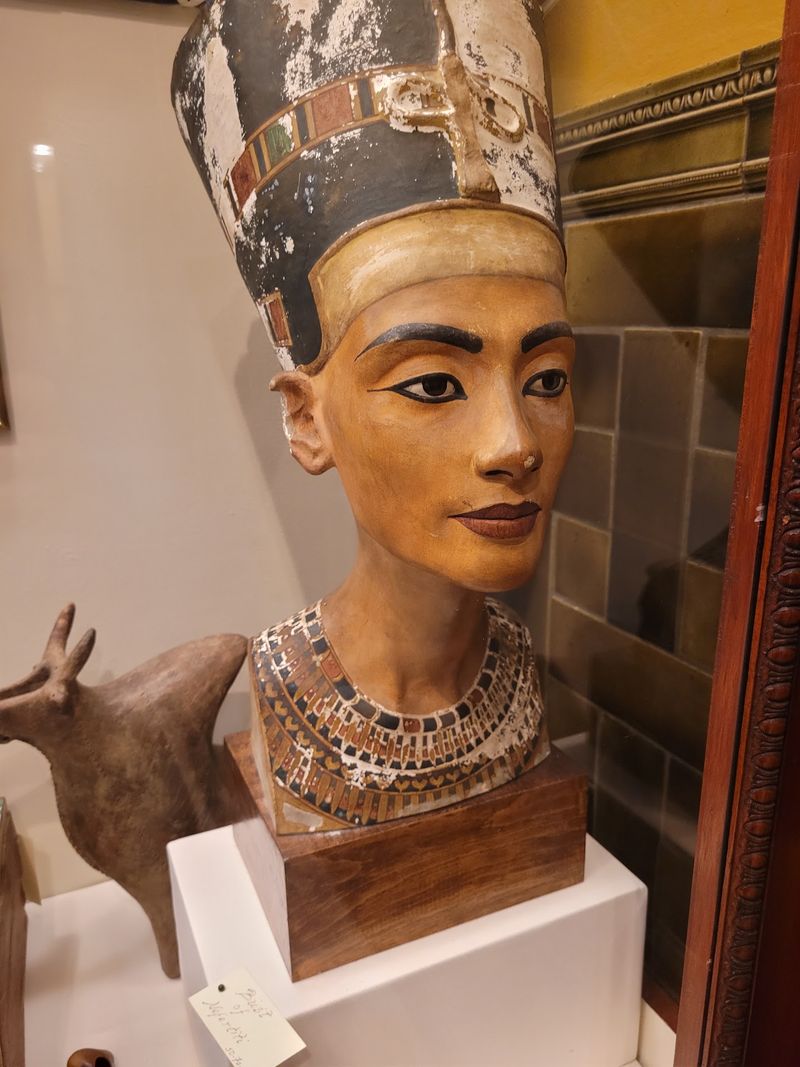
Dinosaurs get the headlines, but the human story might be the sleeper hit of the building. The museum includes exhibits on human evolution and prehistory that many guests end up loving most.
These displays trace how early people lived, built tools, and changed over a very long time. It is a great spot for older kids who ask big questions about where humans came from.
The science museum also explores Native American history and culture. That section connects the land around Springfield to the people who lived here long before the city existed.
Teachers will appreciate how many lessons are packed into these rooms. A single visit can touch on science, history, and geography all at once.
Try a simple game while you walk. Ask your group to guess what each object was used for before reading the label.
Wrong answers are half the fun. By the end, even the shyest kid will be eager to share a favorite discovery from the deep past.
One Wristband, Five Museums
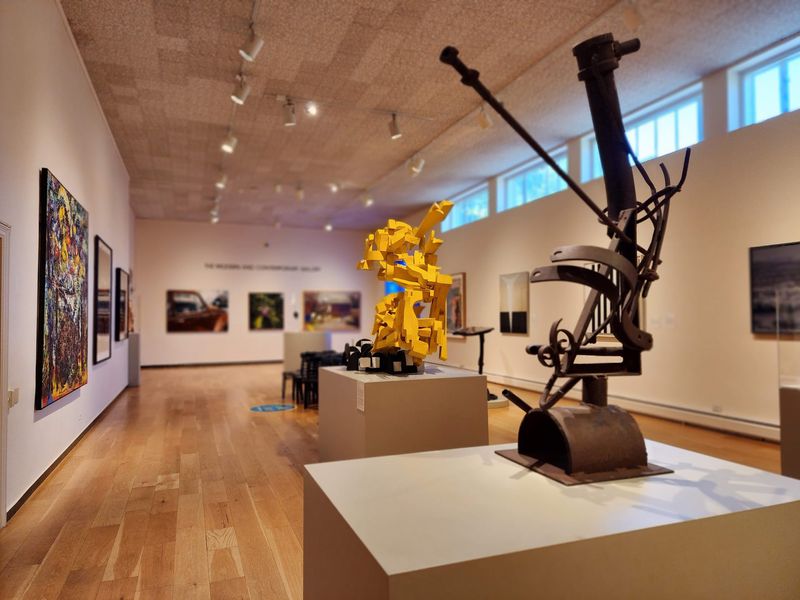
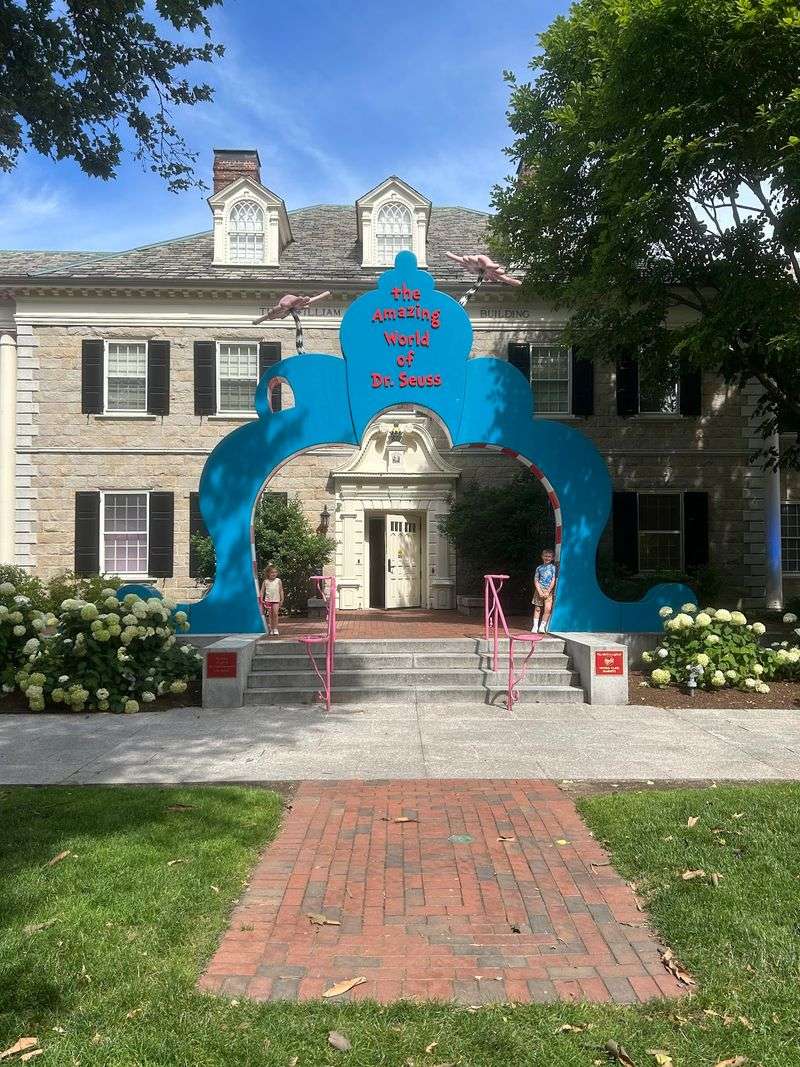
Your science museum ticket opens far more than one door. General admission covers all five museums on the quad, including two art museums, a history museum, and the Amazing World of Dr. Seuss Museum.
The Museum of Springfield History is home to a big collection of old Indian Motorcycles. It also shows how many inventions and firsts came out of this city.
Art lovers can explore the Museum of Fine Arts and the George Walter Vincent Smith Art Museum. Paintings by famous names like Monet hang alongside a well-known collection of Chinese and Japanese objects.
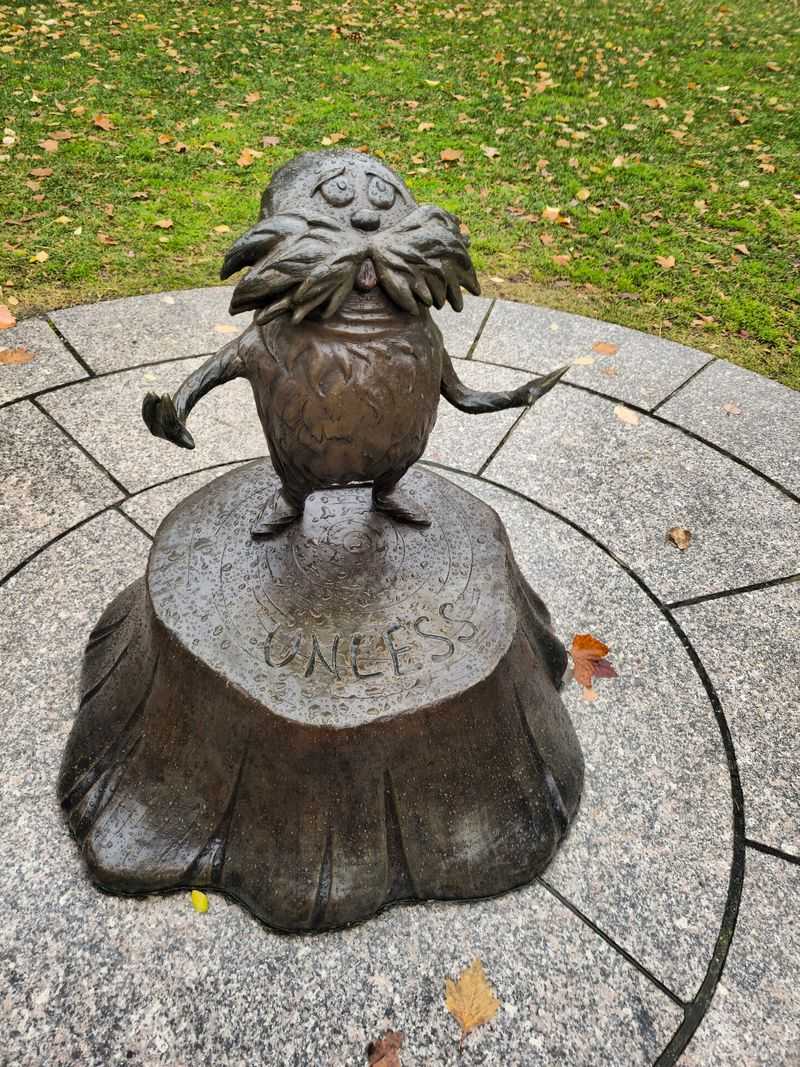
Outside, the Dr. Seuss National Memorial Sculpture Garden is free to enjoy. Kids can pose with Horton, the Lorax, the Grinch, and a giant open book.
Families with two adults have a handy trick. One grown-up can stay with the kids in the Seuss museum while the other slips off to the art galleries.
With so much on one campus, a quick science stop can easily become a full afternoon adventure.
Timing Your Trip Like a Pro
A little planning goes a long way here. School field trips are popular, and busy group days can mean some hands-on areas get reserved for classes.
Checking the museum calendar before you go can help you dodge the biggest crowds. Weekday afternoons and rainy days often feel calmer, though every day is different.
Sunday around noon tends to be busy but not packed. Arriving close to opening time gives you the best shot at the interactive exhibits before groups roll in.
Pace matters too. Seeing all five museums can take three to four hours, and little legs may give out before the last building.
Some families split the visit across two days. That way, the science museum and planetarium get full attention without anyone melting down.
A playground area nearby offers a handy reset button. Kids can burn off energy outside, then head back in ready for round two.
Plan smart, and your trip will feel less like a race and more like a treat.
Ways to Save Some Cash
Good news for budgets: there are several ways to visit for less. Springfield residents can get in free, which is a big perk for locals.
Free admission is also offered on the first Wednesday of the month, so circle that date if you live nearby. Bank of America cardholders can use the Museums on Us program on select weekends.
Members of other science centers in the ASTC network may qualify for free entry too. Bring your membership card and ask at the welcome center.
Regular adult admission has been around 25 dollars, with lower prices for students. Keep in mind that the planetarium usually costs a few dollars extra.
Prices can change, so check the official website before you leave home. A quick look can save you money and surprises at the desk.
Clean restrooms, free parking, and a gift shop with lots of choices round out the trip. The friendly security staff in each building are happy to point you in the right direction.
Dinosaurs, stars, and savings make a pretty winning combo.