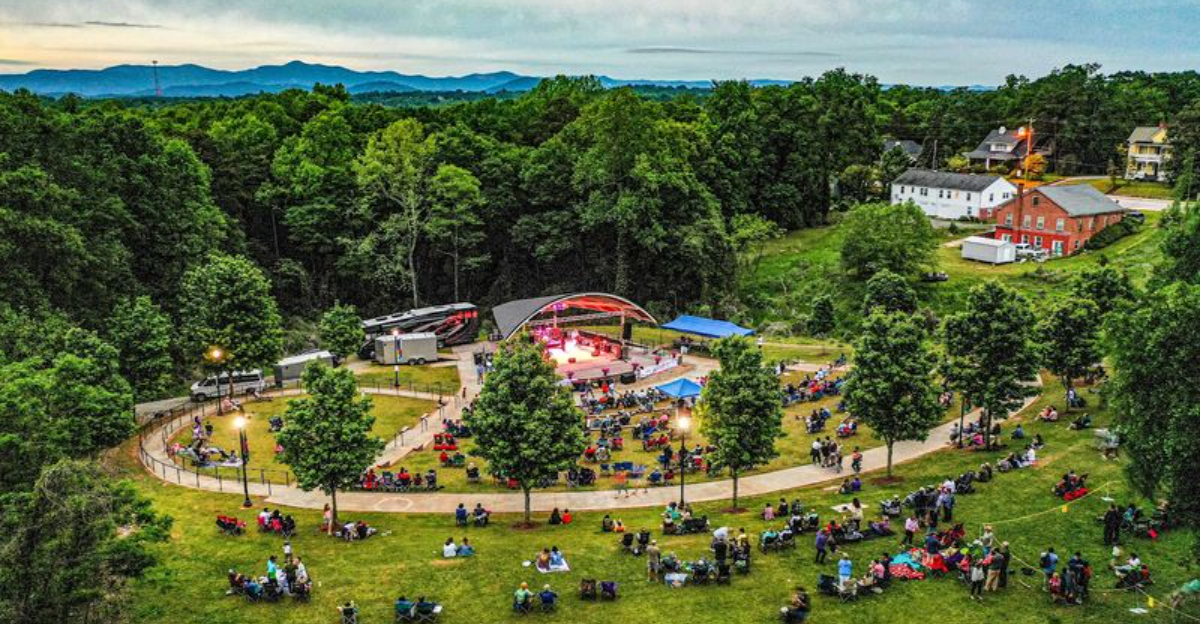
A quiet village street, the sound of water along the marsh, and the charm of old storefronts can reveal a side of South Carolina that many travelers miss. Away from the busiest destinations, smaller communities offer a slower pace filled with history, local traditions, scenic views, and everyday moments that feel wonderfully connected to the past.
Across South Carolina, these charming villages invite visitors to explore historic squares, waterfront paths, mountain foothills, and neighborhoods where stories are still woven into the landscape. From peaceful corners with river views to towns shaped by generations of craftsmanship and community, each stop offers a more personal way to experience the state.
Take a closer look at these 11 South Carolina villages and discover the places where character, history, and local charm come together.
Bluffton Historic District
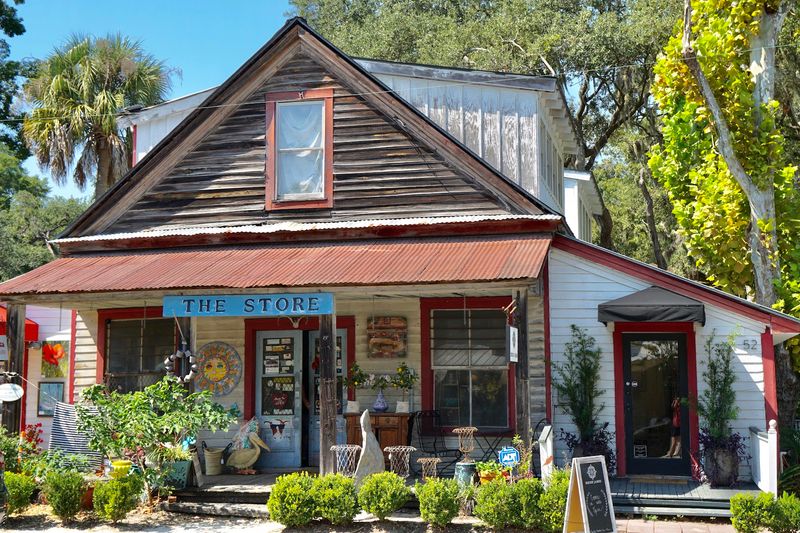
You can feel the mood change here before you notice the details. Sunlight filters through sprawling oaks, front porches sit close to the street, and the river seems to pull everything into a softer rhythm.
Instead of rushing you along, the town invites you to wander and look twice.
That is the charm of Bluffton Historic District, perched near the May River with a mix of galleries, cottages, and easygoing local spots. Boundary Street and nearby side roads are lined with homes and shops that feel lived in rather than staged.
A meal of fresh shrimp or a quiet river view can easily become the highlight of your day.
Bluffton works because it balances polish with personality. You get beauty, yes, but also a grounded sense of place that feels unmistakably Lowcountry.
If you want coastal South Carolina with art, flavor, and room to breathe, this is an easy favorite.
Beaufort Historic District
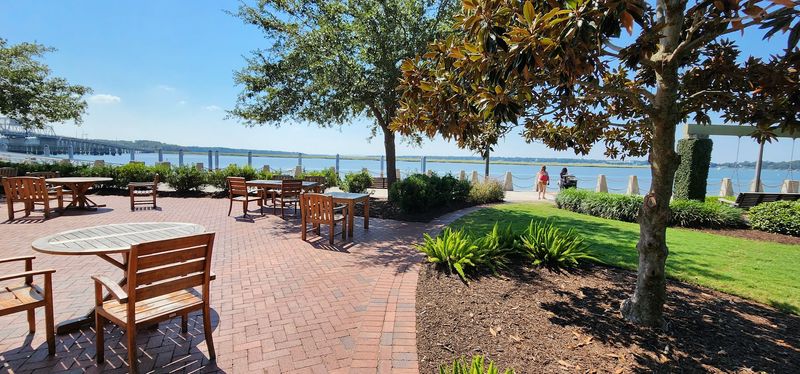
There is a certain kind of beauty that does not need volume. Here, it arrives in the sweep of a veranda, the shimmer of water beside town, and the hush of streets shaded by ancient oaks.
The whole scene feels cinematic, but never artificial.
You understand that quickly in Beaufort Historic District, where centuries-old architecture and waterfront calm shape nearly every block. Bay Street brings together harbor views, inviting restaurants, and storefronts that make strolling feel like an event.
Just beyond it, grand homes and quiet side streets reveal a place that wears history with remarkable ease.
What makes Beaufort memorable is not just how pretty it is, though it truly is. It is the way culture, landscape, and everyday life blend so naturally that you never feel like a bystander.
Visit for the scenery, but stay for the layered, deeply rooted Lowcountry atmosphere.
Edisto Island
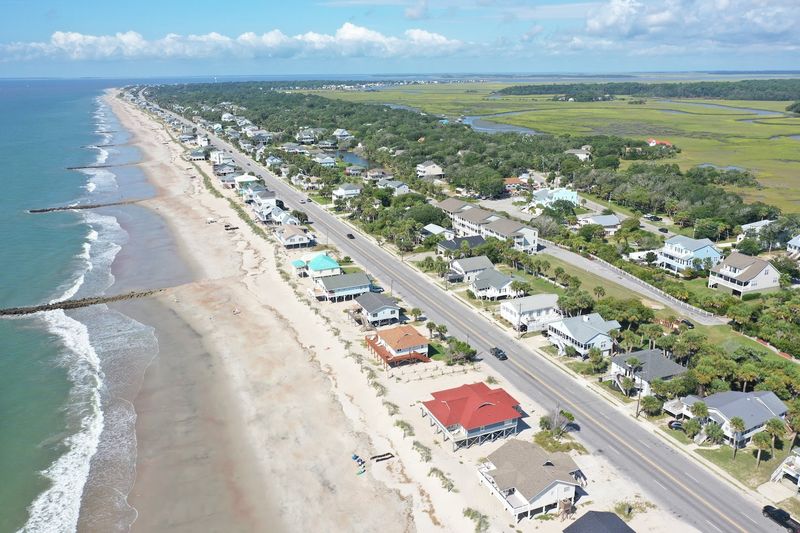
Not every island wants to entertain you every minute. Some are better at helping you exhale, and this one does exactly that with marsh light, beach grass, and roads that seem to ignore the modern rush.
The beauty feels natural, not arranged.
Edisto Island offers a gentler version of the South Carolina coast, where seafood shacks, old trees, and broad stretches of uncrowded shoreline define the experience. You can spend a day on the beach, drive past historic properties, or simply pause at a marsh overlook and watch the tide shift.
Even the busiest moments feel quiet by comparison.
That is why Edisto lingers in your mind after you leave. It gives you space to notice small pleasures – a fresh shrimp basket, a breeze through palmettos, a sunset with no soundtrack except birds and water.
For travelers craving calm, this island feels refreshingly rare.
Pawleys Island
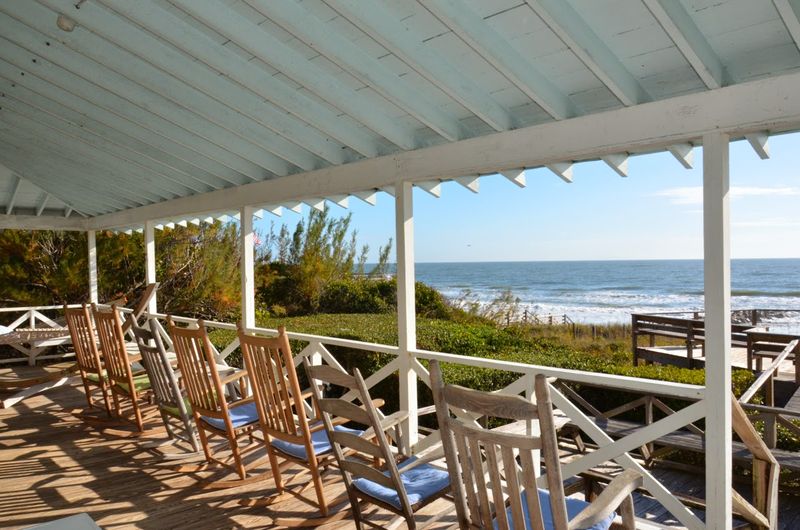
Some beach towns seem built for noise, but this one is built for ease. Breezes move through the marsh, old cottages sit with quiet confidence, and the whole place carries an unfussy sense of tradition.
It feels less like a vacation machine and more like a family story still being told.
That mood defines Pawleys Island, one of the oldest summer communities on the East Coast. Between the causeway views, weathered homes, and fresh coastal meals, there is a graceful simplicity that never feels outdated.
A hammock under the trees somehow makes perfect sense here, and so does an afternoon with nowhere urgent to be.
Pawleys Island is worth visiting when you want the coast without the hard sell. Its appeal is subtle but lasting, shaped by marsh light, local seafood, and a rhythm that asks you to slow down.
In a crowded travel world, that kind of atmosphere feels precious.
Due West
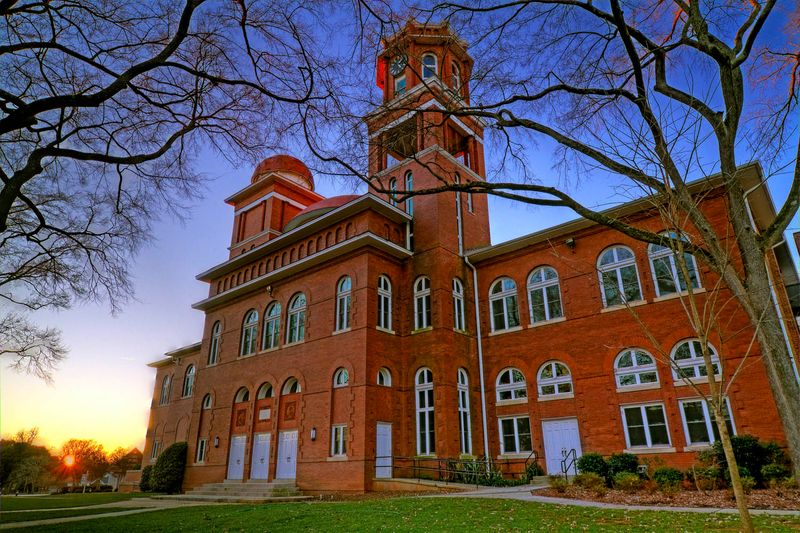
Charm does not always come from dramatic scenery. Sometimes it lives in calm streets, old brick buildings, and the feeling that the town has not forgotten how to be itself.
That quieter kind of appeal can be surprisingly moving when you least expect it.
Due West delivers exactly that with its compact downtown, historic character, and the presence of Erskine College at the heart of the community. The campus lawns and traditional architecture give the village a thoughtful, settled atmosphere that encourages lingering.
A simple drive through town reveals front porches, church steeples, and countryside just beyond the edges.
What makes Due West special is how unforced it feels. There is no grand performance here, only a strong sense of heritage and everyday warmth.
If you want to see a more reflective side of South Carolina, one shaped by learning, faith, and rural quiet, this little Upstate stop is worth your time.
Pickens
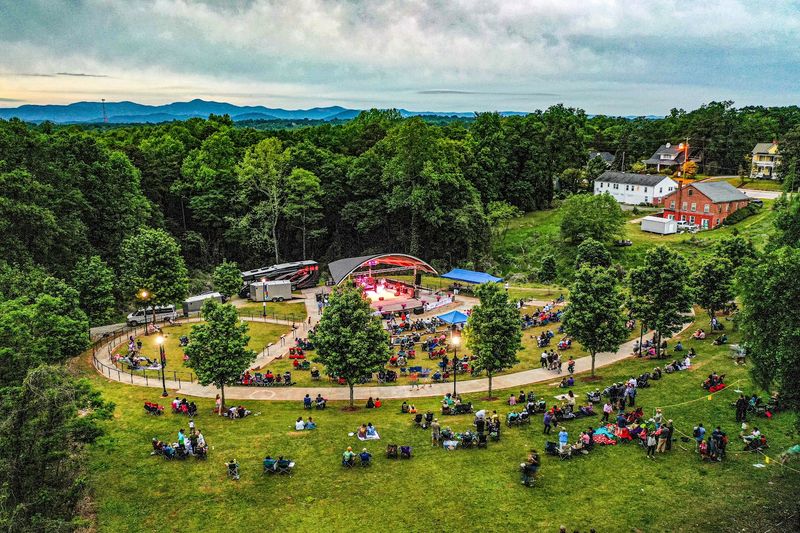
You can sense the foothills before you fully see them. The air feels a little clearer, the roads hint at mountains ahead, and the town carries that sturdy, lived-in character that often defines the best Upstate stops.
It feels practical, friendly, and unexpectedly scenic.
Pickens captures that mood with a downtown shaped by local pride and a landscape tied closely to Appalachian tradition. Nearby views, community events, and historic touches give the town personality without trying too hard.
Stop for a meal, walk the center, and you begin to notice how naturally culture and geography fit together here.
For travelers, Pickens works best as more than a pass-through. It offers a grounded look at rural South Carolina, where festivals, mountain access, and everyday hospitality still matter.
If you want a place that feels authentic rather than polished, Pickens provides a memorable foothills experience with plenty of room to explore beyond the obvious.
Travelers Rest
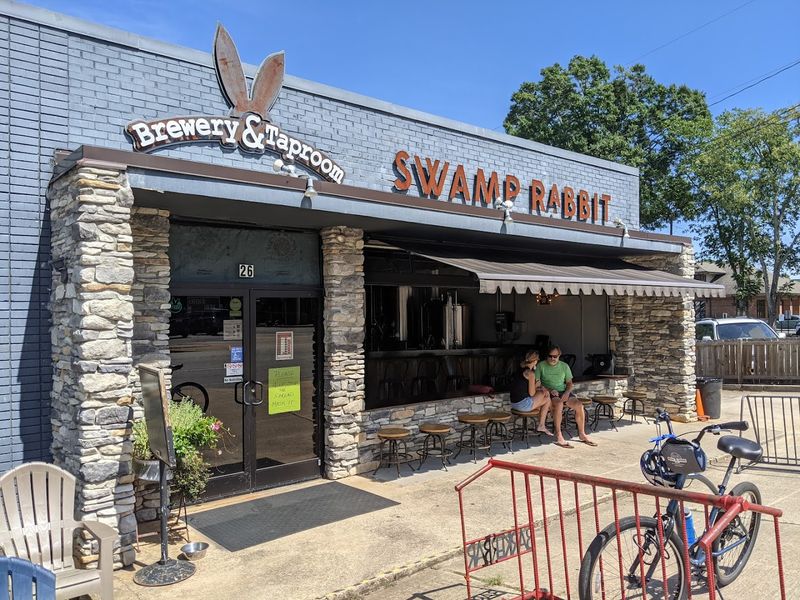
It is hard not to like a town that seems designed for a good afternoon. Bikes glide past patios, people linger over coffee, and the streets feel active without ever turning hectic.
The atmosphere is easygoing, but it still has a pulse.
That balance is what makes Travelers Rest stand out. Once a natural stop on mountain routes, it now pairs a walkable downtown with the beloved Swamp Rabbit Trail, plus restaurants, breweries, and shops that genuinely draw you in.
You can spend the morning riding, the afternoon eating outdoors, and the evening watching the town settle into a comfortable glow.
Travelers Rest feels current without losing its small-town heart. It offers movement, mountain access, and a social energy that still feels local rather than manufactured.
If your favorite places combine outdoor fun with a strong main street, this Upstate village makes a convincing case for staying longer than planned.
Landrum
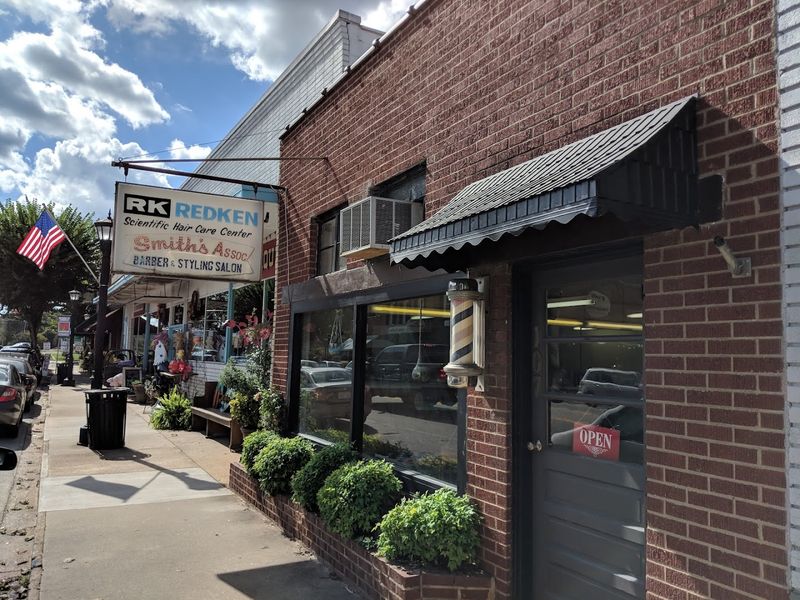
There is something satisfying about a town that knows exactly what it is. Storefronts look tidy but not polished to excess, the mountains feel close enough to influence the light, and the whole place suggests a slower, more deliberate day ahead.
It invites browsing, not rushing.
That is the appeal of Landrum, tucked near the North Carolina line with an antique-loving main street and deep ties to surrounding horse country. You can wander among historic buildings, stop in local shops, and then head out on scenic drives through the Blue Ridge foothills.
The mix of small-town charm and open countryside feels especially easy to settle into.
Landrum is a lovely choice when you want texture over spectacle. Its equestrian culture, vintage finds, and mountain setting create an atmosphere that feels both refined and relaxed.
For a quieter Upstate escape with real personality, this village leaves a graceful and lasting impression.
Camden Historic District

History can feel distant in some places, sealed behind glass and plaques. Here, it remains part of the streetscape, woven into old homes, shaded blocks, and the steady rhythm of downtown life.
The result is a town that feels storied without feeling frozen.
Camden Historic District reveals that beautifully. As South Carolina’s oldest inland city, Camden pairs Revolutionary War significance with elegant houses, museums, and a downtown centered around Broad Street’s inviting mix of shops and restaurants.
You can spend hours wandering, learning, and still have time to sit down for a meal that makes the visit feel personal rather than academic.
Camden is worth your attention because it gives history texture. You are not just reading about the past – you are moving through it, one block at a time.
For travelers who want heritage, beauty, and a genuinely pleasant town center, Camden offers a rewarding and memorable inland escape.
Abbeville Historic District
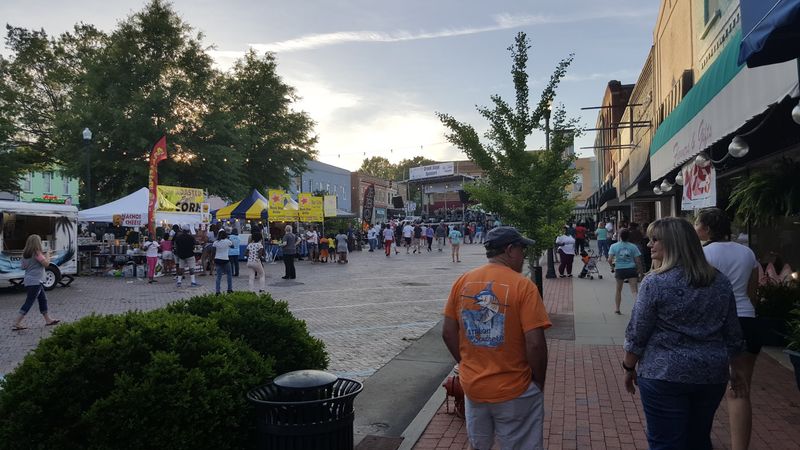
A great town square can make you want to slow down without even realizing it. Brick storefronts, courthouse views, and a few minutes on a bench can suddenly feel more interesting than any packed itinerary.
That is the kind of quiet magnetism at work here.
Abbeville Historic District centers on beautiful Court Square, where restored buildings, local businesses, and deep historical roots create a scene that feels both lively and grounded. The surrounding streets add more architectural charm, while spots to eat or browse give the visit a natural rhythm.
You are not just checking off sights – you are settling into the place for a while.
Abbeville stands out because it feels complete. History, commerce, and community still share the same stage, which gives the town real depth.
If you want a classic South Carolina square with personality, heritage, and an easy pace, Abbeville offers one of the state’s most satisfying small-town experiences.
Georgetown Historic District
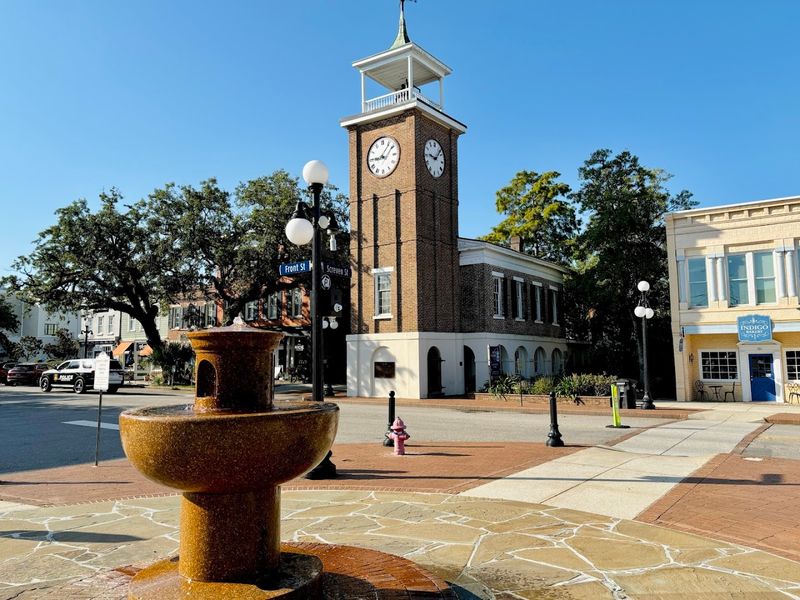
Waterfront towns often compete for attention, but this one earns it with character instead of noise. There is color along the harbor, shade along the streets, and a feeling that boats, buildings, and daily life still belong to the same story.
The mood is lively, yet never frantic.
That story unfolds beautifully in Georgetown Historic District, especially around Front Street where restaurants, galleries, and harbor views come together with ease. Walk a few blocks farther and you find oak-lined streets, older homes, and layers of maritime history that give the town real substance.
It is easy to imagine returning here just for one more sunset by the water.
Georgetown is worth visiting because it feels both scenic and rooted. You get the appeal of a coastal destination, but also a deeper sense of Lowcountry identity shaped by trade, architecture, and place.
For travelers seeking charm with a working harbor soul, Georgetown leaves a strong final impression.