A real hospital for sea turtles sits inside an old brick power plant from 1903.
Some patients even get exam time behind a big glass window where visitors can look in.
The patients arrive with rough stories.
Boat strikes, fishing line tangles, and cold-stunning are common reasons they need help.
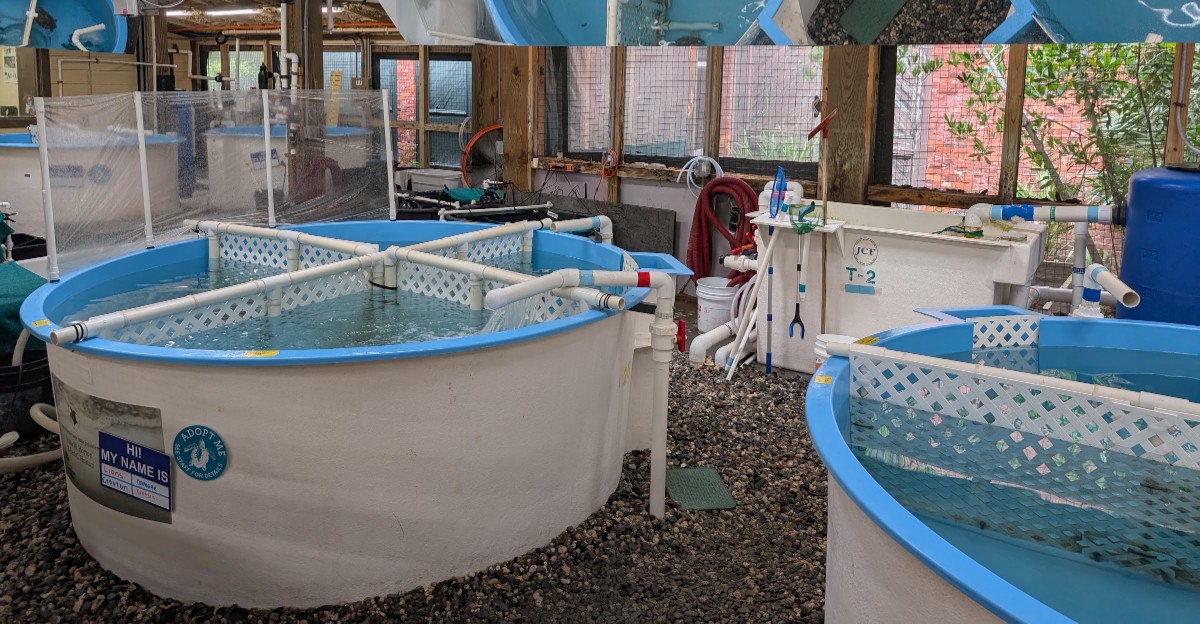
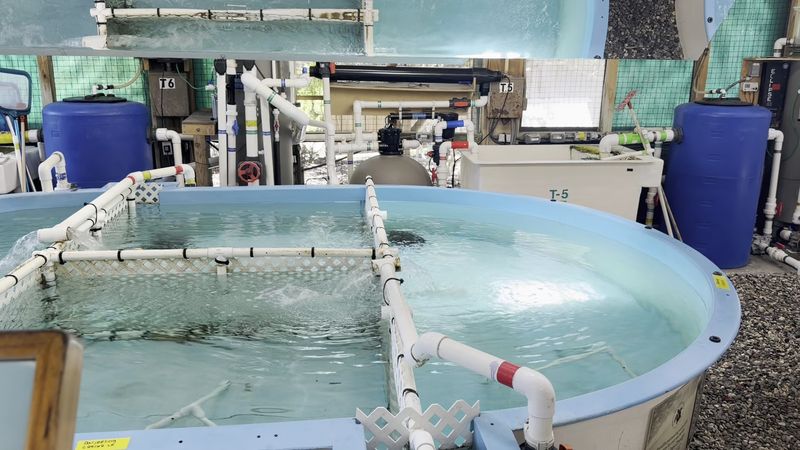
Each tank outside comes with a sign sharing the turtle’s name, species, and reason for the stay.
I like how kids get to cheer for a turtle they just met.
I believe that personal connection sticks longer than any lesson from a textbook.
It turns a beach trip in Georgia into something much bigger.
And the turtles aren’t the only patients here. Snakes, terrapins, and even alligators can end up in this care.
So who will your family root for first?
The Only Turtle Hospital In The State Is Right Here
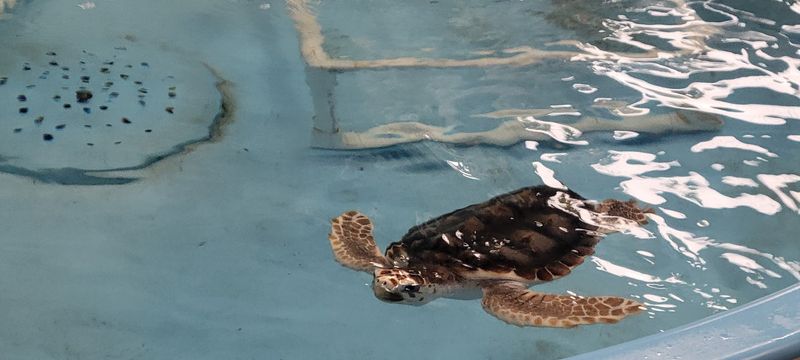
Sick sea turtles in this state once had to travel far for help. The Georgia Sea Turtle Center changed that when it opened in June 2007.
It’s the only sea turtle rehabilitation, research, and education hospital in Georgia. That makes it a big deal for the whole coast, not just one island.
The center grew from the work of Dr. Terry Norton and the Jekyll Island Authority. Their goal was simple but bold: give injured turtles local care and a real shot at recovery.
Before, a hurt turtle found on a Georgia beach faced long trips to neighboring states. Every hour on the road was stress a weak animal didn’t need.
Now the hospital sits close to the beaches where many patients are found. Kids tend to love hearing that fact, because it makes the place feel like a rescue station.
It also helps to know your visit matters. Admission money helps cover the cost of caring for patients.
So buying a ticket isn’t just entry to an exhibit. It’s a small part in a real rescue story.
That’s a pretty good trade for an afternoon off the sand.
Meet The Patients Waiting In The Rehabilitation Pavilion
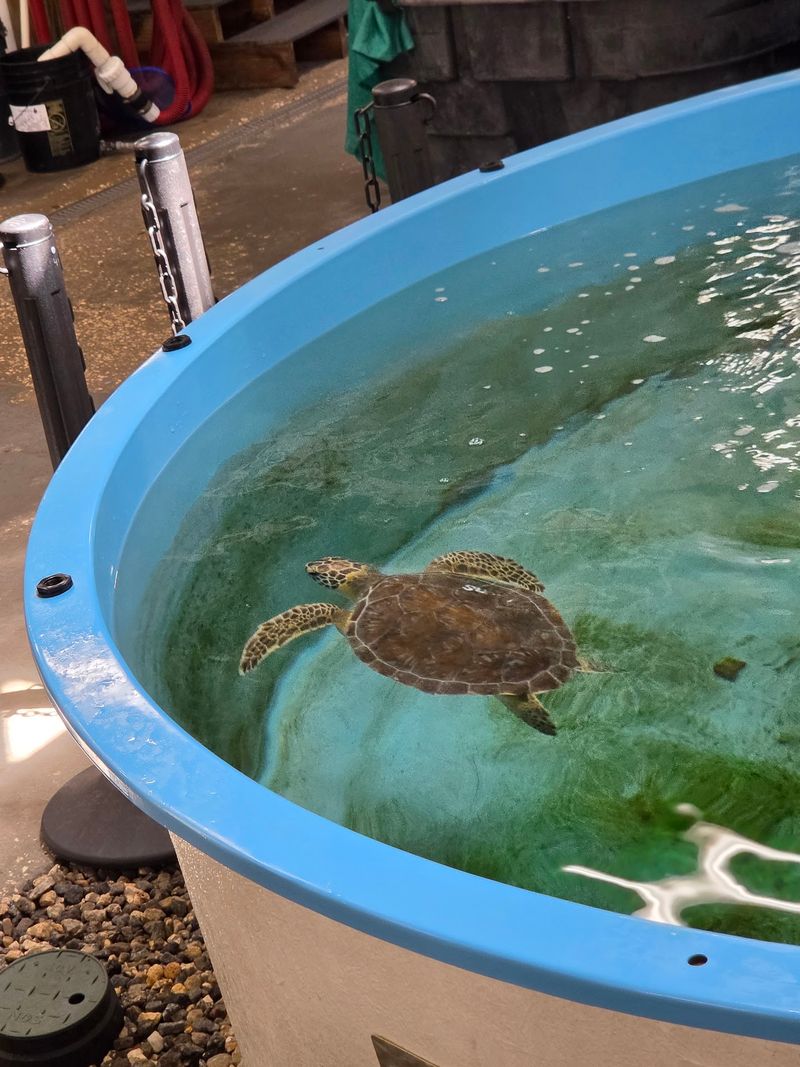
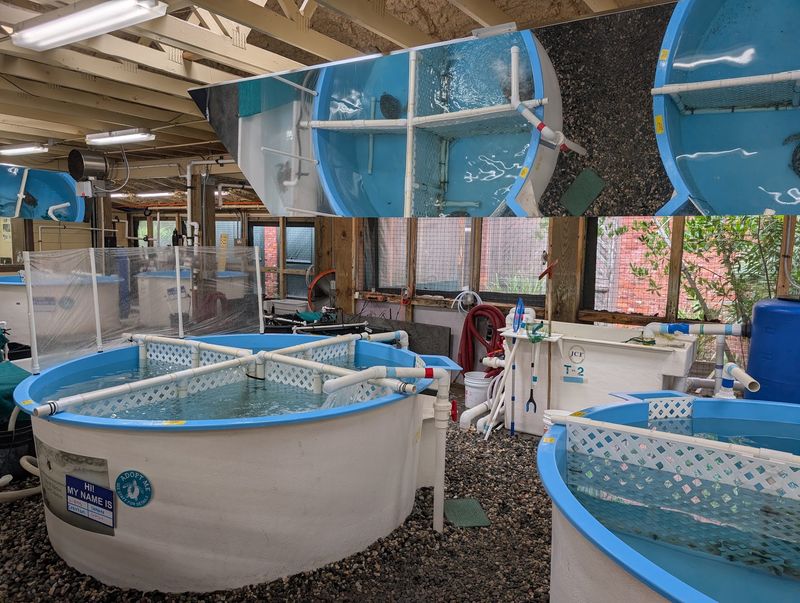
Every tank here has a name tag. Signs share each turtle’s name, species, and why it needs care.
That small detail changes everything for kids. Suddenly the turtle isn’t just an animal, it’s a patient with a story worth following.
The Rehabilitation Pavilion is where visitors see sea turtles recovering. Many arrive after boat strikes, fishing gear tangles, or cold-stunning.
Cold-stunning happens when water turns too cold for turtles. They get sluggish and can’t swim well, so they need warmth and care.
Don’t be surprised if some tanks are empty. That usually means patients went home to the ocean, which is the whole point.
Staff and volunteers sometimes give short talks in the rehab area. Topics can include turtle species, care goals, and why red lights matter at night.
My tip? Let your kids pick a favorite patient and read its full sign together.
Ask them to explain the turtle’s story back to you.
Kids often remember that turtle’s name long after the trip ends. Some families even follow along later, hoping for release news.
Peek Through The Glass At A Real Turtle Exam Room
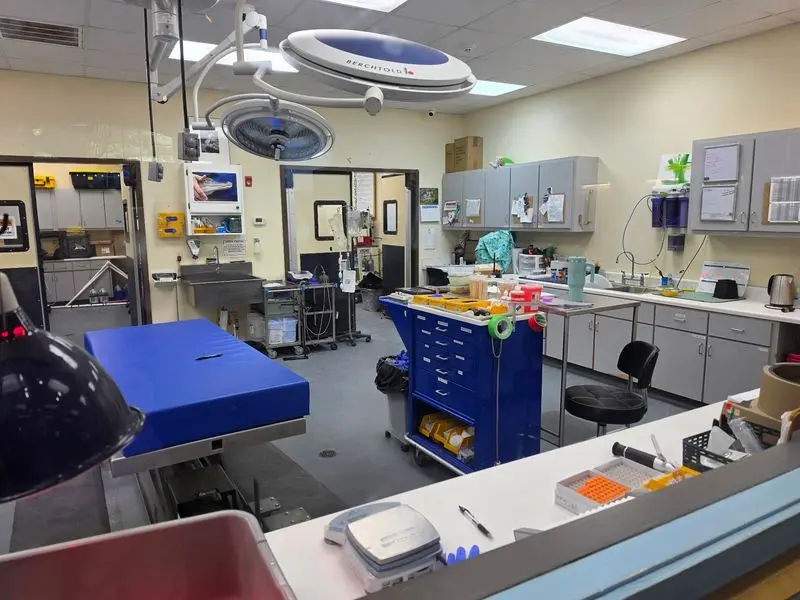
Most hospitals keep the exam room private. This one puts it behind a big glass window in the exhibit gallery.
Sick and injured turtles get medical exams and treatments in this space. Depending on timing, visitors may catch staff checking on a patient.
Nothing is scheduled for show, so every visit is different. One day might be quiet, and another might include a real procedure.
That surprise factor is half the fun. Kids can press close and watch the careful work up close.
It’s a great chance to talk about careers too. Veterinarians and marine scientists do this work every day.
A child who loves animals might leave with a brand-new dream job. Honestly, it beats most career days at school.
Short kids may need a little lift to see well. Be ready to help them get a clear view.
Bring questions, because staff in the building often love sharing what’s happening. You might learn how turtles are kept calm and steady.
Watching healing happen in real time makes the whole mission feel personal. It’s hard to forget that kind of moment.
Hands-On Exhibits Make Rainy Days A Win
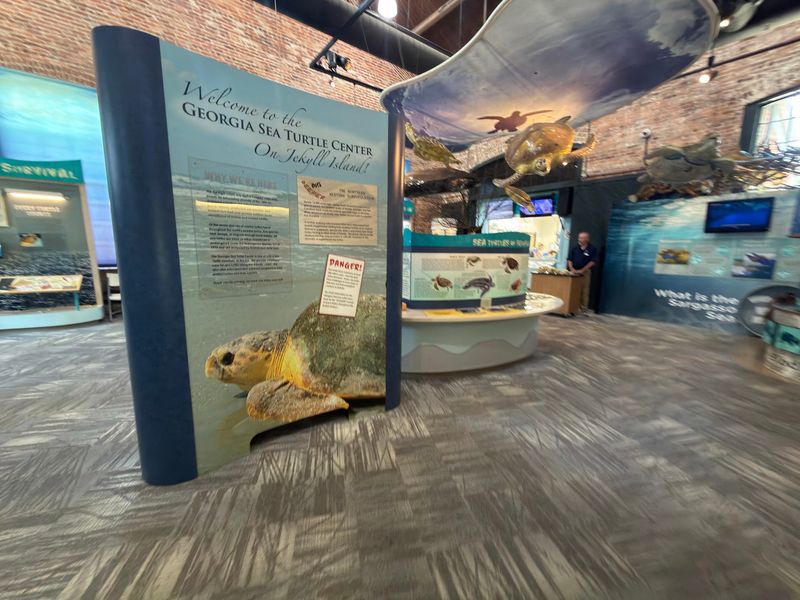
Rain on a beach vacation can feel like a disaster. At the Georgia Sea Turtle Center, it’s just an excuse to go inside.
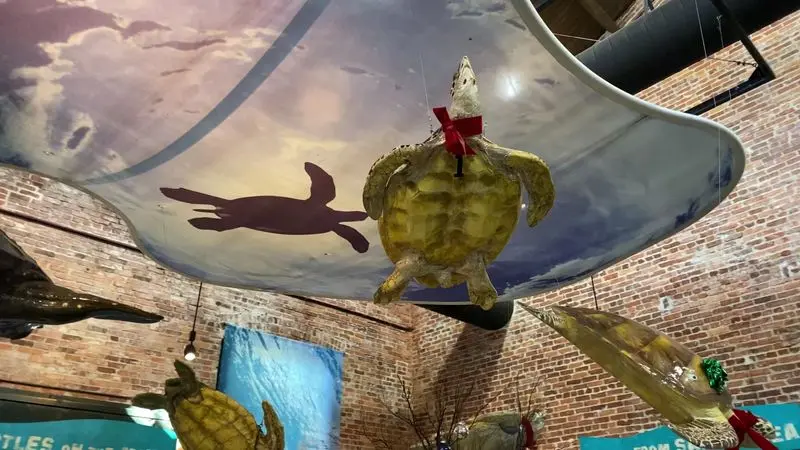
The indoor exhibit area covers sea turtle life cycles and migration. It also explains the role turtles play in a healthy ocean.
Kids can learn how turtles find their way across huge distances. They can also practice telling different species apart.
Some stations are interactive, which helps younger visitors stay engaged. Little hands like having something to do besides read.
There’s plenty of reading, though, so older kids may get the most out of it. Younger ones might need a parent to read aloud.
The exhibit space isn’t huge, so plan your time well. You can see it and still have plenty of daylight left.
Photos and details from past turtle patients appear throughout. These real cases help connect the lessons to actual animals.
My suggestion is to visit the indoor area first. Then head outside to the pavilion, where those lessons suddenly swim right in front of you.
Turtles Get Top Billing, But The Guest List Runs Long
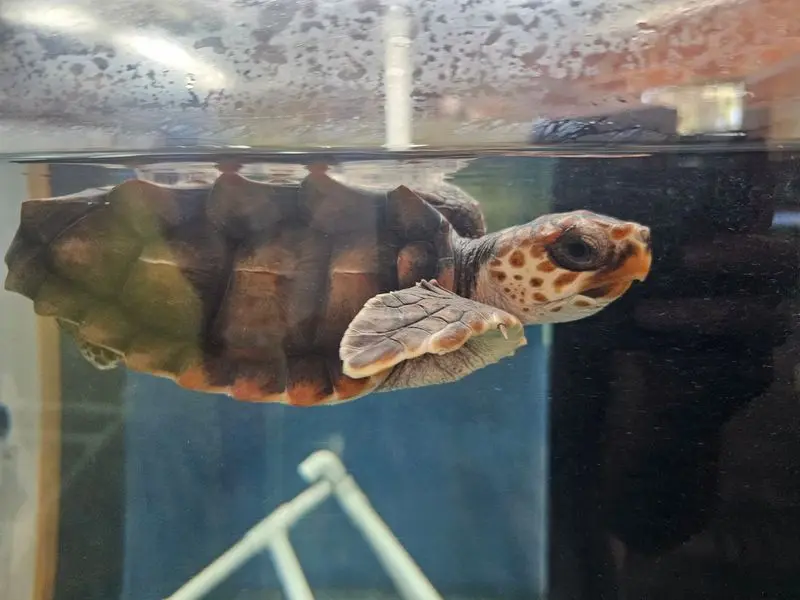
Gopher tortoises, box turtles, snakes, alligators, and birds can all end up here. Sea turtles are the stars, but the care reaches much further.
That wider focus shows how connected Jekyll Island’s wildlife really is. One healthy habitat helps many creatures at once.
Diamondback terrapins get special attention through a program called Rescue, Raise & Release. Sadly, many female terrapins are struck by cars on the Jekyll Island Causeway while trying to nest.
Staff collect intact eggs from these females and incubate them carefully. Temperatures are set to produce more female hatchlings, helping replace lost mothers.
The babies are raised until they’re bigger and stronger. Then they’re released back into the wild with better odds.
Kids usually love seeing the small terrapins up close. Their patterned shells look like tiny works of art.
Here’s a family takeaway too. When you drive the causeway, slow down and watch the road during nesting season.
It’s a simple lesson kids can actually use. Spotting a terrapin crossing might be the most exciting car ride of the trip.
Go Behind The Scenes Or Ride Along With Night Patrol
General admission is great, but curious kids may want more. Special programs take things deeper.
Behind the Scenes tours give a closer look at how the hospital works. You’ll see more of the care that happens beyond public view.
During nesting season, there’s also the Ride with Night Patrol program. Guests join biologists on the beach to look for turtle crawls and nesting activity.
Picture explaining that to your kids at bedtime. A beach trip after dark with real scientists sounds like pure adventure.
These programs often need reservations ahead of time. Popular dates can fill quickly, so plan early.
Offerings change by season, so check what’s running before your trip. Nesting programs follow the turtles’ calendar, not ours.
The center also runs education programs for groups. School classes, scout troops, and summer campers can all take part.
Topics include turtle adaptations, behaviors, and threats along Georgia’s coast. For a kid who can’t stop asking questions, this is the jackpot.
Bring patience for the night patrol. Nature keeps its own schedule.
A 1903 Power Plant Now Powers Turtle Recovery
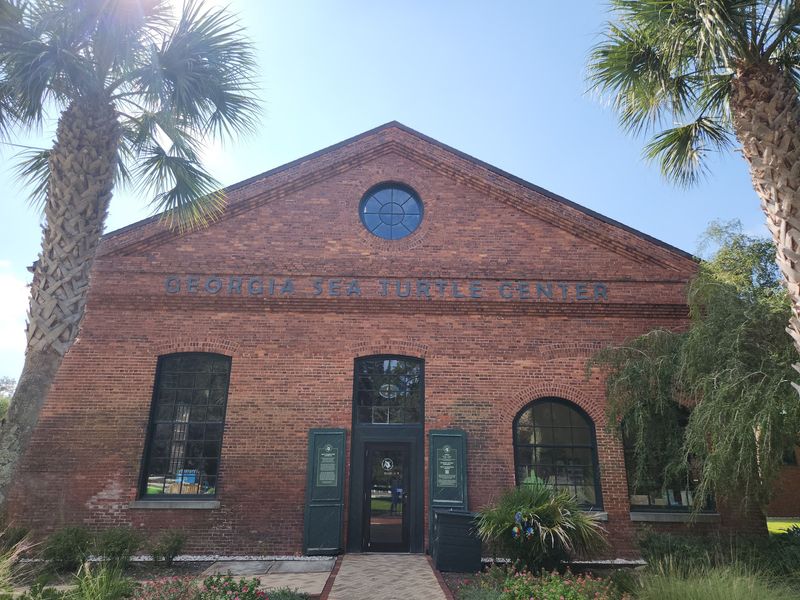
Old buildings don’t usually get second careers this cool. The center was built on the site of Jekyll Island’s original 1903 power plant.
Much of that historic brick building was preserved. It now blends with modern hospital spaces.
You’ll find it in the Jekyll Island Historic District. That district is listed on the National Register of Historic Places.
The building counts as a contributing structure there. So your visit mixes wildlife with a real slice of island history.
Here’s a fun question for kids. What used to make electricity here, and what does the building power now?
The answer is turtle recovery, of course. It’s a clever way to show how old places can serve new purposes.
The Historic District is worth a stroll before or after your visit. It’s full of history from the island’s past.
The address is 214 Stable Rd, Jekyll Island, GA 31527. Parking makes the stop easy to fit into a busy day.
Once you know the story, the brick walls feel more meaningful. History and rescue share the same roof.
Your Ticket Quietly Pays For Turtle Care
Money spent here goes back to the patients. Admission helps offset the big costs of running the hospital.
Food, medicine, and care for injured animals all add up. Every visitor helps keep that work going.
The Georgia Sea Turtle Center is open daily from 9 AM to 5 PM. That gives families plenty of flexibility around beach time.
Kids three and under get in free. Children, adults, and seniors each have their own ticket level, so check current rates before you go.
Most families can see the general exhibits in about an hour. Add time if you’re catching a talk or a tour.
Want to help even more? The center offers symbolic turtle adoptions and memberships.
Those programs support research, education, and rehabilitation. An adoption can also make a sweet gift for a turtle-crazy child.
It’s a nice lesson in giving back, too. Kids learn that doing good and having fun can happen at the same time.
Not a bad deal for one stop in Georgia. You leave with memories, and a turtle gets better care.
Save Room In The Suitcase For The Gift Shop
You enter through the gift shop, so resistance is nearly impossible. Good news: shopping here helps the turtles too.
Every purchase supports rehabilitation, research, and education. That makes souvenir shopping feel a lot less guilty.
The shelves carry sea turtle and marine life items. Think sweatshirts, toys, and jewelry for every age.
Kids may want a plush turtle that matches a patient they met. Honestly, that’s a sweet way to remember the visit.
Look for turtle-safe lighting while you browse. These lights matter on the beach during nesting season, from May through October.
Regular flashlights are prohibited near nesting areas then. Bright white light can confuse nesting turtles and hatchlings.
Turtle-safe lights let your family explore at night more responsibly. Kids feel like real helpers carrying one.
It’s a practical buy that teaches a lesson. You’ll use it the very same evening on a Georgia beach.
So budget a little time here before you leave. The turtles will appreciate it, even if your wallet sighs a bit.