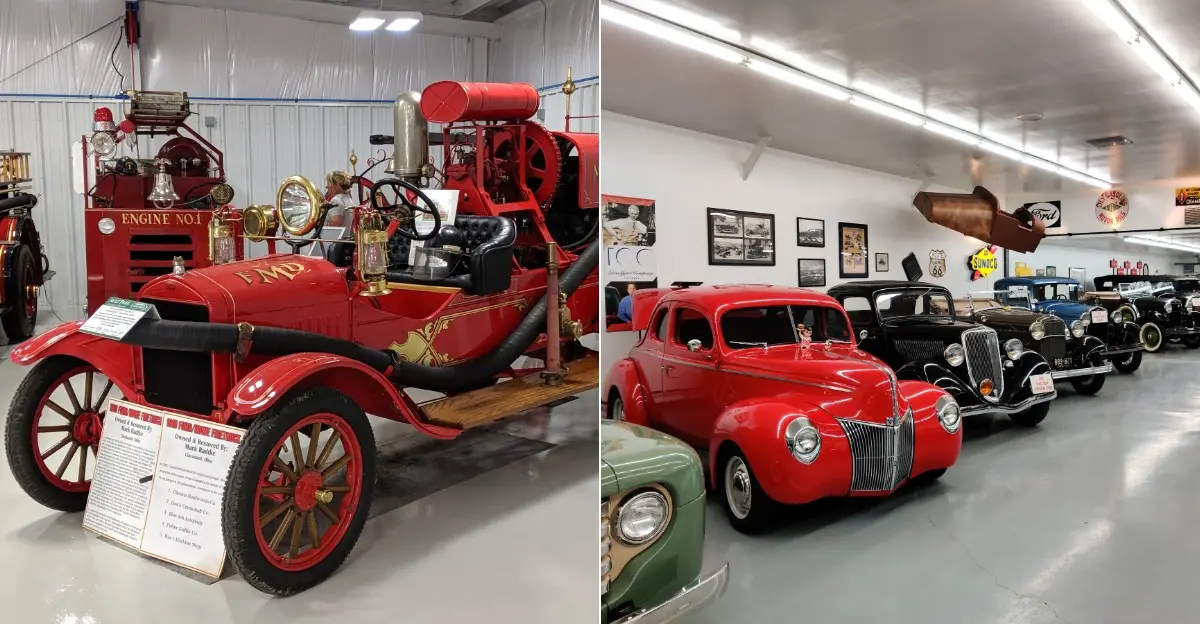
Polished chrome, glossy paint, and a whiff of old-school garage nostalgia greet you the moment you step inside.
The Salty Dog Museum sits along Cincinnati Brookville Road in tiny Shandon, tucked into the countryside of southwest Ohio.
Inside, rows of vintage cars shine under the lights, each one telling a story from a different era of the open road.
Nostalgic memorabilia adds even more character, turning the whole collection into a trip down memory lane.
Car lovers can spend ages admiring the details, while casual visitors simply enjoy the eye candy.
Check the hours before you go, bring a camera, and give yourself time to take in every gleaming ride.
A Small Stop With Three Buildings to Explore
From the road, it may look like a quick stop with little to see. Visitors have reported a bigger surprise: the museum spreads across three buildings. That makes it a place to explore at an easy pace rather than rush through between other plans.
The Salty Dog Museum sits at 4985 Cincinnati Brookville Rd, Shandon, OH 45063. Its quiet setting helps explain why some drivers miss it, even after passing by for years. Inside, the collection moves beyond one kind of vehicle, with old cars, race cars, and historic fire equipment.
Give yourself enough time to walk through every building, since a favorite display might be in the last one you enter. Visitors have noted that the fire equipment is in a later building, so do not turn around after seeing the cars. If you are traveling with someone who has different interests, the variety gives you plenty to compare.
Before leaving home, check the museum website or call about tours and opening times. A recent visitor reported arriving during listed hours and finding it closed, while others recommend arranging a visit ahead of time. Planning first can turn an easy-to-miss roadside stop into a relaxed outing with room for questions and discovery.
Old Cars That Show How Driving Changed
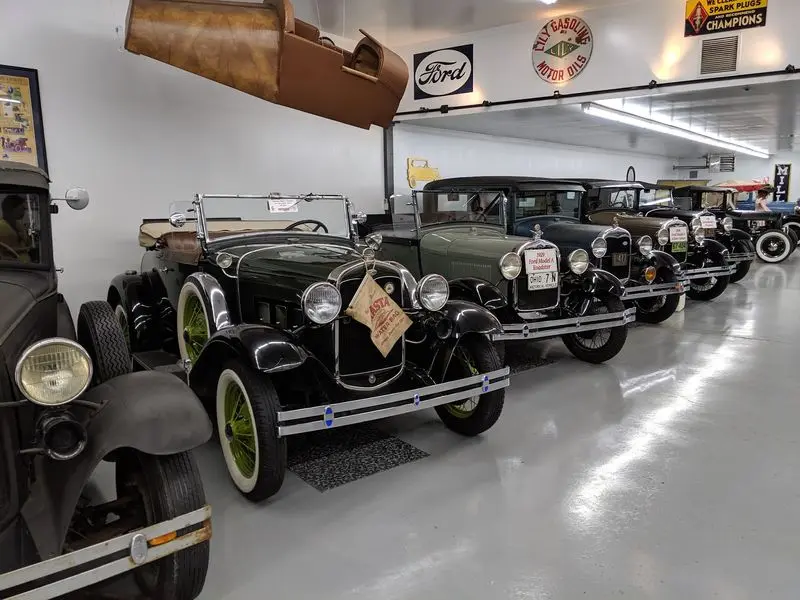
Imagine taking a family trip in a car with a far simpler dashboard than the one you know today. The museum’s older automobiles make that change easy to picture. Visitors mention Ford Model A and Model T cars, along with other early vehicles that reward a close, careful look.
Start with the shapes rather than trying to name every model. Notice the upright bodies, narrow tires, and exposed details that stand apart from modern cars. A younger visitor might enjoy finding a familiar part, such as a steering wheel or headlight, then spotting how different it looks here.
For adults, the collection can bring back stories heard from parents or grandparents. Use those memories as conversation starters, but let the vehicles tell their own story too. Ask a guide which cars were common on everyday roads and which had a more unusual purpose.
Photos can help you remember small details later, provided staff say photography is allowed. Keep hands off the vehicles unless a guide clearly invites you to touch something. These machines have lasted for many decades, and careful visitors help keep them ready for the next curious family. You do not need to be an expert to enjoy the simple thrill of seeing them together.
Race Cars With Salt Flats Stories
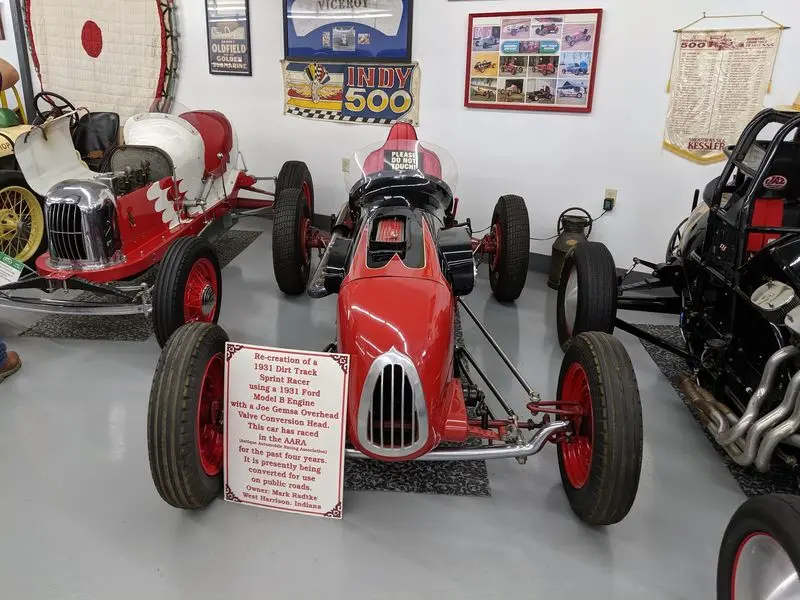
Not every old car was built for a gentle Sunday ride. Visitors describe vehicles at the museum with ties to runs on the salt flats, where drivers test how fast their machines can go. That racing connection gives the collection a lively side, even while the cars are standing still.
Look for features that seem made for speed rather than comfort. A low shape, a compact seat, or a stripped back body can lead to a good question for a guide. Ask how a racing car differs from the road cars nearby, and which parts needed special care before a run.
Racing stories can be fun for children who think museums are always quiet or serious. Have them choose one vehicle and describe what they notice before reading any signs or hearing an explanation. Their first guesses may spark a conversation about design, safety, and the hard work behind a fast drive.
Remember that a display car’s history may be more complex than it looks. Rather than assuming a speed record or a famous driver, ask staff for the story of that particular vehicle. The best part of this section is connecting a machine you can see with the people who prepared it to race.
Fire Trucks That Steal the Show
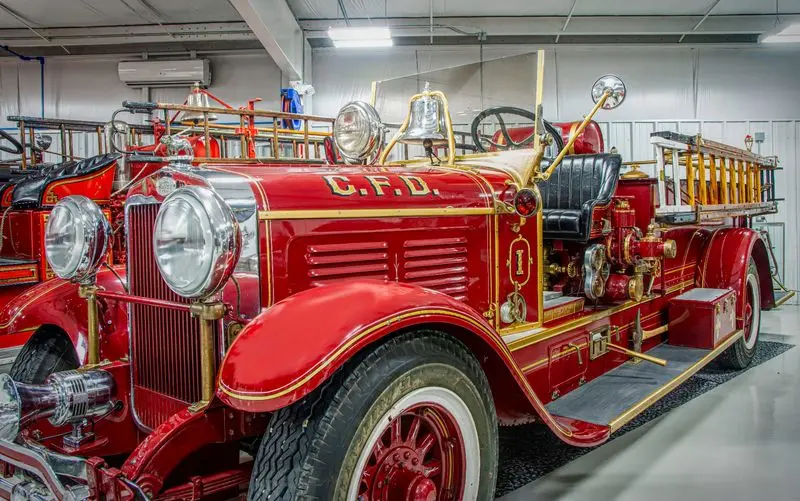
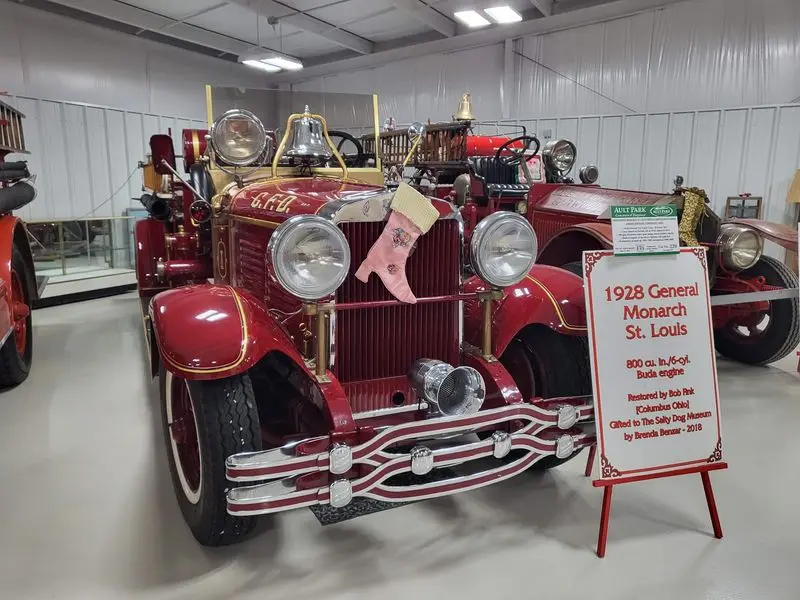
Bright paint and big wheels can pull your eyes away from the cars in a hurry. Many visitors single out the antique fire trucks as a highlight of the museum. The collection offers a chance to see how firefighters once carried people, water, hoses, and tools to an emergency.
Take time to compare the trucks instead of treating them as one long row. Look at where a crew might have ridden and how equipment was stored. Bells, ladders, and other visible details can help children imagine the work involved, while a guide can explain what each piece actually did.
Visitors have praised the stories they heard about operating older fire trucks. That makes this a good place to ask practical questions: How many people were needed, and what happened when a truck reached a fire? The answers may show why newer equipment changed over time.
Some visitors have reported special hands-on moments, but do not expect to climb aboard. Ask permission before touching a bell, opening a compartment, or helping a child into any vehicle. Even without climbing inside, standing close enough to study the tools can make an old fire engine feel less like a movie prop and more like a machine people depended on.
Restoration Work Behind the Shine
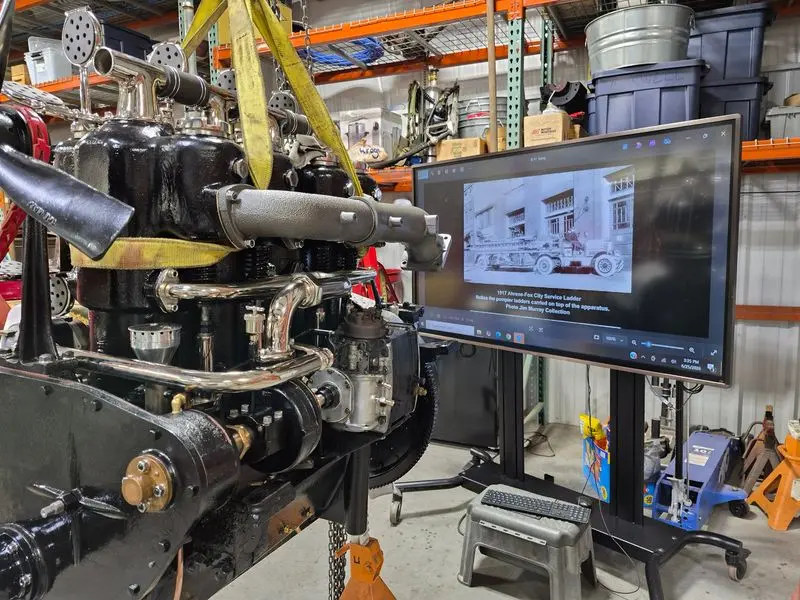
Shiny paint is easy to admire, but keeping an old vehicle alive takes more than a good wash. Visitors have reported that antique fire trucks are restored on site. That work adds another layer to the museum: some vehicles have been saved through patient repairs and careful attention.
Look beyond the finished surface when you tour. Ask what parts were hardest to find, how workers learn the original design, and which repairs help a vehicle stay safe to display. A guide may be able to explain how restoration differs from simply making something look new.
This can be an especially good topic for anyone who likes building, fixing, or taking things apart. An old truck has many connected systems, and one small missing piece can slow a whole project. Seeing the results may help children understand that making something useful again takes planning as well as tools.
Keep a respectful distance from any work area and follow staff directions. Tools, loose parts, and unfinished equipment may not be safe to handle. If you want to support the collection, ask staff what helps most, whether that means a donation, sharing your visit, or returning with someone who enjoys mechanical history. The careful work behind the displays deserves attention too.
Guides Who Bring the Machines to Life
A row of vehicles can tell you plenty, but a good guide can make the details stick. Several visitors describe friendly tours and staff who welcome questions. Reviews often mention Mark, who has shared stories about the cars, fire trucks, and work behind the collection.
If a guided visit is available, bring the questions you might otherwise leave unasked. Why does one truck have a different shape from another? What drew the collectors to a certain car? Simple questions can open up stories that a quick look at a display might miss.
Families can make the tour more enjoyable by giving everyone a small task. One person can watch for unusual wheels, another for old tools, and another for a vehicle they would like to learn more about. Share those choices with the guide when there is a good moment to ask.
Because a small museum may not have someone ready for every unplanned arrival, contact it before your trip to ask about tour arrangements. A recent reviewer advised scheduling online, while others suggested calling ahead. Confirm the current process directly rather than relying on an older review. Once you are there, leave time to listen instead of racing through every room.
Memorabilia That Fills In the Story
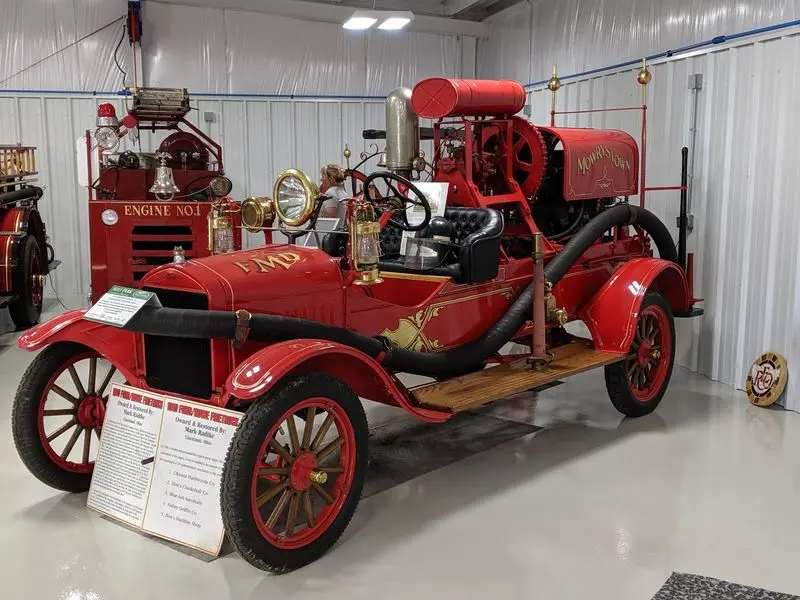
A small object beside a huge truck can hold a story you might otherwise miss. Visitors mention memorabilia alongside the museum’s cars and fire equipment. Those extra pieces can help connect the vehicles to the people who drove them, cared for them, and used them in daily life.
Do not let the largest displays take all your attention. Pause to look for equipment, photographs, signs, or other items that staff have placed near a vehicle. Ask how a piece relates to what you are seeing rather than guessing its purpose from its shape.
For children, try a simple observation game. Pick one object and describe its color, material, and size before asking what it was used for. That small pause builds curiosity and can lead to a better question for the guide. It also gives everyone a break from walking past rows of big machines.
Collectors often save details because they help preserve context, not just because they look interesting. At this museum, memorabilia offers another way to understand an older car or fire truck without needing to know every make and model. Take your time, read any information provided, and let an unfamiliar object become the start of a conversation.
A Visit Worth Planning Before You Drive
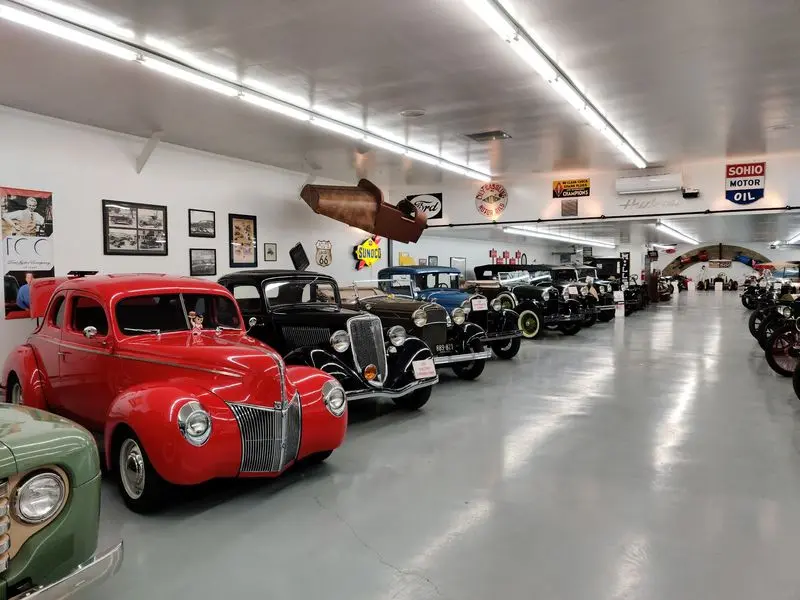
The easiest way to enjoy a hidden museum is to make sure you can get in. Current listed hours show Thursday and Saturday openings from 10 a.m. to 4 p.m., but opening details can change. One visitor reported finding it closed during posted hours, so confirm your plans before setting out.
Call the museum or check its website for the latest schedule and tour instructions. The listed phone number is 513-256-6035. Recent visitors have given different advice about booking, including calling ahead and arranging tickets online, which makes a direct check your safest choice.
Ask about admission or donations when you contact the museum as well. Some older reviews describe free entry with a suggested donation, but that may not reflect today’s policy. Knowing what to expect helps you arrive prepared and gives the staff a chance to explain how visitors can support the collection.
Once your visit is set, wear comfortable shoes and leave enough time for all three buildings. Bring questions, especially if someone in your group loves old cars or fire trucks. A little planning protects your day from a closed door and leaves more room for the best part: seeing machines you might have passed without noticing.