

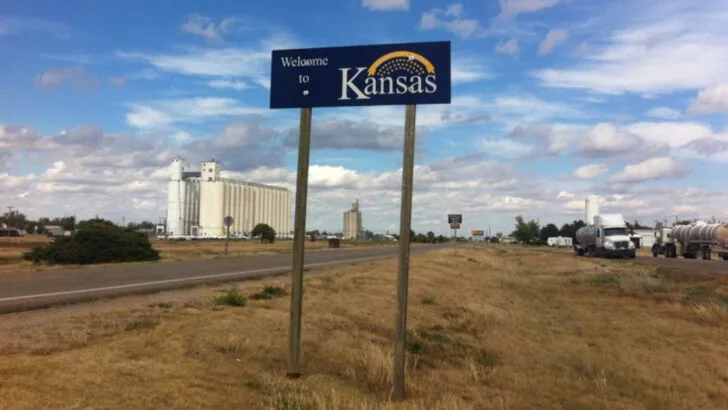
The Dust Bowl was not just a weather event it was a human story written in grit, wind, and stubborn hope.
These Oklahoma and Kansas towns still carry the scars and the lessons, from black blizzards that turned noon to night to New Deal experiments that reshaped rural life.
As you explore them, you can trace how everyday choices, desperate migrations, and hard-won innovations changed the Plains.
Come ready to listen closely, because the wind still talks here, and the past feels startlingly close.
Boise City, Oklahoma (Cimarron County)
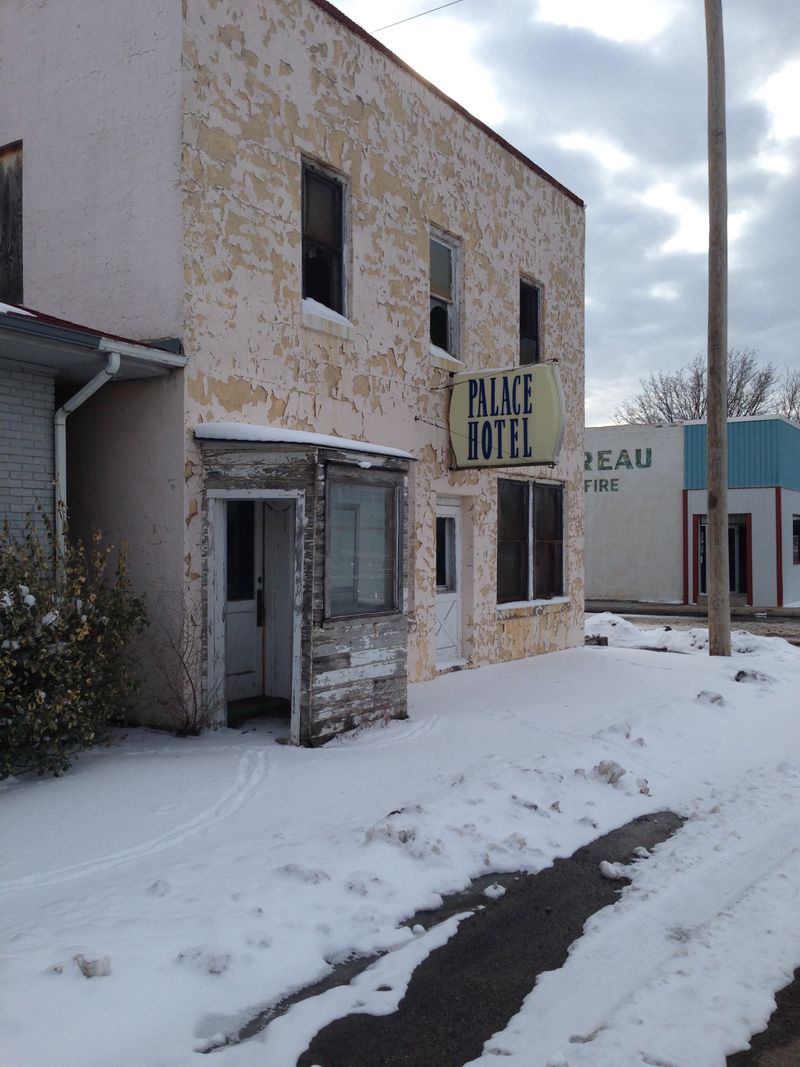
Boise City sits out on the Panhandle like a sentinel, and you can feel the exposure the moment you step out of your car. During the 1930s, this town was pounded by black blizzards that scoured the land and seeped under doorways like smoke. If you want to understand the Dust Bowl’s heart, you trace the grit here, where isolation met unrelenting wind.
Picture mornings when the sky dimmed to brown and the horizon vanished, leaving folks to navigate by memory and touch. Schools closed, sheets were hung over windows, and wet cloths were tied around noses in a ritual that became as ordinary as breakfast. The dust did not just choke fields, it settled in lungs, cupboards, and dreams, and every conversation had a layer of grit.
Photographers came because Boise City made the calamity visible, stark, and undeniable. You can stand at street corners where famous images were shot and still sense the fear that crops would not come back. Tractors sat idle while wheat withered, and families bartered, prayed, and waited for rain that kept shrugging them off.
Yet the story is not just loss. Boise City also embodies the stubborn will to stay, to try contour plowing and shelterbelts, to listen when extension agents brought new ideas. You can drive the surrounding roads and see where conservation practices began, lines etched into the soil like an apology.
When you visit, bring patience and let the wind talk. Locals will tell you about parents who sealed windows with newspaper and spread damp mops across floors. They will point to the museum pieces that feel personal, and they will remind you that survival was a decision repeated daily.
Boise City’s lesson is simple and hard. Land remembers. When you look across Cimarron County, you are seeing both a warning and a promise, and you are part of deciding which one grows.
Guymon, Oklahoma (Texas County)
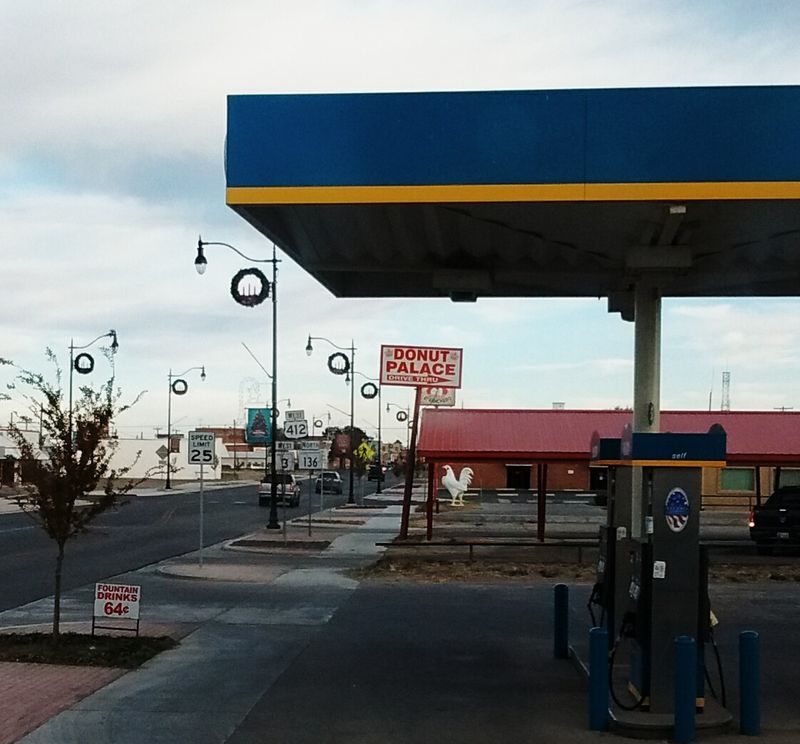
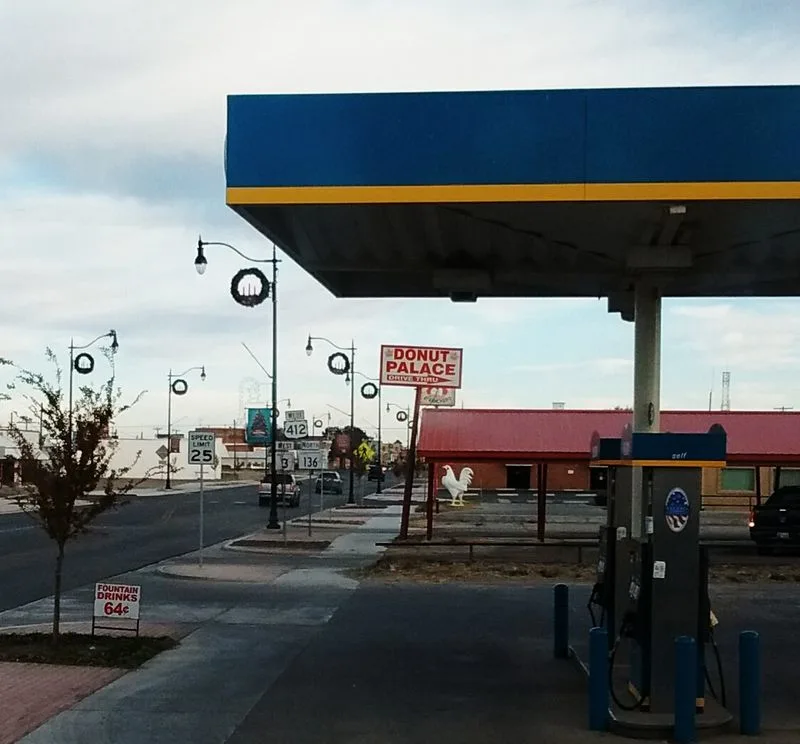
Guymon tells a Dust Bowl story that goes beyond the farm gate. As a regional hub, its streets carried grain trucks, railroad cars, and the rumors of markets that kept collapsing. When you walk downtown, imagine the tension as merchants watched shelves gather dust while wheat prices fell through the floor.
Dust storms did not respect commerce. Boxcars filled with blown soil, and drifts piled against loading docks like dirty snow. People wore goggles to run errands, and the grit scraped teeth in every conversation, a reminder that nature had entered the ledger books too.
You can feel the push and pull here, where farmers pleaded for credit, bankers hedged, and rail schedules tilted with every storm forecast. Guymon became a place where decisions were made in real time with the wind howling outside. Irrigation brochures appeared, promising salvation through pumps and pipes, while others argued for contour rows and fallow rotations.
The New Deal sent agents, maps, and demonstration plots, and Guymon turned into a classroom with dust for a blackboard. Meetings in church basements debated shelterbelts and loan terms, and neighbors compared notes on which practices actually held the soil. The city was a bridge between policy and pasture, translating federal ambition into local survival.
As you explore, you might notice how infrastructure tells the story. Old warehouses and sidings speak to the moment when rail and road tried to outpace the wind. The town’s rhythm still carries that urgency, even as modern agribusiness hums in tidy rows and metal pivots carve circles from the plains.
Guymon’s lesson is that economies breathe the same air as the fields. When the land failed, receipts did too, and recovery required both science and patience. Stand on Main Street and listen to trucks fade into the horizon, and you will hear an echo from the 1930s, a reminder that resilience is a community project.
Hooker, Oklahoma
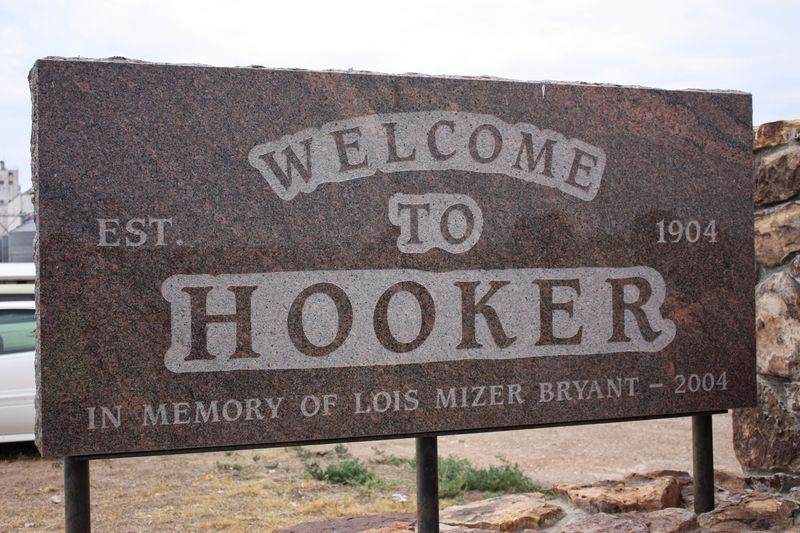
Hooker wears its Dust Bowl history plainly, a town shaped by over-plowed fields and wheat dreams that blew away. You can look at the surrounding land and imagine the waves of topsoil that once lifted like smoke. Here, monoculture farming met drought, and the result was a lesson written across fence lines.
It is easy to picture families weighing whether to hitch west or stay put and gamble on federal help. Some packed everything into rattling cars, following rumors of jobs under California sun. Others clung to home, trusting soil conservation crews and new plowing patterns to rebuild what wind had stolen.
Hooker became a proving ground for ideas that seem obvious now. Strips of stubble left to catch drifting soil, contour lines arcing gently over hills, and shelterbelts stitched like sutures across wounds. Extension agents walked fields, pointing, measuring, and persuading farmers to trade faith in the plow for faith in patience.
You will hear stories of suppers eaten gritty and babies lulled to sleep by the rattle of blinds in a dust gale. People sealed windows with tape and newspaper, stacked wet towels at doorways, and set water pans to trap the fine powder. These rituals are part of the town’s muscle memory, an almost tender choreography of survival.
When you visit, ask about the families who left and the ones who stayed. Both choices took courage, and both shaped the community that remains. You can stand at the edge of a field and feel how fragile and stubborn the soil can be.
Hooker’s lesson is humility paired with stubborn hope. The land is generous until it is not, and then it demands respect. If you listen to the wind and watch the clouds build, you will understand why conservation took root here, and why people still measure progress in seasons rather than days.
Kenton, Oklahoma
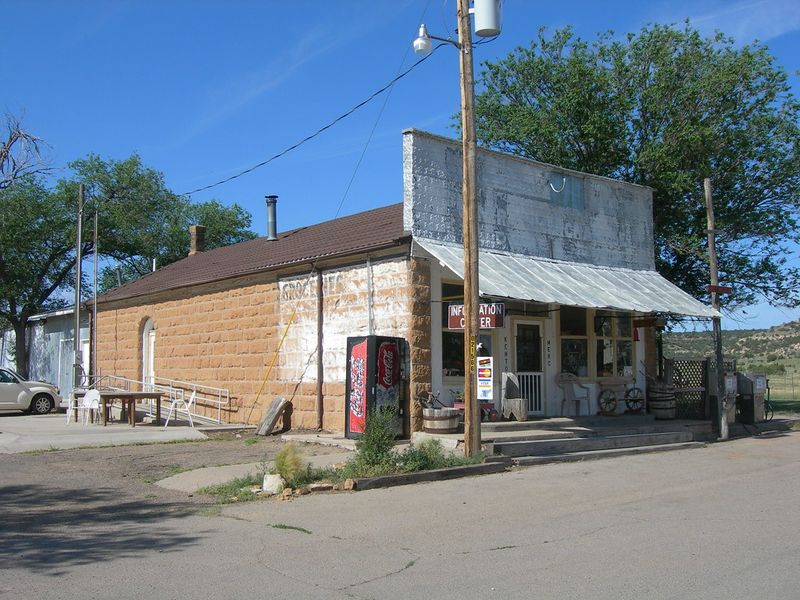
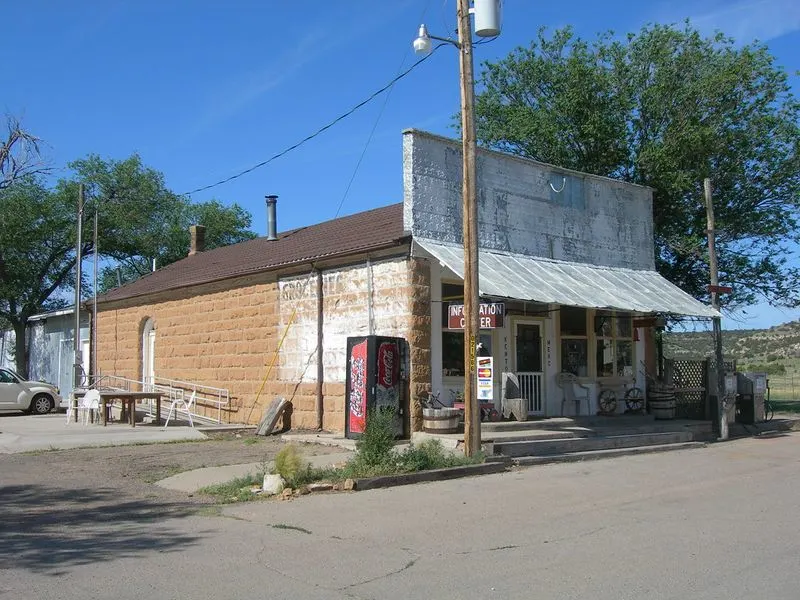
Kenton sits high and spare at the edge of Oklahoma, where the plains begin to wrinkle into mesas and the sky goes on forever. In the 1930s, drought found every crack here and widened it. The town’s tiny population thinned further as families folded their tents and followed the highway out.
Standing on a gravel road, you can feel how the wind makes decisions for you. Marginal lands that boosters once sold as opportunity turned to liabilities when the rains failed. Fields that barely paid in good years went to dust in bad ones, and the arithmetic of staying no longer penciled out.
Depopulation leaves a quiet that feels heavier than silence. Church bells rang to fewer listeners, schoolrooms echoed, and stores closed early, not from success but from surrender to empty evenings. Kenton learned what it means when a community shrinks notch by notch until you count neighbors on one hand.
The Dust Bowl here was less spectacle and more attrition. Fewer photographers came, but the struggle was no less real. Livestock ribs showed, and water tanks dropped, while distant thunder teased and then moved on.
Today, the stark beauty makes the lessons sharper. You can see how shelterbelts fail where trees cannot take, and how contour lines need rain to matter. The land refuses sentimentality, yet it rewards attention with small mercies, a green thread after a shower, a quail bursting from grass.
Kenton’s lesson is about limits. Settlement lore promised that hard work could rewrite climate, but the 1930s wrote back with sand. When you leave, you carry the reminder that resilience sometimes means choosing smaller footprints, tending carefully, and letting certain ambitions blow away.
Woodward, Oklahoma
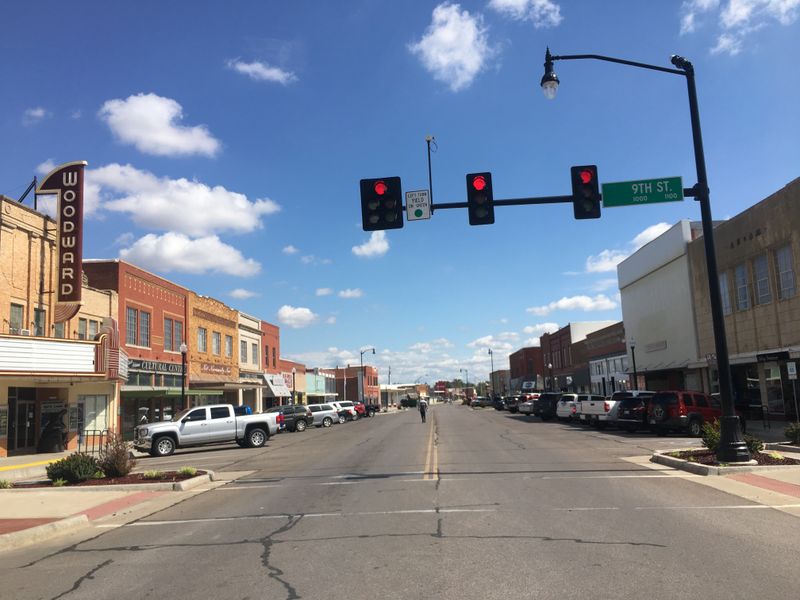
Woodward stepped into a role that many towns could not, becoming a relief center when the storms were at their worst. Freight depots that once moved cattle and grain began handling food, clothing, and seed. You can imagine cots in gymnasiums and lines outside offices where New Deal workers stamped forms with hope and fatigue.
The dust did not spare Woodward, but the town learned to organize inside the storm. Aid workers paired with church groups, and neighbors took in displaced families from the countryside. In a place where everyone used to barter for a better price, the new currency was coordination.
As you walk, look for buildings that once housed federal programs, where soil maps and ration books shared desk space. The town’s daily rhythm adjusted to deliveries, training sessions, and field demonstrations. Relief was not charity alone, it was logistics, paperwork, and persuasion carried out with grit under the fingernails.
The stories that stick are personal. A mother swapping scrip for flour, a boy learning to plant a shelterbelt, a county agent explaining why leaving stubble would save a field. These small acts added up to something larger, a net woven to keep whole families from falling through.
Woodward’s markets slowly steadied as rains returned and practices improved, but the memory of dependence shaped civic habits. Emergency planning became part of culture, and cooperation felt less like a favor and more like common sense. The town’s role as a regional anchor deepened.
If you visit, you will find museums that keep the paper trail alive, and locals who measure time by storms and programs. The lesson Woodward offers is that government can be clumsy and still lifesaving, and that communities can hold both truths. Stand by the rail lines and hear the wind, and you will understand why order mattered when the sky went dark.
Alva, Oklahoma
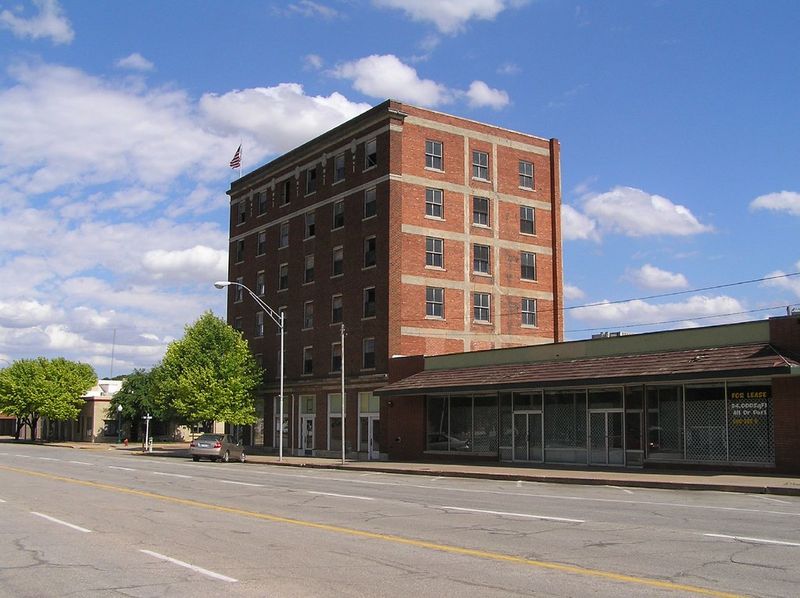
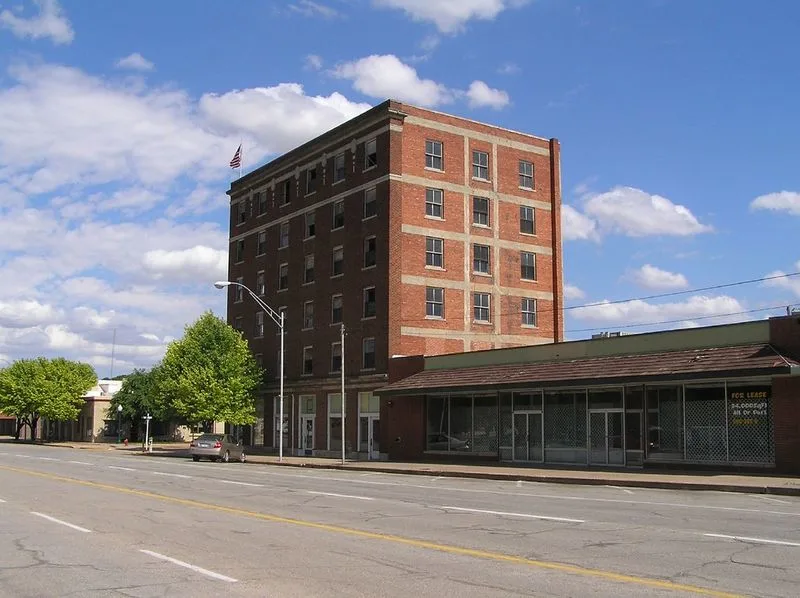
Alva’s place in Dust Bowl history runs through classrooms and fields alike. As an educational hub, it became a conduit for new farming ideas when old habits failed. You can walk past historic buildings and imagine lectures about contour plowing, crop rotation, and the science of moisture.
During the worst storms, Alva’s streets still filled with dust, but inside, chalkboards showed diagrams of shelterbelts and soil profiles. Extension agents and professors teamed up, turning theory into demonstration plots on nearby farms. The message was simple and hard to accept: fewer acres tilled, more residue left, and patience measured in seasons.
Farmers drove into town skeptical and left with seed for cover crops and pamphlets outlining federal cost shares. Kitchens became study halls, with bulletins spread beside coffee cups and pencils marking margins. That mix of curiosity and necessity turned Alva into a laboratory for practical resilience.
Stories linger of students helping install terraces, learning while sweat ran into dust masks. They carried stakes, measured slopes, and watched rain finally sit rather than sprint off bare ground. In a time when faith in the plow had curdled, this hands-on work rebuilt trust in the land.
When you explore Alva now, look for the lineage of those experiments in the neat geometry of modern fields. The confidence you feel around town comes partly from lessons learned the hard way. Science here is not abstract, it is neighborly and a little stubborn.
Alva’s lesson is that knowledge can be a shelterbelt too. Information slows panic, catches blowing fear, and lets communities regroup. If you listen to locals, you will hear pride in having helped bend practice toward sustainability, one field day and one careful contour at a time.
Liberal, Kansas
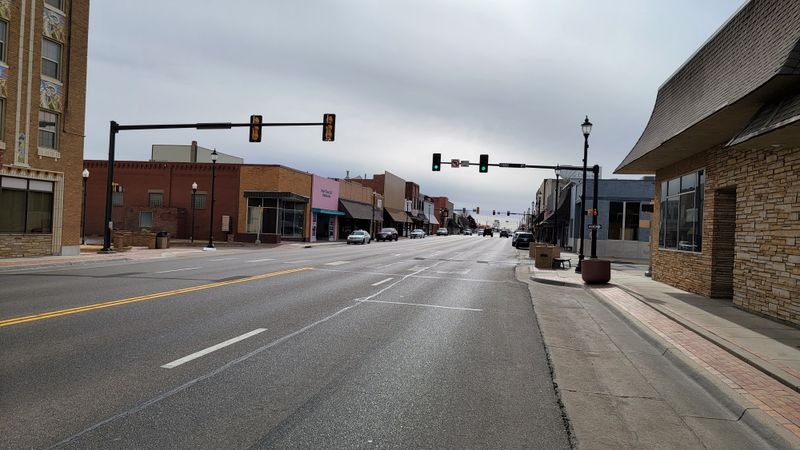
Liberal earned a reputation as the Dust Bowl capital of Kansas, and the name fits when you look at the old photos. Streets vanished under red-brown air, and the horizon became a rumor. People learned to check the sky the way sailors read waves, gauging danger by color and taste.
Inside houses, dust found its way into sugar bowls and between pages of family Bibles. Schools closed mid-day, and headlights crept along at noon like midnight travelers. You can almost hear the coughs and the scratch of brooms that never quite won.
The storms were relentless, but so were the people. Neighbors traded food and favors, and the town organized cleanups as often as it organized dances. When the Works Progress Administration arrived, the relief felt complicated and necessary, a hand extended through the murk.
Liberal’s newspapers documented not just disaster but the human weather inside it. Letters pleaded for rain, urged conservation, and comforted families on the move toward California. Those pages read like a chorus of stubborn voices refusing to be erased.
Walk downtown today and the wind still has an edge, as if it remembers. Museums display dust masks, jars of soil, and photographs where noon looks like dusk. You can feel the ache of crops lost and the pride of survival stitched into the exhibits.
The lesson from Liberal is about the psychology of endurance. When daylight turns to darkness for days, community becomes a lantern. If you come here curious and listening, you will leave understanding why people still watch the sky and why the memory of those storms keeps conservation habits alive.
Garden City, Kansas
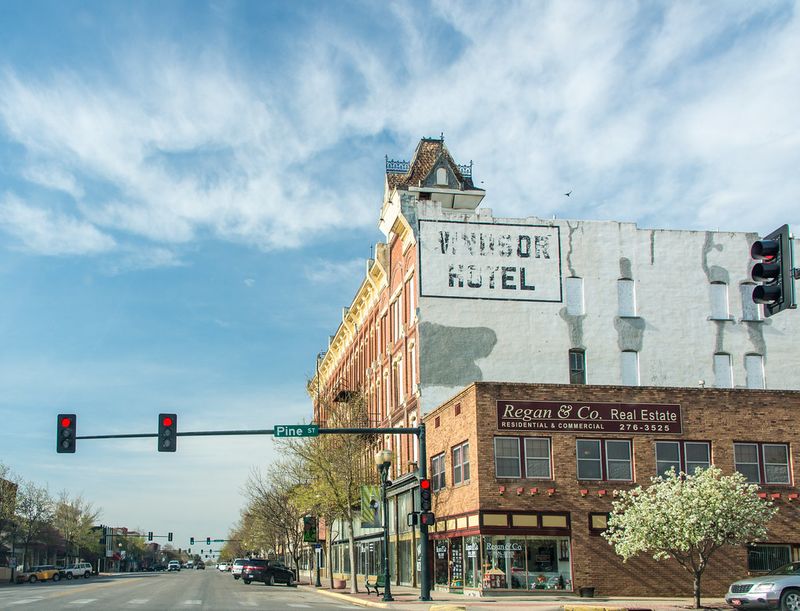
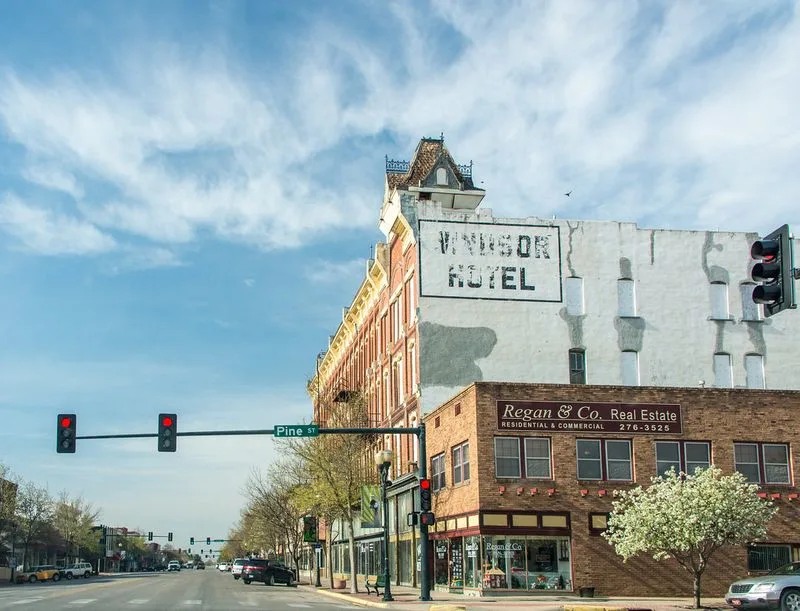
Garden City sits where disaster eventually gave way to reinvention. The Dust Bowl years stripped fields bare, but the decades that followed saw irrigation rigs arching silver circles over the plains. You can read the transition in the landscape, from wind scars to pivot geometry.
During the 1930s, dust storms rolled through like invading armies, and crops failed in sequence. People tried everything, from wet sheets over windows to prayers over dry seed. Later, technology offered a new bargain: pumps, pipes, and power in exchange for tapping deep water.
Walking the town, you feel the tension between caution and ambition. Conservation practices became standard, yet agribusiness rose on the promise of reliable water and mechanized efficiency. Grain elevators and feedlots mark a confidence that would have seemed impossible in the worst years.
The New Deal era left a blueprint here, turning farmers toward contour rows, cover crops, and shelterbelts. Postwar innovation layered on, bringing engineering to match the soil science. Garden City’s story is one of stacking solutions, each with benefits and hidden costs.
Visit a museum and the narrative jumps from dust masks to irrigation nozzles. Photographs of black blizzards sit beside maps of the Ogallala Aquifer, a reminder that every fix draws from somewhere. You can sense the future conversation murmuring in the background, about sustainability and balance.
Garden City teaches that recovery is not a finish line. It is choices repeated across seasons, adjusting to new pressures while remembering old wounds. When you look over those green circles against tan ground, you see both resilience and responsibility circling together.
Dodge City, Kansas
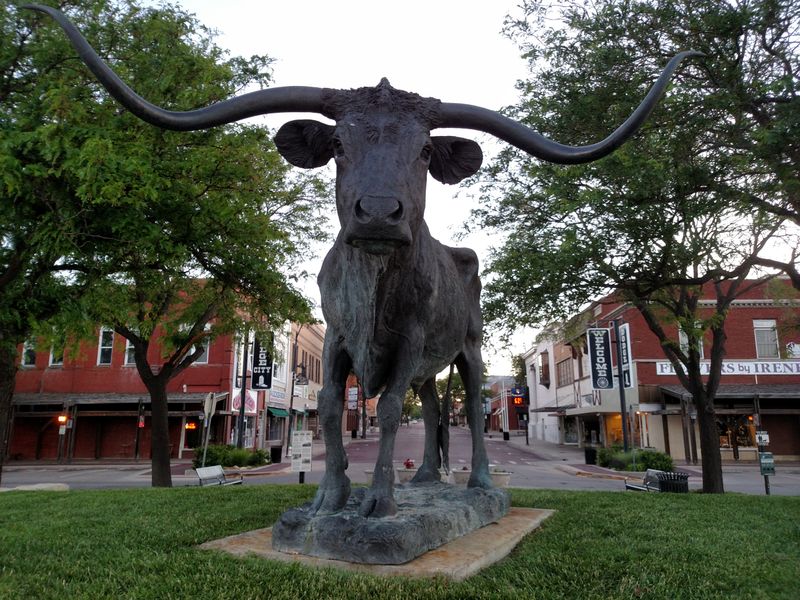
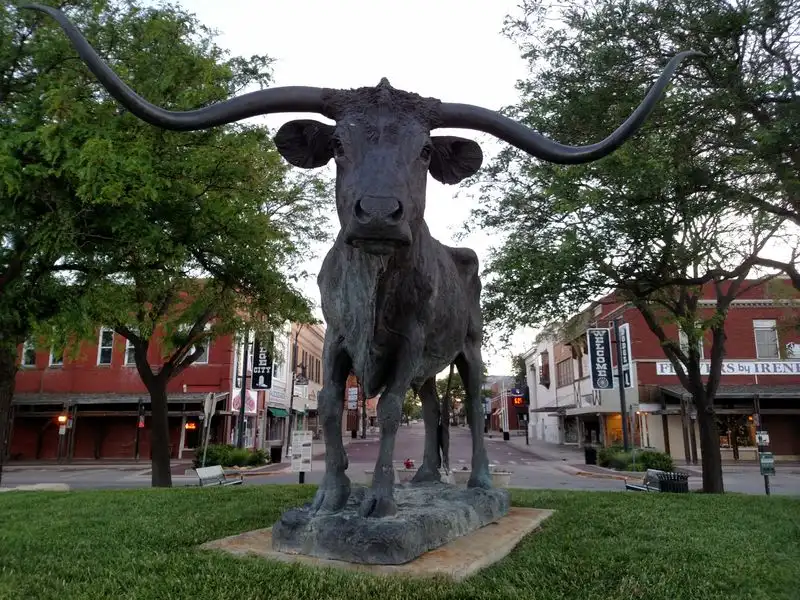
Dodge City is famous for cowboys, but the Dust Bowl gave it a second legend. In the 1930s, wheat and cattle markets stumbled as storms barreled through and pastures thinned. The town’s swagger met a different kind of showdown, this time with the sky itself.
Imagine Front Street under a sepia haze, signs creaking while dust skittered along boardwalks. People tied bandanas over faces and counted the hours until the air cleared. Freight slowed, and ranchers watched herds shrink, the sound of wind replacing the clatter of hooves.
Dodge City learned to diversify and dig in. Conservation programs nudged farmers, while merchants adjusted inventories to unpredictable seasons. The old rhythm of roundup and railcar now included soil clinics and emergency meetings.
Standing by the stockyards, you can sense how fragile abundance can be. Water tanks dropped, feed costs climbed, and optimism rode on weather reports. Still, the town kept its chin up, pairing grit with a willingness to try new methods.
Museums here balance frontier myth with Dust Bowl realism. Photographs show Main Street nearly swallowed by grit, and exhibits explain how contour plowing and shelterbelts slowly shifted the odds. The narrative widens from six-shooter tales to stewardship and survival.
Dodge City’s lesson is that identity can evolve without breaking. A cattle town can also be a conservation town, a place that respects legends while learning from hard seasons. When the wind comes up, locals still glance at the sky, then get back to work, a quiet promise that resilience is more than a story.
Ulysses, Kansas
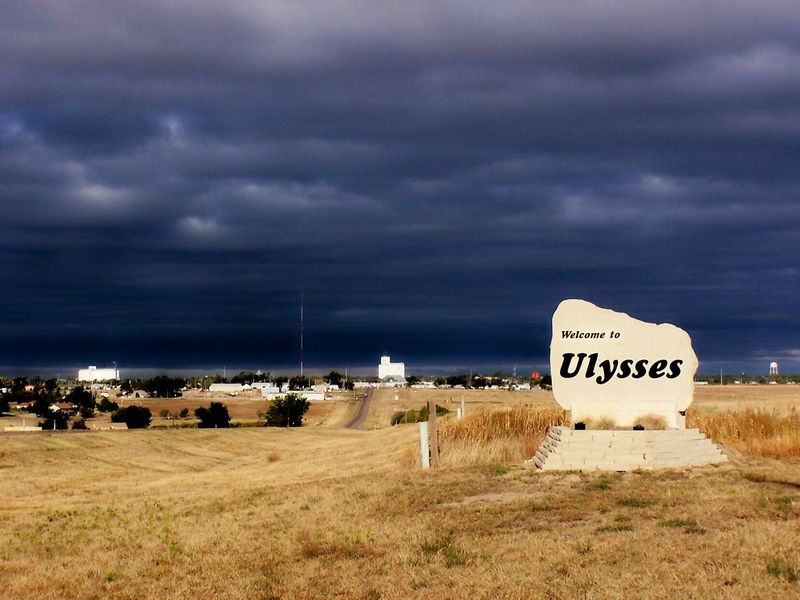
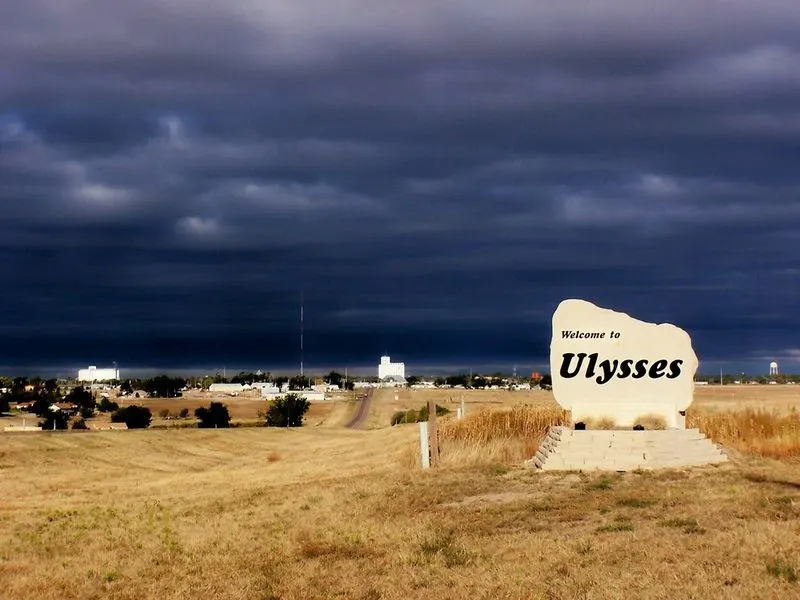
Ulysses carries one of the most dramatic Dust Bowl legacies because the town literally moved. Beaten by drought, dust, and debt, residents voted to relocate and start over on a stronger footing. Imagine loading buildings onto skids and hauling a community across the plains.
The decision captured the desperation and the resolve of the 1930s. When fields failed and taxes mounted, mobility became a survival strategy. Ulysses chose reinvention rather than abandonment, a bold answer to a wind that would not quit.
Walking the streets today, you can feel the audacity baked into the grid. Stories linger of men with teams and trucks, of women cataloging possessions and schools packing up their identities. The new site offered a cleaner slate, but the dust memory crossed town lines easily.
Conservation followed. Shelterbelts rose, contour rows appeared, and neighbors shared equipment to stretch scarce cash. Federal programs offered lifelines, and the town learned to use every one of them with practical focus.
Ulysses proves that place is more than coordinates. A community can move and still be itself if it carries its commitments and its care. The Dust Bowl tested that idea and, here, it held.
The lesson for visitors is about flexibility without surrender. You see it in tidy streets and fields that bear the marks of careful planning. Stand at the edge of town on a windy day and consider how many times Ulysses chose to move forward, literally and figuratively, until the ground felt steady again.
Elkhart, Kansas
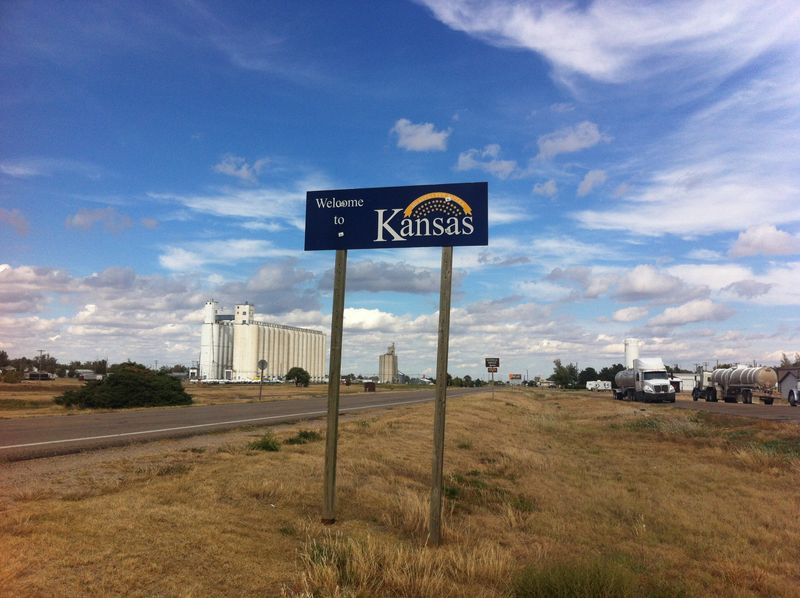
Elkhart sits near the tri-state corner, sharing the same hard lessons as the Oklahoma Panhandle. In the 1930s, black blizzards rolled in unbroken, and the town learned to live at the edge of visibility. Border lines did not stop the dust or the fear it carried.
Families sealed windows and swept endlessly, trading tips across county and state lines. Ranchers moved cattle, farmers traded seed, and churches became clearinghouses for supplies and news. Elkhart felt like a crossroads even when the roads disappeared under silt.
The town’s geography made it a barometer for regional stress. When storms intensified, Elkhart was often first to know and last to be free. Radios crackled with weather reports, and neighbors signaled each other with porch lights when daylight failed.
Conservation practices arrived with urgency. Shelterbelts stitched the landscape, and contour plowing began to tame the slopes. You can still trace those lines from the air, evidence of a determination shared across borders.
In town, museums and local archives safeguard memories that might otherwise drift away. Photographs show children wearing dust masks like school uniforms, and kitchens turned into triage centers for the day’s sweepings. The stories carry both exhaustion and humor, a coping mechanism as essential as any tool.
Elkhart’s lesson is collective vulnerability and shared resilience. The wind does not ask for passports, and neither should help. When you stand at the edge of town and watch weather build in all directions, you understand why cooperation became more than courtesy. It was the only way to breathe.
Meade, Kansas
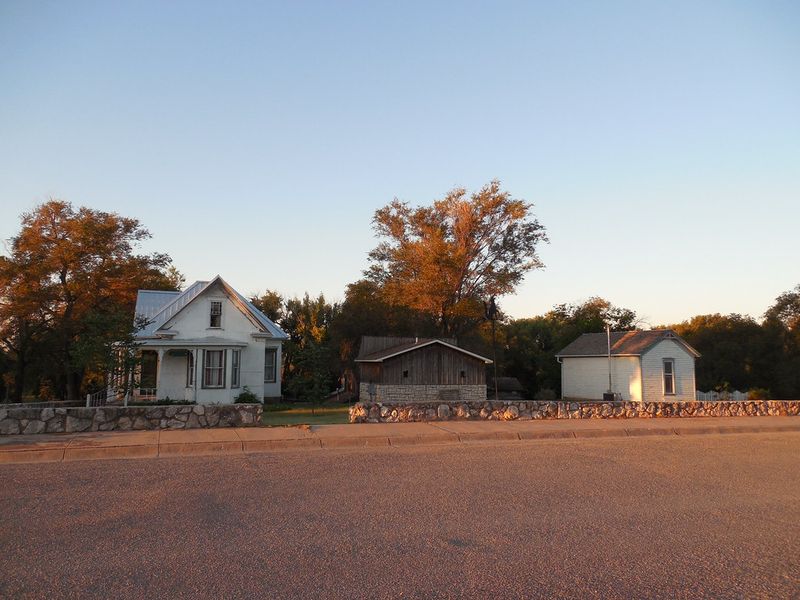
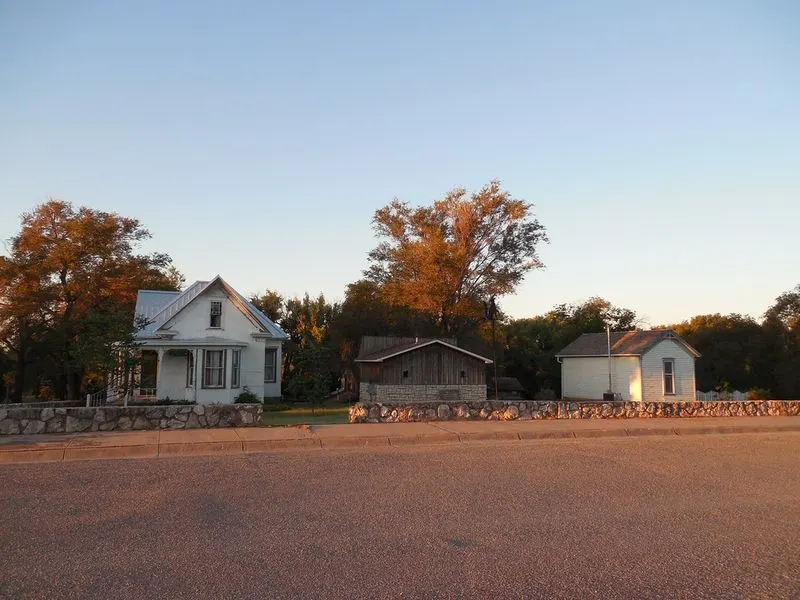
Meade’s Dust Bowl story arcs from devastation to the long consequences of water. In the 1930s, the town watched crops disintegrate and storms erase weeks of work in an afternoon. Relief came with conservation and, later, with ambitious groundwater projects that promised stability.
Walking the area, you can spot the old signatures of shelterbelts and terraces, the first line of defense against a restless sky. After the war, pumps bit into the aquifer and pivots traced circles that looked like salvation. Yields climbed, and so did confidence, built on invisible reserves beneath the feet.
But aquifers are banks that demand deposits, and the interest rate is rain. Over time, Meade learned to weigh short-term gain against long-term drawdown. The Dust Bowl’s cautionary tale shifted underground, turning into charts, meters, and careful schedules.
This town’s museums and coffee shops host quiet debates about stewardship. Farmers trade notes on nozzle size, crop choice, and soil moisture sensors, mixing old wisdom with new tools. The conversation is practical, respectful, and shaped by memory of the 1930s fragility.
Meade’s landscape shows how survival strategies harden into habits, then into responsibilities. What started as emergency water use became a system that needs honesty and restraint. You can feel both gratitude and concern when you watch a pivot sweep the horizon.
The lesson here is balance. Conservation did not end with the last dust storm, it evolved into a practice of measuring enough. If you listen to locals, you will hear that balance discussed in weather, in wells, and at dinner tables, where the faint sound of wind still sets the tempo.