In 1917, the Army bought land from 112 different owners in just a short stretch of time. That added up to 230 parcels and roughly 5,000 acres, including fine farmland along the Nashua River.
Then came the hammers. Crews built an average of 10.4 new buildings every single day, which still sounds made up to me.
The goal was a camp for 10,000 soldiers in Massachusetts, and it rose almost overnight. Farms became drill fields, and quiet country roads became busy streets with numbered barracks.
I love that a small volunteer crew now keeps that whole story alive on the third floor of an old office building. Admission costs nothing at all.
So how does a sleepy patch of farmland turn into one of New England’s best-known Army posts?
Your Wallet Gets A Day Off Here
Free admission. Those two words make planning a visit pretty easy, especially for families watching their budget.
The Fort Devens Museum doesn’t charge a ticket price at the door. Volunteers run the place, which explains a lot about its friendly, homegrown feel.
That doesn’t mean money stops mattering. The museum accepts donations, and those gifts help keep exhibits running and the collection growing.
Think of a donation as a thank-you note with real impact. Even a small amount supports the people preserving more than a century of local history.
Kids have a reason to smile too. Free goodies for younger visitors have been part of the experience, which helps little ones feel welcome.
A free museum also takes the pressure off. You can stop in for a quick look without feeling like you need to stay all day to get your money’s worth.
That kind of easy visit works well for road trips, rainy afternoons, or a history lesson that doesn’t feel like homework. Honestly, few deals in Massachusetts beat free history.
Plan Ahead, Because The Doors Only Open Twice A Week
Timing is everything with this stop. The museum keeps short hours, so a spontaneous Saturday visit just won’t work.
Doors open Tuesdays and Fridays from 10 AM to 3 PM. Every other day of the week, the galleries stay closed.
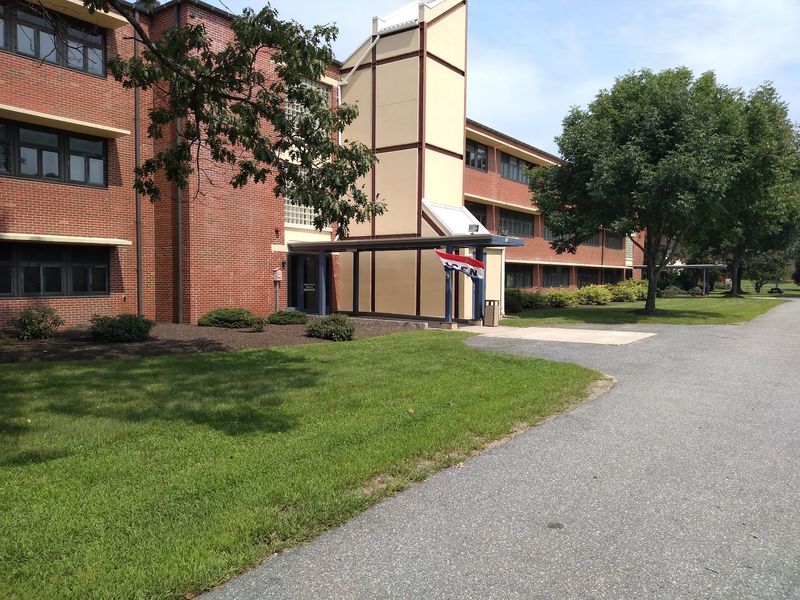
You’ll find the museum at 94 Jackson Rd #305, Devens, MA 01434. It sits on the third floor of an office building, so look for the elevator.
Accessibility gets solid attention here. Accessible parking, elevator access, and accessible restrooms make the visit easier for many guests.
Parking out front is convenient too. That’s a small but welcome perk when you’re juggling kids, a camera, or a grandparent who wants to share stories.
A quick tip from the clock: don’t arrive right before closing. Aim for late morning or early afternoon so you have time to look around and ask questions.
Hours can change, especially at volunteer-run spots. Checking before you head out is smart, and it saves you from staring sadly at a locked door.
Gear From The Western Front Sits Just Inches Away
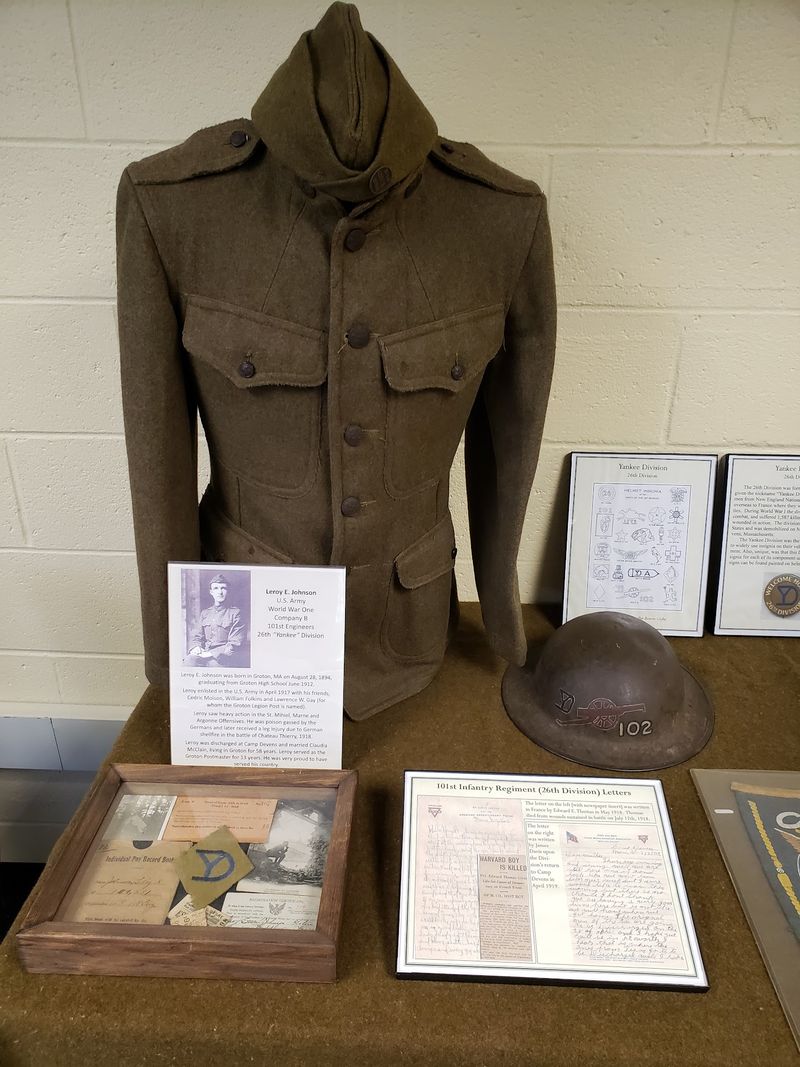
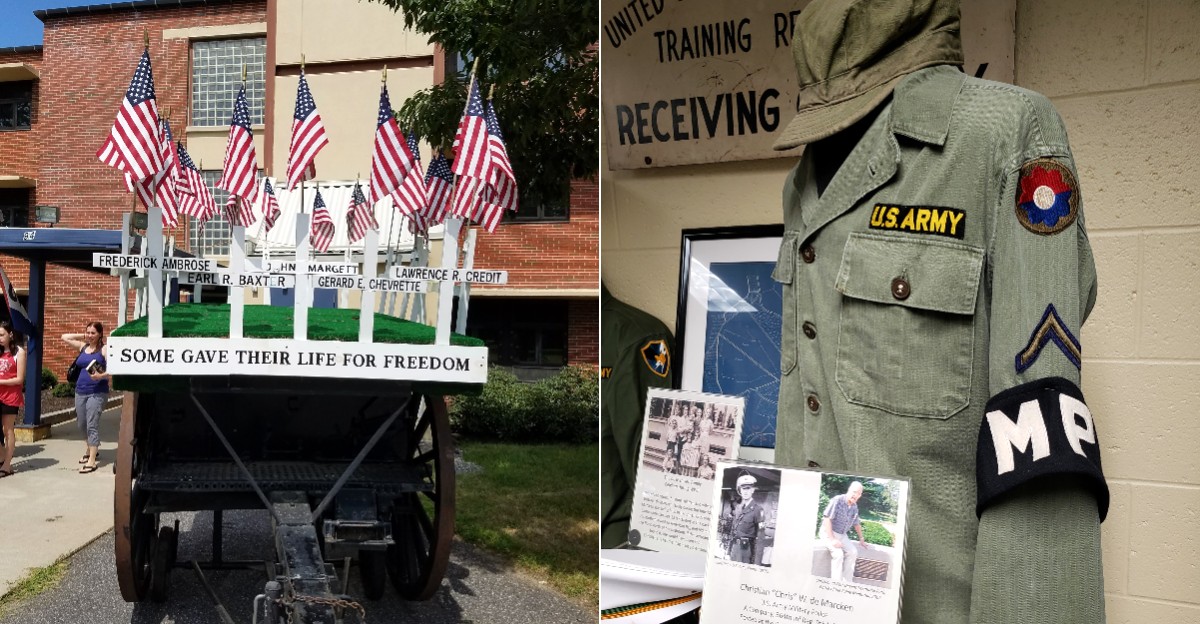
Helmets, uniforms, and everyday gear from 1917 bring the early days of Camp Devens into sharp focus. Many soldiers trained here before heading overseas to France.
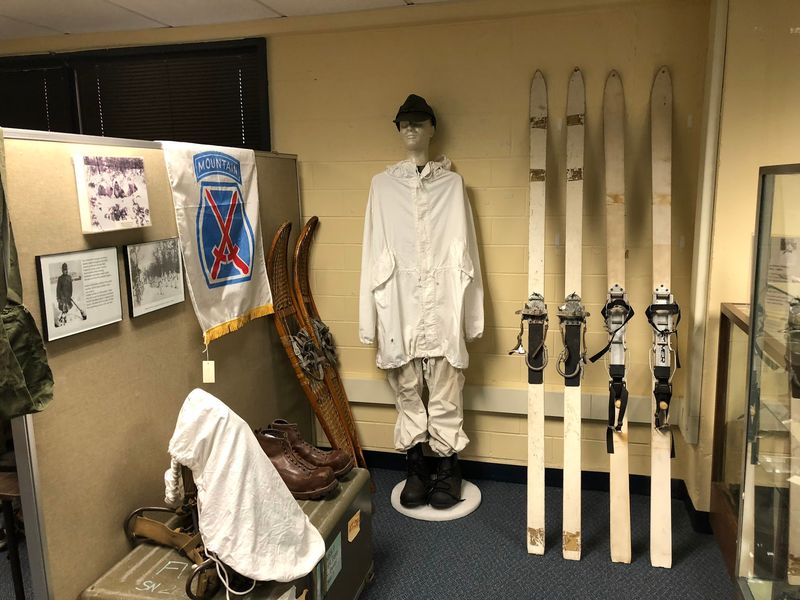
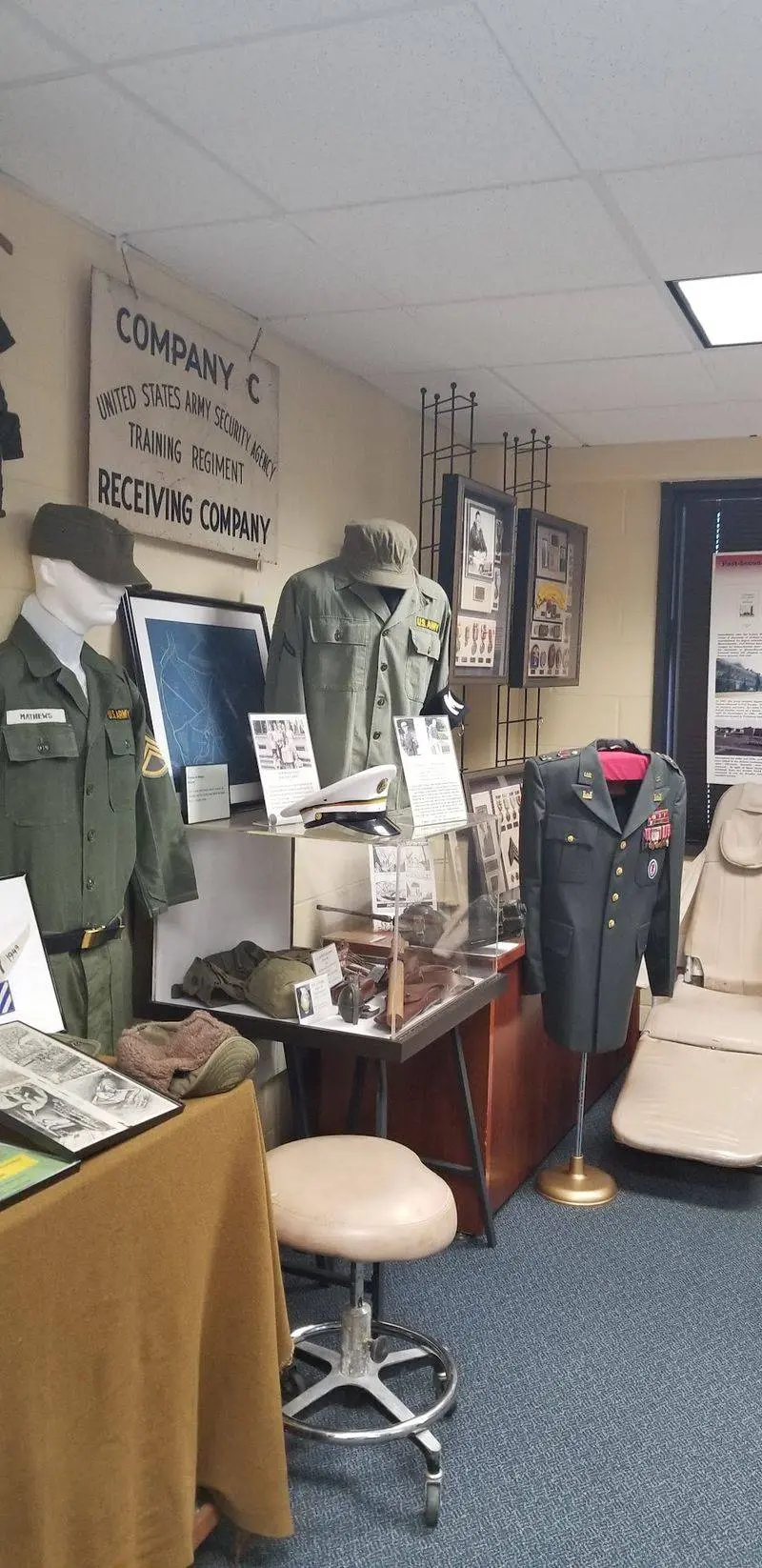
The collection covers U.S. Army history from World War I to the present.
It’s spread across two main galleries, which makes it easy to explore at your own pace.
Much of it came from local families. Relatives of people stationed at Camp or Fort Devens donated items so those memories wouldn’t sit forgotten in attics.
That gives the objects a personal feel. A simple uniform suddenly connects to a real young person from a nearby town.
One gallery leans on the timeline of the base. Another features general military items from different eras, stretching into the 2000s.
Photographs and documents round things out. Together, they show how the post changed over the decades.
Here’s a fun way to explore with kids. Ask them to find the oldest item and the newest one, then guess how much life changed between them.
Farmland Turned Army Town In What Felt Like A Blink
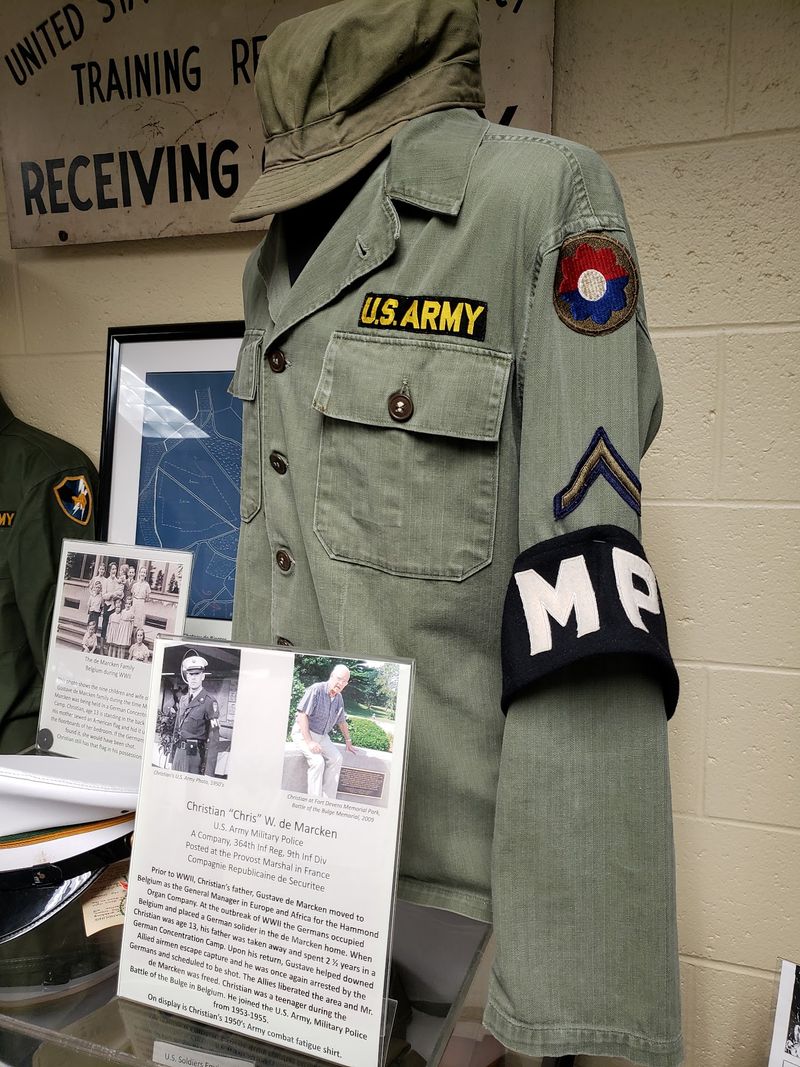
Few places can say they started with cow pastures and ended with a city of soldiers. The Fort Devens Museum tells exactly that story, and it starts in 1917.
That year, the Army needed a training camp fast. It gathered about 5,000 acres from 112 owners across Ayer, Harvard, Lancaster, and Shirley.
Some of that land was prized farmland along the Nashua River. Families who worked those fields watched the landscape change in a matter of months.
Camp Devens officially began on September 5, 1917. The building effort used the largest labor force assembled in the country at the time.
Crews averaged 10.4 new buildings a day. That pace created space for 10,000 soldiers, almost like a small town popping up overnight.
The museum helps you understand that change through photographs, documents, and objects. It’s a great starting point if you’ve ever driven through Devens and wondered what came before.
Bring curiosity about the people, not just the uniforms. The farmers, builders, and young recruits all shaped this corner of Massachusetts, and their stories deserve a closer look.
Volunteers Here Know More Than Any Textbook
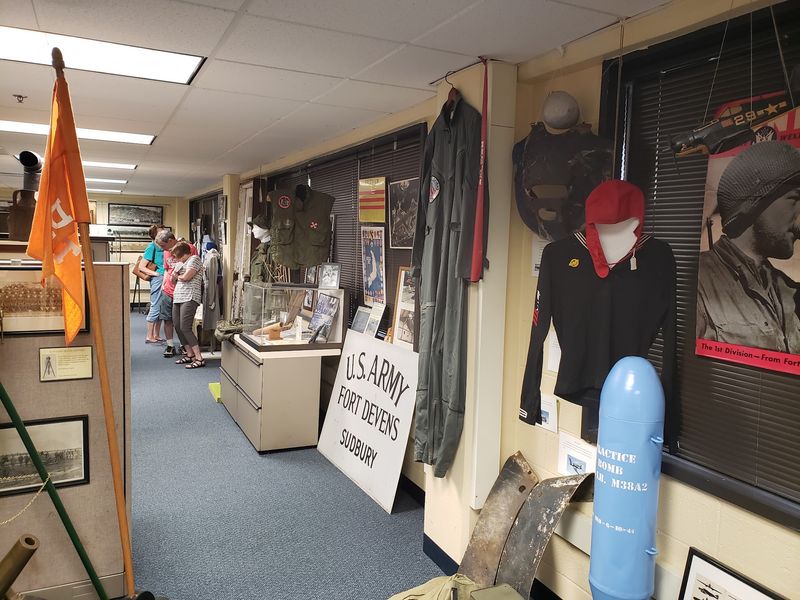
Questions are welcome here, and you’ll probably want to ask plenty. The Fort Devens Museum runs on volunteers who care deeply about this place.
Free admission can include a guided walk with a docent. These guides explain what you’re seeing and share the backstory behind each section.
That guidance matters in a museum packed with objects. A good guide turns a dusty button or patch into a story you’ll remember.
Some volunteers have written about the base too. One volunteer authored a book called Fort Devens: From Boys to Men.
The museum also welcomes stories and keepsakes tied to Camp or Fort Devens. If someone in your family served there, old photos might find a meaningful new home.
A visit usually takes thirty minutes to an hour. Chatty guests with lots of questions can easily stretch that longer.
Honestly, the people might be the best exhibit. Their passion keeps the memory of this Massachusetts base alive for future generations.
Bookworms May Need Extra Time In The Shop
Shelves of military books wait near the exhibits, and they can quietly swallow an afternoon. History fans, consider yourselves warned.
The museum has a small souvenir shop alongside a large collection of military books. Some fairly rare items show up for sale too.
A reading area adds a calm corner to the visit. It’s a handy spot for flipping through a book before deciding to take it home.
Browsing gives you a chance to learn beyond the display cases. You might find a title about a specific unit, battle, or era that grabs your attention.
Shopping here also supports the museum. Since volunteers run everything, every purchase helps keep the doors open.
Plan a little extra time if you love books. The galleries might take an hour, but the shelves can easily add more.
A book makes a smart souvenir for a curious kid. It keeps the history going long after the car ride home ends.
Eighty Years Of Big Jobs Packed Into One Post
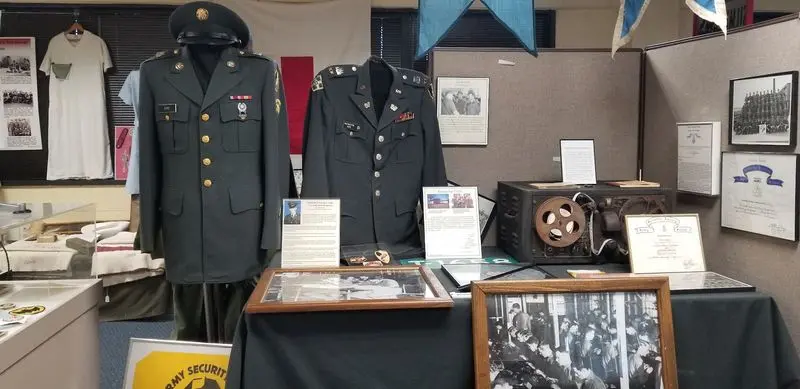
Most Army posts have one main job. Fort Devens juggled a long list of them between 1917 and 1996.
It started as a temporary training camp for World War I. After both world wars, it helped soldiers return to everyday life as a demobilization center.
In 1931, it became a permanent Army post and soon took the name Fort Devens. During World War II, it welcomed draftees from across New England.
The base even held about 5,000 Italian and German prisoners during World War II. That surprising chapter shows how far its role reached.
Later years brought the 10th Special Forces Group. The post officially closed on March 31, 1996, through the Base Realignment and Closure process.
The Army still trains nearby at the Devens Reserve Forces Training Area. It reopened under that name in May 2007.
The Fort Devens Museum, incorporated in 2000, ties all those chapters together. It’s a neat way to see how one Massachusetts spot kept reinventing itself.
Grab The Map And Go Hunting For History Outside
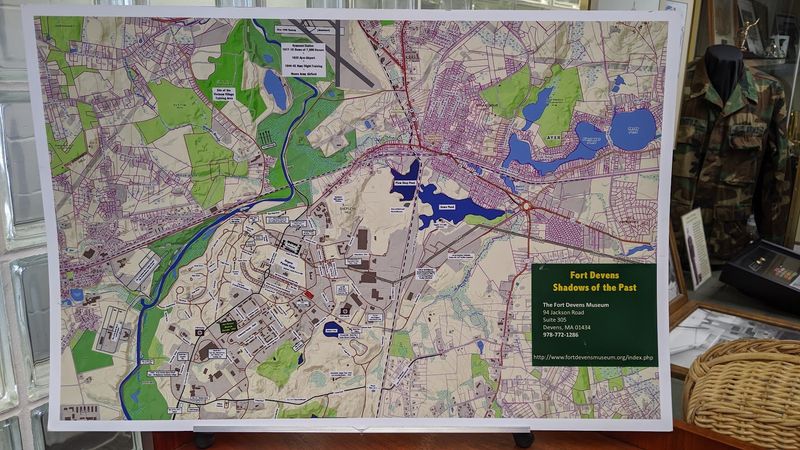
The museum visit doesn’t have to end at the elevator. A driving tour highlights important historic landmarks around Devens.
Think of it as a scavenger hunt with a car. You can spot old buildings and sites tied to the base’s long military past.
Today, Devens covers about 4,400 acres of homes, businesses, and open space. MassDevelopment oversees much of its redevelopment.
The community is known as a national model for turning a former base into something new. That makes the drive part history lesson and part glimpse at the future.
Bring a notebook if your kids like detective work. They can jot down which buildings look oldest or guess what each one used to be.
Some former structures still stand empty, so stick to public roads and areas. Respecting posted signs keeps the outing safe and simple.
Seeing the real streets after viewing old photos really clicks. Suddenly, those black-and-white pictures feel close enough to touch.
Turn The Visit Into A Full Day Outdoors
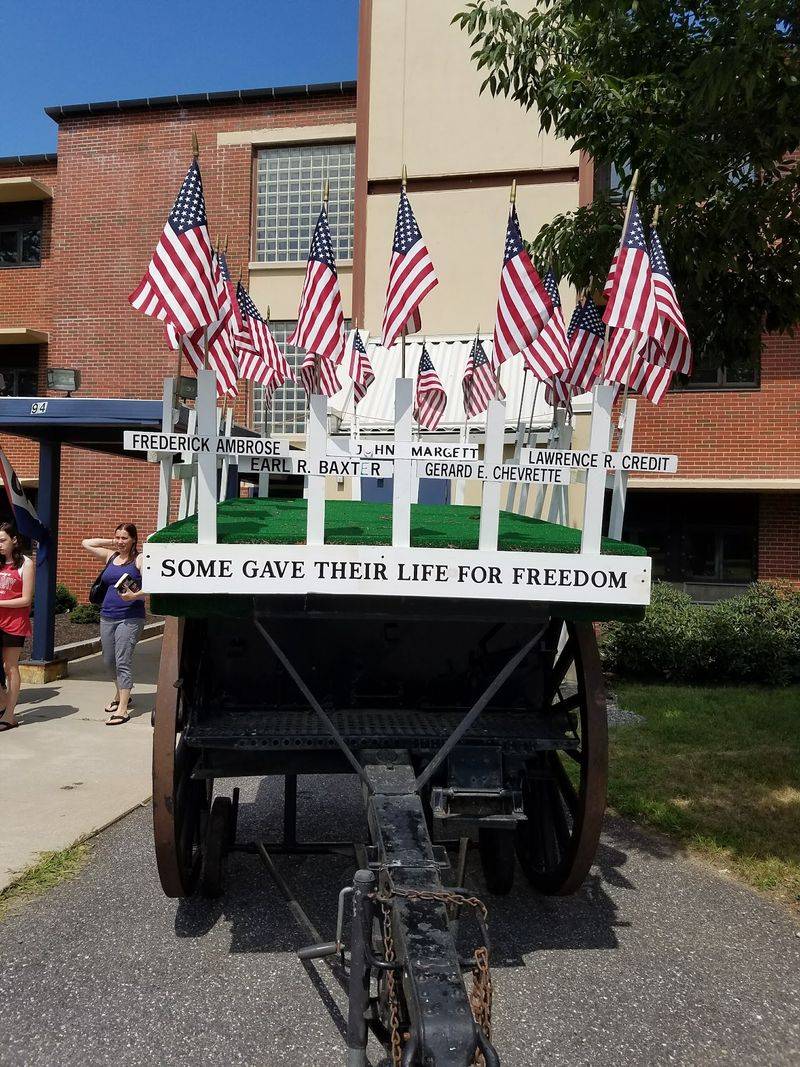
Old barracks and fresh air make a surprisingly good team. Devens offers plenty to do after your museum stop.
Miles of trails welcome walkers, hikers, and bikers. The Nashua River Valley also attracts migratory birds, so binoculars are a good idea.
Paddlers can launch at the Bill Ashe Canoe and Kayak Dock on the Nashua River. Mirror Lake is another option for paddleboarding and fishing.
Disc golf fans get two courses called The Commander and The Hill. The names feel fitting for a former Army post, don’t they?
Golfers can head to Red Tail Golf Club. In snowy winters, Rogers Field offers a public skating rink.
Hungry afterward? Options include Bandolaros Mexican Grill, Pizza Bella, and Marty’s Corner Cafe and Deli.
Pairing the Fort Devens Museum with time outside makes the day feel complete. You learn the history, then enjoy the land that once changed so dramatically in Massachusetts.