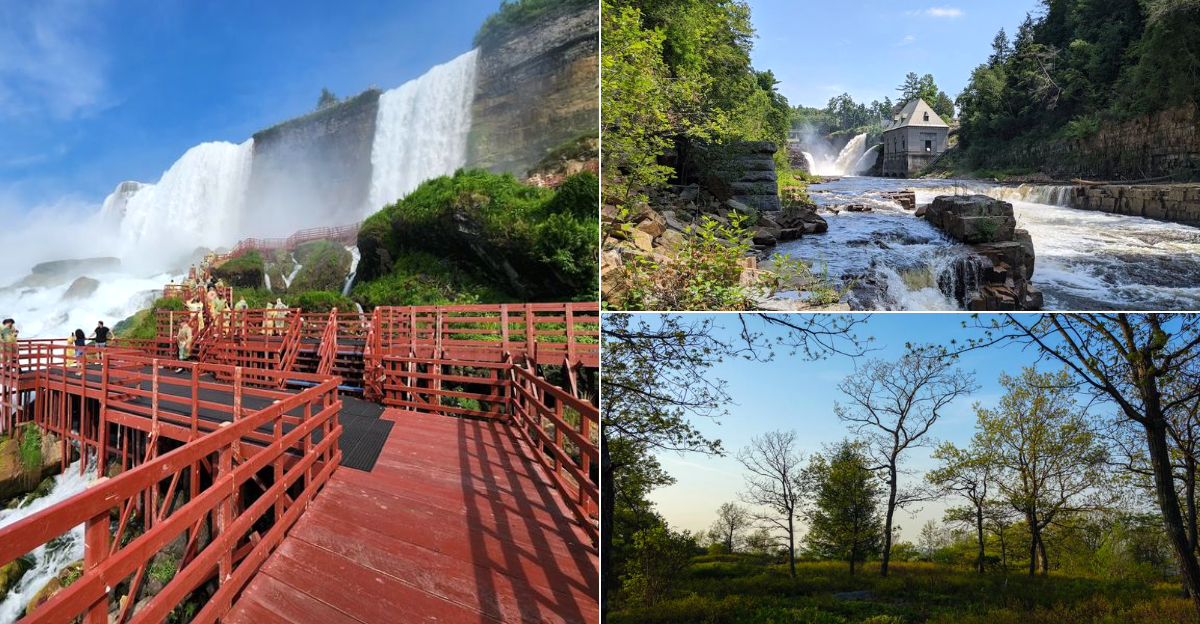
New York’s landscape holds more underground and cave-carved terrain than most people realize, spread across mountains, valleys, and riverbeds throughout the state.
From the carved limestone chambers of Schoharie County to the icy cool air rising from hillside fissures in Ulster County, each cave trail offers something genuinely different from the last.
Some of these trails are developed and guided, while others require a flashlight, muddy knees, and a willingness to squeeze through tight rock passages.
Whether you’re after the tourist-friendly grandeur of Howe Caverns or the raw, unlit quiet of a wild caving preserve in Albany County, you’ll find it somewhere on this list.
Grab your headlamp and some layers, because the trails below are worth every twist and turn they put you through.
1. Ice Cave Mountain Trail – Ellenville, Ulster County
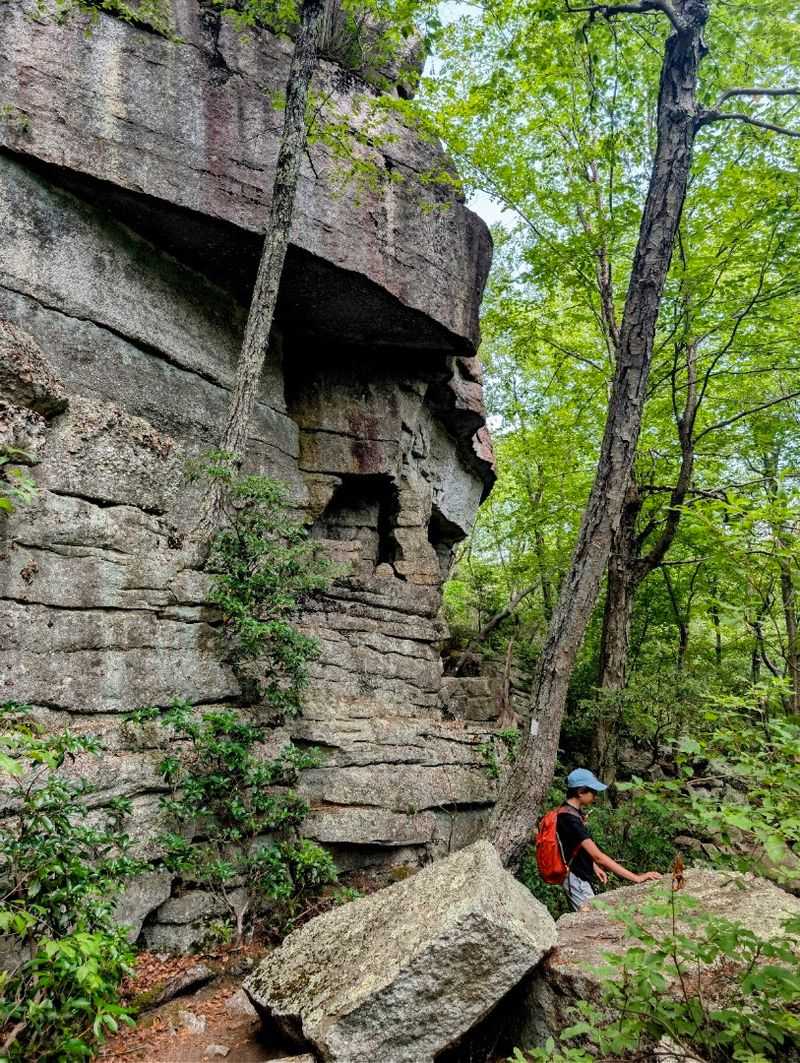
Cool air spills from the rocks here even when summer feels sticky, giving this hike an almost secret-season charm.
That strange temperature shift is what makes Ice Cave Mountain Trail near Ellenville so memorable for curious hikers.
You are not just climbing for a view – you are chasing a landscape shaped by fractures, ledges, and pockets of lingering cold.
The route is moderately challenging, with uneven footing, steep sections, and scrambles that reward patience more than speed.
Good shoes matter because loose stone and damp surfaces can turn a casual outing into a careful, hands-on ascent.
Along the way, forested stretches open toward classic Shawangunk scenery, so the experience never feels limited to the cave feature alone.
What stands out most is the contrast between warm sunlight overhead and the chill that lingers inside shaded crevices.
That sensory surprise makes the geology feel immediate, not abstract, especially if you pause and let the air change around you.
If you enjoy hikes that feel slightly rugged without becoming fully technical, this one hits a satisfying middle ground.
Arrive prepared, move deliberately, and expect the terrain to dictate your pace more than mileage does.
For photographers, the mix of cliff textures, green canopy, and dark openings offers plenty of mood in every direction.
2. Natural Stone Bridge and Caves – Pottersville, Warren County
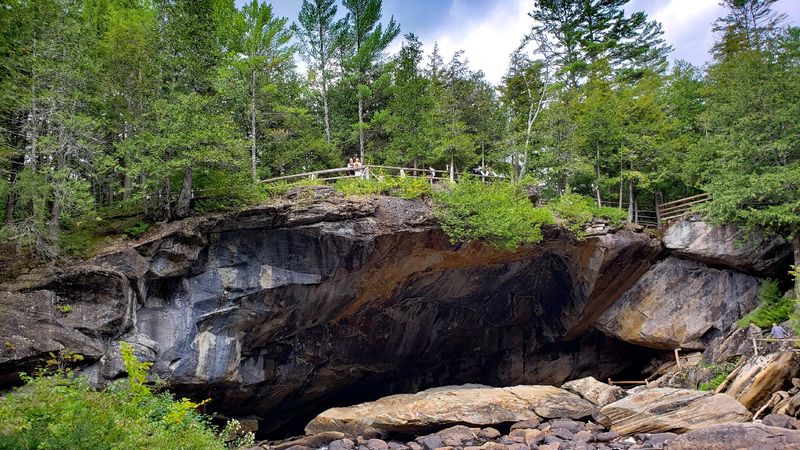
Few places blend easy walking with dramatic geology as smoothly as this polished marble wonder in the Adirondack foothills.
Natural Stone Bridge and Caves in Pottersville feels approachable at first, then quickly reveals waterfalls, sculpted channels, and cavern-like passages.
You can enjoy it as a relaxed outing, but the setting still delivers the thrill of discovering something carved over immense time.
The trail system is well organized, which makes it especially appealing if you want cave scenery without committing to a strenuous backcountry hike.
Interpretive features help explain how water shaped the marble, adding context that makes every overlook and rock chamber more meaningful.
Depending on the route you choose, you will pass bridges, stairs, and viewpoints that keep the experience varied from start to finish.
What makes this place stand out is its mix of accessibility and visual drama.
The stone itself has a pale, sculpted look, and the rushing water brings constant motion and sound to the landscape.
Because of that, even short distances feel rich with detail, especially after rain or during peak green-season color.
This is a strong pick if you are traveling with mixed ability levels or simply want a cave-focused stop with dependable scenery.
Among New York’s cave trails, this one shows how family-friendly terrain can still feel genuinely spectacular and geologically distinctive.
3. Howe Caverns – Howes Cave, Schoharie County
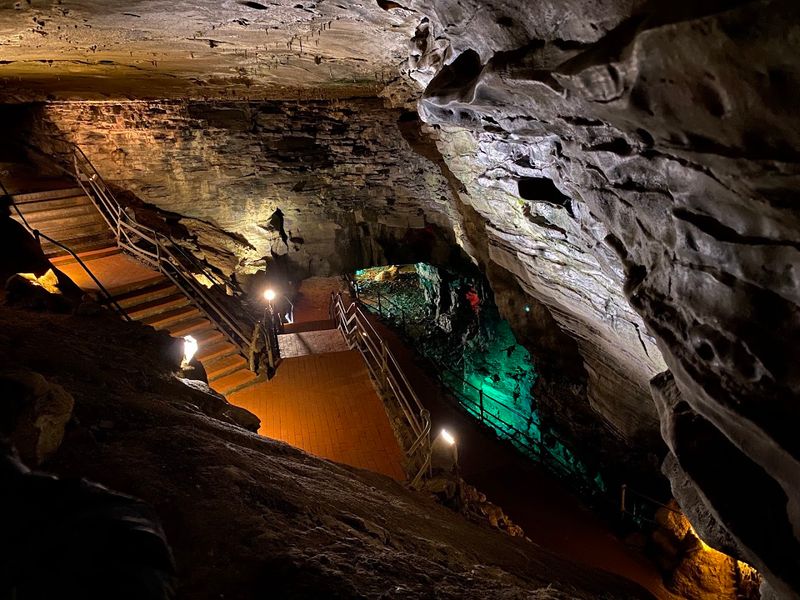
Underground silence changes the pace of a trip instantly, and that shift is exactly why this famous destination still works.
Howe Caverns in Howes Cave offers less of a traditional hike and more of a guided descent into New York’s subterranean history.
You come for the cave, but stay engaged because each chamber reveals another texture, echo, and change in scale.
The developed pathways make it approachable for many visitors, which is part of its appeal if rougher trails are not your goal.
Lighting highlights calcite formations, draperies, and smooth stone surfaces without completely removing the cave’s mysterious atmosphere.
On some tours, the underground boat element adds another layer of novelty, letting you experience the cavern from a different angle.
Because this is a major attraction, expect a structured visit rather than solitude.
Still, the geology is compelling enough that it rarely feels overproduced, especially if you focus on the age and natural processes around you.
Cool temperatures make a light layer useful year-round, and the steady conditions underground can feel refreshing after a hot day outside.
This stop is ideal if you want cave access with expert interpretation and minimal navigation stress.
Families, first-time cave visitors, and anyone curious about New York’s hidden limestone landscapes will find plenty to appreciate here.
4. Secret Caverns – Howes Cave, Schoharie County
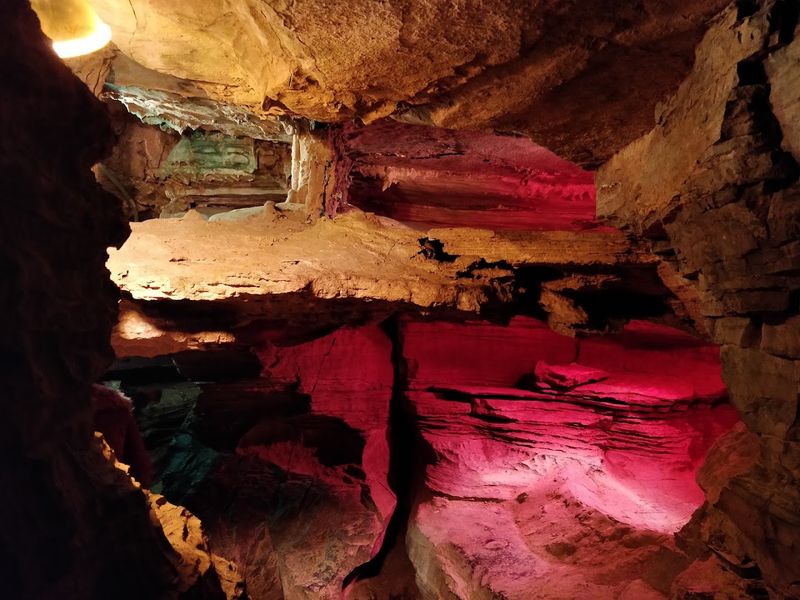
A slightly kitschy roadside feel gives way to something genuinely impressive once you start descending below the surface.
Secret Caverns in Howes Cave balances quirky charm with a cave interior that feels dramatic, cool, and unexpectedly substantial.
If you enjoy places that do not take themselves too seriously while still delivering real geology, this stop has personality to spare.
The guided experience leads through limestone passages toward its most famous feature, a striking underground waterfall.
That finale is the reason many visitors remember the tour so vividly, because moving water underground always adds energy to a cavern setting.
Stairs play a major role here, so comfort with repeated climbing and descending will shape how enjoyable the visit feels.
Compared with more polished attractions, this one can feel a little rougher around the edges in a good way.
The cave maintains an older-school atmosphere that some travelers actually prefer, especially if you like discovering places with a touch of regional oddness.
Cool temperatures and damp surfaces mean a light layer and sturdy shoes are worth bringing, even in warm weather.
This is not the longest adventure on the list, but it leaves a strong impression.
When you want a cave outing that feels memorable, unfussy, and distinctly New York, Secret Caverns earns its place quickly.
5. Cave of the Winds – Niagara Falls, Niagara County
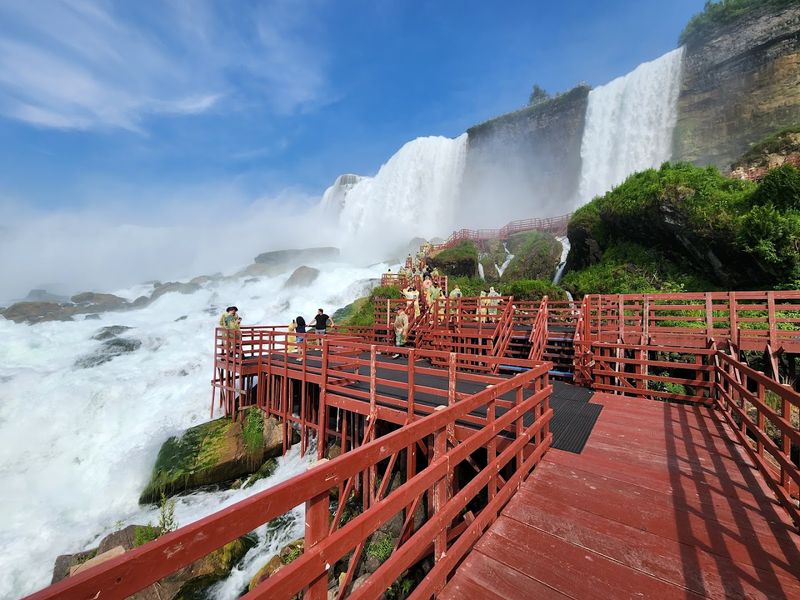
Roaring water, soaked walkways, and constant spray create an experience that feels more immersive than most named cave stops.
Cave of the Winds at Niagara Falls is not a wilderness hike, but it absolutely belongs on a cave-trail list for sheer sensory intensity.
You are moving through engineered paths and decks, yet the force of the falls makes every step feel thrillingly close to raw nature.
The original cave no longer exists in the historic sense, but the attraction preserves the idea of entering the storm zone beside Bridal Veil Falls.
Wooden walkways descend to platforms where wind, mist, and thunder turn sightseeing into a full-body encounter.
If you dislike getting wet, the provided poncho helps, though the spray often wins anyway.
What makes this place memorable is not distance or elevation gain, but proximity.
The water feels immediate, loud, and alive in a way that photographs rarely capture, especially when sunlight catches the drifting mist.
Because the route is managed carefully, you can focus on the sensation of being inside the falls’ atmosphere instead of worrying about route finding.
This is best approached as a short, high-impact adventure rather than a traditional trail day.
Among New York’s cave-related walks, this one shows the state’s dramatic side through water power instead of hidden underground stillness.
6. Knox Wetlands – Knox, Albany County

For hikers who like their cave experiences less curated and more hands-on, this one immediately raises the stakes.
Knox Wetlands in Knox is a true spelunking destination, where helmets, lights, and a tolerance for mud matter more than scenic overlooks.
You are not simply visiting a cave here – you are committing to a physical underground experience that feels raw and memorable.
The preserve protects an important limestone cave system, and access rules exist for good reasons tied to safety and conservation.
Inside, passages can be muddy, low, and occasionally tight, so this is best for prepared visitors comfortable with crawling or awkward footing.
The reward is authenticity, because the cave feels minimally staged and deeply connected to the natural processes that formed it.
There is a real sense of transition when daylight disappears and your world narrows to stone, moisture, and beam-lit textures.
That shift can be thrilling if you enjoy problem solving and slow, deliberate movement through unfamiliar terrain.
It is also a place where respecting wildlife concerns and seasonal restrictions is especially important, so always check current guidance before going.
Plan carefully, bring proper gear, and avoid treating this like a casual roadside stop.
Experienced cave visitors will appreciate the challenge, while newcomers should go only if they understand the demands.
7. Clarksville Cave Nature Preserve – Clarksville, Albany County
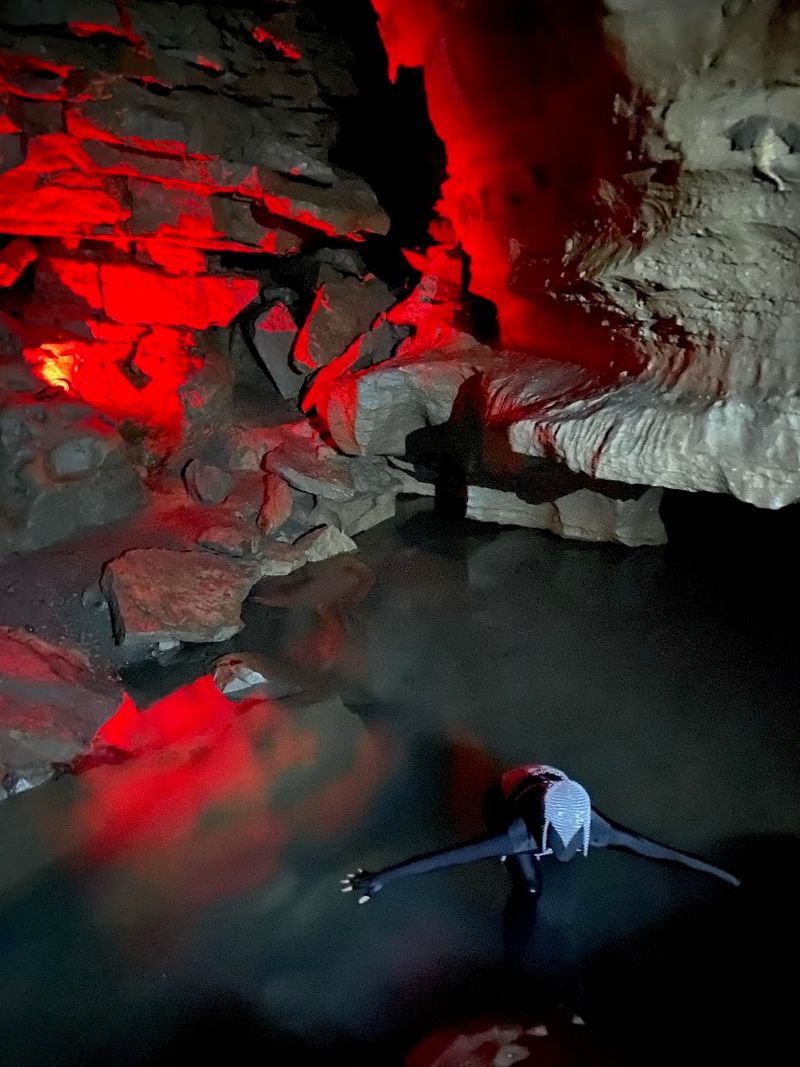
Quiet woods and an unassuming entrance make this preserve feel modest at first, but the underground potential is serious.
Clarksville Cave Nature Preserve in Clarksville is one of those places where local geology turns into a true adventure for prepared visitors.
If you are drawn to caves that reward curiosity rather than sightseeing convenience, this spot deserves attention.
The cave system has a long reputation among cavers, with passages that can include water, mud, and navigation challenges depending on conditions.
Because of those variables, this is not a beginner-friendly stroll, and it should never be treated casually.
Seasonal closures, wildlife protections, and changing safety guidance are essential to respect before planning any visit.
What makes the preserve compelling is the sense that you are encountering an active natural system, not a polished attraction.
Even the approach carries anticipation, since the wooded setting contrasts sharply with the complexity hidden below.
Visitors with experience often value that stripped-back authenticity, where the cave itself sets the terms and your pace.
Bring the right gear, check regulations carefully, and understand that wet conditions can transform the difficulty quickly.
Clarksville Cave stands out by showing New York at its most technical, secretive, and uncompromising.
8. Ausable Chasm – Keeseville, Essex County
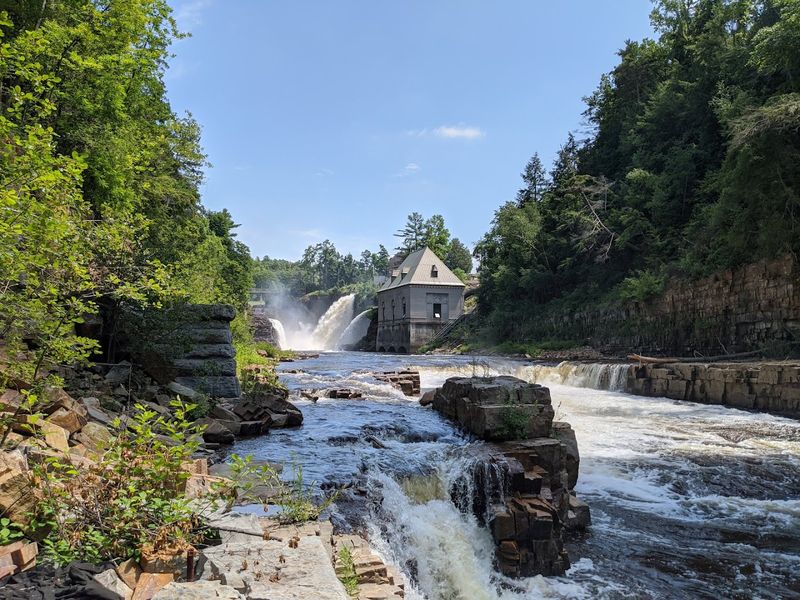
Towering walls, rushing water, and narrow passages give this landmark a cave-like drama even though it is technically a chasm.
Ausable Chasm in Keeseville delivers one of the most visually dynamic trail experiences in the state, especially if you love rock formations.
You move through a corridor carved by water, and the effect feels immersive in much the same way a cave approach does.
Trail options range from straightforward scenic walking to more adventurous routes with ladders, stairs, and close views of the gorge.
Some visits can also include rafting or tubing elements, which add another perspective on the scale of the sandstone walls.
Because the attraction is well developed, it works for travelers who want geology and excitement without venturing into technical caving territory.
What stands out here is the verticality.
The cliffs rise sharply around you, creating changing light, echoing water sounds, and a constant sense of enclosure that feels almost subterranean at times.
In autumn, the contrast between colorful trees above and shadowed rock below makes the setting especially photogenic.
This is an excellent pick if you want a full outing rather than a quick stop.
Wear shoes with good grip, plan for uneven surfaces, and give yourself time to explore the different route styles.
9. Otisville Tunnel Trail – Otisville, Orange County

Darkness arrives gradually on this route, and that slow shift is part of what makes the experience so atmospheric.
Otisville Tunnel Trail near Otisville follows a former rail corridor and features one of the longest trail tunnels in the region.
You are not entering a natural cave, but the enclosed passage still creates a memorable underground feeling that sets this walk apart.
The trail itself is relatively accessible, with a broad path that appeals to walkers, runners, and casual explorers.
As you approach the tunnel, the temperature cools, the light narrows, and footsteps start to echo in a way that changes the whole mood.
A flashlight is a smart addition, especially if you want to appreciate the full depth of the tunnel without relying solely on ambient light.
Because the grade is gentle, this outing works well when you want atmosphere without a punishing climb.
The surrounding scenery includes woods and wetlands, so the route feels peaceful before and after the tunnel’s darker centerpiece.
That contrast between open landscape and enclosed passage is exactly what gives the trail its personality.
It also photographs beautifully, particularly when daylight frames the tunnel openings from within.
Otisville Tunnel Trail proves that human-made underground spaces can reveal a different but equally compelling side of New York.
10. Indian Ladder Trail – Voorheesville, Albany County
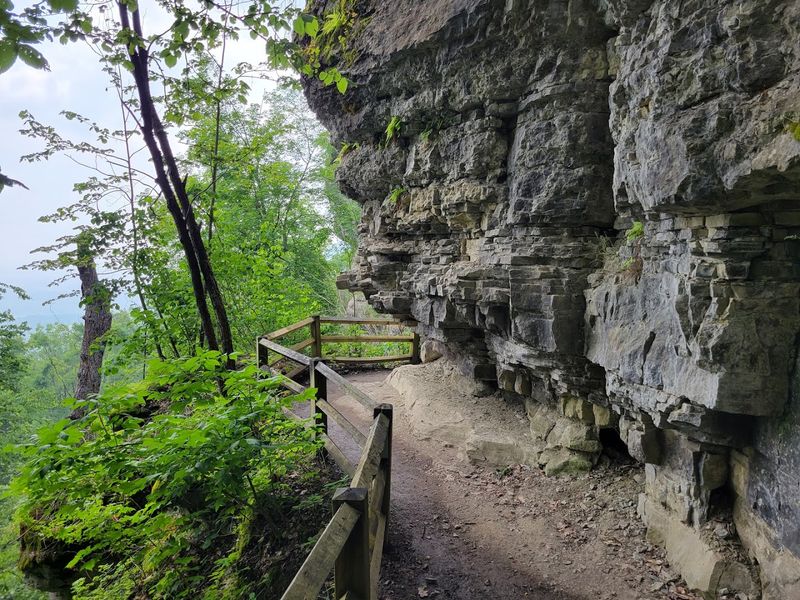
Walking beneath a cliff changes your perspective fast, especially when water trickles from above and stone hangs overhead.
Indian Ladder Trail at Thacher State Park near Voorheesville offers that exact sensation, blending overhangs, falls, and escarpment views into one classic route.
It is not a cave in the strict sense, but the sheltered rock ledges create a cave-like intimacy that feels wonderfully immersive.
The trail is beloved for good reason.
You get stairways, close contact with the Helderberg Escarpment, and moments when the path threads behind waterfalls or under broad limestone shelves.
Those features make the geology feel tactile, as if you are moving through the edge of the landscape rather than simply looking at it.
Conditions matter here, because wet rock, seasonal closures, and erosion can affect access.
Checking the park’s current status before heading out is essential if this trail is your main destination.
When open, the route balances moderate effort with a high scenic payoff, making it one of the state’s most rewarding short adventures.
Bring shoes with traction and enough time to enjoy the overlooks above as well as the path below.
The surrounding views stretch beautifully, but the most memorable moments often happen in the shadowed spaces under the cliff.
11. Tinker Falls – Tully, Onondaga County
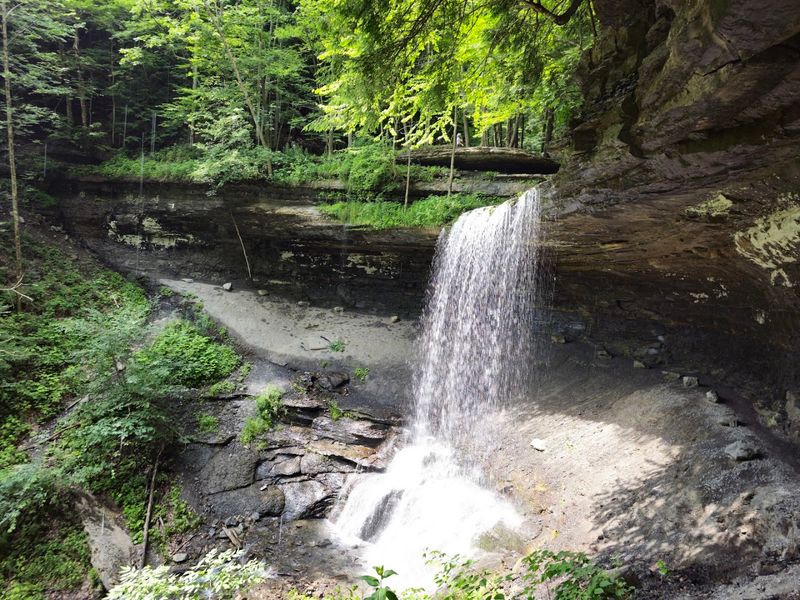
Forest silence and hidden openings make this area feel wilder than many first-time visitors expect from central New York.
Tinker Falls near Tully are tied to dramatic glacial geology, and reaching them feels like stepping into a landscape shaped by collapse and pressure.
If you like cave hikes with a little uncertainty and a lot of natural texture, this one stands out quickly.
The terrain can be rough, muddy, and seasonally variable, so preparation matters more than the mileage might suggest.
Different cave openings and sinkhole features in the area contribute to the sense that the ground itself has shifted over time.
That instability is part of the fascination, but it also means you should stay alert and avoid venturing beyond your comfort or skill level.
Unlike more commercial cave experiences, this setting feels understated and local.
You notice details slowly: cool air near openings, dense greenery around broken stone, and the way the landscape seems to fold inward.
Because of that, the outing rewards patient exploration rather than speed or summit-driven goals.
This is a better match for hikers who enjoy rugged terrain and unusual geology more than polished facilities.
12. Rock Shelter Trail – Tomkins Cove, Rockland County
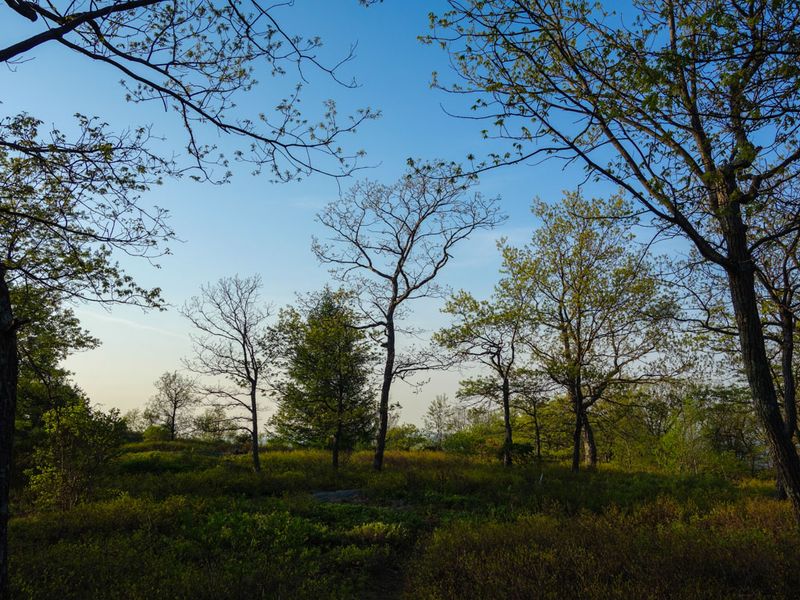
Sometimes a broad stone overhang can feel just as evocative as a deep cave, especially when forest light fades beneath it.
Rock Shelter Trail in Harriman State Park rewards hikers with that kind of natural refuge, where the landscape suddenly creates its own room.
You are still firmly outdoors, yet the sheltering rock gives the route a cave-like mood that feels ancient and inviting.
The hike itself varies depending on your chosen approach, but you should expect typical Harriman terrain with roots, rock, and rolling elevation.
That means sturdy footwear and a little patience go a long way, especially after wet weather.
What keeps the trail interesting is the shift between open woodland walking and the surprise of arriving at a substantial rocky recess.
Once there, the atmosphere changes.
The overhang muffles sound, deepens shadow, and makes you notice the texture of the stone in a more intimate way than a standard overlook ever could.
It is an excellent place to pause, snack, and imagine how people would have understood shelter long before modern gear existed.
This destination is best for hikers who appreciate subtle features rather than high-drama tourism.
Pair it with a broader day in Harriman if you want more mileage, lakes, or ridge views around the main highlight.
13. Breakneck Ridge – Cold Spring, Putnam County
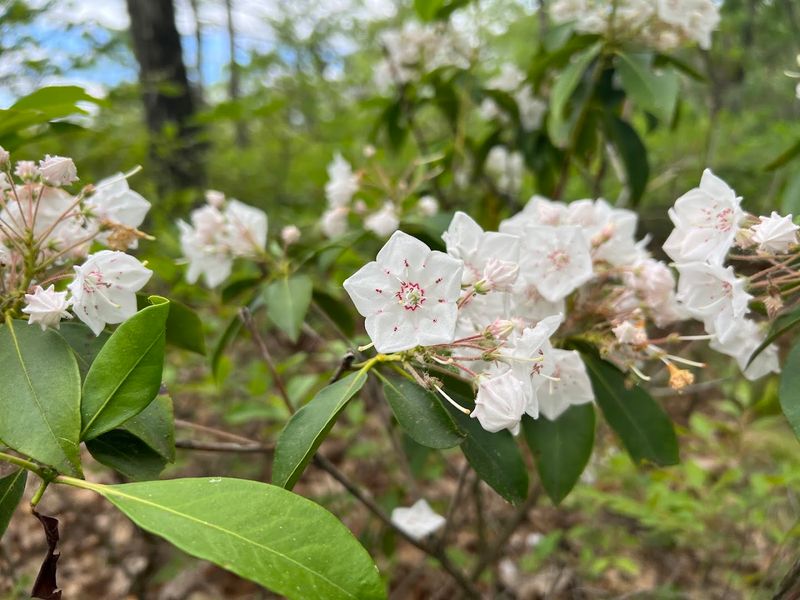
Sheer rock, exposed scrambles, and sweeping river views make this trail feel intense long before any hidden recess comes into view.
Breakneck Ridge near Cold Spring is better known for its demanding climb than for cave exploration, but its rocky features add a rugged, cavern-adjacent character.
You come here for adrenaline, and the dramatic stone landscape delivers from the first steep moves upward.
This is one of the state’s most popular challenging hikes, which means timing matters if you want a safer, less crowded experience.
The ascent includes scrambling over rock and navigating exposed sections, so it is not a casual walk despite the trail’s fame.
Along the way, smaller overhangs, fissures, and shaded stone pockets add texture that fits the spirit of a cave-themed adventure.
The reward is enormous once you gain elevation.
Hudson Highlands views stretch wide, contrasting beautifully with the tight, physical work required on the route below.
That combination of confinement near the rock and release at the summit gives the hike an especially satisfying rhythm.
Go prepared with traction, water, and realistic expectations about difficulty and crowd levels.
While it is the least cave-specific stop here, Breakneck Ridge deserves inclusion for showing New York’s hardest-edged, most vertical, and most exhilarating side of stone-bound hiking.