All 15 crane species on the planet live in one spot. No other place on Earth can say that.
Not a single zoo, park, or wildlife refuge anywhere else.
The story gets better. Two Cornell students started this whole thing in 1973 on a family horse farm.
Today their work reaches partners in more than 50 countries on five continents.
I love that this lives in Wisconsin, of all places. You can stroll a paved path and watch birds from Africa, Asia, Australia, and North America.
Some of them stand taller than many kids, and a few are among the rarest birds alive.
I can’t imagine a better way to spend a summer afternoon. Tall birds, prairie trails, and a gift shop waiting at the end.
So which crane will steal your heart first?
Fifteen Species, One Walk, Zero Plane Tickets
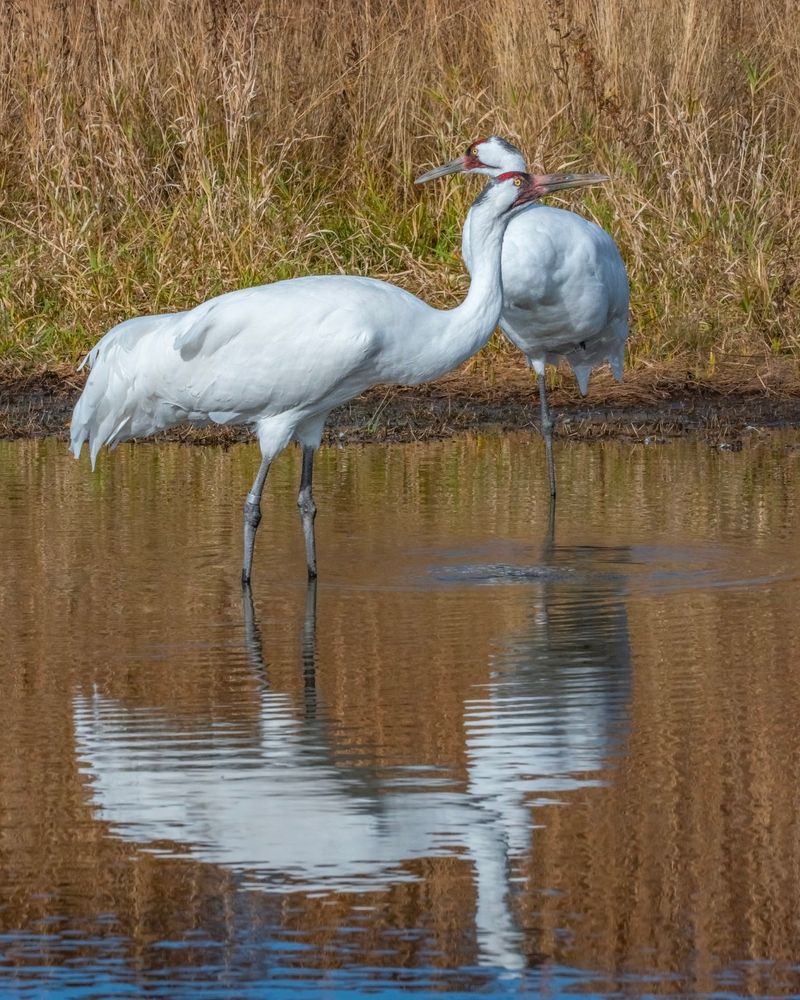
Bird lovers usually need a passport and years of travel to see every crane alive. At the International Crane Foundation, you just need comfy shoes and a free afternoon.
It’s the only place on Earth where all 15 crane species live together. That’s a bold claim, and it happens to be true.
The live exhibits line an easy loop through the grounds. Each enclosure is built so you can get a clear view of the birds.
You’ll see species from Africa, Asia, Australia, Europe, and North America in one visit.
Why does this matter so much? Well, 11 of the world’s 15 crane species are threatened or endangered right now.
Seeing them side by side shows how much is at stake.
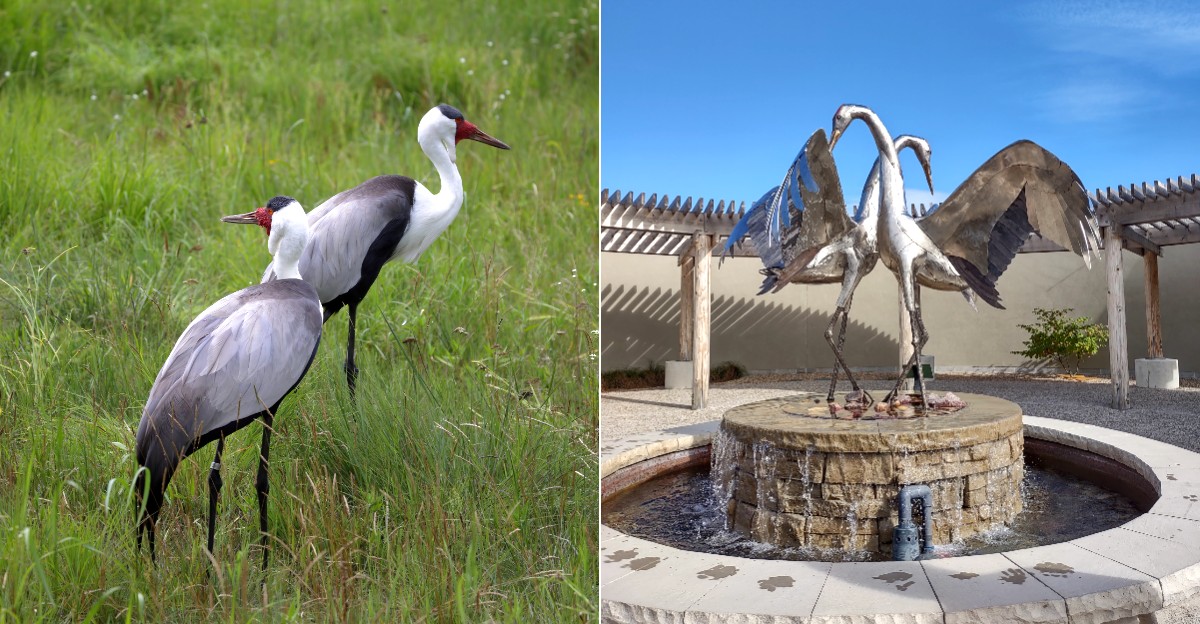
Some cranes wear bright red caps. Others sport golden crowns that look like fancy party hats.
The variety is honestly kind of wild for one family of birds.
My tip is simple. Walk the loop once for the big picture, then circle back to your favorites.
Cranes call, preen, and stroll on their own schedule, so a second look might show you something new.
Two Students, One Horse Farm, And A Very Big Idea
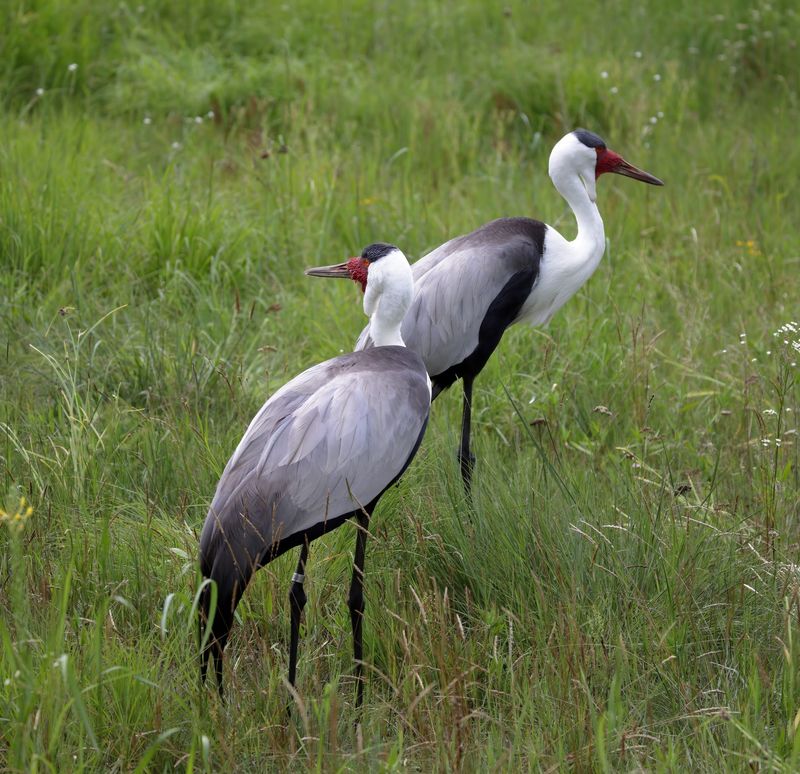
Back in 1973, two Cornell University ornithology students had a plan that sounded a little bold. Ron Sauey and George Archibald wanted to help save the world’s cranes.
They started on the Sauey family’s horse farm in Baraboo, Wisconsin. Horses and cranes sharing space is a fun image, right?
The work grew fast. In 1983, the foundation moved to its current property just outside town.
That land now covers roughly 250 acres or more of exhibits, prairie, and woods.
Today, the nonprofit runs research, breeding, reintroduction, and habitat restoration projects. It has offices and staff in China, Uganda, Kenya, Zambia, South Africa, and Texas.
Partners in more than 50 countries help carry the mission forward.
That’s a long way from a family barnyard. Yet the heart of it all still sits right here in Sauk County.
Knowing this backstory makes the visit feel richer. You aren’t just looking at pretty birds.
You’re standing at the headquarters of a global effort that started with two young people and one stubborn dream.
Your Adventure Kicks Off Indoors With Sandhill Cranes
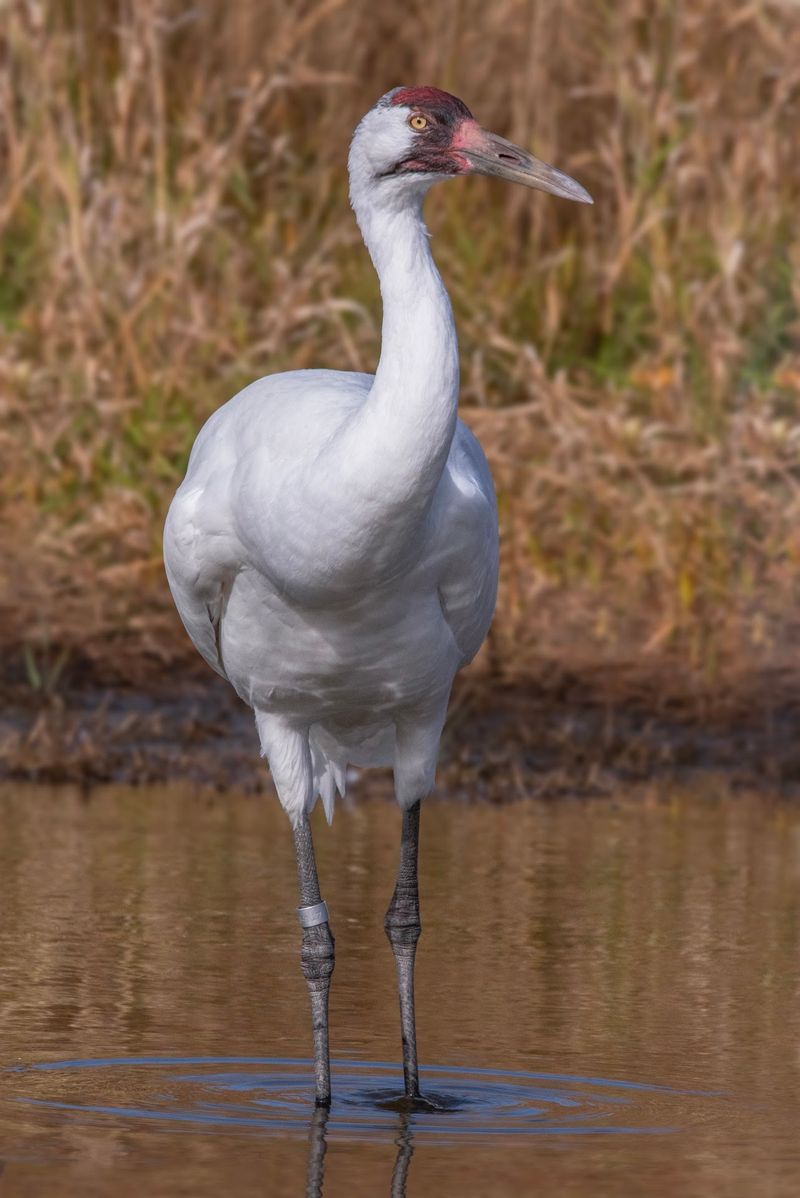
Most visitor centers give you a map and a brochure. The George Archibald Welcome Center gives you sandhill cranes before you even step outside.
The modern building handles admissions and holds displays about cranes and the foundation’s work. Indoor views let you watch sandhills from inside, which is handy on a drizzly day.
Inside, you’ll also find the Global Crane Conservation Theater. It shows a signature film plus curated videos and staff interviews about fieldwork around the world.
The theater uses high-definition projectors and has Listen Loop technology for guests with hearing aids.
I’d suggest catching the film early in your visit. It gives you context, and the cranes outside suddenly feel like characters you already know.
The building also houses the gift shop, so it’s both your starting line and your finish line. Think of it as base camp, just with better lighting and far fewer tents.
Restrooms here are accessible too. Grab a quick stop, scan the displays, and then head out to meet the stars of the show waiting along the path.
An Old Barn Turned Into A Front-Row Migration Seat
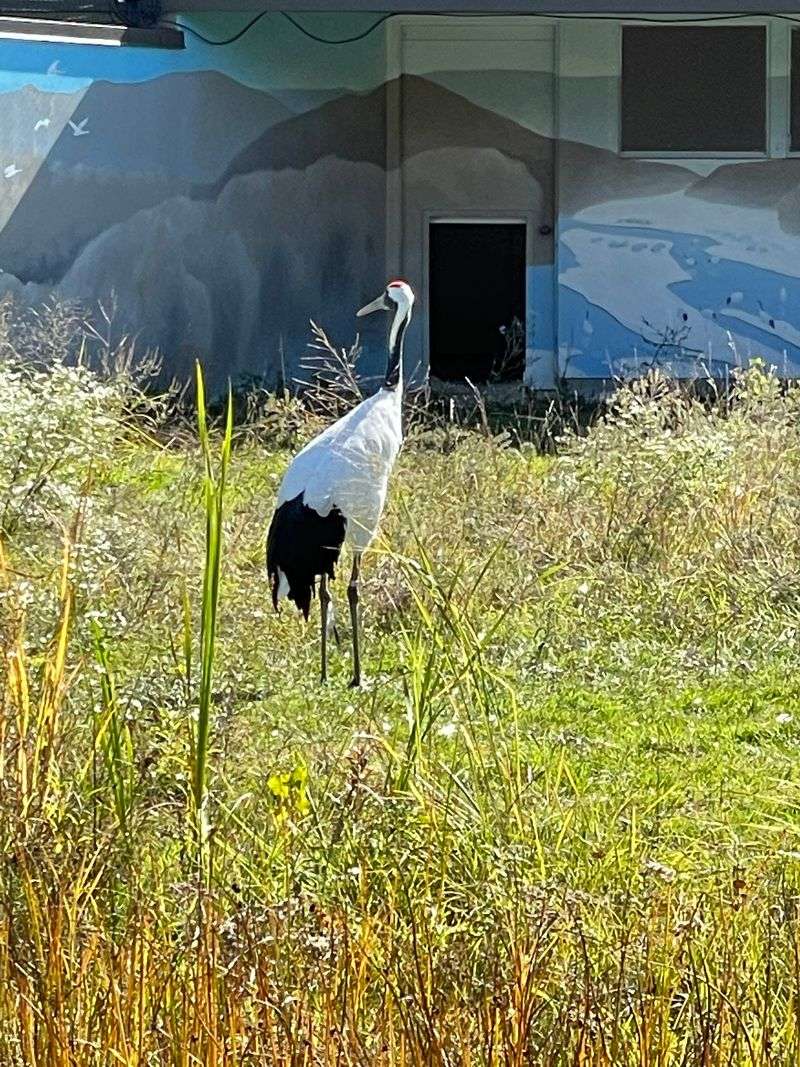
Every spring, huge flocks of sandhill cranes gather along Nebraska’s Platte River. Getting there takes planning, but the Migration Center brings a taste of it to you.
This exhibit lives in a restored barn that was original to the site. Old wooden bones, new purpose, and honestly a great reuse of space.
Inside is the Platte River Experience. It recreates a wildlife viewing blind during a crane migration.
A stunning mural by artist Victor Bakhtin wraps the scene in color and motion.
The exhibit is interactive, so kids and adults can poke around and learn as they go. It’s a smart way to understand why cranes travel and what they need along the way.
Migration is a big deal for these birds. They depend on wetlands and rest stops across whole continents, which is why the foundation works on flyways and watersheds too.
Spend a few quiet minutes here. Let the mural do its thing.
You may leave planning a spring road trip to see the real flocks someday.
Let A Guide Do The Talking For An Hour
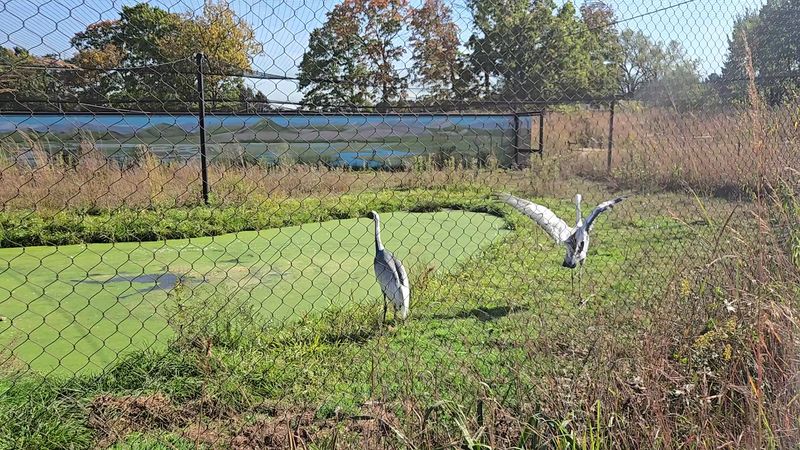
Cranes are fascinating, but they won’t explain themselves. That’s where the public guided tours at the International Crane Foundation come in handy.
Tours last up to one hour. They run on weekends in May, September, and October, and daily in June, July, and August.
Topics rotate, which keeps repeat visits fresh. Past themes include Cranes and Culture, Crane Behavior 101, and Spirit of Africa.
Each one zooms in on a different side of these birds.
Prefer to wander at your own pace? A self-guided tour app with audio narration is free to download on Apple and Google Play.
No phone handy? You can check out an iPad on site to use the app.
I like mixing both options. Join a tour for the stories, then use the app to revisit the exhibits that grabbed you most.
Either way, you’ll leave knowing why cranes dance and what makes each species special. You might even catch yourself explaining crane behavior to strangers on the drive home.
That’s a fair trade for an hour.
Prayer Wheels And A Zen Garden Make Space For A Breather
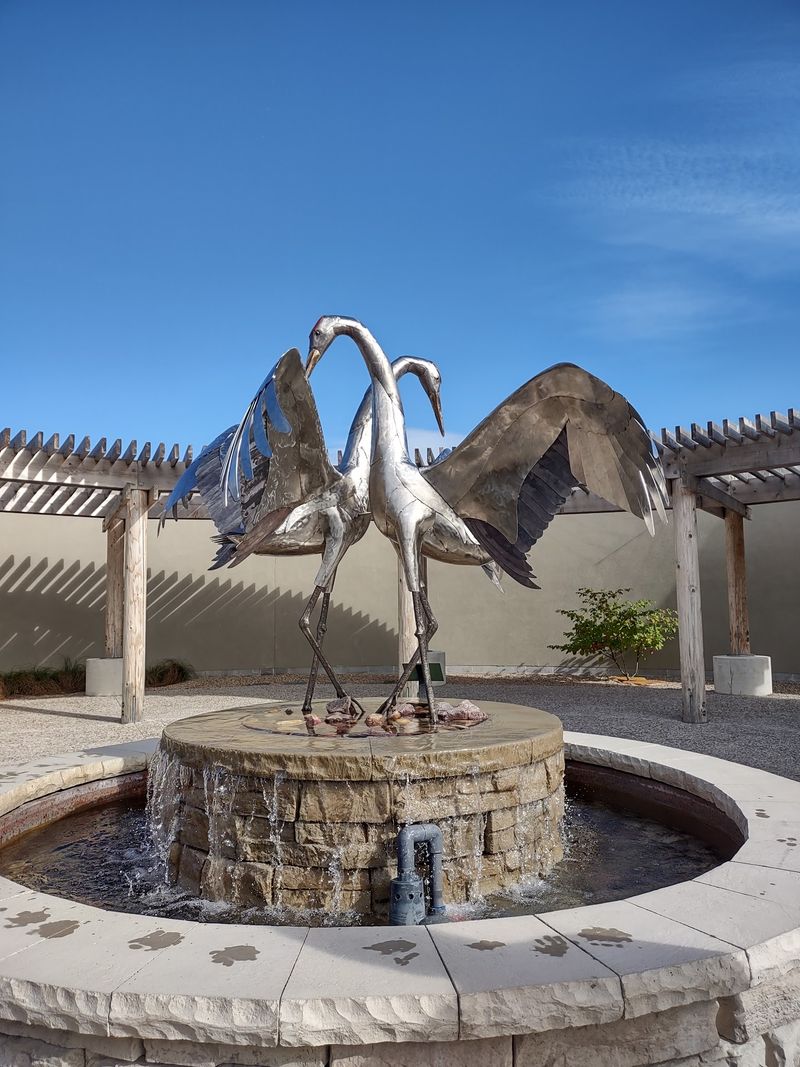
Cranes show up in art, stories, and traditions across the world. The Cranes and Culture Plaza celebrates that connection in a calm, lovely corner of the grounds.
A Zen Garden sits at the center of the space. It’s a natural spot to slow down after all that bird spotting.
Nearby stand prayer wheels handmade in Nepal. They’re decorated with cranes and filled with prayers.
It’s a touching reminder that people everywhere admire these birds.
Then there’s the Red-crowned Crane fountain, sculpted by Richard Van Heuvelen. Red-crowned cranes are famous symbols in East Asia, so the tribute fits right in.
Families with busy kids might think a quiet plaza sounds risky. Give it a try anyway.
Spinning a prayer wheel gently can be a fun, hands-on moment for little ones.
I believe this plaza adds something many wildlife spots skip. It shows why cranes matter to human hearts, not just to scientists.
Take a seat, breathe, and let the fountain set the pace for a few minutes.
Wildflowers, Prairie Grass, And Trails Beyond The Pavement
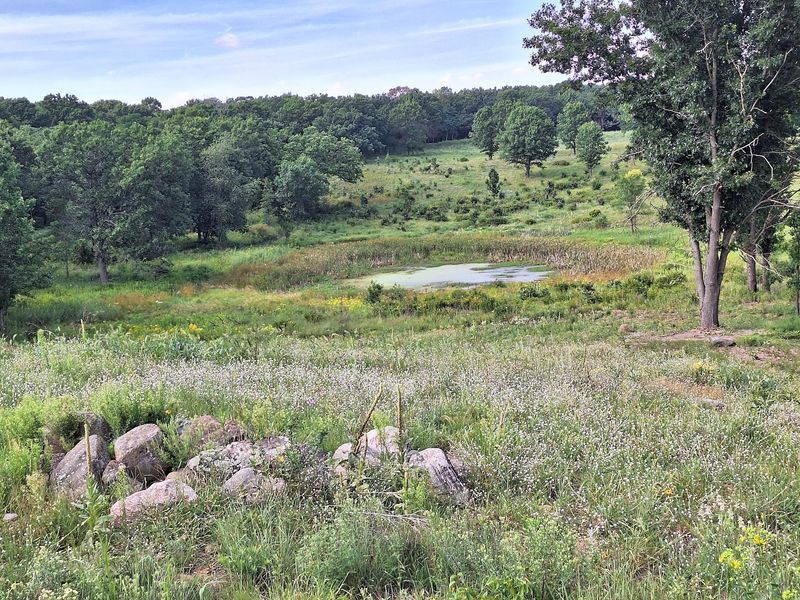
Plenty of folks finish the crane loop and head to the car. Big mistake, because the nature trails are a whole second visit waiting to happen.
Miles of trails weave through restored tallgrass prairie, oak savanna, wetland, and forest. Each habitat feels different, and that variety is half the fun.
Summer brings wildflowers and native grasses in full swing. Keep an eye out for resident birds and butterflies drifting through the meadows.
These unpaved trails have one firm rule. Stay on the marked paths so the restored land can keep thriving.
Wear sturdy shoes and bring water, especially on warm Wisconsin afternoons. A hat won’t hurt either, since open prairie offers sunshine by the bucketful.
This part of the visit shows the foundation’s habitat work up close. Cranes need healthy wetlands and grasslands, and here you’re walking right through the restoration in action.
Even if birds aren’t your thing, the scenery earns its keep. It’s peaceful, wide open, and full of small surprises.
Just don’t expect the butterflies to pose for photos.
Scooters, Sensory Bags, And Paths Made For Everyone
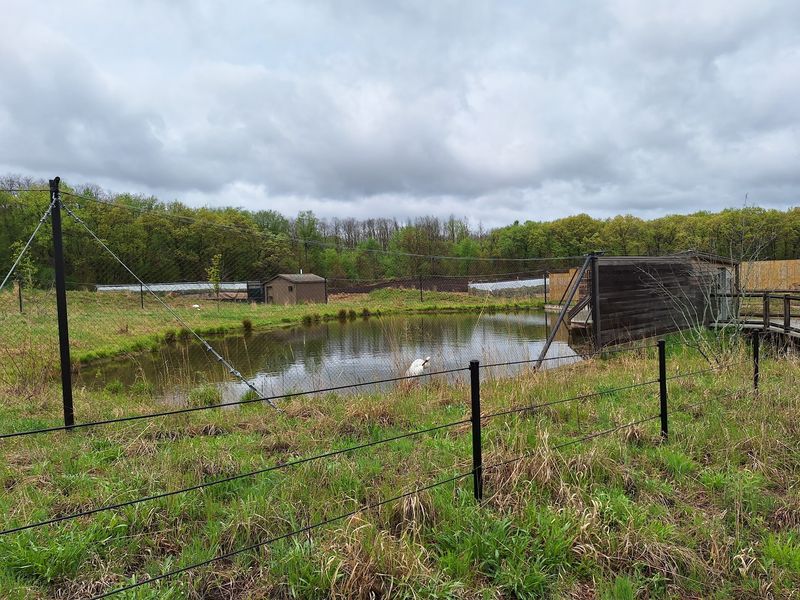
Good news for grandparents, stroller pushers, and anyone with tired knees. The main exhibit area sits on a paved trail system built for wheelchairs, strollers, and scooters.
Motorized scooters are available on a first-come, first-served basis. They aren’t allowed on the unpaved trails, so stick to the main loop with them.
Sensory bags and hidden disabilities lanyards are available for checkout too. Those small touches can make a big difference for kids and adults who need them.
Accessible parking, accessible restrooms, and ADA-approved door handles round out the setup. The Welcome Center and gift shop are accessible as well.
One rule to know before you go: pets aren’t permitted. Only ADA service animals are welcome on the grounds, so leave Fido at home.
Food planning is easy. You can pack your own lunch and non-alcoholic drinks, and picnic tables are first-come, first-served.
Snacks and beverages are also sold in the gift shop.
Driving an electric car? Three charging stations sit in the free parking lot.
Your car gets a recharge while you get a crane fix.
Mark Your Calendar Before Fall Sneaks Up On You
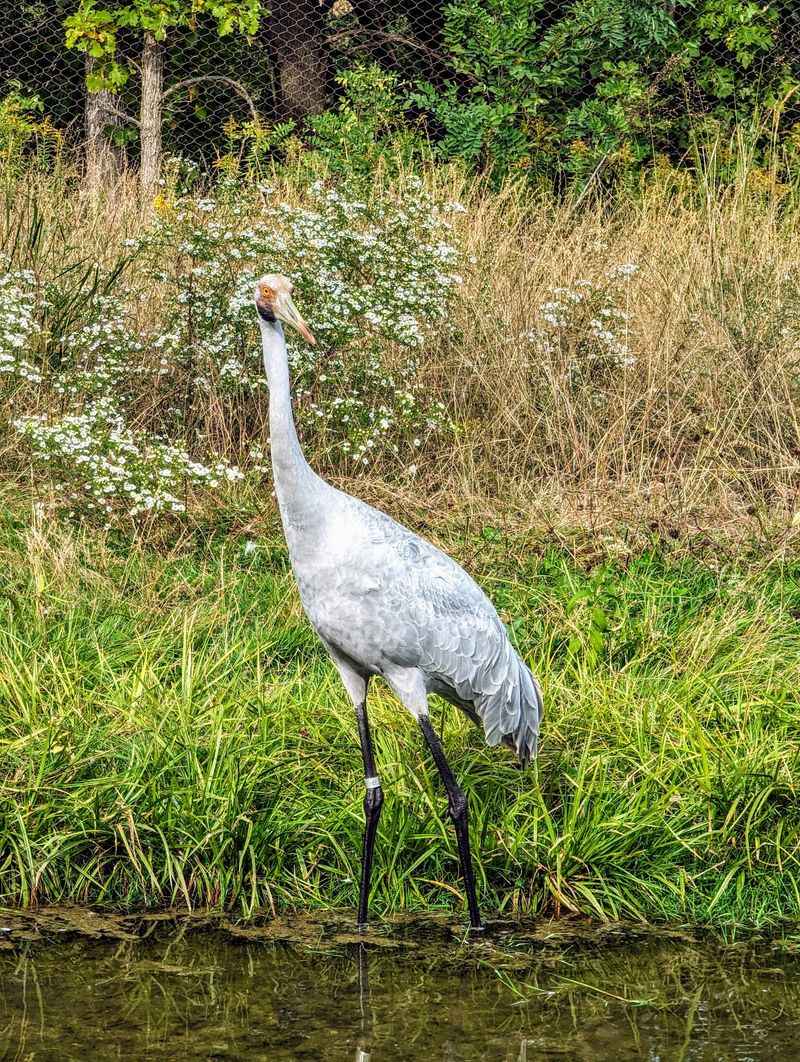
Timing matters with this place. The Crane Discovery Center opens daily from May 1 through October 31, then closes for the season.
Hours run from 9 a.m. to 5 p.m. Last entry is at 4:30 p.m., so don’t roll in at 4:45 expecting a crane parade.
You’ll find the International Crane Foundation at E11376 Shady Lane Rd, Baraboo, WI 53913. Parking is free, which always feels like a tiny victory.
Baraboo makes a great base for a full Wisconsin weekend. Devil’s Lake State Park sits close by, and the Wisconsin Dells are a short drive away.
My advice? Give yourself at least a couple of hours.
Between the exhibits, the film, the trails, and the plaza, rushing would be a shame.
Save time for the gift shop at the end. It’s packed with souvenirs and unique finds, and every purchase supports a nonprofit doing real good.
Fifteen species, one sanctuary, and a season that won’t last forever. Pick your date now, because those cranes aren’t going to wave you in themselves.