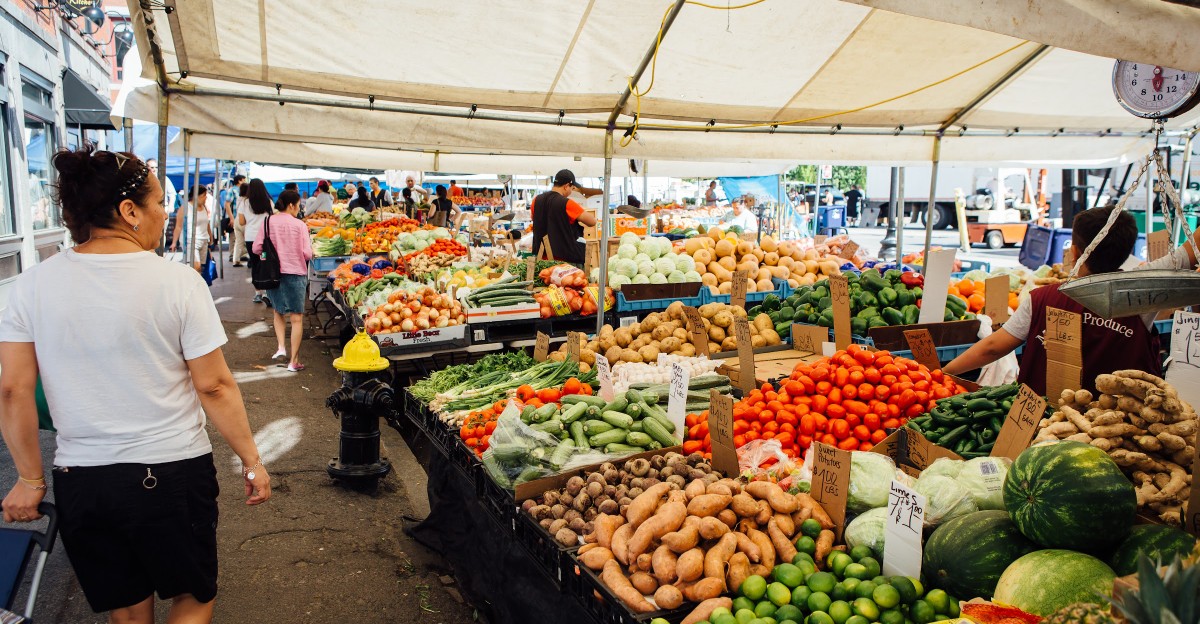
A grocery run can feel like a treasure hunt when you find ripe peaches, bright peppers, and bags of fresh produce for less than you expected. Every Friday and Saturday, Haymarket at 100 Hanover St in Boston, Massachusetts, fills with shoppers searching for bargains among its colorful outdoor stalls.
This historic open-air market brings a lively, old-fashioned energy to downtown Boston, where buying groceries becomes an experience worth slowing down for.
Listen for vendors calling out their offerings, watch shoppers compare prices, and take in the sight of crates overflowing with fruits and vegetables. The atmosphere is busy and bustling, with plenty of opportunities to find seasonal ingredients while stretching your grocery budget.
A sturdy shopping bag, cash, and a flexible approach can help you make the most of the visit, since selection and prices may vary. Whether you’re a Boston local or a curious visitor, Haymarket offers a glimpse of the city’s everyday food culture, with fresh finds waiting at every turn.
A Weekly Street Scene Worth Joining
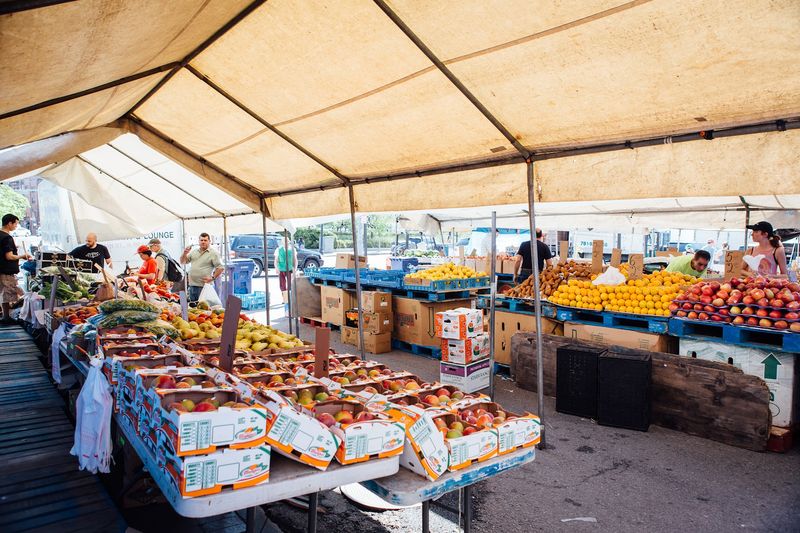
The sidewalk suddenly feels like the busiest room in Boston. Shopping bags swing past stacks of produce, sellers answer questions, and people pause to compare the next promising pile of fruit.
At Haymarket, near 100 Hanover St, that lively scene returns every Friday and Saturday. Unlike a quiet grocery aisle, the outdoor market invites you to look around, listen, and let your shopping list change when something catches your eye.
Give yourself time for an initial walk before making purchases. You will get a better sense of the selection, spot price differences, and avoid filling your bags at the first stall you reach.
Wear comfortable shoes and keep your belongings close when the paths become crowded. Step aside before checking your phone or sorting money so other shoppers can pass easily.
Even a short visit offers a close look at a familiar Boston routine: neighbors, students, and visitors hunting for ingredients together. The appeal is not fancy presentation.
It is the pleasure of finding something useful, affordable, and unexpectedly good while the city carries on around you, one purchase at a time.
Historic Roots Behind the Produce Stalls
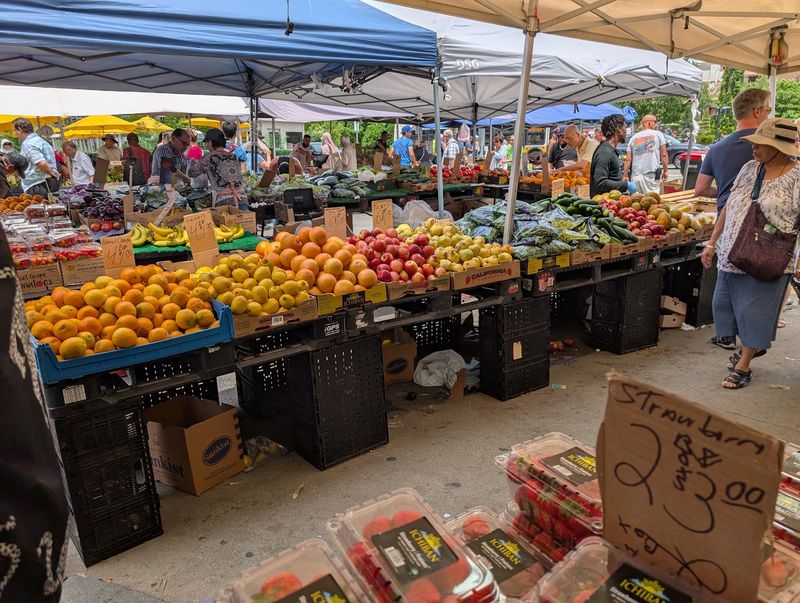
Some Boston traditions live behind museum glass; others arrive in cardboard boxes. Here, the past feels closer when someone counts out change over a crate of apples rather than reading from a display.
Haymarket has roots in Boston’s nineteenth-century market trade. Its lasting role is wonderfully practical: giving people a place to buy food without turning every purchase into a special occasion or an expensive outing.
Although often called a farmers’ market, it is better understood as a produce market with many sellers drawing from wholesale supplies. Do not assume every tomato was grown nearby or that the person selling it also harvested it.
Ask vendors about origins if local growing matters to you, and enjoy the market for what it does best. Its history rests in everyday exchange, changing seasons, and generations of shoppers looking for value.
As you browse around Hanover Street, notice how ordinary grocery errands keep that tradition moving. You do not need a guided tour to appreciate the connection.
A bag of vegetables and a few minutes watching the trade can make Boston’s past feel surprisingly close.
Bargains That Reward a Second Look
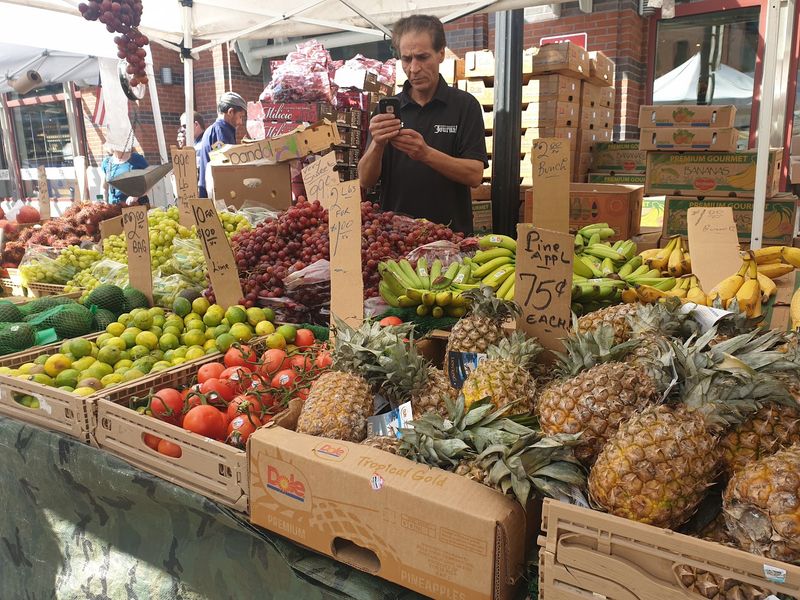
A low price can make you stop in your tracks. The real thrill comes when you realize that one modest purchase could become tonight’s dinner, tomorrow’s lunch, and something extra for the freezer.
Many Haymarket shoppers praise prices that are lower than their usual grocery stores. Savings vary by vendor, supply, and condition, so treat each stall as a fresh comparison rather than expecting every item to be a bargain.
Read signs carefully before handing over money. A price might apply to one piece, a pound, a basket, or several items together, and those differences matter when you are planning a small grocery budget.
Walk past a few stands before choosing where to buy tomatoes, peppers, or apples. Consider what you can actually use, not just how much you can carry.
A giant bag stops being a good deal if half of it spoils on your counter. The smartest purchase often looks ordinary: a useful amount, decent quality, and a price you understand.
That simple approach leaves room for the satisfying surprise of finding your favorite ingredient for less than you expected.
Colorful Fruit With Plenty of Possibilities
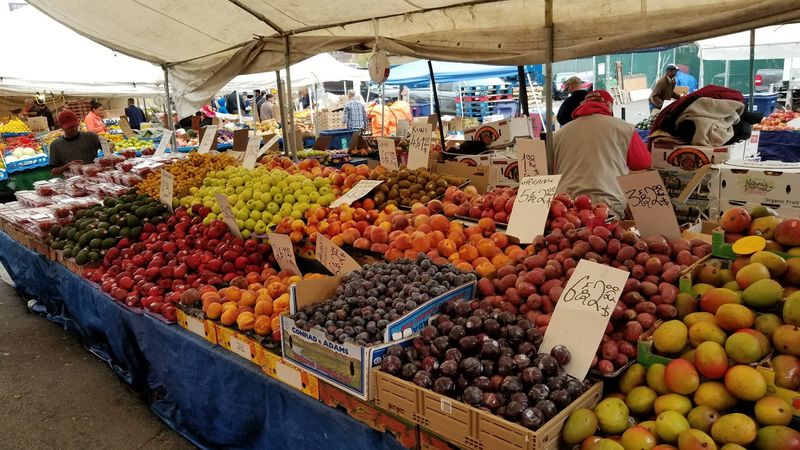
Red berries and bright citrus can undo a carefully written shopping list. Suddenly, breakfast looks better, dessert seems easy, and that empty fruit bowl at home feels like a problem worth solving.
The fruit selection at Haymarket changes with available supplies. Shoppers report finding strawberries, blueberries, raspberries, blackberries, and apples, but specific varieties and prices should never be treated as guaranteed from one weekend to another.
Look closely at berry containers before buying, especially along the bottom where moisture or damaged fruit may collect. Ask before touching or selecting produce yourself, since vendors may have different rules about handling their displays.
Choose fruit with your next few meals in mind. Soft berries can become a quick sauce or smoothie soon after you get home, while firmer apples may fit better into a longer plan.
Avoid buying delicate fruit just because the pile looks tempting. Carry it above heavier vegetables so it survives the trip without getting crushed.
There is something quietly cheerful about leaving this busy Boston market with a bag that promises a sweeter morning, provided you give those purchases timely attention.
Vegetables That Turn Into Real Meals
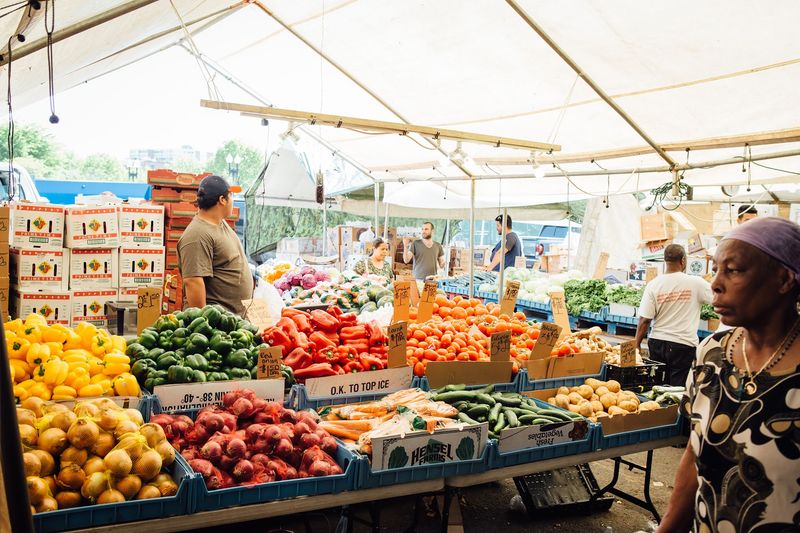
Dinner sometimes begins with a pile of carrots rather than a recipe. Add a few peppers or a head of broccoli, and the week starts to feel a little more manageable before you even reach home.
Haymarket’s vegetable stalls give shoppers plenty of reasons to think beyond a single meal. Depending on the day’s supply, you may find ingredients suited to soups, roasted vegetable trays, simple salads, or quick dishes made in one pan.
Check leafy greens for wilted edges and look at vegetables from more than one angle when permitted. A small surface mark may be harmless, but soft spots, leaking liquid, or an unpleasant smell deserve more caution.
Build your purchases around cooking habits you already enjoy. If you rarely prepare a certain vegetable, buying a huge quantity probably will not change that by Monday.
Instead, pair one unfamiliar choice with reliable favorites and ask a vendor a straightforward question about it. Once home, sort the most delicate vegetables first and plan meals around them.
The reward is not merely a cheaper bag of groceries, but several dinners that feel within reach.
A Little Care Makes the Savings Count
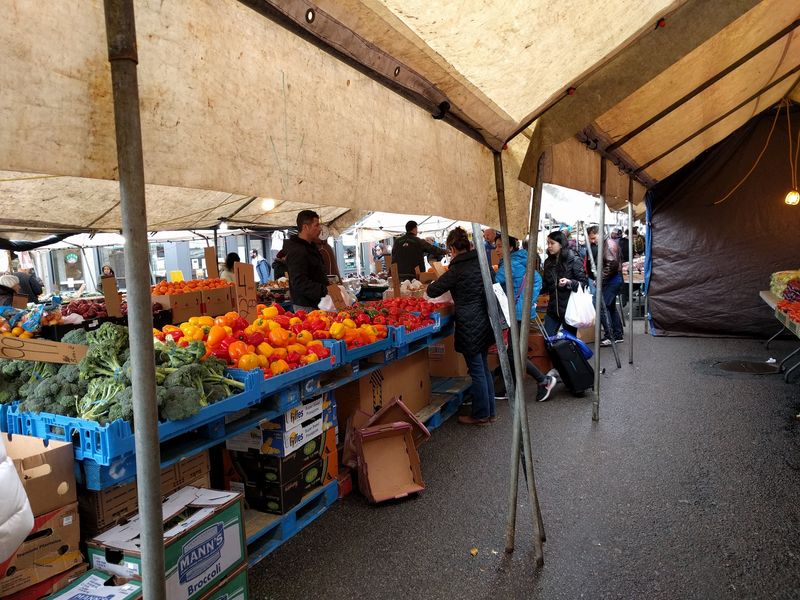
The prettiest tomato on top does not tell the whole story. A bargain deserves a closer look, especially when ripe produce needs to make it through a crowded ride home and another day in your kitchen.
Quality at Haymarket can vary between stalls and even within the same box. Customer accounts include both excellent finds and disappointing purchases, making careful shopping more useful than assuming everything is equally fresh.
Watch what goes into your bag, and politely ask to see the purchase before leaving. Respect the seller’s handling rules, but speak up calmly if you notice something damaged or different from what you expected.
Think of ripeness as a schedule rather than a simple yes or no. Ready-to-eat fruit may be ideal for today’s snack but a poor choice for next week’s lunches. Separate anything bruised when you get home, refrigerate items that need it, and wash produce before eating or preparing it.
If something seems spoiled, do not try to rescue it just to protect the savings. A few thoughtful checks help turn an exciting market haul into food you can actually enjoy.
Early Choices or Later Deals
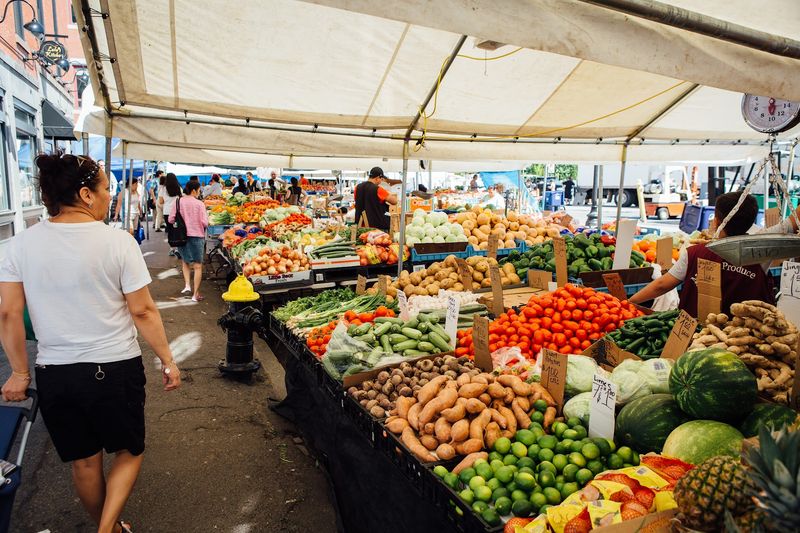
Your timing can shape the whole shopping trip. Arrive with the early crowd and you may have more choices; come later and the appeal may shift toward stretching your last few dollars a little further.
Haymarket operates on Fridays and Saturdays, but individual vendors’ schedules can vary. Check the market’s website before traveling, especially around holidays or difficult weather, rather than relying on an unspecified opening time in a map listing.
Several shoppers recommend going early for selection and produce condition. Others report finding lower prices later in the day, although markdowns are not promised and popular items may already be gone by then.
Choose your approach based on what matters most. A specific recipe favors an earlier visit, while a flexible cook may enjoy seeing what remains and building dinner around it.
Leave enough time to compare stalls instead of rushing toward a closing market. Weather also affects comfort, so dress for an outdoor errand rather than an indoor shopping trip.
There is no perfect hour for everyone, only a better match between the day’s market rhythm and your own plans for the food.
Cash and Carry Without the Struggle
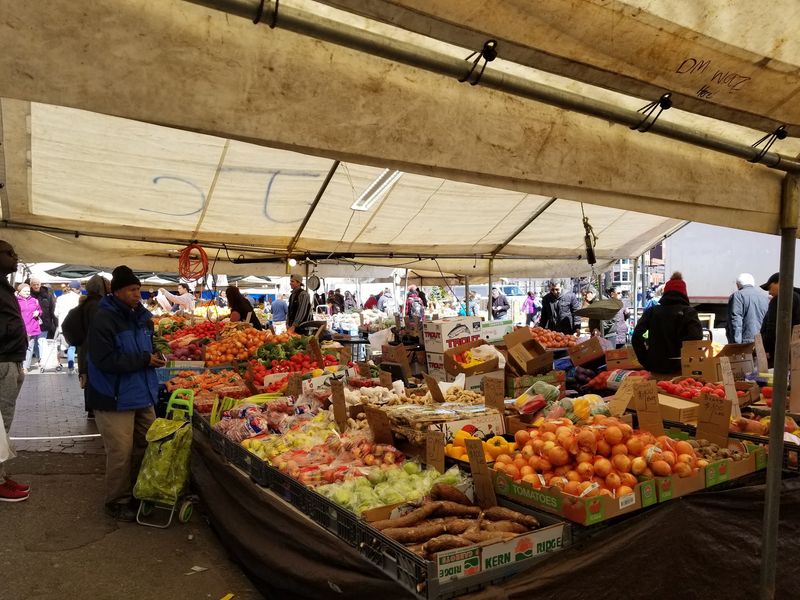
That first bag feels light until you add potatoes, apples, and one more tempting purchase. By the third stall, a little planning can mean the difference between a pleasant outing and sore fingers.
Many Haymarket vendors are reported to accept cash only, so bring small bills and some change. Payment practices may differ, but arriving prepared keeps a good find from turning into a search for an ATM.
Pack sturdy reusable bags, ideally with comfortable handles. A compact shopping trolley can help with heavier purchases, provided you keep it close and avoid blocking narrow spaces where other shoppers need to move.
Set a spending limit before browsing and save a little room in both your budget and your bag. Place heavier produce at the bottom, keep fragile fruit protected, and check your change before moving away from the stall.
If you are traveling by train, buy only what you can manage through stairs, gates, and a busy car. Practical details rarely make the prettiest travel photos, but they help you enjoy the market itself instead of spending the journey home juggling an awkward load.
Conversations Across the Counter
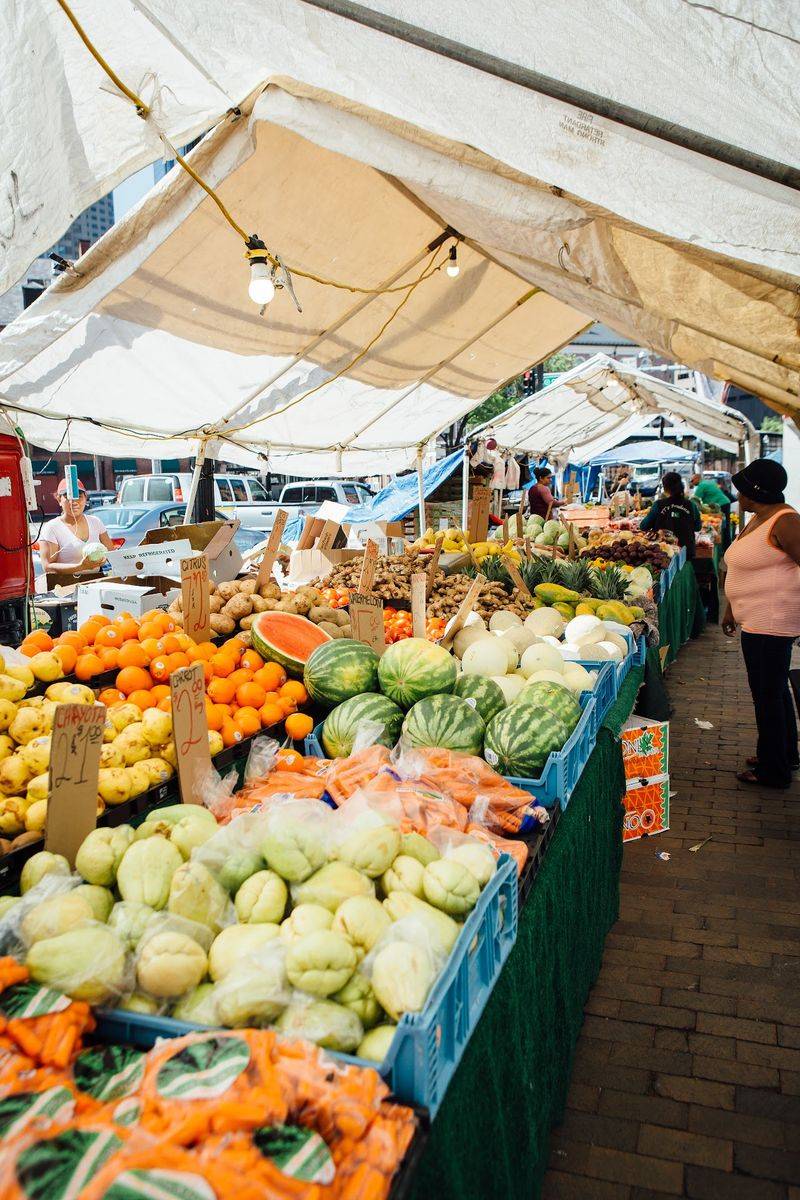
A quick exchange over a crate can teach you more than a price sign. Sometimes the useful detail is how ripe the fruit is; sometimes it is simply whether that listed deal includes the whole basket.
At Haymarket, talking with vendors is part of navigating the market well. Many visitors describe helpful, friendly sellers, though the pace can be brisk when several customers are waiting for service at once.
Keep questions short and clear, and have your money ready once you decide. Ask about quantity, payment, or how soon an item should be used rather than assuming the seller can pause for a long conversation.
Some shoppers report bargaining, but lower prices are never owed to anyone. If you ask about a discount, do so politely and accept the answer without pressure.
Observing a stall for a moment can also help you understand how orders work before stepping forward. These small exchanges give the outing a human texture that scanning groceries cannot quite match.
You leave with food, certainly, but also with the sense of having taken part in a busy neighborhood routine for a while.
An Easy City Stop With a Useful Souvenir
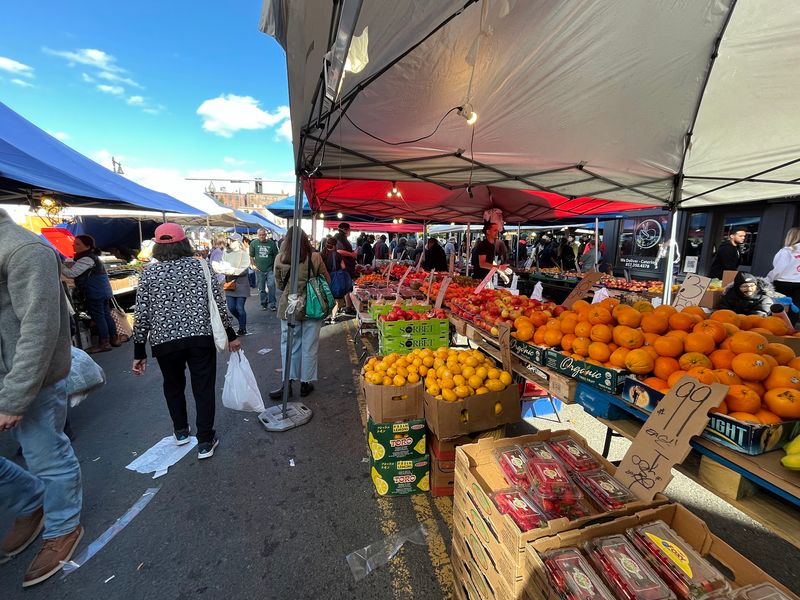
Not every souvenir needs a shelf at home. Sometimes the best reminder of a Boston outing is a dinner made from vegetables you carried through the city yourself, with market sounds still fresh in your memory.
Haymarket’s location at 100 Hanover St makes it a practical downtown stop, and the nearby Haymarket transit station helps shoppers arrive without a car. The station serves the Orange and Green lines, though service conditions should be checked before traveling.
Plan your return trip before buying heavy groceries. Driving visitors should confirm garage prices and any validation rules directly, since a nearby parking option does not automatically mean cheap parking or a guaranteed market discount.
Give the outdoor stalls their own time rather than treating them as a quick photo opportunity. Walk a section, compare a few choices, and purchase something you can genuinely use.
Remember that the nearby indoor Boston Public Market is a separate place, not another name for these outdoor produce stalls. With sensible expectations and an empty bag, this Friday or Saturday stop can connect a city visit to everyday life in a satisfying way.