
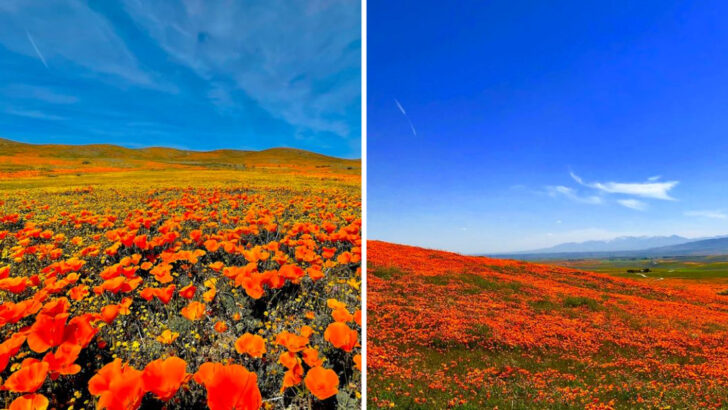
When spring rains land just right, Antelope Valley erupts in color you can see from the highway. Hills roll out in glowing orange, streaked with purple and yellow, and the wind turns every slope into a shimmering sea.
You can time it well, photograph it beautifully, and enjoy it respectfully with a few insider tips. Here is how to make your visit unforgettable without stepping on a single petal.
Timing Your Visit for Peak Bloom
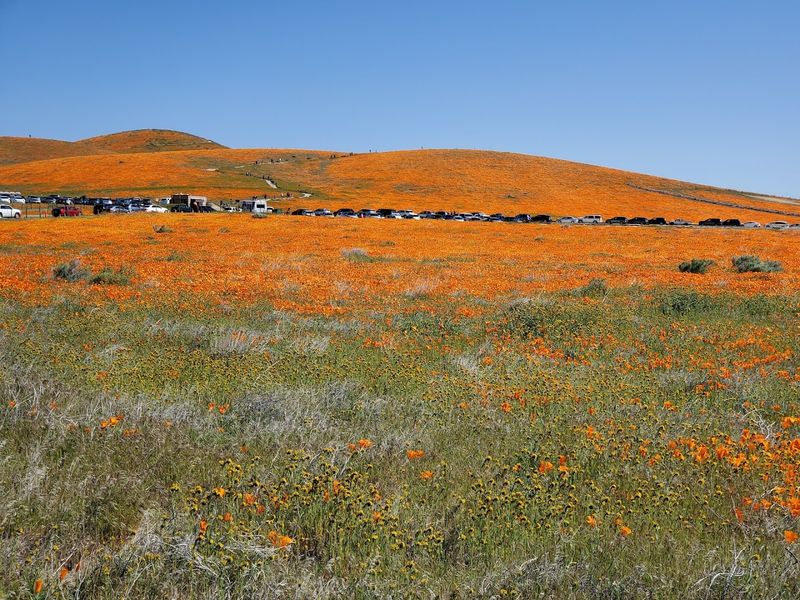
Spring puts Antelope Valley California Poppy Reserve on every SoCal bucket list, but bloom timing shifts each year. Rains from December through February set the stage, with March to early May usually delivering the best color.
You will see day to day changes, so flexibility pays off.
Warm, calm mornings open more petals, while cold wind can keep flowers tucked. After a storm, give the hills a couple sunny days before you go.
Rangers update conditions on the park website, social feeds, and a simple live cam, which is worth checking the night before.
Arrive at opening to beat traffic and snag parking. If clouds roll in around midday, consider a break at the Jane Pinheiro Interpretive Center, then loop back for late afternoon light.
Super bloom or modest year, the reserve’s 8 miles of trails still reward you with sweeping Mojave views.
Check hours before you leave. The gate typically runs 7 AM to 7 PM in season, and parking costs 10 dollars per vehicle.
Weekdays feel quieter than Saturdays, and the east facing slopes brighten first when the sun clears the Tehachapis. Pack patience, and you will still catch orange waves somewhere on the loop in the reserve.
Trail Guide and Route Picks
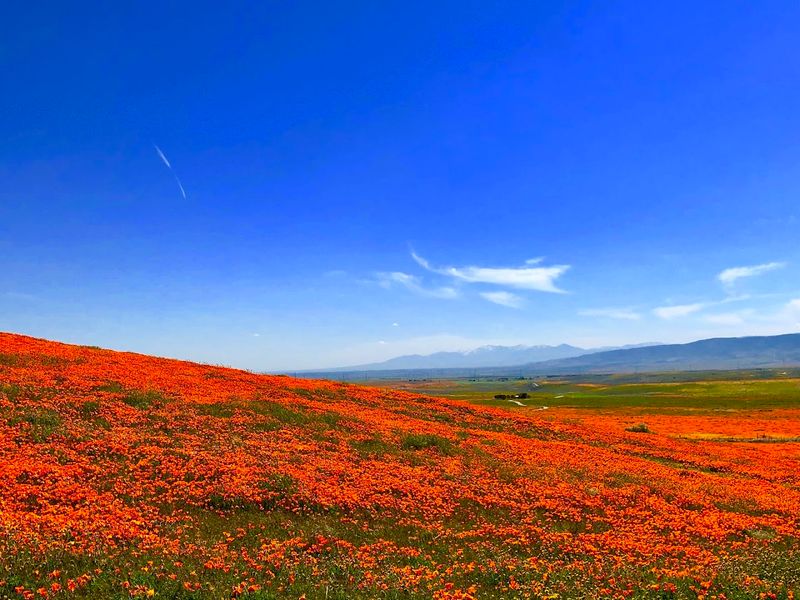
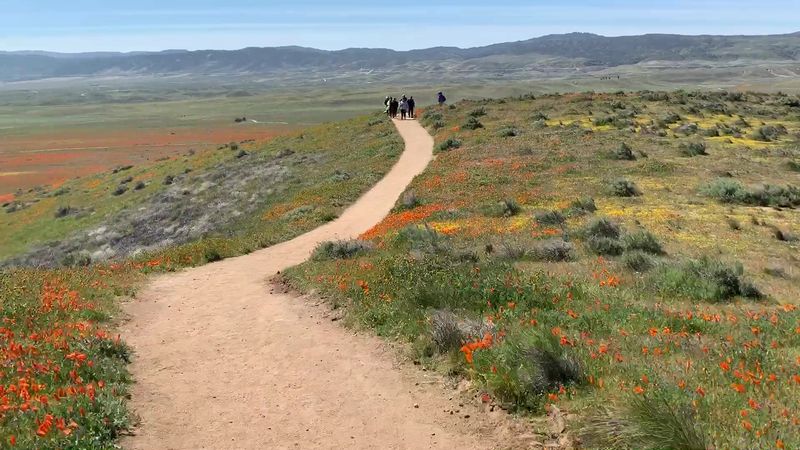
The trail network forms gentle loops that you can stitch together for your ideal morning. North and South Poppy Trails create a classic figure eight with rolling climbs and breezy ridgelines.
You will find junction signs at every turn, plus a paper map from the entrance booth.
For wide open hillsides studded with orange, start clockwise on North Poppy, then swing to the Tehachapi Vista Point spur. Photographers like the Antelope Butte cutoffs for higher vantage points and fewer crowds.
If you crave quieter steps, the western edges face steady wind and thin out by late morning.
Trail etiquette matters here. Stay on marked paths to protect roots and the tiny creatures that call these fields home.
Stepping off trail flattens stems that will not bounce back by next season, and rangers do ticket for trampling.
Pack water and a wind layer. The Mojave can swing from warm sun to sharp gusts in an hour, and exposed ridges amplify it.
Good footwear with grippy soles helps on sandy sections, especially downhill by the poppy rich saddles. Add a sit pad if you plan photo breaks.
Trash cans are limited, so carry out wrappers and orange peels without exception. every time.
Weather, Wind, and What to Wear
Conditions change quickly across these open hills. A calm sunrise can flip to 30 mile per hour gusts by noon, and clouds sometimes shut poppies mid day.
You will be happier with layers that block wind without turning into a sauna.
Start with a breathable base, then add a light fleece and a packable windbreaker. A brimmed hat and sunglasses help with relentless glare off orange petals and tan soil.
Dust gets everywhere, so leave white sneakers at home and pick trail shoes with toothy tread.
Sunscreen is essential. Even on breezy days the UV index runs high, and visitors often forget reapplication because it feels cool.
Aim for SPF 30 or higher, and swipe chapstick with SPF so your lips do not bake.
Spring storms turn the parking lot into a wind tunnel. Stash hair ties, a microfiber cloth for camera lenses, and a spare layer for kids who chill faster.
If the forecast calls for gusts, shorter loops on the leeward side keep spirits high and photos steadier without sand in your teeth. Gloves make sunrise starts comfortable, and a buff doubles as ear protection when the poppy slopes start whistling.
Toss one in your daypack now, please.
Photography Tips for Orange Seas
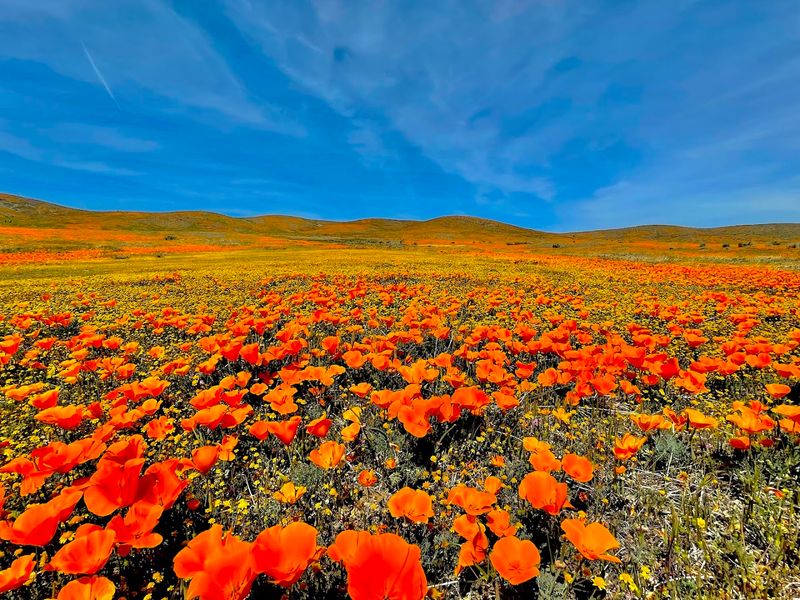
Golden hour steals the show here. Early light paints ripples across the hills, and petals glow without harsh shadows that flatten color.
You will capture richer texture facing across the slope instead of straight uphill.
Bring a midrange zoom, like 24 to 70, for flexibility on trail. A circular polarizer cuts glare off petals and deepens skies, but rotate gently to avoid weird gradients.
If wind is howling, raise ISO, bump shutter speed, and accept a bit of grain to keep flowers tack sharp.
Stay on the path and use foregrounds. Fences, trail curves, and friendly visitors walking past can add scale without trampling anything.
For phone shots, tap to expose on the petals, then lower exposure slightly so the orange does not blow out.
Sunset can be magical after windy afternoons when crowds thin. Turn back toward the visitor center for silhouettes against the San Gabriels, and hold a few seconds after sunset for pastel skies.
Wipe lenses often, because dust rides every breeze and loves to sneak into corners of your glass. If bloom is patchy, step in closer and build frames around vibrant pockets instead of chasing distant carpets all afternoon.
Your gallery will look stronger overall.
Wildlife, Plants, and Staying Respectful
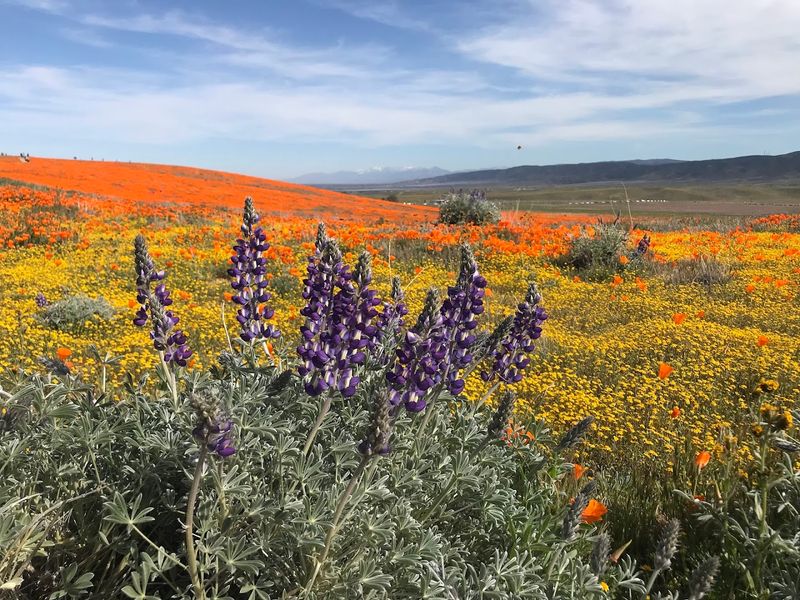
Orange poppies get the spotlight, yet the reserve shelters far more life than you notice at first glance. Lizards zip across warm rocks, horned larks whistle from the flats, and rattlesnakes prefer to mind their business off trail.
You will enjoy more sightings by moving slowly and scanning edges.
Plants shift through the season. Early shows goldfields and fiddleneck, then grape soda lupines bring that unmistakable purple and candy scent.
Later, tidy tips and owl’s clover dot the background, building contrast that makes poppies feel even brighter from a few steps back.
Hands off the petals. Oils on skin can damage blooms, and picking is illegal inside the state park.
Keep dogs at home, because pets are not allowed on trails, and leashes dragging through plants create more harm than you think.
Give snakes and ground nesting birds extra room by stepping aside instead of backpedaling wildly. Teach kids to admire with eyes and cameras, not fingers.
If you pack a snack, sit on a rock or trail edge and keep crumbs contained, since food scraps attract ravens that raid nests. Carry binoculars, and you might catch meadowlarks flashing tail feathers while hovering over the poppy fields on breezy mornings.
Visitor Center and Practical Services
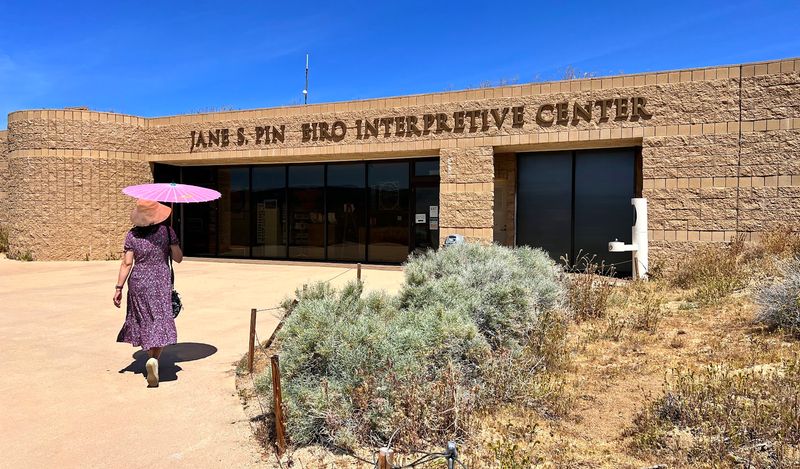
The Jane Pinheiro Interpretive Center is your anchor on blustery days. Exhibits explain the reserve’s geology, flora, and history, and staff share up to the minute trail updates with a smile.
You will find clean restrooms here when portable options feel like a last resort.
The small bookstore sells field guides, postcards, and lightweight layers that actually help when wind catches you off guard. A simple topographic display makes route planning clearer for families.
Ask about current closures, wildlife notes, and which slopes hold the most color that specific week.
Parking usually costs 10 dollars per vehicle, payable by card or cash at the booth. Your receipt works at other nearby state parks the same day, which is handy for sunset roaming.
Phones get spotty reception, so screenshot maps and save the park website before rolling out.
Remember, there is no food service. Bring water, snacks, and a small trash bag to carry everything back to your car.
If winds roar, duck inside for ten minutes, warm up, then head back out for calmer pockets between gusts along the lower trail benches. Visitors appreciate a quick stop to donate, supporting habitat care and education programs year round for future blooms.
Responsible Visiting and Leave No Trace
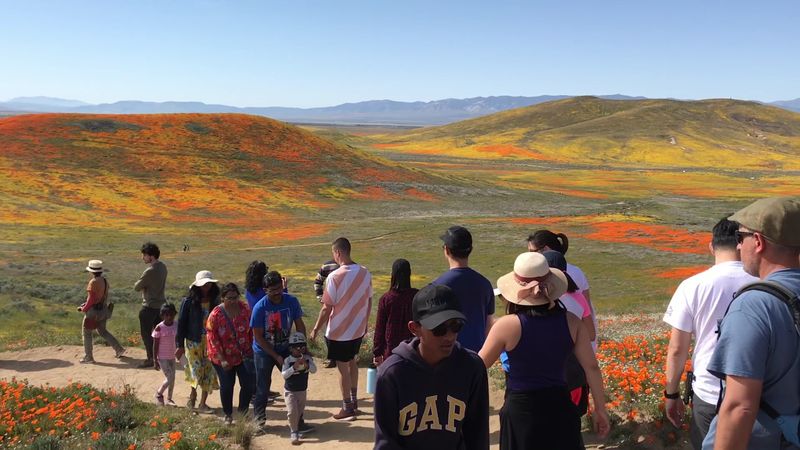
Orange carpets invite wandering feet, yet the most meaningful photos happen from the trail. Staying on paths protects delicate root systems and keeps seeds set for next spring.
You will feel better knowing your visit left zero crushed stems behind.
Pack it in, pack it out is the rule. Micro trash like corners of bar wrappers and fruit stickers travel fast in wind.
Stash a zip bag in your pocket and teach kids to play inspector by hunting for stray bits at rest stops.
Do not pick flowers, stage petal tosses, or sit in patches for portraits. Rangers patrol, and fines sting more than a windy day ever will.
If you need a seated shot, choose a wide shoulder of the trail and keep shoes off vegetation.
Respect wildlife distance. A long lens beats a reckless step every time, and quiet voices keep burrowing owls calm near their space.
Share the trail by yielding to uphill hikers, and visit on weekdays to reduce pressure during big bloom windows when crowds spike. Parking along the road is legal in signed areas, but walking in through habitat off trail is not, so use gates and follow fencing that protects sensitive spring growth.
Accessibility, Families, and Ease
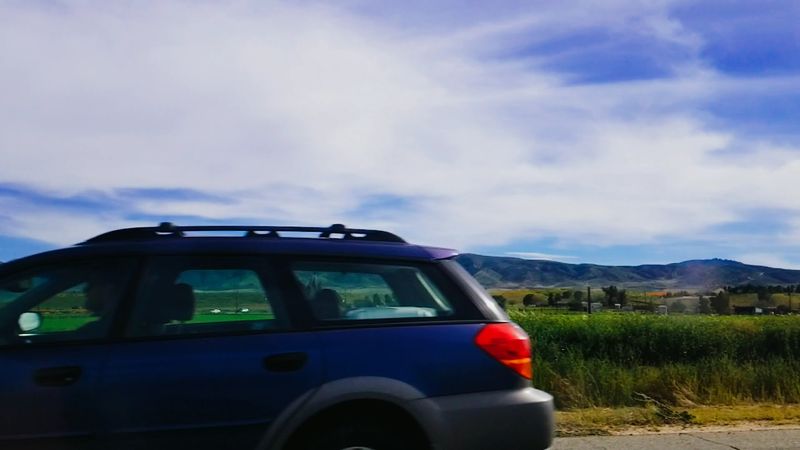
Families find this reserve approachable with a few smart tweaks. Strollers do not roll well on sandy slopes, so a hiking carrier makes life easier.
You will want snacks handy and a flexible turnaround time so naps win over meltdowns.
Look for the flatter stretches near the visitor center for early wins and quick bathroom access. Benches along the lower loops help with snack breaks, sunscreen reapplications, and shoe shake outs.
Spring wind can overwhelm toddlers, so a soft hat with a chin strap earns its keep.
Accessibility continues to improve, but terrain is still natural. Call ahead for the latest on accessible parking, ramps, and current trail conditions after storms.
If mobility is limited, the first viewpoints already deliver sweeping color without committing to longer climbs.
Crowds thin during late afternoon on school days. Plan a golden hour picnic in the car, then stroll for twenty calm minutes and head home for dinner.
Simple, memorable, and kind to attention spans, this approach keeps the magic without testing patience on breezy ridges. Bring a small kite for the parking lot, but keep it stowed on trails to avoid tangles and wildlife stress during gusty spells.
It saves the day often.
Fees, Hours, and Smart Timing Logistics
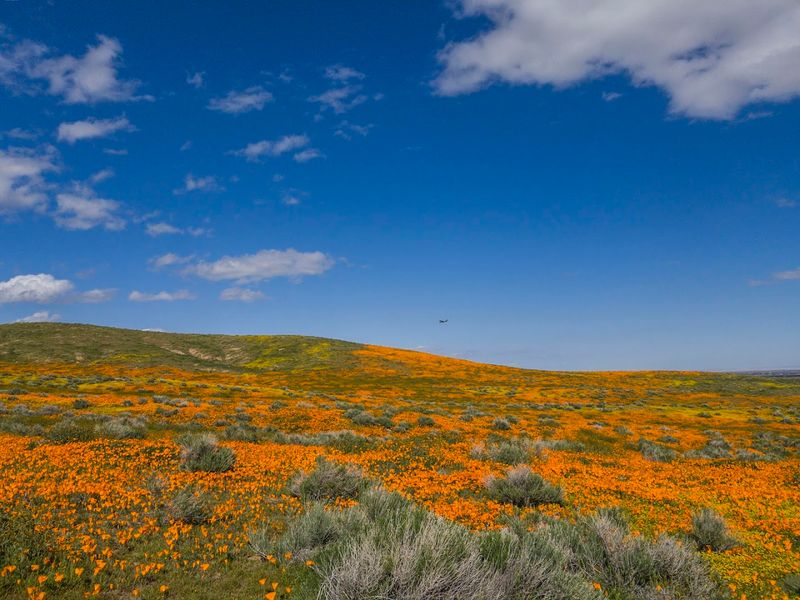
Hours typically run 7 AM to 7 PM in bloom season, giving you generous light windows. Arrive at opening on weekends to skip the long car line and secure a spot near the visitor center.
You will thank yourself when midday traffic stacks up.
Parking costs 10 dollars per car, and your receipt works for same day entry at select nearby state parks. Card readers usually work, but bring cash as backup during very busy days.
Save the park phone number and website so you can confirm conditions before committing to a long drive.
Weekdays feel calmer. If a storm just passed, give the hills two sunny days and then go for the freshest open petals.
Late arrivals can park along Lancaster Road in signed areas, but be ready for a longer walk to the entrance.
Before you roll, check the live cam and social updates for wind, bloom coverage, and closures. Screenshot the trail map, top off fuel, and plan snacks to avoid hangry choices that rush your visit.
A little prep keeps your focus on color instead of logistics. Download offline maps, since reception drops near ridges and turn by turn directions can stall at the last minute.
Safety, Snakes, and Smart Movement
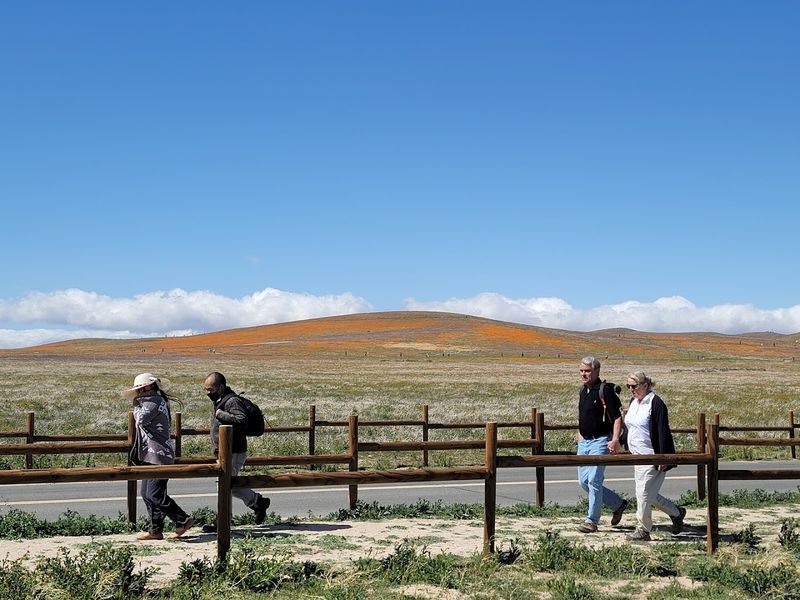
Safety starts with your feet. Keep to signed trails and you greatly reduce risks from rattlesnakes, unstable burrows, and hidden holes under the poppies.
You will also keep the next wave of blooms healthy by avoiding crushed stems and compacted soil.
Snakes usually avoid people and prefer to stay tucked under shrubs or sun themselves briefly on warm edges. Give extra space, watch where you step, and never reach blindly into plants for dropped items.
Trekking poles help probe sandy sections and add balance when gusts hit.
Stay hydrated and watch the wind. Gusts push people off balance on ridgelines, and sand can sting eyes, so sunglasses are more than a style choice.
If visibility drops, move to lower trails and wait a few minutes for calmer air before continuing.
Cell service can be unreliable. Share your route with a friend, carry a basic first aid kit, and keep a whistle for easy signaling.
Park staff and volunteers are friendly resources, so ask questions at the visitor center before heading out. Quick check ins on weather, closures, and snake activity make your loop smoother and your photos better.
What to Expect Beyond Poppies
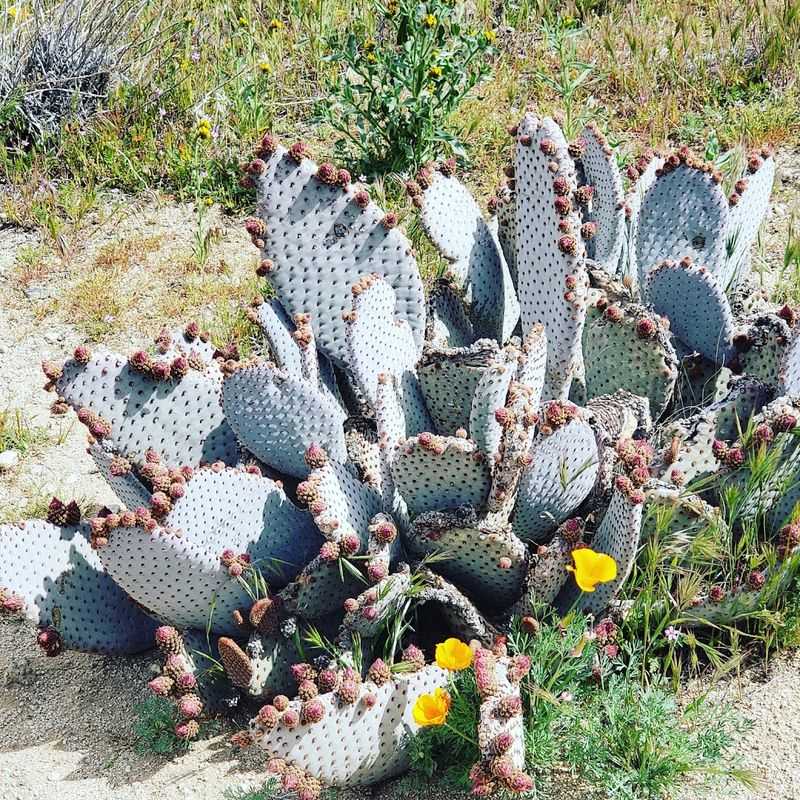
Even outside peak bloom, the reserve delivers quiet desert drama. Rolling hills stack toward the Tehachapis, Joshua trees dot distant flats, and clouds march by like trains.
You will leave with clearer lungs and a camera roll full of textured earth tones.
Trail runs here feel like a natural stair workout, and breezy conditions keep temperatures comfortable through spring. Fitness seekers can string North and South Poppy with Antelope Butte spurs for steady elevation without punishing grades.
If running, yield to hikers and lower music so the landscape stays peaceful.
Should blooms be sparse, focus on details. Closeups of seed pods, wind ripples on sand, and weathered fence posts tell the story just as well.
A short sit on a ridge, eyes closed, captures the whoosh of wind and your own breath settling.
Finish with gratitude at the visitor center. Chat with volunteers, drop a donation if you can, and check the naturalist displays for blooming timelines.
The reserve teaches patience, reminding you that wild beauty runs on rain, sun, and restraint more than schedules and hurry. Your future self will appreciate the calm earned by walking slowly through color and wind.
It lingers long after the drive home ends.