Sunday mornings take on a whole new meaning when treasure hunting is on the schedule.
Renninger’s Antique Market sits along North Reading Road near Adamstown, Pennsylvania, an area often called Antiques Capital USA.
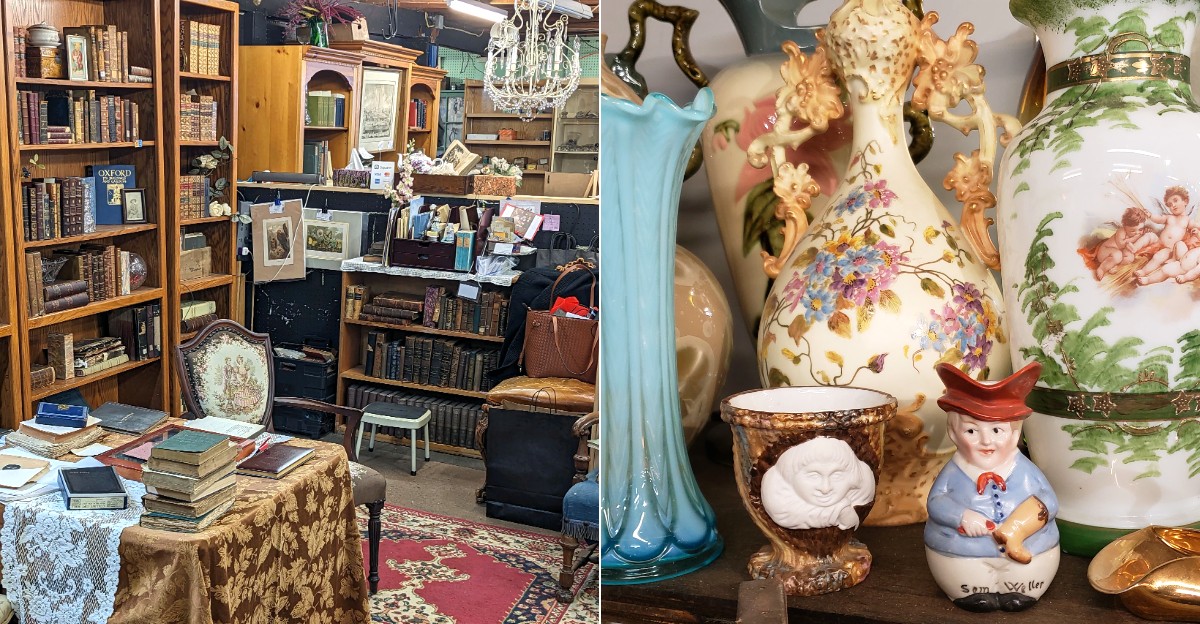
Every Sunday, hundreds of dealers fill indoor stalls and outdoor tables with antiques and collectibles.
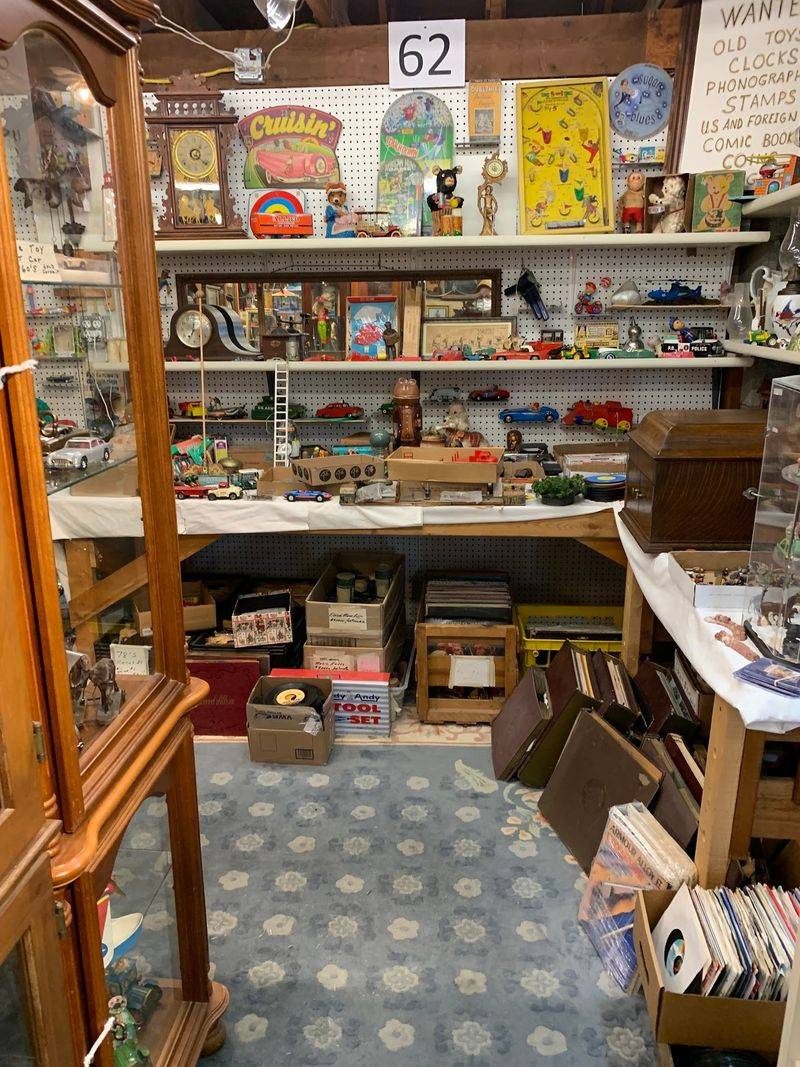
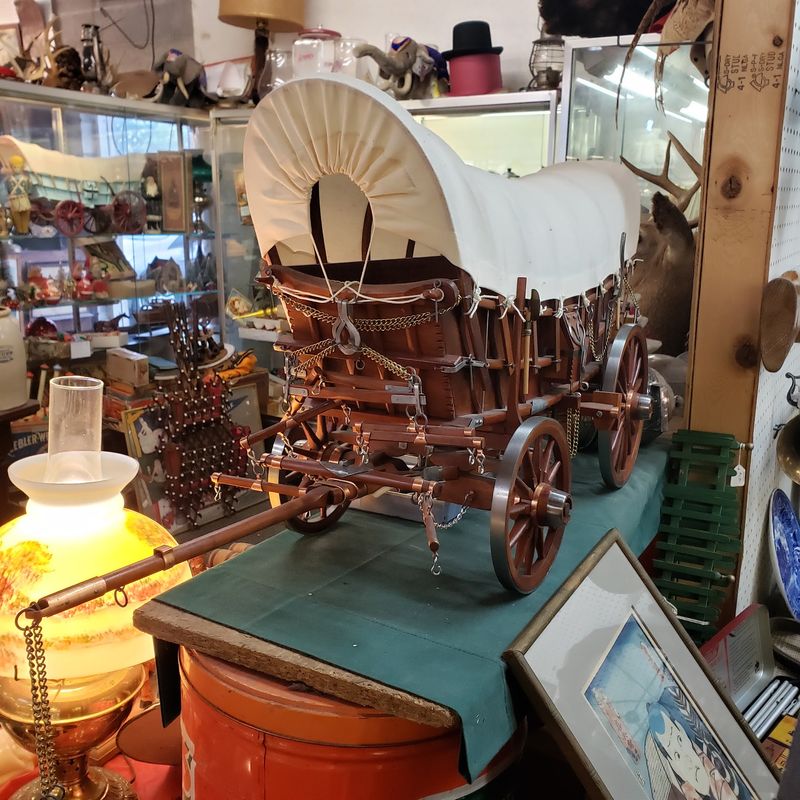
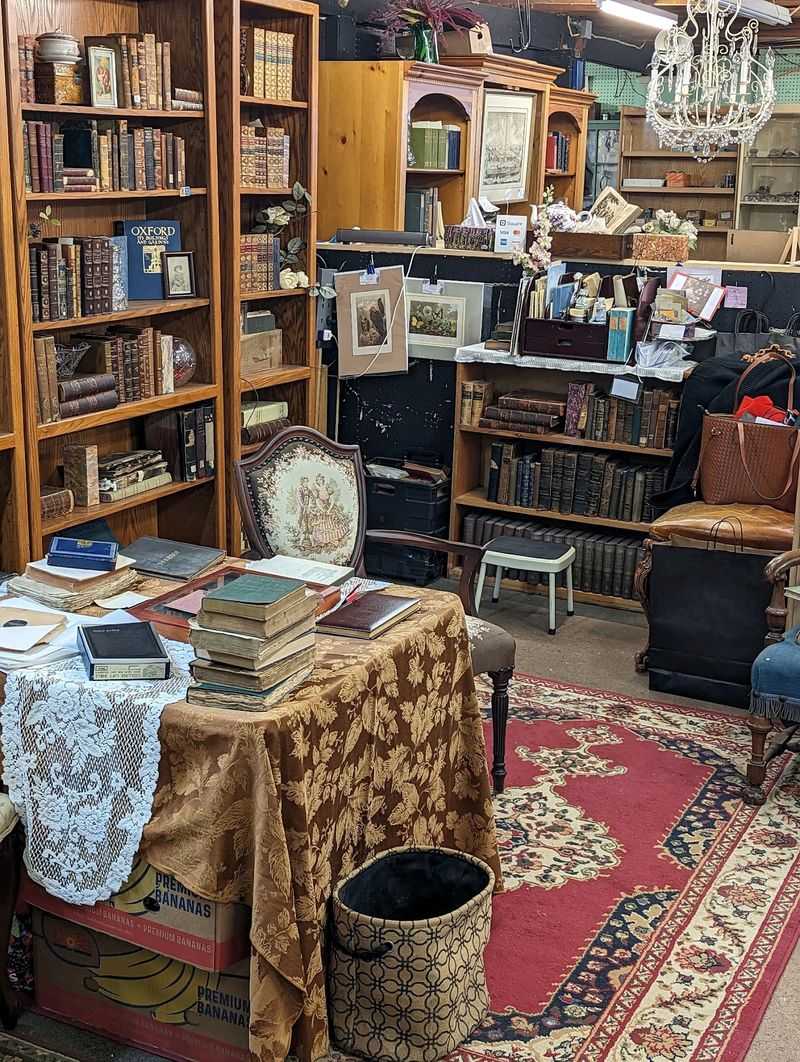
Shoppers can find everything from vintage jewelry and old toys to furniture and rare books.
Early birds often arrive soon after sunrise for the best chance at a great find.
With so many vendors in one place, every aisle seems to hold another surprise.
Bring cash, a good tote bag, and plenty of patience, because the hunt is half the fun.
Sunday Mornings Set the Pace
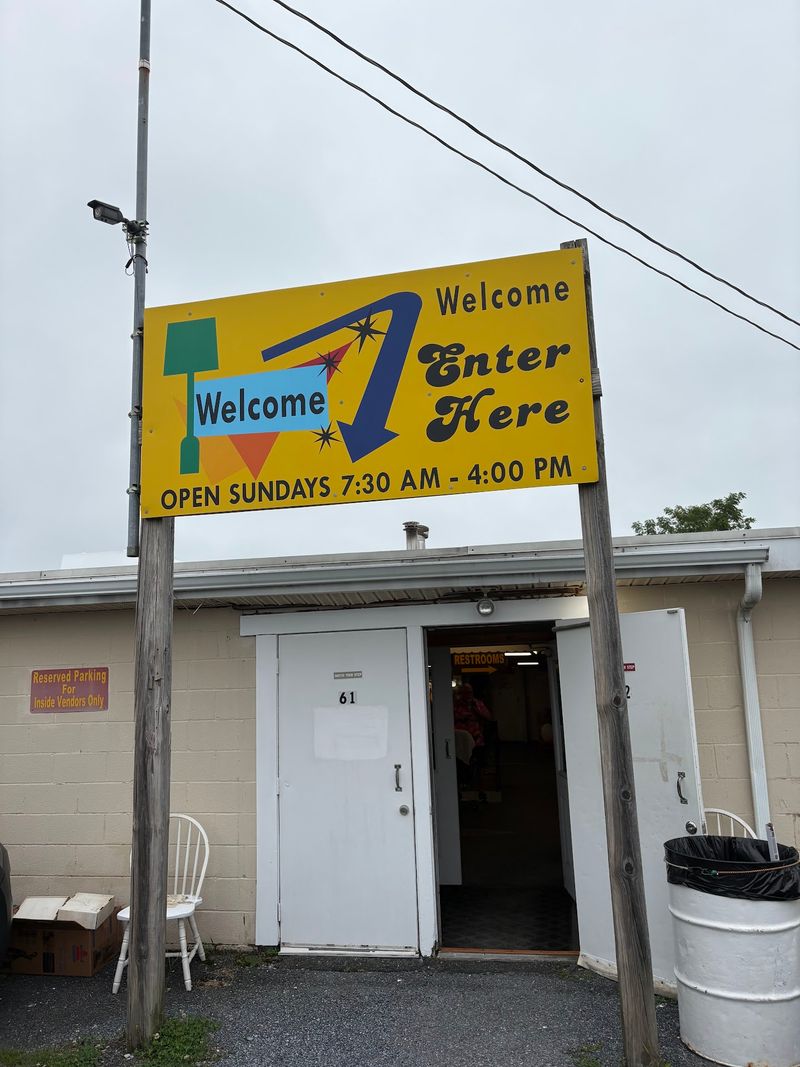
A quiet Sunday morning can turn into a lively search for old treasures before breakfast is even finished. Renningers Antique Market Adamstown, at 2500 N Reading Rd, Denver, PA 17517, lists Sunday hours from 7:30 a.m. to 4 p.m. The supplied schedule shows the market closed on the other six days.
That limited window makes planning especially useful if you are traveling far or hoping to meet a particular dealer. Check the official website or call 717-336-2177 before leaving, since posted hours and individual vendor attendance can change. One visitor reported finding several booths closed after arriving late.
Arriving earlier gives you more time to compare pieces without rushing toward closing time. It does not guarantee every seller will be ready, so keep your expectations flexible. If you need a specific booth, ask whether its dealer plans to attend.
Bring a short wish list, a spending limit, and measurements for anything meant to fit your home. A charged phone helps with notes, photos taken with permission, and quick price checks. Treat the morning as a careful search rather than a race, leaving room for unexpected finds and conversations along the way. You may enjoy the visit even when your best discovery stays on the shelf.
Indoor Booths and Outdoor Browsing Add Variety
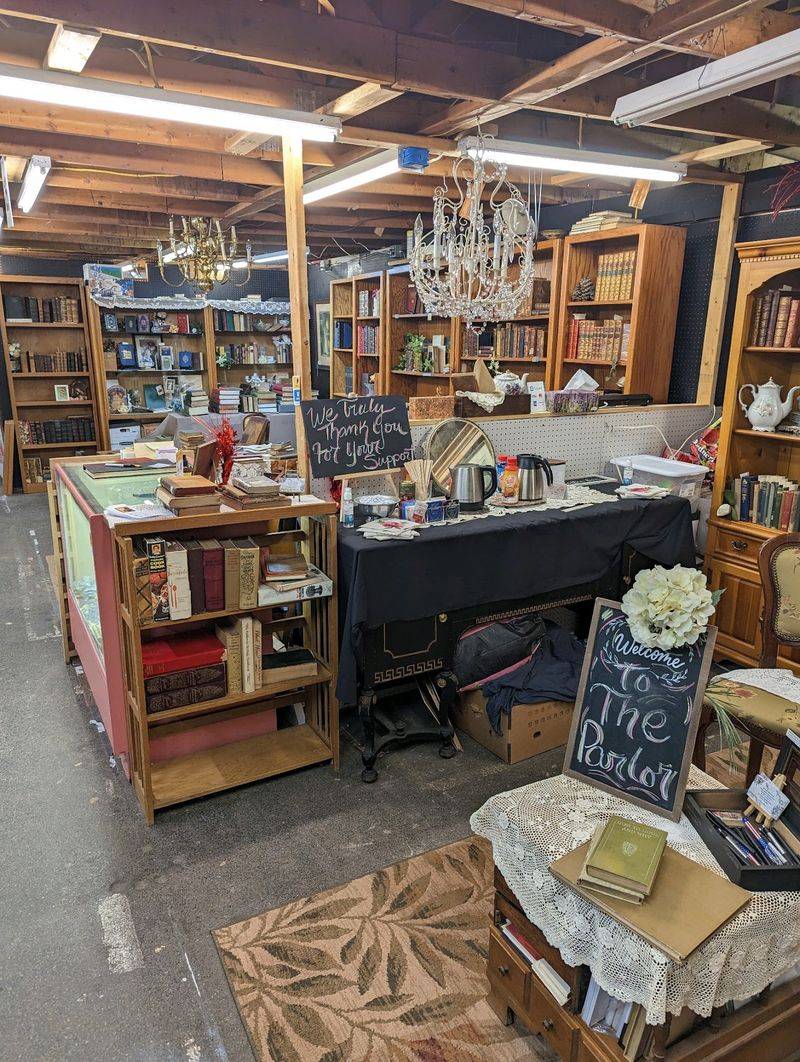
One doorway can separate a shelf of vintage glass from an entirely different kind of bargain hunt. Visitors describe both indoor antique vendors and outdoor flea market activity, with plants also mentioned among the outside offerings. That mix gives the outing more range than a single row of similar booths.
Start with the area that best matches your interests, then leave time for the other side. Collectors may want to inspect indoor displays first, while casual browsers might enjoy checking outdoor tables before settling into a slower search. Outdoor participation can vary, so do not expect the same selection every Sunday.
Dress for the forecast even if most of your shopping will happen inside. Comfortable shoes matter when moving between display areas and the parking lot. A light bag keeps your hands available without making crowded spaces harder to navigate.
Before purchasing anything bulky, ask how pickup works and whether the seller can hold it briefly. Keep fragile purchases protected as you continue browsing, rather than letting them bump against other finds. Switching between areas can also reset your attention when shelves begin to blur together.
The appeal is the contrast: carefully displayed antiques, everyday secondhand objects, and unexpected possibilities sharing one Sunday shopping trip.
Collectibles Reward a Curious Eye
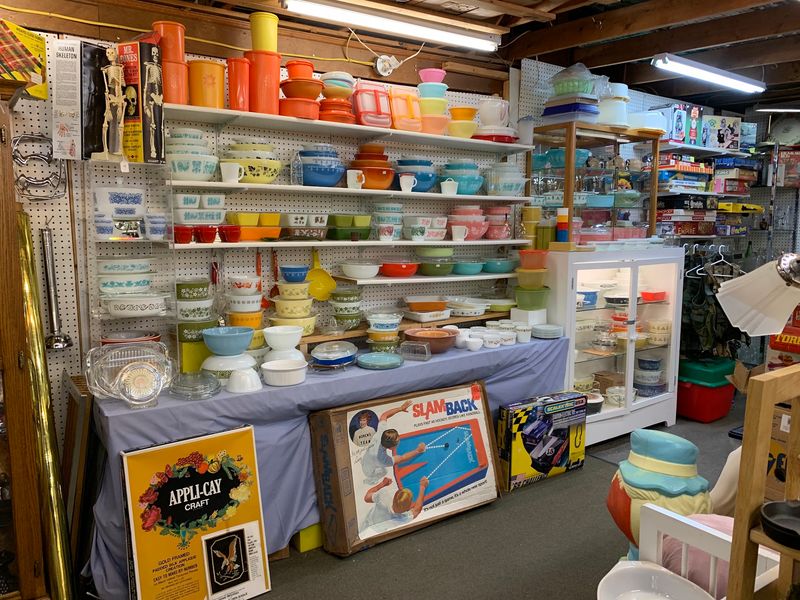
A small comic book or an old coin can hold your attention longer than a towering piece of furniture. The supplied review topics mention comics, coins, vintage goods, and collectibles, suggesting plenty of reasons to look beyond the largest displays. Availability depends on what dealers bring and what other shoppers have already purchased.
If you collect a certain category, carry a list of pieces you already own. Include dates, issue numbers, sizes, or other details that prevent accidental duplicates. A few reference photos can help when an item looks familiar but you cannot quite place it.
Ask permission before opening sleeves, handling coins, or moving objects from a display. For paper items, look for missing pages, stains, fading, and torn edges. With toys, check whether small parts are present and whether repairs affect their usefulness or value.
Do not assume an object is rare simply because you have never seen it before. Compare similar items online, paying attention to completed sales rather than ambitious asking prices. A dealer may offer useful background, but details about age and maker still deserve checking.
Sometimes the smartest purchase is a modest piece you genuinely enjoy, not something bought only because someone promises it will become valuable later.
Glassware Deserves a Slower Look
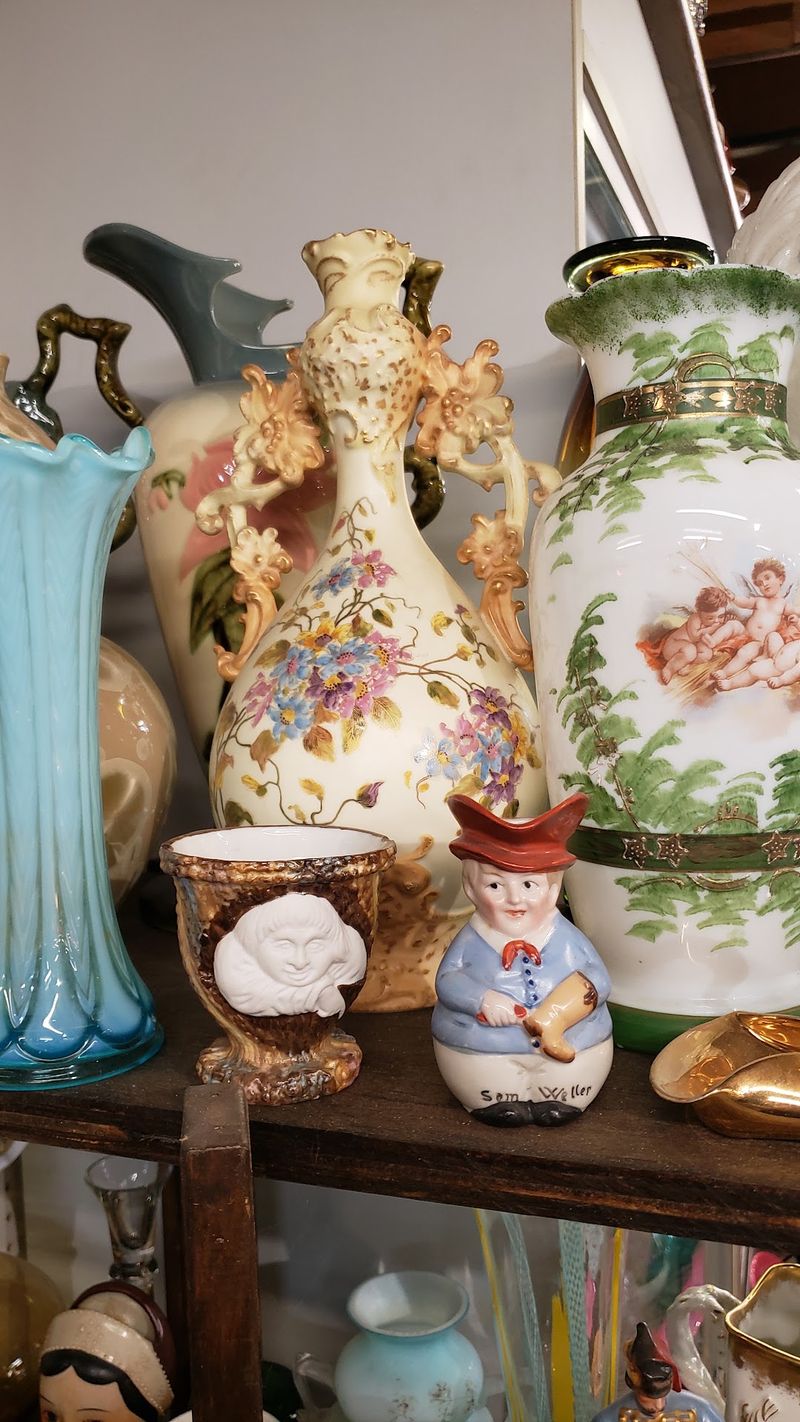
Colored glass catches the light beautifully, but a lovely sparkle can hide a tiny chip. Glassware appears in the supplied visitor comments, including praise from a collector who enjoyed a dealer’s vintage selection. Older reviews are useful clues, not promises that the same seller or stock remains available.
Take your time examining any piece that interests you. Look closely at the rim, base, handles, and edges, where damage may be easier to miss. Avoid sliding bare fingers along a sharp surface; ask the seller for help if you suspect a chip.
Check whether a cloudy appearance comes from dirt or lasting wear. For sets, compare the height, color, and pattern of each piece rather than assuming everything matches. Replacements can be difficult to find, so a nearly complete set may need more thought than its price suggests.
Ask about maker marks and any known repairs, then consider how you plan to use the purchase. Decorative value and everyday usefulness are not always the same thing. Old glass is not automatically suitable for hot liquids or modern cleaning methods.
Before paying, arrange safe wrapping and a secure ride home. A bargain loses its charm quickly if it breaks while rolling around loose in the back seat.
Antique Hardware Can Solve a Real Home Problem
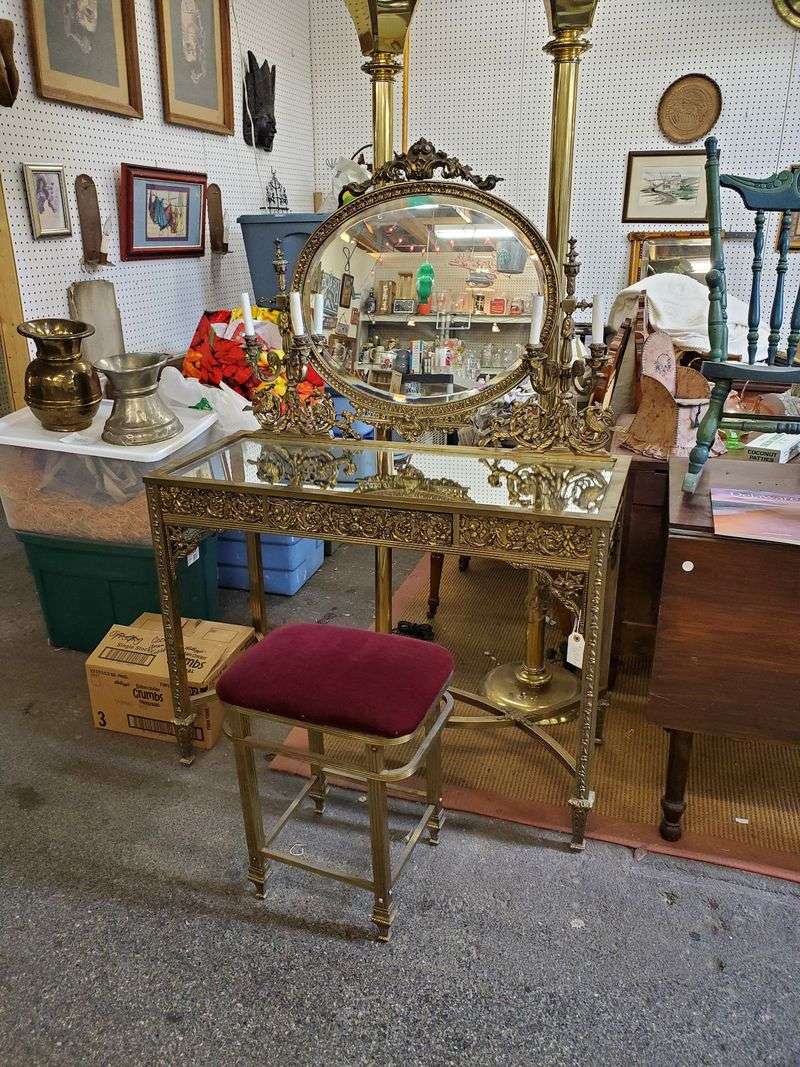
An old door sometimes needs an old part, not a shiny replacement that looks out of place. One supplied review describes finding antique door plates after weeks of searching, showing how practical this kind of shopping can be. Antique hardware is also among the topics mentioned by visitors.
Before your visit, photograph the part you want to match from several angles. Measure the overall size, screw spacing, and any openings that must line up. Write those numbers clearly, because guessing from memory can turn an exciting find into an expensive mistake.
Bring a small tape measure and ask before testing or fitting anything. Look for cracks, missing screws, bent edges, and wear that could affect use. A charming surface finish is different from damage that prevents a part from working safely.
Ask whether matching pieces are available if your project needs more than one. Two similar knobs may still differ in size or connection style. For locks and moving parts, consider whether a qualified repair professional should inspect them before installation.
Do not count on finding a specific item during a single visit. A patient search, supported by good measurements, gives you a better chance of choosing something that belongs in your home and actually works.
Dealer Conversations Make the Hunt More Useful
The best clue about an unfamiliar object may come from the person standing behind the table. Several supplied reviews praise helpful stall keepers and enjoyable conversations, while others describe absent dealers or difficult exchanges. That range suggests treating each booth as its own shopping experience.
Begin with a clear, friendly question about the item that caught your eye. Ask what the seller knows about its age, maker, condition, and previous use. If a story affects the price, request any supporting marks, records, or other evidence.
When a booth owner is missing, find out who can actually answer questions or approve a sale. Do not assume market staff can contact every seller, set prices, or accept payment for them. A visitor reported frustration after traveling to see a dealer who was not present.
Write down booth details if you want to return later, and ask before photographing merchandise. Keep questions focused when other shoppers are waiting. A pleasant conversation can be valuable without creating any obligation to buy.
If an exchange becomes uncomfortable, step away rather than argue. You can enjoy the broader market while deciding that one particular purchase is not right for you. Good treasure hunting includes knowing when to leave something behind and keep looking.
Price Checks Keep Excitement From Taking Over
A tempting find can make your budget disappear faster than you expect. Visitor feedback includes praise for reasonable prices, reports of higher prices, and mentions of negotiation. Those different experiences are a reminder that value varies by item, condition, and seller.
Set a spending limit before you start walking the booths. Separate money for a planned purchase from money reserved for surprises. That simple step makes it easier to enjoy browsing without turning every interesting object into an urgent decision.
Compare like with like when checking prices on your phone. A repaired piece, incomplete set, or worn comic should not be judged against an excellent example. Remember that online listings may include shipping costs or asking prices that nobody has paid.
If you want to negotiate, make a polite offer and give the dealer room to decline. Avoid insulting the merchandise or claiming that every price is too high. Ask about payment methods before assuming a seller accepts cards or can provide change.
Confirm the final amount and exactly which pieces are included before handing over money. Request a receipt when available, especially for a costly purchase. If the details feel unclear, pause the sale; a good deal should make sense after the excitement settles down.
Comfortable Browsing Leaves Room for Better Finds
Tired feet and crowded hands can make even interesting shelves feel like work. The supplied reviews mention plentiful parking, including a gravel lot, along with mixed observations about indoor comfort and booth organization. A little preparation helps you focus on objects instead of avoidable hassles.
Wear supportive shoes and carry only what you need. Keep your bag close to your body around fragile displays. Visitor topics include narrow aisles, so allow others space and avoid stopping where movement is already tight.
Accessibility feedback deserves a careful reading rather than a blanket promise. One visitor praised access for scooters and wheelchairs, while another warned that gravel parking could be difficult. Call ahead about your specific needs, including the route from parking to the shopping areas.
Indoor temperature reports also differ, with some visitors praising cooling and another describing summer heat. Dress in layers and plan breaks that suit your comfort. If children join you, explain handling rules and help them confirm prices before a purchase.
Keep track of where you parked and protect purchases before heading home. The supplied listing shows 4.3 stars from 693 reviews, but individual experiences vary. A successful Sunday does not require a full shopping bag, only a visit that feels worthwhile to you.