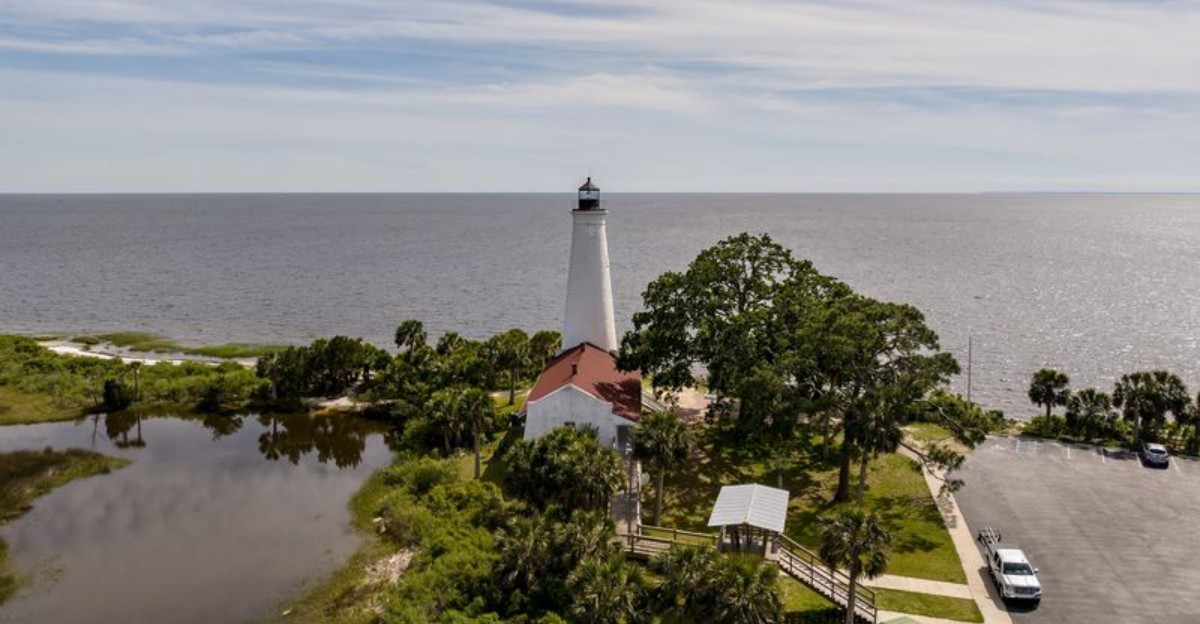
At the end of a quiet road in the St. Marks National Wildlife Refuge, St. Mark’s Lighthouse stands where history, water, and wild Florida meet in one unforgettable stop.
Families come here for the bright white tower, the easy walks, the breezy shoreline, and the chance to spot birds, dolphins, and even alligators along the way.
The site matters because it tells an old coastal story while also giving visitors a front-row seat to marshes, bay water, and peaceful open skies that feel far from busy city life.
If you want a day trip with simple beauty, fun photo spots, and plenty to see without rushing, this landmark is a wonderful place to explore.
A Lighthouse With Deep Florida Roots
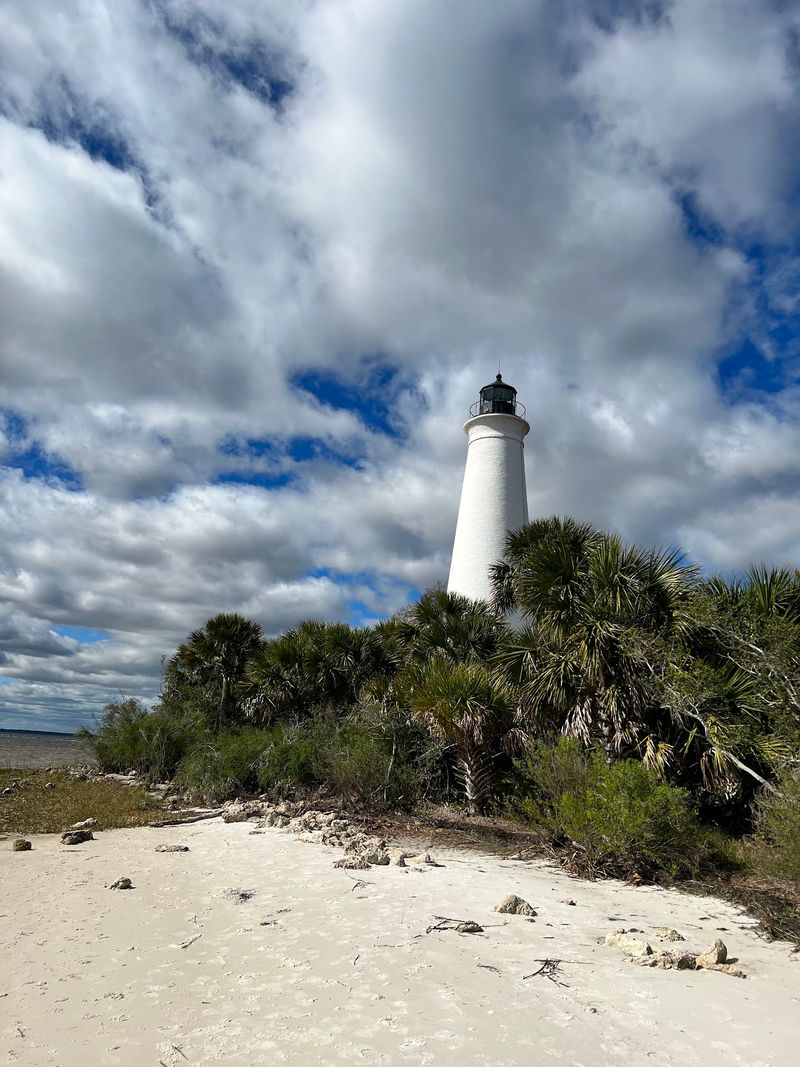
Some places grab your attention right away, and this lighthouse does exactly that.
St. Mark’s Lighthouse has watched over the coast since the 1800s, giving the area a strong sense of history that still feels alive today.
Its clean white tower and black top make it one of the most recognizable sights in this part of Florida.
Visitors often love how the building looks both simple and important.
The lighthouse was built to help guide ships near Apalachee Bay, and that job made it a key part of travel and trade along the Gulf coast.
Even if you are not a history fan, it is easy to imagine sailors depending on this beacon long ago.
St. Mark’s Lighthouse sits in St Marks, Florida, inside St. Marks National Wildlife Refuge, at the end of a scenic drive that adds to the feeling of reaching somewhere special.
The area around it is open, breezy, and peaceful, which helps the landmark stand out even more.
Bring a camera, because the setting makes every angle feel picture ready.
Before you go, check current tour details and hours.
The tower itself is not usually open for climbing, but the view outside and the story behind the structure still make the stop well worth your time.
Stories Inside The Keeper’s Quarters
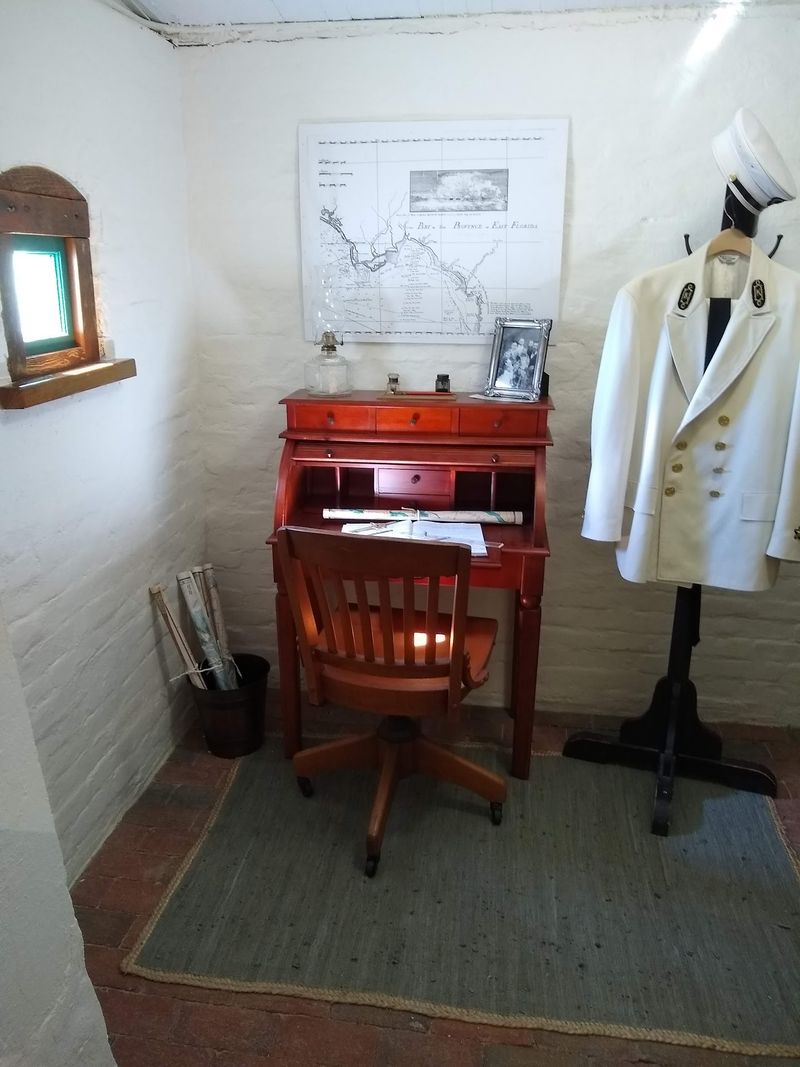
History feels more personal when you step beyond a sign and into a space where people once lived.
Near St. Mark’s Lighthouse, the keeper’s quarters help visitors picture daily life at this remote station before modern roads, phones, and easy supplies.
That human side of the story makes the visit richer and more memorable.
Inside, displays and artifacts can explain how lighthouse keepers worked, what tools they used, and how families managed in a windy coastal setting.
Even small details, like old photos or household items, can help kids and adults connect with the past.
A short stop here can turn the tower from a pretty landmark into a place with real faces and routines behind it.
Tour availability can vary, so arriving with flexible expectations is smart.
Reviews often mention helpful staff and knowledgeable attendants, which can make a quick museum visit much more interesting.
If guided access is offered during your trip, take it, because local stories usually add details you will not get from a fast walk outside.
Keep your phone ready for posted schedules and rules.
Since you usually cannot climb the lighthouse tower itself, the quarters become an even more valuable part of the experience.
For many visitors, that nearby building quietly becomes the key to understanding why St. Mark’s Lighthouse still matters so much today.
Coastal Trails That Slow You Down
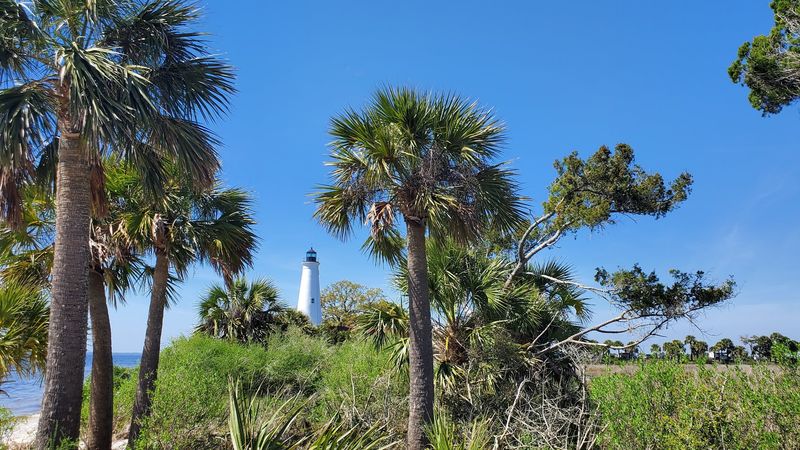
Not every great trail has to be steep or hard.
Around St. Mark’s Lighthouse, the coastal paths offer an easy way to stretch your legs while taking in salt air, marsh grass, and wide open views.
The walk feels calm, which is perfect for families, casual hikers, and anyone needing a break from screens.
Several visitors mention stopping along the drive for short hikes and scenic overlooks.
That makes this area ideal for people who like exploring at their own pace instead of following one long route from start to finish.
You can walk a little, rest a little, then head to another spot without feeling rushed.
Comfort matters here more than speed.
Wear closed toe shoes if you plan to try rougher edges of the refuge, carry water, and pack bug spray during warm months.
A hat also helps, because shade can be limited and the coastal sun gets strong fast.
Keep your eyes open as you move.
The trails near St. Mark’s Lighthouse can reward patient visitors with birds, marsh scenes, and changing light across the water.
If you want the quietest experience, try a weekday morning or a softer late afternoon visit, when the road and walking areas often feel less crowded and the whole shoreline seems to exhale.
Apalachee Bay Views Worth The Drive
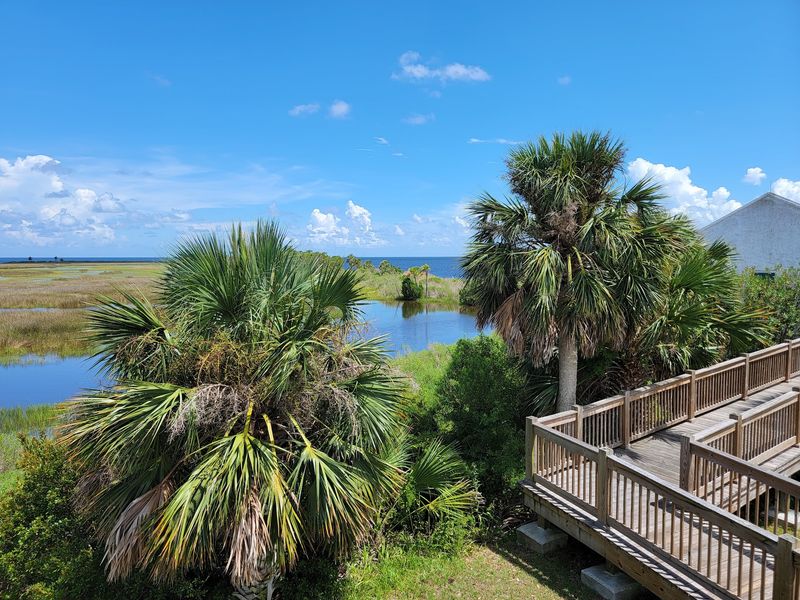
Wide water has a way of making people stop talking for a minute.
At St. Mark’s Lighthouse, the views over Apalachee Bay are a big reason so many visitors remember the trip long after they leave.
The scene is open, bright, and wonderfully uncluttered.
On clear days, the bay looks calm and expansive, with shifting light that changes by the hour.
Low tide can reveal extra shoreline and sandbars, giving the coast a different look from one visit to the next.
That variety means even repeat visitors can see something new.
Photographers do not need fancy gear to get great shots here.
Morning light can make the tower glow, while evening often brings richer colors over the water.
If clouds roll in, do not give up, because dramatic skies can make the bay look even more striking.
Plan a little extra time instead of treating the lighthouse as a quick roadside stop.
Some reviews note that reaching the site takes a scenic detour from Highway 98, but the payoff is the chance to enjoy one of the most memorable coastal outlooks in the Big Bend region.
When you stand near St. Mark’s Lighthouse and look across Apalachee Bay, the space, wind, and quiet can make the whole day feel bigger.
Wildlife Watching Around The Marsh

Bring binoculars if you have them, because the wildlife can be half the fun here.
St. Mark’s Lighthouse is surrounded by marshes and wetlands that give visitors a strong chance of seeing birds and other animals in their natural home.
The mix of history and nature makes the area feel extra special.
Popular sightings include pelicans, shorebirds, and alligators.
Some visitors also report spotting dolphins offshore, along with turtles and other creatures during different seasons.
That means every trip can feel a little like a scavenger hunt, especially for kids who enjoy checking animals off a list.
Safety comes first when wildlife is nearby.
Keep a respectful distance, stay alert around water edges, and keep dogs leashed if you bring one.
Feeding animals is never a good idea, and getting too close for a photo can ruin a peaceful moment fast.
Patience usually beats speed in places like this.
If you stop talking for a minute and simply watch, you may notice a bird diving for fish or movement in the grasses that you would otherwise miss.
Many people come for St. Mark’s Lighthouse itself, then leave talking just as much about the marsh life around it, which says a lot about how wild and rewarding this coastal stop can be.
Sunset Color By The Water
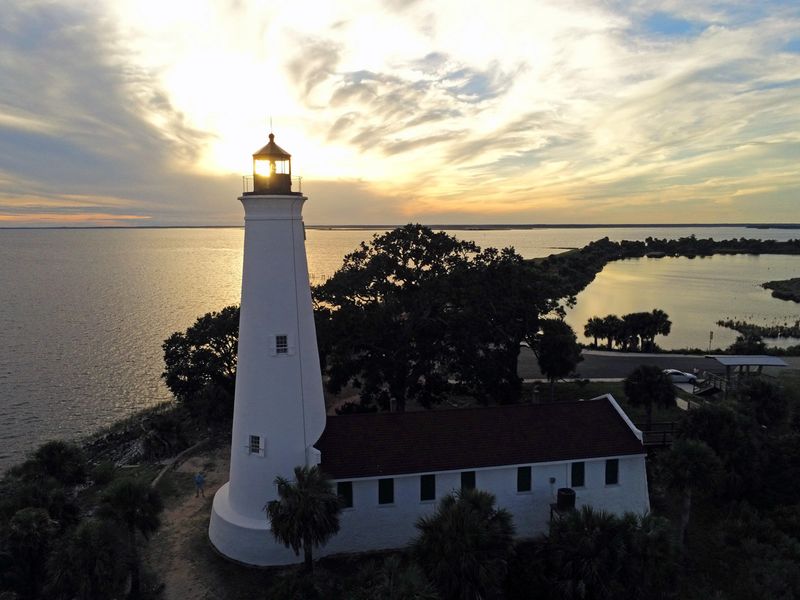
Late in the day, the whole place seems to change its mood.
St. Mark’s Lighthouse is widely loved for sunset views, and it is easy to understand why once the sky starts filling with orange, pink, and gold.
The tower becomes even more dramatic against the fading light.
Even visitors who arrive for a quick stop often stay longer when evening colors begin.
Open water, low shoreline, and broad skies give the sunset room to put on a real show.
On some nights, the light reflects softly across the bay and makes the area feel almost painted.
A little planning can make the moment better.
Bring water, a light snack, and maybe a folding chair if you want to relax instead of standing near the shore.
It also helps to arrive early, since you may want time for a short walk and a few photos before the best color appears.
Check refuge hours before heading out, especially in different seasons.
Since the site generally opens at 6 AM and closes at 9 PM, many sunset visitors have enough time to enjoy the evening without feeling rushed.
If you want one simple reason to visit St. Mark’s Lighthouse, watching daylight slip over Apalachee Bay might be all the convincing you need.
The Scenic Drive Adds To The Experience
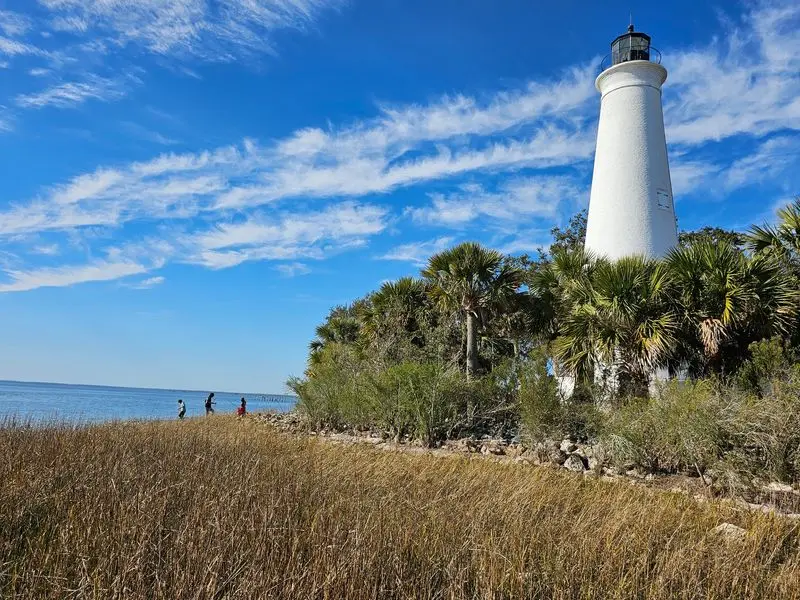
Sometimes the road to a place becomes part of the memory.
The drive to St. Mark’s Lighthouse takes you through refuge land with overlooks, marsh views, and small pull off spots that invite you to stop and look around.
Instead of rushing straight to the tower, many visitors enjoy the journey just as much.
Reviews often mention picnic areas, wildlife stops, and peaceful scenery between the entrance and the lighthouse.
That makes it smart to build extra time into your visit.
You may plan for one hour and end up wanting half a day once the birds, breezes, and photo opportunities start piling up.
The road is paved, and parking near the lighthouse is generally convenient.
Still, a few basics can make the outing smoother, like filling your gas tank, bringing snacks, and using restrooms earlier in the refuge if needed.
At the lighthouse area itself, facilities may be limited compared with the main visitor spots.
For travelers coming off Highway 98, this is not the fastest detour, but it is one of the most rewarding in the region.
The changing marsh scenes prepare you for the coastal finish at St. Mark’s Lighthouse.
By the time the tower appears ahead, the drive has already helped set the slow, nature filled pace that makes the whole visit feel satisfying.
Simple Tips For A Smooth Visit
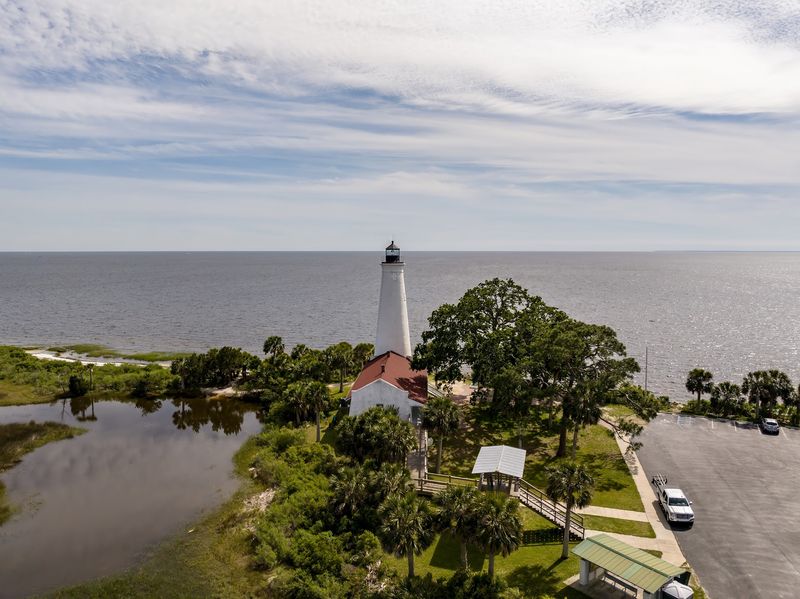
A little prep can turn a good outing into a great one.
St. Mark’s Lighthouse is easy to enjoy, but the best visits usually happen when people arrive ready for sun, wildlife, and a slower pace.
Think of it as a nature day with a historic bonus.
Start with the basics.
Bring water, sunscreen, bug spray, and comfortable shoes for walking or stopping at trails along the refuge road.
A camera or phone with extra battery helps too, because the lighthouse, birds, and bay views give you plenty of reasons to keep snapping pictures.
Entry fees are modest, and several reviews mention paying about five dollars per car unless a pass covers admission.
Going on a weekday can mean fewer crowds, while early morning or later afternoon often brings softer light and cooler temperatures.
If your group enjoys picnics, pack lunch and make a relaxed day of it.
Families with kids or dogs should stay extra aware near marsh edges because wildlife, including alligators, may be present.
Always check current hours, tour details, and refuge information before leaving home by calling 850-925-6121 or visiting the official website.
With the right plan, St. Mark’s Lighthouse becomes the kind of place where history, scenery, and quiet adventure all fit together in one easy Florida trip.