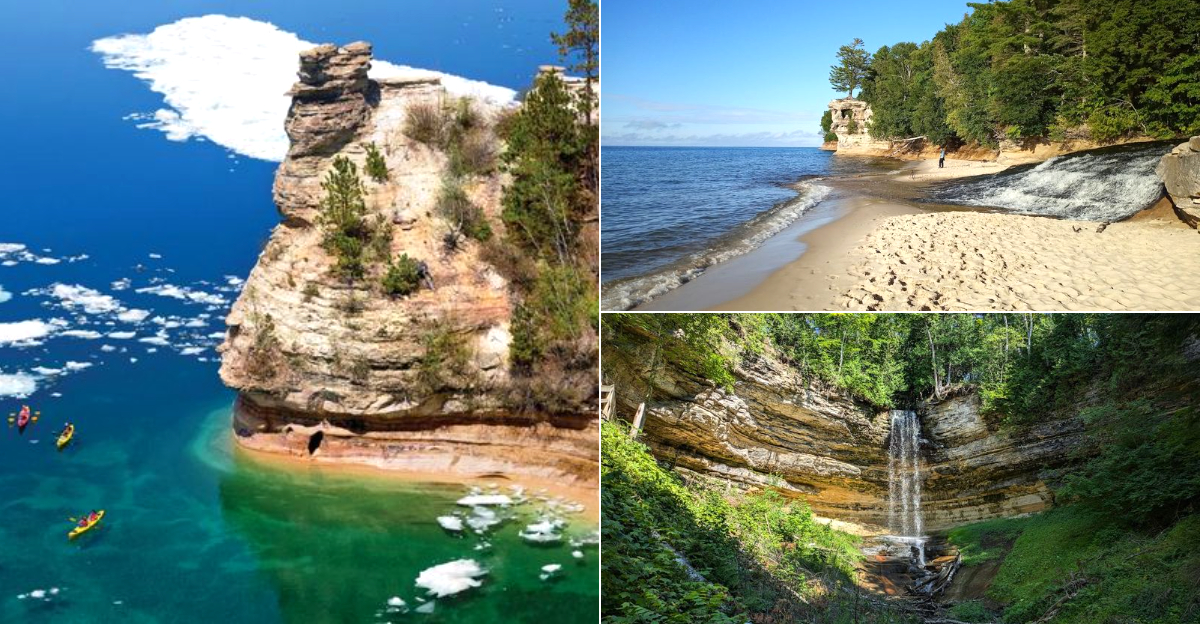
Imagine standing at the edge of Lake Superior as multi colored sandstone cliffs rise dramatically from the water below you.
Pictured Rocks National Lakeshore stretches along forty miles of Michigan’s Upper Peninsula, offering one of the most striking landscapes in the Midwest.
Here, mineral-streaked bluffs in shades of rust, turquoise, and gold meet crystal-clear water, sea caves, and cascading waterfalls.
Whether you’re paddling a kayak beneath towering rock formations or hiking along quiet forest trails, every angle reveals something new to admire.
Each season brings its own personality, from wildflower-lined paths in spring to brilliant fall colors that frame the cliffs in gold and crimson.
Plan your visit here and you’ll quickly understand why so many travelers consider it one of Michigan’s most unforgettable natural treasures.
1. Why This Shoreline Feels So Special
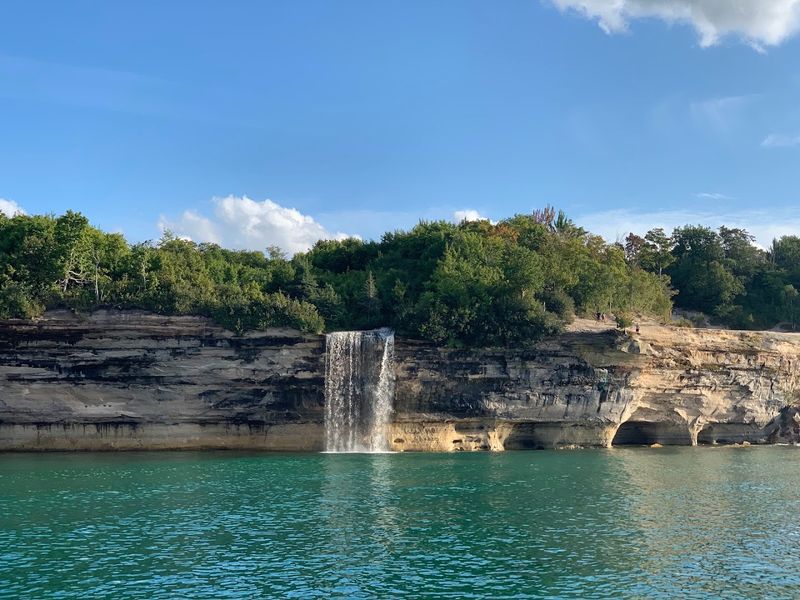
Few shorelines in the Midwest create this kind of first impression, where the water looks almost tropical and the cliffs seem painted by hand.
You arrive expecting a beautiful park, but what really stands out is the scale, the silence, and the feeling that the landscape keeps unfolding long after the first overlook.
That sense of drama is what makes a visit here feel bigger than a typical scenic stop.
At Pictured Rocks National Lakeshore, nearly forty miles of Lake Superior coastline combine mineral-streaked sandstone bluffs, narrow beaches, sea caves, waterfalls, and dense northern forest.
The park also includes roughly one hundred miles of trails, so you can shape your day around quick viewpoints or long, demanding hikes.
What surprised me most is how varied the shoreline feels from one area to the next.
Some sections are easy and family friendly, while others feel remote enough that you should plan carefully and carry water, snacks, and navigation help.
Reviews consistently mention the beauty, but they also remind you that conditions can be rugged.
If you want one destination that blends iconic views with real adventure, this shoreline easily earns its reputation.
It is scenic, yes, but it is also immersive, active, and wonderfully untamed.
That combination is exactly why so many travelers call it one of Michigan’s essential outdoor experiences.
2. The Painted Cliffs and Mineral Colors
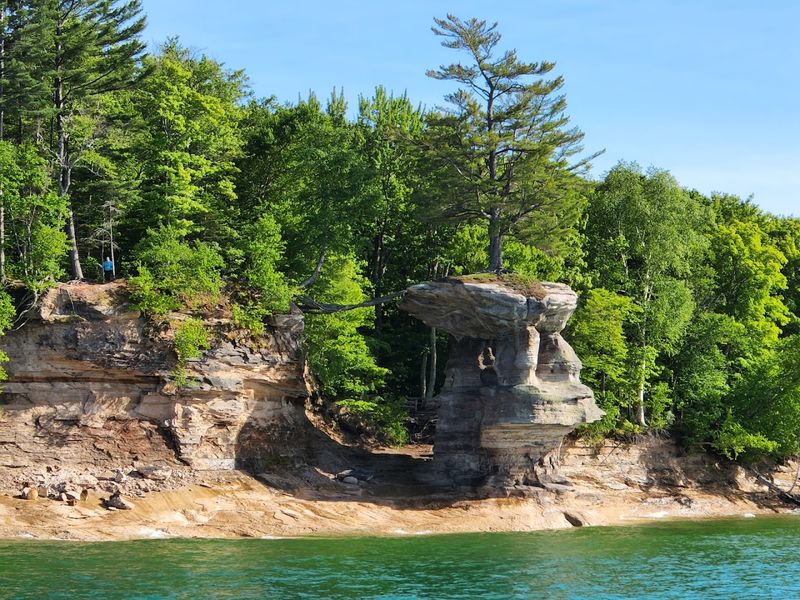
Color is the first thing that grabs you, long before you start thinking about geology or trail maps.
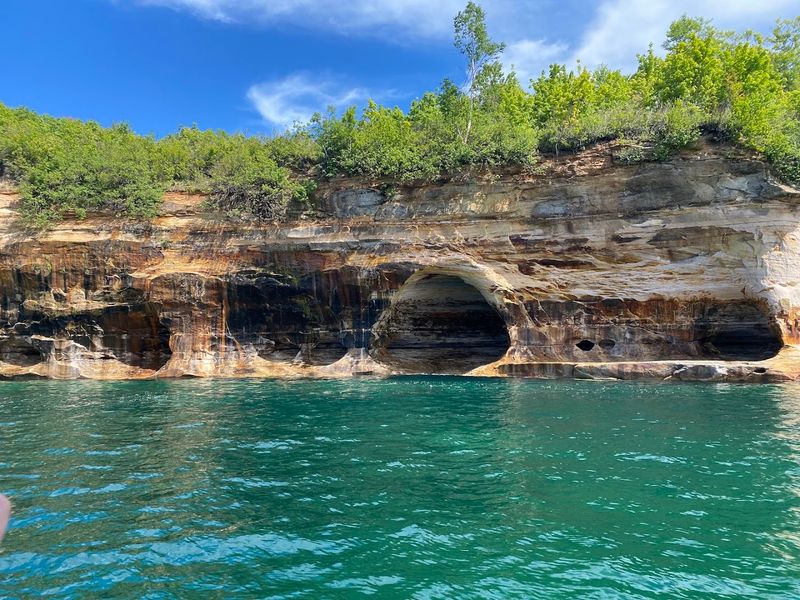
Bands of orange, rust, tan, green, and black run down the sandstone walls like watercolor on stone, catching sunlight in a way that changes by the hour.
The shoreline feels alive because every shift in weather or angle reveals a slightly different palette.
The famous cliffs at Pictured Rocks National Lakeshore are shaped by soft sandstone, erosion, and mineral seepage from groundwater moving through the rock.
Iron creates reds and oranges, copper leaves blue-green tones, manganese brings browns and black, and limonite adds white streaks.
Together, those natural stains give the bluffs their painted appearance and explain why boat tours are such a popular way to see the details.
From land, you usually get sweeping perspectives that emphasize height and distance.
From the water, the rock face becomes more intricate, with arches, recesses, and caves suddenly standing out in a way photos rarely capture.
If you are wondering what makes this shoreline visually unique, it is not just one grand vista.
It is the combination of texture, color, and movement, with Superior’s waves constantly reframing the scene.
Even after several stops, the cliffs keep finding new ways to surprise you.
3. Best Ways to See the Shoreline Views
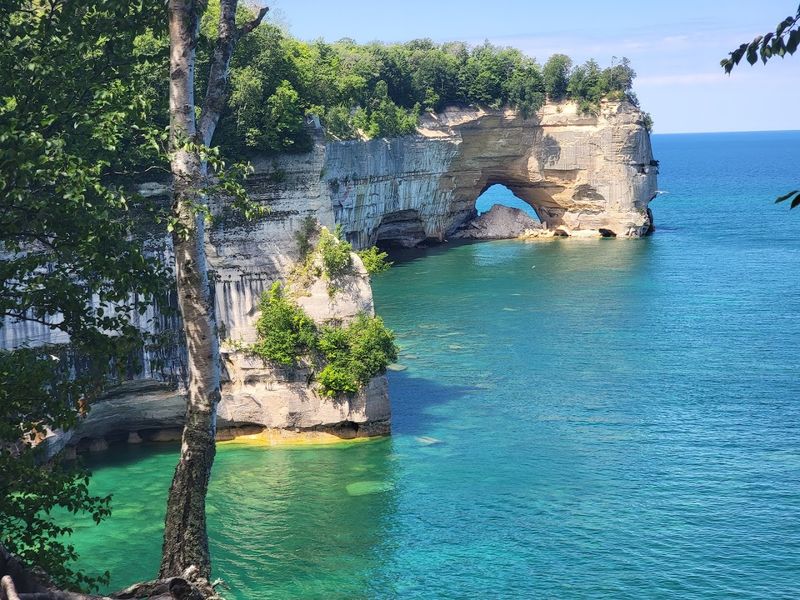
Big views come quickly here, but the best ones feel earned by a little timing and planning.
Light matters, weather matters, and even the direction you approach a viewpoint can change what stands out first.
If you want those unforgettable shoreline scenes, it helps to think beyond a single roadside stop.
Some of the most praised perspectives in Pictured Rocks National Lakeshore come from overlooks near cliff edges, beaches below the bluffs, and water-based tours that travel directly along the coast.
Miners Castle is popular for a reason, offering one of the easiest dramatic lookouts, while longer routes near Chapel and Mosquito areas deliver broader, more immersive panoramas.
Sunset cruises are especially loved because low light warms the rock colors and adds depth to the cliff walls.
What I would tell you is simple: do not rely on one viewpoint and assume you have seen it all.
Elevated overlooks give you shape and scale, but beaches reveal the height of the cliffs, and boats show the textures hidden from land.
It is also worth starting early or later in the day when parking is easier and the light is softer.
Several reviews mention full lots in peak season, especially around major trailheads.
A little flexibility can turn a crowded sightseeing stop into a far more memorable experience.
4. Hiking the Trails for Panoramic Vistas
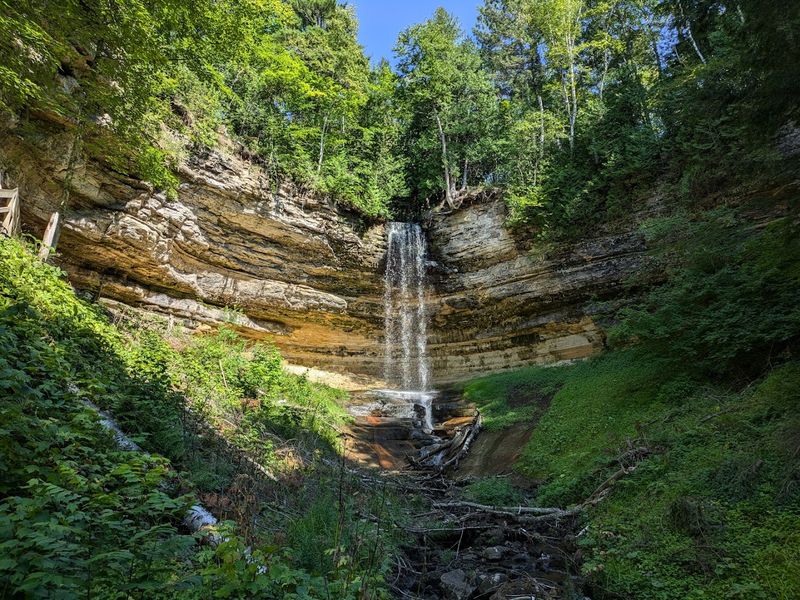
There is something satisfying about walking through quiet forest and suddenly reaching open sky and blue water.
The transition from shaded trail to cliffside vista makes the landscape feel cinematic, especially when the lake appears far below in a sheet of bright color.
Hikes here are not just exercise, they are the route into the park’s most memorable scenery.
Within Pictured Rocks National Lakeshore, longer routes like the Chapel area loops are widely praised for panoramic views, shoreline drama, beaches, and a strong sense of isolation.
Visitor reviews often mention routes of ten to twelve miles, with highlights such as Chapel Rock, Chapel Beach, and sections near Mosquito Beach or Mosquito Falls.
These trails can be muddy, steep, root-filled, or lightly signed in places, so good footwear, water, salty snacks, and realistic timing all matter.
You notice wind, distance, and elevation more deeply when a viewpoint comes after miles of forest and uneven ground.
That is probably why so many hikers describe these trails as dreamlike once they reach the cliffs.
Reviews mention remote stretches, limited cell service, and cliff edges that demand attention.
The reward is exceptional, but the best experience comes when you prepare well and give yourself enough time to enjoy each stop safely.
5. Seeing the Coast by Boat or Kayak
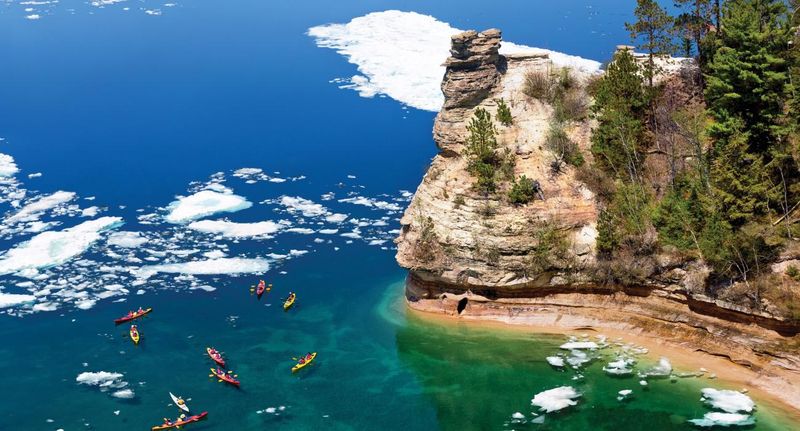
From the water, the shoreline stops feeling distant and starts feeling immense.
Cliffs tower overhead, hidden textures become obvious, and the curves of caves, arches, and inlets finally make visual sense.
It is the kind of perspective that turns a scenic coast into a fully immersive experience.
Boat tours and kayaking are two of the most memorable ways to explore Pictured Rocks National Lakeshore because they reveal details that overlooks simply cannot show.
Visitors repeatedly praise narrated cruises for getting close to the formations, explaining the geology, and making even rainy or chilly days worthwhile.
Others love paddling because it adds quiet, adventure, and a stronger connection to the scale of Rainbow Cave, Indian Head, and the painted cliff sections.
If you prefer comfort and easy access, a boat tour is the simpler choice.
Reviews mention knowledgeable captains, protected seating on some tours, and especially beautiful sunset departures when warm light hits the walls.
If you want a more active outing, kayaking offers intimacy and excitement, but Superior’s cold water and shifting conditions mean experience and proper outfitting really matter.
I would not skip the shoreline from the water if it fits your trip.
Many travelers say it was the highlight after years of wanting to go.
6. Beaches, Waterfalls, and Quiet Natural Details
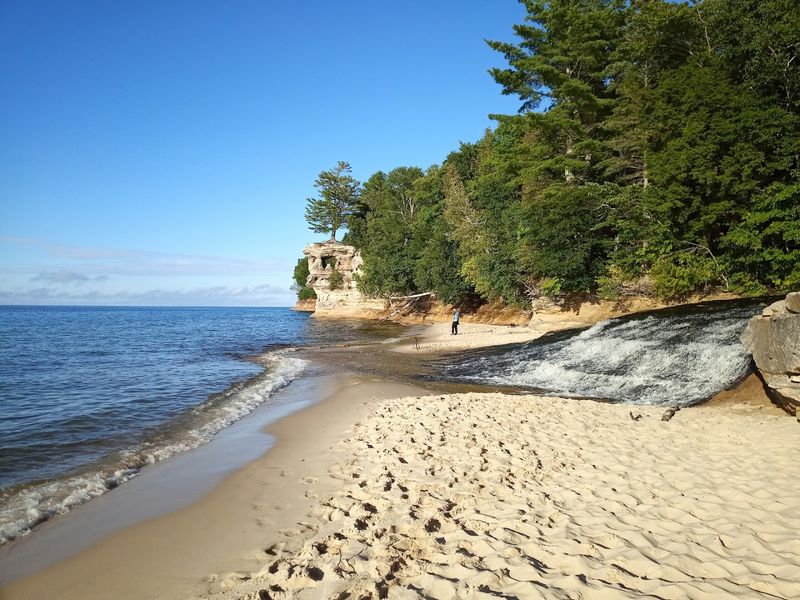
Not every memorable moment here happens on a cliff edge.
Sometimes the strongest impression comes from hearing waves on a quiet beach, finding cool shade near falling water, or noticing how driftwood, stone, and forest meet at the shoreline.
Those smaller details slow the pace and make the park feel more layered.
Beyond the headline views, Pictured Rocks National Lakeshore includes beaches and waterfalls that give you a softer, more intimate side of the landscape.
Visitors regularly mention Chapel Beach, Miners Beach, and stretches of sand where you can pause, dip your feet, or simply look back at the cliffs from below.
Waterfalls such as Chapel Falls and nearby cascades in the broader area add variety, though some reviewers note that the coastal scenery often steals the spotlight.
You can hike for miles and still end the day with time on a beach, or build a more relaxed outing around shorter walks and easy scenic stops.
Families, photographers, and people on road trips all seem to find something that fits.
If you are planning your day, do not treat beaches and waterfalls like side notes.
They create breathing room between major viewpoints and help you experience the shoreline at ground level.
7. Trip Planning, Access, and What to Pack
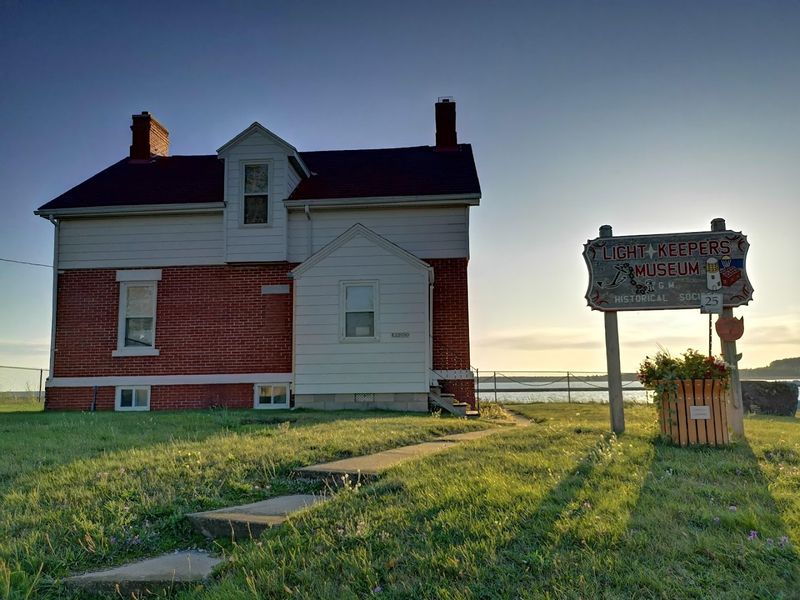
A little preparation goes a long way on this shoreline, because beauty here often comes with distance, weather shifts, and long stretches without convenient services.
The park feels welcoming, but it also rewards people who arrive ready for a full day outdoors.
Good planning makes the difference between a rushed stop and a genuinely great visit.
For Pictured Rocks National Lakeshore, start with the basics: confirm trail conditions, decide whether you want overlooks, hiking, or a boat tour, and account for drive times between major areas.
Reviews repeatedly suggest bringing plenty of water, salty snacks, supportive shoes, and a realistic sense of mileage, especially for loops around Chapel and Mosquito areas.
Limited internet or phone service can be part of the experience, so downloaded maps, written directions, and backup plans are smart.
Parking can fill in peak season, but several visitors say starting early improves the experience a lot.
Since the park is open twenty four hours, sunrise and evening visits can also help you avoid crowds while catching better light.
If mobility is a concern, choose short overlooks carefully because some scenic trails become more strenuous than they first appear.
Lake Superior can turn breezy and cold fast, especially on the water.
When you pack for changing conditions, the day feels easier, safer, and much more enjoyable.
8. Best Time to Visit and Seasonal Experience
The mood of this shoreline changes with the calendar, and that is part of its appeal.
Summer brings bright water and classic sightseeing conditions, while fall adds crisp air and forest color that make the cliffs feel even richer.
Choosing when to go depends less on whether it is beautiful and more on how you want to experience it.
Most travelers favor warm season visits to Pictured Rocks National Lakeshore, especially July and August, when boat tours, kayaking, hiking, and beach time are easiest to combine.
Reviewers also speak highly of fall, noting quieter trails, easier parking in some periods, and a peaceful atmosphere that can make long hikes feel even more special.
Late season conditions may be cooler and less predictable, but many visitors find that tradeoff worth it for solitude.
If your goal is the classic turquoise-water look, summer usually gives you the strongest shot.
If you care more about calm trails and a reflective pace, shoulder season can be surprisingly rewarding. Sunset also matters across seasons, since low light often enhances the mineral colors on the cliffs.
Families may prefer peak summer convenience, while hikers and photographers might love quieter windows.
Either way, this is one of those rare places where the shoreline keeps its impact no matter when you arrive.
9. Safety, Crowds, and Setting Expectations

The scenery here can feel so dreamlike that it is easy to forget how rugged the environment really is.
Steep drop offs, long trail miles, cold water, and isolated stretches all demand attention, even on a blue sky day.
Setting realistic expectations helps you enjoy the park without underestimating it.
At Pictured Rocks National Lakeshore, visitors consistently describe incredible beauty alongside practical challenges like overflowing parking lots, remote trail sections, limited cell service, and terrain that can be treacherous in places.
Cliff edges require constant awareness, especially on popular panoramic routes where you may be tempted to focus on the view instead of your footing.
Several reviews also recommend basic safety items such as first aid supplies, extra water, and even bear awareness on longer hikes.
Pick distances that fit your ability, start early, tell someone your route, and do not assume a short map line means an easy walk.
Families can still have an excellent time by choosing accessible overlooks and shorter scenic areas.
I think this balance is part of what makes the park memorable. It feels wild without being inaccessible, as long as you respect it.
Go in expecting beauty, effort, and a little unpredictability, and you are much more likely to leave feeling amazed instead of overwhelmed.