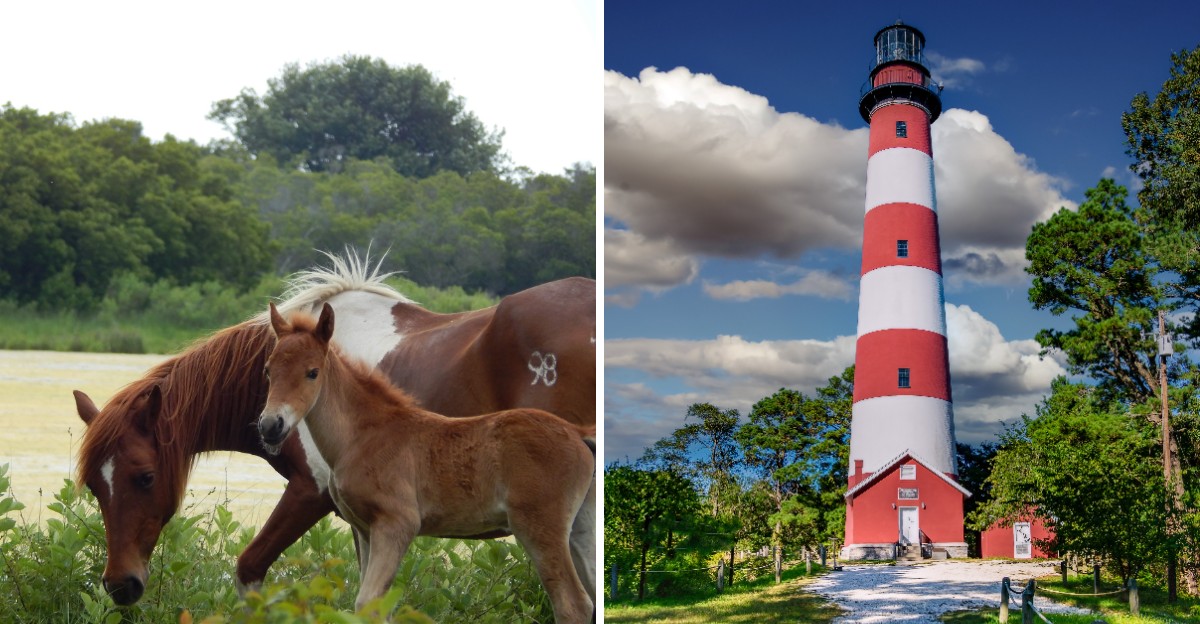
Wild ponies are roaming just beyond the dunes, and you can see them for yourself.
Chincoteague National Wildlife Refuge puts you right in the middle of Virginia’s wild Atlantic coast, where sandy trails, salt marshes, pine woods, and open beaches create a spectacular setting for wildlife watching.
The famous Chincoteague ponies may steal the show, but they aren’t the only reason to explore.
Follow quiet trails, scan the marsh for birds, wander toward the shore, or simply slow down and watch the island move around you.
There’s something wonderfully untamed about seeing horses grazing in the distance with nothing but dunes and sky behind them.
Add hundreds of bird species, coastal wildlife, and miles of protected habitat, and this refuge becomes an adventure worth taking.
Look for Chincoteague Ponies Along Beach Road
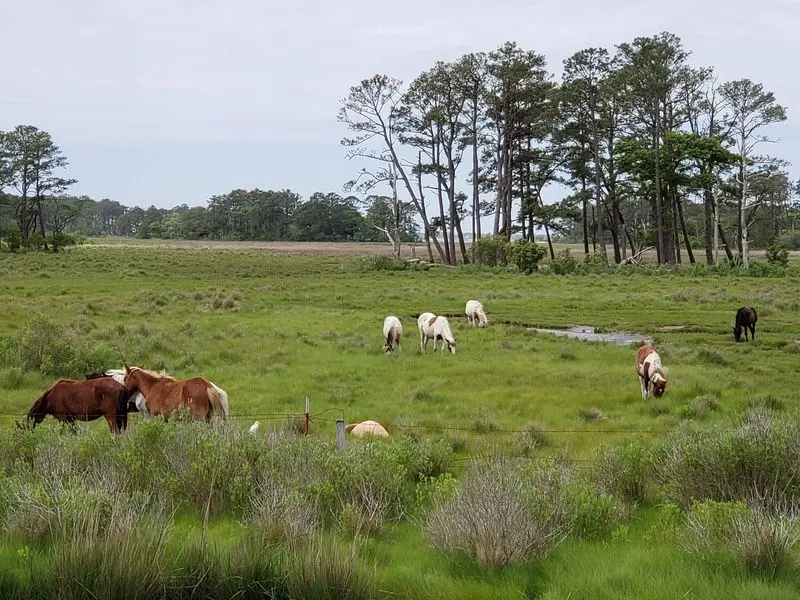
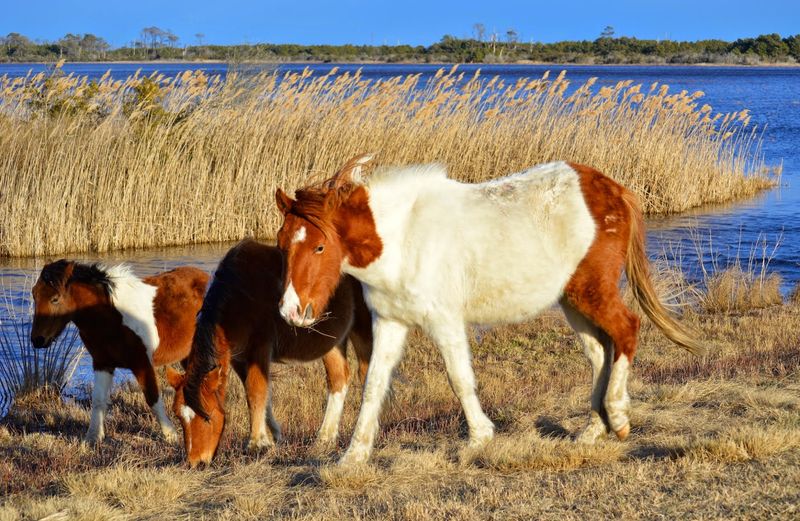
Beach Road delivers exactly what pony lovers hope to find when they visit the refuge. The southern herd often grazes peacefully in the marsh grasses visible from the roadside, creating perfect viewing opportunities without disturbing these wild animals.
Several pull-off areas let you park safely and scan the wetlands with binoculars or cameras. Morning and evening hours typically offer the best chances to spot ponies, though they sometimes appear throughout the day depending on weather and tides.
Remember these are truly wild animals despite their gentle appearance. Federal regulations protect both visitors and wildlife by requiring everyone to stay at least 40 feet away from the ponies at all times.
Bring binoculars or a zoom lens to capture close-up views while respecting the required distance. Patience pays off here since the ponies move freely across their habitat following food sources and comfortable resting spots.
Beach Road combines convenience with genuine wildlife watching, making it the perfect starting point for your pony country adventure without requiring long hikes or special equipment beyond your sense of wonder.
Follow the Woodland Trail to Pony Overlook
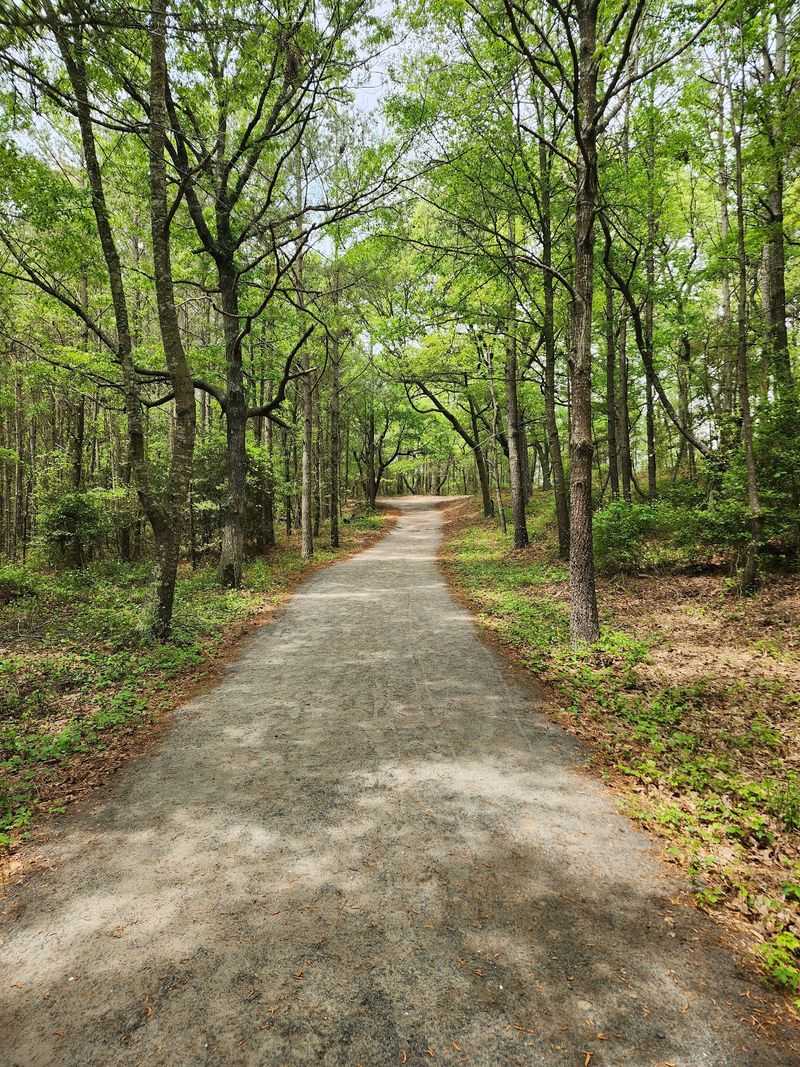
Loblolly pines tower overhead as you follow this accessible paved path through one of the refuge’s most peaceful habitats. The 1.6-mile Woodland Trail invites visitors of all abilities to experience island forest life while heading toward the designated Pony Overlook.
Watch for the rare Delmarva fox squirrel among the branches. These large, silver-gray squirrels live only in select locations along the Delmarva Peninsula, making every sighting special for wildlife enthusiasts and casual walkers alike.
Songbirds fill the canopy with calls throughout migration seasons and summer breeding periods. Spring mornings bring particularly vibrant choruses that make the walk feel like nature’s own concert hall.
The Pony Overlook provides elevated views toward pony habitat areas where the animals sometimes graze or rest. Bring water and wear comfortable walking shoes since the full trail takes about an hour at a relaxed pace.
Interpretive signs along the route explain forest ecology and wildlife behaviors. This combination of education and observation makes the Woodland Trail perfect for families wanting to mix learning with outdoor exploration.
Walk the Wildlife Loop Through Marsh and Island Habitat
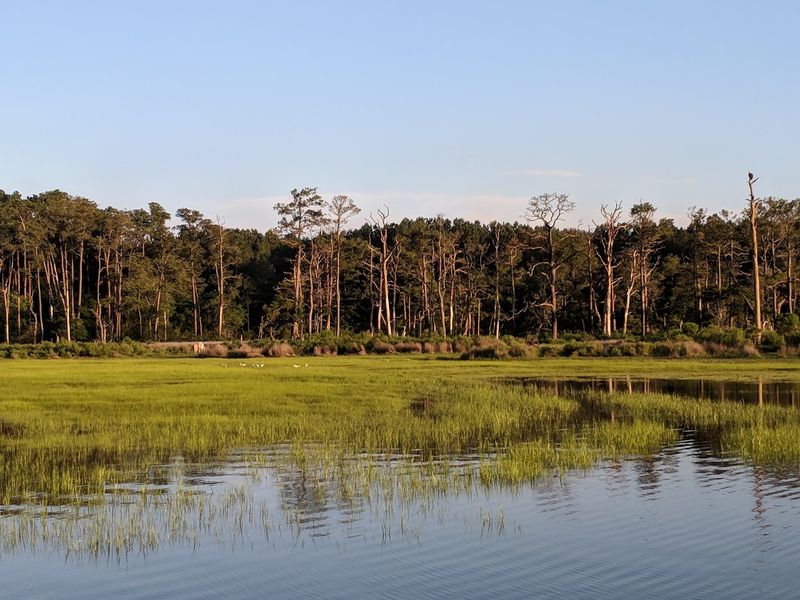
Several distinct island ecosystems appear along the Wildlife Loop as you walk or bike this multi-use route. Marsh grasses give way to scattered trees, then open back to wetland views where herons hunt and egrets wade through shallow water.
Hikers and cyclists share the loop during most daylight hours, creating a friendly atmosphere where everyone slows down to appreciate wildlife sightings. The flat terrain welcomes riders of different skill levels while walkers enjoy the freedom to stop frequently for photos.
From 3 p.m. until dusk, vehicles can also use the Wildlife Loop. This flexibility lets visitors with mobility challenges or limited time still experience multiple refuge habitats without extensive walking.
Bring bug spray during warmer months when mosquitoes emerge from marsh areas. Early morning visits often reward patient observers with the most active wildlife before midday heat sends animals to shaded resting spots.
The loop connects to other refuge trails, so adventurous visitors can extend their journey. Most people complete the basic route in one to two hours depending on how often they stop to watch birds or scan for ponies in distant fields.
Venture Toward the Northern Pony Herd
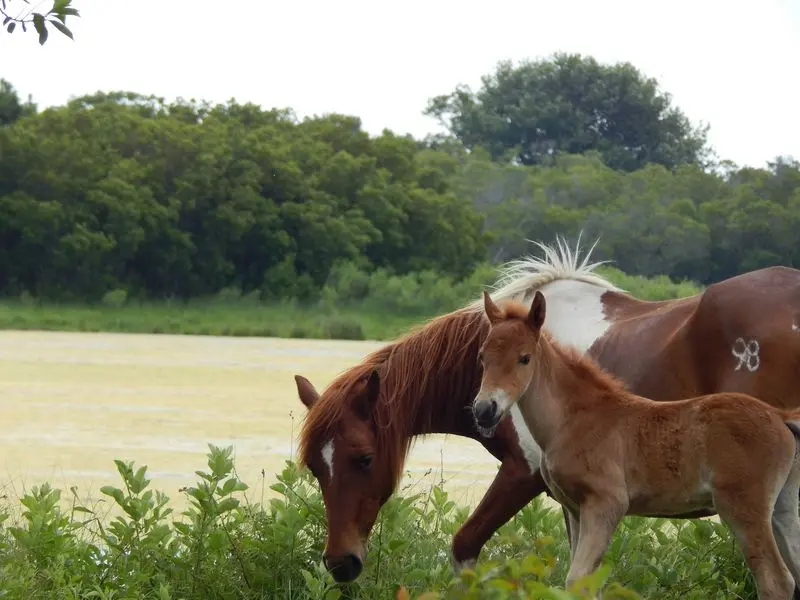
Serious pony seekers tackle this ambitious journey to reach the refuge’s northern herd. Unlike the easily viewed southern ponies near Beach Road, this group requires substantial walking that tests endurance and commitment to wildlife watching.
The route combines the Wildlife Loop with the Service Road, creating a round trip that can stretch several miles. Plan for at least three to four hours of walking time, possibly more if you linger to observe the ponies once you reach their typical grazing areas.
Pack plenty of water since shade remains scarce along much of this route. Sturdy hiking shoes protect feet from uneven surfaces and prevent blisters during the long walk back to your starting point.
Summer heat makes this trek particularly challenging, so spring and fall offer better conditions for extended hiking. Check weather forecasts and carry sun protection including hats and sunscreen regardless of season.
Set realistic expectations since the northern herd roams freely and might not appear exactly where you anticipate. The journey itself rewards hikers with solitude and pristine refuge landscapes that fewer visitors experience, creating memories beyond just pony sightings.
Explore the Freshwater Marsh Trail
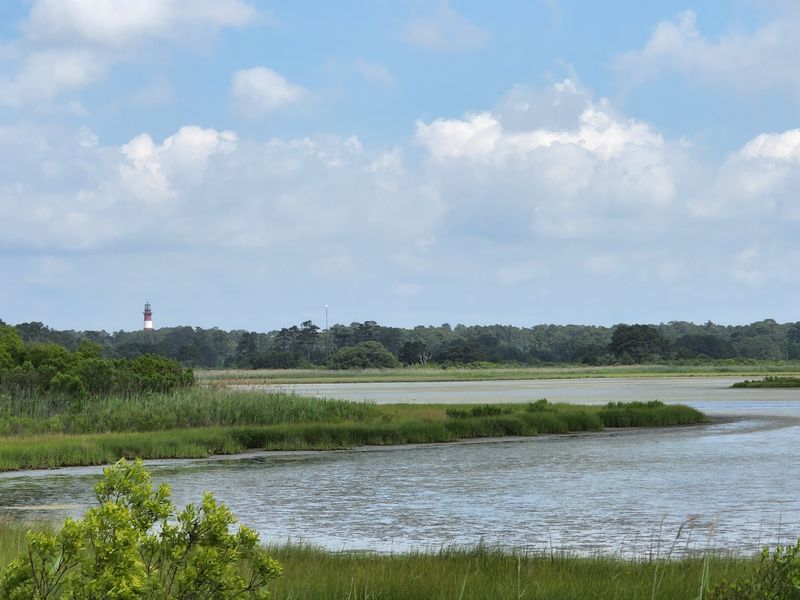
Cattails sway in gentle breezes while water lilies dot the surface of freshwater pools along this specialized trail. The Freshwater Marsh area reveals a completely different ecosystem from the saltwater marshes and pony pastures that dominate other refuge sections.
Wading birds probe the shallows for small fish and invertebrates while turtles sun themselves on exposed logs. Dragonflies and damselflies patrol the water’s edge during warm months, their iridescent bodies catching sunlight as they hunt for mosquitoes and other insects.
Photographers love the reflection opportunities here when morning light creates mirror-perfect images. Calm conditions transform the marsh into a natural studio where wildlife and plants appear twice, once in reality and again in still water below.
The boardwalk sections keep feet dry while providing stable platforms for extended observation sessions. Bring a field guide to waterfowl and marsh plants since many species here differ from those inhabiting saltier refuge environments.
This trail proves the refuge protects much more than just famous ponies. The varied habitats working together create a complete island ecosystem where freshwater meets salt, and every species plays an important role.
Walk the Swan Cove Trail Toward the Water
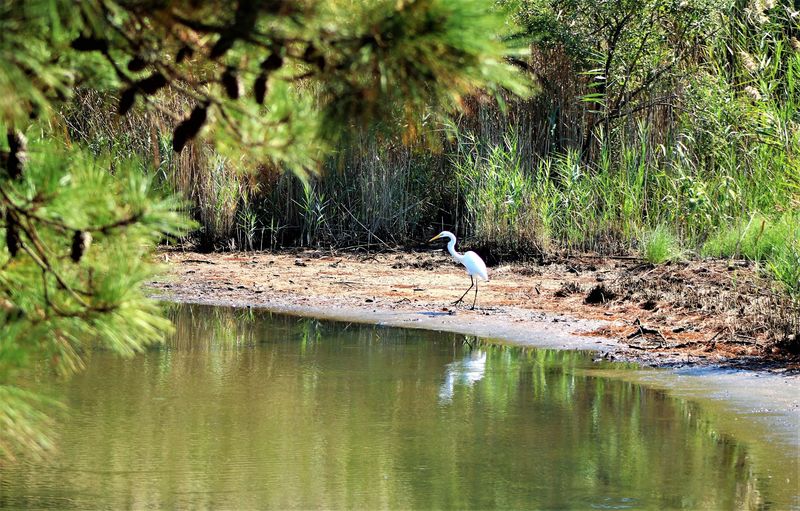
Swan Cove welcomes everyone with its paved, wheelchair-friendly path that winds toward peaceful waterfront views. Universal design principles ensure visitors using mobility devices can enjoy the same refuge beauty as those hiking longer trails.
The surrounding wetlands attract waterfowl throughout the year as different species follow migration patterns or settle in for seasonal breeding. Scan the cove’s edges where wood ducks hide among vegetation and great blue herons stand motionless waiting to strike.
Benches along the trail provide resting spots where you can sit quietly and let wildlife come to you. Patient observers often see more animals than those rushing past since movement scares off cautious creatures.
Photographers appreciate the combination of water, marsh grasses, and distant tree lines that create layered compositions. Sunrise and sunset paint the cove in golden and pink tones that transform ordinary scenes into stunning natural artwork.
The trail’s shorter length makes it perfect for families with young children who might struggle with longer refuge routes. Everyone finishes feeling accomplished while experiencing genuine wilderness connection regardless of age or ability level.
Visit Assateague Lighthouse
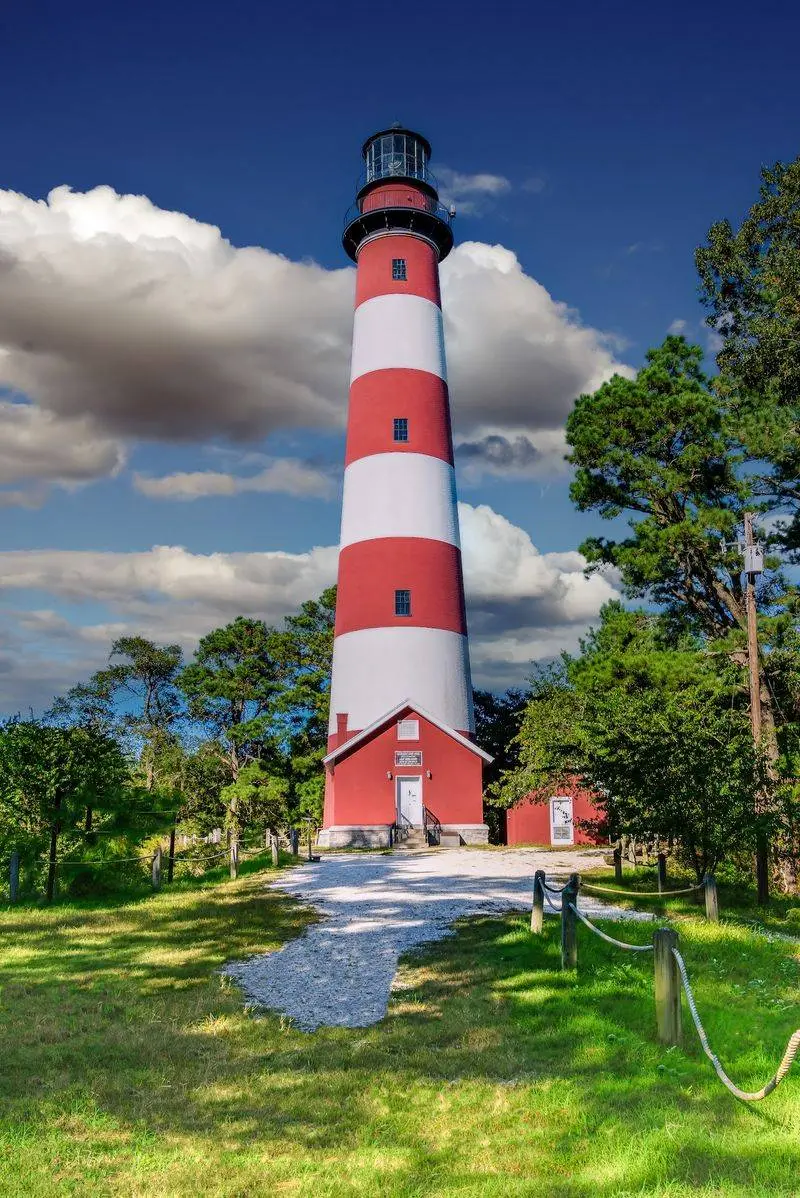
Red and white stripes spiral upward on this historic beacon that has guided mariners since 1867. The Assateague Lighthouse stands as a cultural landmark within the wildlife refuge, proving that human history and natural preservation can coexist successfully.
While the tower itself doesn’t offer public climbing, the grounds provide excellent photo opportunities and a fascinating glimpse into coastal navigation history. Interpretive displays explain how lighthouse keepers maintained the beacon through storms and isolation before automation replaced their lonely vigil.
The lighthouse area makes an ideal picnic spot where families can relax between wildlife watching adventures. Shaded grounds offer relief from summer sun while maintaining easy access to other refuge features.
Many visitors combine lighthouse viewing with nearby beach or trail activities to create well-rounded refuge experiences. The landmark serves as a recognizable meeting point and navigational aid for groups exploring different areas separately.
Photography enthusiasts shoot the lighthouse from multiple angles throughout different seasons and weather conditions. Storm clouds create dramatic backdrops while clear blue skies emphasize the structure’s classic coastal architecture that has survived over 150 years of Atlantic weather.
Spend Time on the Refuge Beach
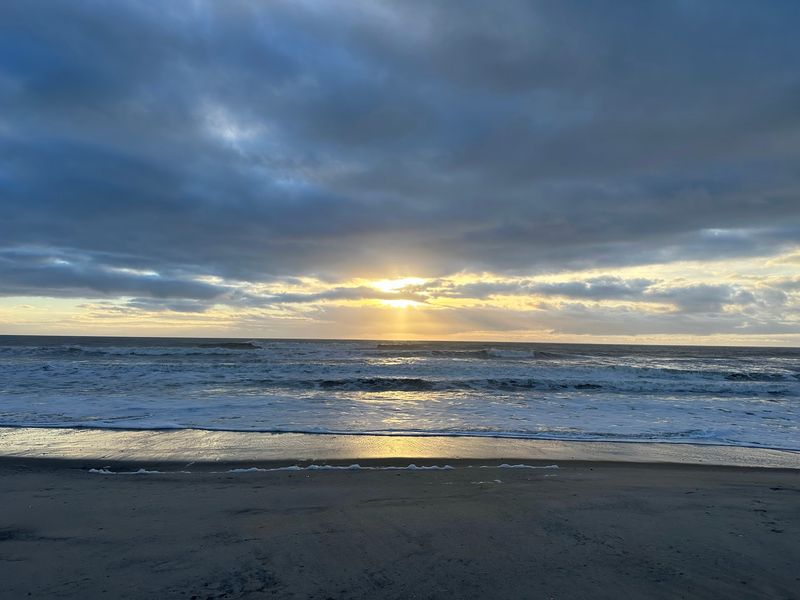
Atlantic waves roll onto undeveloped shoreline where nature rather than development defines the beach experience. The refuge beach offers a striking contrast to commercial coastal destinations, trading boardwalks and shops for pure sand, surf, and seabirds.
Beachcombing reveals shells, sea glass, and interesting driftwood shapes that tell stories of ocean journeys. Each tide brings new treasures while washing away footprints from the previous day, creating an ever-changing natural gallery.
Swimming, sunbathing, and photography all find their place here within established guidelines. Remember that some dune areas remain closed to protect nesting birds and fragile vegetation that prevents erosion.
Surf fishing attracts anglers seeking striped bass, flounder, and other Atlantic species. Proper permits and awareness of protected areas ensure everyone can enjoy beach activities while respecting conservation goals.
Pack out everything you bring in since the refuge maintains strict leave-no-trace principles. This collective responsibility keeps the beach pristine for both wildlife and future visitors who deserve to experience the same unspoiled beauty you enjoy today during your barrier island adventure.
Watch for Birds and Other Island Wildlife
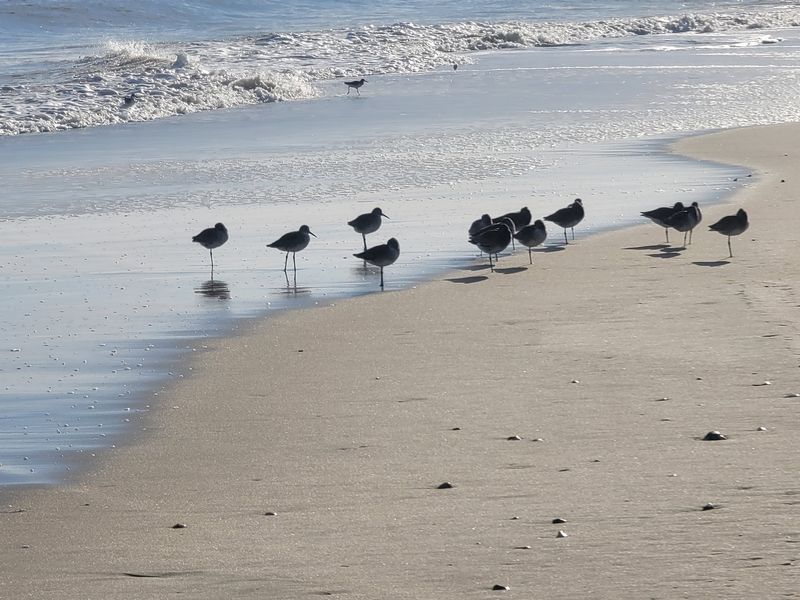
More than 275 bird species visit or live within the refuge throughout the annual cycle, making this a premier destination for serious birders and casual observers alike. Spring and fall migration periods bring especially diverse sightings as shorebirds, warblers, and raptors pass through coastal Virginia.
Snow geese arrive in tremendous flocks during winter months, their white bodies covering marsh areas like patches of snow. The cacophony of thousands of geese calling simultaneously creates an unforgettable wildlife experience that rivals any television nature documentary.
Snowy egrets, great egrets, and tricolored herons hunt the shallows with balletic patience and precision. Each species uses slightly different techniques to catch fish and invertebrates, demonstrating how multiple animals can share the same habitat without competing directly.
Beyond birds, river otters play in waterways while Sika deer browse forest edges at dawn and dusk. The refuge’s protected status allows these animals to live naturally without the constant human pressure found in less-protected areas.
Binoculars become essential tools for maximizing wildlife observation throughout your visit. Quality optics reveal details and behaviors that naked eyes miss, transforming casual viewing into engaging wildlife study.
What to Know Before You Go
The refuge stands at 8231 Beach Road, Chincoteague Island, VA 23336, where seasonal hours change throughout the year to match daylight and wildlife activity patterns. Call ahead or check the official website for current operating times since spring, summer, fall, and winter each bring different schedules.
Daily entrance fees start at $10 per vehicle, though pedestrians and cyclists enter free. Annual passes offer better value for frequent visitors or those planning extended stays.
Pets cannot enter the refuge, even if they remain inside vehicles. This strict policy protects wildlife from stress and disturbance caused by domestic animals in wild habitats.
Never feed, approach, or harass any wildlife, especially the famous ponies. Federal regulations carry serious penalties for disturbing protected animals, and wild ponies can bite or kick when feeling threatened despite their peaceful appearance.
Pack water, snacks, sun protection, insect repellent, and appropriate footwear for trail conditions. Binoculars and cameras help capture memories while respecting wildlife boundaries, ensuring your visit creates lasting joy without compromising the refuge’s conservation mission or your personal safety.