Forget the usual family day out—this Pennsylvania adventure puts you on a real trolley and sends you rolling through the countryside.
At the Rockhill Trolley Museum in Rockhill Furnace, kids can climb aboard vintage electric cars, listen for the bell, and feel the gentle rumble of the tracks beneath their feet.
The ride turns transportation history into something you can actually experience.
Instead of staring at an old streetcar behind glass, families get to sit inside one, watch the scenery pass by, and imagine what travel was like generations ago.
With historic trolleys, restoration shops, and peaceful countryside views, there’s plenty to keep curious kids and adults entertained.
It’s the kind of afternoon where the journey becomes the main attraction—and everyone gets to ride along.
Step Aboard A Real Historic Electric Trolley
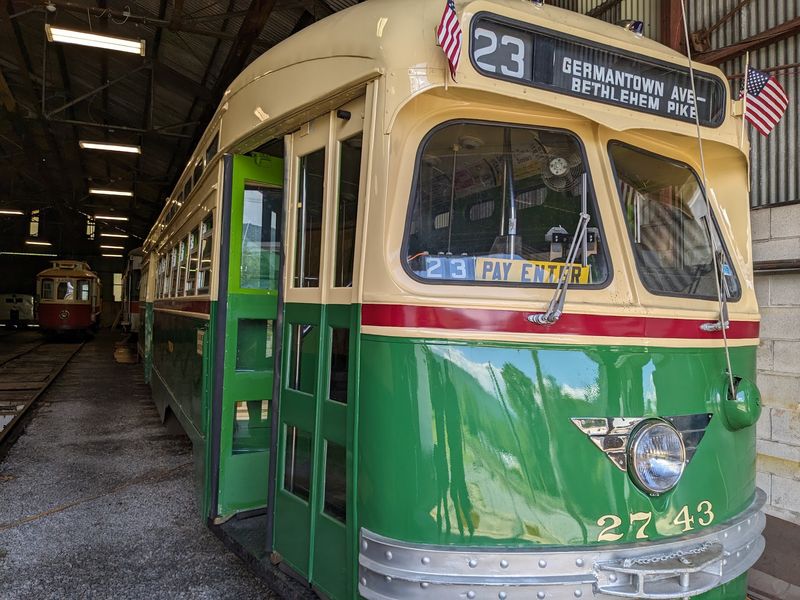
Most museums keep their treasures safely behind glass or velvet ropes. At Rockhill Trolley Museum, the historic artifacts are meant to be touched, boarded, and experienced up close.
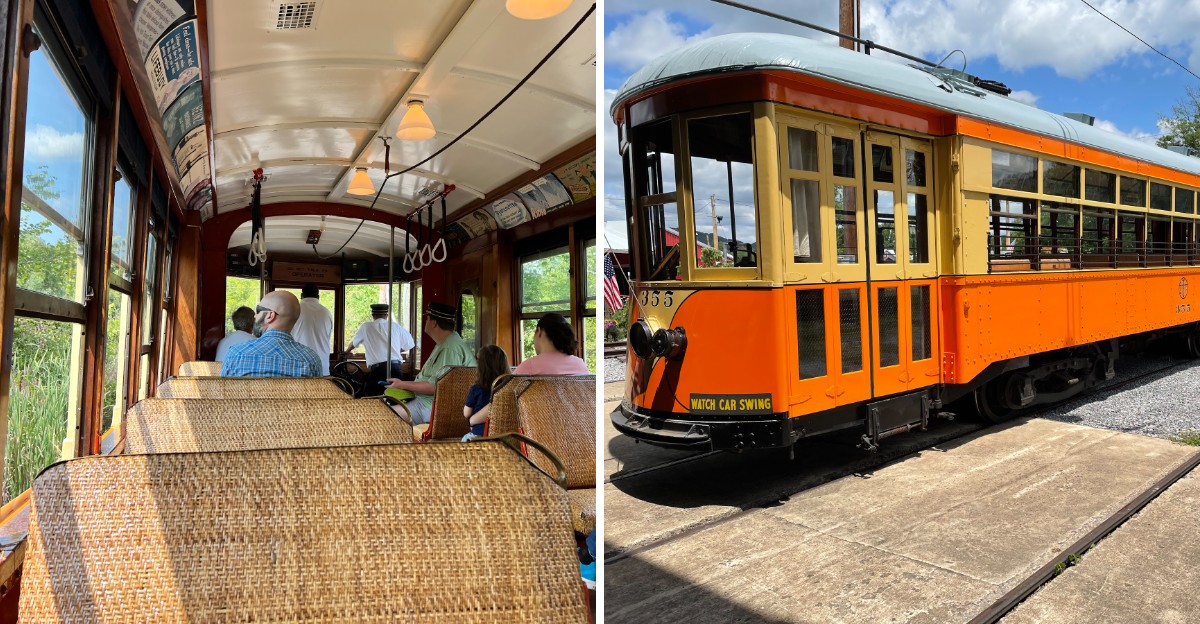
Families don’t just look at old streetcars. They climb aboard working vintage electric trolleys that once carried passengers through American cities decades ago.
The museum maintains several operational cars from different eras. Children get to sit on the same wooden seats, hold the same leather straps, and ride the same rails that commuters used long before school buses and family cars became common.
This hands-on approach makes history real rather than abstract.
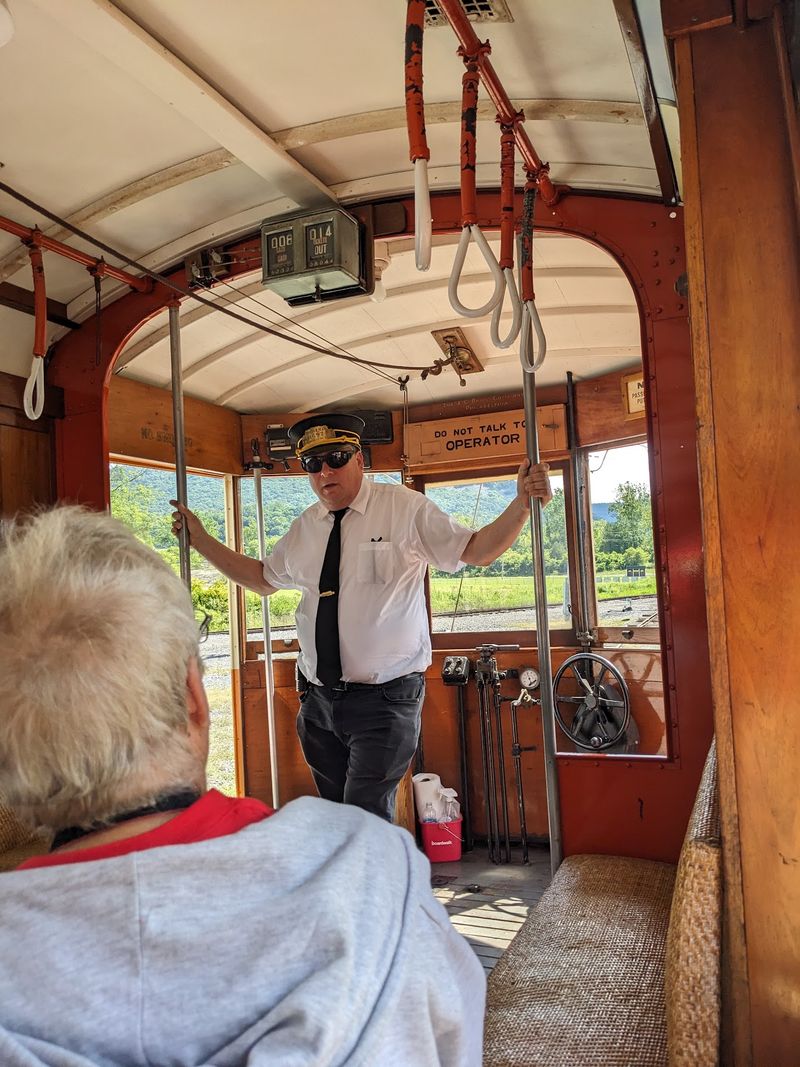
Instead of reading about electric trolleys in a textbook, kids feel the vibration of the motors beneath their feet. They watch the motorman operate authentic controls.
They experience transportation history as an active adventure rather than a passive observation, which makes the entire outing more memorable and educational for young minds.
Ride Through The Pennsylvania Countryside
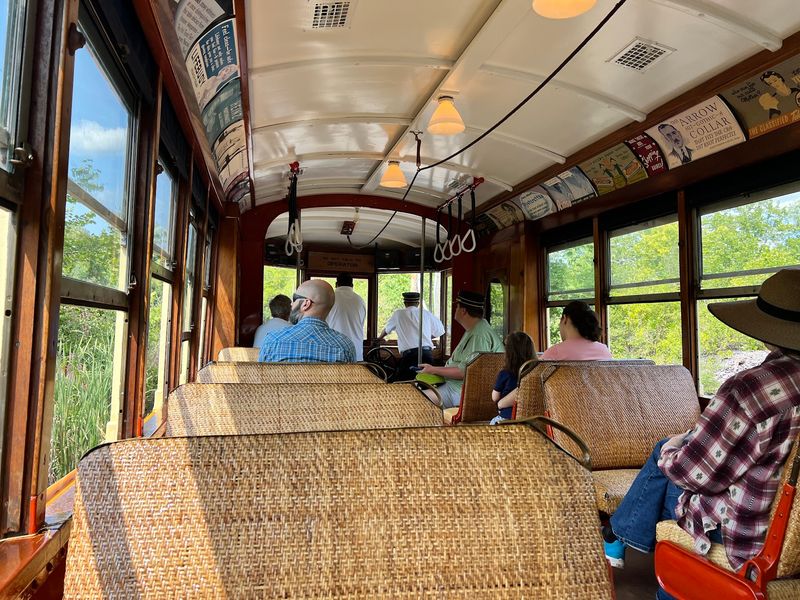
Speed isn’t the point of this journey. The trolley line winds away from the museum property and heads toward Blacklog Narrows at a leisurely pace that lets passengers actually see the landscape.
Dense woods line portions of the track. Open fields appear in other sections.
The rural Pennsylvania scenery unfolds naturally outside the windows.
Modern highway trips rush past scenery in a blur. Trolley rides work differently.
The slower speed gives children time to spot wildlife, notice wildflowers, and point out interesting features along the route. Parents appreciate the relaxed atmosphere that encourages conversation rather than screen time.
The ride offers a refreshing break from hurried modern life. Families sit together without the distractions of traffic lights, navigation apps, or highway congestion.
The countryside rolls by at a pace that feels almost meditative, creating a shared experience that’s peaceful and pleasant for all ages traveling together on the historic car.
Listen For The Bell, Gears, And Electric Motors
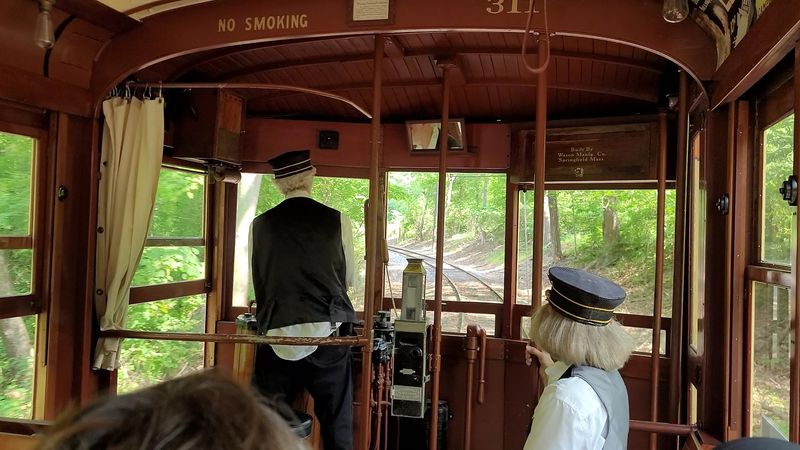
Close your eyes during the ride and you’ll notice the trolley creates its own symphony. The distinctive clang of the brass bell announces departures and signals crossings.
Electric motors hum and whine as they power the car forward. Gears shift with mechanical precision that sounds completely different from modern vehicles.
Air compressors kick in with sudden hisses. Brakes squeal and grab when the motorman slows the car.
These mechanical sounds aren’t accidental background noise. The museum specifically highlights them as part of the authentic trolley experience because they help visitors understand how this technology actually worked.
Kids who love trains and mechanical things find endless fascination in these operational sounds. Even children who didn’t think they’d care about old transportation often become captivated by the unique noises.
The auditory experience adds an educational layer that textbooks and videos simply cannot replicate, making the ride engaging for young ears as well as young eyes.
Discover Trolleys From Different Places And Eras
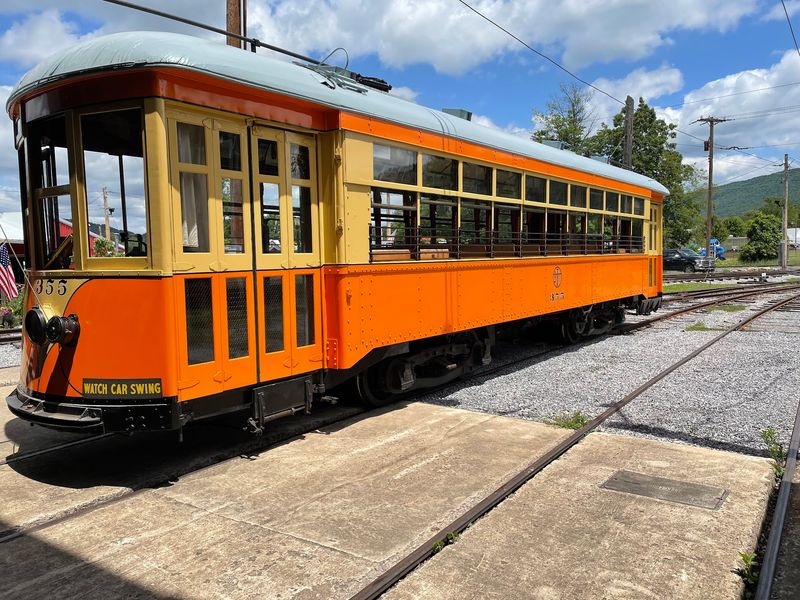
Trolley systems once crisscrossed America, and each city developed its own approach to streetcar design. Rockhill’s collection showcases this variety beautifully.
Cars that once rolled through Pennsylvania communities share space with vehicles from San Diego’s sunny streets, Chicago’s urban grid, and Philadelphia’s historic routes. One car even traveled all the way from Porto, Portugal.
Each trolley reflects its original home. Different paint schemes, seating arrangements, and mechanical designs show how transit systems adapted to local needs.
Some cars featured open sides for hot climates. Others included enclosed cabins for cold weather operation.
The variety turns the museum into a geography lesson on wheels.
Families can compare designs and discuss why certain features made sense in specific locations. Children start understanding that technology isn’t one-size-fits-all.
Engineers made thoughtful choices based on weather, passenger loads, and terrain. This collection demonstrates how practical problem-solving shaped public transportation across continents and decades.
Watch The Trolley Change Ends For The Return Trip
Here’s something most modern transportation can’t show you. When the trolley reaches the end of the line, it doesn’t simply turn around like a car.
The process is more theatrical and mechanical, and it fascinates both children and adults who’ve never seen anything quite like it.
Depending on which car is operating that day, the crew might need to reposition the trolley pole that connects to the overhead electric wire. The motorman walks to the opposite end of the car where a second set of controls awaits.
The trolley will return to the museum traveling backward compared to its outbound direction, but now with proper forward-facing operation.
This turnaround procedure seems quirky by modern standards, but it demonstrates how trolley systems actually functioned. Not every line had loops or turntables.
Some simply ran back and forth with reversible controls. Watching this changeover gives families insight into the practical realities and clever engineering solutions that made streetcar transportation work efficiently in cities worldwide.
Explore The Carbarns After Your Ride
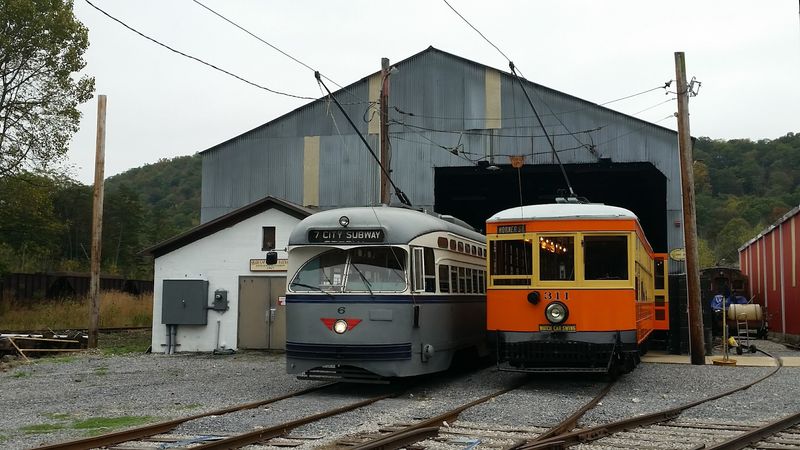
Your ticket includes more than just the ride itself. After returning to the museum, families can explore the carbarns where additional trolleys and equipment are stored.
Carbarn 1 houses several vehicles in various conditions. The Buehler Shop contains restoration projects and tools.
Carbarn 2 shelters more cars waiting their turn for attention or display.
These buildings aren’t fancy museums with theatrical lighting and interactive displays. They’re working facilities where the real preservation happens.
The authenticity makes them compelling. Walking between parked trolleys, families can peek inside cars not currently in service, compare different models, and appreciate details they might have missed during the ride.
Volunteers often work in these spaces and welcome questions from curious visitors. Children can ask about specific cars, restoration techniques, or how trolleys operated.
This informal access to knowledge and equipment creates learning opportunities that polished, hands-off museums simply cannot match. The behind-the-scenes atmosphere encourages genuine curiosity and meaningful conversations about history and preservation efforts.
Let Kids Turn The Ride Into A Transportation History Lesson
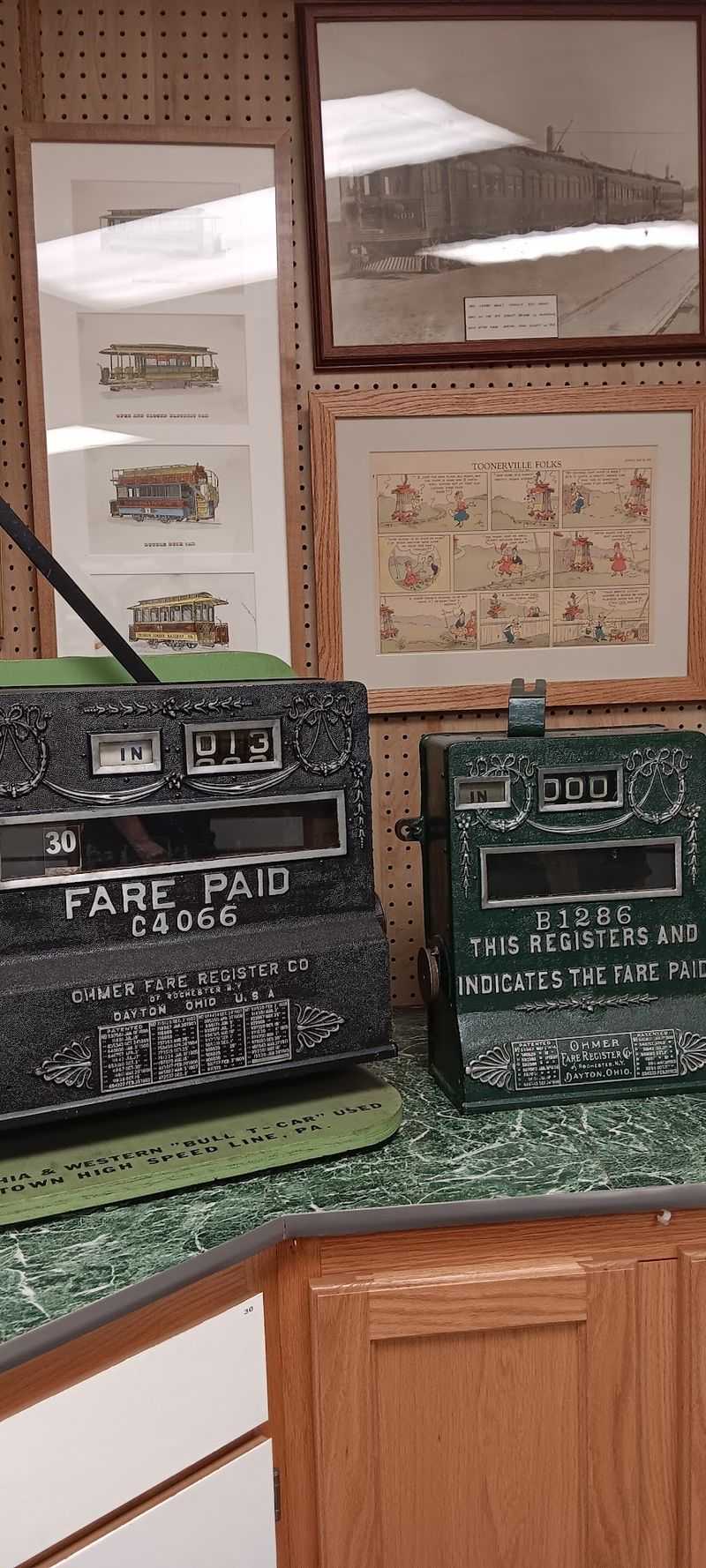
Textbooks describe how electric streetcars connected American communities during the early 1900s. Reading about it is one thing.
Actually riding aboard operating examples while discussing how they worked brings that history alive in ways classroom instruction rarely achieves. The museum creates natural teaching moments without feeling like school.
Parents can talk about why cities built these systems, how electricity revolutionized urban transportation, and what happened when cars and buses gradually replaced trolleys. Kids can observe the technology firsthand rather than trying to visualize it from pictures.
The experience makes abstract historical concepts tangible and understandable.
Even reluctant learners engage differently when education happens during an adventure. The moving vehicle, the interesting sounds, and the hands-on nature of the experience hold attention better than lectures or reading assignments.
Families leave with shared knowledge and memories. Children remember riding historic trolleys long after they’ve forgotten dates and names from conventional history lessons completed at desks inside traditional classrooms.
Make An Afternoon Of Unlimited Trolley Rides
Unlike many attractions that charge per ride, Rockhill Trolley Museum sells all-day tickets. Once you’ve paid admission, you can ride as many times as you want during operating hours.
Four scheduled departures run throughout the afternoon, and nothing stops families from taking every single trip if they choose.
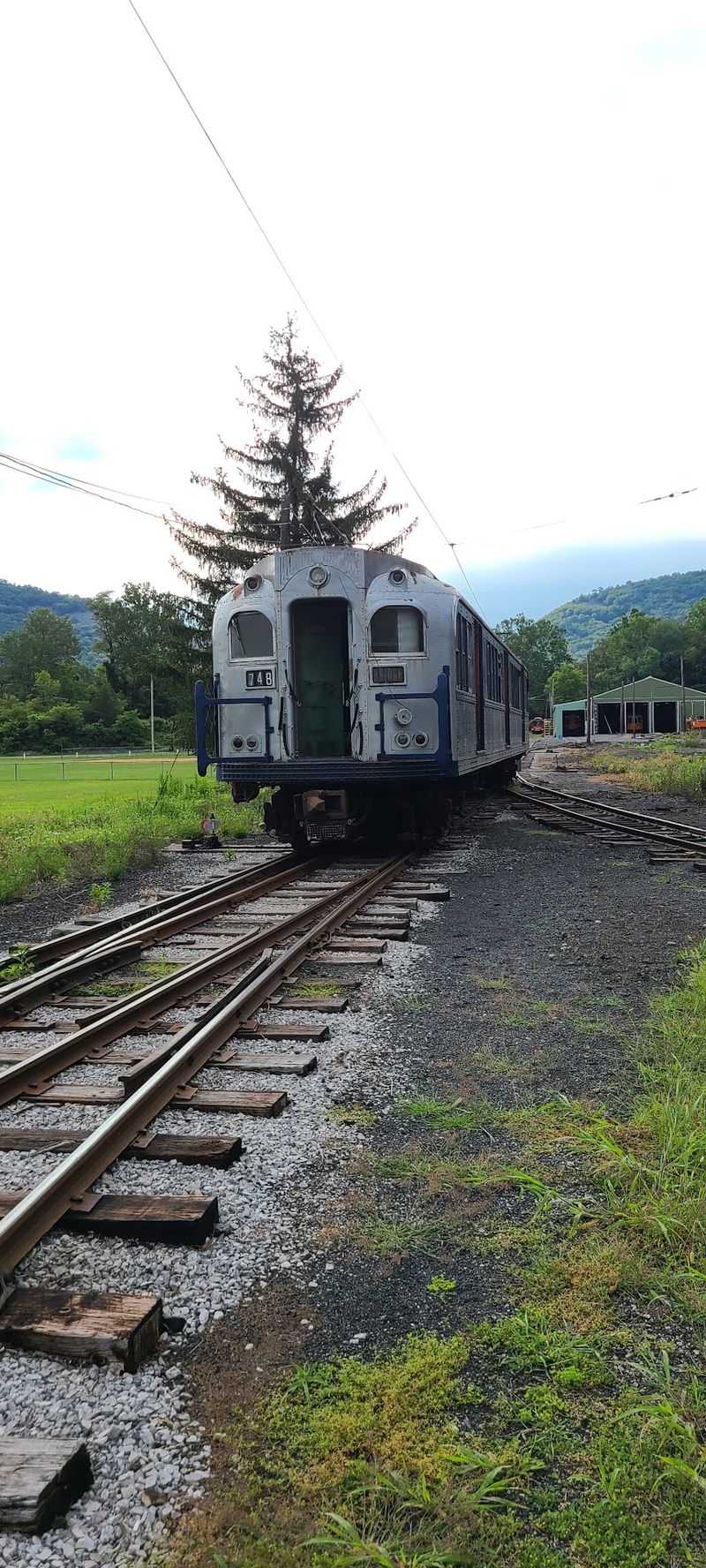
Multiple rides make practical sense because the museum sometimes operates different cars during the same day. Your first trip might be aboard a Philadelphia trolley while your second could be on a car from San Diego.
Each vehicle offers a slightly different experience in terms of seating, sounds, and mechanical character.
Children who loved their first ride often beg to go again. Parents appreciate that saying yes doesn’t mean buying additional tickets.
The all-day access removes financial pressure and lets families pace their visit naturally. You can take a ride, explore the carbarns, grab a snack, then hop aboard another departure without worrying about extra costs piling up throughout your afternoon adventure.
What To Know Before You Go
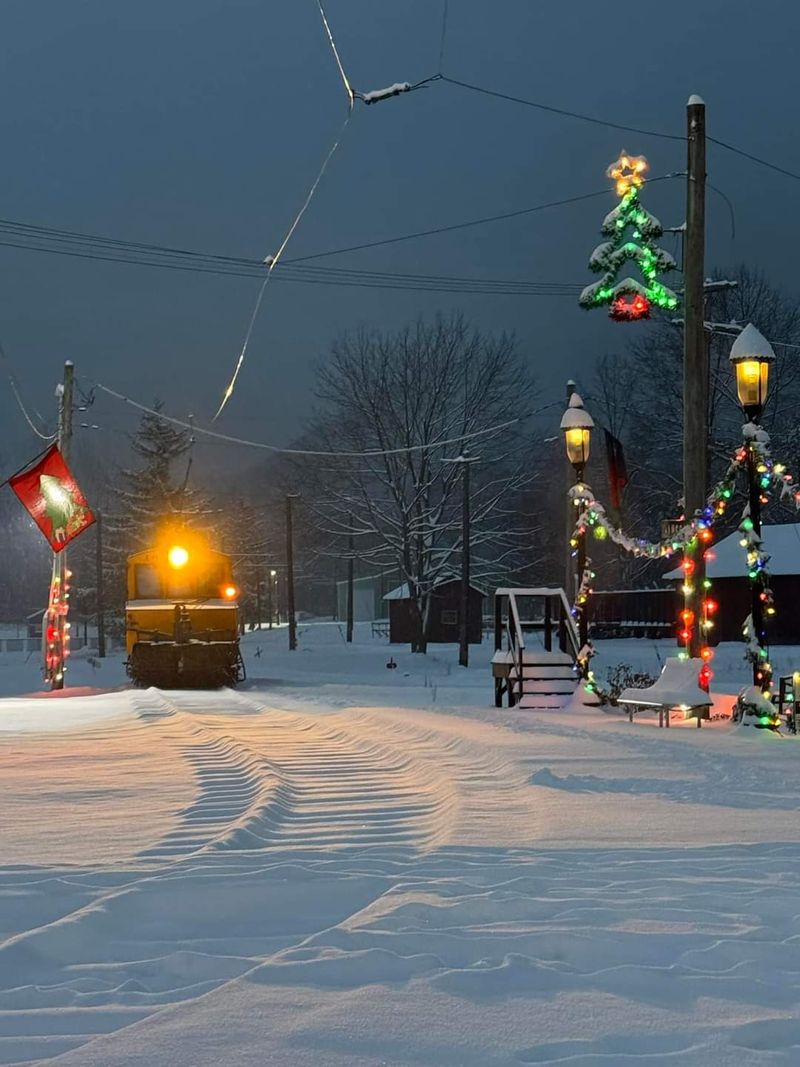
The museum is located at 430 Meadow Street, Rockhill Furnace, PA 17249. The 2026 regular season runs Fridays through Sundays from May 1 through October 25.
Museum hours are noon to 5:15 p.m., with regular trolley departures at 12:45, 2:00, 3:15, and 4:30 p.m. Rides typically last 35 to 45 minutes.
Adult admission costs $12, children ages 2 to 12 pay $10, and children 1 and under enter free.
Tickets can be purchased online or at the museum. Parking is available near the museum, with overflow parking across the street behind the East Broad Top Railroad station.
You can reach the museum by phone at +1 814-447-9576 for specific questions.
Important accessibility note: Historic trolley cars require climbing one or more high steps. Families with mobility concerns should contact the museum in advance to discuss possible accommodations.
Children under 12 must be accompanied by an adult. Service animals require advance arrangement to ensure everyone’s safety and comfort during the ride.