The whistle of a steam engine has a way of making everyone, young and old, stop and smile.
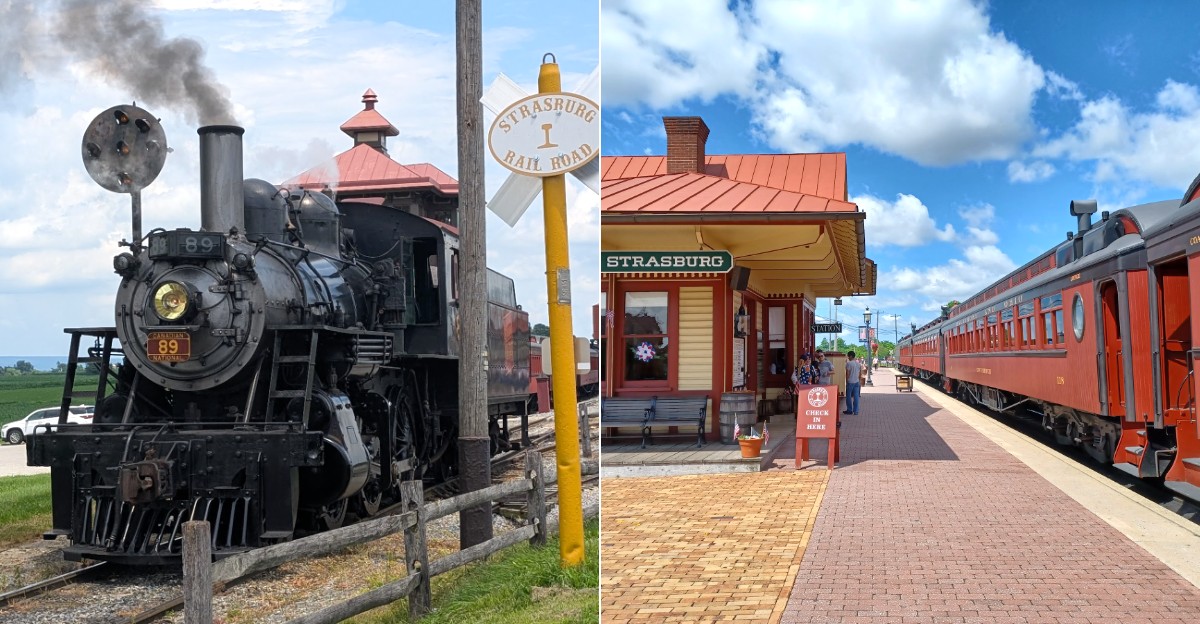
Strasburg Rail Road in Lancaster County, Pennsylvania, is often called America’s oldest operating railroad, with roots going back to 1832.
Its restored steam trains chug through peaceful Amish farmland on a scenic round trip.
Vintage passenger cars, including an elegant dining car, add to the old-time charm.
Across the road, the Railroad Museum of Pennsylvania makes a great add-on for train-loving families.
Grab your tickets, find a window seat, and let the countryside roll gently past.
A Steam Engine That Makes an Entrance
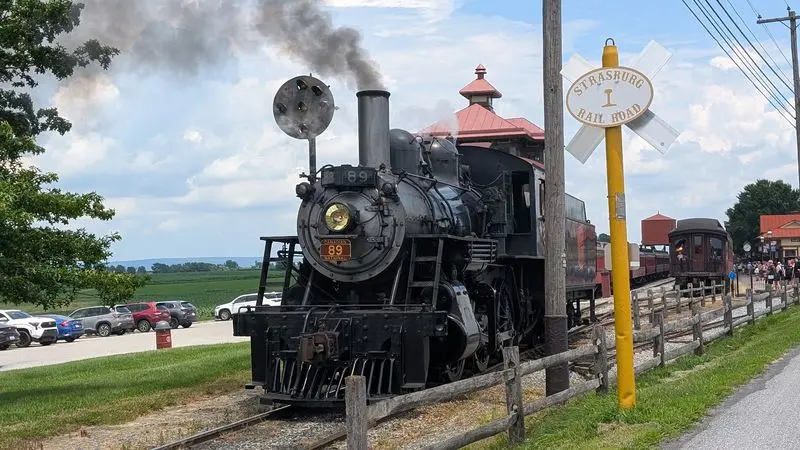
A sharp whistle and a puff of steam can grab a child’s attention faster than any screen. Before the ride even begins, the locomotive gives families something exciting to watch. Its large wheels, metal rods, and working parts make the trip feel different from an ordinary passenger train.
Strasburg Rail Road, at 301 Gap Rd, Ronks, PA 17572, United States, offers steam train excursions through surrounding farmland. The railway is a heritage attraction, where older railroad equipment remains part of a living experience rather than only a display.
Arrive with enough time to look at the engine from approved public areas before boarding. Children can watch for moving parts and listen for changes in the engine’s sounds. Explain that steam power uses heated water to help create movement, keeping the lesson simple and fun.
The whistle can be loud, especially when you are close to the locomotive. Families with children who dislike sudden noise may want to bring hearing protection and ask staff about suitable seating.
Keep everyone behind marked boundaries, and never approach tracks for a better photograph. Watching safely lets the whole family enjoy the engine without getting in the crew’s way. That first close look often becomes a highlight before departure even arrives.
A Ride Length That Fits a Family Day
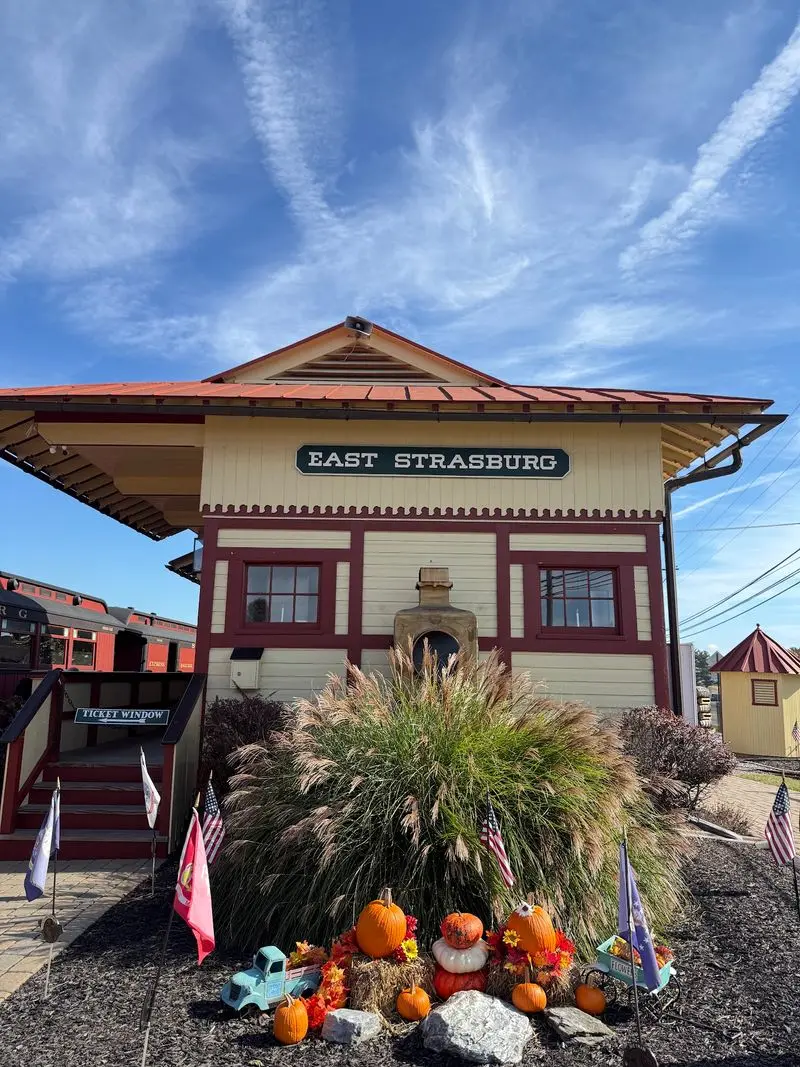
Forty five minutes can be just enough time for a small adventure without wearing everyone out. The standard excursion is commonly described as a roughly forty five minute round trip, making it manageable for many families. Always check the published details for your chosen departure, since special experiences may follow different plans.
The journey travels out through the countryside and then returns to the station. There is no need to arrange a pickup at another stop for the regular round trip. That simple format helps parents plan meals, naps, and the drive home.
For younger riders, explain the trip before boarding: sit together, watch the fields, listen to the crew, and return where you started. Knowing what comes next can make an unfamiliar experience easier.
Use the restroom before departure and ask which facilities are available aboard your selected car. Do not assume every seating option has the same features. A little preparation can prevent a small problem from taking over the outing.
Leave extra time around the ride instead of treating departure and return as your entire visit. Boarding, photographs, and a quick snack can add to the schedule. An unhurried plan leaves room for those little moments children often remember most fondly after the day ends.
Farmland Views Worth Putting the Phone Away For
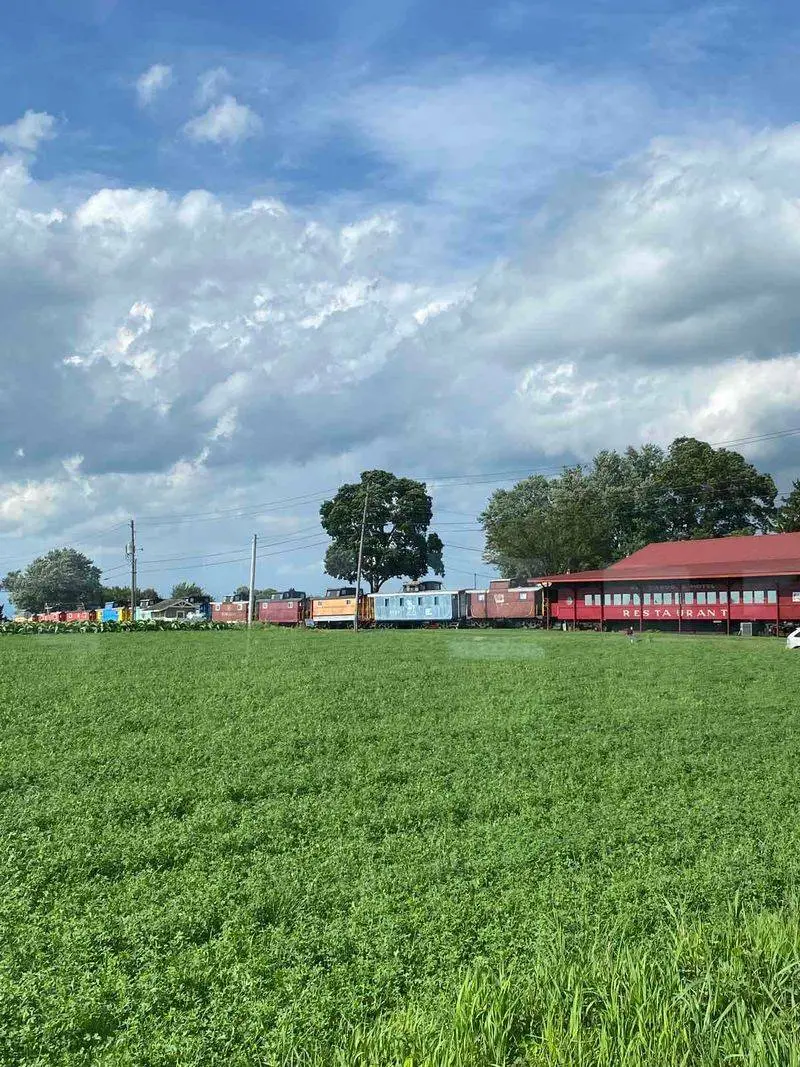
Beyond the window, the scenery changes one field at a time. Instead of busy intersections and shopping centers, riders see open farmland, barns, and stretches of quiet countryside. The landscape is a major reason visitors describe the outing as relaxing.
Amish farms are part of a working community, not a staged show for passengers. Depending on the season and the day’s activity, you might notice livestock, planted fields, or people working outdoors. No particular sight is guaranteed, which makes each departure a little different.
Give children a simple spotting challenge: find a barn, count cows, or look for different crop colors. Avoid turning the game into a competition that pulls attention away from the view. The point is to notice details together.
Seasonal changes also shape the ride. Growing crops can make summer fields look full, while harvested ground reveals different patterns later in the year. Weather and visibility matter more than a perfectly planned photograph.
Respect the privacy of people living and working along the route. Focus pictures on the wider landscape rather than trying to capture close portraits of residents.
Put the phone down for part of the journey. Watching the passing fields with your family can be more rewarding than collecting dozens of nearly identical window pictures.
Car Choices That Change the Experience
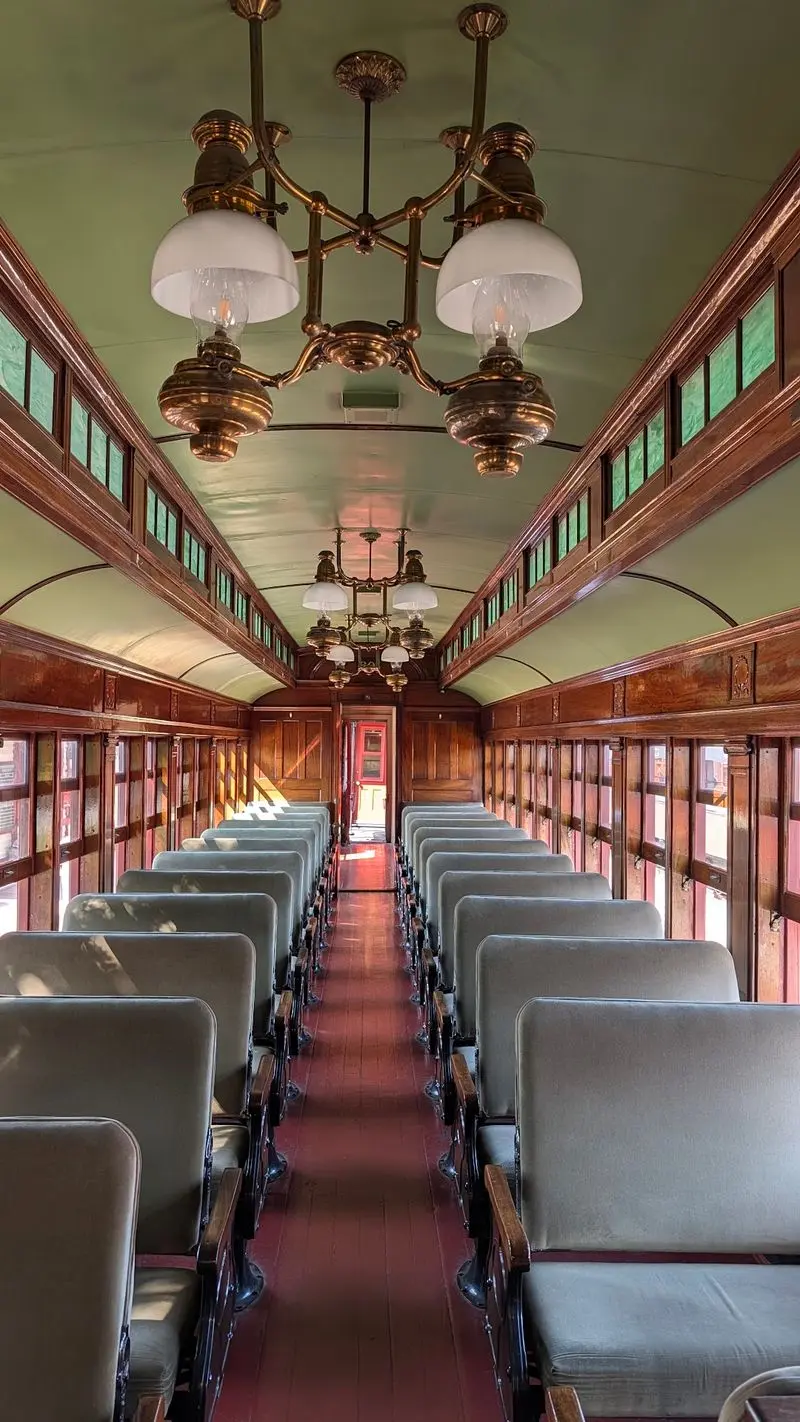
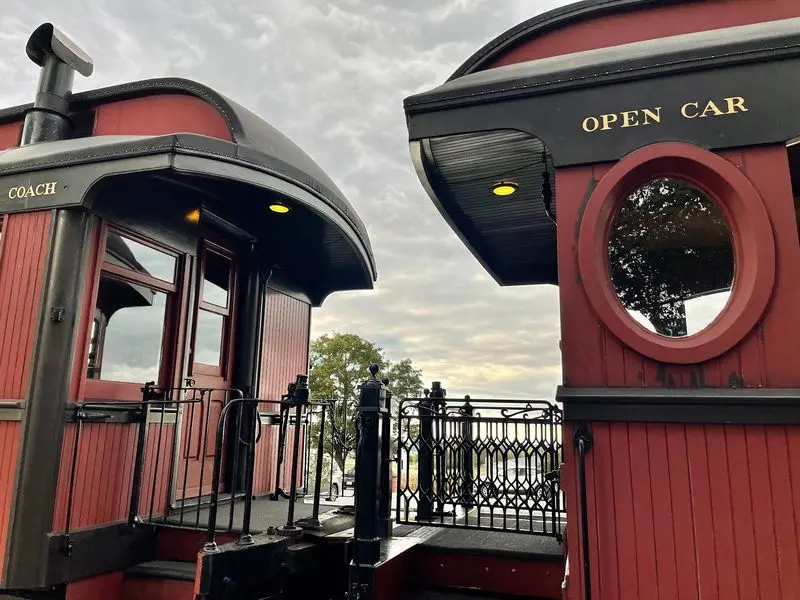
A breeze on your face and a cushioned lounge seat offer two very different kinds of train memories. Car selection matters, especially when several generations are traveling together. The available choices can include coach, open air, and first class options, depending on the departure.
Open air seating appeals to riders who want fresh air and a closer connection to the sounds outside. It also means weather, engine noise, and occasional smoke may affect your comfort. Bring suitable layers, and consider how sensitive your children are to those conditions.
Coach seating provides a more traditional passenger experience. Visitors often mention enjoying the windows and the chance to sit together while watching the scenery. Check the current car descriptions rather than assuming every coach has identical features.
First class choices may offer different seating arrangements and added comfort. Read the details carefully to learn what is included in the specific ticket you are considering. A higher price does not automatically make an option better for every family.
Before booking, compare cost, seating layout, and any stated accessibility information. Contact the railway directly if someone needs help boarding or has particular mobility needs.
The best choice is the one that suits your group’s comfort, budget, and expectations for the whole shared outing.
Railroad Stories That Bring the Trip to Life
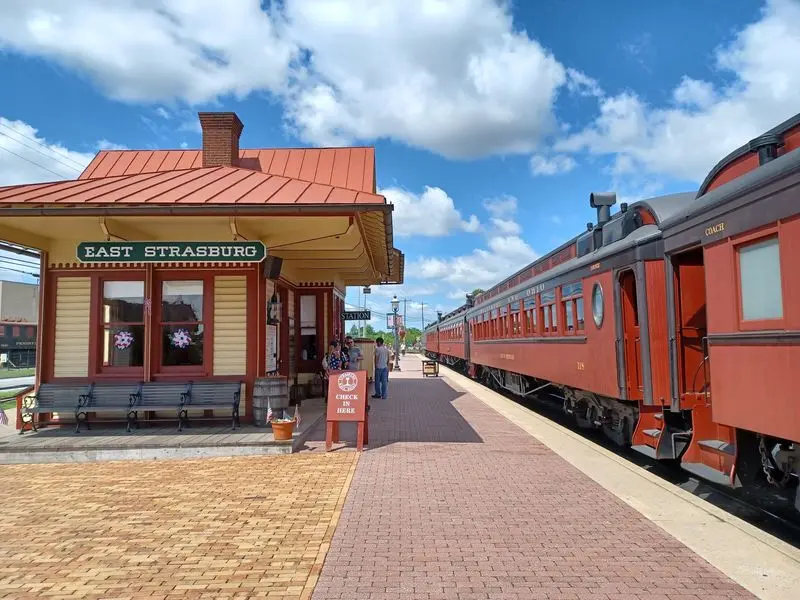
The wheels provide the rhythm, but the stories give the ride extra meaning. Visitors frequently mention onboard commentary that explains railroad history and points out features along the route. Listening can turn a pleasant trip into a simple lesson about how trains work and why they mattered.
You do not need to arrive knowing locomotive names or railroad terms. Let children begin with whatever catches their attention, whether that is a whistle, a ticket, or a moving wheel. Small observations can lead to bigger questions naturally.
Encourage everyone to pause conversations when announcements begin. Missing a few words is easy when the engine is loud or the car is busy. If a child does not understand something, explain it quietly afterward.
Reviews also often praise the staff for being friendly and helpful. When crew members are available and not handling safety duties, a polite question can add something special to the visit. Never interrupt boarding instructions or distract someone working near equipment.
After the ride, ask each person to share one new fact or favorite sound. That quick conversation helps children remember more than just the view.
History feels less like homework when it comes with real machinery, moving scenery, and people who care about keeping railroad traditions alive.
Station Time Without the Last-Minute Rush
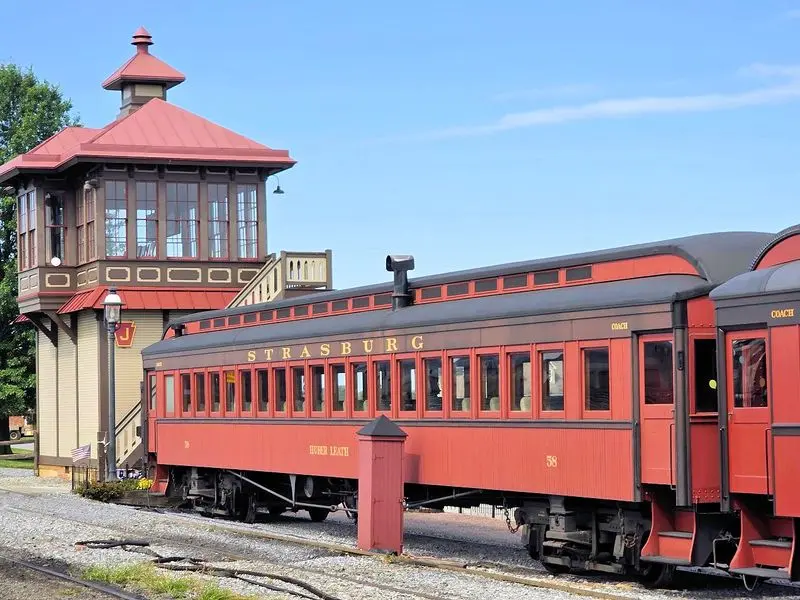
Nobody wants their first memory of a train outing to be a sprint across the parking area. A little planning makes the station part of the fun instead of a source of stress. Start by checking the official website for operating dates, departure times, and current ticket choices.
Buying ahead can be helpful when your family needs a specific departure or seating option. Some visitors report buying tickets at the station, but availability should never be assumed. Popular dates and special events may draw larger crowds.
Follow the railway’s current arrival guidance and allow extra time for traffic. Parking, finding the ticket area, and getting children organized can take longer than expected. Keep booking details easy to reach rather than buried under snacks and jackets.
Before joining the boarding line, handle restroom stops and check that everyone has what they need. Ask staff where to wait if the correct area is unclear. Clear instructions are especially useful when several trains or activities are scheduled.
Visitors mention shops, souvenirs, and food options around the station. Treat those as flexible extras, and confirm current hours if you are counting on a meal.
Set a small souvenir budget beforehand. Children can enjoy choosing a keepsake without turning the final stop into an unexpected spending debate.
Special Departures for an Extra Dose of Fun
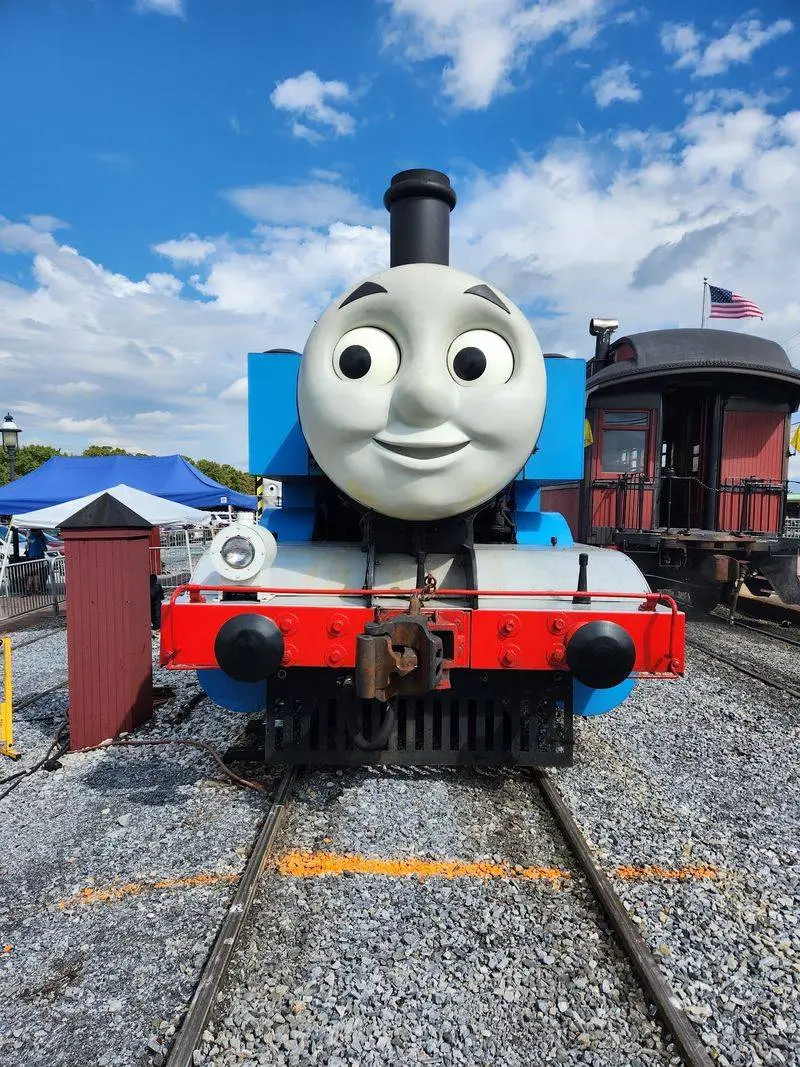
A familiar train ride can feel completely different when a holiday character joins the day. Alongside regular scenic excursions, the railway offers special events and themed experiences at selected times. Visitor reviews mention Thomas events, Easter rides, and Santa trains, while other experiences may focus on dining.
These departures need their own planning. Dates, ticket rules, included activities, and ride lengths can differ from the standard excursion. Read the event page closely before promising children a particular character or activity.
A busy themed weekend may suit a child who loves crowds and excitement. Another family might prefer a quieter ordinary departure with fewer distractions. Neither choice is better; the right fit depends on the people traveling.
Dining experiences can appeal to older children or families celebrating something special. Check menus, age guidance, seating arrangements, and reservation requirements before booking. Do not assume a regular train ticket includes food or admission to a separate event.
For younger children, explain which parts of the visit are confirmed and which are possibilities. That helps avoid disappointment if a schedule changes or an activity requires another ticket.
Choose the experience first, then build the rest of your day around it. A clear plan leaves more room to enjoy the celebration without rushing between activities.
Small Comforts That Help Everyone Enjoy the Ride
A successful family outing often depends on small things: a jacket, a bathroom break, and realistic expectations. Steam trains are exciting, but they also bring unfamiliar sounds, smells, and movement. Preparing for those details helps everyone settle into the experience.
Dress for the forecast and your selected car rather than for photographs alone. An open air ride can feel different from standing in sunshine at the station. Shoes that stay secure on your feet are a sensible choice for boarding.
Pack lightly so bags do not crowd your seating area. Check current rules before bringing food, drinks, or larger items aboard. If you need to travel with a stroller, ask about storage and boarding arrangements in advance.
Tell children to keep hands and heads inside, remain where staff direct them, and listen during boarding. Explain the rules before the exciting engine appears. A calm reminder works better than a rushed warning at the platform edge.
Families with sensory concerns can contact the railway about noise, smoke, and seating options. Those with mobility needs should confirm access for the exact car they plan to reserve.
Finally, leave space for different reactions. One child may love the whistle while another prefers watching fields quietly. Both can leave with a happy memory of the journey.