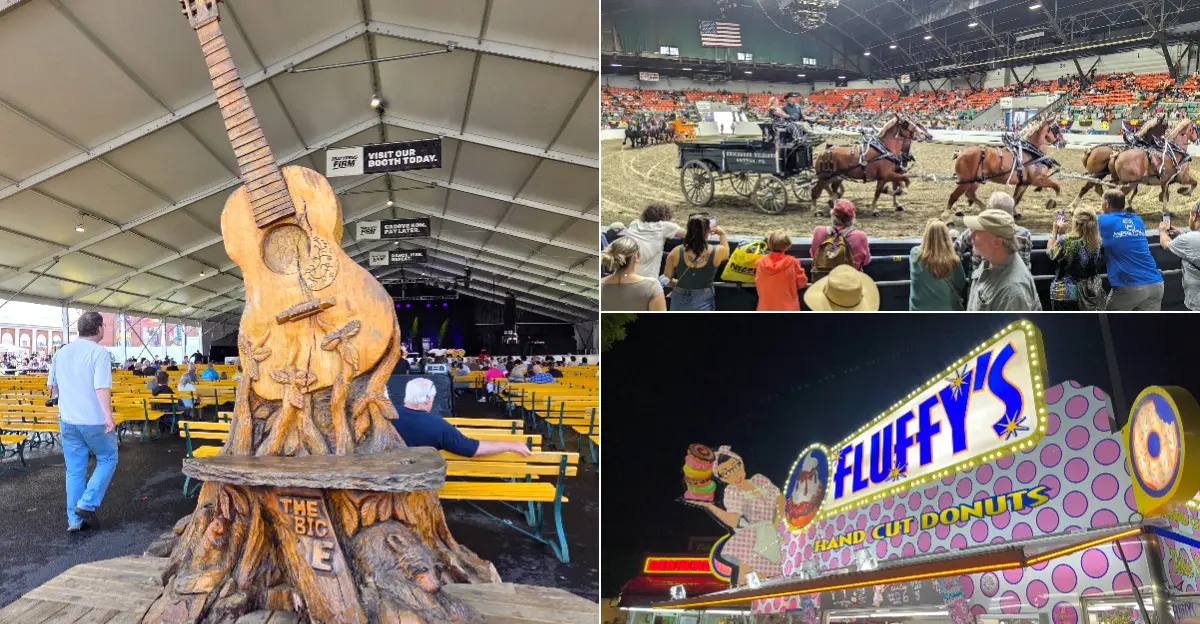
The smell of fried dough, the clang of midway rides, and the sight of a towering Ferris wheel signal that fair season has arrived.
The Big E, held at the Eastern States Exposition in West Springfield, Massachusetts, is New England’s largest fair.
Each fall it draws huge crowds for more than two weeks of food, shows, animals, and good old-fashioned fun.
Along the Avenue of States, replica statehouses from all six New England states showcase local foods and crafts.
Families can catch concerts, watch parades, visit barns full of farm animals, and sample famous treats like giant cream puffs.
Wear comfortable shoes, arrive early, and bring your appetite for a true New England tradition.
Six States in One Walk
Imagine taking a trip through New England without getting back in the car. Along the Avenue of States, families can step inside buildings representing all six New England states. Each stop offers a different mix of regional food, crafts, and displays.
At The Big E, Eastern States Exposition, 1305 Memorial Ave, West Springfield, MA 01089, this stretch gives children a fun way to notice how nearby states differ. They might spot maple treats, seafood favorites, or handmade goods they have never seen before. Rather than rushing through every building, let each child choose one thing to look for.
A snack, a souvenir, or an interesting fact can turn the walk into a small family mission. Check the current fair map before you arrive, since it is easy to spend more time here than expected. If crowds make narrow spaces uncomfortable, try visiting the buildings earlier in the day.
Agree on a meeting point before anyone wanders toward a display. Prices vary, so decide whether everyone gets a treat or whether sharing sounds better. You can enjoy the sights without buying something at every stop. The best part may be hearing which state each family member picks as a favorite.
Farm Animals Up Close
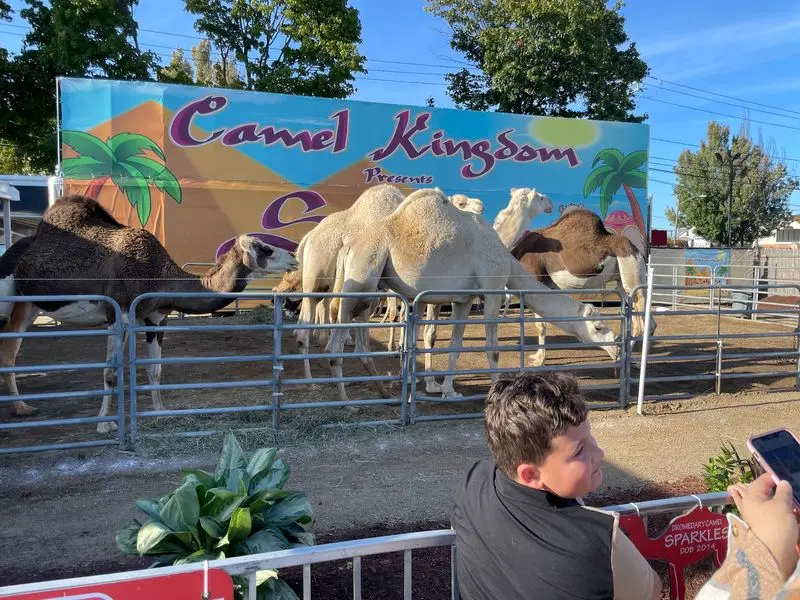
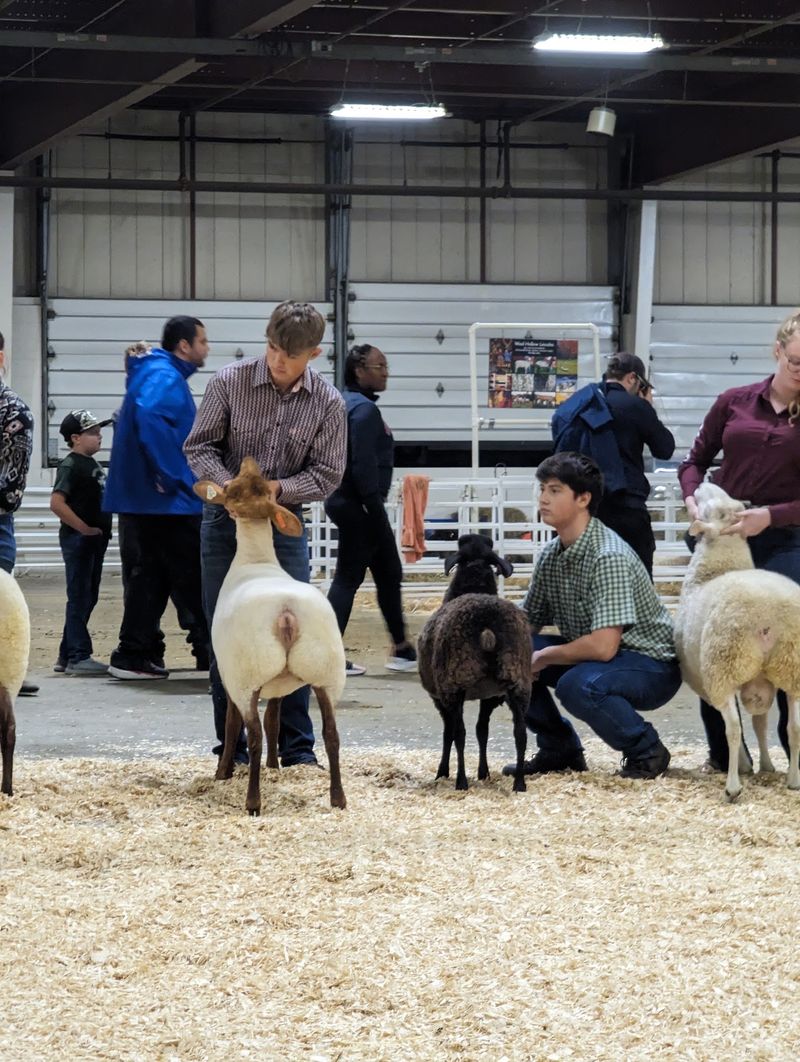
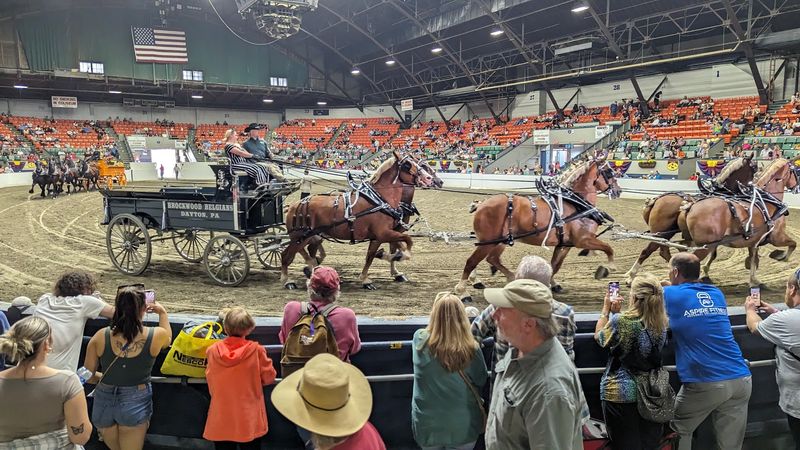
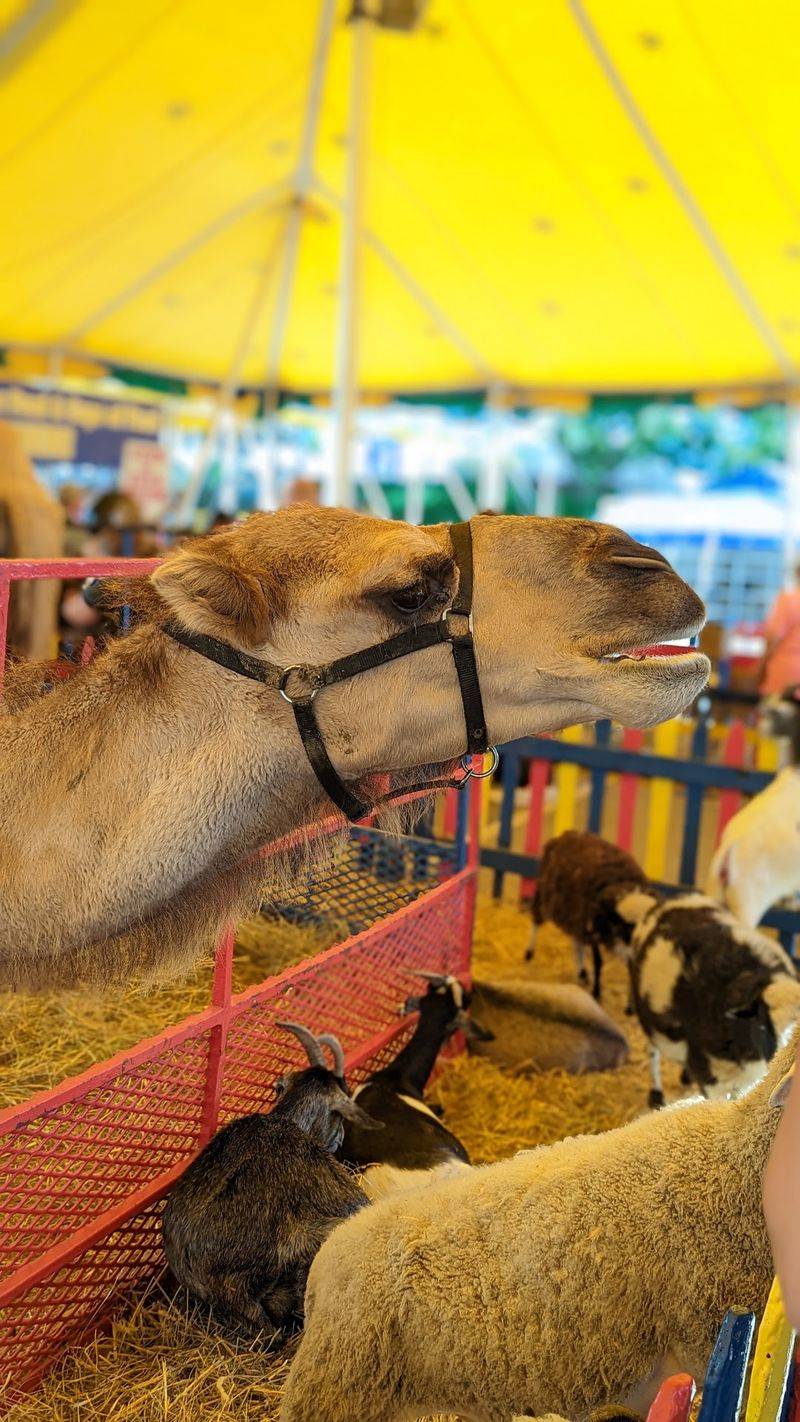
A child who has only seen cows in books may remember meeting one for years. The livestock areas at The Big E bring families close to farm animals and the people who care for them. Depending on the daily schedule, visitors may see horses, sheep, cows, or other animals being shown.
Young exhibitors can make these barns especially interesting. Their work shows that raising an animal takes patience, early mornings, and plenty of practice. Look for posted show times if your family wants to watch judging rather than simply walk through.
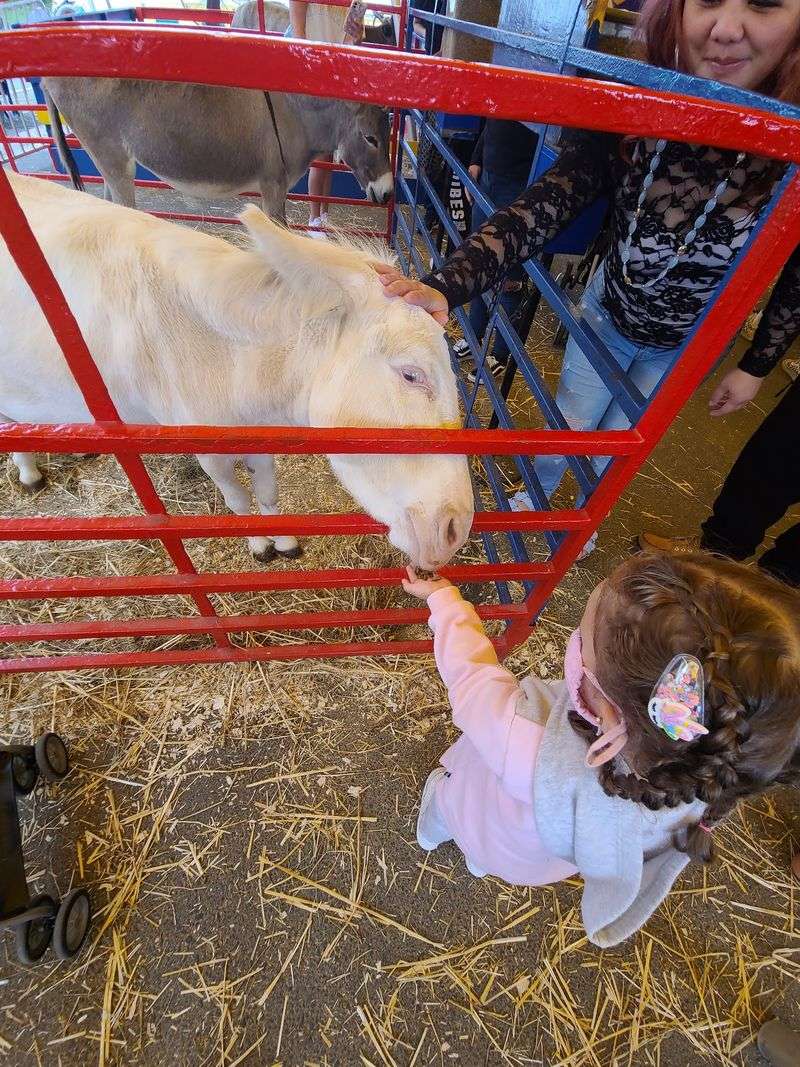
Explain to younger children that a barn is not a petting zoo. Ask an animal’s handler before touching it, keep fingers out of pens, and use handwashing stations afterward. Quiet voices also help animals stay calm when aisles are busy.
For a simple learning game, ask children to find three differences between two breeds or watch how an exhibitor leads an animal. A short visit can hold more attention than a long one, especially if little legs need a break. Families interested in horse shows should check the event calendar before choosing a day. Schedules can change, and not every animal appears at every hour. That bit of planning helps turn a casual barn stop into a memorable part of the trip.
A Food Trail Everyone Can Help Plan

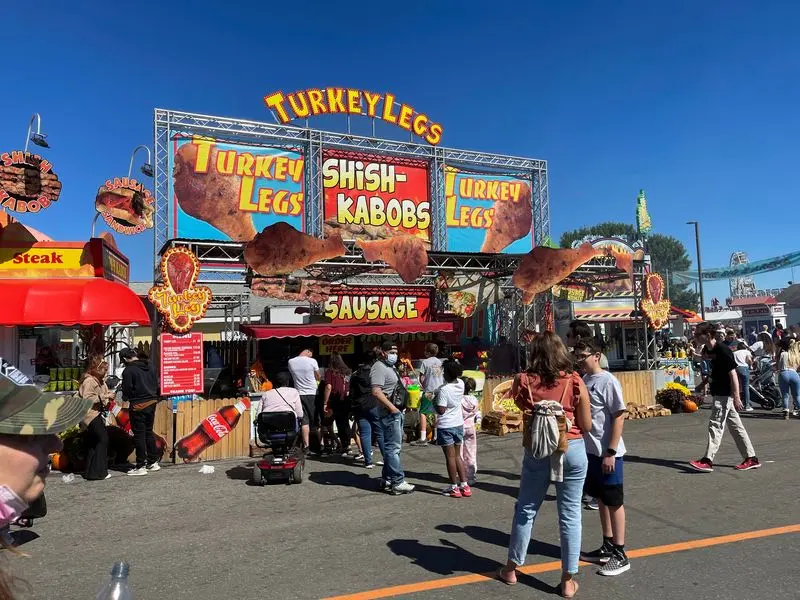
Someone will spot a giant snack before the family reaches the first show. Food is a big part of The Big E, from classic fair treats to regional specialties. Cream puffs have a loyal following, while the state buildings add more choices to explore.
Before the first order, take a quick walk past a few stands. That gives everyone time to compare menus and pick something they truly want. Sharing a couple of dishes lets children try new flavors without buying a full portion for each person.
Set a food budget ahead of time because small purchases can add up fast. Some visitors have reported high prices, so looking at posted menus before joining a line is smart. Bring water if current rules allow it, and check the fair website for the latest outside food policy.
For families with allergies, ask vendors about ingredients and preparation rather than guessing from a sign. Pick a meeting spot before adults split up to collect different orders. Busy walkways are easier to handle when everyone knows where to regroup. Finally, save one treat for later instead of eating everything at once. A shared dessert after the animals or a show gives the day a little celebration without turning lunch into a race.
Midway Fun With a Spending Plan
Colorful lights and the Ferris wheel can make the midway hard to pass. For many children, rides and games are the part they talk about on the way home. The Big E offers that classic carnival feeling alongside its exhibits and shows.
Before promising unlimited rides, check the current midway prices and payment system. Admission, rides, and games may have separate costs, and payment options can change. A set ride budget helps children decide what matters most to them.
Measure younger riders before buying credits or passes, since height rules apply to individual rides. Let children point out their top choices first, then look at lines and nearby options. A shorter wait for a second choice may leave more time for the rest of the fair.
Games deserve their own budget if winning a prize is part of the dream. Explain that paying to play does not promise a stuffed animal. Parents can make the midway feel less rushed by choosing a time to leave it before entering. Take a photo of your meeting point if your group separates. On a crowded day, familiar signs and landmarks are more useful than a vague promise to meet near the rides. A little structure keeps the excitement fun rather than stressful.
Shows Worth Checking Before You Go
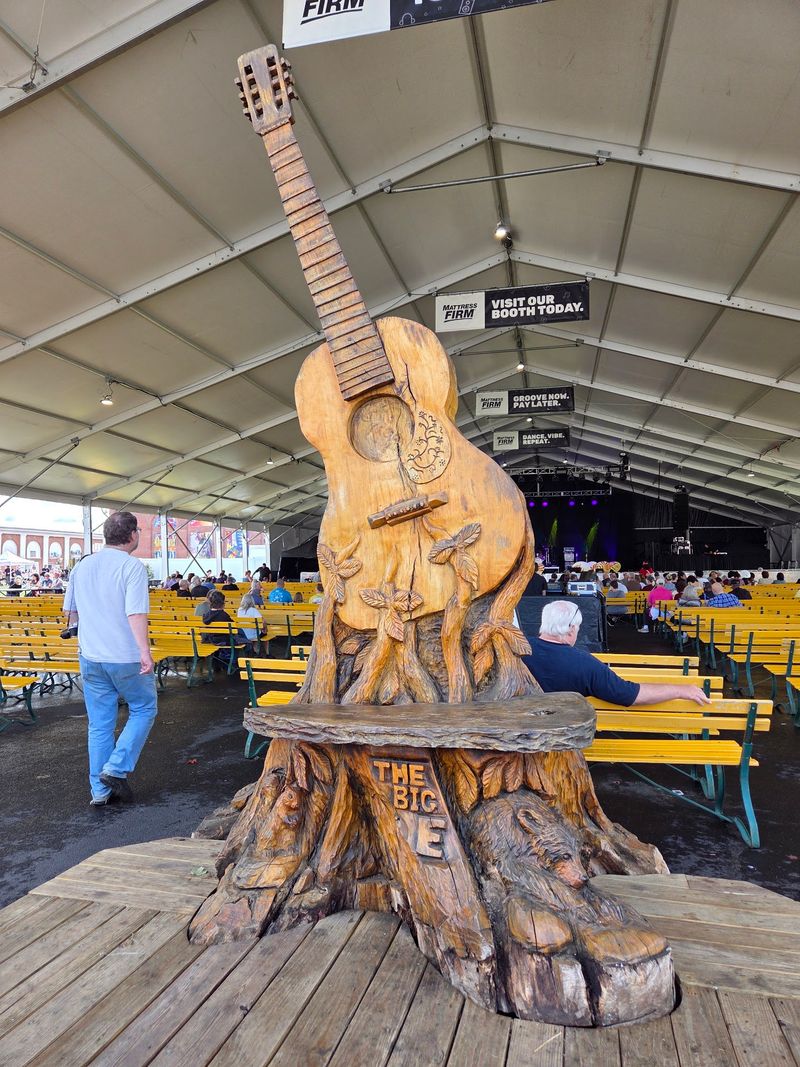
A good show can give tired feet a break without slowing down the fun. The Big E is known for entertainment that may include circus performances, music, demonstrations, and animal events. The lineup changes, which makes the daily schedule one of the most useful planning tools.
Look it over before leaving home and choose one or two events your family really wants to see. Build walking time into the plan because the grounds are large. For shows with limited seating, arriving early can matter more than finding the shortest route.
Check whether a performance is included with fair admission or needs a separate ticket. Some visitors have enjoyed included concerts and circus acts, but individual events and ticket rules may differ. The official schedule is the best place to confirm details for your chosen date.
If children have different tastes, let each pick a possible show and find a shared favorite. A short performance may suit a younger child better than a late evening concert. Keep a backup choice in mind in case a line is too long or weather changes your plans. That way, missing one act will not feel like missing the whole day. Sometimes the unexpected show becomes the story everyone retells afterward.
A Parade Break in the Busy Day
Music drifting down a walkway can signal that something colorful is coming. The Big E parade gives families a reason to pause, gather together, and watch the fair move past. Children may enjoy the costumes and lively atmosphere even if they do not know every performer.
Check the day’s schedule for the parade time and route before settling in. A review may describe what happened on one visit, but times and features can change from year to year. Finding a spot a little early is easier than trying to reach the front after the crowd forms.
Choose a place where children can see without standing in the route. Keep strollers close, and make sure everyone knows not to run after anything tossed toward spectators. If your family is sensitive to loud sounds, standing farther back can make the experience more comfortable.
A parade also works as a useful checkpoint in a long visit. Plan a bathroom stop and a snack beforehand, then use the end of the procession to decide what comes next. Take a quick family photo while everyone is in one place. You do not need a perfect view to enjoy the moment. Watching a child’s face light up can be the best sight of all.
A Quieter Walk Through Fair History
After the midway, a slower path can feel like a welcome change. Storrowton Village offers a look at older buildings and a different side of The Big E grounds. It gives families a chance to notice details they might miss among rides and food stands.
Ask children to compare the buildings with the places they know today. What looks familiar, and what would make daily life harder without modern tools? A simple question can turn a short walk into a lively conversation.
Check the fair’s current information for tours, demonstrations, or special activities before making a firm plan. Even when your family only strolls through, the setting can provide a calmer stop between louder attractions. It is also a useful place to slow your pace if younger visitors need a reset.
Stay together near entrances and paths, especially when crowds are moving in different directions. If you see crafts or displays, give children time to look rather than pulling them toward the next stop. A visit does not have to last long to make an impression. The change of scenery helps show why the fair is more than a collection of rides. For families who like history, that quieter discovery may become an unexpected favorite.
One Full Day That Needs a Smart Plan
A fair day can feel short when every turn reveals something new. The Big E covers a large area, so a simple plan helps families enjoy more and worry less. Start by checking the official website for this year’s dates, hours, tickets, parking details, and event schedule.
Do not rely on hours listed for the exposition grounds when planning a fair visit. Fair admission times and special events should be confirmed separately. Arriving early may give your family a calmer start, though crowds can build even on weekdays.
Wear comfortable shoes, and check the forecast before choosing jackets or rain gear. Pick three priorities, perhaps animals, a show, and the state buildings, instead of trying to see everything. Leave open time for surprises and a seated break.
Traffic and parking costs have frustrated some visitors, particularly on busy days. Look into current parking or transportation options before setting off, and allow extra travel time. Inside, agree on a meeting place and make sure children know which adults are in their group. Plan a spending limit for food, rides, and souvenirs so costs do not sneak up on you. The goal is not to finish a checklist. It is to head home with stories your family wants to share.