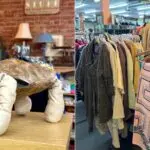
Some places hold on to the past so gently that stepping inside feels like turning back the clock.
Wooden floors creak underfoot, and the shelves are stocked with the kind of goods that have never gone out of style.
There’s a quiet charm here that no big-box store could ever replicate.
Locals still stop by for penny candy, hardware, and a bit of friendly conversation.
Kids press their faces to the glass candy case just like generations before them did.
This is Landis Store, a beloved Pennsylvania general store that has kept its shelves stocked since 1854.
Come for the nostalgia, and stay for the sense that some traditions are worth preserving.
A Storefront Memory That Starts in 1854

Old shelves have a way of making people slow down.
Families picture wooden counters, jars of candy, work gloves, flour sacks, and neighbors trading news while errands get done.
The story tied to Landis Store, District Township, PA 18011 begins with that kind of everyday usefulness, reaching back to 1854.
For a blog post, this section should explain why a general store mattered before big supermarkets and online shopping became normal.
Parents can connect the idea to chores children understand, like buying snacks, mail supplies, tools, or ingredients in one stop.
A strong angle is that old country stores were not just places to shop, because they also worked like message boards, meeting spots, and local landmarks.
Readers should come away seeing stocked shelves as a sign of trust.
When a store keeps serving people for generations, it becomes part of family memory, even for visitors hearing the story for the first time.
Use simple details, such as creaky floors, handwritten signs, and familiar faces, to make the past feel close.
That warm picture helps explain why families still enjoy wandering places with deep roots.
Country Roads Set the Mood

A winding road can feel like the first chapter of a good family day trip.
Before anyone reaches the old store story, the drive sets a quiet mood with fields, wooded bends, and small crossroads.
This section should help readers understand that rural places are often best enjoyed without rushing.
Families can plan extra time for slow travel, safe pull-offs, and simple talks about what the area may have looked like in earlier days.
Children may notice barns, stone houses, mailboxes, and creeks more easily when phones are put away for a while.
Suggest turning the ride into a lookout game, asking kids to spot older buildings, farm signs, or changes in the landscape.
A practical tip is to check maps before leaving, since country roads can have limited shoulders and fewer quick stops.
Drivers should respect private property, move carefully around curves, and keep visits low-key.
The charm here is not loud or flashy.
It comes from the calm feeling of passing through a place shaped by work, weather, family routines, and long memory.
Shelves Tell Everyday Stories

Stocked shelves can say more than a sign on the wall.
They show what people needed, what they trusted, and what made life easier from week to week.
In a well-researched article, this section can focus on the kinds of goods families might associate with a long-running country store.
Think pantry basics, simple hardware, soap, sewing items, treats, paper goods, and seasonal supplies.
The point is not to invent an exact modern inventory, but to explain how general stores worked as helpful all-purpose stops.
A parent could use this idea to teach children how shopping once depended on local roads, local credit, and face-to-face service.
Small items can open big conversations.
A jar of peppermint sticks might lead to holiday memories, while nails and twine can bring up farm chores or home repairs.
For readers planning a history-themed outing, suggest asking older relatives what they remember buying at similar stores.
Family stories make the shelves feel alive, turning cans, boxes, and tools into clues about daily life.
That is why ordinary goods can become surprisingly interesting.
A Village Shaped by Water

Water quietly explains why many small communities grew where they did.
Creeks helped shape roads, farms, mills, and gathering places long before modern traffic patterns appeared.
This section should introduce the local watershed in clear language for young readers.
The village area is drained by the West Branch Perkiomen Creek, which feeds into Perkiomen Creek and connects with the Green Lane Reservoir system.
That detail matters because water links a tiny place to a larger natural map.
Families can understand it by imagining rain falling on hills, running into small streams, joining bigger creeks, and eventually reaching reservoirs and rivers.
A helpful activity is to bring a printed map or open a map app before the visit.
Ask children to trace nearby water lines and guess which way the land slopes.
Remind readers to view waterways safely and respectfully.
Creek banks can be slippery, and many nearby areas may be private property.
The bigger lesson is simple.
A country store story is also a land story, because people, roads, shelves, farms, and flowing water all helped shape local life.
Family Wandering Without a Rush

Not every family outing needs tickets, bright lights, or a packed schedule.
Sometimes the best plan is a gentle wander with room for questions, snacks, and quiet looking around.
This section should present the area as a place for mindful exploring rather than a fast attraction.
Readers can be encouraged to treat the visit like a small history walk, even if most viewing happens from public roads.
Families should set expectations before they go.
Tell children they are visiting a historic community setting, not a theme park, and that being respectful is part of the adventure.
Good advice includes wearing comfortable shoes, bringing water, checking the weather, and keeping younger kids close near roads.
A notebook can turn the outing into a simple field journal.
Kids might sketch a barn roof, write down an old-looking sign, or list three sounds they hear.
Those small tasks keep them engaged without making the trip feel like schoolwork.
The reward is a slower kind of fun.
Families notice details they usually miss, and the old store story becomes a doorway into patient curiosity.
Small-Town Names and Zip Code Clues

A place name can be tiny on a map but big in local memory.
Small villages often sit between postal areas, township lines, school districts, and older road names.
This section can explain that the community is connected with more than one mailing identity.
The village is split among Alburtis, Barto, and Boyertown zip code areas, which can surprise visitors using maps, mail, or online searches.
For families, that makes a useful lesson in how addresses work.
A zip code does not always match the way people talk about a village, and a township name may differ from the nearest post office name.
Suggest double-checking directions with coordinates, road names, and current map tools before traveling.
When researching photos, old records, or local history, try nearby place names too.
Children can turn this into a map puzzle.
Ask them why one small community might connect to several larger towns around it.
The answer often involves mail routes, geography, growth, and history.
Understanding those clues helps readers see that rural Pennsylvania is layered, with old village names still carrying meaning even when mailing labels vary.
A Practical Stop for History Lovers

A good history outing starts before the car leaves the driveway.
A little planning helps families enjoy the old store story without confusion or disappointment.
This section should offer useful preparation tips for readers.
Recommend checking current maps, road conditions, nearby services, and whether any businesses or buildings are open to the public before making special plans.
Because small rural places can change over time, visitors should avoid assuming there will be restrooms, food service, parking, or guided tours.
Packing snacks, water, phone chargers, and a backup stop nearby keeps the day easy.
Photography should be handled politely.
Take pictures only from safe public spots, avoid blocking roads, and never enter private land or buildings without clear permission.
History lovers may also want to search local archives, township resources, historical societies, and old maps before writing or visiting.
Those sources can add careful context and prevent mistakes.
The best mindset is curious and considerate.
A family can enjoy the feeling of a long-lived country store tradition while remembering that real people still live, drive, work, and keep routines in the area.
Why the Story Still Matters

Some local stories last because they are easy to understand.
People need food, tools, news, directions, and friendly faces, and a country store once brought many of those needs together.
This final section should show why readers still care about a place tied to shelves stocked since 1854.
The appeal is not only age, but connection.
Families can imagine grandparents, farmers, children, travelers, and neighbors passing through different seasons of American life.
That long timeline makes the story feel bigger than one building or one errand.
Encourage readers to think about the stores in their own lives.
Which places know their order, remember their family, or make an ordinary stop feel personal?
A blog post can end by reminding readers that heritage is often found in modest places.
It may sit at a crossroads, near a creek, or along a road people use every day.
When families wander with patience, they learn to value more than famous landmarks.
They notice how small communities hold memory, and how a simple general store story can keep Pennsylvania history close, useful, and warmly human.