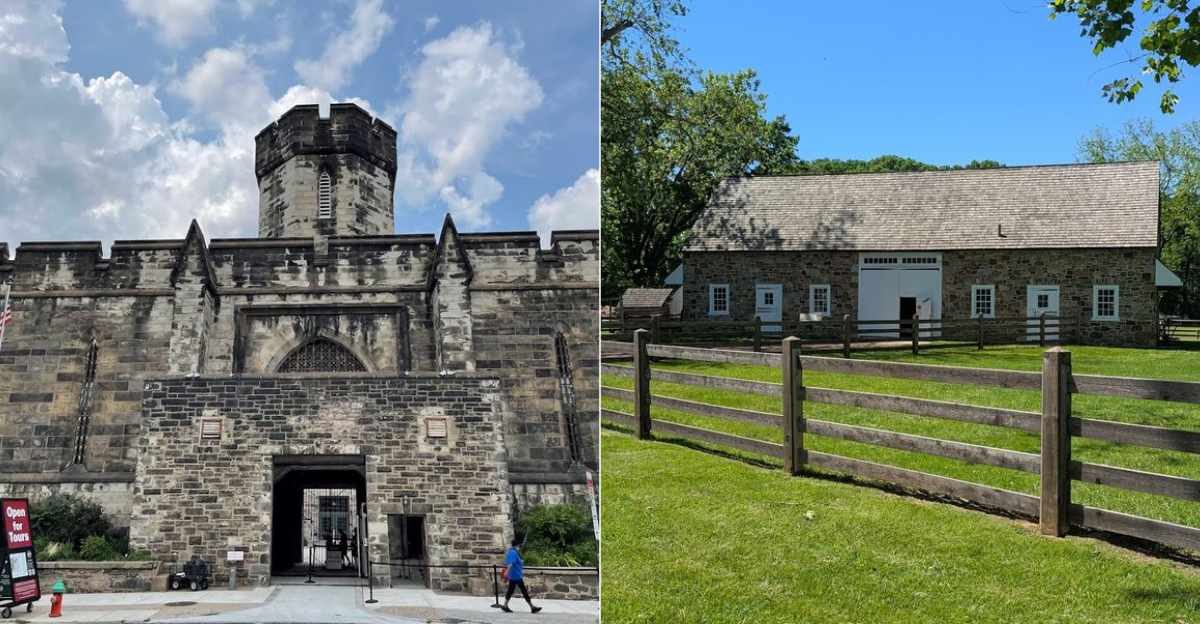
There is a difference between reading about history and standing in the place where it has left real traces. In Pennsylvania, there are sites that do not try to retell the past, but instead compel you to feel it through the chill of a stone cell or the creak of floorboards that have not changed for centuries. These are not sterile museums, they are places where the distance between you and the events disappears the moment you step onto the same ridge or beneath the same roof that witnessed it all.
These 11 destinations do not just preserve stories, they are physical proof that the past is not found in books, but in the materials that have endured.
Independence Hall
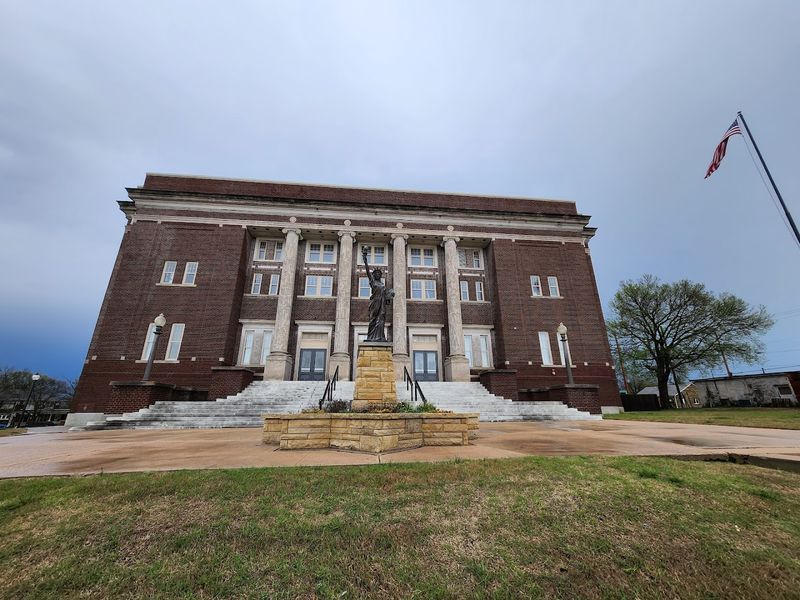
Some buildings carry such a charge that even the quiet feels deliberate.
Inside these rooms, you notice the worn floorboards, the restrained symmetry, and the soft light that pools across polished wood as if the arguments never fully left.
In Philadelphia, the air around the chamber seems tense in the most stirring way, like a pause before words that changed everything.
What makes the visit memorable is not grandeur, but intimacy.
The space feels human-sized, which somehow sharpens its power, letting you imagine the scrape of chairs, the rustle of papers, the heat of debate gathering beneath high windows.
A guide may speak, but often it is the room itself that persuades you.
Outside, the city moves with modern confidence, yet the brick facade holds its own calm authority.
You leave with the odd sensation that history was never abstract here.
It was spoken aloud by imperfect people in a real room, and that reality lingers long after you step back onto the street.
Gettysburg National Military Park
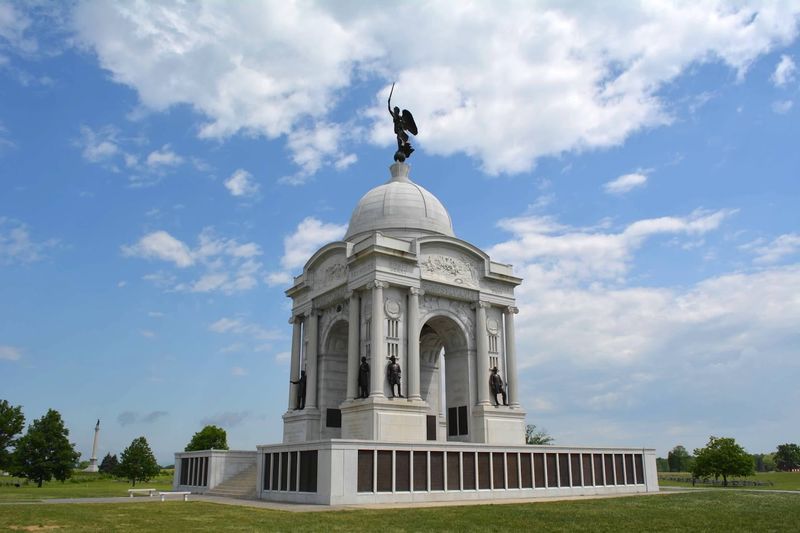
Open ground can feel deceptively peaceful until you understand what it witnessed.
Across these fields, the long lines of fences, the rise and fall of the ridges, and the immense sky create a silence that feels weighted rather than empty.
Near Gettysburg, the landscape itself becomes the storyteller, showing how distance, elevation, and exposure shaped human fate.
Walking here is different from reading about battle because your body begins to register the terrain.
A slope that looked gentle on a map suddenly feels punishing underfoot, and a stretch of meadow appears far longer when you imagine crossing it under fire.
The wind through grass and the broad horizon make the past immediate in a startling, physical way.
Monuments stand throughout the park, yet they never overpower the land.
Instead, they guide your eyes back to the fields, stone walls, and tree lines where crucial moments unfolded.
By the time you leave, the battle no longer feels like a distant chapter. It feels anchored to earth you have actually walked across.
Fallingwater
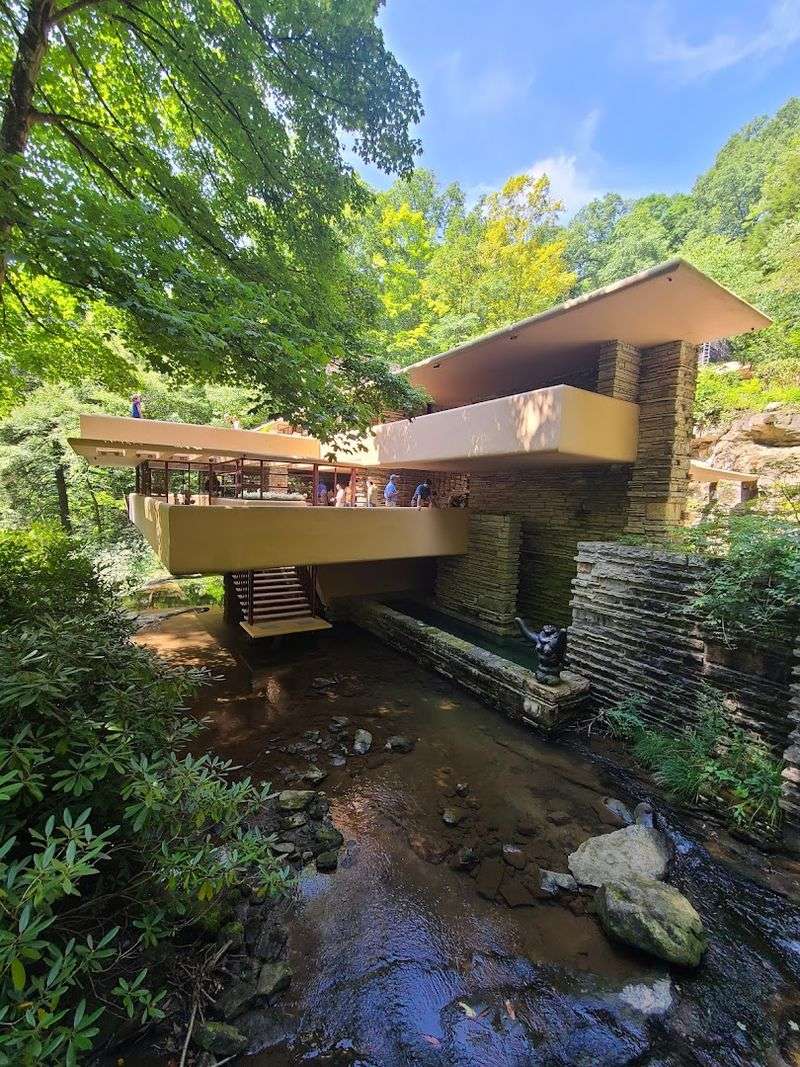
There are moments when architecture feels less like a structure and more like an idea made visible. Suspended over moving water, these terraces, ledges, and horizontal lines seem to hover between shelter and landscape, making you look twice at every angle.
In the wooded hills near Mill Run, the sound of the stream is as essential as the concrete itself.
What gives the experience its unusual vitality is the sense that the house is never separate from its surroundings.
Light slips across stone floors, windows pull the forest inward, and the constant rush below keeps every room connected to motion.
Instead of feeling frozen in a museum hush, the building seems active, breathing with the ravine and trees.
Even the details invite touch in your imagination, from the texture of native stone to the low ceilings that suddenly release into sweeping views.
You do not just admire a famous design here.
You feel how radical it must have seemed to live so closely with rock, water, weather, and sound.
The past becomes vivid through beauty that still feels daring.
Valley Forge National Historical Park
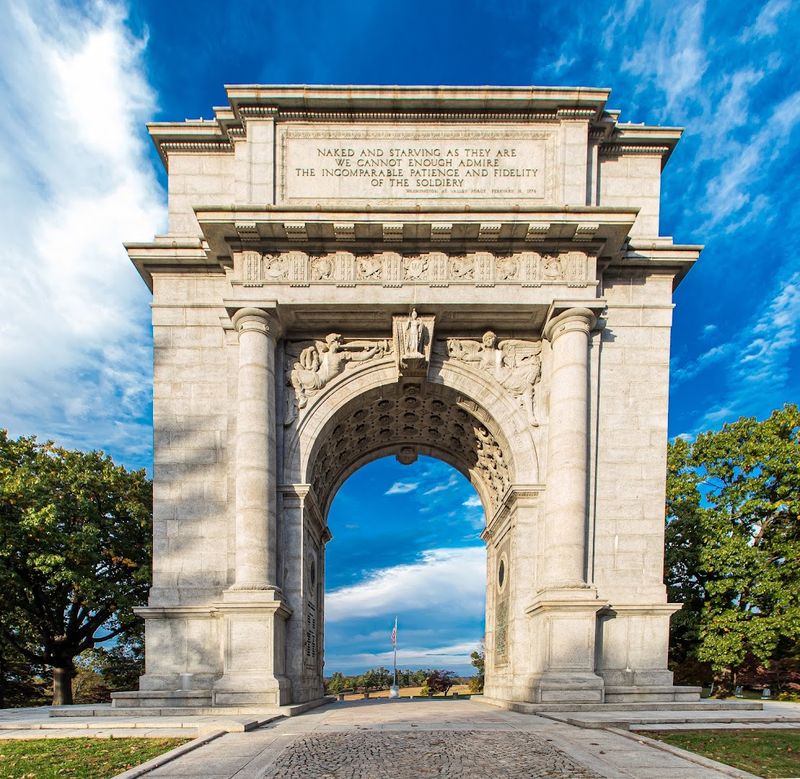
Hardship defines this place more than spectacle ever could.
Here, the fields stretch wide, the tree line feels sparse, and the recreated huts appear small against the land, which makes endurance seem less like a slogan and more like a daily test.
That contrast between openness and shelter is what stays with you first, especially in the area known today as King of Prussia.
As you move through the encampment, the texture of rough logs and packed earth brings the story close to skin level.
It becomes easy to picture smoke stinging tired eyes, boots sinking into cold ground, and the relentless ache of winter settling into every hour.
The setting does not glorify suffering, yet it makes sacrifice legible in an honest way.
Then the park opens into beauty, and that is part of its force.
Sunlight across the meadows and the measured quiet of the paths create space for reflection without softening the truth of what happened here.
History feels alive because the site lets you sense both struggle and resolve in the same breath.
Bushy Run Battlefield
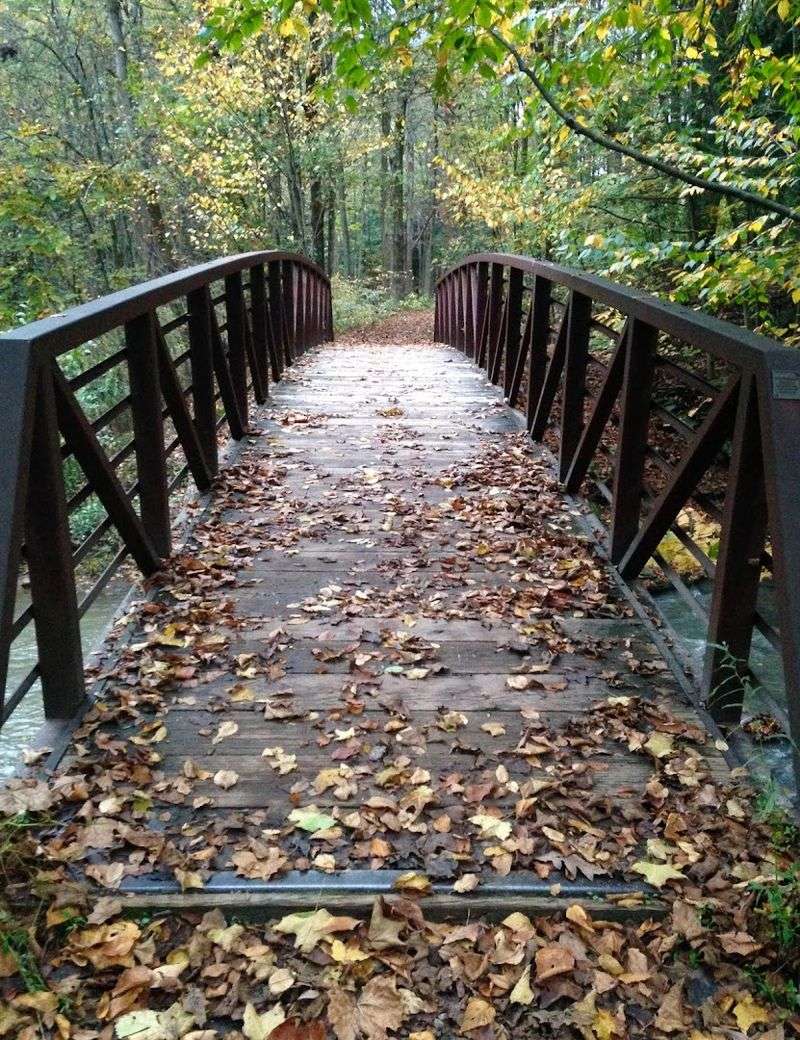
Woodland battlefields near Jeannette carry a different kind of tension from open plains.
Along these trails, the trees gather close, the undergrowth narrows your view, and every bend in the path suggests how quickly confusion could overtake even experienced fighters.
The forest itself becomes part of the story, withholding easy perspective and making the past feel immediate.
As you walk through the preserved ground, sound plays an outsized role.
Birds call, leaves shift overhead, and footsteps seem louder than they should, which makes it easier to imagine sudden movement, shouted orders, and the split-second decisions forced by limited sightlines.
The site does not rely on monumental scenery; it works through suspense and proximity.
That intimacy is what gives Bushy Run its staying power.
Instead of observing history from a comfortable distance, you feel how terrain can trap, conceal, and disorient, turning strategy into something visceral.
Even the calm of the present seems fragile beneath the canopy.
By the time you leave, the woods no longer feel generic.
They feel charged with memory, as if the landscape still remembers the shock of conflict.
Eastern State Penitentiary
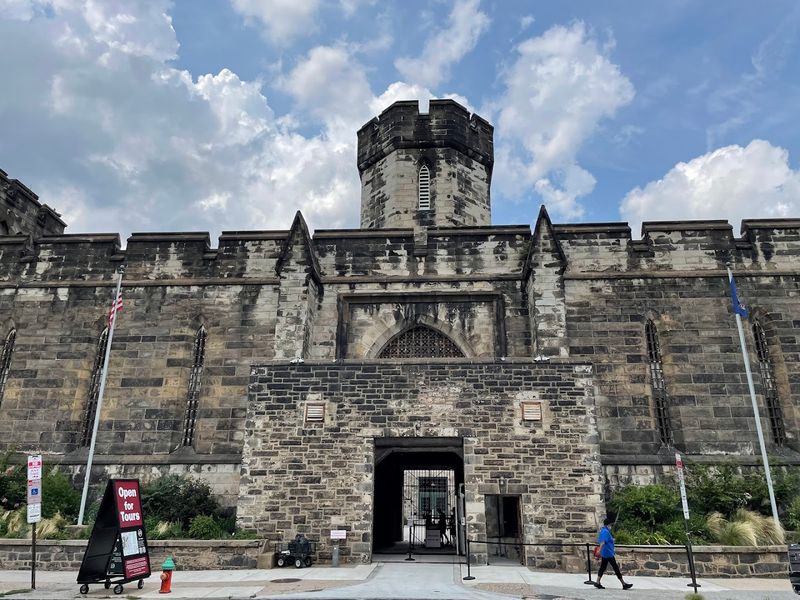
Few places make silence feel as heavy as this one.
The long corridors, peeling walls, and high vaulted ceilings hold a chill that reaches you before any guide begins speaking, and the cells seem to absorb sound rather than return it.
The vast prison turns architecture into emotion with unsettling efficiency.
As you walk through the cellblocks, the design reveals its severity in layers.
Narrow doors, tiny exercise yards, and the disciplined geometry of the plan show how isolation was built into the structure itself, making punishment feel spatial rather than theoretical.
Light falls through cracked skylights in thin beams, and that contrast between ruin and order is impossible to forget.
It is here, within the old penitentiary complex in Philadelphia, that the weight of the place becomes unmistakable.
What lingers most is how personal the experience becomes.
Graffiti, rusted fixtures, and traces of individual lives interrupt the monumental stone, reminding you that every cell once held a private world of fear, boredom, resistance, or regret.
The site feels alive because it never lets you hide inside abstraction.
You are always confronting the human scale of confinement.
Flight 93 National Memorial
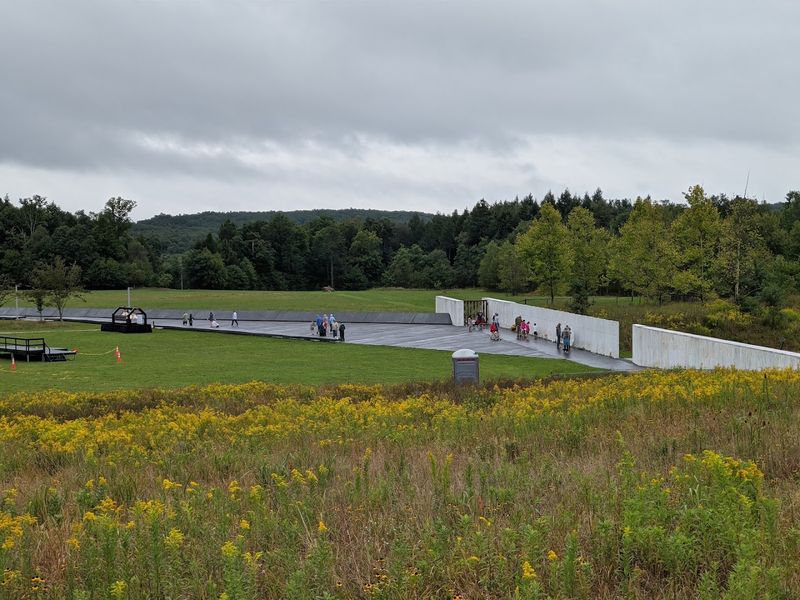
A certain kind of silence defines this place, shaped not by distance in time but by the clarity of memory.
Here, the landscape is open, the sky feels unusually wide, and the design of the memorial draws your attention outward rather than inward.
The setting invites stillness first, asking you to take in space, air, and horizon before anything else.
As you move through the grounds, the details begin to gather meaning.
Names, pathways, and carefully placed elements guide you without overwhelming you, allowing the experience to unfold at a human pace.
There is no need for dramatic reconstruction because the absence itself becomes the story.
Wind across the field, footsteps on gravel, and the quiet presence of other visitors create a shared awareness that feels both personal and collective.
What makes the site feel alive is its ability to hold both grief and resilience at once.
It does not attempt to resolve emotion or simplify what happened. Instead, it gives you room to stand with it, to notice how memory settles into landscape.
By the time you leave, the openness no longer feels empty. It feels held, deliberate, and deeply remembered, something visitors often carry with them long after leaving Shanksville.
Ephrata Cloister
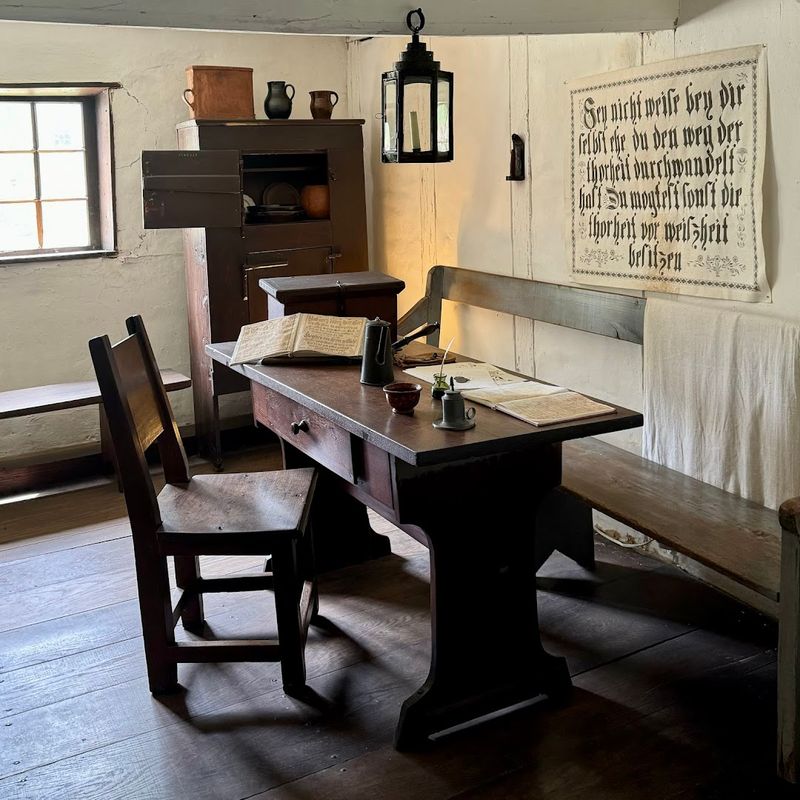
Not every historic site reaches you through noise or conflict.
Here, the effect is quieter and stranger, shaped by steep rooflines, austere rooms, and a stillness that feels chosen rather than accidental.
In Ephrata, the settlement carries an inward mood, as though devotion once altered the very rhythm of daily life.
As you move among the buildings, the craftsmanship pulls you close.
Wooden floors creak lightly, plastered walls hold soft shadows, and narrow interiors suggest discipline, study, and the deliberate shaping of ordinary routines into sacred practice.
The spaces do not merely display belief; they reveal how belief organized sleep, work, music, and silence.
What makes the experience memorable is the tension between simplicity and intensity.
Gardens, communal structures, and carefully preserved rooms create an atmosphere of order, yet beneath that order you sense powerful conviction and uncommon sacrifice.
The site feels alive because it preserves not just objects, but a way of inhabiting time differently.
You leave with the impression that history can whisper as forcefully as it shouts, if a place is quiet enough to hear.
Pennsbury Manor
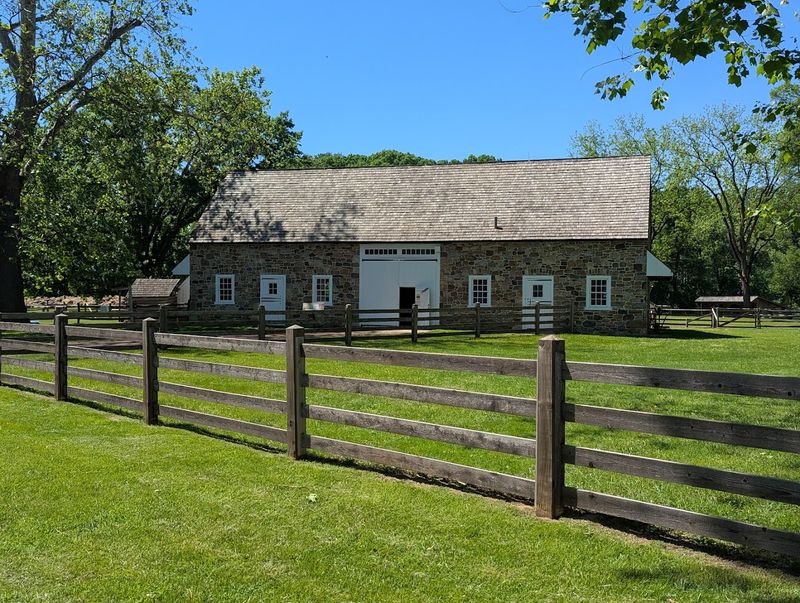
Historic homes often preserve furniture and walls, but this one preserves ambition.
The riverside setting, ordered grounds, and carefully reconstructed rooms suggest a world being planned into existence, where power was expressed through layout, material, and daily ritual.
The estate feels less like a static house museum and more like a stage for colonial aspiration.
Walking the property, you sense how landscape and architecture were meant to work together.
The river glints nearby, paths and gardens impose elegant structure on open space, and the interiors reveal both comfort and calculation in their proportions.
It becomes easy to imagine arrivals by water, conversations shaped by status, and a household run as both residence and statement.
What makes the visit feel alive is its blend of refinement and immediacy.
Kitchens, workspaces, and domestic details keep the site from drifting into abstraction, reminding you that grand political visions were supported by labor, routine, and practical arrangements.
The manor invites you to see history not only as public events, but as habits embedded in rooms, gardens, and the edges of a working estate, something that becomes especially clear when visiting Pennsbury Manor in Morrisville.
Fort Necessity National Battlefield
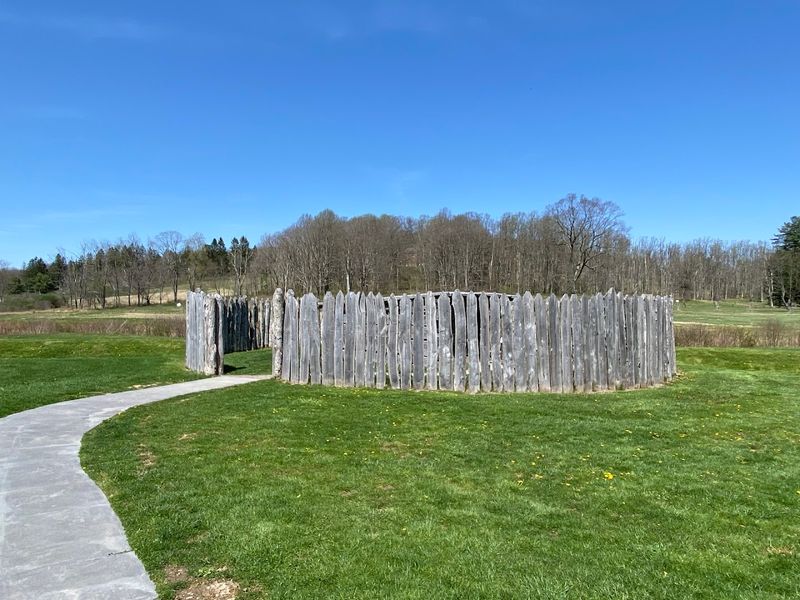
A sense of consequence often comes from places that appear unexpectedly modest.
Here, the small reconstructed stockade sits in an open meadow ringed by woods, and that simplicity sharpens the vulnerability of everyone who once stood there.
The surrounding landscape makes the story feel less like legend and more like a tense encounter at the edge of empire, something you begin to understand while exploring the grounds near Farmington.
Walking the site, you notice how exposed the clearing really is.
The trees seem close enough to conceal movement, the damp air settles low over the grass, and the terrain suggests how quickly confidence could dissolve into confusion.
Instead of grand military spectacle, the setting offers uncertainty, weather, and the uneasy pressure of a frontier world still being contested.
That restraint is exactly why the battlefield feels alive.
The fort does not overwhelm you with scale, but with fragility, inviting you to imagine rain on rough timber, mud under boots, and decisions made with incomplete knowledge.
The past becomes immediate because the place still feels provisional.
You can sense how history sometimes turns in settings that look almost too small to matter.
Brandywine Battlefield Park
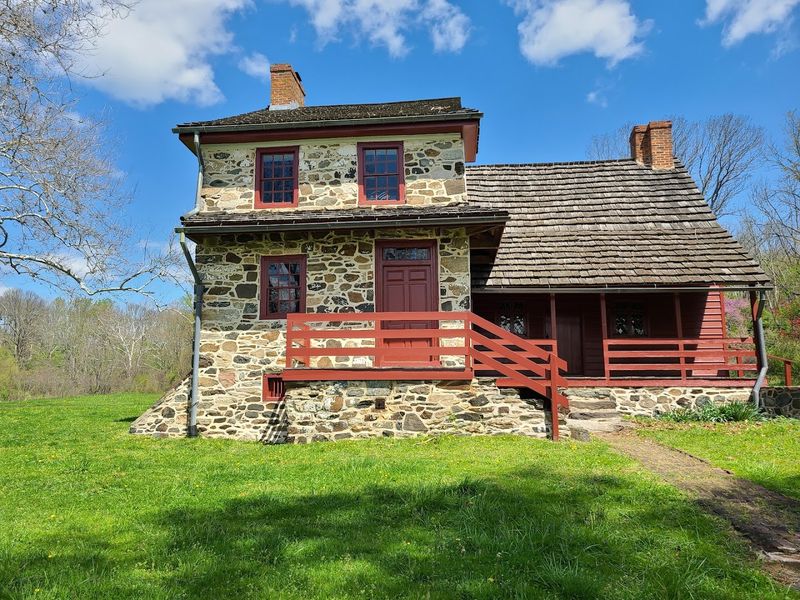
Some battlefields reveal themselves slowly, through the contrast between beauty and what once unfolded there.
The rolling countryside, old trees, and broad fields create a pastoral calm that might seem gentle at first glance, yet that calm only deepens the emotional weight of the site.
The landscape invites reflection before it delivers its harder truths, especially in the area around Chadds Ford where the setting feels both open and quietly charged.
As you move through the park, the contours of the land begin to matter.
Roads, creek crossings, and elevations stop being background scenery and start reading as choices, obstacles, and opportunities that shaped the flow of conflict.
The experience becomes especially vivid when you realize how ordinary the terrain looks, and how extraordinary the consequences were.
That tension gives the place its lingering power.
Historic buildings and interpretation help frame the events, but the real force comes from standing in a setting that still feels open, breathable, and unexpectedly serene.
You can watch light move across the fields and sense how quickly peace can be interrupted.
The past feels alive here because the land has not stopped speaking, even in its quietest moments.