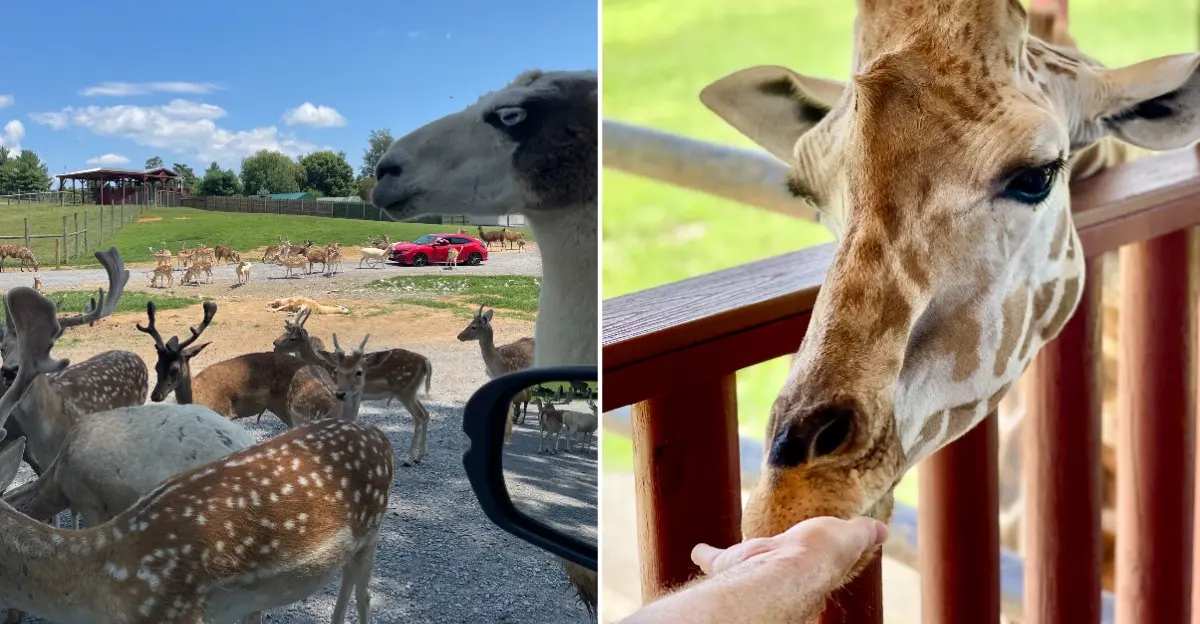
A giraffe’s face can come surprisingly close when there is a handful of food between you. At Virginia Safari Park in Natural Bridge, Virginia, kids can experience that unforgettable moment as giraffes lean toward the car, stretching their long necks down for a snack.
It is an encounter that feels exciting, funny, and just a little bit unreal.
Located at 229 Safari Ln, Virginia Safari Park lets families see animals from a much closer perspective than they might expect. The drive-through safari brings you alongside roaming animals, while the walk-through area offers another chance to watch creatures move, eat, and interact.
Children can spot animals from the car window, hear them nearby, and discover how differently each one behaves. From giraffe feedings to unexpected encounters along the route, there are plenty of small surprises waiting to make the visit memorable.
A Giraffe Greeting at Eye Level
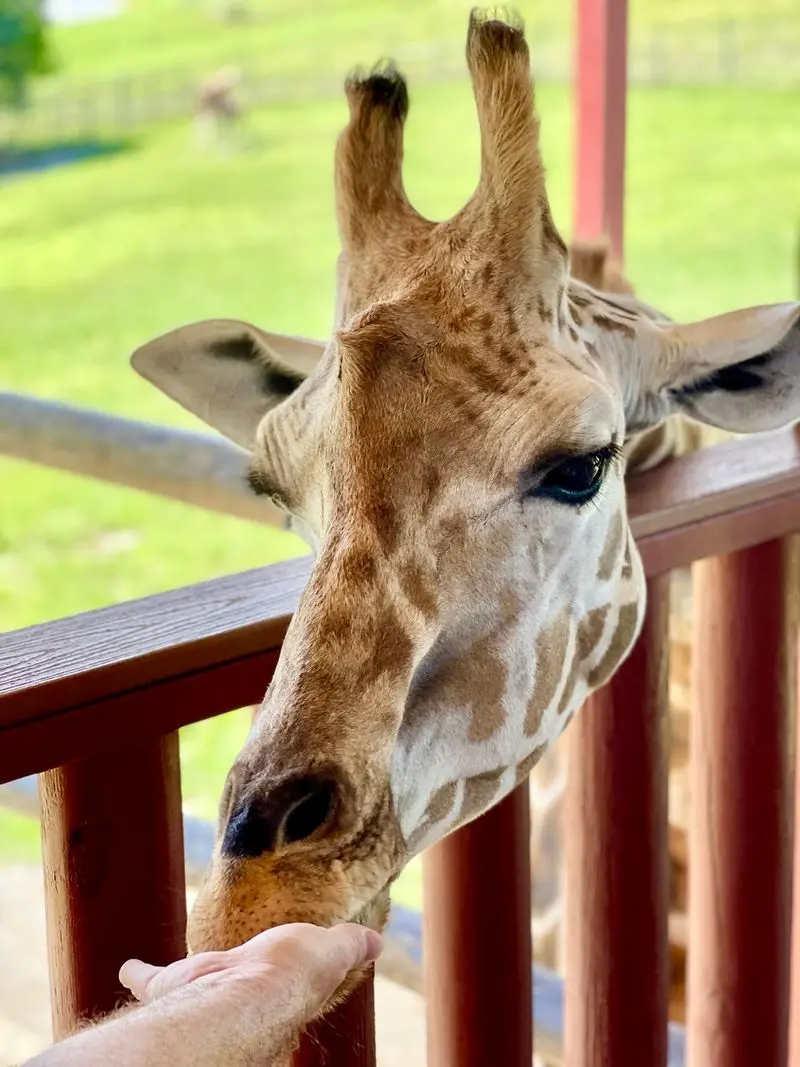
For a moment, a giraffe’s long neck seems to erase the space between people and wildlife. At Virginia Safari Park in Natural Bridge, families can visit the giraffe feeding area in Safari Village, where the animals become more than distant shapes in a picture book.
Watching one carefully reach for lettuce can turn a quick stop into a story kids retell for weeks.
Check the park’s current feeding rules before buying food, and offer only what staff approves. An adult can help a younger child hold the food securely and follow any instructions posted at the enclosure.
If a giraffe is not interested right away, give it room rather than trying to get its attention.
The best part may come after the snack is gone. Ask your child to notice how the giraffe uses its lips and tongue, then compare its height with a nearby person.
Those small observations make the encounter feel like discovery, not just a photo opportunity. Keep your camera ready, but leave time to watch without a screen between you and the animal.
The Safari Drive’s First Surprise
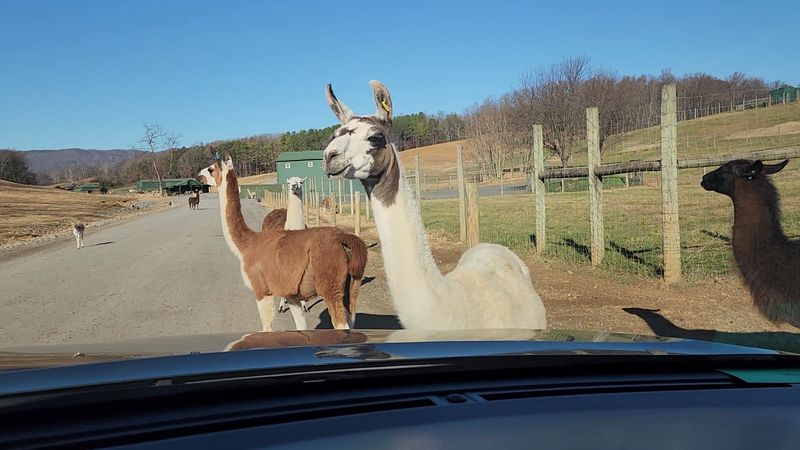
A quiet car can become a room full of laughter when a curious animal appears beside the window. Virginia Safari Park’s drive-through safari lets families move through an area where animals roam, so no two rides feel quite alike.
Llamas may be among the first visitors to greet your vehicle, and their confidence can surprise even kids who thought they were ready.
Before entering, explain that the animals may come very close and that the driver needs to stay focused. Follow the park’s driving and feeding directions, move slowly, and let an adult handle the bucket when a large animal reaches the car.
Children who feel nervous can watch through a closed window until they are comfortable.
Try giving everyone a job that does not distract the driver. One child can count animal types while another looks for differences in ears, coats, or horns.
The excitement is real, but so is the chance to practice patience. An animal that walks past without stopping can still give kids something interesting to notice from their seats.
Zebra Stripes Worth a Second Look
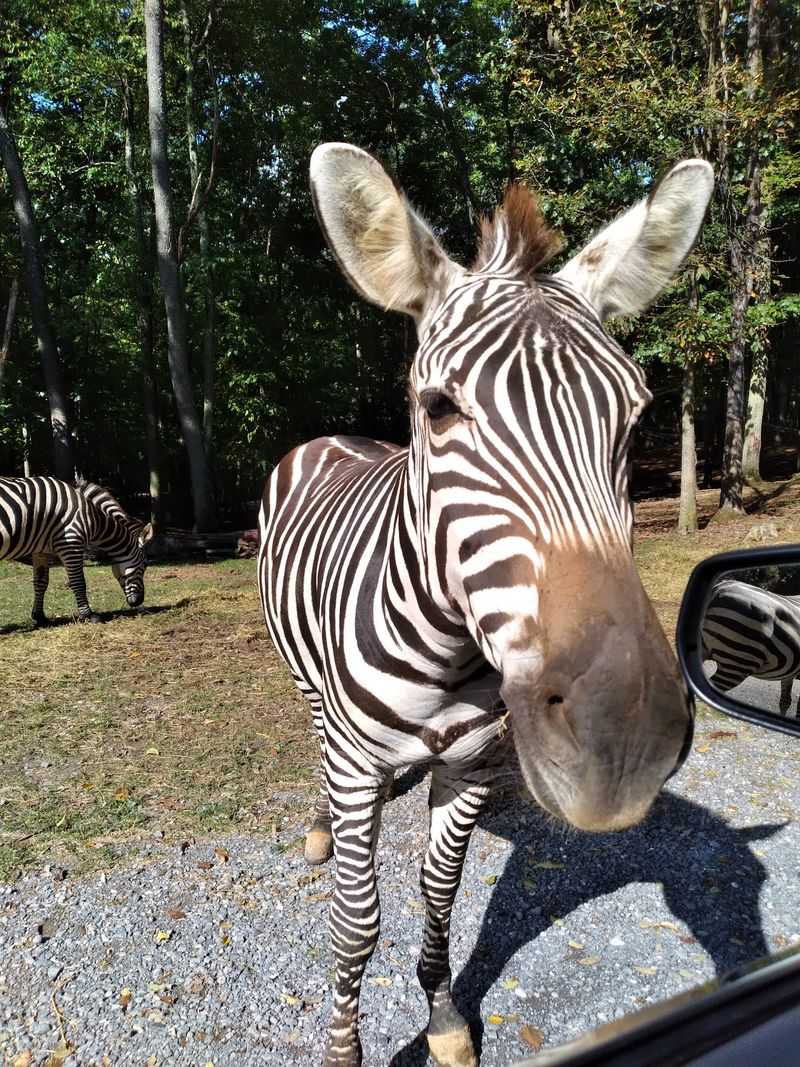
Black and white stripes look simple until a zebra stands close enough to show every twist and curve. On the drive at Virginia Safari Park, a sighting can turn into a moving puzzle for the whole family.
From the car, kids may notice that the lines change direction around the legs, face, and body instead of running in neat rows.
Invite children to describe the pattern without leaning out or trying to touch the animal. Is the mane striped too?
Do the legs look like they belong to the same design? Questions like these keep everyone engaged even when the car is moving slowly.
Stay alert to the road and follow park guidance about which animals may be fed.
Later, ask kids to draw the zebra from memory. Their sketches might show the ears, tail, or way it walked rather than just its stripes.
That is a useful reminder that an animal is more than its most famous feature. A few minutes of careful looking can make an ordinary car ride feel like a field lesson.
A Different View From the Wagon
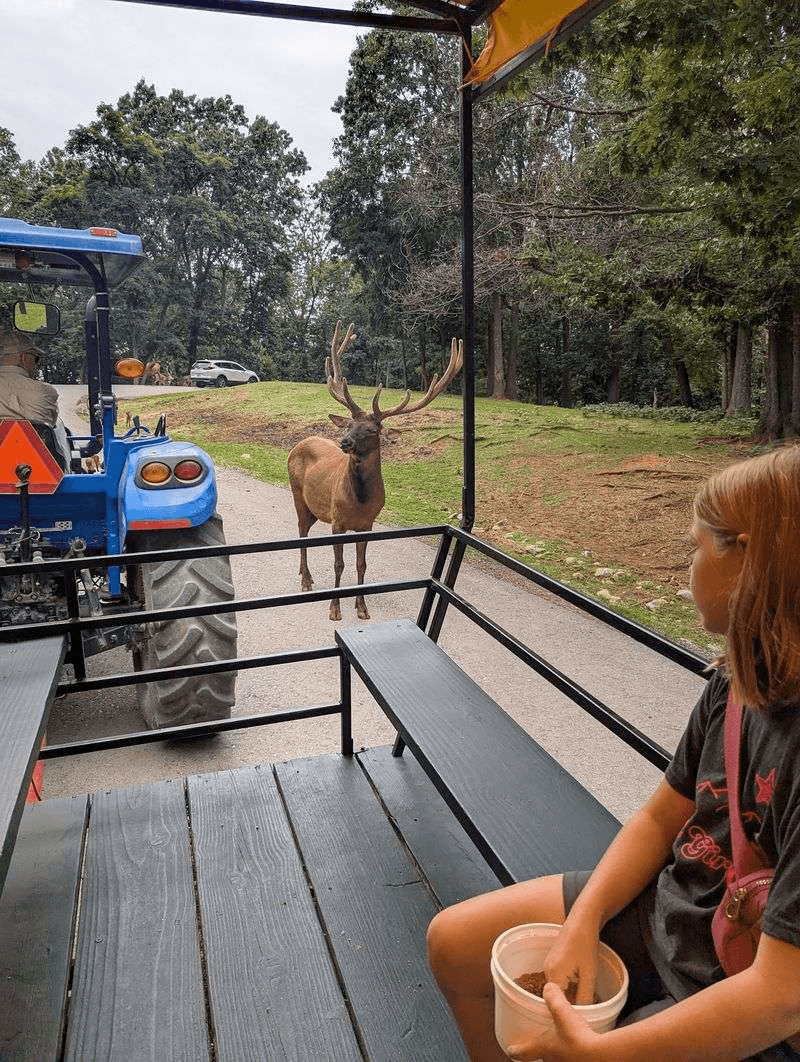
The view changes when nobody in your group has to steer. A wagon ride at Virginia Safari Park offers another way to experience the roaming animals, with a driver guiding the trip while passengers look around.
Kids can pay attention to an animal crossing the field instead of wondering when the family car will move again.
Check the park’s current wagon schedule, cost, and boarding details before promising a ride; offerings can vary. If you also plan to drive your own vehicle, ask children what feels different from each seat.
They may notice animals farther away on the wagon trip or hear facts from the driver that give a familiar sighting new meaning.
For families with several ages, the shared ride can create an easy conversation. A younger child might spot horns while an older sibling wonders why certain animals stay together.
Bring water and choose clothing for the weather, since the trip takes time outdoors. It is a chance to slow down, listen, and let the landscape become part of the wildlife story.
Tiny Birds, Big Reactions
A flutter of bright feathers can feel louder than a whole field of large animals. In Safari Village at Virginia Safari Park, the budgie area gives kids a close look at birds that move quickly and make their own choices.
One may perch nearby while another ignores the action entirely, and that unpredictability is part of the fun.
Read the instructions before entering, and ask staff about any approved bird food or feeding method. Remind children to use calm voices and gentle movements, even when a bird lands unexpectedly.
Budgies have beaks, so hands should stay where staff directs, and anyone who wants a break can step back without feeling embarrassed.
Once the first excitement settles, encourage kids to notice the details: tiny feet gripping a perch, heads turning toward a sound, and colors that differ from bird to bird. This quieter kind of watching rewards patience.
It also helps children understand that a good wildlife encounter is not about making an animal perform. Sometimes the best memory is simply standing still while a little bird decides what to do next.
Goats With Their Own Plans
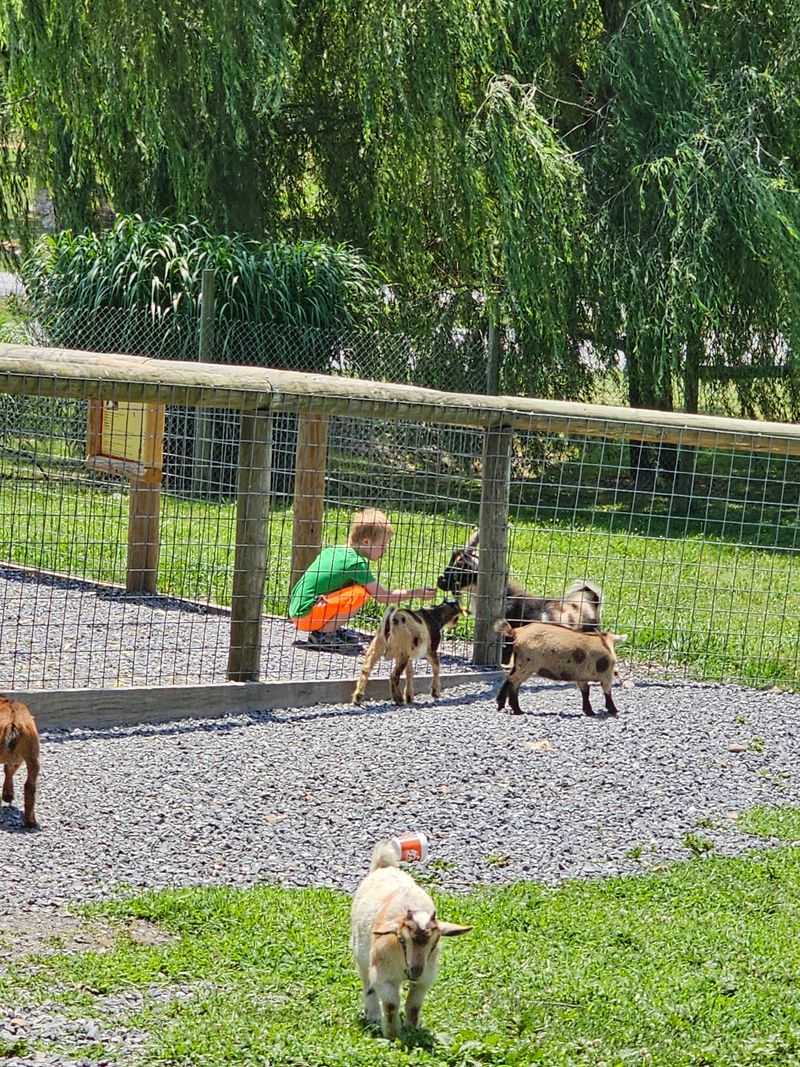
Not every memorable animal towers over a child. Sometimes a goat with a determined walk steals the show.
Virginia Safari Park’s walking area includes a petting area where families can slow down after the excitement of the safari drive and watch animals at a different pace.
Before anyone reaches toward a goat, check the signs and follow staff directions for touching or feeding. Show young children how to approach calmly and give an animal space if it walks away.
A handwashing stop after animal contact is a smart part of the visit, especially before snacks or lunch.
Goats can help kids practice reading behavior without needing a long lesson. Which one heads toward visitors, and which one stays busy elsewhere?
Ask your child to describe what the animal chooses, rather than guessing that it wants a hug. That small shift encourages respect for living creatures.
It also makes the petting area more interesting than a quick stop for a picture. Families may leave talking about one goat’s stubborn little detour long after the bigger safari animals have faded from the conversation.
Penguins After the Safari Drive
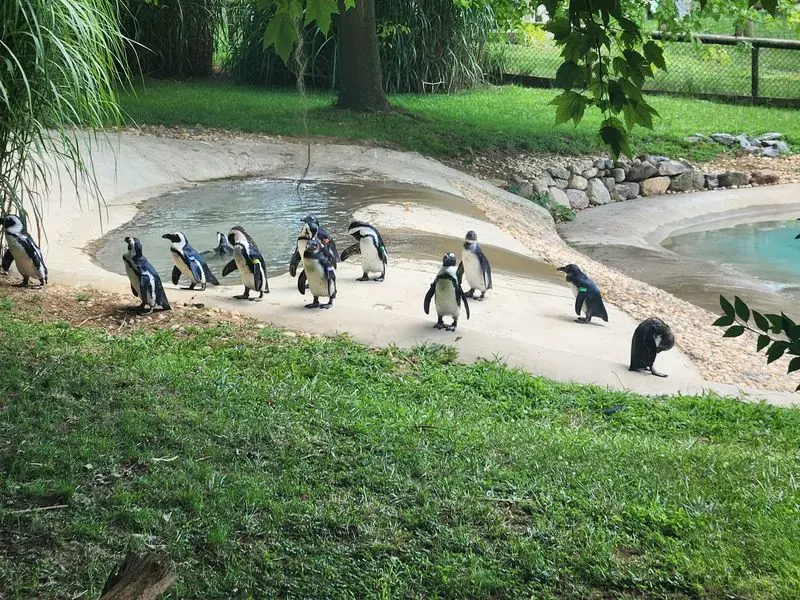
After watching hoofed animals roam open ground, a penguin can feel like an unexpected change of scene. Families exploring Safari Village at Virginia Safari Park may find penguins among the animals in the walking section.
Their shape and movements give kids something new to study without another long drive.
Pause long enough to watch one penguin rather than trying to see the whole habitat at once. Does it walk, rest, or interact with a neighbor?
If there are signs nearby, read them together and look for an answer to a question your child has already asked. Staff-led encounters may also be offered, but check current details, prices, and age rules directly with the park.
Changing from a car seat to a walking path can reset everyone’s energy. Give children a moment to stretch, drink water, and choose what they want to watch next.
A penguin sighting works especially well as a reminder that wildlife comes in many forms. Kids who arrived hoping only to feed giraffes might discover that observing a quiet animal can be just as absorbing.
One More Lap, One More Discovery
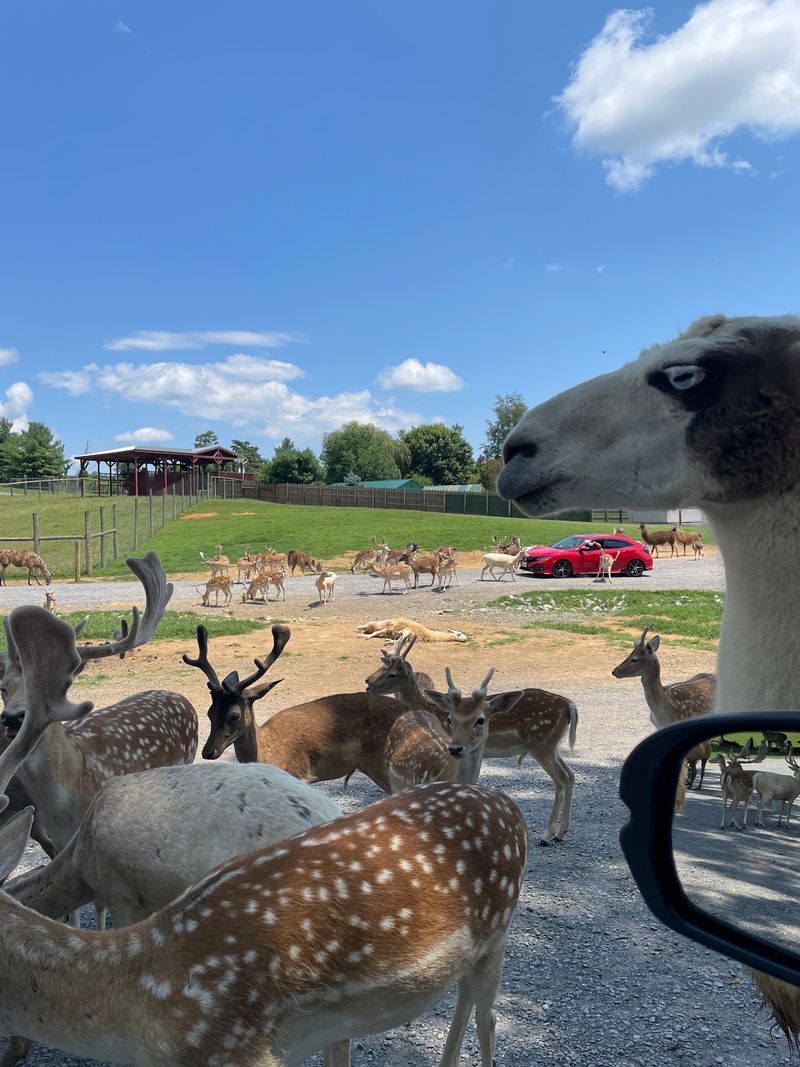
Just when the day seems finished, a second look can change the whole story. Families at Virginia Safari Park sometimes choose another trip through the drive-through safari, and visitors report spotting animals they missed the first time.
An animal that was resting earlier might now be easier to see, though every visit depends on what the animals do.
Ask about the park’s current reentry or repeat-drive policy before planning another lap. If time allows, save a little feed, but remember that simply watching is enough.
Give younger children a bathroom break before entering the safari route again, and check that everyone has water and is ready for more time in the car.
Try making the second pass different from the first. Instead of counting animals, notice where they gather, which ones walk alone, and how the scene looks in changing light.
Let each child choose one favorite moment from the entire day, whether it involved a giraffe, a budgie, or an unexpected visitor at the window. The ride home will have plenty to talk about.