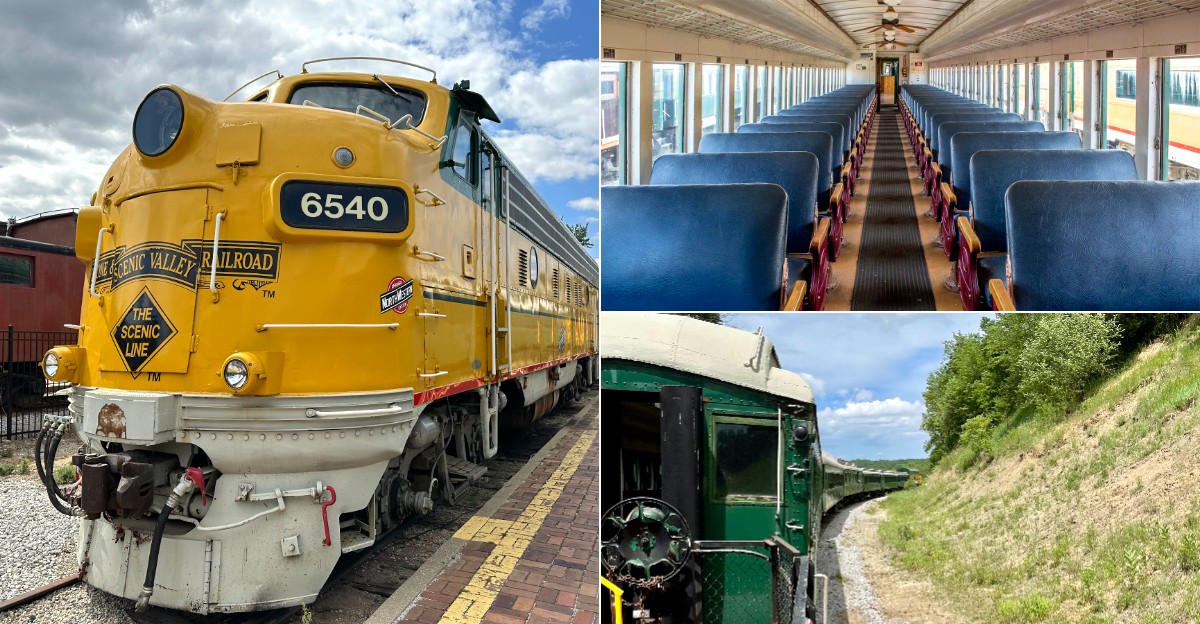
Train whistles and the smell of coal smoke still fill the air at this piece of living railroad history.
The Boone & Scenic Valley Railroad offers real train rides aboard vintage cars, chugging through wooded valleys and over a towering trestle bridge.
Right next door, the James H. Andrew Railroad Museum houses hundreds of artifacts that trace the story of railroading across the Midwest.
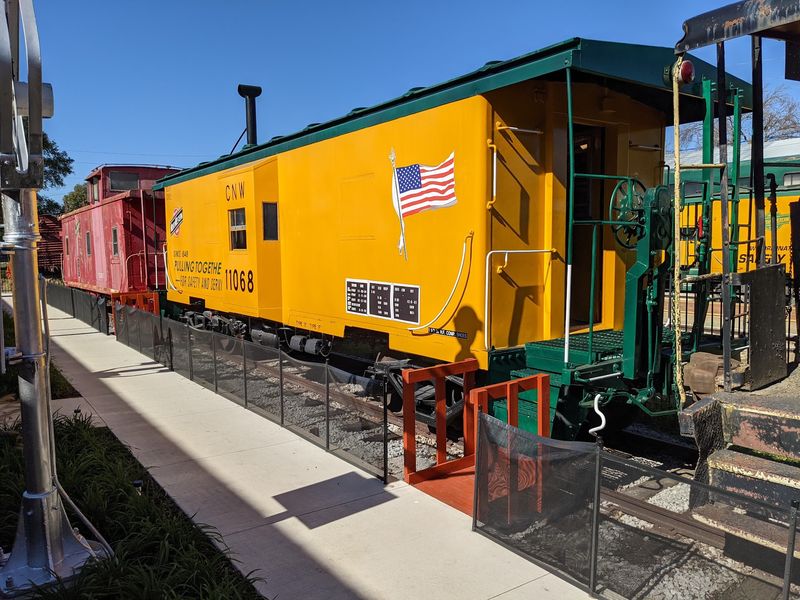
Vintage locomotives, cabooses, and hand-operated signals give visitors a hands-on look at how trains once ran.
Volunteers and staff bring the exhibits to life with stories of the engineers and towns that depended on the rails.
For train lovers and curious travelers alike, this Boone attraction delivers far more than a quick photo stop.
A Depot That Feels Like a Step Back in Time
The first thing many visitors notice is the calm feeling of an old railroad town coming back to life. Instead of a plain building with a few signs, the depot area sets the mood before anyone boards a train or reads a display.
Boone & Scenic Valley Railroad & James H. Andrew Railroad Museum, located at 225 10th St, Boone, IA 50036, United States, uses its setting well. The museum and depot work together, so guests can connect artifacts inside with the train equipment outside. That makes the visit easier for kids, grandparents, and casual travelers to understand.
Plan to arrive before your ride if you have tickets, because the depot can be part of the fun rather than just a waiting spot. Look at signs, watch staff prepare equipment, and notice how the platform shapes the whole experience. The place has a 4.5 star rating from many visitors, which shows how often people leave surprised by its charm. If you enjoy slow travel, small details, and local history, start your day here with patience. A rushed stop may miss the best part, which is simply feeling how railroading once shaped daily Iowa life.
Hundreds of Artifacts Tell the Railroad Story
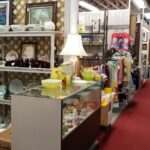
Glass cases, signs, tools, and railroad objects can turn a quiet room into a busy storybook. The museum’s artifact collection is the reason many train fans say the exhibits are not just an extra before the ride.
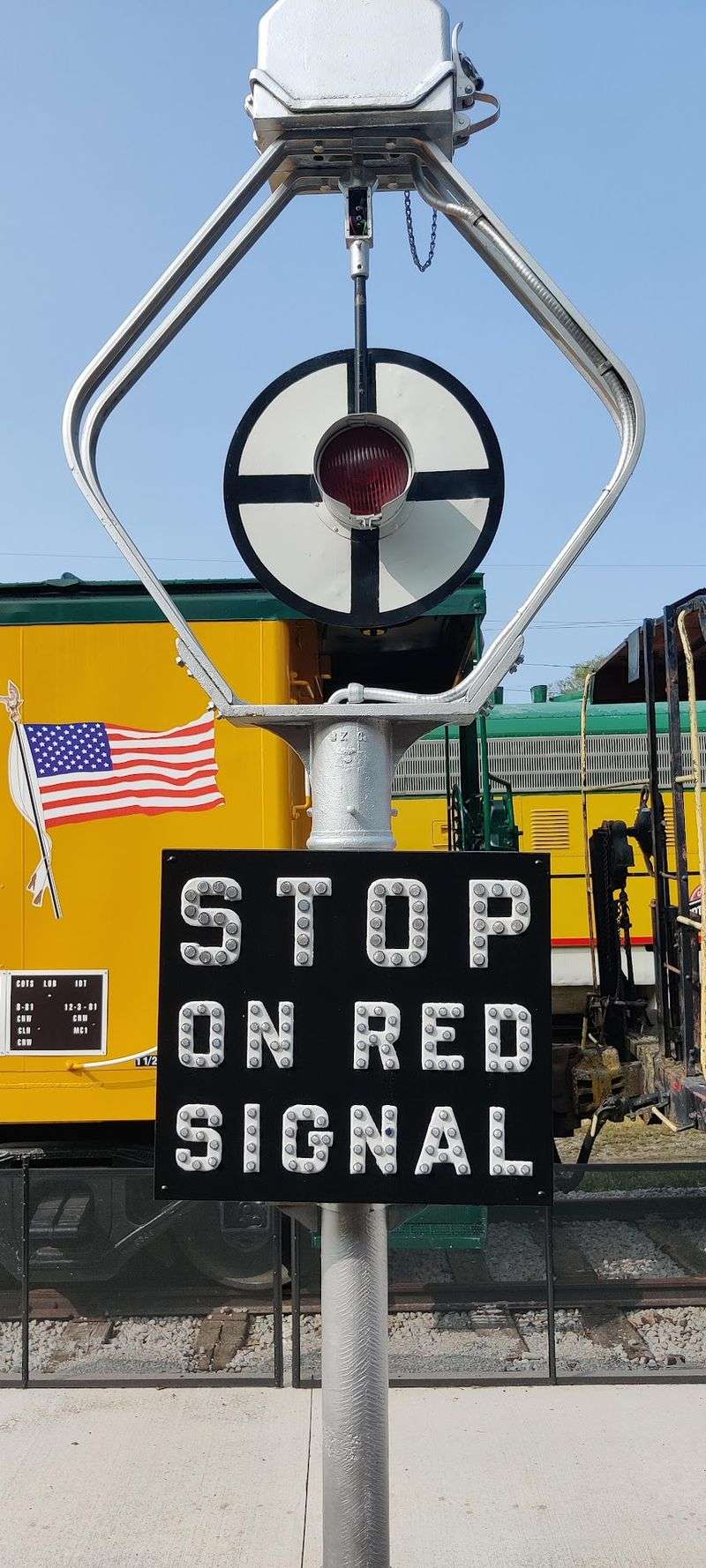
Visitors can expect displays tied to railroad work, travel, communication, safety, and daily life on the rails. Items such as signal pieces, model scenes, photos, uniforms, and printed materials help explain how trains were operated long before phones and digital screens guided everything. For younger visitors, these objects make history easier to picture.
A smart way to tour the exhibits is to pick one theme and follow it. For example, look for objects connected to passengers, then compare them with tools used by workers. That turns a walk through the museum into a small scavenger hunt.
Some visitors mention that photography of certain displays may not be allowed, so come ready to enjoy the moment without relying on pictures. Read the labels slowly, ask volunteers questions when available, and give yourself enough time. A quick glance may show old things, but a closer look reveals how railroads connected farms, factories, towns, and families across Iowa and beyond for generations.
Vintage Train Rides Make the Museum Feel Alive
A museum becomes much more exciting when the history can actually move down the track. That is what makes the train excursions such a strong part of the visit, especially for families who want more than display cases.
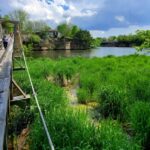
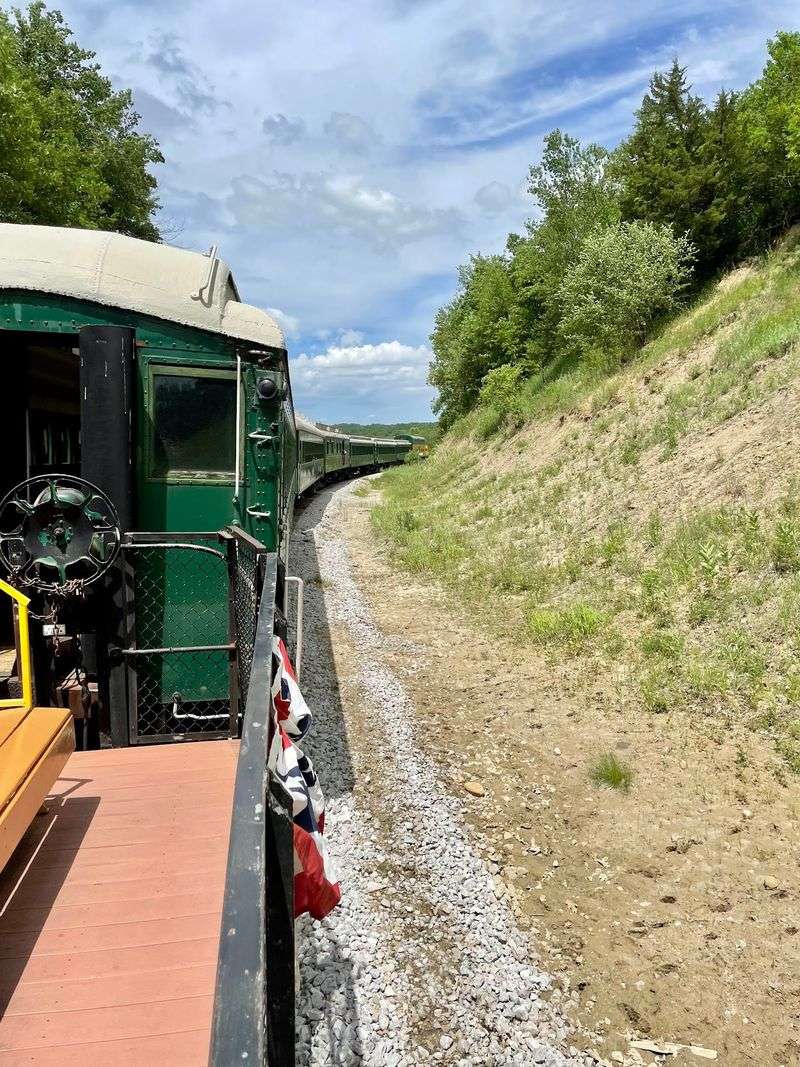
The ride is known for a slow, relaxed pace through Iowa countryside, with views of valleys, fields, trees, and the Des Moines River area. Guests often talk about the bridge views, the chance to walk through cars, and the simple pleasure of hearing wheels on rails. It is not meant to feel like a fast commuter train.
Choose your car with the weather in mind. Open air cars can be exciting on a mild day, while climate controlled cars may be a better pick during hot summer afternoons. Reviews mention that non-air-conditioned cars can get warm, though open windows help.
Booking ahead is wise, especially for popular rides and special events. Arriving early also helps you explore the museum first, find your platform, and settle in without stress. For the best views, consider switching sides if allowed during the trip. Bring water, dress comfortably, and treat the slow speed as part of the charm rather than a drawback.
The High Bridge Views Are a Big Surprise
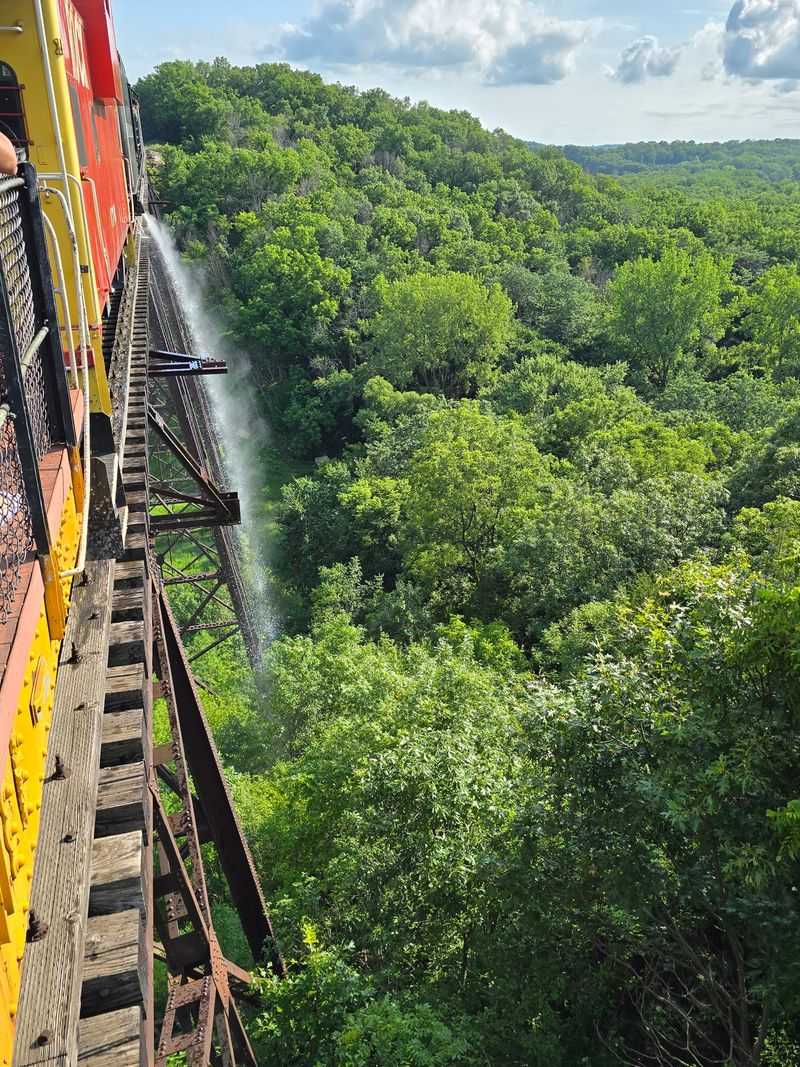
Few moments change the mood of a train ride faster than the track rising above a wide valley. Guests often remember the bridge portion because it gives the trip a sense of height, space, and quiet drama.
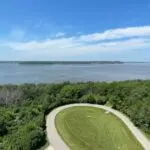
The route is popular for views of the Des Moines River area, wooded slopes, cornfields, and open countryside. Some riders have spotted deer, eagles, herons, and other wildlife from the train, especially when the ride slows in scenic areas. Fall can be especially pretty because the trees add color and the cooler air makes open cars more comfortable.
Anyone nervous about heights should think carefully before booking certain experiences, especially rail bike style options nearby or viewing areas that feel exposed. For most train passengers, the bridge is a highlight rather than a challenge, but it helps to know what to expect.
Bring a camera, yet do not spend the whole crossing behind a screen. The best memory may be looking down into the valley and hearing other passengers react. If the viewing deck is crowded on the outbound trip, check again on the return. Several visitors say it can be easier to enjoy the view once people spread out.
Dinner and Lunch Trains Add a Special Treat
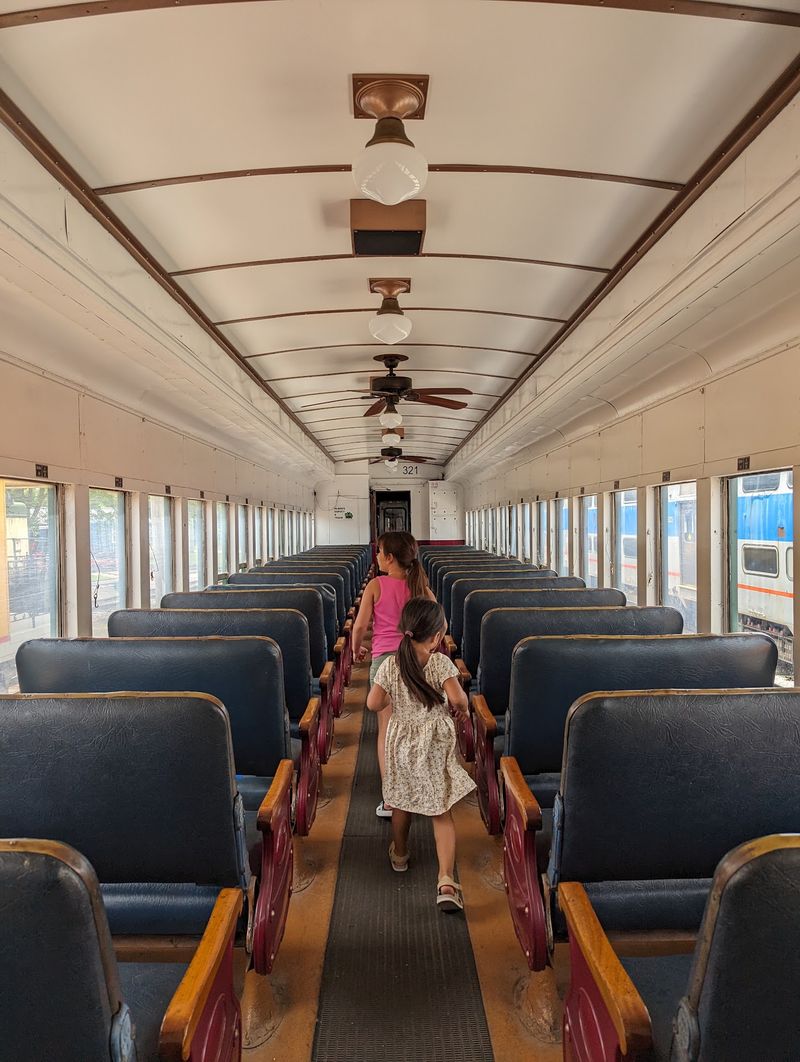
Food tastes a little different when the table is moving past fields and woods. That is why the lunch, picnic, barbecue, and dinner train options often turn a simple outing into a special memory.
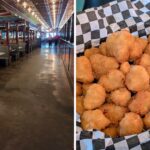
Guests have praised meals such as barbecue, burgers, desserts, and plated dinner choices, along with friendly service on board. The meal trains are useful for date nights, birthdays, family visits, or a relaxed weekend plan that does not feel rushed. Instead of eating first and then searching for something to do, the ride and meal happen together.
Tickets for these experiences should be ordered in advance because seating and food planning matter. Check the current schedule before visiting, since special trains may run on certain days or seasons. If you have food needs, call ahead and ask clear questions rather than guessing.
The pace is slow enough for talking, eating, and looking outside between bites. A window seat is nice, but the shared mood matters just as much. Dress comfortably, bring a light layer for changing temperatures, and leave time for the museum before boarding. For travelers who think museums are too quiet, a meal train gives history a lively, tasty, and social twist.
Family Events Keep Younger Visitors Interested
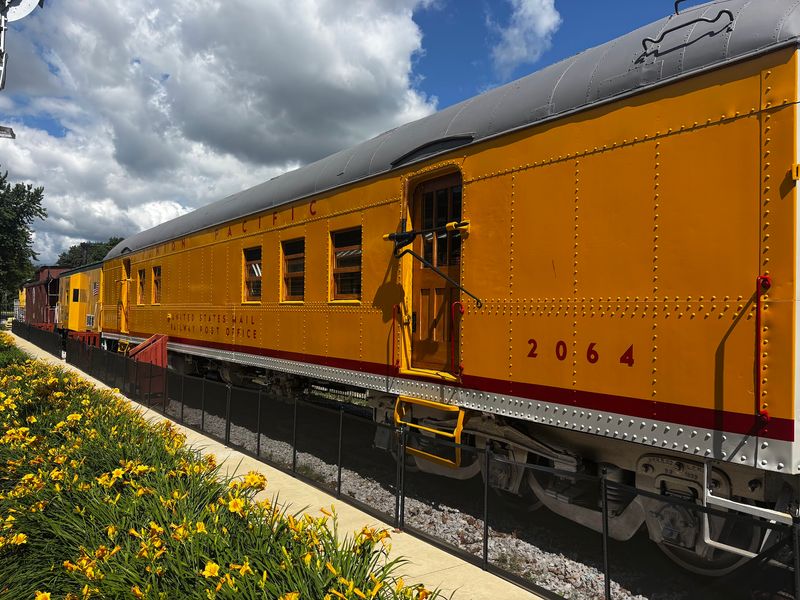
Kids may not always get excited about old tools behind glass, but a real train can change that fast. Family events help turn railroad history into something children can hear, touch, and remember.
One well-known example is Day Out With Thomas, which has brought young fans for themed rides, activities, games, crafts, and playful photo moments. Special seasonal rides, including pumpkin themed trips, can also make the museum feel fresh for repeat visitors. These events give families a clear reason to plan around the calendar.
Parents should book early for popular dates because themed rides can fill quickly. It is also smart to arrive with snacks, water, sunscreen, and comfortable shoes, since excited children often want to move between the depot, train, and activity areas. Check the official schedule before promising a specific character or event.
The museum works best for kids when adults turn the visit into a story. Ask them to find a lantern, count wheels, spot a signal, or imagine where passengers once traveled. Short questions keep attention better than long lectures. When the ride begins, let children choose what they notice first. For many, the whistle, windows, and rocking motion will be the best history lesson of all.
Volunteers Bring the Past Off the Page
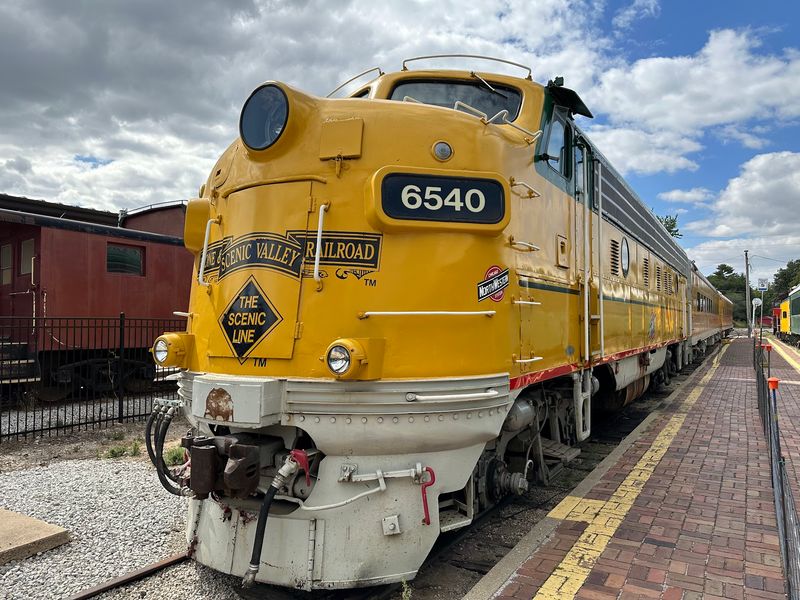
A good guide can turn a rusty part or faded photo into something unforgettable. At this museum, visitors often mention knowledgeable volunteers and staff who enjoy answering questions about trains, routes, equipment, and local history.
That human side matters because railroad stories are full of jobs that many people no longer see. Conductors, engineers, brakemen, signal workers, ticket agents, and repair crews all kept trains moving safely. When someone explains what these people did, the artifacts stop feeling random and start making sense.
Do not be shy about asking simple questions. A question like what does this signal mean or how fast does the train go can open the door to a great conversation. Volunteers may also point out landmarks, wildlife, bridge views, or pieces of equipment that are easy to miss.
Because many staff members are passionate about railroading, respectful curiosity goes a long way. Listen closely during announcements, follow safety directions, and thank the people helping with boarding and exhibits. Some reviews mention microphone or speaker issues during tours, so standing nearby and asking follow-up questions can help. The best visits often happen when guests treat the museum as a shared conversation, not just a place to pass through.
Smart Planning Makes the Visit Smoother
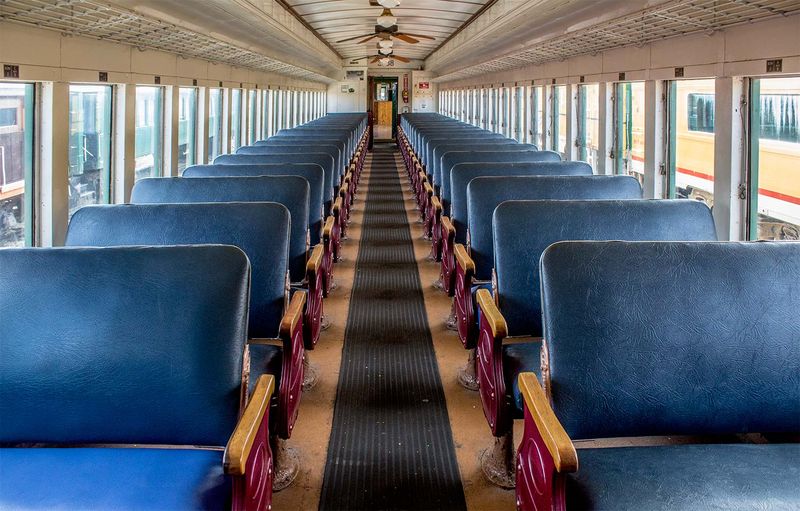
A little planning can make the difference between a rushed stop and a relaxed railroad day. The museum is generally open Thursday through Sunday, with posted hours that vary slightly on Saturday, while Monday through Wednesday are listed as closed.
Always confirm current hours and ride times through the official website or by calling before you drive. Schedules can change because of weather, track conditions, special events, or seasonal programming. The listed phone number is +1 800-626-0319, which is helpful for ticket questions and event details.
Many visitors recommend reservations, especially for Rail Explorers, meal trains, and themed rides. If you are taking a standard excursion, arriving early gives you time for tickets, restrooms, snacks, exhibits, and finding the right boarding area. Some guests say an hour may feel long, but extra time is useful on busy days.
Dress for the car type you choose. Open air rides need sun protection and water, while cooler seasons may call for layers. If scenery matters most, fall is often praised for better color and comfort. Be ready for a slow ride, possible delays, and areas where trees block some views. With the right expectations, the museum and train together create an easygoing Iowa outing that feels both educational and fun.