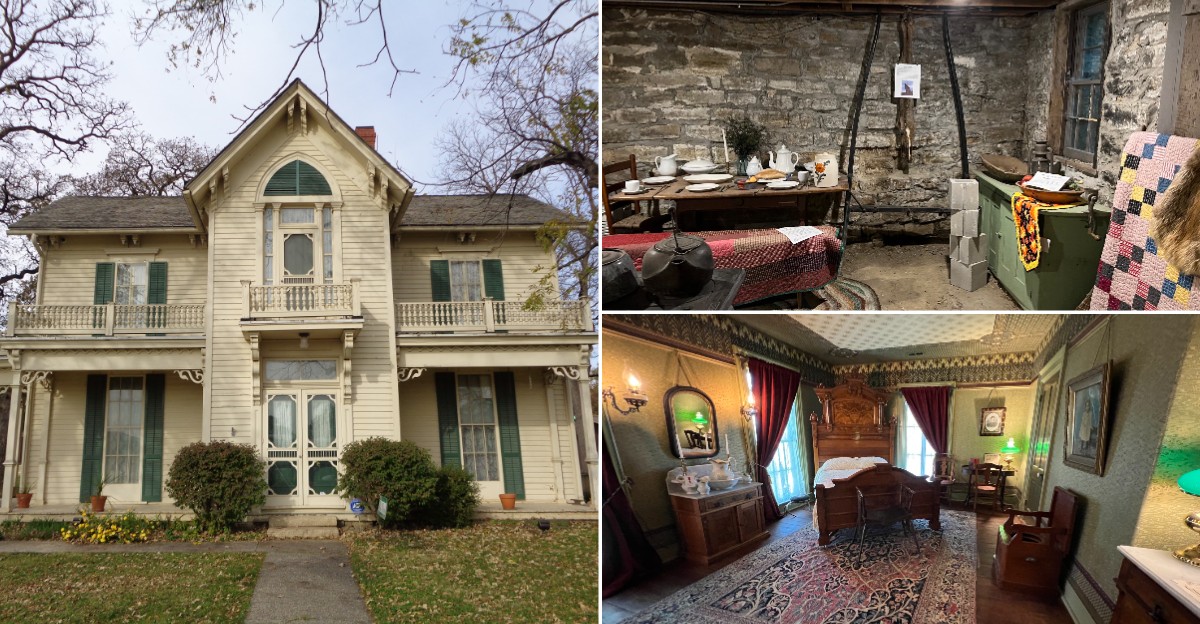
Behind the quiet walls of an old Iowa house lies a story shaped by fear, courage, and the hope of reaching freedom. From the road, the Jordan House Museum in West Des Moines looks like a peaceful historic home, but in the 1850s, its rooms were connected to the Underground Railroad and the dangerous journeys of people escaping slavery.
At 2001 Fuller Rd, visitors can step inside and see the rooms, furnishings, and details that help bring that history into focus. James C.
Jordan, a local abolitionist, helped freedom seekers as they traveled north, making his property part of a much larger network of people who risked their safety to offer assistance. The creak of old floors and the sight of familiar household spaces can make the past feel remarkably close.
Inside these walls, each room offers another glimpse into the people and choices that shaped this remarkable chapter of Iowa history.
A Grand House With a Hidden Story
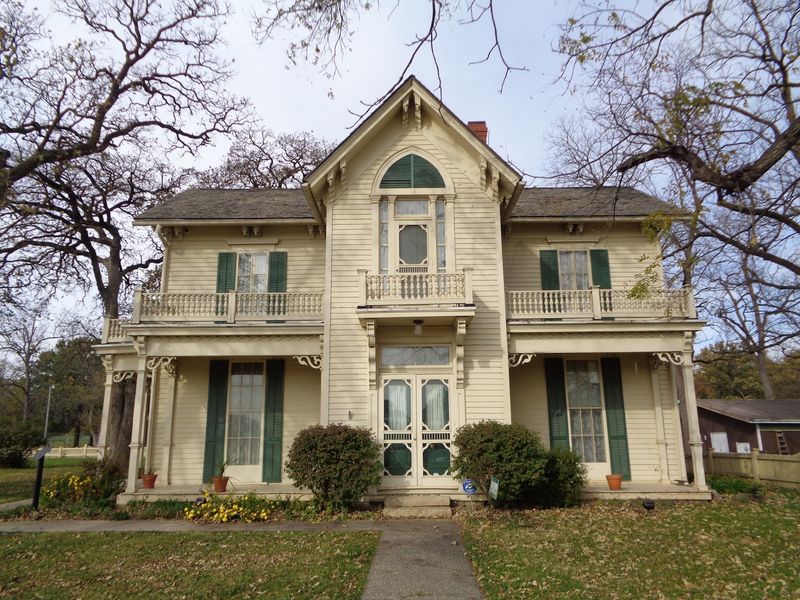
From the lawn, it is easy to see a handsome old house and miss the harder story inside. The Jordan House Museum stands at 2001 Fuller Road in West Des Moines, where its calm setting offers little hint of the risks once taken on this property.
Pause before going in and notice how ordinary the entrance feels.
James C. Jordan began building a home here in the mid-nineteenth century, and later additions made it larger.
The rooms tell part of Iowa’s settlement story, but the property also became a stop for people escaping slavery. That contrast gives the visit its pull: a place meant for family life could offer brief safety to strangers facing danger.
On a guided tour, ask how the house changed over time and which parts visitors can see today. Looking at its walls, stairs, and grounds while hearing about the Underground Railroad makes the history easier to picture without treating anyone’s escape like an adventure story.
Leave a little time to stand outside afterward; the quiet has a different meaning once you know what happened here.
The Neighbor Who Chose to Help
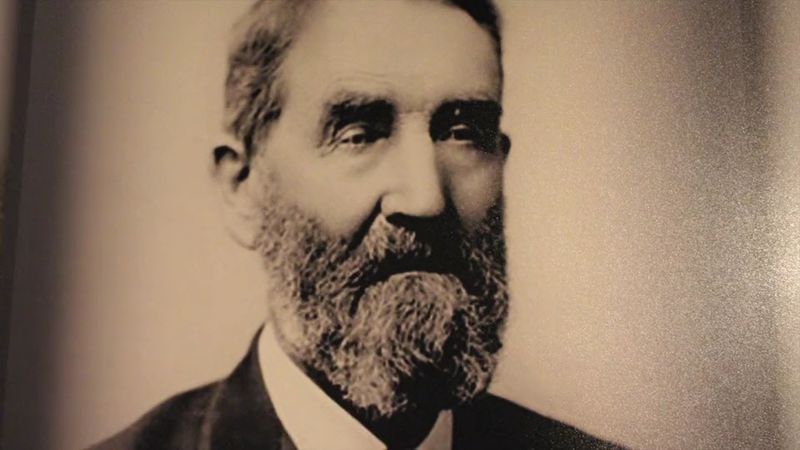
A beautiful house becomes more interesting when you learn who made its choices. James C.
Jordan was an early settler and an outspoken opponent of slavery. At his West Des Moines property, helping freedom seekers was more than a private opinion; it meant offering support when doing so could bring serious trouble.
Jordan had come from Virginia, where slavery shaped daily life for many people. In Iowa, he built a farm and became involved in his growing community.
His story shows that a person could have standing and comfort yet still choose to challenge an unjust system. It is also a reminder that the people seeking freedom, not their helpers, faced the greatest danger.
As you move through the Jordan House Museum, picture the decisions behind a safe stop: whom to trust, when to offer shelter, and how to help someone continue onward. Ask your guide what records tell us about Jordan and where details remain uncertain.
That question makes the tour richer, because real history is built from evidence, not just dramatic tales passed down over time.
Shelter Was Not Always Indoors
Imagine needing a safe place but not knowing whether a stranger might see you enter. For freedom seekers traveling through Iowa, shelter could mean more than a room with a locked door.
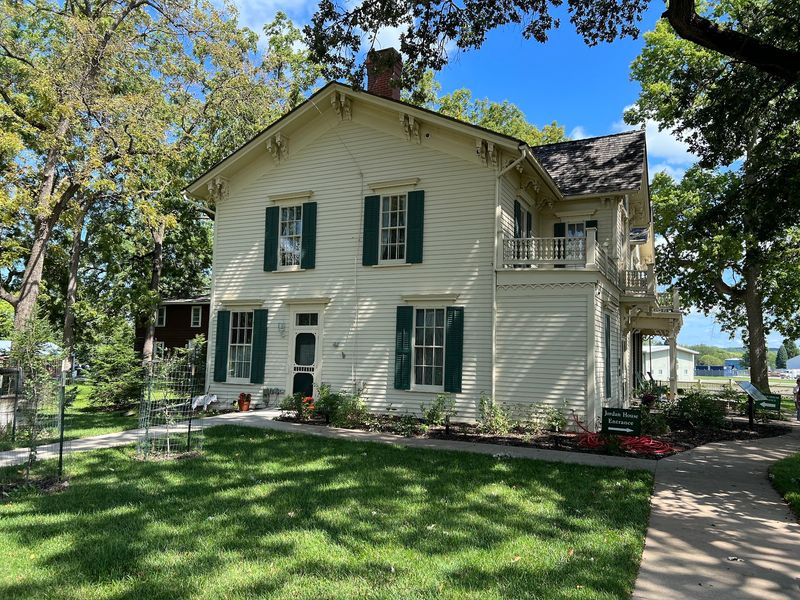
The Jordan House property was once a working farm, and accounts of its Underground Railroad role describe refuge in places around the grounds as well as the house.
Today, the lawn looks peaceful, and much of that farm landscape has changed. Still, looking across the property can help visitors understand why a farm might offer places to pause out of sight.
A barn or an outbuilding could serve a purpose that a grand front room could not. There is no need to imagine a maze of secret tunnels to grasp the danger.
At the Jordan House Museum, ask your guide what is documented about hiding places and what comes from later stories. That difference matters, especially when the people who sought shelter rarely left written accounts of their own.
A careful visit honors their courage while letting the simple shape of the grounds do some of the storytelling.
The Road Was Longer Than One Safe Stop
Relief at finding shelter would have lasted only a short while. The people helped at the Jordan property still had to continue their journeys, often with no promise that the next stop would be safe.
The Underground Railroad was not a train line; it was a loose network of people, routes, and places that could offer help.
At the Jordan House Museum, that wider story comes into focus inside one address on Fuller Road. The Fugitive Slave Act of 1850 made escape more dangerous and placed people who offered aid at legal risk.
For a person fleeing slavery, the stakes were far greater: capture could mean being forced back into bondage. Keeping that difference in mind gives the house’s history its proper weight.
Try tracing the story as a series of decisions rather than a neat line on a map. Who could be trusted?
When was it safe to move again? Guides can help explain what is known about Jordan’s role without claiming every traveler’s route is recorded.
The museum turns a broad chapter of American history into something you can consider at human scale.
John Brown Came Through Here
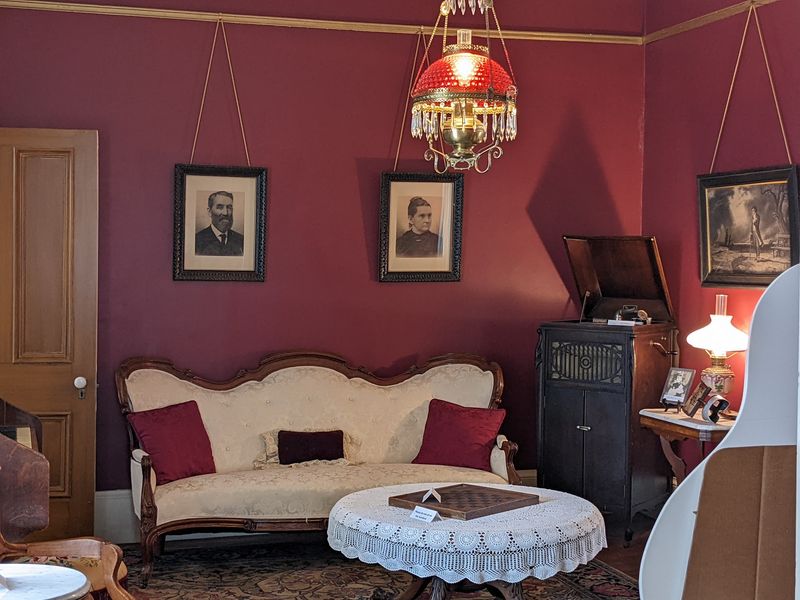
One name can make a quiet room feel suddenly connected to national events. John Brown, a fiercely committed and controversial abolitionist, is linked to visits at the Jordan House.
In 1859, he traveled through Iowa while helping a group of people freed from slavery in Missouri make their way toward Canada.
That connection places James C. Jordan’s home within a much larger fight over slavery just before the Civil War.
Brown’s methods remain the subject of serious discussion, and the people traveling with him deserve attention as individuals, not as footnotes to his fame. A good tour can make room for both truths: the importance of the visit and the complexity of the man.
When you reach the museum’s period rooms, ask what is known about Brown’s time at the property and how historians learned it. You may find that one brief stop opens more questions than it answers.
That is part of the reason to visit: the house lets you connect a familiar name from history books to a real Iowa place and the lives touched by its choices.
Everyday Rooms, Extraordinary Decisions
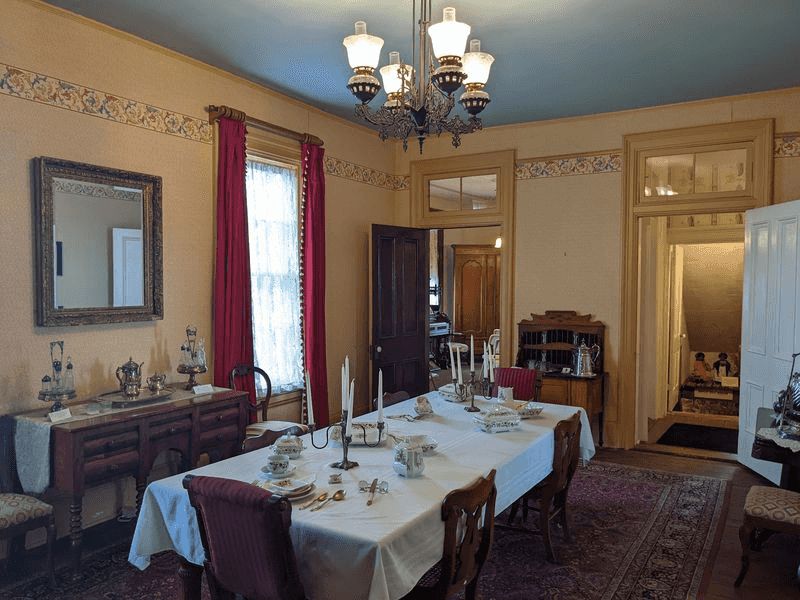
A dining room can look almost too familiar to hold a history of resistance. Families talked, worked, welcomed guests, and went about daily life at the Jordan House.
Meanwhile, James C. Jordan was part of a network helping people escape slavery.
Both stories belong here, and seeing them side by side is striking.
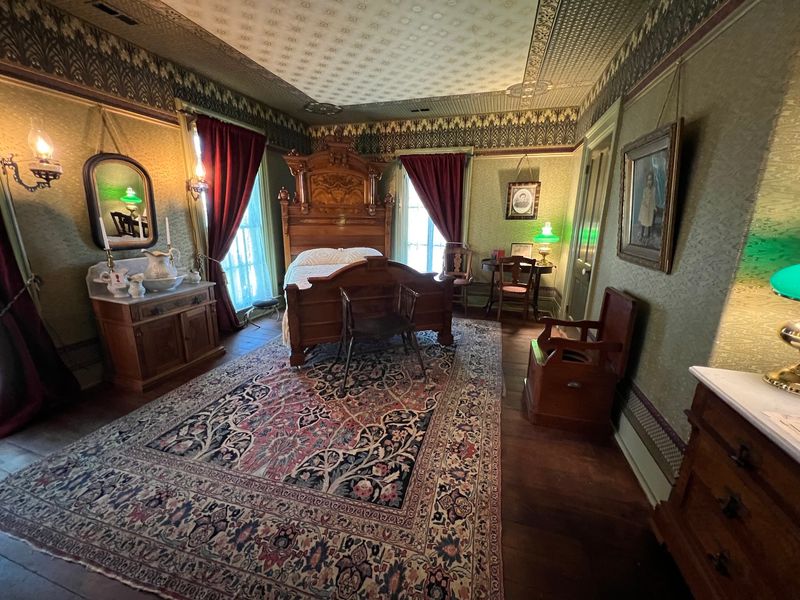
The museum’s furnished rooms make it possible to notice the smaller details of nineteenth-century living. Look for the shape of a doorway, the placement of furniture, or the work needed to care for a large home.
Then think about how much trust was required to help someone whose safety depended on discretion. The contrast between household routine and urgent moral choice is more moving than any invented secret passage.
Visitors who enjoy old houses will find plenty to examine, but it helps to listen for the people beyond the furnishings. Ask whose daily work kept the household running and which stories have been harder to preserve.
A room is most meaningful when you remember that many lives passed through the property for very different reasons.
A Cellar That Changes the Mood
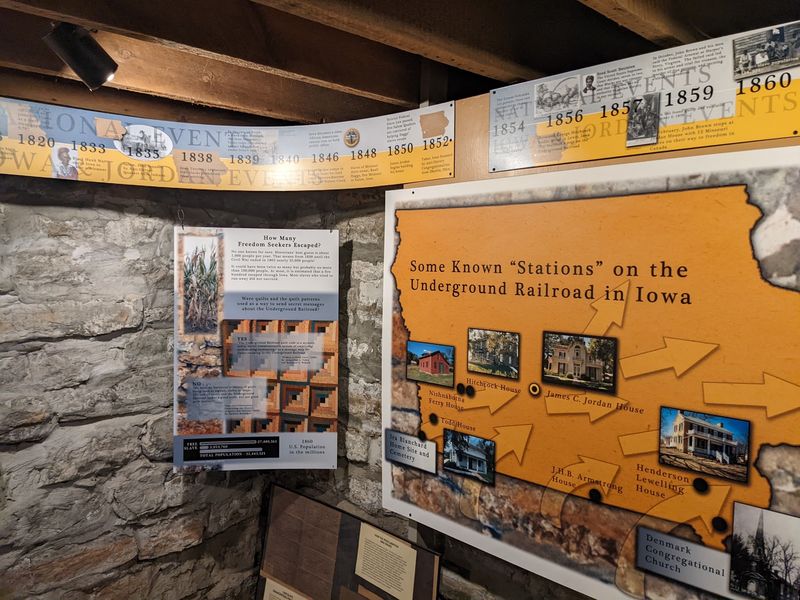
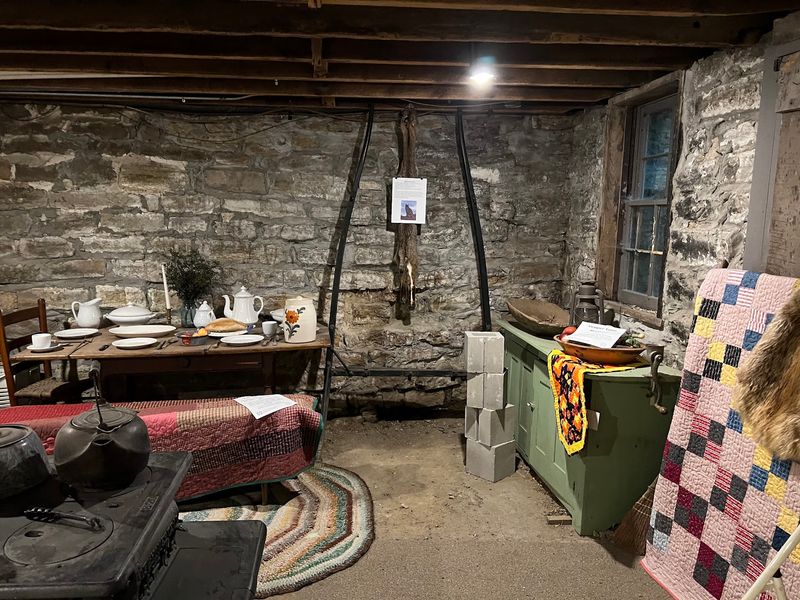
Going downstairs can shift the whole feeling of a house tour. At the Jordan House Museum, the cellar brings visitors close to the Underground Railroad story through exhibits and a space unlike the more polished rooms above.
It is easier there to think about waiting, uncertainty, and the need for a safe moment to rest.
Resist the urge to turn the cellar into a movie set in your mind. Accounts of refuge at the Jordan property include the grounds and farm buildings, and not every detail about where each person stayed is known.
The room is powerful without a claim that every freedom seeker hid in that exact spot. Notice its size and materials, then listen to what your guide says the evidence supports.
If you are visiting with children, this can be a good place to discuss the difference between feeling scared during a game and facing a real threat to your freedom. Keep the conversation gentle and honest.
The museum offers a chance to ask thoughtful questions together while standing in a building tied to people who needed help.
The Staircase Tells Another Story
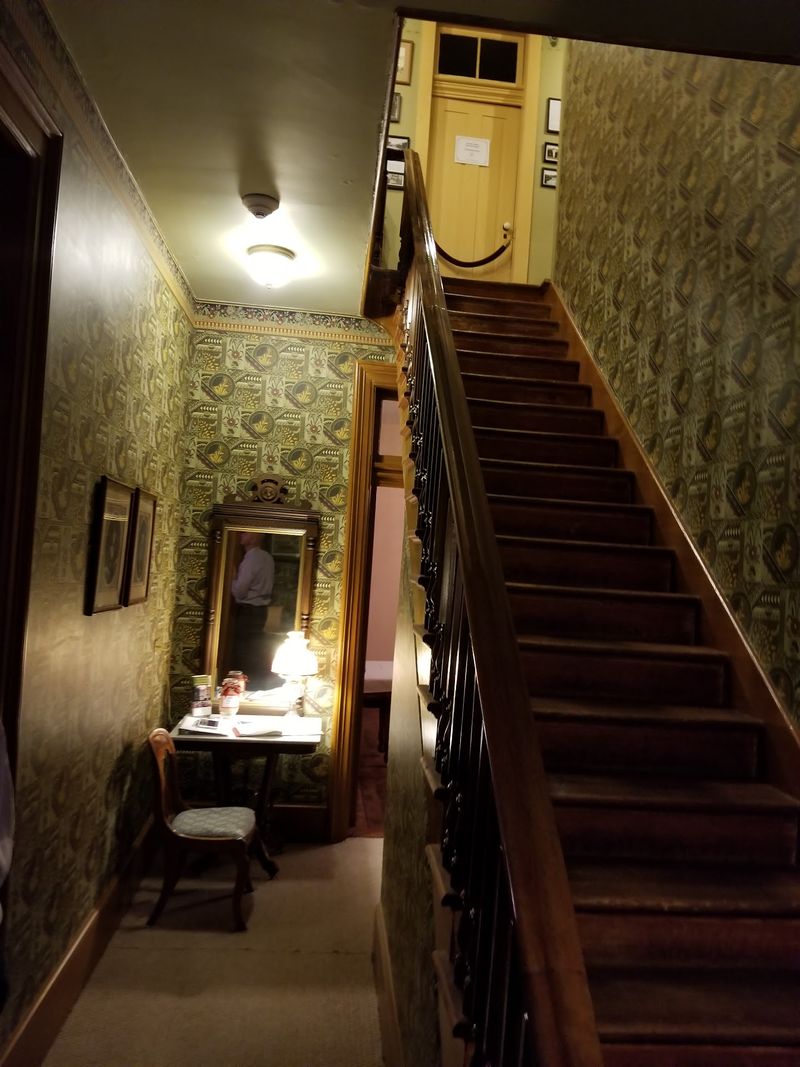
Woodwork has a way of slowing people down. As you move through the Jordan House Museum, stairs and room details reveal how the home grew beyond its early form.
Later additions gave the family more space and reflected James C. Jordan’s place in the developing community around him.
Look past the finish on the wood and consider the timeline it represents. The house did not appear all at once as a grand mansion.
It changed over decades, just as Iowa and the nation changed around it. The same property associated with aid to freedom seekers also held the ordinary hopes of a family building a lasting home.
That layered history is why an architectural tour here offers more than pretty interiors.
Ask a guide to point out which sections belong to different building periods. If stairs are difficult for anyone in your group, check tour access details with the museum before your visit, since tours may include several levels.
Whether you see every floor or focus on a few rooms, small construction details can help you imagine the long life of this address.
A Guide Can Make the Past Feel Close
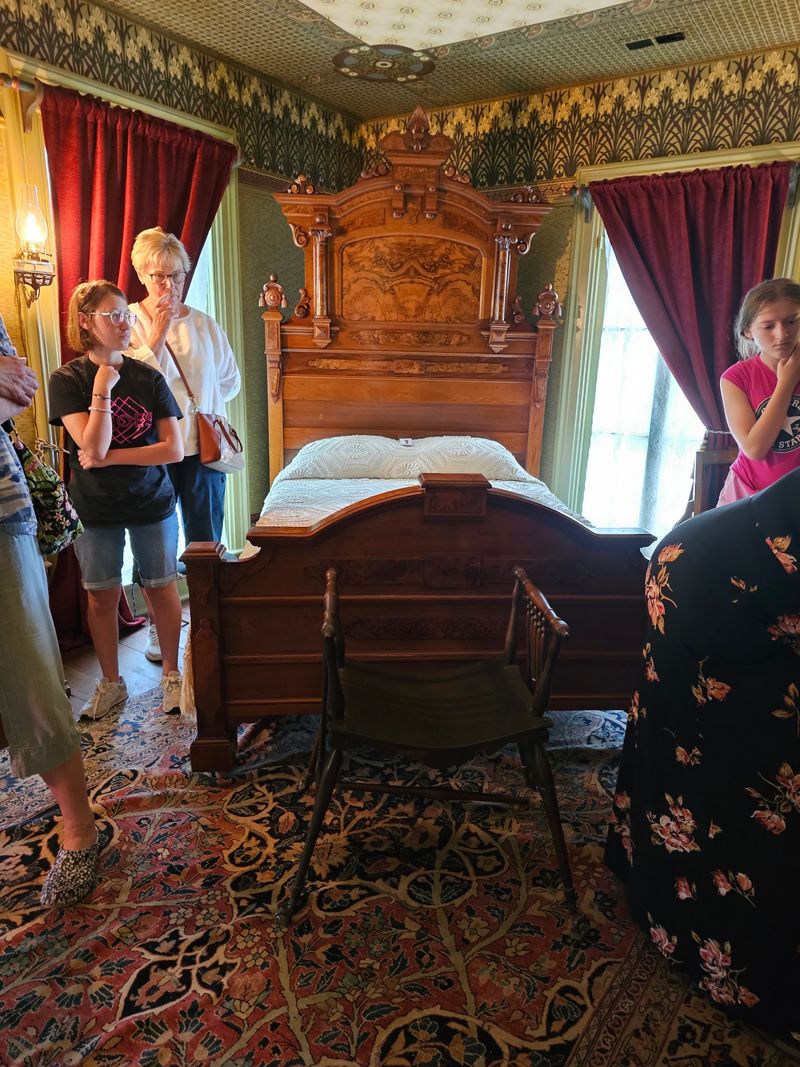
Some histories need a human voice more than another display label. Guided tours at the Jordan House Museum connect its rooms, artifacts, and grounds to the people who lived here and the freedom seekers Jordan helped.
Instead of racing through, you can stop where a detail catches your eye and ask what it means.
Visitors often appreciate the chance to talk with a knowledgeable guide. You might ask how the family used a room, which objects come from the period, or how the museum checks stories about the Underground Railroad.
Thoughtful questions are welcome on a subject with both strong evidence and gaps in the record. Leave space to hear about the people seeking freedom, whose courage should stay at the center of the story.
The museum is at 2001 Fuller Road in West Des Moines. Public tours have been offered on Fridays and Sundays, but schedules and tickets can change, so check the West Des Moines Historical Society’s website before setting out.
Booking ahead can help secure a place and gives you one less thing to worry about on arrival.
What Stays With You After the Tour
The most memorable part of a visit may come after you step back outside. From the grounds of the Jordan House Museum, the home can look as quiet as it did when you arrived.
Now its familiar doors and windows carry the weight of the stories you heard within them.
The house preserves more than one kind of Iowa history. It speaks to early settlement, a family’s changing home, and the Underground Railroad network that helped people seeking freedom.
Its survival gives visitors a place to consider those stories together rather than as separate pages in a book. You do not need to know much about nineteenth-century history before arriving; curiosity and a willingness to listen are enough.
Give yourself a few minutes on the grounds instead of rushing to the car. Think about one question the tour raised, or share a detail that surprised you with someone who came along.
A visit to this Fuller Road address cannot tell every freedom seeker’s story, but it can make their courage, and the choices of those who helped, harder to forget.