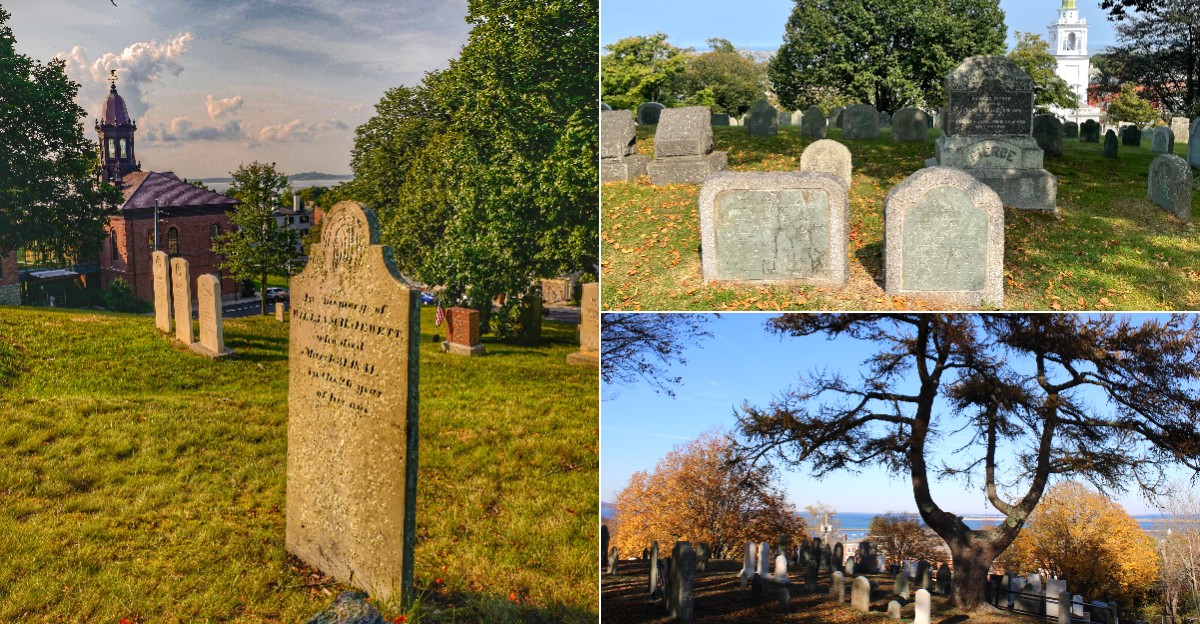
Some places hold their history quietly, written in weathered stone.
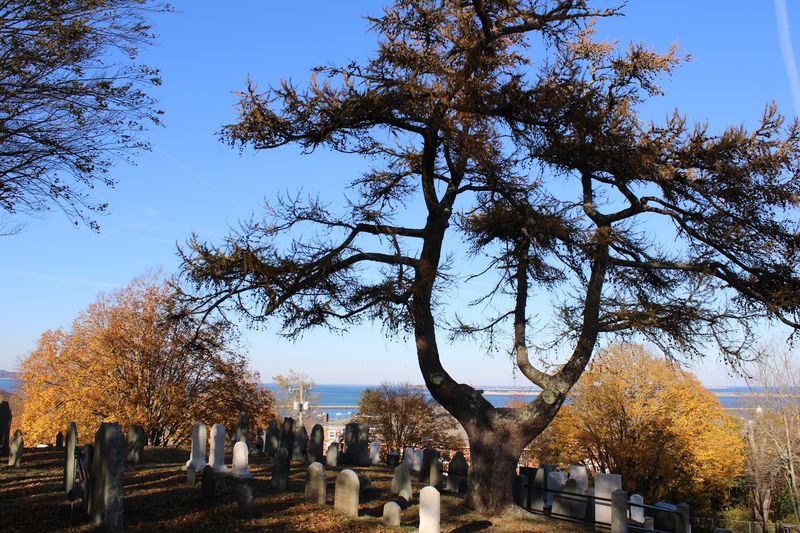
Burial Hill rises above downtown Plymouth, Massachusetts, with views toward the harbor where the Pilgrims first settled.
In the early days of the colony, this hilltop held a fort and meetinghouse that watched over the young settlement.
Today, old slate and stone markers lean in uneven rows, some dating back to the late 1600s.
On a gray autumn day, with leaves drifting between the stones, the hill feels especially mysterious.
Walk slowly, read the carvings, and let the stories of early America speak for themselves.
A Quiet Climb Into Another Century
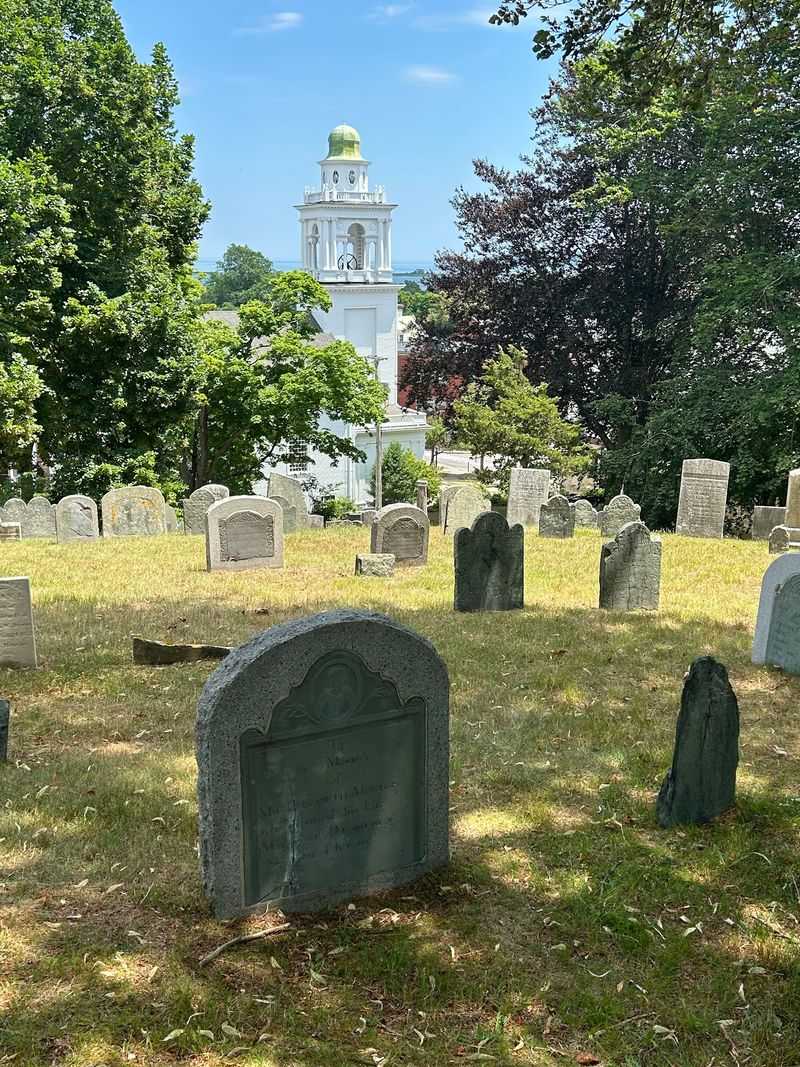
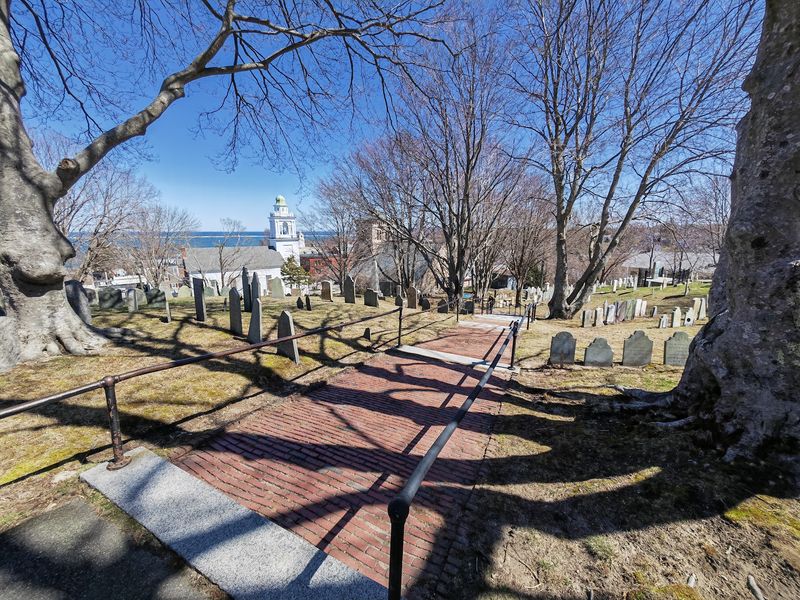
The busy world seems to fall away as you climb toward rows of old stones above the street. Traffic sounds soften, the ground rises, and a simple walk begins to feel like a journey through time.
Burial Hill stands on School St in Plymouth, MA 02360, United States, above the town center. Its hillside setting helps explain why visitors describe it as both peaceful and slightly eerie.
Rather than expecting a haunted attraction, arrive ready to notice small details: worn lettering, narrow paths, and markers leaning at different angles. Those ordinary features carry more weight when you remember that each stone represents a real person.
Wear shoes with dependable grip because the climb includes slopes and stairs. After rain, wet leaves and slick surfaces can make the approach harder than it first appears.
Pause when you need to, especially if you are visiting with children or anyone who tires easily. The cemetery rewards a slow pace, and there is no reason to rush between graves.
Once you reach higher ground, give yourself a moment before taking photographs. The strongest first impression may be the contrast between the active streets below and the stillness surrounding you, a reminder that this remains a burial ground deserving care and respect.
Weathered Stones With Stories to Tell
A date cut into stone can make three hundred years suddenly feel close enough to touch. Some surviving markers here reach back to the late 1600s, giving the cemetery a striking connection to early colonial life.
The oldest surviving gravestone is generally identified as that of Edward Gray, who died in 1681. That does not mean every earlier burial has a surviving marker, or that the oldest stone marks the cemetery’s first burial.
Wooden markers could disappear, stones could break, and records could leave gaps. Remembering those limits makes the history more honest and, in its own way, more haunting.
Look for differences in lettering, marker shapes, and the amount of information each inscription includes. A short line might preserve a name and date, while another stone offers family ties or a longer tribute.
For easier reading, change your viewing angle rather than touching the surface. Side lighting can reveal shallow letters that seem invisible when sunlight hits them straight on.
Never apply chalk, flour, water, or cleaning products to bring out an inscription. Take a photograph instead, then enlarge it later if needed.
Even an unreadable marker deserves attention. Its worn face shows how weather and passing years can slowly blur a person’s surviving story for later generations.
Carved Symbols That Feel Strangely Familiar
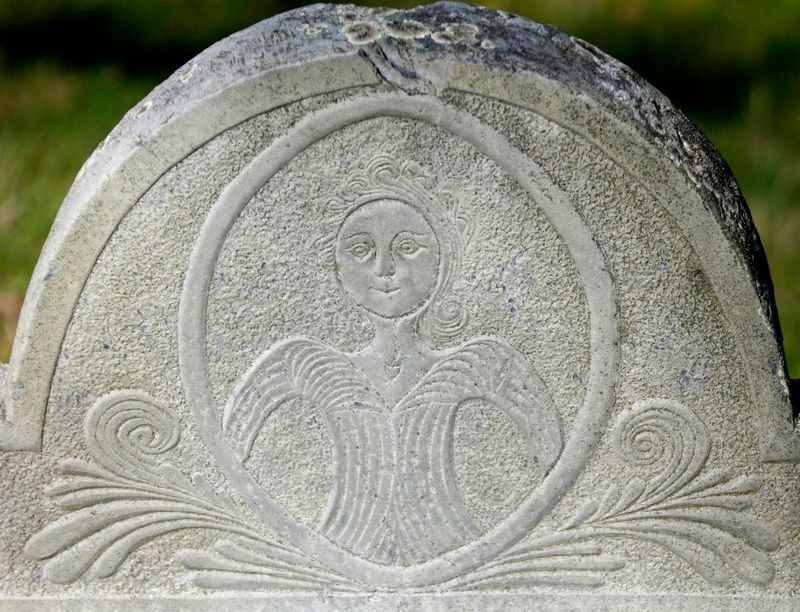
Look closely, and an old gravestone may seem to look right back at you. Winged skulls, faces, and other carved details can give early New England burial grounds their unmistakable character.
Such images were not simply decorations meant to frighten visitors. They reflected ideas about death, the soul, remembrance, and the short span of human life.
Across the cemetery, changing designs offer clues to changing tastes and beliefs. A stern carving on one marker may feel very different from a softer image or a later monument nearby.
Try choosing two stones from different periods and comparing their shapes before reading the names. Notice whether the top is rounded, whether the carving fills much of the surface, and how carefully the letters were arranged.
Children can enjoy this as a quiet observation game, provided they understand that the stones are not play equipment. Ask them what they notice rather than telling them every image has one fixed meaning.
For photographs, use a zoom lens or crop the picture afterward instead of stepping over graves. Keep bags and other belongings off the markers.
The eerie effect comes from craftsmanship as much as age. Someone shaped these faces by hand, leaving a small piece of human expression that still holds our attention centuries later.
William Bradford’s Memorial Brings History Close
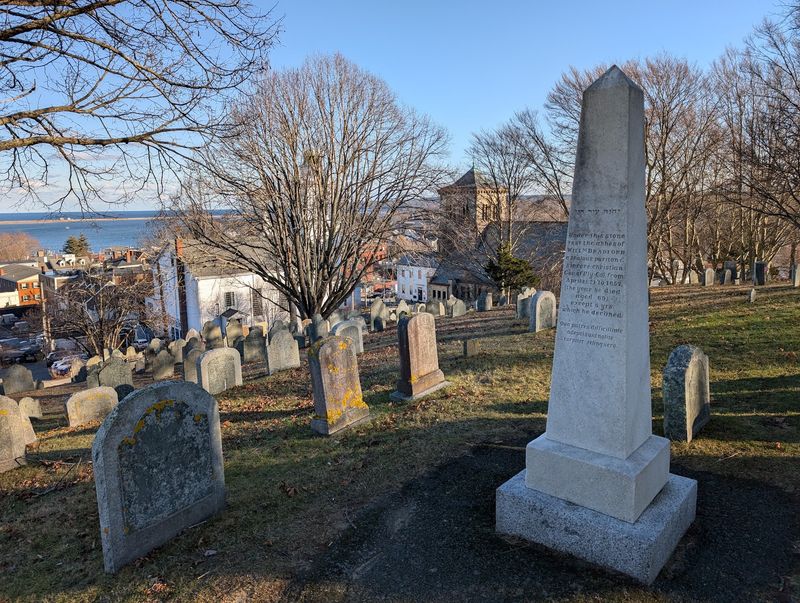
A familiar name in a history book feels different when it appears among actual graves. William Bradford, a Mayflower passenger and longtime governor of the colony, is one of the best known people remembered here.
His monument draws many visitors, but it is worth approaching as more than a photo stop. Bradford’s account of the colony remains an important source for understanding the settlers’ experiences and the story they told about themselves.
The memorial visible today should not be mistaken for an untouched marker from the year he died. Like many historic grave monuments, it belongs to a longer story of remembrance.
Read the inscription slowly and notice how its language presents duty, inheritance, and responsibility. The Latin wording often interests visitors, so checking a reliable translation beforehand can make the stop more meaningful.
Leave room for other people to approach, especially when a tour group is nearby. A short pause beside the monument usually gives you more than a hurried photograph does.
Also remember that one famous life cannot explain the whole cemetery. The surrounding graves hold stories of families, work, loss, and community that deserve attention too.
After viewing the memorial, turn toward a less familiar name. That simple choice can widen your understanding of the people remembered here.
An Earlier Fort Beneath the Cemetery’s Story
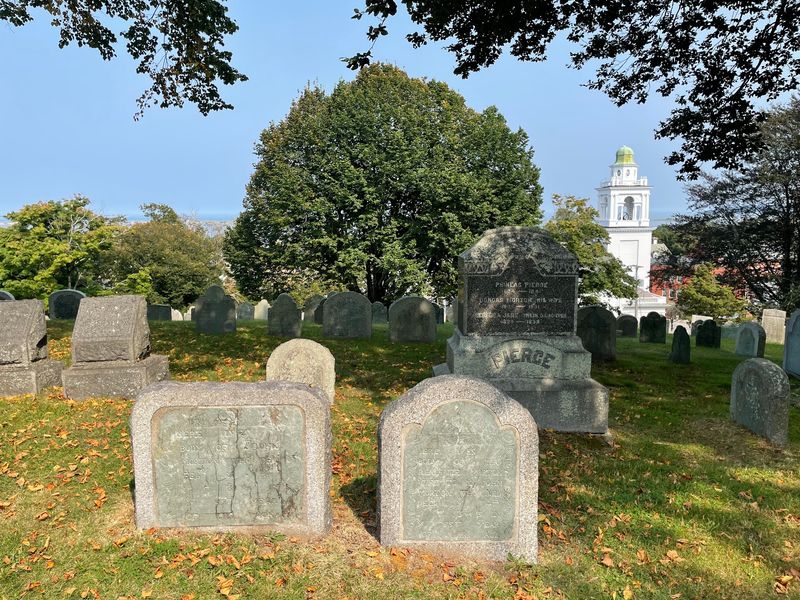
Before rows of gravestones defined the hill, its height served a very different purpose. Early colonists used this elevated ground for a fort, taking advantage of its view over the surrounding settlement and water.
A fort and meetinghouse built in 1622 formed part of that early landscape. The building combined practical defense with community worship, showing how closely those concerns could overlap.
Today, the story is explained through historic markers rather than a complete surviving wooden fort. Avoid expecting standing walls or a dramatic ruin simply because older visitor accounts mention the original structure.
Find the interpretive signs and read them before looking across the slope. The view makes the choice of site easier to understand than a date alone can.
Keep the wider history in mind as well. The colony developed within the homeland of the Wampanoag people, whose history did not begin with the settlers’ arrival.
That context helps prevent a narrow reading of the hill as only a story of colonial achievement. It was part of a landscape already shaped by Native communities.
Standing here can feel unsettling without any ghost story attached. A place once associated with defense and daily survival later became a place for mourning, memory, and quiet reflection across generations of local families.
Harbor Views With an Unexpected Mood
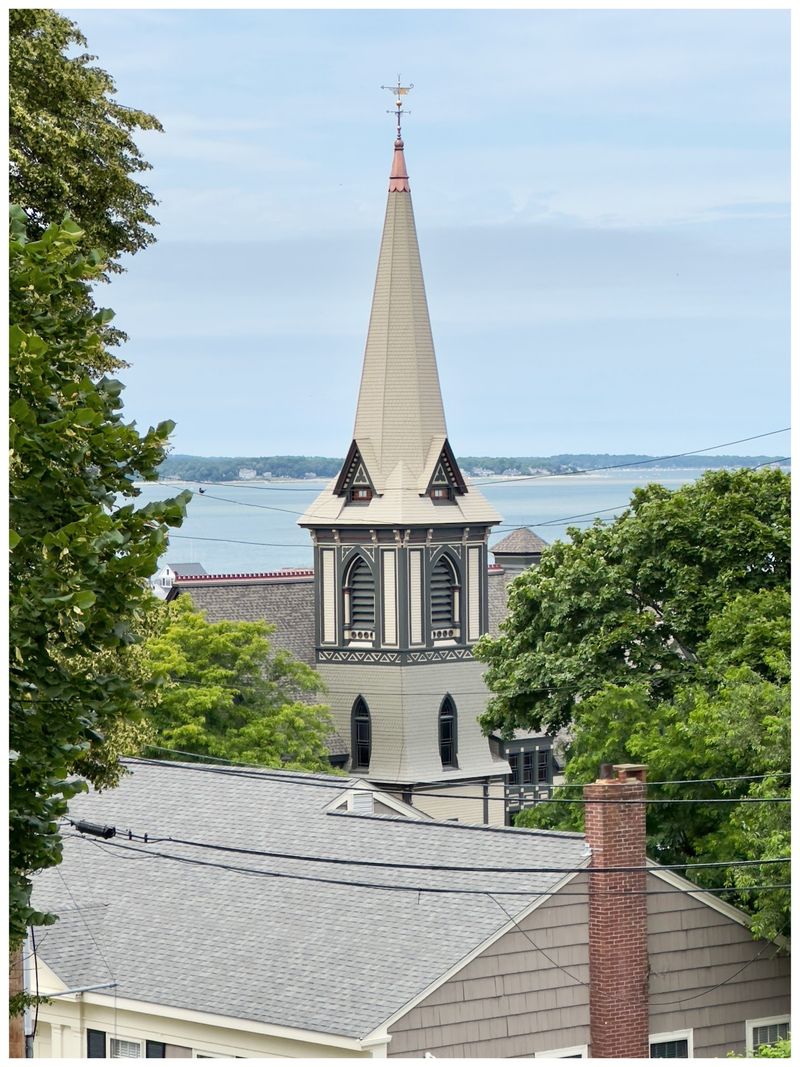
Bright water beyond a line of graves creates a contrast you might not expect. The hill offers views over rooftops toward the harbor, bringing an open coastal feeling to an otherwise enclosed place of memory.
Visitors often praise the outlook as much as the headstones. From higher ground, the town below feels connected to the cemetery rather than separate from it.
Of course, the scene is not unchanged from the seventeenth century. Buildings, roads, and waterfront activity have shifted over time, even though the hill still provides a useful sense of the area’s shape.
Choose a clear day if the view is your main interest. Haze can soften distant details, while clouds may create a moodier photograph with less glare.
Bring a light layer when cooler weather is expected, since exposed ground can feel breezy. In summer, take breaks in available shade and carry drinking water.
Frame pictures from established paths whenever possible. A wide photograph can include the stones and the harbor without requiring you to stand beside a fragile marker.
Then put the camera away for a minute. Watching ordinary life continue below can be surprisingly moving.
The view gives the visit balance: sorrow and beauty share the same hillside, neither one canceling out the other.
Ghostly Atmosphere Without Tall Tales
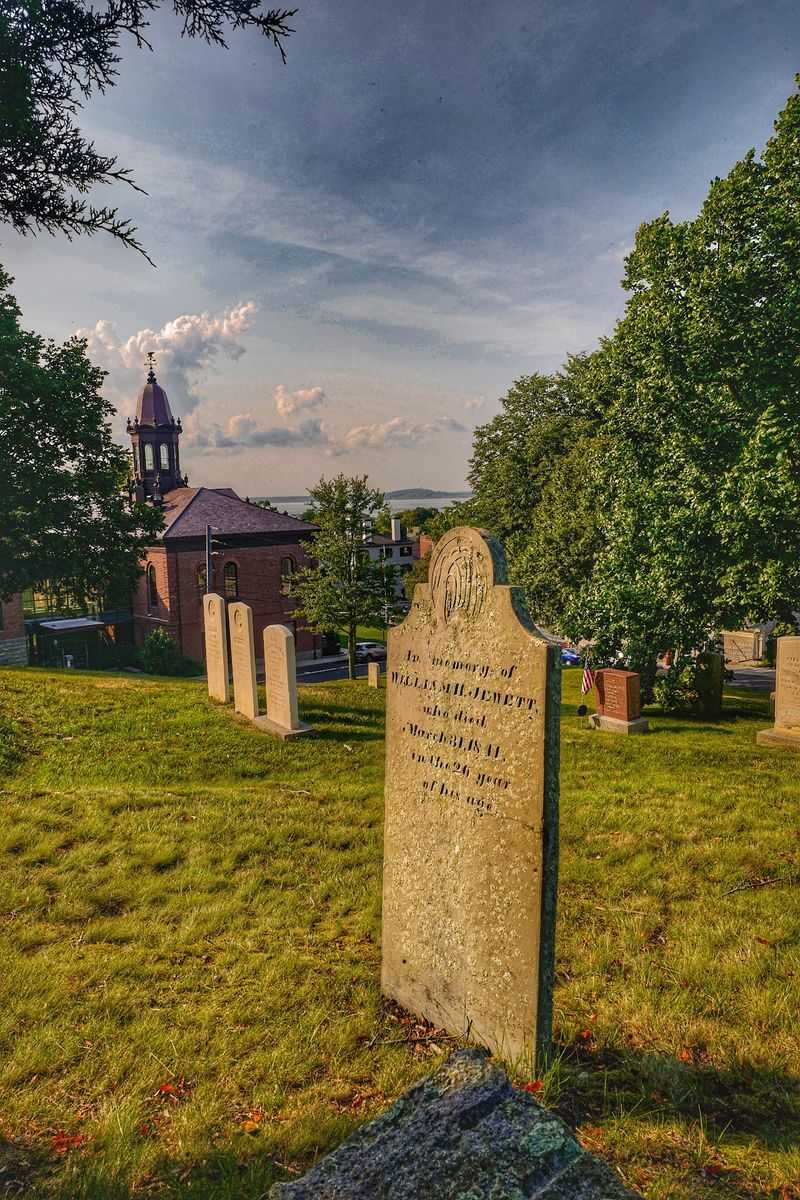
A rustling leaf can sound surprisingly loud when everyone around you has stopped talking. That small shift in attention helps explain why a historic cemetery can feel eerie without anything unusual happening.
Some visitors have explored the grounds with ghost tours, according to the supplied reviews. Those experiences show an interest in spooky storytelling, but they do not establish that supernatural events occur here.
The strongest atmosphere comes from things you can actually observe. Old dates, weathered carvings, shifting shadows, and the knowledge of many lives ending all encourage the imagination to wander.
If you enjoy ghost stories, separate entertainment from documented history. Ask a guide which details come from records and which belong to local legend or dramatic presentation.
There is no need to visit after dark to appreciate the mood. Daylight makes inscriptions easier to read and uneven surfaces easier to see.
Follow posted access rules and confirm current hours before planning any evening visit. An online status saying a place is open does not replace signs at the entrance.
Keep your voice low, even when a story gives you a shiver. Other visitors may be researching relatives or spending a quiet moment with a grave.
A respectful visit leaves room for mystery without turning human loss into a spectacle.
A Thoughtful Visit Protects What Remains
The best souvenir is a memory, not a piece of stone or a disturbed grave. A little planning helps you enjoy the cemetery while protecting the fragile details that make it special.
Allow enough time for a slow circuit rather than treating the hill as a quick stop. Reading inscriptions, pausing at markers, and resting after the climb can take longer than expected.
The sloping ground and stairs may create challenges for wheelchair users and visitors with limited mobility. Contact the town before arriving if you need information about suitable approaches or accessible routes.
Check current parking rules instead of relying on old reviews that mention prices or free spaces. Conditions can change, and an uphill walk from a parking spot may affect your plans.
Stay on established paths where practical, avoid leaning on monuments, and never climb a stone for a better view. If you notice damage, report it rather than trying to repair anything yourself.
Look for posted rules about animals, opening hours, and visitor conduct. Bring any litter away with you, including tissues and food wrappers.
Before leaving, take one last look at an ordinary marker rather than only the famous memorials. That quiet goodbye keeps the visit centered on people, which is where its lasting meaning belongs.