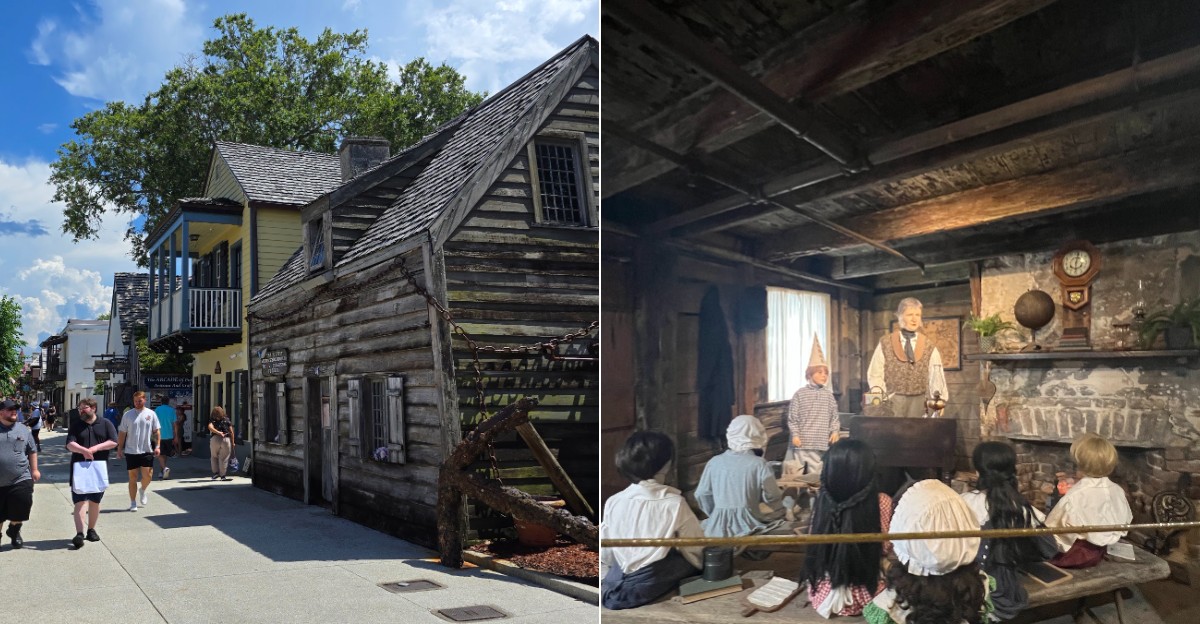
Behind a small wooden doorway on St. George Street, a glimpse of Florida’s past is waiting in a place you could easily walk right past. The Oldest Wooden Schoolhouse in St. Augustine preserves a remarkably intimate look at early education, with a compact classroom, period furnishings, and details that make the past feel close enough to touch.
Inside, narrow desks, wooden walls, and historic displays offer clues about what school days once looked like. Step outside, and the story continues in the little garden and yard, where cooking, gardening, and everyday tasks reveal another side of life in old St. Augustine.
The building may be modest in size, but its details invite you to slow down and look closely. Even the smallest objects can raise questions about the people who lived, learned, and worked here.
Take a closer look, and you’ll find the surprising details that make this little schoolhouse worth discovering.
A Classroom Behind the Weathered Walls
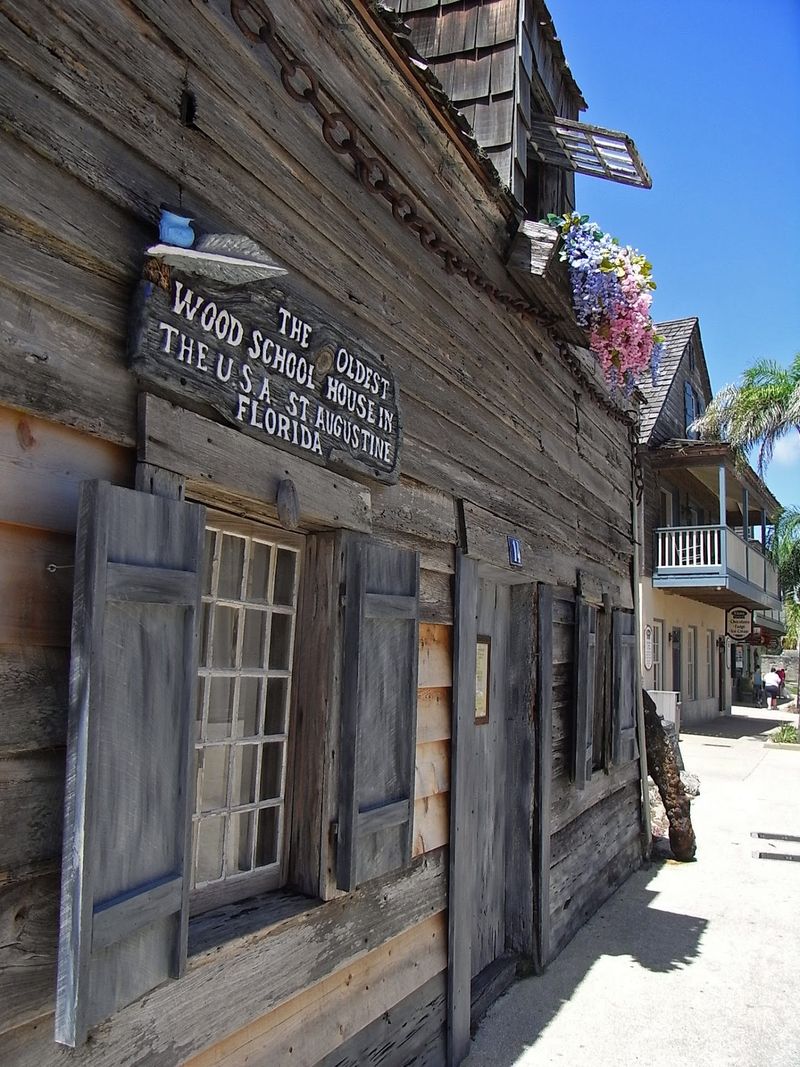
From the busy street, the little building looks almost too small to hold a school. Its worn wooden walls make it easy to picture children stepping inside while the sounds of town life carried past the door.
The Oldest Wooden Schoolhouse stands on St. George Street in St. Augustine, close to the historic City Gates.
Before going in, pause to study its shape and the wood that has survived so many Florida summers and storms. The building is often described as the oldest surviving wooden schoolhouse in the country, though its exact construction date is not known.
That uncertainty is part of the story: old places do not always come with a neat label telling us precisely when everything happened.
Inside, the space feels much more personal than a large museum gallery. You are seeing a place linked to everyday work, family life, and childhood, not just famous events.
Take a slow walk around the exterior first, then step through the entrance. The contrast between lively St. George Street and the modest rooms helps the past feel close without asking you to imagine a grand scene.
School Days Without Screens
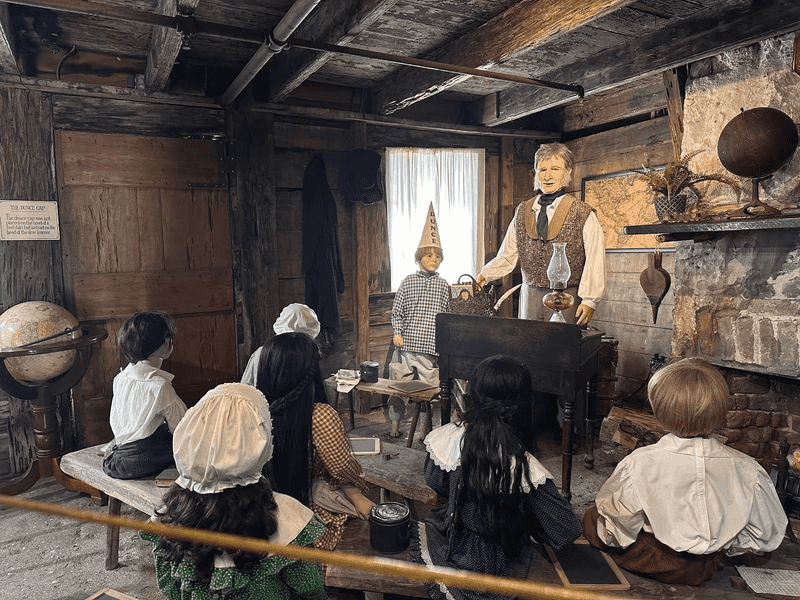
No bright screens greet you in this classroom. Instead, the small room asks you to think about a school day built around listening, writing, and sharing limited space.
At the Oldest Wooden Schoolhouse in St. Augustine, the displays make an old lesson feel less like a date in a textbook and more like something a child actually lived.
Look for the writing tools, books, and simple furnishings used to explain early schooling. Children today might notice how little room each student had compared with a modern classroom.
Adults may find themselves remembering their own first desks or the sound of a teacher calling for quiet. Either reaction is a useful way into the history.
Give younger visitors a small challenge: ask them to find one thing they would have liked about learning here and one thing they would have missed. The answers can turn a short stop into a lively conversation.
You do not need to know much about colonial history before arriving. The room’s size and the everyday objects do plenty of explaining on their own.
The Teacher Who Lived Upstairs
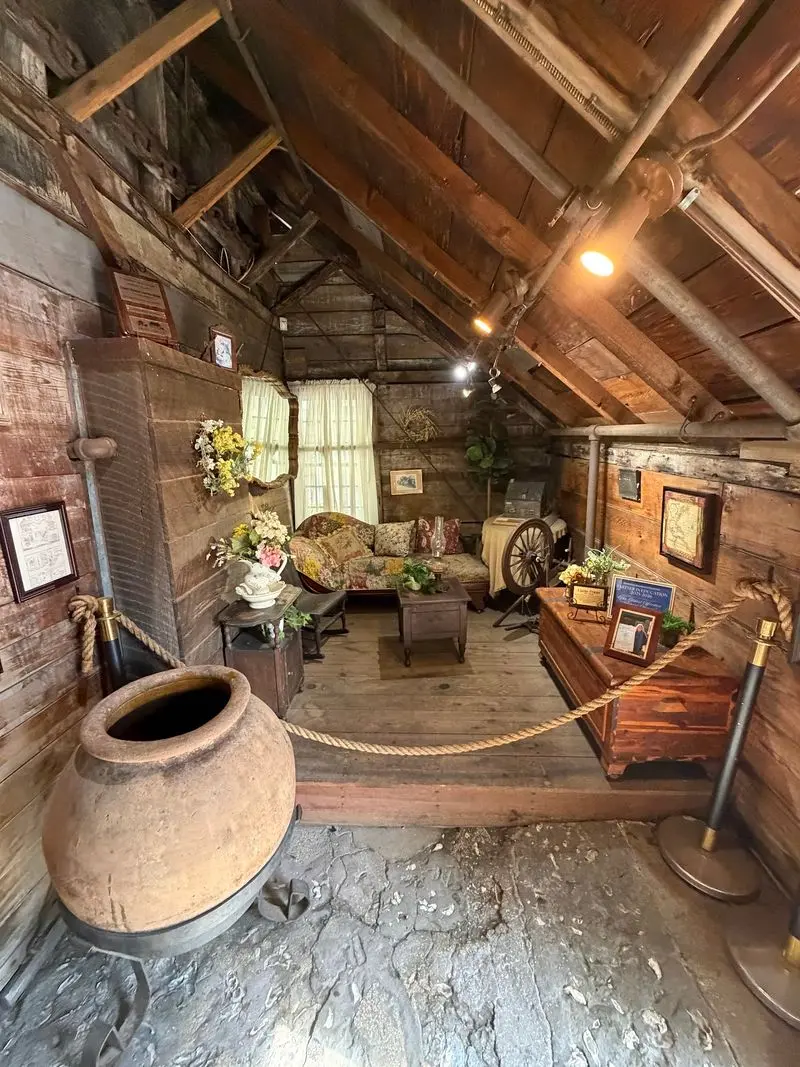
Imagine hearing the school day begin from your own bedroom. For a teacher whose family lived above the classroom, work and home were separated by only a staircase.
The upper level of St. Augustine’s Oldest Wooden Schoolhouse offers a reminder that teaching here was more than a job someone left behind at the end of the day.
Accounts of the building connect schoolmaster Juan Genoply with the use of the upstairs living space in the late 1700s. As you look toward the stairs and rooms, consider the practical side of that arrangement.
A family needed somewhere to sleep, store belongings, and find a little privacy, even while students gathered below. Small houses demanded careful use of every corner.
There is no need to rush past the domestic displays to get back to the classroom. They add another voice to the visit, one that belongs to the people who cooked, rested, and kept a household going.
Ask yourself how you would feel if every commute meant walking downstairs. Suddenly, the schoolhouse seems less like a single-purpose landmark and more like a lived-in home.
A Kitchen Built Apart
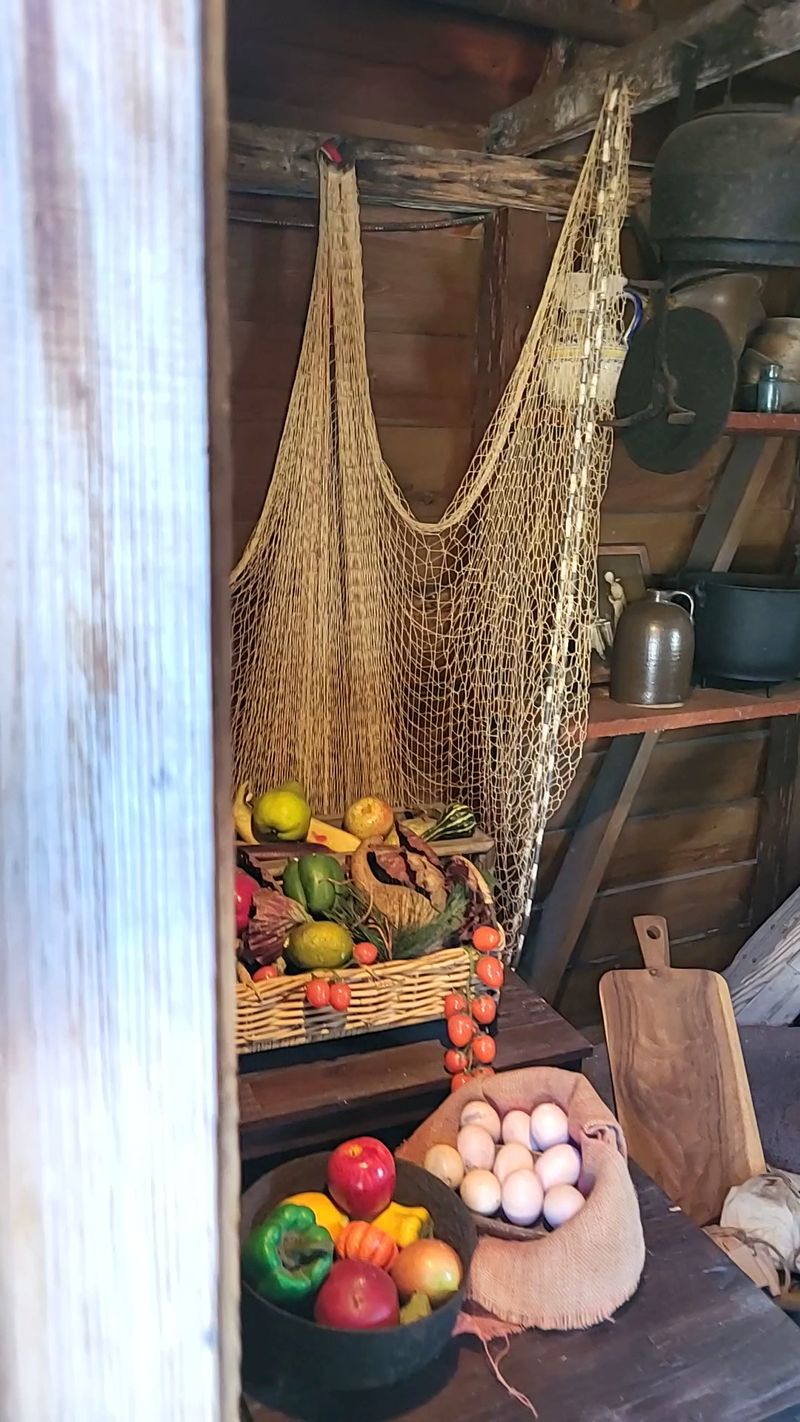
Florida heat can make even a small cooking fire sound like a bad idea indoors. Step into the schoolhouse yard, and the separate kitchen shows how earlier residents dealt with that problem.
At the Oldest Wooden Schoolhouse in St. Augustine, it is a quiet detail that explains a great deal about daily life.
Keeping cooking apart from a wooden home could reduce heat inside and help limit the danger if a fire got out of control. Notice the cooking implements on display and try to picture preparing a meal without a stove that switches on with a dial.
Gathering fuel, tending a flame, and cleaning up would all take time. The setup makes an ordinary family dinner seem like a serious task.
For children, this is a good place to compare past and present without turning the visit into a lecture. Ask what part of making breakfast would take longest in a kitchen like this.
Then look back at how close the kitchen sits to the schoolhouse. The small distance tells a practical story about comfort and safety that visitors might otherwise walk right past.
A Garden That Slows the Visit
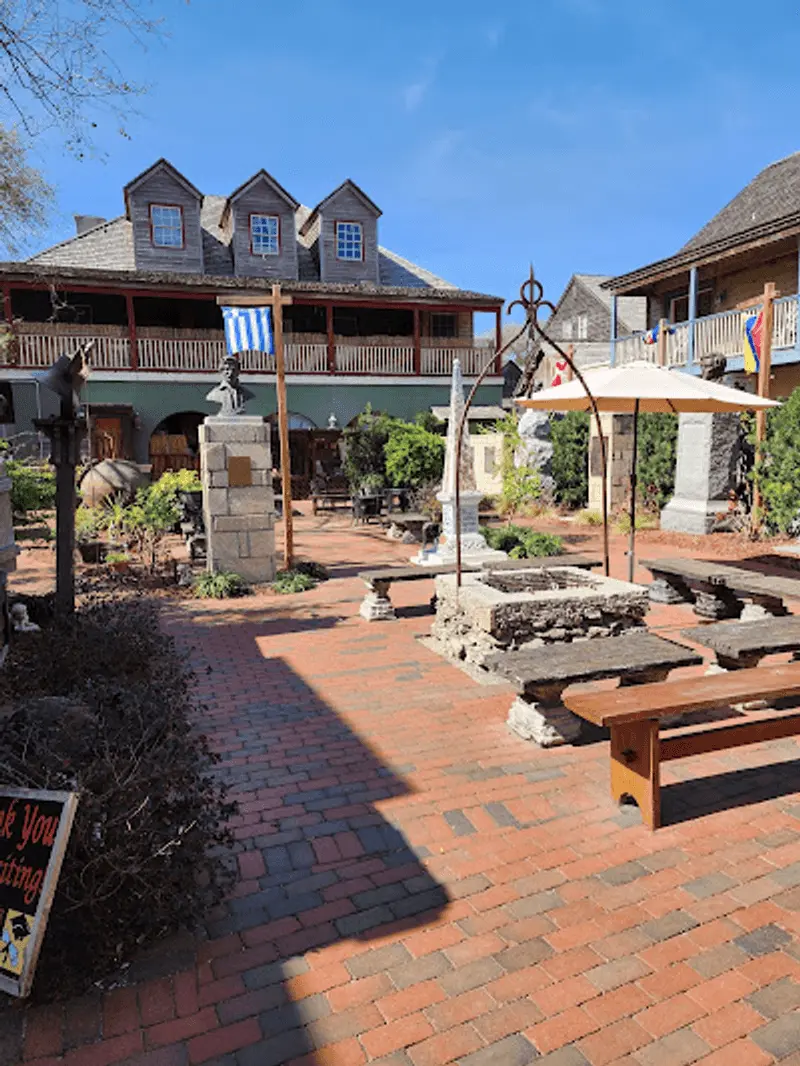
After the close rooms, a bit of shade feels like a reward. The garden beside St. Augustine’s Oldest Wooden Schoolhouse gives visitors space to pause and look at the building from another angle.
A mature pecan tree draws the eye upward, while the yard brings the story back to the ground beneath your feet.
Gardens mattered to households long before they became pleasant places for photos. Plants could provide food, and outdoor space gave families room for work that did not fit inside a small home.
As you walk, notice how the schoolhouse and its yard form one compact setting. The classroom was only one part of life here; someone also had to keep the household running.
This is a lovely spot to let children share what they noticed indoors, or to take a quiet moment after the presentation. Give yourself time to see the old wood against the leaves rather than hurrying straight to the exit.
The garden does not need a dramatic secret to earn your attention. Its simple change of pace helps you imagine the people who spent ordinary afternoons here.
A Small Space With a Strict Story
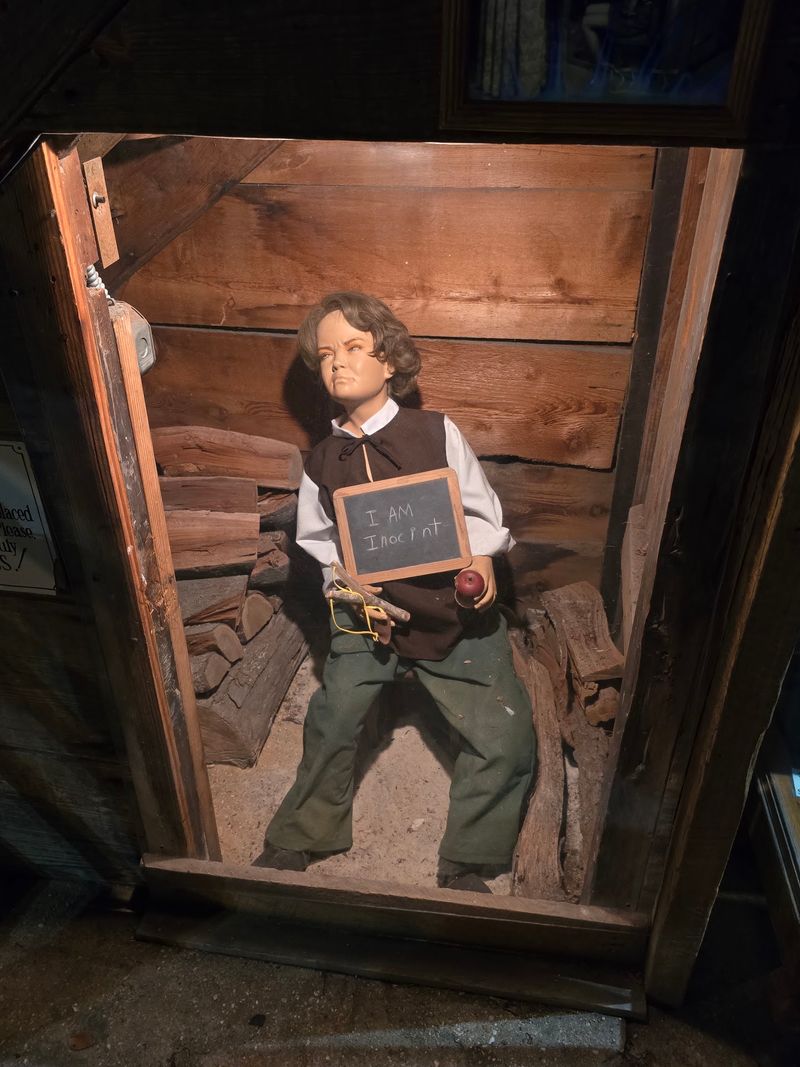
A cramped spot beneath a staircase can make a visitor stop short. At the Oldest Wooden Schoolhouse, stories about a space under the stairs invite questions about discipline in earlier classrooms.
It is one of the details that may catch a child’s attention for a very different reason than the desks or books.
The nook is sometimes described in visitor stories as a place for punishment. Treat such tales as part of the site’s storytelling rather than proof that every child faced the same experience.
What the space does offer is a starting point for discussing how adults once expected students to behave, and how ideas about treating children have changed. A small room can open a surprisingly thoughtful conversation.
If you visit with kids, let them tell you how they think a fair classroom should work today. You can compare their answers with the strict school days suggested by the displays without making the past feel like a scary movie.
That balance matters here. Curiosity is more rewarding than fear, and looking closely at an unusual corner may help the whole schoolhouse seem more human.
A School in a Changing Neighborhood
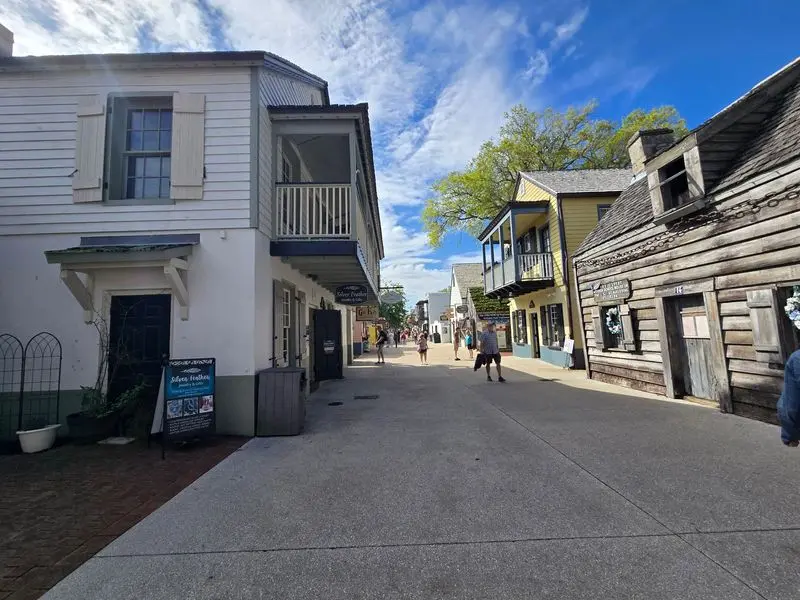
A classroom can hold more than lessons. It can show what a growing neighborhood hoped its children would become.
The Oldest Wooden Schoolhouse stands in an area of St. Augustine long associated with the Minorcan community, whose history is an important part of the city’s story.
Minorcan settlers arrived in the region during the 1700s, and many later made their homes in St. Augustine. Remembering that background adds meaning to the schoolhouse’s modest size.
Children did not learn in a place cut off from the world; their families, languages, work, and traditions shaped the streets outside. When you stand near the entrance, think about how many different home stories students could have carried into a shared classroom.
You do not have to settle every question about who attended or what each child studied to appreciate the larger point. Education helped a community build a future, one family at a time.
Reading the signs and asking staff about the neighborhood can make the visit richer. The schoolhouse is small, but its setting encourages a wider view of the people who made St. Augustine home.
The Chain That Tells a Storm Story
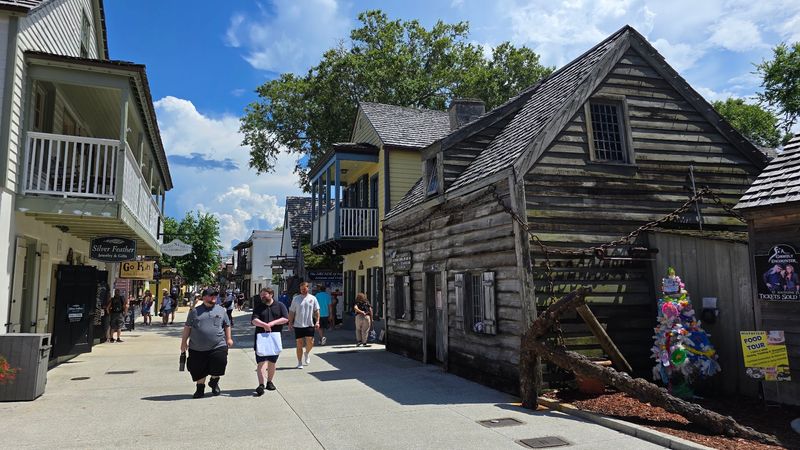
Most historic buildings do not wear a chain where everyone can see it. This one does, and the sight can stop you before you reach the door.
Around the exterior of St. Augustine’s Oldest Wooden Schoolhouse, the heavy chain has become a memorable sign of the effort to keep a fragile-looking building standing.
The schoolhouse has faced the kind of rough weather coastal Florida knows well. Its older wooden construction tells one part of its survival story, while the chain reflects later attempts to protect it.
Look closely at the contrast: hand-worked materials belong to an earlier age, but preservation takes action from people living much later. The building endured because generations found it worth caring for.
Take a photo from far enough back to show the chain and the full structure together. That view gives its size some scale and makes it easier to explain to someone at home why the detail matters.
Rather than treating the chain as a strange decoration, see it as a visible promise. Someone wanted future visitors to meet this building, even after the next hard storm.
A Lesson Brought to Life
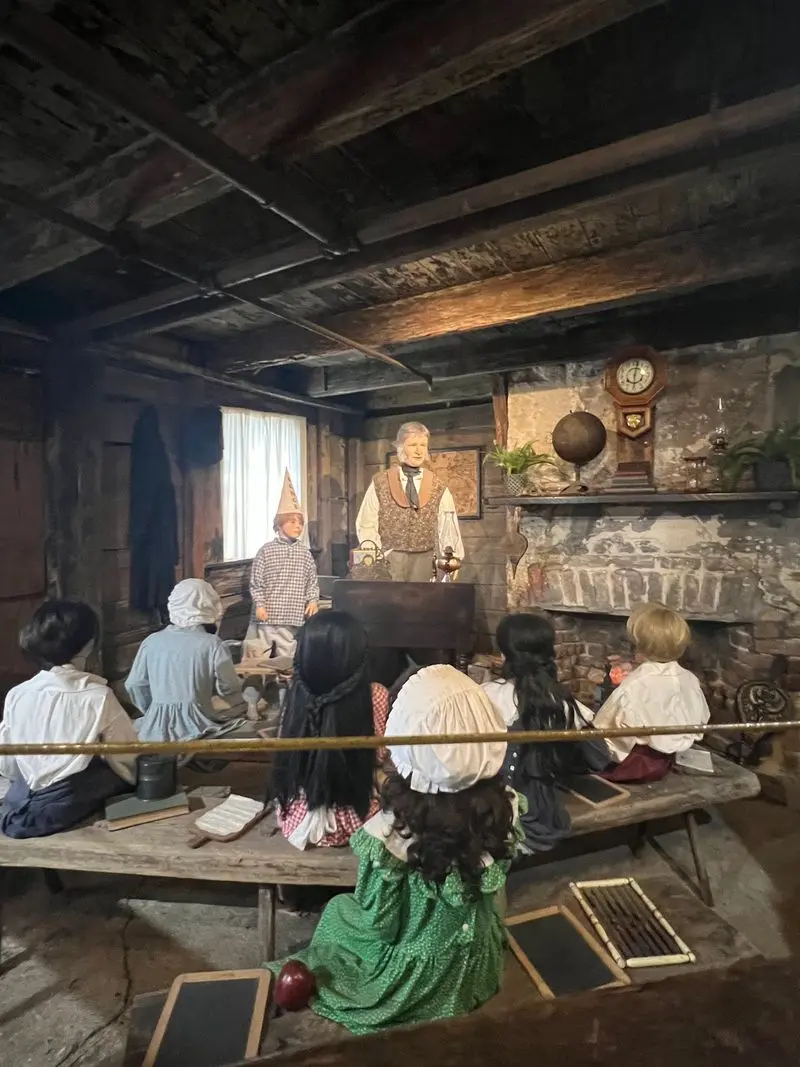
Just when the room seems still, a teacher’s story gives it a different energy. The Oldest Wooden Schoolhouse uses an animated classroom presentation to help visitors picture an earlier school day.
The figures are a little quirky, which often makes them more memorable than a long wall of dates.
Watch how the display places a schoolmaster and student within the small room. It is a staged interpretation, not a recording of exactly what happened here, but it offers a useful starting point.
Notice the furniture and the distance between the figures, then imagine a room full of real children trying to hear a lesson. A visit becomes more fun when you observe the details as well as the moving characters.
Some St. Augustine ghost stories also mention the schoolhouse. Enjoy those tales as folklore, not as established history, and let the classroom itself do most of the talking.
If you are visiting with someone who dislikes spooky stories, there is no need to make the stop frightening. The presentation, the old wood, and the small scale already give everyone plenty to discuss afterward.
A Diploma for the Walk Home
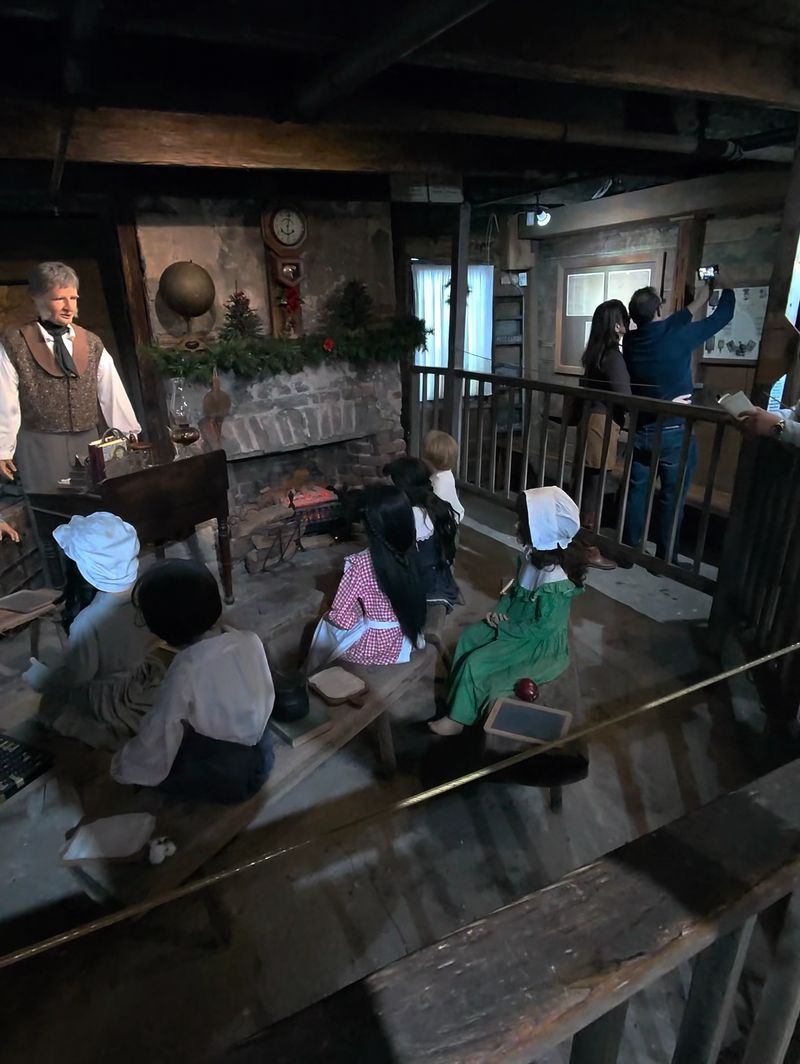
A paper diploma is a cheerful way to end a lesson you did not expect to take. Visitors to St. Augustine’s Oldest Wooden Schoolhouse have received souvenir diplomas after exploring the site.
It is a small gesture, but it fits a place where nearly every room encourages you to learn something.
Before heading out, take one last look at what changed your picture of an old school. Was it the compact classroom, the family living area, or the separate kitchen?
The answer may differ for each person in your group. A child might remember the animated teacher, while an adult keeps thinking about the chain around the building.
Sharing those reactions can make the visit last longer than the walk through the gate.
The attraction is compact, so allow enough time to read the displays and enjoy the yard without expecting a full-day museum. Check current admission and hours before you go, since visitor details can change.
Then tuck the diploma somewhere safe. It is a playful keepsake from a place that makes education feel personal, practical, and connected to the lives once lived here.