Crafting exceptional fruit desserts requires carefully balancing intense, contrasting flavors so that the final result never drifts into excessive sweetness.
The true appeal of a well-made lemon bar lies in that constant tension between the richness of butter and the sharp acidity of fresh citrus, creating a clean and refreshing finish that never overwhelms the palate.
Within Florida’s rich dessert tradition, these bright, sunshine-colored treats occupy a special place and serve as a natural extension of the state’s citrus heritage.
The finest artisan bakeries regularly rely on citrus notes to bring freshness and balance to display cases that might otherwise be dominated by heavy creams and chocolate-based desserts.
Explore our selection of ten outstanding destinations where baking expertise meets vibrant citrus flavors in a dessert that captures the essence of summer.
Moreno Bakery – Brandon
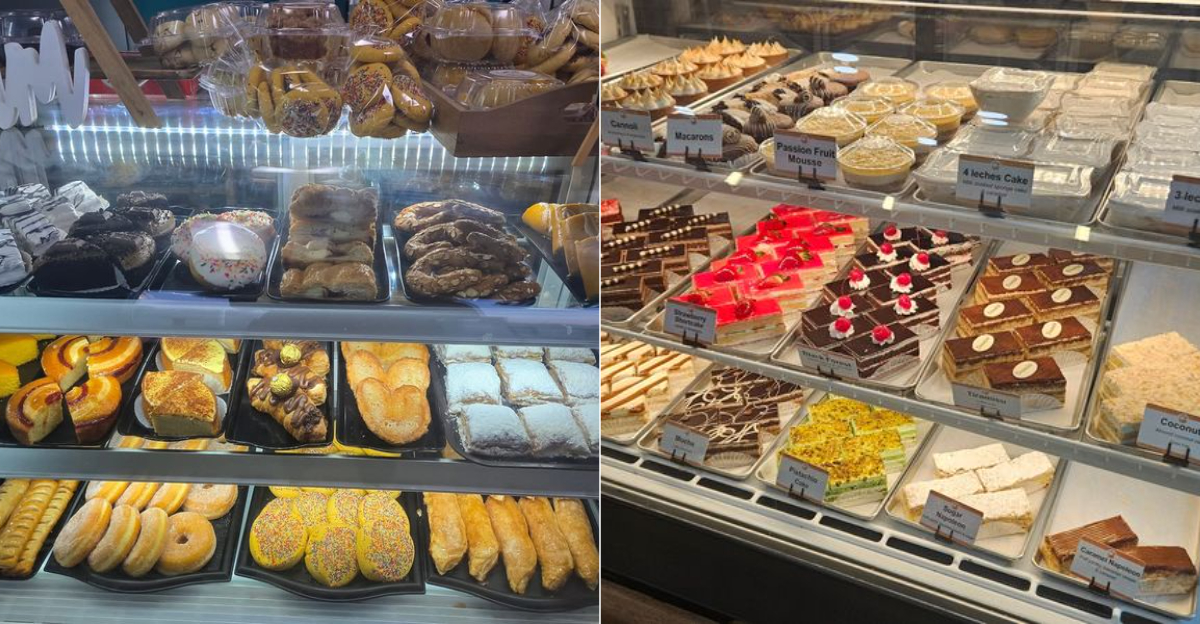
Rooted in Cuban and broader Latin American baking traditions, this pastry counter is best known for celebration cakes, guava pastries, cookies, and a deep bench of sweets made for gatherings large and small.
Within that context, lemon bars make perfect sense because citrus cuts through butter and sugar with the same clarity that makes tropical fruit fillings so effective in many classic Latin desserts.
Alongside flan, pastelitos, and elaborately finished cakes, a well made lemon square offers contrast rather than competition.
Its value comes from proportion: a firm crust that stays tender, a filling with enough egg structure to slice cleanly, and a tart finish that keeps the palate alert after richer pastries.
Because this style of bakery serves both everyday cravings and milestone orders, technical consistency matters as much as flavor.
Fresh citrus notes fit naturally into a repertoire built on tradition.
Their bright flavor profile continues to appeal to Florida diners looking for a lighter dessert option.
Yalaha Bakery – Yalaha
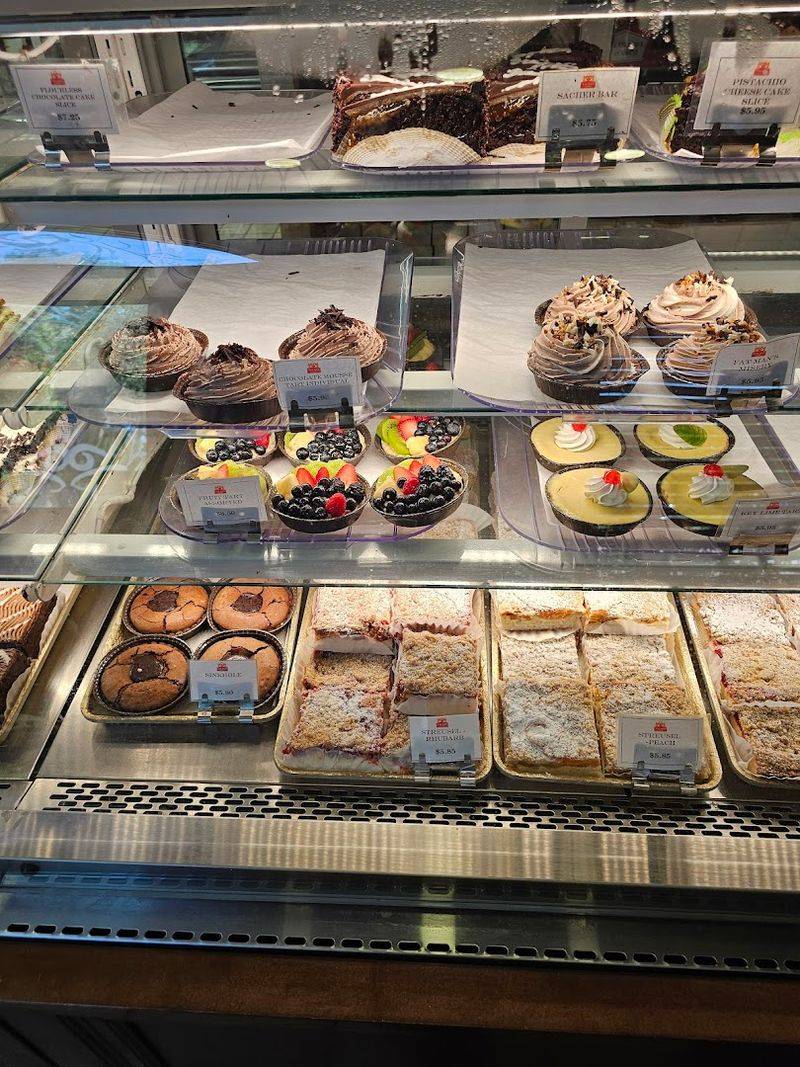
Drawing from German and wider European baking traditions, this destination bakery pairs country scenery with a pastry case that rewards slower attention.
Fruit based desserts have long held an important place in that heritage, so lemon bars feel aligned with a menu where seasonal produce, careful dough work, and on site preparation shape the experience.
Beyond breads and savory offerings, the sweet selection often leans on balance rather than excess, favoring fillings that stay bright against butter rich bases.
That approach explains the appeal of citrus desserts here, since lemon can sharpen cream, lift custard, and bring a cleaner edge to pastries that might otherwise read as heavy.
Meanwhile, the rural setting adds another layer to the bakery’s identity by making simple ingredients seem especially central.
Fresh eggs, flour, sugar, and juice become more than pantry standards when technique keeps each element distinct.
Lemon bars demonstrate that principle through a crisp crust, smooth center, and restrained sweetness.
The result fits comfortably within a broader European-style dessert tradition.
Croissant Moon Bakery – Orlando
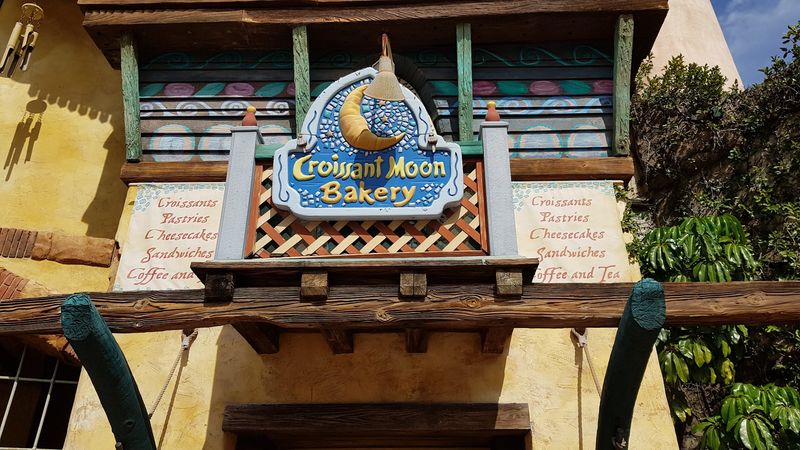
Precision defines a bakery known for croissants, breakfast pastries, and carefully executed laminated doughs, where small errors in butter temperature or proofing quickly become visible.
Against that backdrop, lemon bars express a different but equally demanding form of craft, asking for exact baking time, stable curd texture, and a crust that stays delicate instead of greasy.
Since ingredient quality is central to artisanal baking, citrus desserts become a useful measure of restraint and sourcing.
Good butter deepens the base without overwhelming it, fresh juice carries aroma beyond simple tartness, and balanced sweetness keeps the filling vivid enough to complement, rather than imitate, richer pastries in the case.
Another reason these bars fit comfortably here is their role within all day pastry service, moving easily from morning coffee companion to afternoon dessert.
Technical consistency matters when a bakery builds trust through repeatable results.
Lemon squares reward that discipline by delivering clean slices and bright flavor.
Their refreshing finish highlights craftsmanship just as clearly as any more elaborate pastry.
Mimi’s Bakerhouse – Crystal River
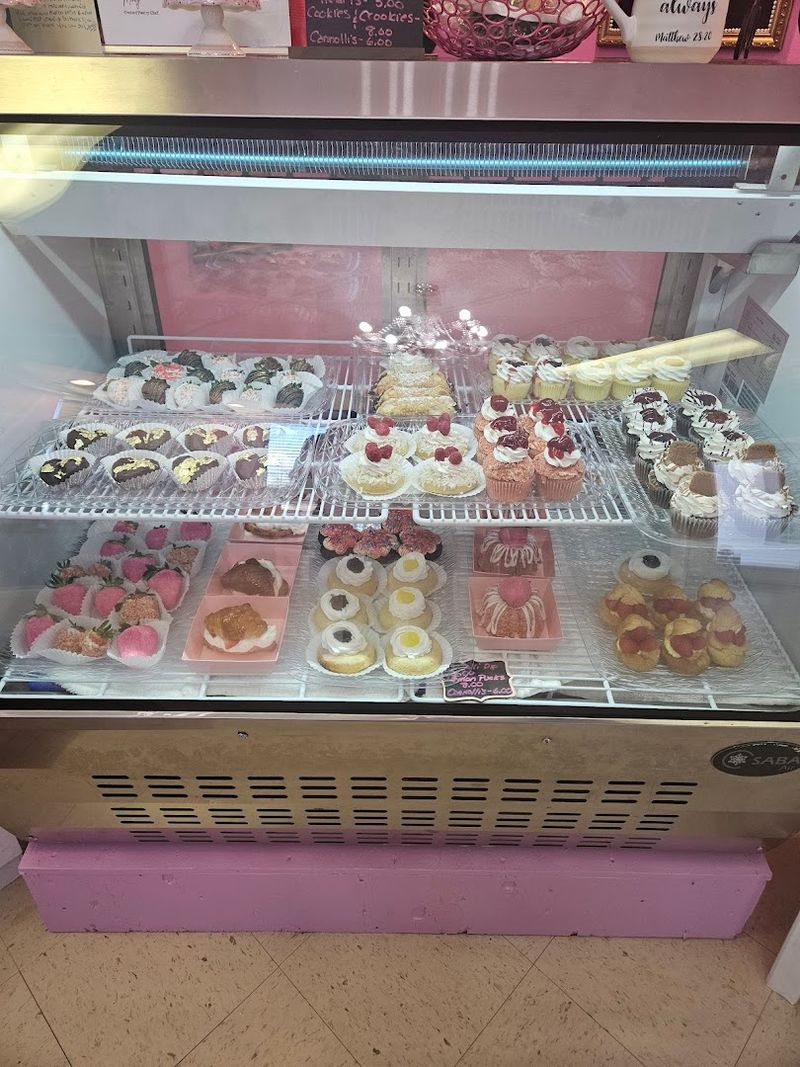
Homemade dessert culture shapes the identity here, where pie, cake, bars, and comfort driven sweets recall the logic of family recipe boxes rather than formal pastry menus.
Within that tradition, lemon bars stand out because they deliver the familiarity of a bake sale classic while adding a sharper citrus profile that keeps butter and sugar from feeling too soft or heavy.
Pie culture matters to understanding the appeal, since many of the same pleasures are present in a smaller, tidier form.
A sturdy crust, smooth filling, and clean slice echo what bakers value in custard and fruit pies, yet the concentrated lemon flavor creates a brighter finish that works especially well beside coffee or after a substantial lunch.
Family style baking also depends on recipes that scale, travel, and remain appealing across generations, which helps explain the durability of this dessert.
Simple ingredients reward careful handling.
A strong version proves that classic sweets do not need excessive decoration to stand out.
Texture, acidity, and buttery structure already provide the comfort and contrast people continue to seek.
Fortuna Bakery & Coffee – Orlando
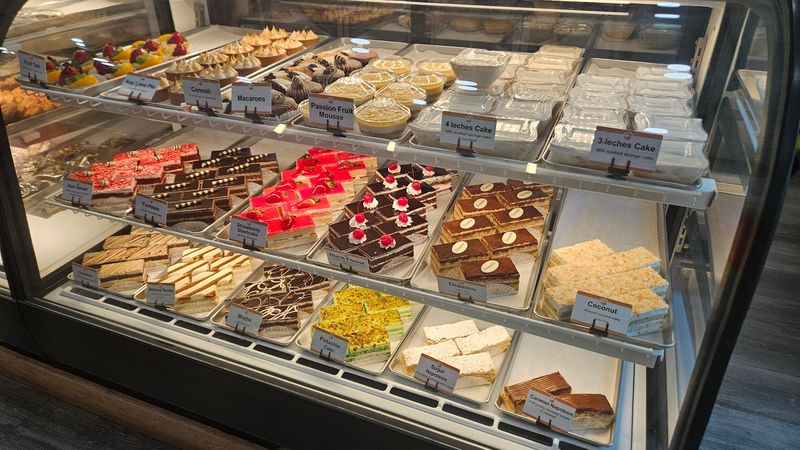
Across Latin American bakery culture, pastry cases are expected to offer range, moving from flaky savory pieces to layered cakes, custards, cookies, and chilled desserts.
In that environment, lemon bars earn their place by providing a refreshing counterpoint to milk rich and caramel driven favorites, proving that brightness can be just as satisfying as indulgence.
Regulars often return to bakeries like this for variety, which makes production discipline especially important behind the scenes.
Doughs must stay consistent, fillings need predictable texture, and citrus desserts cannot rely on sugar alone because the best versions preserve a clean tart edge that wakes up the palate between richer selections.
Equally important, coffee service changes how sweets are experienced by encouraging combinations across the case instead of one standalone order.
A buttery lemon square paired with espresso or a milk-based drink highlights acidity, aroma, and crumb structure.
That combination helps explain why citrus pastries remain customer favorites. It also reflects a broader dessert tradition built on abundance, contrast, and technical control.
Bakery-X – Wesley Chapel
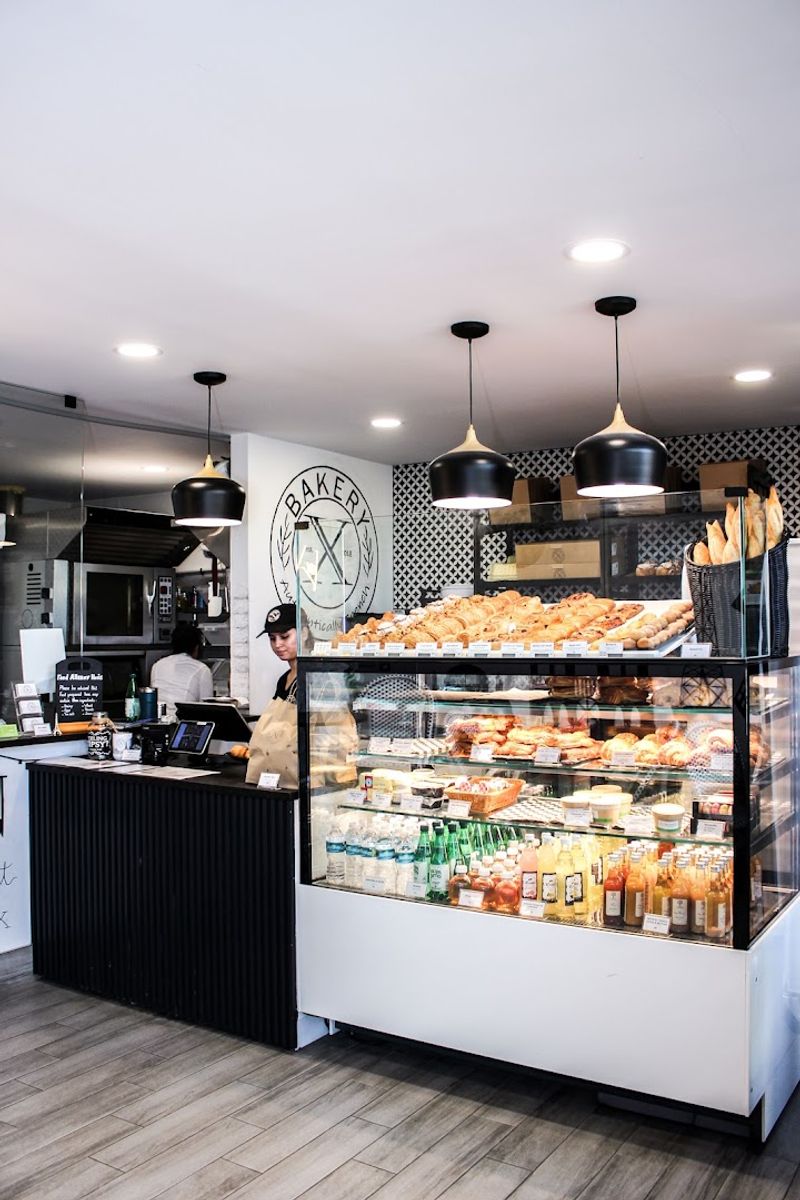
Modern bakery operations often balance speed, visual appeal, and menu changeability, creating room for desserts that can adapt across seasons without losing identity.
Lemon bars suit that model especially well because they present cleanly, portion easily, and offer a bright flavor profile that can be adjusted with zest levels, toppings, or companion fruits.
Presentation carries real weight in contemporary pastry cases, where color contrast and neat geometry influence what sells first.
The saturated yellow surface of a properly baked bar signals freshness immediately, while the pale crust underneath suggests richness, making the dessert both photogenic and structurally practical for a shop that values polished execution.
Seasonal thinking broadens the category further by letting citrus play with berries in spring, herbs in summer, or richer garnishes during cooler months without losing its core character.
Versatility matters because innovation works best when grounded in technique.
Lemon-based treats reward precision through smooth curd, distinct layers, and balanced texture.
Their refreshing acidity helps modern dessert programs avoid becoming overly heavy.
Lakeland Bakery – Lakeland
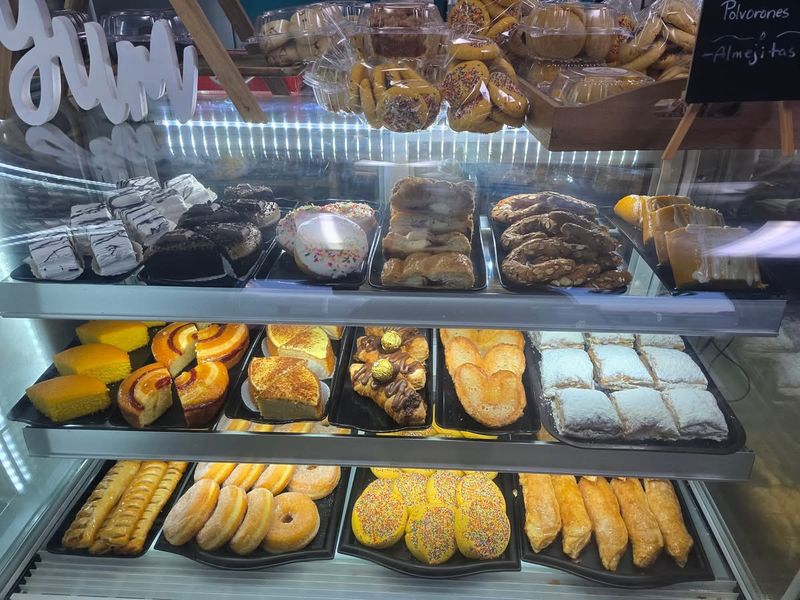
Community bakeries earn loyalty through repetition, not novelty alone, which makes every tray of bars, cookies, breads, and pastries part of a daily rhythm.
Lemon bars fit this environment because they offer something bright and dependable, delivering a dessert that feels special enough for a treat yet familiar enough to become part of an ordinary stop.
Fresh baking is central to that relationship, especially when customers expect consistent texture and flavor across visits.
A successful citrus square depends on crust that does not stale too quickly, filling that remains smooth through the service day, and enough tartness to distinguish it from frostings, cake slices, and other sweeter options nearby.
Customer trust grows when variety is paired with reliability, and dessert diversity helps a bakery serve different habits without losing focus.
Some people want donuts, while others prefer cookies.
Many gravitate toward citrus desserts because they provide a lighter finish.
Within a bakery culture built on steady quality and long-standing tradition, lemon bars provide a useful balance between indulgence and restraint.
Chez Victor – Largo
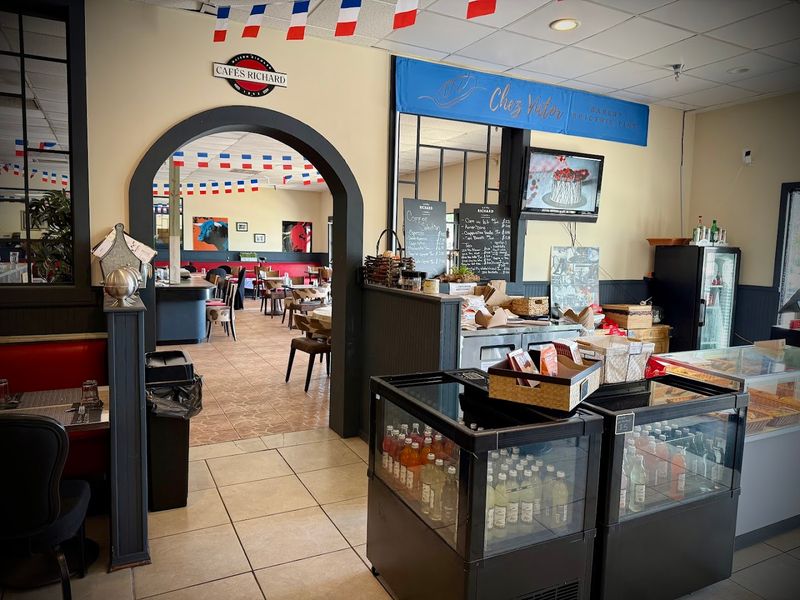
European pastry traditions place enormous value on texture, finish, and structural control, which makes even seemingly simple desserts technically revealing.
Lemon bars belong comfortably in that conversation because they rely on contrast between crisp base and soft center, and because acidity can sharpen the experience of richer tortes, mousses, and cream filled pastries nearby.
Technical skill matters most when a dessert appears understated, since flaws become impossible to hide. Overbaked curd turns dull, underbaked filling slumps, and a crust mixed without care loses the fine crumb needed to support clean edges, so successful citrus squares quietly demonstrate the same discipline seen in more elaborate continental pastries.
Presentation also shapes appeal in this style of bakery, where neat lines and controlled portioning signal confidence before the first bite.
A lemon dessert with a smooth top, light sugar dusting, and distinct layers offers visual relief beside darker, denser creations.
Its bright flavor helps reset the palate between richer bites.
That balance explains why citrus remains such a useful companion to butter-rich European baking.
Euro Crave Bakery – Bradenton
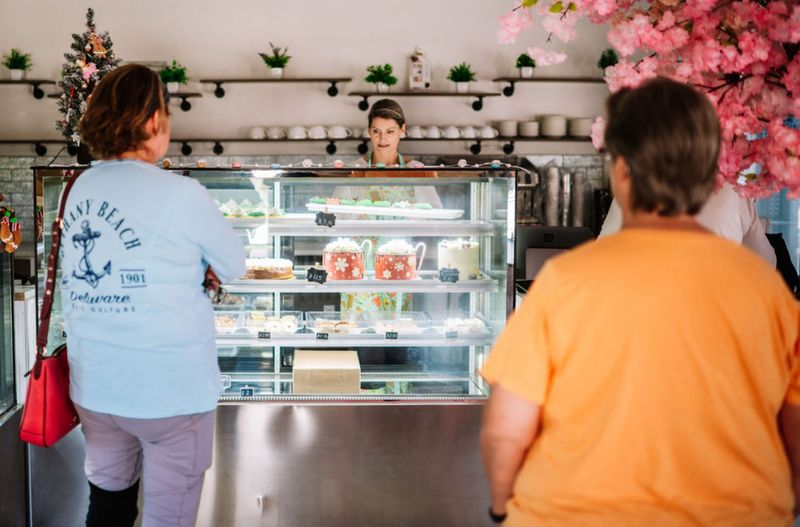
International influence broadens a pastry case by encouraging crossover between techniques, flavor profiles, and dessert expectations from several traditions at once.
In that setting, lemon bars function almost like a common language.
Buttery dough and tart curd are widely recognizable pleasures that appeal to many different tastes.
They sit comfortably alongside layered cakes, cookies, filled pastries, and other specialty sweets.
Ingredient selection becomes especially important when a bakery offers many styles, because each dessert needs a clear identity rather than generic sweetness.
Fresh citrus gives that definition quickly, while good butter anchors the crust, and careful sugar levels preserve a lively finish that keeps lemon desserts distinct from cream heavy or chocolate centered options in the broader portfolio.
Pastry making skill shows most clearly when variety does not lead to unevenness across the case, a challenge for any ambitious bakery program.
Bars that slice neatly, hold their shape, and deliver balanced flavor demonstrate control over mixing, baking, and cooling.
Those qualities make bright citrus treats persuasive examples of craftsmanship.
They often stand out on menus built around variety, technique, and broad dessert traditions.
Curious Soul Artisan Bakery – Treasure Island
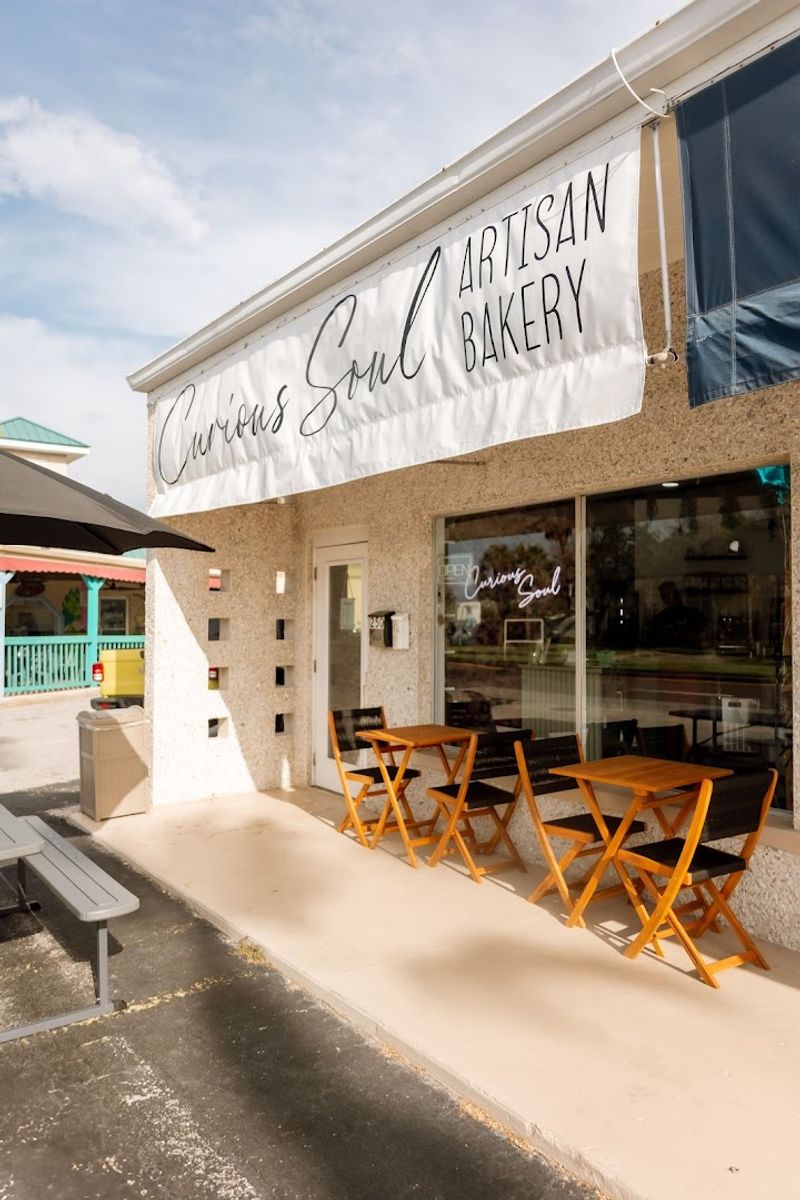
Small batch baking tends to reveal fundamentals more clearly than large scale production, since fewer components separate the baker from the final result.
Lemon bars are ideal for that environment because they test the basics directly: even mixing, thoughtful baking time, quality butter, fresh juice, and the judgment required to balance sweetness against acidity.
Artisanal technique often means letting ingredients speak without unnecessary decoration, a philosophy that suits citrus desserts especially well.
When the crust is properly short and tender, the filling smooth but not loose, and the top left mostly unadorned, each bite shows how simple formulas can still deliver complexity through texture and restraint.
Creativity remains important, yet the strongest version of this dessert usually depends on precision more than novelty, which says a great deal about a bakery’s priorities.
Bright lemon flavor demonstrates confidence because there is little to hide behind.
That honesty connects naturally with small-batch production, where consistency and ingredient quality matter.
Careful handling turns a modest square into a persuasive statement of craft.