A rhythmic hum of potter’s wheels and the crisp scent of sawdust are redefining the modern Florida getaway, drawing travelers off the beach and into the studio.
Scattered across historic coastal towns and secluded properties, these eleven craft schools offer a perfect blend of hands-on creativity and coastal relaxation.
Imagine spending your morning shaping hot glass or weaving textiles while the afternoon sun filters through a canopy of moss-draped oaks.
Each studio provides a supportive, slow-paced environment where master artisans guide you through the meditative rhythm of creating something with your own hands.
One weekend at the studio bench proves that Florida’s most meaningful souvenirs are the ones you shape yourself.
1. Florida School of Woodwork – Duval County, Florida
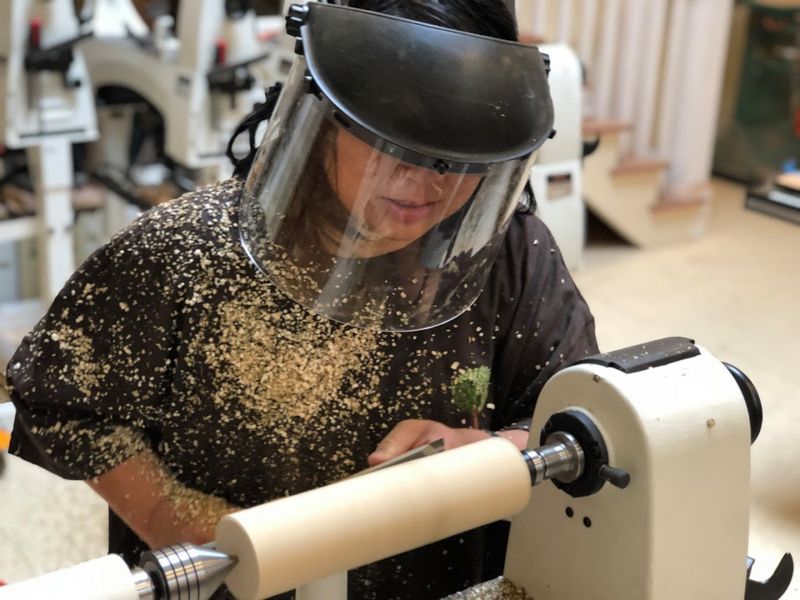
The scent of fresh-cut lumber hits before anything else, and that is half the charm.
Florida School of Woodwork in Jacksonville, Duval County, feels like a place where patience becomes part of the lesson.
I like that beginners can start with solid fundamentals while experienced makers sharpen technique through focused classes in joinery, carving, and furniture building.
Inside, the benches, hand tools, and serious attention to craft create a calm rhythm that pulls you in quickly. Courses often emphasize traditional woodworking skills, so you learn why a process works instead of simply rushing to the final piece.
If you are visiting for a workshop, wear closed-toe shoes, bring a notebook, and expect to leave with sawdust on your sleeves and better posture around tools.
What stays with me most is the school’s respect for progress over perfection.
Jacksonville gives it a practical, grounded setting, and the teaching style matches that mood nicely.
Even a short class can leave you thinking differently about how useful beauty can be.
This is the kind of craft school that invites you to slow down, make something with your hands far away from the screens.
2. Benzaiten Center for Creative Arts – Palm Beach County, Florida
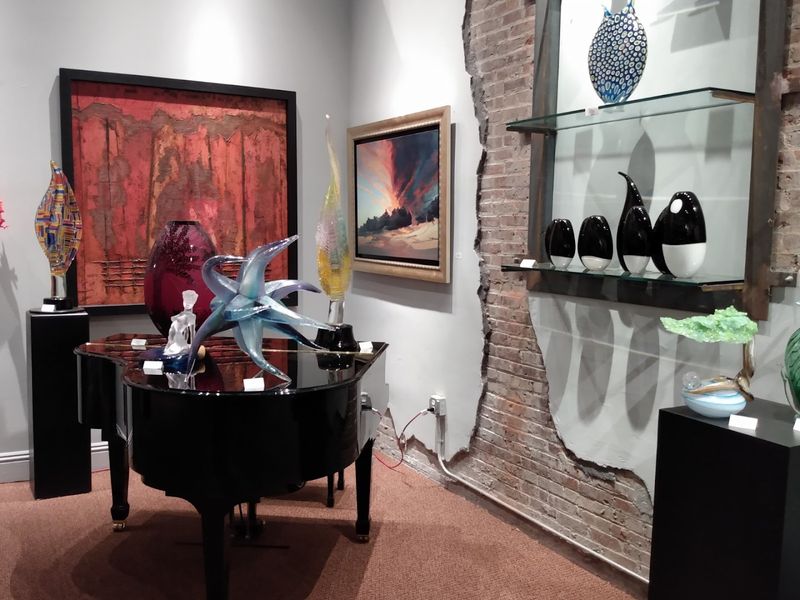
Heat changes the mood of a room in seconds, and here it turns learning into something electric.
Benzaiten Center for Creative Arts in Lake Worth Beach, Palm Beach County, is known for glassblowing, flameworking, and fusing classes that let you get remarkably close to the action.
I find it especially appealing because the instruction feels accessible without sanding off the excitement of working with fire.
The hot shop is the star, but the center also offers a broader creative energy through demonstrations and visiting artists.
First-timers should book ahead, tie back long hair, and arrive ready for warm conditions, since glass studios do not believe in cool opinions.
There is something unforgettable about watching a gather glow, spin, and slowly become a vase, ornament, or sculptural experiment in your own hands.
Lake Worth Beach adds a slightly breezy contrast to all that furnace drama, which makes the experience even better.
The center keeps things educational without feeling stiff, and that balance is hard to fake.
You leave with a finished piece, yes, but also a sharper sense of your own creativity.
3. Morean Center for Clay – Pinellas County, Florida
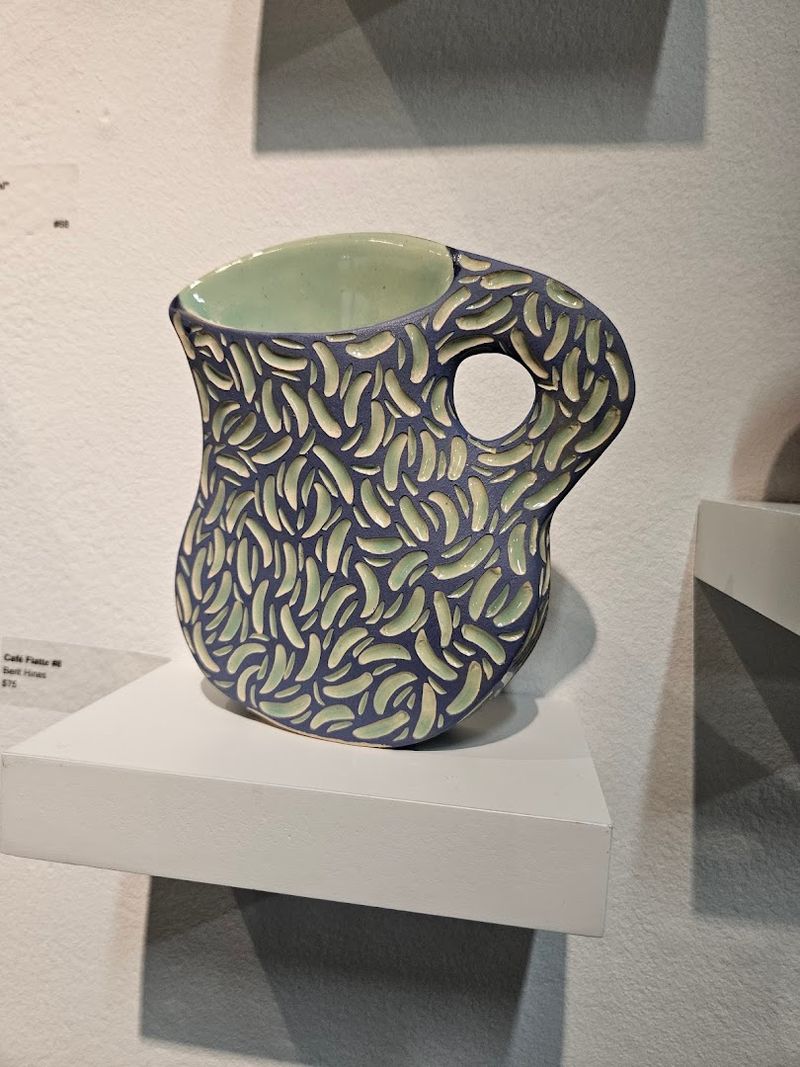
Clay has a way of slowing every fidgety thought, and that makes this place easy to appreciate.
The Morean Center for Clay in St. Petersburg, Pinellas County, offers wheel throwing, handbuilding, glazing, and workshops in a studio environment that feels lively without becoming loud.
I like how the classes welcome true beginners while still giving regular makers enough room to keep improving.
The space is practical in the best sense, with wheels, kilns, drying shelves, and the kind of creative mess that signals real work.
Instructors focus on technique, but they also help you understand materials, which matters when a promising mug suddenly develops opinions in the kiln.
If you visit, wear clothes that can handle splatter, trim your nails, and give yourself extra time to browse nearby arts spots in St. Petersburg afterward.
There is also a satisfying sense of community here that makes independent practice feel less solitary.
You notice people trading glaze tips, comparing forms, and quietly celebrating small breakthroughs.
That steady, hands-on atmosphere makes the center feel less like a class and more like a habit worth keeping.
4. Crealdé School of Art – Orange County, Florida
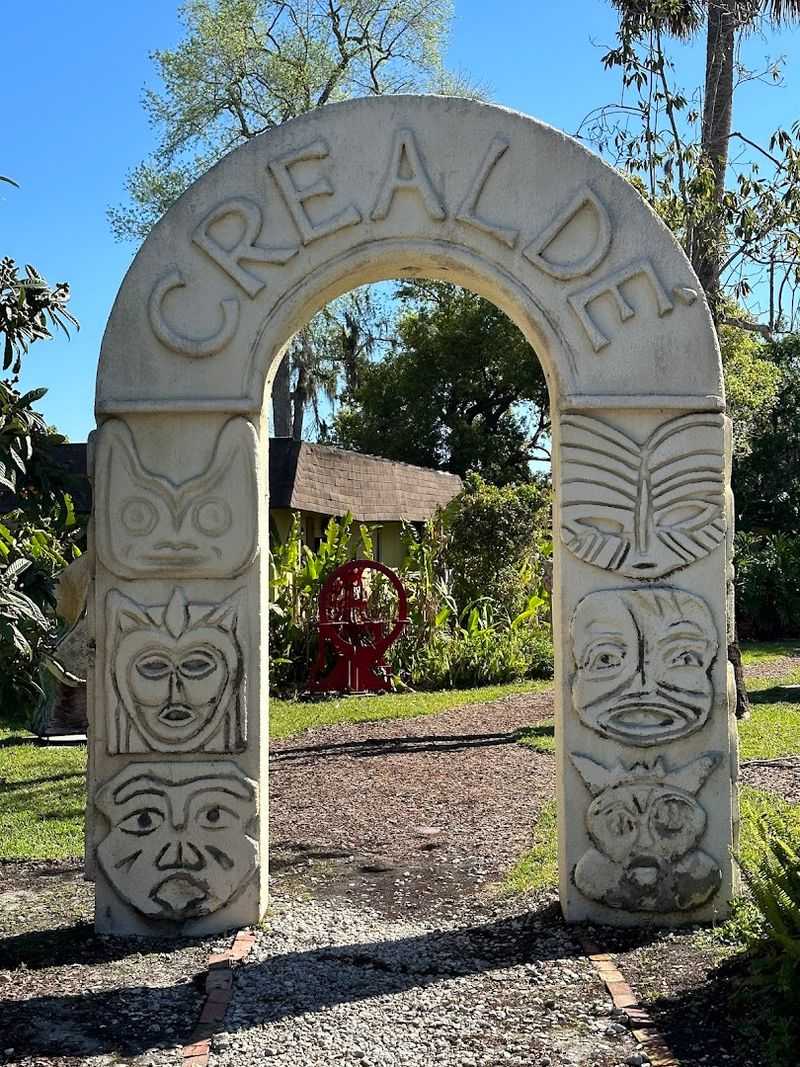
Not every art school invites you to notice the landscape before you notice the classroom, but this one does. Crealdé School of Art in Winter Park, Orange County, has a campus feel that pairs visual arts education with a strong sense of place.
I am always drawn to schools where the surroundings seem to support the work, and here the trees, light, and open air genuinely help.
Programs span painting, drawing, photography, ceramics, and other studio disciplines, with options for different ages and experience levels.
The school also has a meaningful community focus, including exhibitions and educational outreach that give its classes extra context beyond technique alone.
If you visit, take a little time to walk the grounds, because the setting is part of the experience and can loosen up your ideas before class even begins.
Winter Park’s calm, polished atmosphere suits Crealdé without making it feel precious.
The instruction tends to encourage observation, experimentation, and individual voice in equal measure.
Once you’re done with the session, it is easy to feel more attentive not just to art, but to the details you usually hurry past.
5. Morean Glass Studio – Pinellas County, Florida
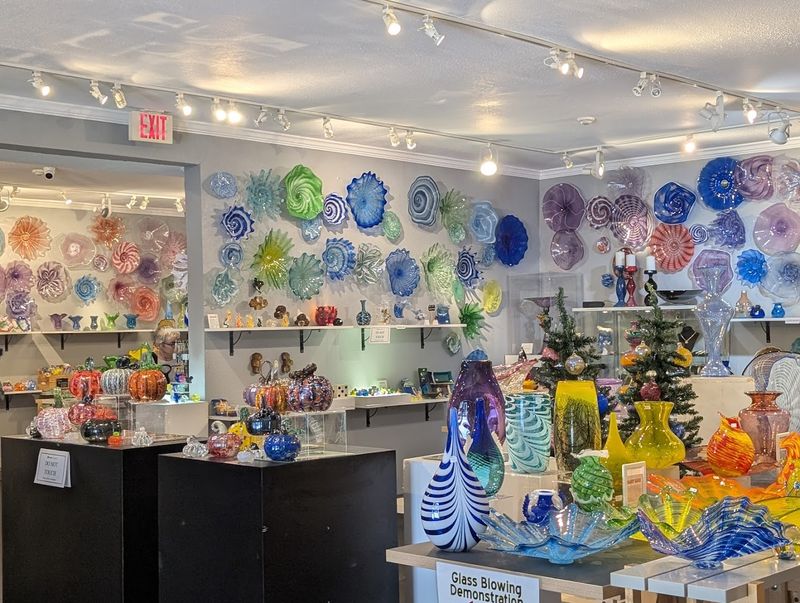
Some studios hum quietly, but this one practically glows with momentum from the door.
Morean Glass Studio in St. Petersburg, Pinellas County, is a working hot shop where classes, demonstrations, and artist activity keep the atmosphere full of movement.
I enjoy that it offers a close look at serious glass practice while still making newcomers feel like they are allowed in on the secret.
You can watch glassblowers gather molten material, roll it in color, and shape it through teamwork that looks almost choreographed.
Class options and experiences vary, so it is smart to check the schedule early and arrive with curiosity, a little patience, and respect for heat.
The studio’s connection to the wider Morean arts community also gives it extra depth, since your visit can easily expand into a full creative day nearby.
What makes this place memorable is not just the spectacle, though that part certainly earns attention.
It is the way skilled instruction sits alongside real studio energy, without turning everything into a performance.
By the time I leave, even the smallest glass object seems to carry a longer story.
6. First City Art Center – Leon County, Florida
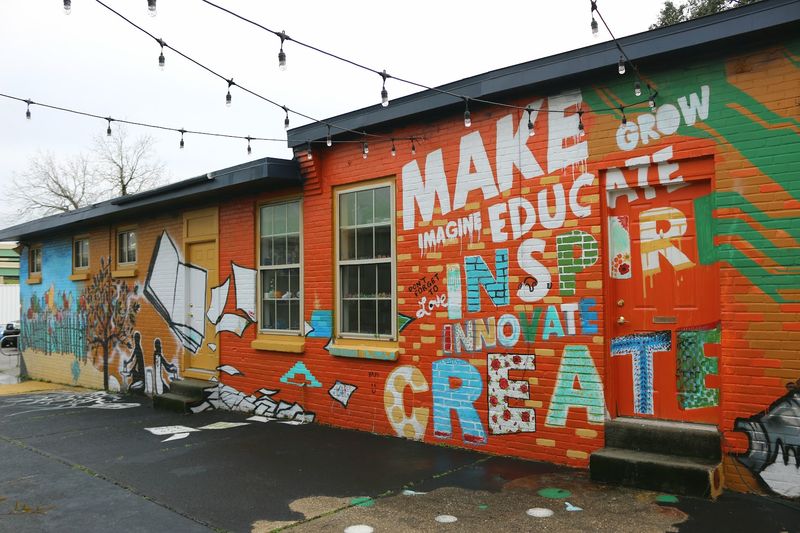
Creative spaces feel better when they also feel lived in, and this one absolutely does.
First City Art Center in Tallahassee, Leon County, blends community spirit with serious making through classes in glass, ceramics, and other visual arts.
I appreciate how the center manages to feel welcoming to casual learners while still supporting artists who want deeper technical growth.
The campus-like setup gives it character, and the variety means you can move from one medium to another without changing your mindset too much.
If you are trying glassblowing or pottery for the first time, sign up early and ask about what to wear, because comfort matters when tools and heat are involved.
There is also a local, neighborly energy here that makes conversations easy, whether you are waiting for a kiln update or comparing projects after class.
Tallahassee suits the center well, since the city mixes student curiosity with a slower, thoughtful pace. Workshops often feel hands-on from the start, which keeps nerves from taking over.
It is the kind of place where experimentation feels normal, and that is a useful lesson by itself.
7. Armory Art Center – Palm Beach County, Florida
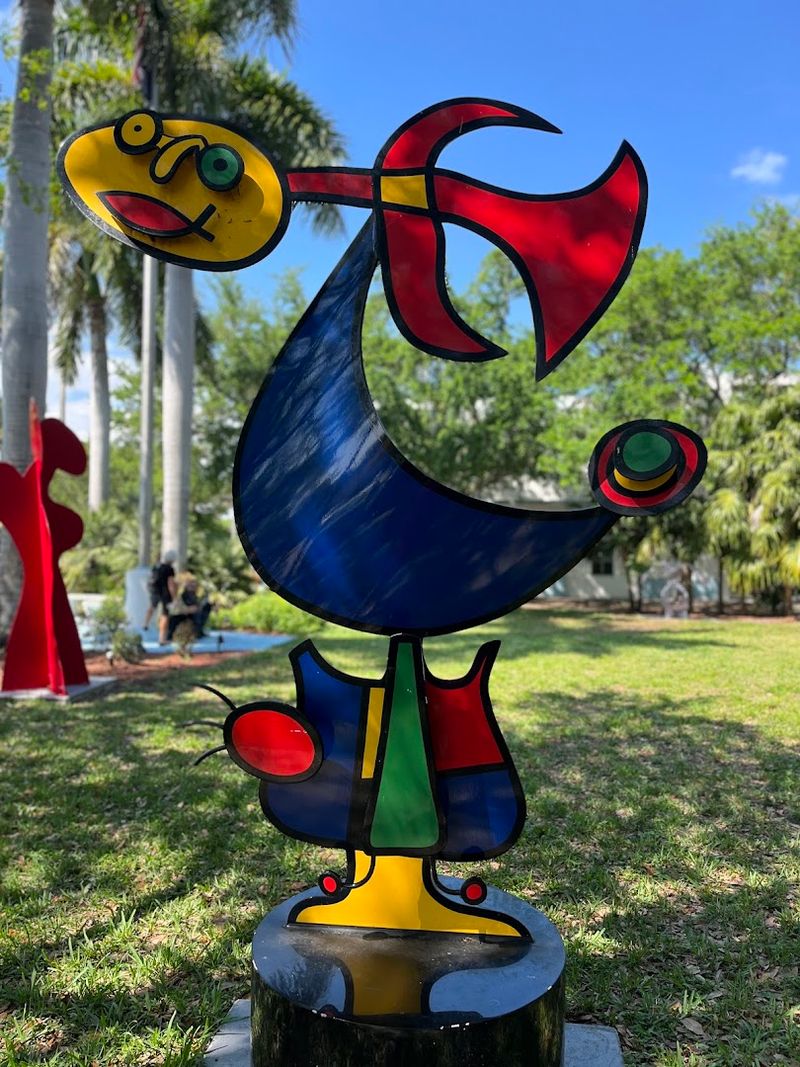
Old buildings often carry creative energy well, and this campus proves the point with style.
Armory Art Center in West Palm Beach, Palm Beach County, offers classes across painting, drawing, sculpture, ceramics, printmaking, and more in a setting that feels both historic and active.
I like that you can arrive with one interest and leave tempted by three others, which is not a bad problem.
The former military structure gives the place architectural personality, yet the teaching atmosphere stays approachable rather than formal.
Class listings cover a wide range of ages and skill levels, so it helps to read course descriptions carefully and choose one that matches how structured you want your experience to be.
If you have time before or after a session, the surrounding West Palm Beach arts scene makes it easy to turn a class into a full cultural afternoon.
What stands out most is the breadth of opportunities without a scattered feeling.
Studios remain focused, instructors seem invested, and the whole place encourages steady progress over pressure.
I can imagine returning here regularly, partly for the art and partly for the pleasant routine it creates.
8. Dunedin Fine Art Center – Pinellas County, Florida
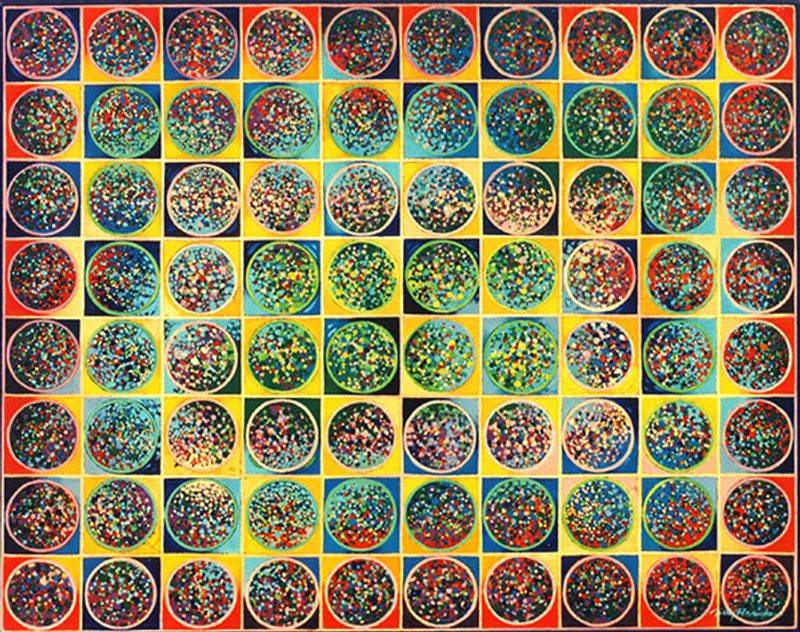
Some places make creativity feel social in the best possible way, and this is one of them.
Dunedin Fine Art Center in Dunedin, Pinellas County, offers classes in painting, drawing, mixed media, jewelry, glass, and more, all wrapped in a community-minded setting.
I like coming across centers where the range is wide but the mood stays grounded, because it helps nervous beginners relax quickly.
The exhibitions add another layer, letting you see finished work while figuring out what kind of class might suit you next.
Course offerings change regularly, so checking the calendar can reveal fun surprises, especially if you are open to trying a medium you had not planned on.
Dunedin itself adds charm, and that easygoing Gulf Coast feel seems to carry right into the classrooms and hallways.
There is also something pleasantly unpretentious about the whole experience.
You can focus on skill building, enjoy the gallery side, and still feel like you are part of a local creative conversation rather than a formal institution.
That balance makes the center memorable, especially if you want art education with a little less stiffness and a little more spark.
9. Boca Raton Museum Art School – Palm Beach County, Florida
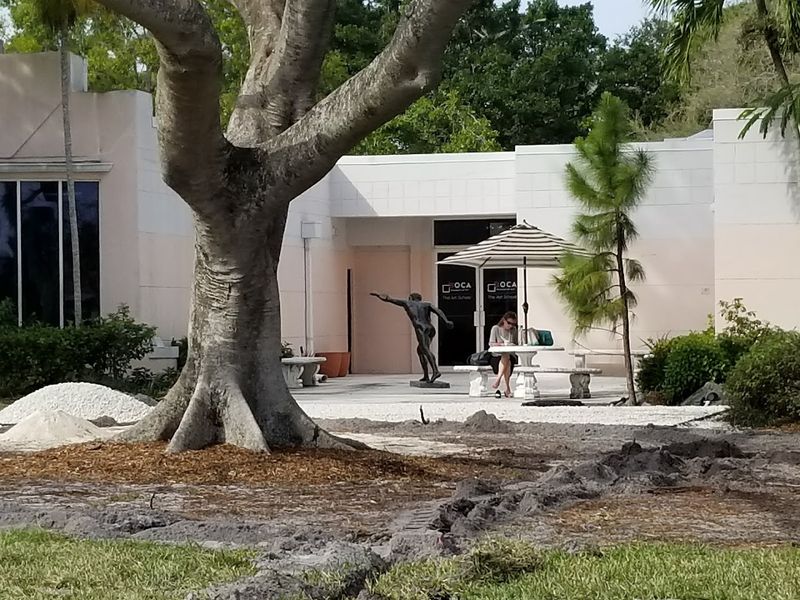
A museum connection can raise expectations, but here it mostly raises curiosity in a useful way.
Boca Raton Museum Art School in Boca Raton, Palm Beach County, offers studio classes tied to a broader art context that includes exhibitions and cultural programming.
I enjoy schools like this because learning a process feels richer when great artworks are already part of the wider conversation.
Courses often include painting, drawing, ceramics, photography, and mixed media, with options for adults, teens, and children.
The setting feels polished, yet the classroom experience remains hands-on and approachable, which matters if you want substance without unnecessary intimidation.
My best tip is to pair a class with time at the museum itself, since seeing finished work before or after making your own can sharpen your eye in surprising ways.
Boca Raton gives the school a clean, coastal backdrop that fits its calm but thoughtful pace.
The teaching environment encourages discipline, but not the joyless kind.
You leave with practical skills, fresh visual references, and maybe a stronger excuse to keep a sketchbook close at hand.
10. The Studios of Key West – Monroe County, Florida
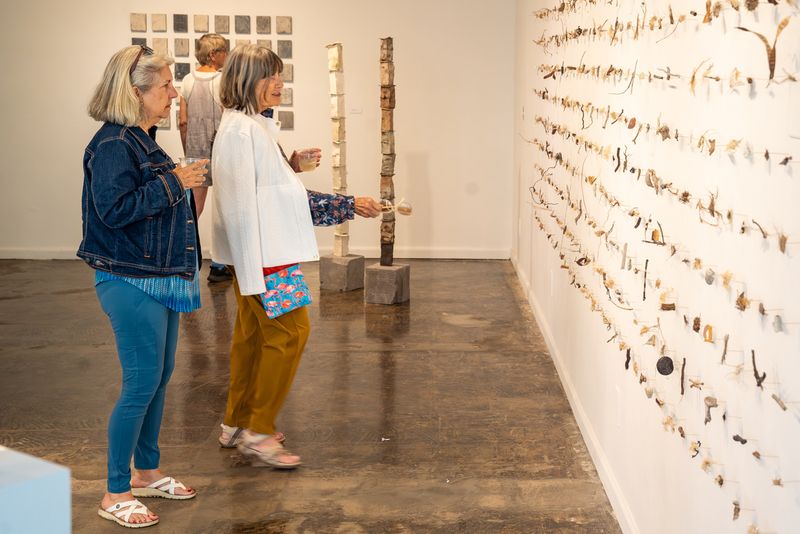
Island light can make almost any creative idea seem a little more possible, and that mood matters here.
The Studios of Key West in Key West, Monroe County, is known for classes, workshops, exhibitions, and artist programs that draw energy from its unusual setting.
I like how the organization blends local character with serious arts programming, so the experience feels rooted rather than generic.
Offerings can include visual art, writing, and multidisciplinary events, which makes it a good choice if you prefer creativity without strict borders.
The historic building adds texture, and the surrounding streets provide enough visual material that even a short walk can feel like part of class.
If you plan a visit, check the schedule closely, because special events, residencies, and seasonal programs can shape the experience in interesting ways.
Key West gives everything an extra layer of color and rhythm, but the school does not lean on scenery alone.
There is thoughtful programming underneath the charm, and that combination is what keeps it compelling.
I would come here for the atmosphere, then stay for the quality of the creative exchange.
11. ArtCenter Manatee – Manatee County, Florida
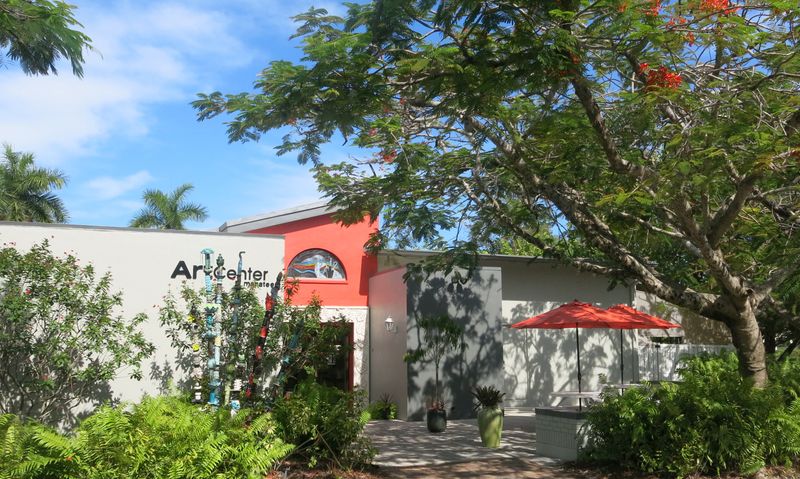
Friendly art spaces are sometimes underestimated, but they often make the best places to actually learn. ArtCenter Manatee in Bradenton, Manatee County, combines exhibitions with classes in painting, drawing, pottery, jewelry, and other studio arts in a setting that feels open and local.
I appreciate centers like this because they remove a lot of the pressure that can keep people from signing up in the first place.
The course range gives you room to test a new medium or return to one you quietly missed, and that flexibility is useful.
Instructors tend to support practical skill building, while the gallery side lets you see how different artists solve visual problems in real time.
If you are visiting Bradenton, this can be an easy cultural stop, especially when you want something creative that does not demand an entire day.
What I remember most is the steady sense of participation, not performance.
People come to make, learn, and share ideas, and that keeps the atmosphere comfortably grounded.
It is the sort of place where a single class can turn into a routine, which is often how the good habits begin.