

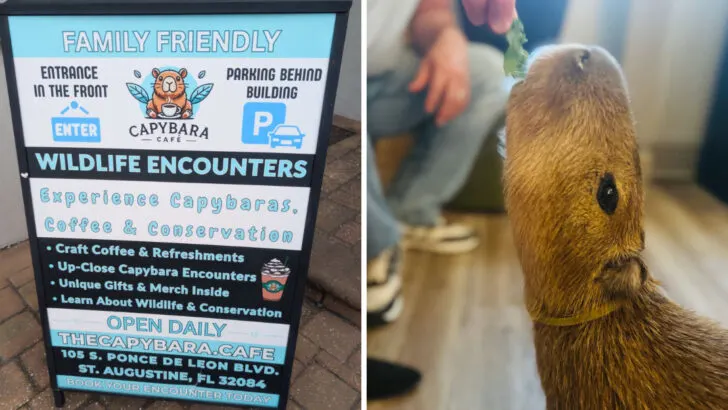
Tucked just minutes from St. Augustine’s historic core, Capybara Café blends hands-on animal encounters with a warm, welcoming vibe that feels like a hidden gem. Expect more than coffee and cute faces, because the real draw is learning, feeding, and gentle interaction with relaxed capybaras and their friends.
Reviews rave about clean spaces, kind educators, and a mission that supports sanctuary care. If you are looking for a unique, memory-making stop that kids and grownups will love, this place delivers.
What the Capybara Café experience actually looks like


Think of this as an encounter-first animal cafe where education, comfort, and calm interaction take center stage. You will arrive at 105 S Ponce De Leon Blvd, check in, and likely start in a pre-encounter area filled with bunnies, goats, a hedgehog, a bearded dragon, and more.
Staff set expectations clearly, answer questions with patience, and share safety tips that make everything feel relaxed.
Encounters range from 30 minutes to a full hour, with small-group formats that keep things stress free for animals. You will feed kale, pet soft fur, and notice the capys’ chill personalities as they munch hay or lean in for gentle scritches.
Educators weave in fun facts about behavior, conservation, and sanctuary partnerships.
Cleanliness stands out, with handwashing stations and tidy rooms that never smell overwhelming. The facility’s layout guides you naturally between spaces, from pre-encounter zones to capybara rooms where free roaming is managed thoughtfully.
You will feel guided without feeling rushed.
Do not expect a noisy coffee shop. Expect a respectful animal cafe designed for calm engagement, photo moments, and meaningful learning.
It is interactive, hands on, and surprisingly serene, which is why so many reviews say it exceeded expectations.
Capybara & Friends Encounter: timing and flow
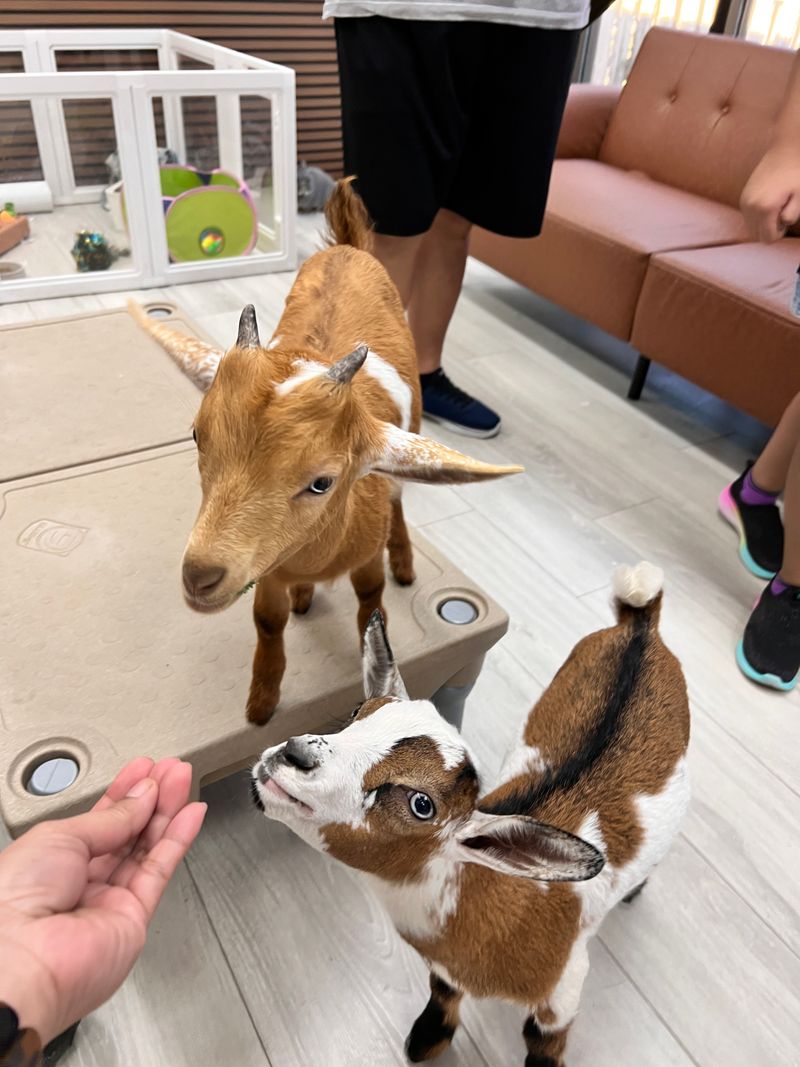
The most popular option is the one hour Capybara & Friends Encounter that layers variety with structure. You typically begin with about 15 minutes in the pre-encounter area, feeding kale to friendly rabbits, goats, ferrets, and more while staff introduce best practices.
It is a perfect warm up for kids and lets everyone settle in.
Next comes 30 minutes with younger capybaras where you will feed, pet, and learn, guided by a knowledgeable host. Then you transition into a second room with older capybaras and select exotic friends like a wallaby, lemur, or skunk.
The pace balances interaction and animal comfort.
Thirty minute capybara-only slots are available if you want a focused taste. Reservations online are recommended, though walk-ins sometimes snag openings.
Group sizes remain small enough for everyone to get hands-on time.
Educators keep things moving with questions and quick facts, while also watching body language so animals get breaks. Photos are encouraged when it is safe to do so, and you may get a group shot before wrapping.
The flow feels intentional, respectful, and memorable, with time used efficiently from start to finish.
Animal care, ethics, and sanctuary connection
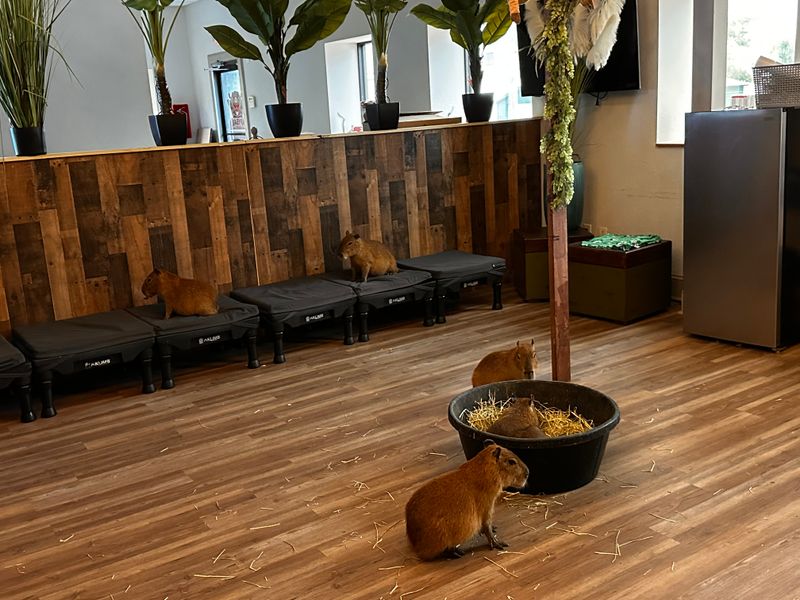
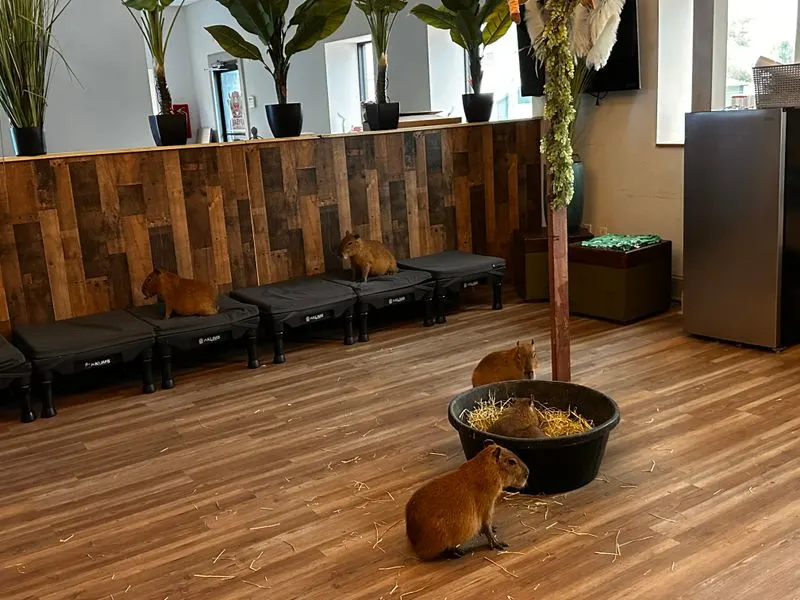
Capybara Café partners with licensed rescue and sanctuary organizations, with frequent mentions of Noah’s Ark Sanctuary supporting the mission. Staff emphasize welfare-first practices, from small groups to choice-based interactions and clear boundaries.
You will notice how calm the animals are, a sign of good husbandry and predictable routines.
The team answers ethics questions directly, including sourcing and anti-trafficking policies. Encounters prioritize animal comfort over nonstop handling, and educators redirect when animals choose hay or rest.
This balance keeps experiences positive and sustainable.
Clean spaces, regular sanitizing, and controlled feeding support health. Guidance on sitting still and offering open hands helps reduce stress.
You are part of the welfare plan when you listen, pause, and let animals come to you.
Purchases and tickets help fund ongoing care and rescue work, which adds meaning to your visit. When reviews praise the intention behind the experience, this is what they feel.
The cafe’s model blends joy, education, and real support for animal ambassadors, making every reservation a vote for ethical encounters done right.
Practical planning: hours, parking, and reservations
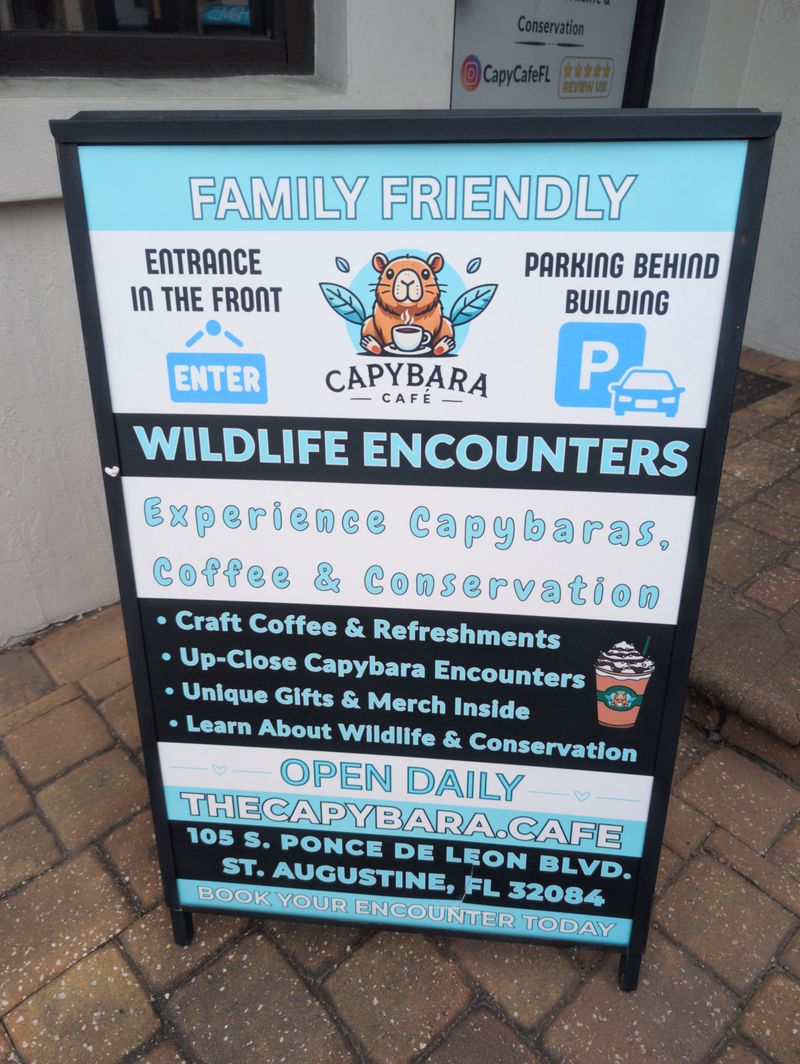
Capybara Café is typically open 10 AM to 5 PM most days, with Friday until 6 PM and Saturday until 7 PM, plus 9 AM Saturday start. Check the website for current hours and seasonal changes before you go.
Popular times sell out, so booking online early is smart.
Parking can be tight around 105 S Ponce De Leon Blvd. There is a lot behind the building, but it fills quickly on weekends and holidays. Arriving 20 to 30 minutes early helps you find a spot and enjoy the pre-encounter animals.
Plan clothing that goats will not nibble easily and shoes that handle a little hay. Rings and dangly accessories can attract curious sniffs, so keep it simple.
Bring a phone with space for photos and arrive hydrated.
If your schedule is flexible, weekday mornings can be quieter. For groups, confirm capacity and policies in advance.
And if you are celebrating a birthday or special occasion, let staff know so they can help capture a keepsake photo at the end.
Kid friendly, grownup approved
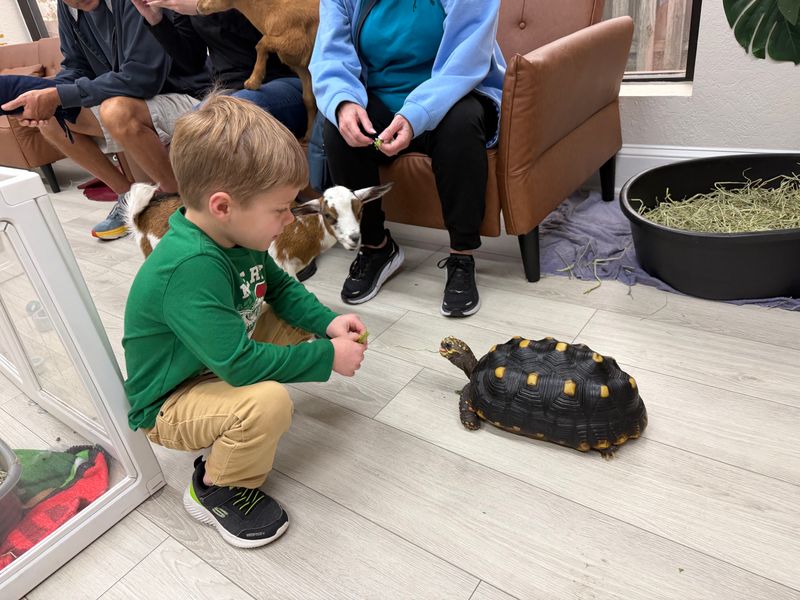
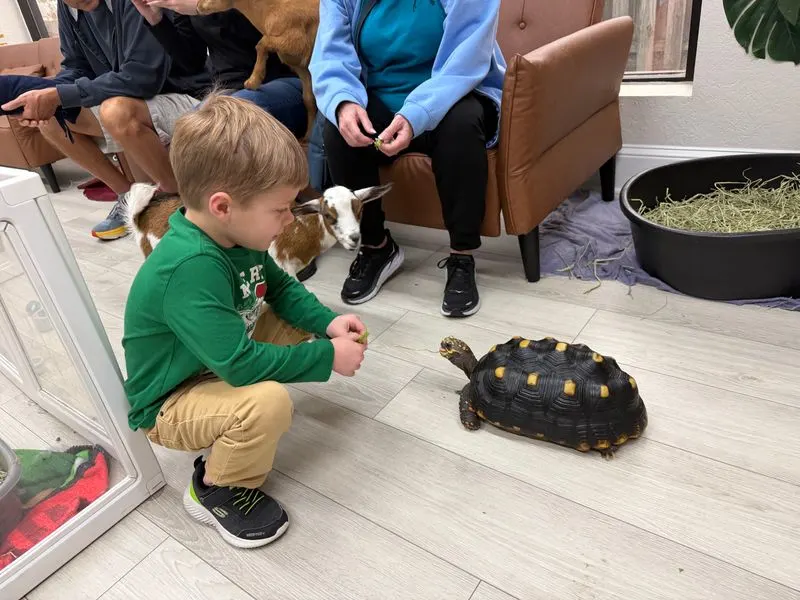
This is a rare spot where kids, teens, and adults all stay engaged. The pre-encounter room feels like a miniature discovery zone, with kale feeding and soft introductions that build confidence.
Educators are great at pacing and giving everyone turns.
For younger kids, the sit-and-let-them-come-to-you approach keeps interactions calm. Capybaras are gentle when guided by staff, and you will learn to read cues like chirps and stillness.
It is an interactive science lesson disguised as adorable fun.
Adults tend to appreciate the cleanliness, clear rules, and conservation message. Short sessions make it easy to plan around beach time or historic district explorations.
The vibe is low pressure and photo friendly without feeling staged.
Families say the value lands in the quality of time, not just quantity. If a capy chooses hay over humans for a minute, it is a teachable moment about respect.
You will leave with smarter animal instincts and a new favorite Florida memory.
Meeting the stars: capybara behavior 101
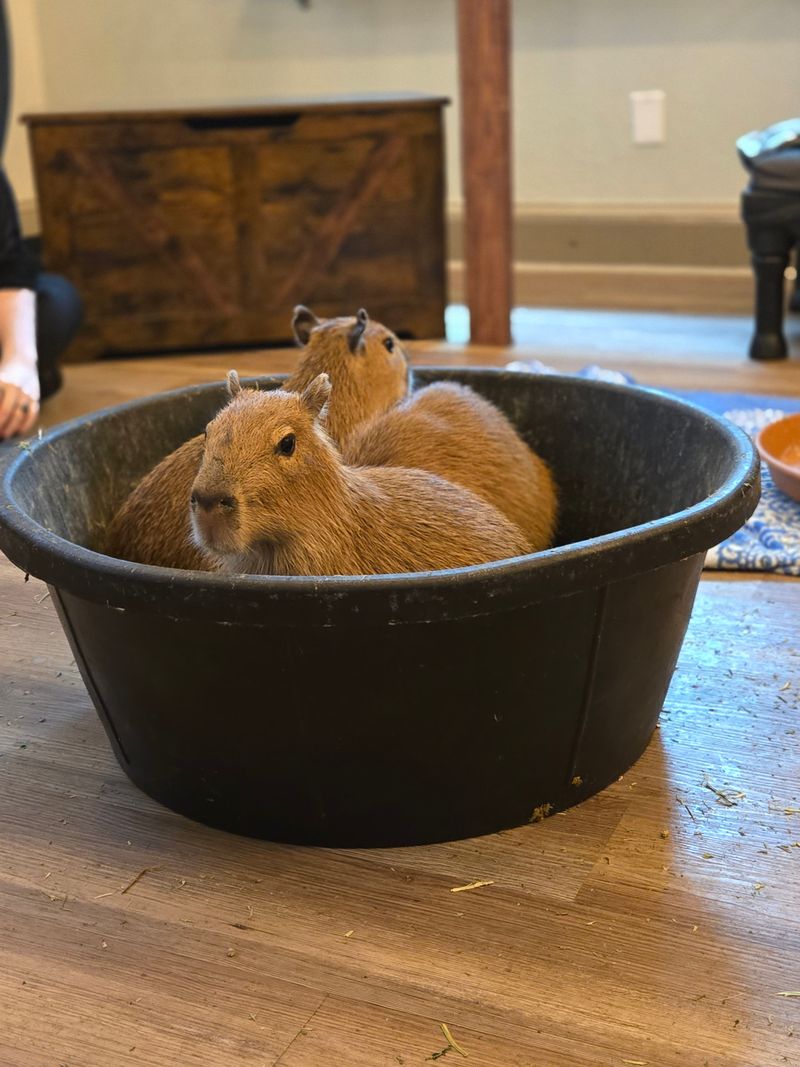
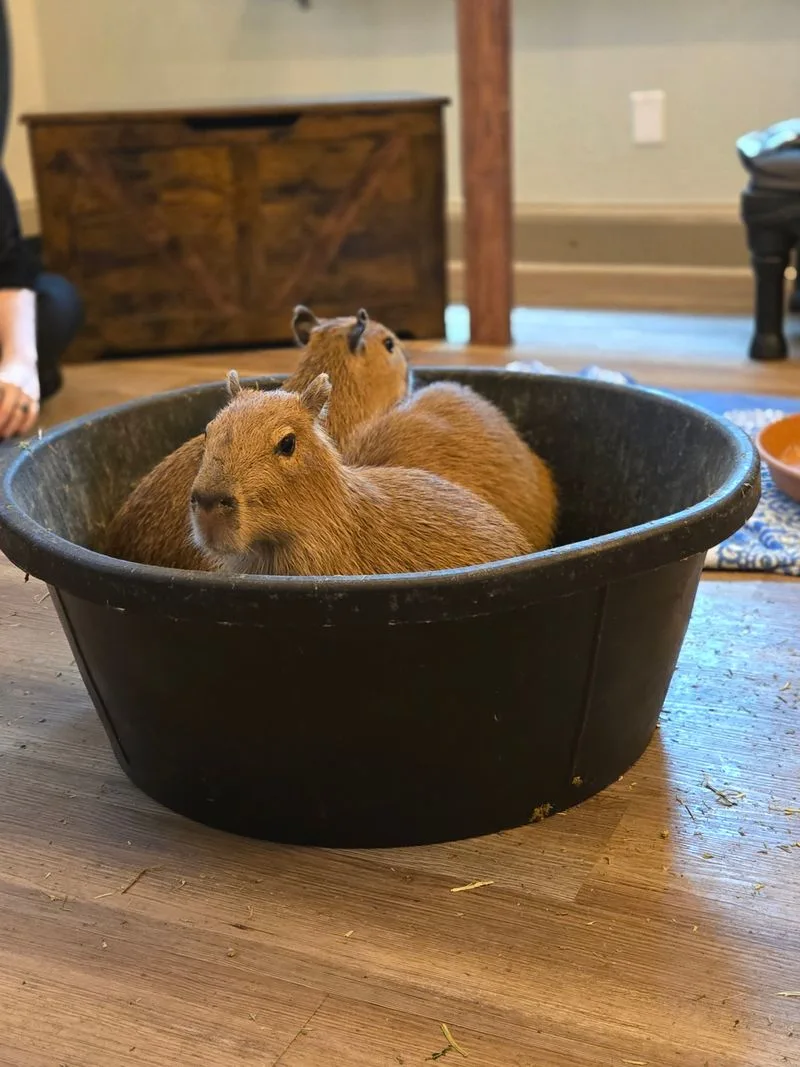
Capybaras are social, semi-aquatic rodents known for chill temperaments and expressive sounds. At the cafe, you will see subtle communication cues like soft chirps, teeth chattering, or relaxed loafing.
Educators explain how touch should be slow, low, and respectful.
Food motivates, so offering kale can invite gentle approaches. You will often sit in one spot so capys can choose you, which prevents crowding.
Their coarse yet soft fur, round noses, and big paws make every close-up feel magical.
Expect moments of curiosity, then breaks as they return to hay or water. The cafe normalizes that rhythm so animals stay comfortable.
When a capy leans or sits nearby, it is a small trust moment worth savoring.
Photos work best at eye level with quiet movement. Listen for educator cues and ask questions about diet, lifespan, and enrichment.
You will leave knowing more than you expected about the world’s largest rodent and why respectful contact matters.
Beyond capys: friends you might meet
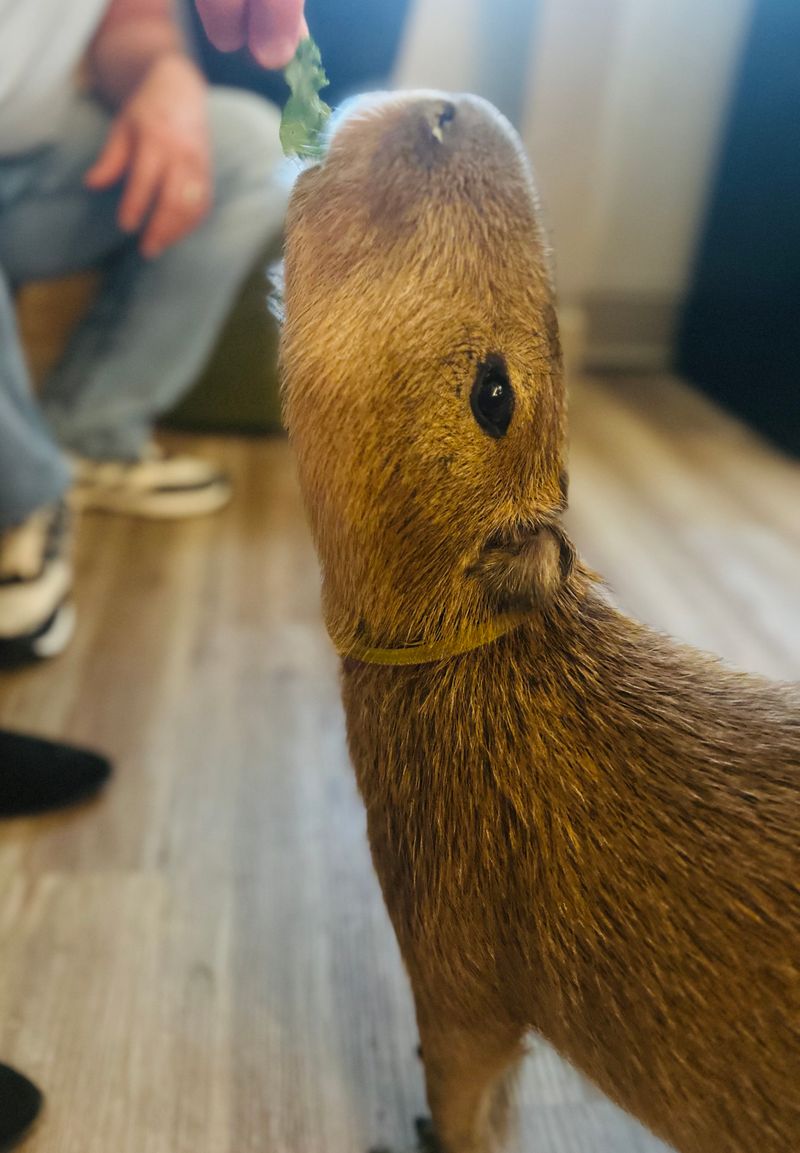
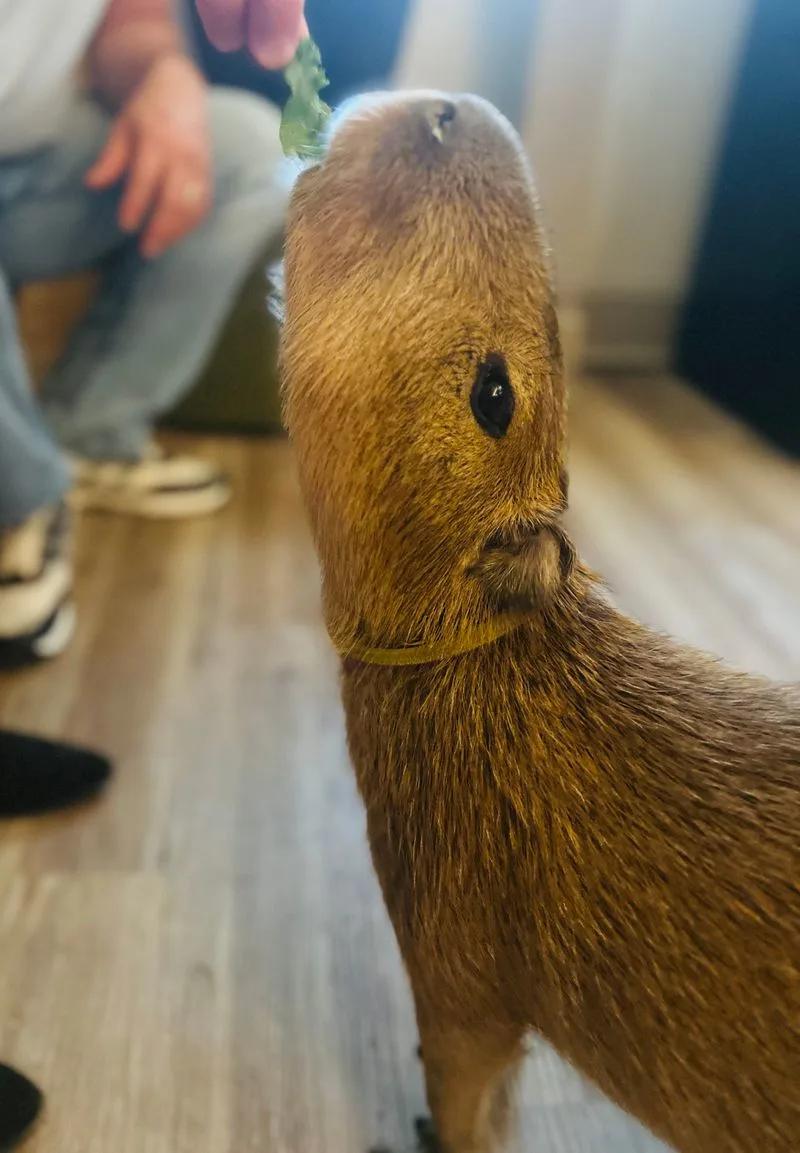
Part of the magic is variety. In the pre-encounter area you may meet goats, bunnies, guinea pigs, ferrets, a hedgehog, a bearded dragon, and sometimes a turtle or macaw.
During some sessions, the friends room can include a wallaby, lemur, or skunk.
The team explains each animal’s story, habitat, and handling rules. You will practice open palms, slow approaches, and brief touches where appropriate.
Some animals are look-do not-touch or educator-handled only.
Feeding kale becomes a unifying activity that gets everyone smiling. It is easy to move from awe to curiosity as you compare behaviors, textures, and personalities.
The mix keeps the hour dynamic without overwhelming the animals.
Expect the roster to change based on animal needs and schedules. If you have must-see hopes, ask at booking, but stay flexible for welfare-first callouts.
No matter the lineup, you will walk away with a fuller understanding of diverse species and responsible interactions.
Cost, value, and how to choose your session
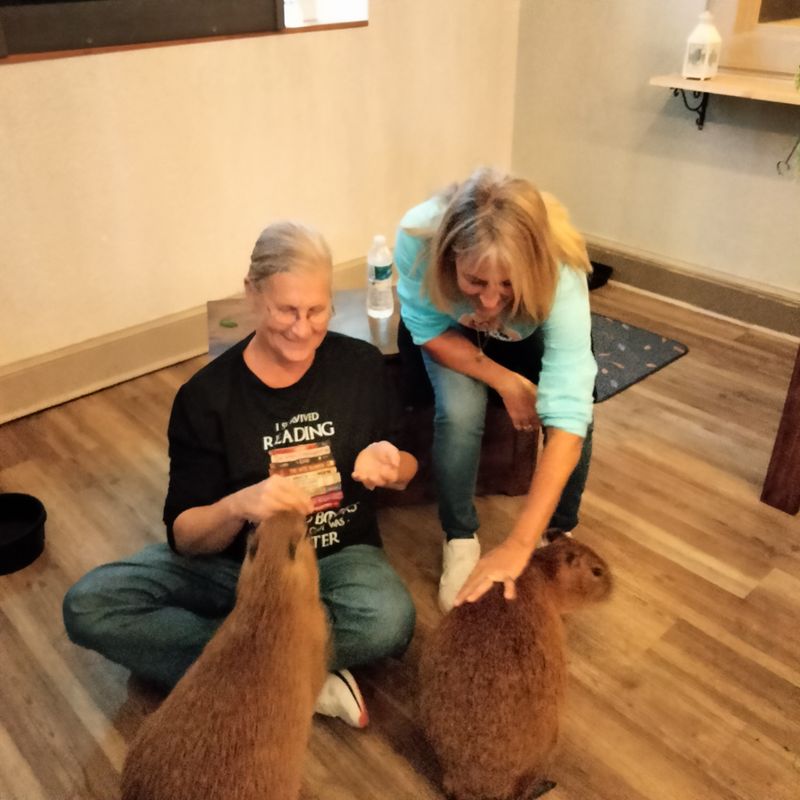
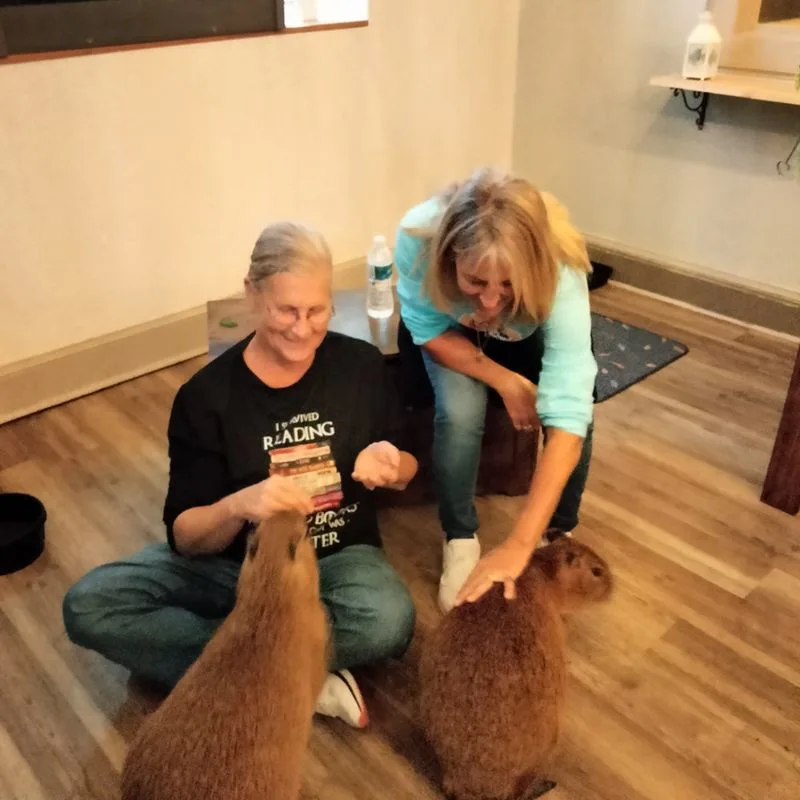
Pricing varies by encounter type and duration, with the 30 minute capybara session and the one hour Capybara & Friends Encounter as most mentioned. Families say the value comes from small groups, educator quality, and the ability to feed and pet calmly.
It is an experiential splurge that feels memorable rather than rushed.
Choose 30 minutes if you want focused capy time or you are testing attention spans. Pick the hour if you want variety, more education, and two capybaras age groups.
Either way, book online in advance to lock preferred times.
Consider weekday mornings for more availability and a quieter atmosphere. If budget is tight, skip extras and focus on the core encounter.
Gift shop items rotate, so check back on future visits.
Ultimately, the best value is the session that matches your group’s energy and curiosity level. Read recent reviews to calibrate expectations around interaction timing.
When you plan well, you will exit feeling like you paid for something genuinely special.
Insider etiquette: getting the most animal time
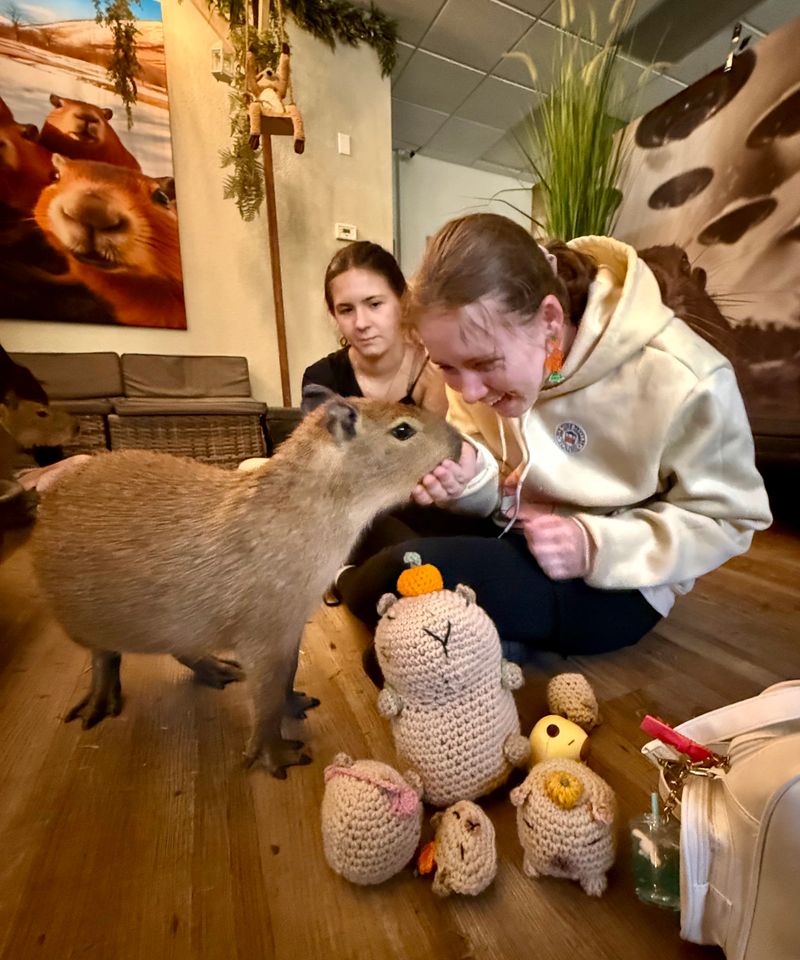
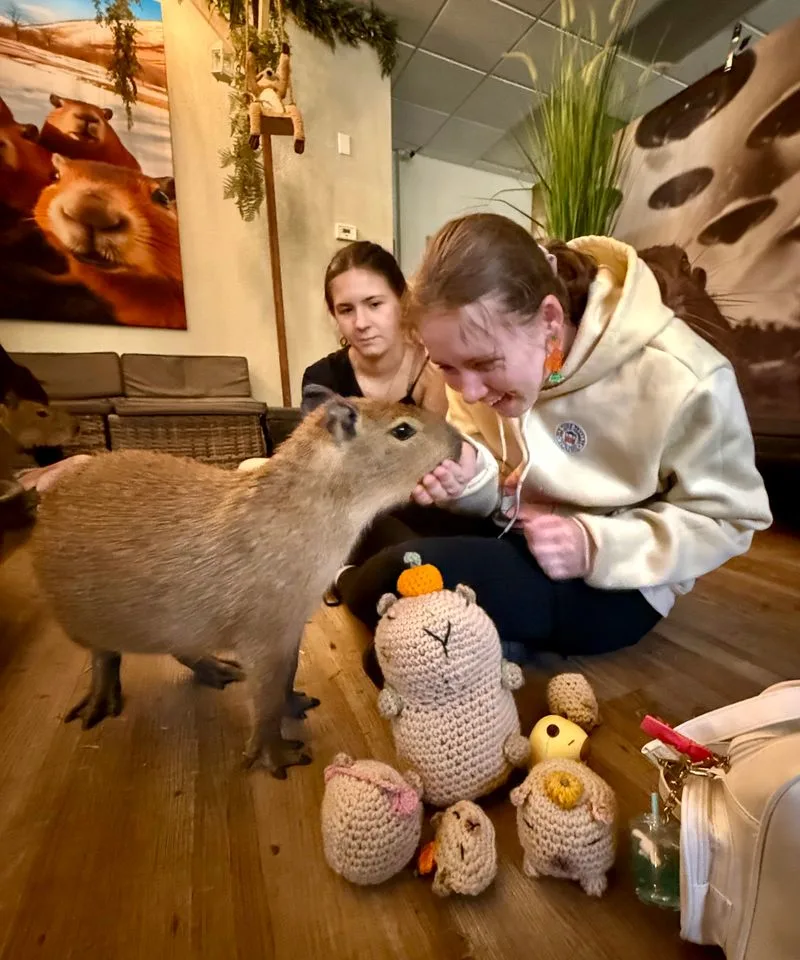
Arrive early, wash hands, and listen to the educator’s briefing. Sit calmly, keep voices soft, and let animals approach on their terms.
Offer kale with an open palm at lap height so capys do not need to stretch.
Avoid chasing, leaning over, or cornering animals. If a capy walks away, give space and try again later.
Follow camera etiquette so flash and sudden movements do not interrupt the vibe.
Leave dangling jewelry at home and do not wear loose knits goats can nibble. Keep bags tucked away to prevent tripping or curious rummaging.
Ask before touching any non-capy animals, since some are educator-handled only.
Most of all, be present. You will get more genuine moments by moving slower and watching body language.
The best photos often happen after you settle, when a capy decides you are worth a closer sniff.
Location, contact, and quick facts
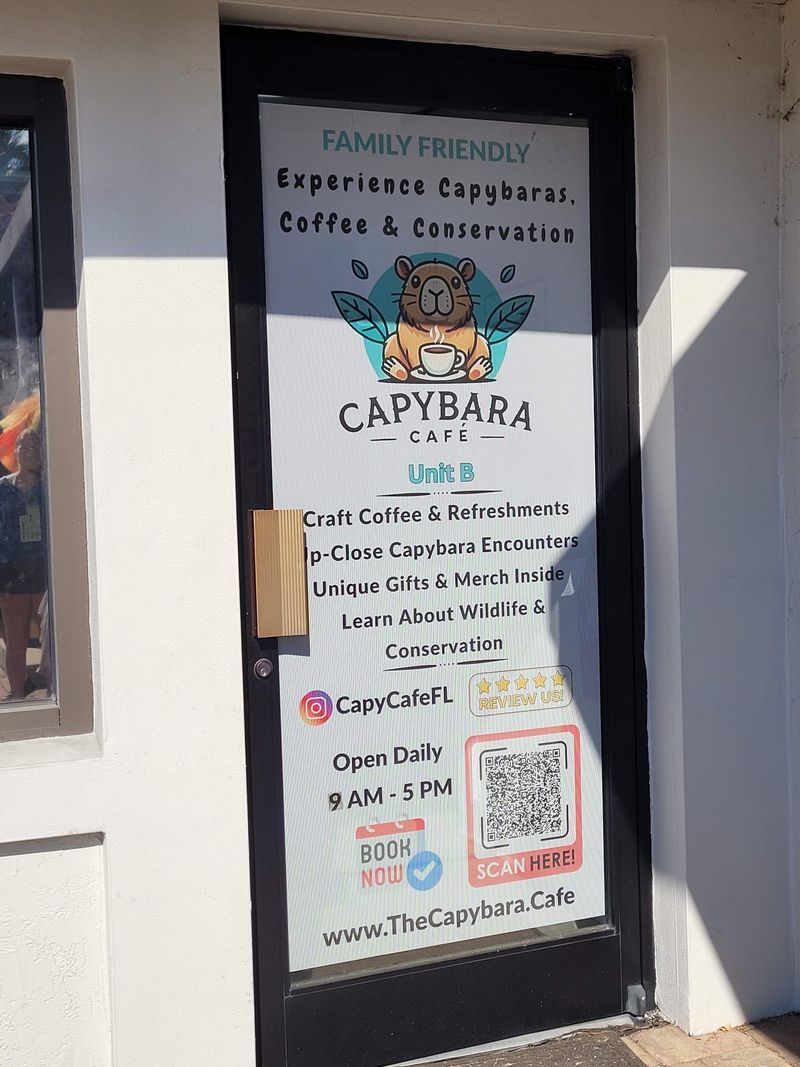
You will find Capybara Café at 105 S Ponce De Leon Blvd Suite B,C, St. Augustine, FL 32084, near the historic district’s attractions. Call +1 386-346-1058 or visit thecapybaracafe.com to book and confirm hours.
The Google Maps pin sits at 29.8904217, -81.3244268.
It is rated around 4.7 stars across more than a thousand reviews, with praise for cleanliness, knowledgeable staff, and ethical care. Hours generally run 10 AM to 5 PM most days, later Friday and Saturday.
Always check day-of updates online.
Popular topics in reviews include guide quality, feeding, 30 minute sessions, educational content, and exotic friends like wallaby and goats. Expect small-group formats that keep encounters smooth.
Walk-ins may be lucky, but reservations win.
Plan parking early, embrace a calm mindset, and bring curiosity. You will leave with new facts, adorable photos, and a deeper respect for these gentle giants.
For families, couples, and solo travelers, it is a standout St. Augustine experience.