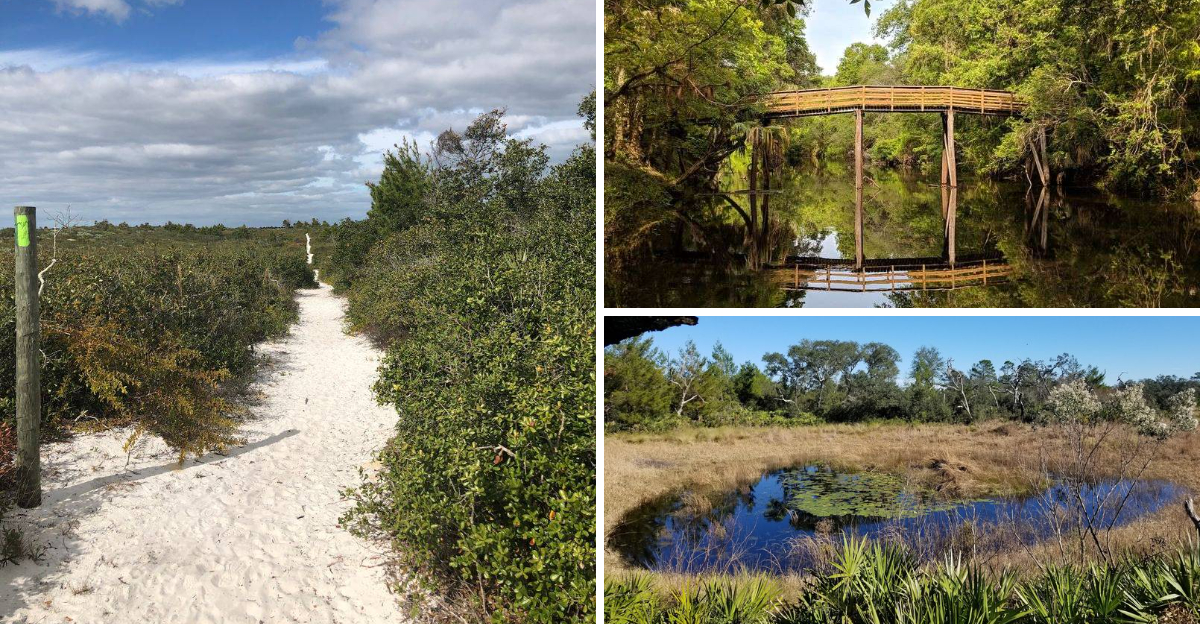
Florida has a wild side that deserves far more attention than its beaches!
Away from the crowded shores, hiking trails lead into shady forests, sprawling prairies, mysterious swamps, and quiet wetlands where the scenery can feel worlds away from the Florida many visitors know.
Some trails climb surprising bluffs above rushing rivers, while others wind through ancient cypress trees or open onto wide stretches of untouched wilderness.
Crystal-clear springs add another layer of magic, offering cool water and peaceful places to pause along the way.
From wildlife encounters to hidden viewpoints, these hikes show just how wonderfully unpredictable Florida can be.
Lace up your shoes, leave the beach towel behind, and get ready to discover ten trails that reveal a side of the Sunshine State you may never have expected.
Torreya State Park – Bristol
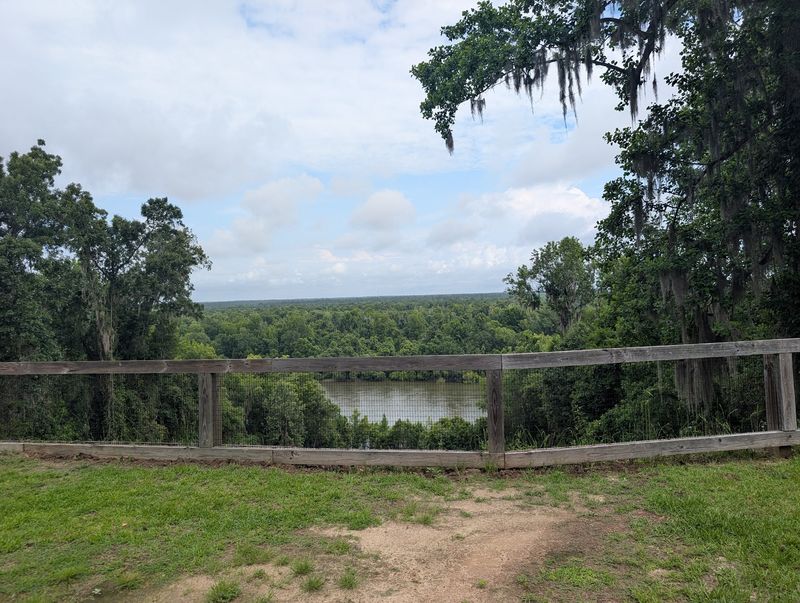
Perched high above the Apalachicola River, Torreya State Park might make you forget you’re still in Florida. The River Bluff Loop takes hikers through terrain that feels transported from the Appalachian Mountains, complete with steep ravines, rushing streams, and dramatic overlooks.
Hardwood forests blanket the slopes, creating shaded corridors that stay cooler even during summer months. The elevation changes here are rare for Florida, giving your legs a real workout as you climb and descend through the rugged landscape.
Along the way, keep your eyes open for the Florida torreya tree, one of the rarest and most endangered conifers in North America.
Fun fact: Only about 600 Florida torreya trees remain in the wild, making this park one of the few places where you can still spot them. The combination of challenging terrain, unique plant life, and stunning river views makes Torreya a must-visit destination.
Pack plenty of water because the climbs can be demanding, especially if you’re used to Florida’s typically flat trails.
Paynes Prairie Preserve State Park – Micanopy
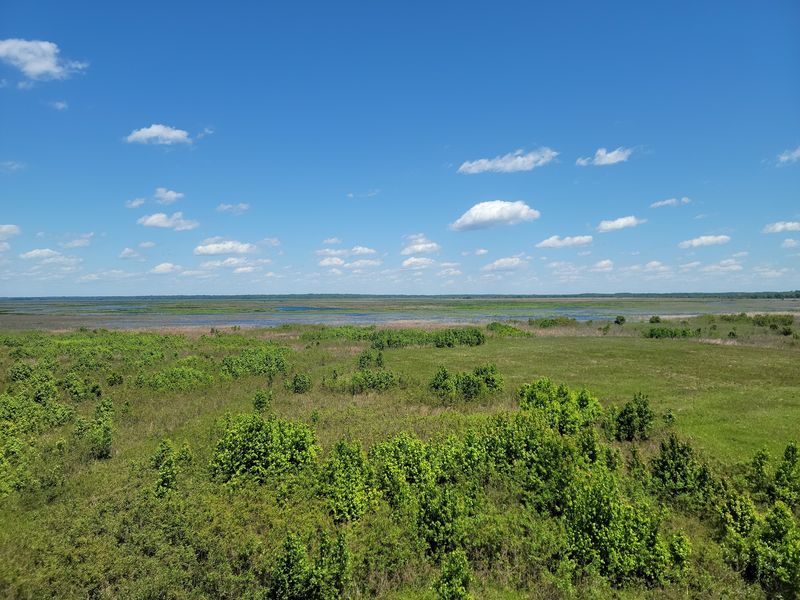
Imagine stepping into a landscape where wild bison roam freely and horses graze beneath Florida sunshine. Paynes Prairie offers exactly that kind of wilderness experience, trading beach postcards for something far more unexpected.
The Bolen Bluff Trail guides you from shady hardwood hammocks into vast open prairie, where wildlife sightings become the main attraction.
Alligators sunbathe near wetland edges while deer browse through tall grasses. Hundreds of bird species call this preserve home, from sandhill cranes to herons.
The prairie itself stretches wide and flat, creating horizons that seem impossible in a state known for dense forests and coastal development.
Binoculars become your best friend here because animals often appear as distant shapes across the grassland. The preserve protects over 21,000 acres, giving wildlife plenty of space to live naturally.
Morning hikes often produce the best animal encounters when creatures are most active. Whether you spot a bison herd or catch sight of a rare bird, Paynes Prairie proves Florida’s wild side remains alive and thriving.
Myakka River State Park – Sarasota
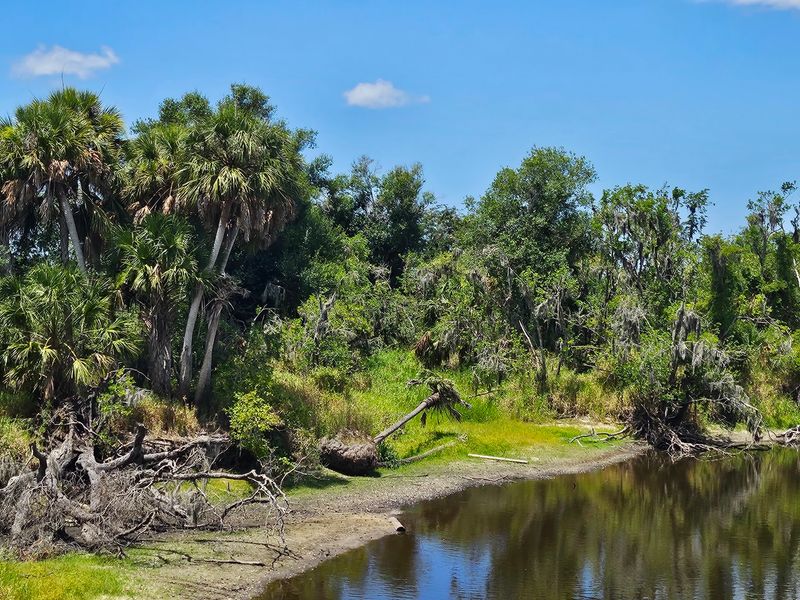
Sprawling across 58 square miles, Myakka River State Park proves that Sarasota has far more to offer than its famous coastline. Wetlands, prairies, and palm-dotted hammocks create a patchwork of ecosystems that feel worlds away from nearby condos and resorts.
The park’s trail system ranges from the challenging 38.9-mile Myakka Trail to shorter options like the William S. Boylston Nature Trail.
First-time visitors often start with the easier routes to get a feel for the landscape. Alligators glide through dark waters while wading birds stalk fish in shallow wetlands.
The canopy walkway and observation tower add unique perspectives, letting you see the park from above the treetops.
Photographers love the golden hour here when sunlight filters through palm fronds and reflects off still water. The park remains relatively quiet compared to Florida’s crowded beaches, making it perfect for those seeking solitude.
Remember to bring insect repellent because mosquitoes can be fierce near wetland areas. Whether you tackle the long trail or stick to shorter paths, Myakka delivers genuine wilderness without requiring hours of driving.
Fakahatchee Strand Preserve State Park – Copeland
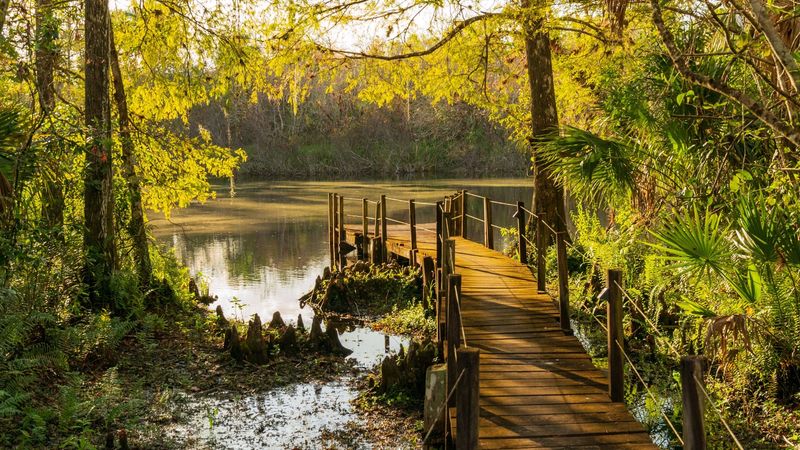
Walking into Fakahatchee Strand feels like entering a forgotten jungle where time moves differently. The Big Cypress Bend Boardwalk offers an accessible introduction to this swampy wonderland, where massive cypress trees rise from dark water and orchids cling to branches overhead.
Air plants and bromeliads create hanging gardens in the canopy above.
For adventurers ready to go deeper, the East Main and West Main trams lead into true wilderness. These old logging roads now serve as hiking routes through cypress forests and marl prairies that few people ever see.
The preserve protects the largest concentration of native orchids in North America, though spotting them requires patience and a sharp eye.
Did you know this is the only place in the world where bald cypress and royal palms grow together naturally? The combination creates a unique landscape found nowhere else.
Water levels change with seasons, sometimes flooding trails and other times leaving them passable. Always check conditions before visiting, and consider wearing water shoes since some routes involve wading through shallow water.
Hillsborough River State Park – Thonotosassa
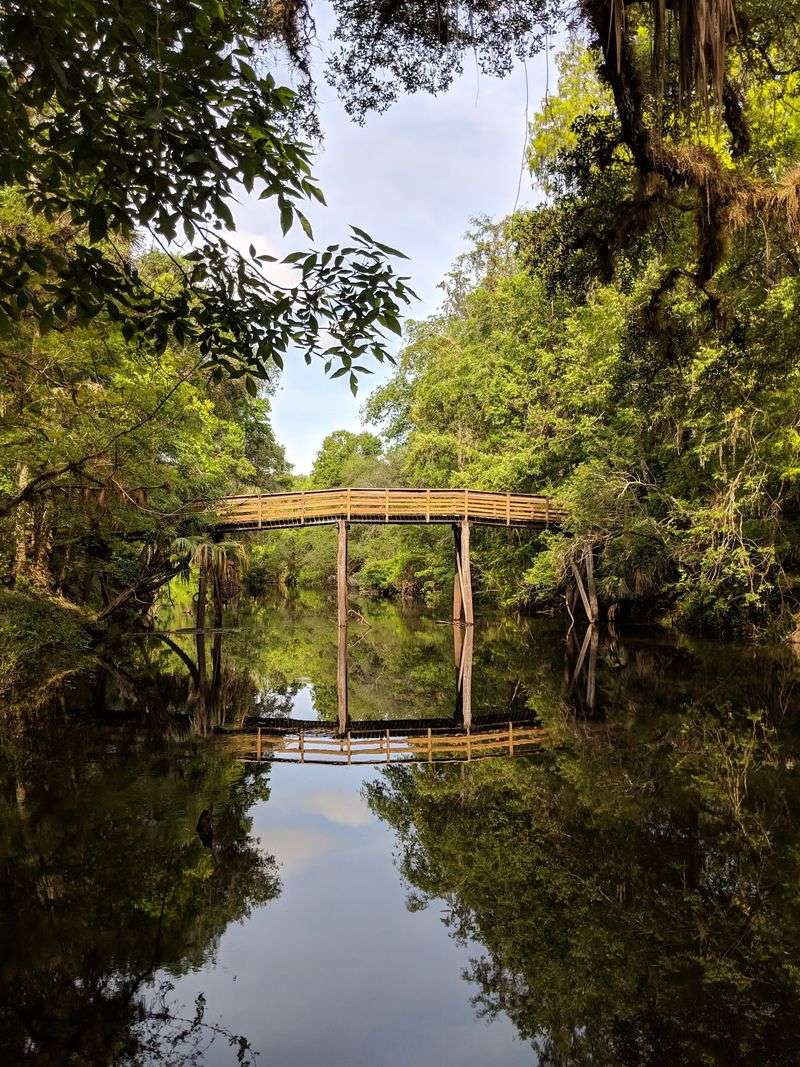
Located just beyond Tampa’s urban sprawl, Hillsborough River State Park surprises visitors with its wild character. Shaded forest trails wind alongside the river, crossing wetlands and passing through environments that seem far removed from nearby highways and shopping centers.
The park even features Class II rapids, a rarity in Florida that adds rushing water sounds to your hiking soundtrack.
The Wetlands Trail and Fort King Trail combine natural beauty with historical significance. Fort King once stood here during the Seminole Wars, and reconstructed buildings help tell that story.
Tree canopy provides welcome shade during hot months, keeping temperatures more comfortable than open prairie hikes.
Always verify trail conditions before your visit because seasonal flooding can close routes temporarily. River levels rise and fall with rainfall, sometimes making wetland areas impassable.
Spring and fall typically offer the best hiking conditions with lower water and milder temperatures. The park proves you don’t need to drive hours into remote wilderness to find genuine natural beauty.
Pack a lunch and plan to spend several hours exploring the various trails and historical sites scattered throughout this riverside sanctuary.
Jonathan Dickinson State Park – Hobe Sound
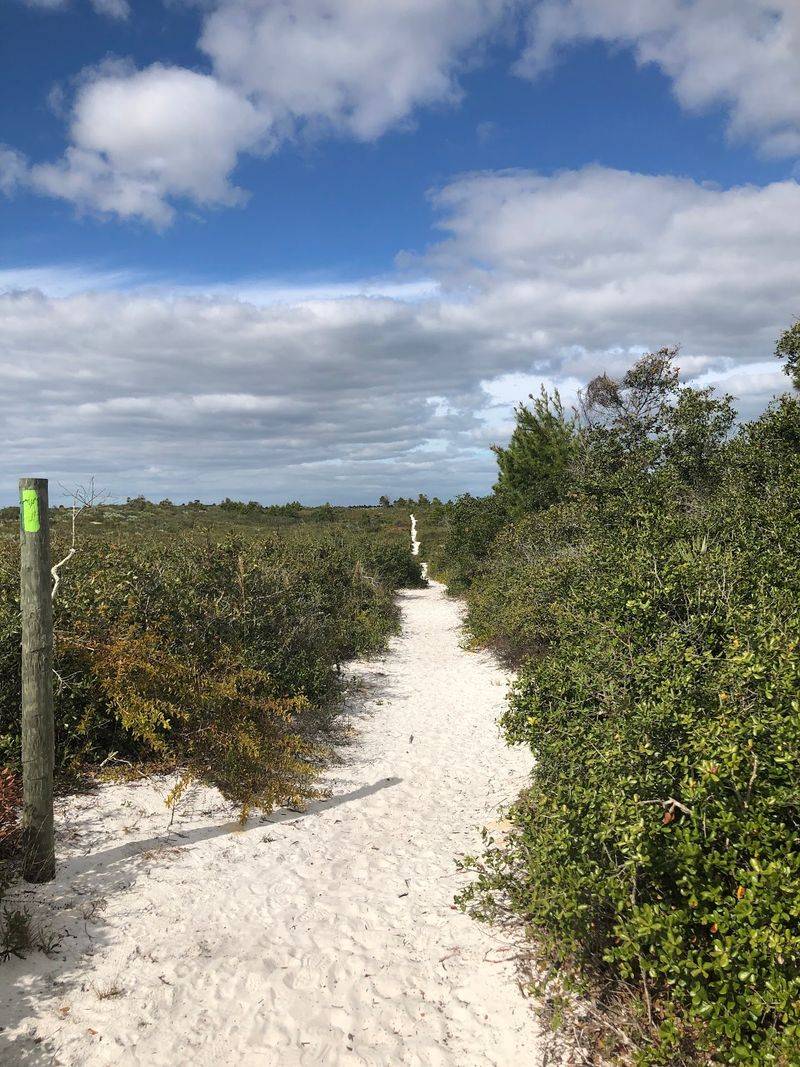
South Florida hiking doesn’t get better than Jonathan Dickinson State Park, where 16 distinct natural communities create incredible diversity. Trails meander through scrub, pine flatwoods, river habitats, and wetlands, each ecosystem supporting different plants and animals.
The landscape shifts constantly, keeping hikers engaged as they move between environments.
Hobe Mountain steals the show despite being an ancient sand dune rather than a true mountain. A short climb brings you to an observation tower perched atop this unusual geological feature.
From the top, views stretch across the surrounding wilderness, offering perspectives you simply can’t get anywhere else in the region.
The park name honors a shipwreck survivor whose 1696 journal documented his experiences here. That historical connection adds depth to your modern hiking adventure.
The Loxahatchee River winds through the preserve, creating opportunities for combining hiking with paddling if you’re feeling ambitious. Wildlife abounds throughout the park, from gopher tortoises to white-tailed deer.
Plan extra time because the variety of trails and environments make it hard to see everything in one visit. Each season brings different wildflowers and bird migrations, making repeat trips worthwhile.
Wekiwa Springs State Park – Apopka
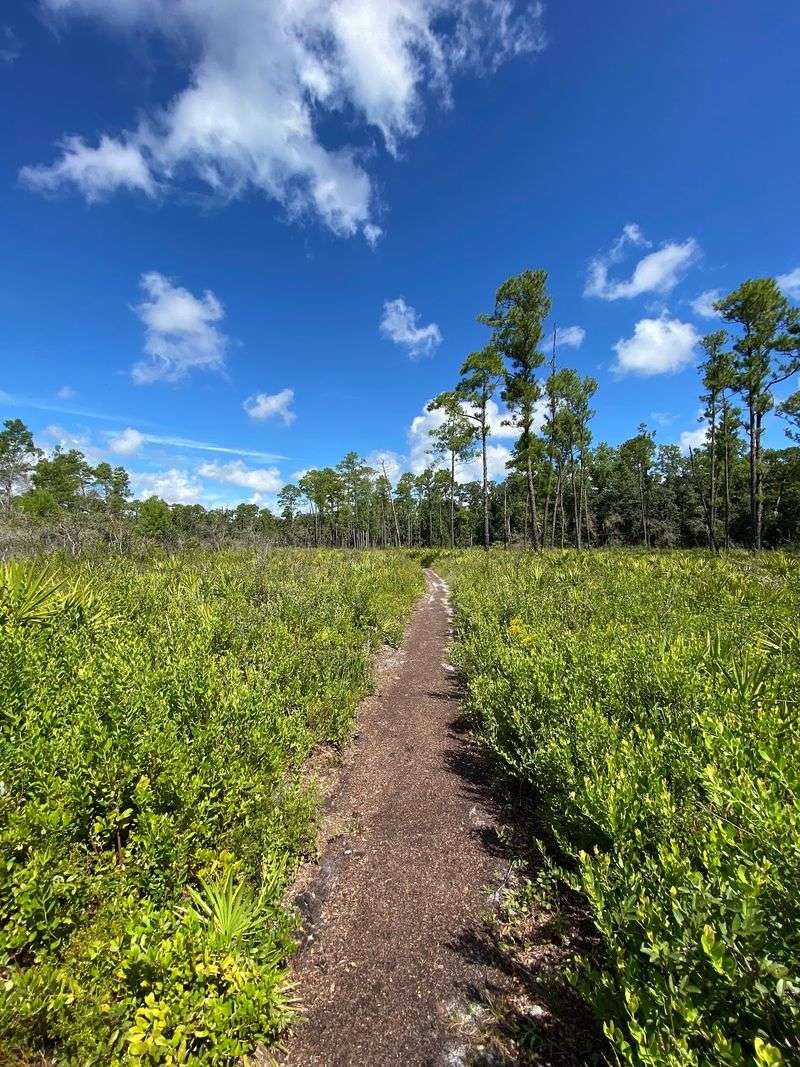
Crystal-clear springs meet surprisingly rugged wilderness at Wekiwa Springs State Park, located just outside Orlando’s theme park madness. The main trail stretches 13.5 miles through environments that shift dramatically, from river swamps to dry sandhill forests.
Shorter boardwalk options give less ambitious hikers a taste of the spring landscape without committing to the full distance.
Wildlife encounters happen regularly here because the park protects enough acreage for animals to thrive naturally. Deer browse near trail edges while wild turkeys strut through clearings.
Gopher tortoises dig burrows in sandy areas, and bobcats occasionally cross paths with lucky hikers. Florida black bears also live here, making this one of the few places near Orlando where you might spot these magnificent creatures.
The spring itself pumps 42 million gallons of water daily, maintaining a constant 72-degree temperature year-round. After a hot hike, that cool water feels absolutely perfect for a refreshing swim.
The combination of pristine springs and wild hiking makes Wekiwa unique among Florida parks. Remember to bring bear safety knowledge since encounters, while rare, remain possible in this relatively wild corner of Central Florida.
Ocala National Forest – Juniper Prairie Wilderness
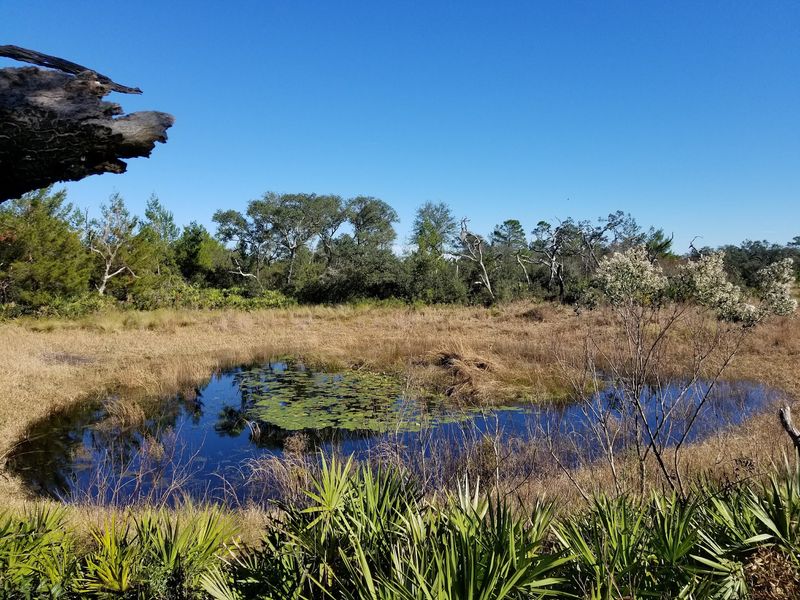
For hikers seeking serious wilderness immersion, Ocala National Forest delivers exactly that experience. The Florida Trail cuts through this vast preserve, passing sand pine forests, pine flatwoods, open prairies, and the protected Juniper Prairie Wilderness.
Springs bubble up in unexpected locations, creating oases that attract wildlife and refresh weary hikers.
Unlike state parks with modern facilities, this national forest maintains a wilder character. You won’t find crowded parking lots or groomed trails here.
Instead, expect sandy paths, primitive camping areas, and genuine solitude. The Juniper Prairie Wilderness designation means no vehicles or bikes, preserving peace for those traveling on foot.
Ponds dot the landscape, some crystal clear and others dark with tannins. Each supports different fish, birds, and aquatic plants.
The forest canopy opens and closes as you hike, alternating between shaded corridors and sun-drenched prairies. Longer sections of the Florida Trail pass through here, making it popular with backpackers attempting multi-day treks.
Day hikers can still access shorter segments for a taste of the wilderness without camping overnight. Always carry plenty of water because natural sources may not be safe to drink without treatment.
St. Sebastian River Preserve State Park – Fellsmere
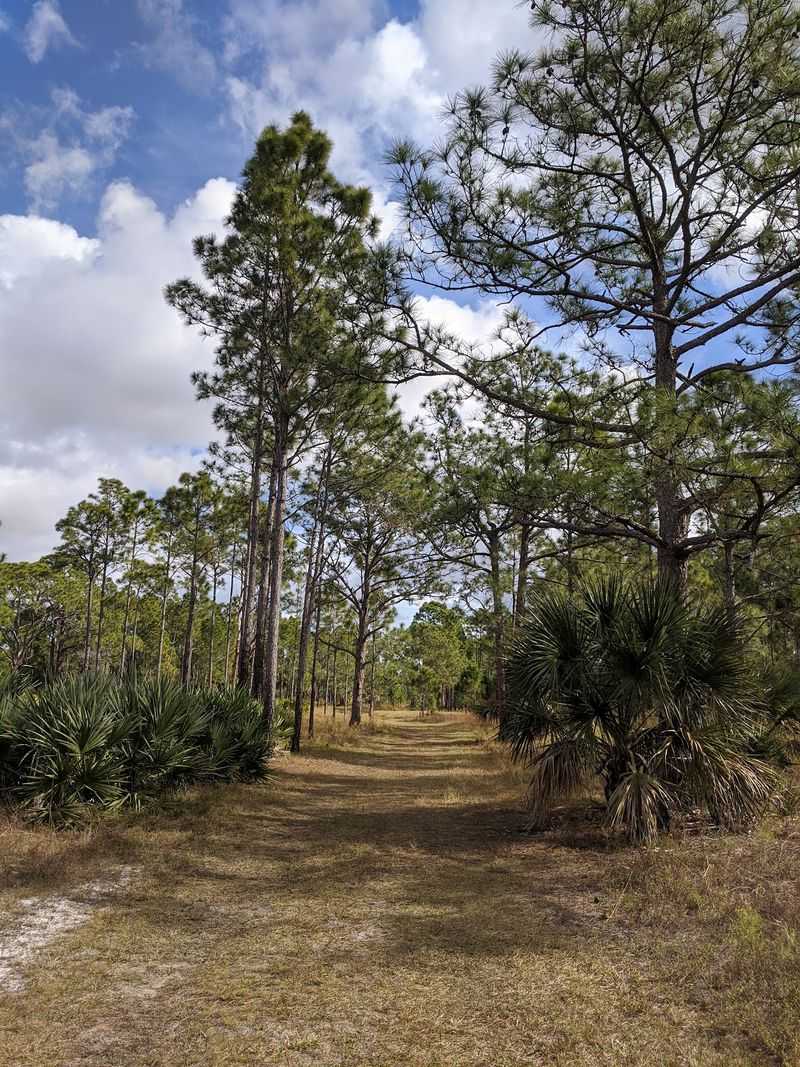
Quieter than famous parks but equally impressive, St. Sebastian River Preserve protects classic Florida ecosystems without tourist crowds. Longleaf pine forests tower overhead, their long needles filtering sunlight onto the forest floor below.
Oak hammocks create shaded pockets where temperatures drop and different plants thrive. Wet prairies stretch between higher ground, supporting grasses and wildflowers adapted to seasonal flooding.
Miles of trails wind through these varied habitats, giving hikers plenty of options for different distances and difficulty levels. Cypress stands add variety to the landscape, their distinctive knees poking up from shallow water.
Wildlife watching opportunities abound because animals here aren’t used to constant human presence like in busier parks.
The preserve’s location near Fellsmere keeps it off most tourist radar, despite offering exceptional hiking. That obscurity becomes an advantage for anyone seeking peaceful natural experiences.
Bird diversity particularly impresses, with species ranging from woodpeckers to wading birds to raptors. Seasonal changes transform the landscape, with wildflowers blooming in spring and fall migrations bringing temporary bird residents.
The lack of facilities means bringing everything you need, but that small inconvenience pays off with genuine solitude and unspoiled scenery.
Fanning Springs State Park – Fanning Springs
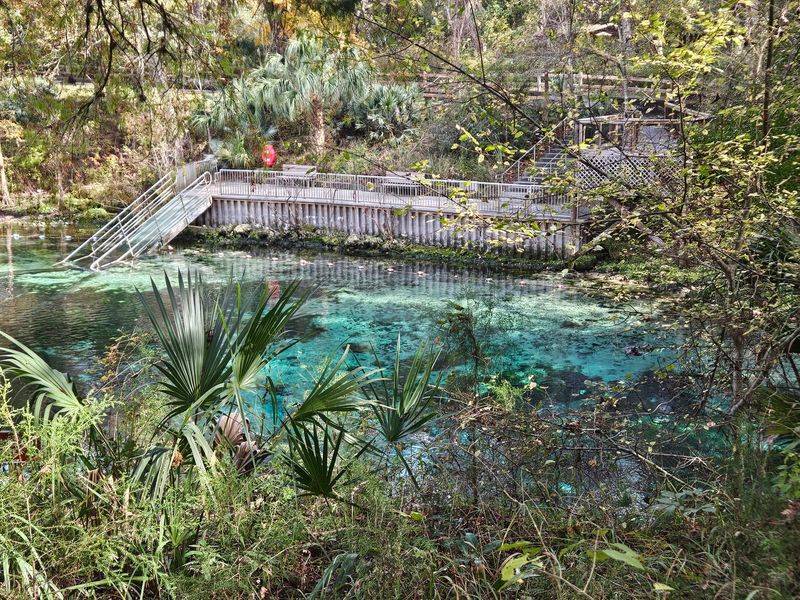
Not every great hike needs to be long or difficult, and Fanning Springs proves that point perfectly. The short nature trail here winds through mature mixed hardwood and pine forest, creating a peaceful walk suitable for all fitness levels.
What makes this trail special are the sinkholes and depressions scattered throughout, offering visible evidence of Florida’s distinctive karst geology.
Underground limestone slowly dissolves over thousands of years, creating voids that sometimes collapse into sinkholes. Walking among these formations gives you a geology lesson without reading a textbook.
The spring itself pumps beautifully clear water that flows into the Suwannee River nearby. That crystal water creates stunning turquoise pools that look almost tropical.
Families often choose this park because the trail distance doesn’t overwhelm young children. The combination of forest scenery, geological features, and spring swimming makes it easy to spend several hours here despite the short trail.
Old-growth trees provide welcome shade, and the forest feels cool and quiet compared to open prairie hikes. After walking the trail, most visitors enjoy swimming in the spring’s constant 72-degree water.
The gentle experience here offers a perfect counterbalance to Florida’s more demanding wilderness hikes.