
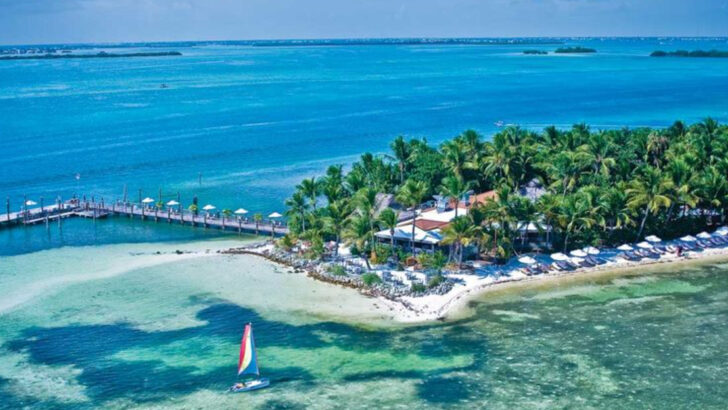
Florida is famous for its stunning islands, and the best part is that many of them don’t require a boat ride to reach.
From the legendary Florida Keys to hidden Gulf Coast gems, you can explore some truly spectacular destinations by simply hopping in your car.
Whether you’re chasing crystal-clear waters, historic downtowns, or wildlife encounters, these islands deliver it all without a single ferry ticket.
Pack your bags and hit the road — adventure is just a bridge away.
Key Largo
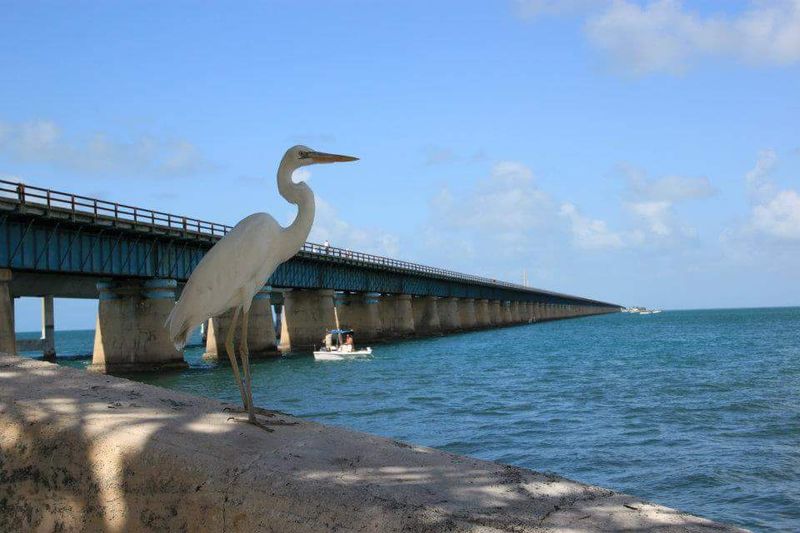
Pull up to Key Largo and you’ll instantly understand why people call it the gateway to paradise. As the northernmost island in the Florida Keys, it’s the first taste of that laid-back island life you get when heading south on the Overseas Highway from the mainland.
John Pennekamp Coral Reef State Park is the crown jewel here, offering snorkeling and glass-bottom boat tours above some of the most stunning coral formations in North America. The park protects about 70 nautical square miles of ocean, making it a bucket-list stop for underwater enthusiasts of any skill level.
Beyond the water, Key Largo has a string of casual waterfront restaurants where fresh seafood is always on the menu. Try the conch fritters or a grilled mahi sandwich while watching pelicans cruise past the docks.
The drive down is scenic in its own right, with mangroves lining the road and glimpses of sparkling bay water popping up between the trees. Key Largo sets the tone perfectly for any Keys road trip.
Islamorada
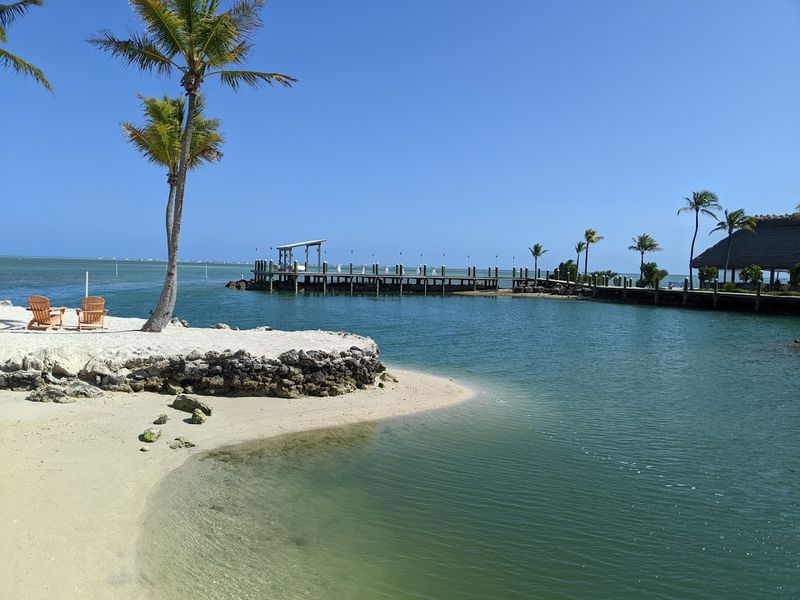
There’s a reason anglers from around the world make a pilgrimage to Islamorada — this stretch of islands holds the proud title of “Sportfishing Capital of the World.” The waters surrounding these connected keys teem with tarpon, bonefish, and sailfish, drawing serious fishing enthusiasts year after year.
You drive straight in on U.S. 1, crossing a series of low bridges with sweeping views of both the Atlantic Ocean and Florida Bay. The scenery alone is worth the trip, especially during golden hour when the water turns shades of copper and rose that look almost too beautiful to be real.
Beyond fishing, Islamorada has a surprisingly lively food and arts scene. The Rain Barrel Artisan Village is a quirky local favorite, filled with handmade jewelry, pottery, and sculptures.
Robbie’s Marina is another must-stop, where you can hand-feed massive tarpon right from the dock — a wild and memorable experience for kids and adults alike. Oceanfront restaurants like Morada Bay Beach Cafe let you dig your toes in the sand while enjoying fresh Florida lobster.
Islamorada rewards visitors who take their time exploring.
Marathon (Vaca Key)
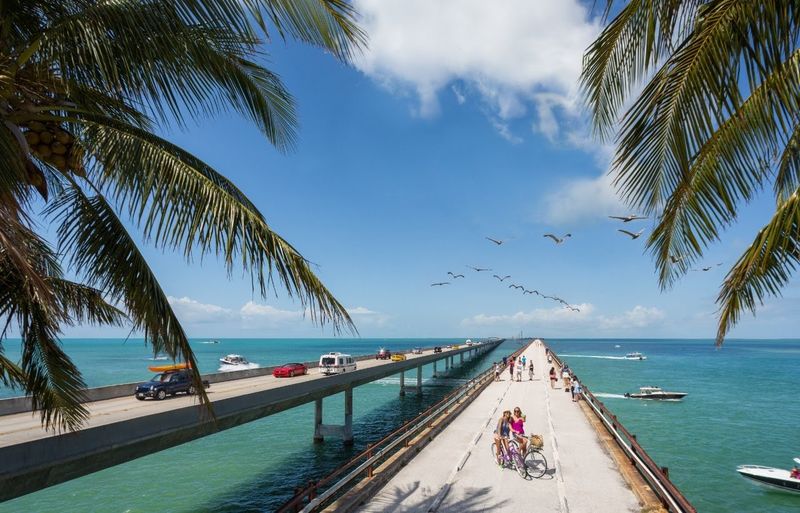
Sitting right in the heart of the Florida Keys, Marathon is the kind of place where the journey is just as thrilling as the destination. The Seven Mile Bridge, one of the longest bridges in the world, carries drivers across shimmering open water on the approach — it’s a genuinely jaw-dropping experience that never gets old.
Marathon is spread across Vaca Key and several nearby islands, all stitched together by bridges. Sombrero Beach is a local favorite, offering calm, clear water perfect for swimming and picnicking without the heavy tourist crowds found further south.
Families especially love how relaxed and accessible the beach feels.
Animal lovers shouldn’t miss the Turtle Hospital, a working rescue facility where injured sea turtles receive medical care before being released back into the wild. Educational tours run daily, giving visitors an up-close look at the rehabilitation process.
The Dolphin Research Center is another popular stop nearby. Marathon also has a solid selection of casual seafood restaurants, dive shops, and boat rental outfitters.
Whether you’re here for adventure or just want to slow down and soak up the Keys atmosphere, Marathon delivers a satisfying mid-Keys experience.
Key West
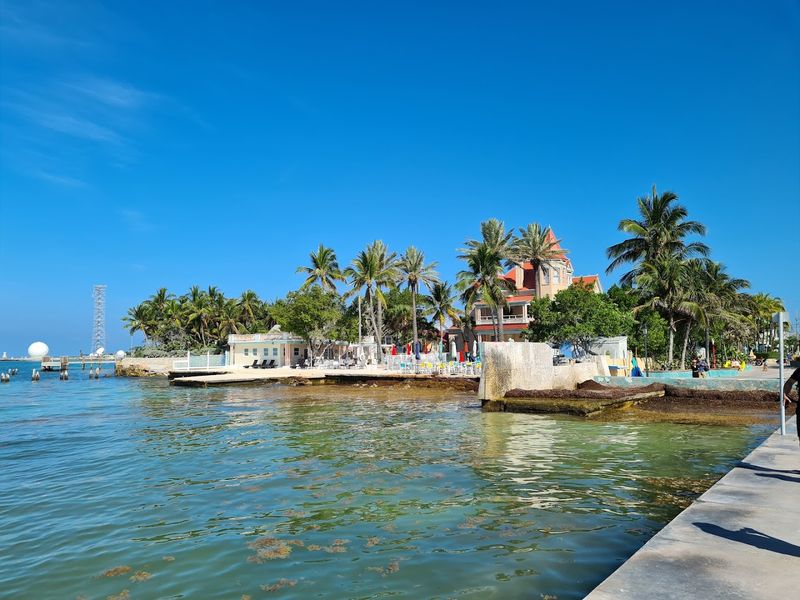
At the very end of the Overseas Highway, where the road finally runs out of land, sits Key West — one of the most iconic island destinations in the entire United States. Reaching it entirely by car is an achievement that feels earned, especially after crossing dozens of bridges with nothing but ocean on both sides.
The city packs an enormous amount of personality into a small space. Duval Street buzzes with energy day and night, lined with bars, galleries, restaurants, and souvenir shops.
The Ernest Hemingway Home and Museum draws literary fans from around the world, while the six-toed cats that roam the property have become celebrities in their own right.
Sunsets at Mallory Square are practically a religious experience here. Every evening, crowds gather at the waterfront to watch the sun drop into the Gulf of Mexico while street performers entertain the crowd.
The Historic Seaport District is perfect for a morning stroll, with fishing boats and sailboats bobbing quietly in the harbor. Key West also boasts outstanding food — from Cuban-influenced dishes to fresh stone crab claws.
It’s a road trip ending that genuinely lives up to the hype.
Sanibel Island
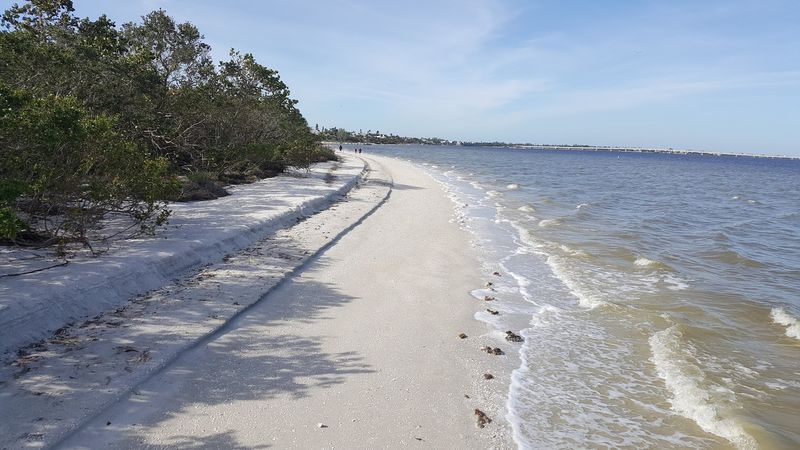
Shelling enthusiasts will tell you that Sanibel Island is practically a dream come true. The island’s unusual east-west orientation causes shells to wash ashore in extraordinary quantities, and beachcombers can be spotted at dawn doing what locals call the “Sanibel Stoop” — hunched over, eyes scanning the sand for prized finds.
Getting here means crossing the Sanibel Causeway from Fort Myers, a scenic three-bridge stretch that offers gorgeous views of San Carlos Bay. The toll is a small price to pay for what awaits on the other side.
Once on the island, the pace slows considerably — no traffic lights, strict building height restrictions, and a culture that genuinely values nature over development.
The J.N. “Ding” Darling National Wildlife Refuge covers more than half the island and is one of the most visited wildlife refuges in the country. Manatees, roseate spoonbills, ospreys, and alligators all call it home.
A network of bike paths makes exploring easy and eco-friendly. Sanibel also has excellent dining options ranging from casual fish shacks to upscale waterfront restaurants.
It’s an island that rewards slow travel and curious minds equally.
Captiva Island
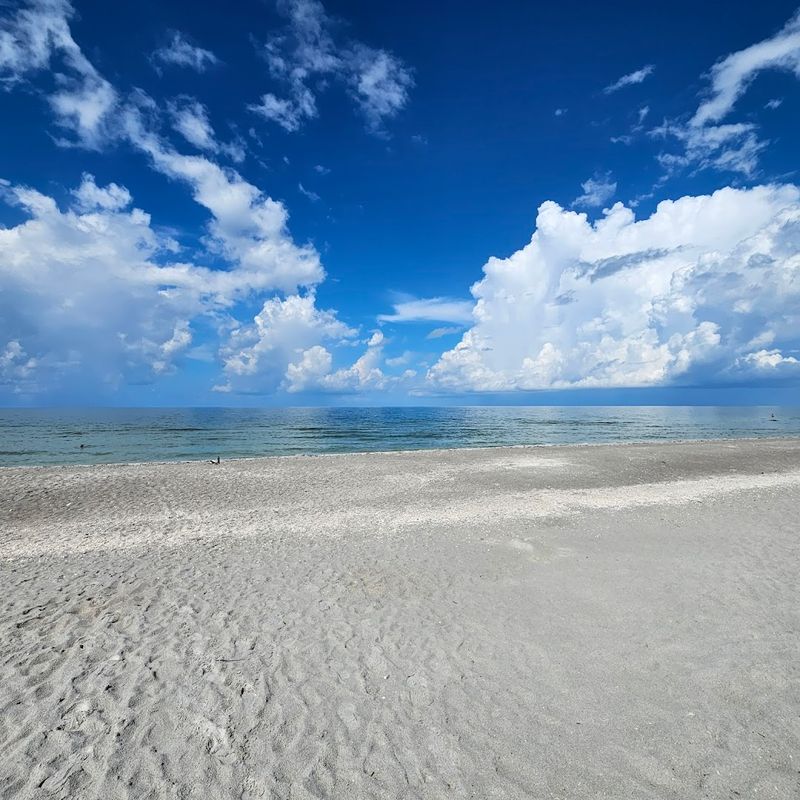
Just past Sanibel lies its quieter, more romantic neighbor — Captiva Island. To get here, you drive through Sanibel first, then cross a small bridge over Blind Pass, and suddenly the world gets even calmer.
Captiva has a way of making you forget whatever was stressing you out before you arrived.
The island’s main road, Andy Rosse Lane, is a charming little strip lined with boutique shops, art galleries, and open-air restaurants. It’s the kind of place where you park once and explore everything on foot.
The sunsets viewed from Captiva’s Gulf-facing beaches are consistently ranked among the most spectacular in Florida — warm oranges and pinks reflected across glassy water create scenes straight out of a painting.
Captiva is also the launching point for day trips to nearby Cayo Costa State Park, accessible by ferry from the marina. But even without leaving the island, there’s plenty to keep visitors happy.
Kayaking through the mangrove tunnels is a peaceful and memorable way to spend a morning. The Mucky Duck restaurant has been a beloved Captiva institution for decades, serving cold drinks and fresh seafood right on the beach.
Captiva earns its reputation as a true hideaway.
Marco Island
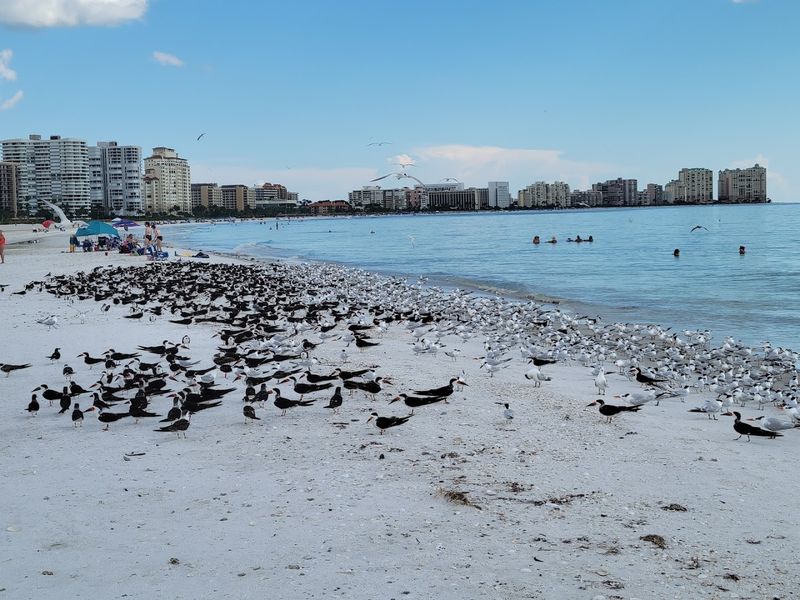
Marco Island surprises people who expect just another resort town. As Florida’s largest developed barrier island in the Ten Thousand Islands region, it manages to blend polished amenities with genuine natural wonder in a way that feels balanced rather than overdone.
A bridge from the mainland near Naples brings you right onto the island, and within minutes the scenery shifts dramatically. Crescent Beach stretches for miles with powdery white sand and calm, warm water that turns impossibly blue on clear days.
The beach is wide enough that even during busy season it never feels cramped.
Marco Island also serves as a gateway to Everglades adventures. Airboat tours and kayak excursions into the surrounding mangrove wilderness depart regularly from the island’s marinas.
The Ten Thousand Islands National Wildlife Refuge offers some of the most remote and breathtaking paddling in the southeastern United States. Back in town, the island’s dining scene is genuinely impressive, with waterfront restaurants serving everything from fresh stone crab to wood-fired pizza.
The Marco Island Historical Museum is worth a visit for those curious about the island’s fascinating Calusa Native American heritage and its modern development story. Marco Island is an island that earns repeat visits.
Amelia Island
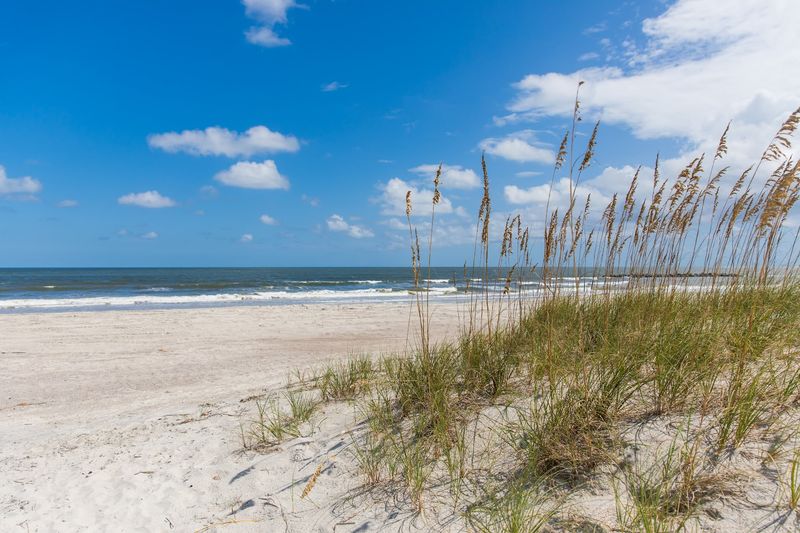
Way up in the northeastern corner of Florida, just a short drive from Jacksonville, Amelia Island carries a sense of history that most Florida beach destinations simply can’t match. The island has been claimed by eight different flags over the centuries — a remarkable record that earned it the nickname “Isle of Eight Flags.”
Multiple bridges connect the island to the mainland, making the drive effortless. Once you cross over, the charming town of Fernandina Beach greets you with a beautifully preserved Victorian downtown that looks like it belongs in a storybook.
The Centre Street corridor is lined with independent shops, craft breweries, and restaurants serving outstanding fresh shrimp pulled straight from local waters.
Amelia Island’s Atlantic coastline offers 13 miles of wide, uncrowded beaches backed by dunes and sea oats. Fort Clinch State Park anchors the northern tip of the island with a remarkably well-preserved Civil War-era fort and miles of nature trails through maritime forest.
Horseback riding on the beach is a popular activity here, something you don’t often find at Florida’s more commercialized destinations. The island’s blend of Southern charm, deep history, and natural beauty makes it a standout road trip stop in northeast Florida.
Anastasia Island
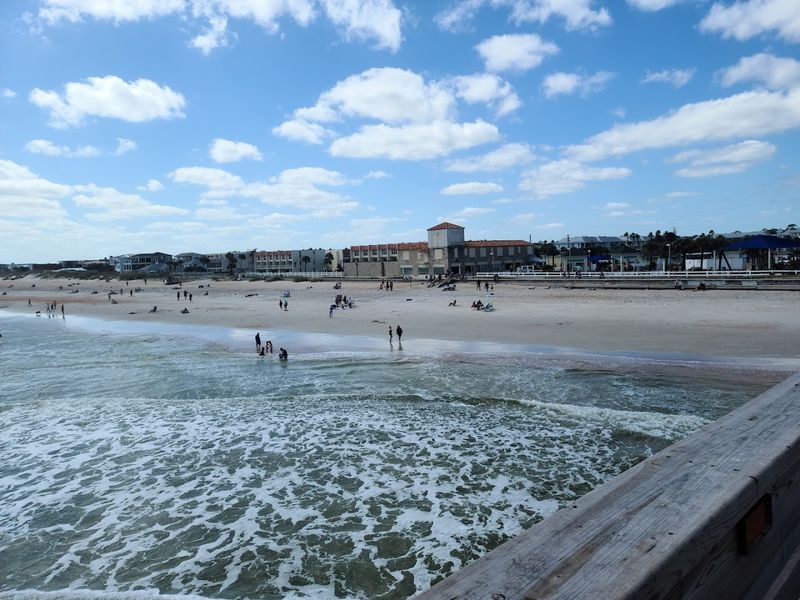
Sitting just across Matanzas Bay from the oldest city in the United States, Anastasia Island has been welcoming visitors for centuries — quite literally. The island is easily reached by driving over one of several bridges from St. Augustine, and the views of the historic city skyline from the bridge are genuinely stunning.
Anastasia State Park is the island’s crown jewel, offering four miles of pristine Atlantic beach backed by ancient coquina rock formations and wind-sculpted sand dunes. The park also has a saltwater lagoon perfect for kayaking and paddleboarding, plus excellent birdwatching opportunities throughout the year.
Camping is available for those who want to fully immerse themselves in the natural setting.
The St. Augustine Lighthouse and Maritime Museum stands tall on the island’s northern end, and climbing the 219 steps to the top rewards visitors with panoramic views stretching across the coast. The lighthouse dates back to 1874 and has its own fascinating collection of ghost stories that make evening tours particularly memorable.
St. Augustine Beach, located on the island’s eastern shore, has a relaxed, family-friendly atmosphere with a classic beach town pier. Anastasia Island perfectly balances history, nature, and classic Florida beach fun.
Hutchinson Island
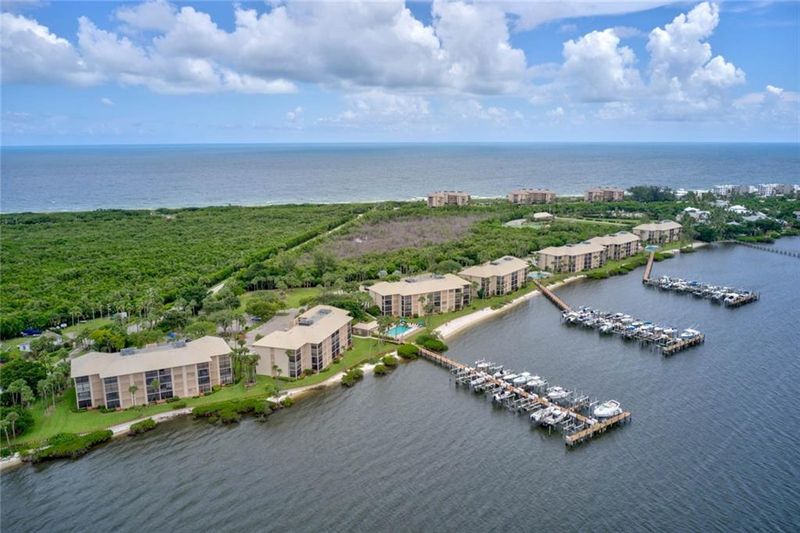
Hutchinson Island stretches along Florida’s Treasure Coast like a well-kept secret, accessible via bridges from both Stuart and Fort Pierce. Unlike some of Florida’s more famous barrier islands, Hutchinson has managed to retain a genuinely natural character — wide, undeveloped beaches where sea oats wave in the breeze and loggerhead sea turtles nest by the thousands each summer.
The island is split between St. Lucie and Martin counties, giving it two distinct personalities. The Stuart side tends toward upscale beach homes and manicured parks, while the Fort Pierce side has a more laid-back, old-Florida feel.
Both sections offer excellent beach access and scenic coastal drives that don’t feel overrun with traffic or commercial development.
The Elliott Museum in Stuart is an unexpected cultural highlight, housing a fascinating collection of antique cars, baseball memorabilia, and Florida history exhibits. Nearby, the Florida Oceanographic Coastal Center offers hands-on marine education programs that are particularly popular with families.
Sea turtle nesting season from May through October brings conservation volunteers and curious visitors who join guided nighttime beach walks to observe nesting females. Hutchinson Island is the kind of place that rewards travelers who prefer authentic experiences over tourist traps.
Anna Maria Island
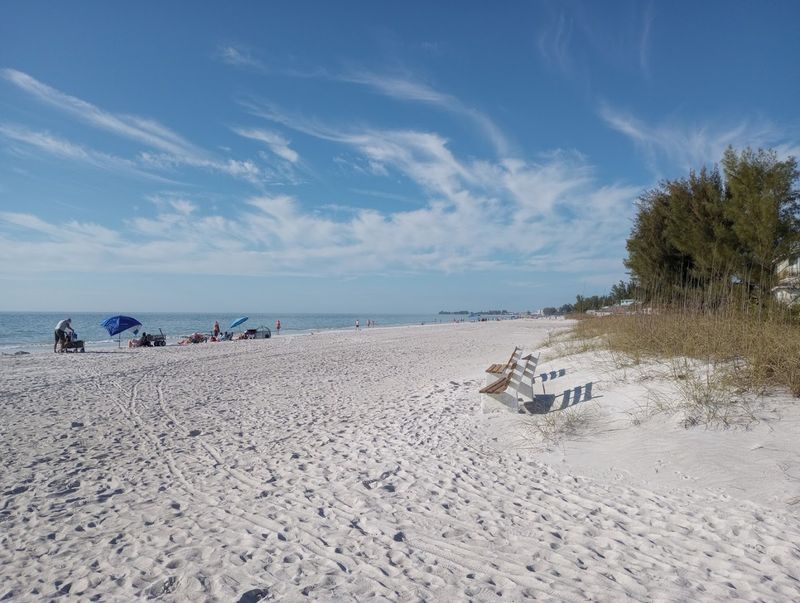
Step onto Anna Maria Island and you’ll feel like you’ve traveled back to the Florida of the 1950s — in the best possible way. This seven-mile barrier island near Bradenton has fiercely resisted the high-rise development that has transformed so many of its Gulf Coast neighbors, keeping its personality warm, quirky, and refreshingly unpretentious.
Bridges and causeways connect the island to the mainland, and once you arrive, the laid-back vibe takes over immediately. The three distinct communities on the island — Anna Maria, Holmes Beach, and Bradenton Beach — each have their own character but share the same commitment to old-Florida charm.
Colorful beach cottages line the streets, many of them available as vacation rentals that put you steps from the water.
The historic Anna Maria City Pier is a beloved local landmark, perfect for fishing or simply watching the sunset with a cold drink in hand. Pine Avenue in the city of Anna Maria is a pedestrian-friendly strip of boutique shops, ice cream parlors, and casual restaurants that feels genuinely community-driven.
The beaches here are wide, white, and consistently rated among the best in the country. Anna Maria Island proves that bigger and flashier doesn’t always mean better.
Longboat Key
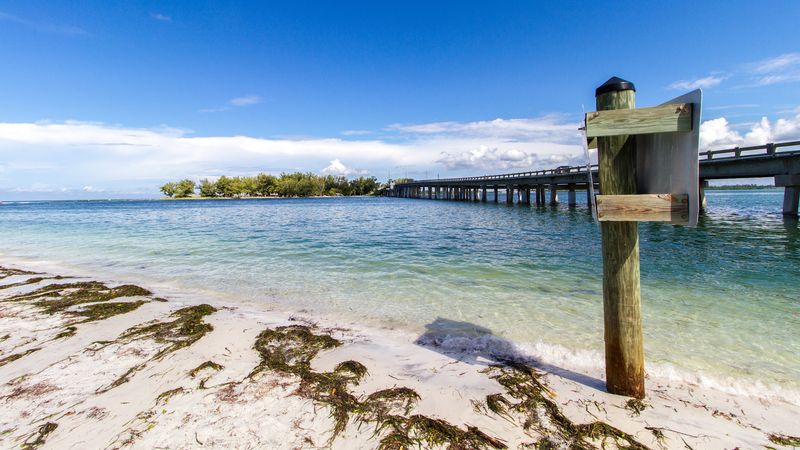
Longboat Key occupies a narrow strip of land between Sarasota Bay and the Gulf of Mexico, and it carries itself with a quiet confidence that suits its upscale reputation. This is the kind of island where the beaches are impeccably clean, the resorts are genuinely luxurious, and the pace of life encourages deep relaxation rather than frantic sightseeing.
You can reach Longboat Key by bridges from either Sarasota to the south or Anna Maria Island to the north, making it a natural stop on a Gulf Coast road trip. The main road running the length of the key is lined with swaying palms and glimpses of turquoise water peeking between the properties.
Public beach access points are available, though the island’s atmosphere leans decidedly residential and resort-oriented.
Golf enthusiasts will find world-class courses here, and the Longboat Key Club has been a prestigious destination for decades. The island also has a surprisingly strong culinary scene, with several waterfront restaurants offering refined Gulf Coast cuisine.
Manatees are frequently spotted in the calm bay waters during cooler months, delighting kayakers and paddleboarders who explore the intracoastal side of the island. Longboat Key rewards visitors who appreciate understated elegance over flashy attractions.
St. George Island
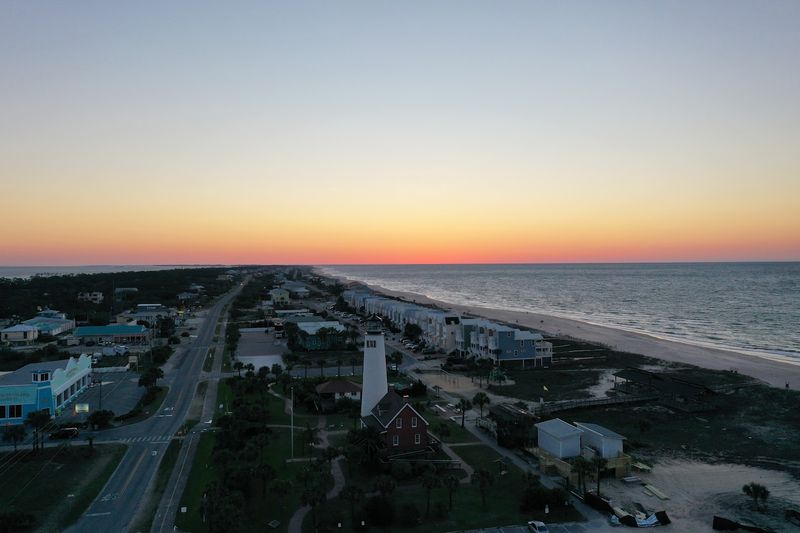
Florida’s Forgotten Coast lives up to its evocative nickname, and St. George Island is its crown jewel. A long bridge from the small fishing village of Eastpoint carries you across the sparkling waters of Apalachicola Bay, and the views during that crossing — oyster boats in the distance, blue herons gliding low over the water — set the mood perfectly for what’s ahead.
St. George Island State Park occupies the eastern nine miles of the island and protects some of the most pristine undeveloped Gulf beach in the entire state. The sand here is brilliantly white and squeaky underfoot, the water shifts from emerald to turquoise depending on the light, and the crowds are refreshingly thin compared to more famous Florida beach destinations.
Camping, hiking, and paddling opportunities abound throughout the park.
The small community on the western end of the island has a handful of casual restaurants and shops, but the overall atmosphere is wonderfully quiet. Apalachicola Bay is famous for producing some of the finest oysters in the world, and several nearby restaurants serve them freshly harvested.
Scalloping season in summer draws enthusiastic visitors who wade the shallow grass flats searching for bay scallops. St. George Island is a rare Florida beach experience that still feels genuinely unspoiled.
Gasparilla Island
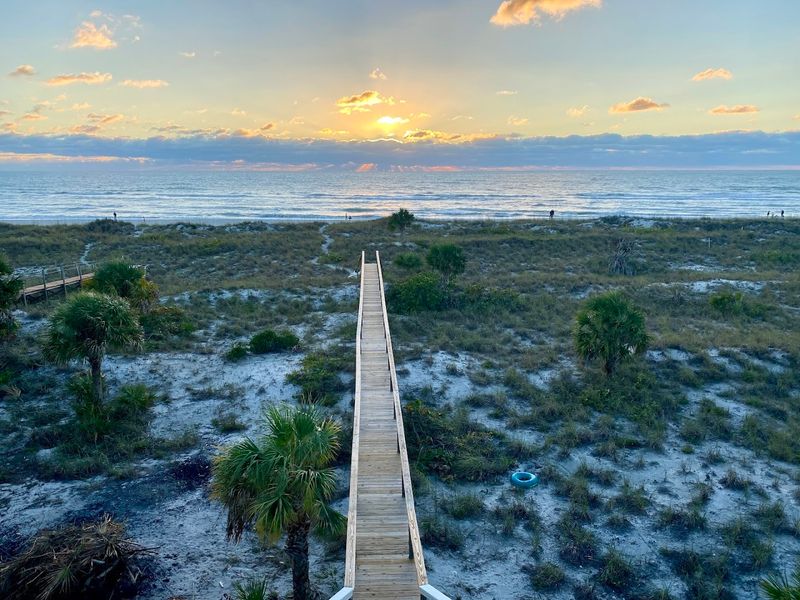
Named after the legendary — and likely fictional — pirate Jose Gaspar, Gasparilla Island has a swashbuckling mythology that adds a fun layer of intrigue to an already charming destination. Driving over the Boca Grande Causeway from Placida delivers you to a place that feels refreshingly frozen in a more gracious era of Florida history.
The island’s main town, Boca Grande, is a beautifully preserved enclave of historic cottages, elegant inns, and independent boutiques. Golf carts outnumber cars on the quiet streets, and the overall atmosphere is genteel without being stuffy.
The old railroad depot has been converted into a charming shopping area, and the local ice cream shop consistently draws lines of happy visitors.
Gasparilla Island is arguably the tarpon fishing capital of the world during peak season, when massive silver kings congregate in the passes surrounding the island in extraordinary numbers. The Gasparilla Island State Park protects the southern tip, where the historic 1890 lighthouse stands watch over Charlotte Harbor.
Wide, uncrowded beaches stretch along the Gulf side, offering excellent shelling and swimming. Dolphins frequently patrol the shoreline, putting on effortless shows for anyone watching from the sand.
Gasparilla Island feels like a genuine discovery every single time.
Little Torch Key
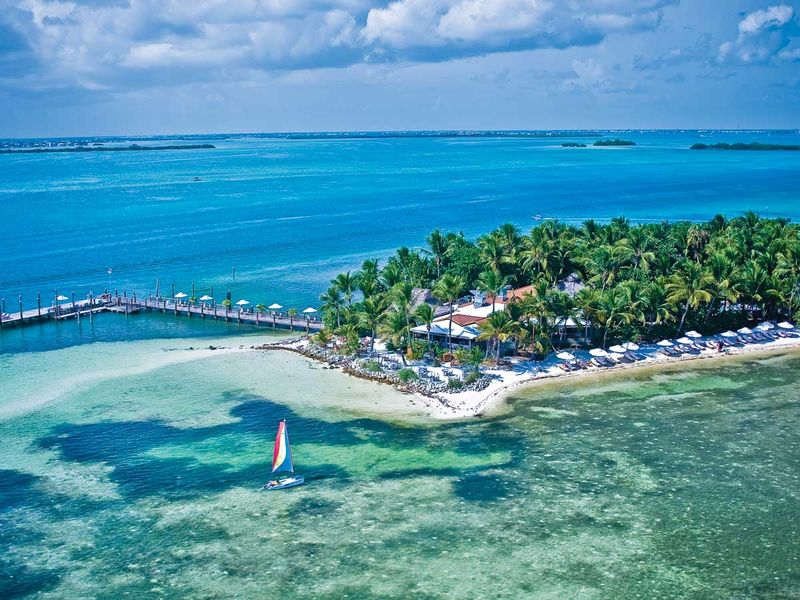
Among the string of islands that make up the Lower Florida Keys, Little Torch Key keeps the lowest profile — and that’s precisely what makes it special. U.S. 1 rolls right through the island without much fanfare, but those who slow down and pay attention discover a genuinely tranquil slice of Keys life that the more famous islands can no longer offer.
The island is perhaps best known as the home of Little Palm Island Resort and Spa, an ultra-exclusive retreat situated on a nearby private island and accessible only by boat from a dock on Little Torch Key. The resort has hosted presidents and celebrities, adding a touch of glamour to this otherwise understated community.
For visitors not splurging on the private resort experience, Little Torch Key still delivers. The surrounding waters offer world-class backcountry fishing, particularly for bonefish and permit on the shallow grass flats of the Lower Keys.
Kayaking and snorkeling around the nearby patch reefs reveal stunning marine life in water so clear it seems almost unreal. The sunsets here, watched from a quiet waterfront spot without a crowd in sight, rank among the most peaceful experiences the Florida Keys have to offer.
Little Torch Key rewards those who seek solitude.
Big Pine Key
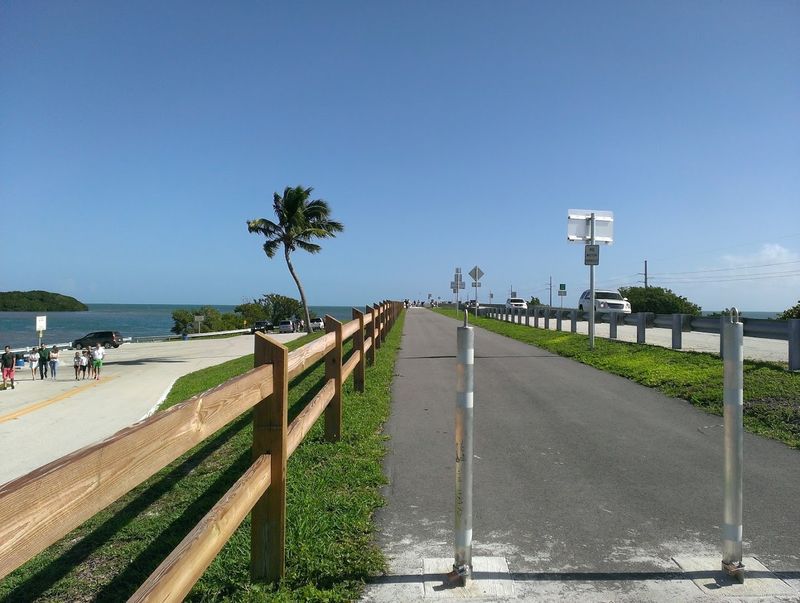
Big Pine Key has a celebrity resident that you won’t find anywhere else on Earth — the Key deer, a miniature subspecies of white-tailed deer that stands barely two feet tall at the shoulder. These impossibly small and endearing animals roam freely across the island, and spotting one nibbling grass at the roadside is a moment that stops visitors in their tracks every single time.
The National Key Deer Refuge covers much of the island and neighboring No Name Key, protecting critical habitat for these endangered animals. The refuge also shelters a remarkable diversity of other wildlife, including migratory birds, alligators, and the rare Lower Keys marsh rabbit.
Hiking trails wind through pine rockland forest — an increasingly rare ecosystem found almost exclusively in the Florida Keys.
Bahia Honda State Park, just a short drive south on the Overseas Highway, is technically its own island but is so closely tied to the Big Pine Key experience that most visitors treat them as a pair. Bahia Honda consistently ranks among the most beautiful beaches in Florida, with gin-clear water and powdery sand that rivals anything in the Caribbean.
Big Pine Key itself has a quiet, community-focused character that feels refreshingly authentic compared to the busier Keys. It’s an island worth lingering on.