Florida’s famous springs have long promised more than pretty scenery.
For generations, people came seeking rest, recreation, social life, and a sense that these remarkable places could restore body and spirit.
Around them, hotels rose, roads improved, rail lines brought curious guests, and whole communities found an identity tied to the flow of mineral-rich waters.
Behind every boardwalk, bathhouse, and shaded shoreline lies a story that reveals how spring tourism helped shape the state itself.
Hot Mineral Springs – North Port
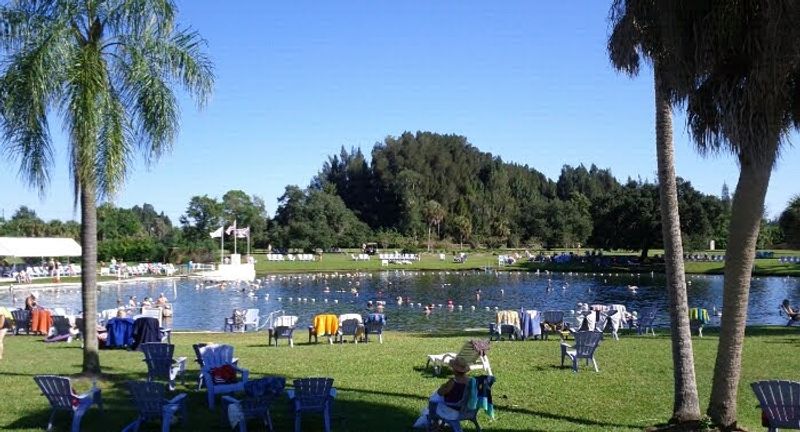
Beneath a modest landscape, this remarkable spring built a reputation that reached far beyond nearby settlements.
Early residents spoke of its steady warmth and mineral content with quiet conviction, treating a visit as part outing, part ritual of renewal.
Local lore grew stronger when archaeological discoveries suggested people had valued the place for thousands of years.
Unlike many Florida springs, its unusual geological character gave it a distinct identity in the state’s leisure culture.
Entrepreneurs recognized that promise and shaped simple facilities around comfort, rest, and repeat visits rather than spectacle alone.
Bathing areas, changing rooms, and practical amenities turned natural curiosity into a dependable social tradition.
Generations kept returning because the experience felt personal rather than grand.
Retirees, families, and winter guests found a setting where conversation drifted easily and time seemed to slow.
Today, the appeal still rests on that rare blend of deep antiquity, local memory, and the enduring belief that some places can leave you feeling lighter than when you arrived.
De Leon Springs State Park – De Leon Springs
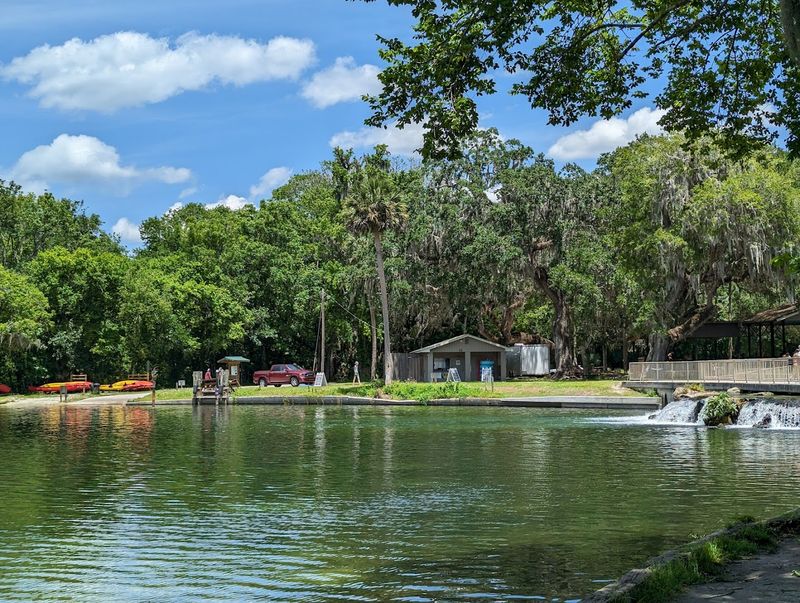
Tall tales have clung to this spring for centuries, mixing conquest myths with stories of settlement and enterprise.
Spanish associations gave the place romantic notoriety, yet its true importance came from the communities that formed around fertile land and dependable flow.
Farmers, mill operators, and ambitious innkeepers all saw opportunity where nature and commerce met.
Later decades transformed the area into a recreation hub with broader appeal than legend alone could sustain.
Steamboat excursions and road travel widened its audience, while picnic grounds and swimming facilities encouraged day trips from growing towns.
The old sugar mill, preserved in memory and masonry, still anchors the site with a sense of layered time.
Families embraced it because the experience combined story, landscape, and easy pleasures in one setting.
Children could imagine conquistadors, adults could trace traces of industry, and everyone could settle into a rhythm that felt rooted in old Florida.
Few places show so clearly how a natural landmark evolved from frontier resource to beloved public retreat without losing its narrative pull.
White Springs – White Springs
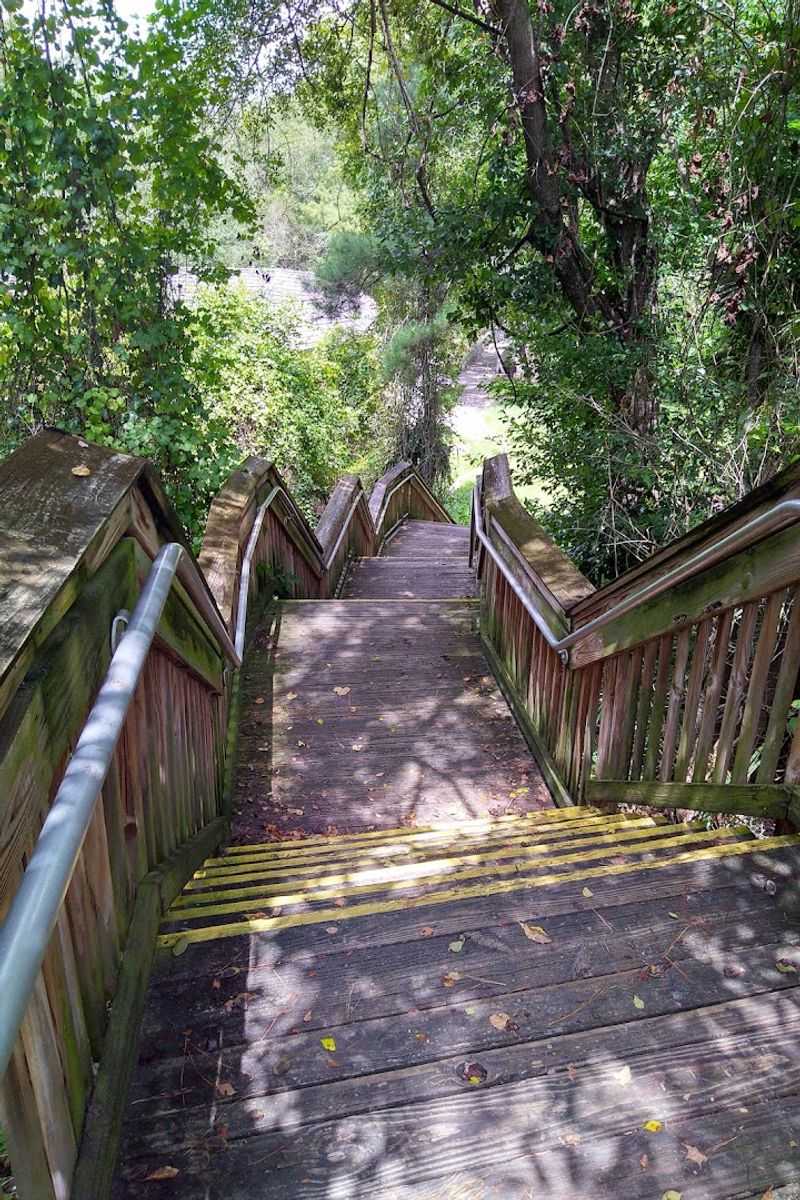
Perched above the Suwannee, this celebrated spring became one of North Florida’s earliest resort sensations.
During the late nineteenth century, wealthy guests arrived seeking fashionable respite, and elegant hotels answered with verandas, dining rooms, and music-filled evenings.
Seasonal crowds gave the small town an energy that blended refinement with regional character.
Writers, politicians, and performers helped shape its identity as more than a bathing place.
Cultural life flourished through concerts, conversations, and social rituals that turned a simple getaway into a stage for status and connection.
Rail access strengthened that reputation by making the area surprisingly reachable for people from across the South.
Though the grand resort era faded, the spring’s significance still echoes through architecture, memory, and civic pride.
Community identity grew around hospitality, and local businesses benefited from a steady stream of guests who wanted scenery with a social calendar.
Standing there now, you can sense how leisure once structured the town’s economy and how a mineral spring briefly made this quiet corner feel cosmopolitan.
Suwannee Springs – Live Oak
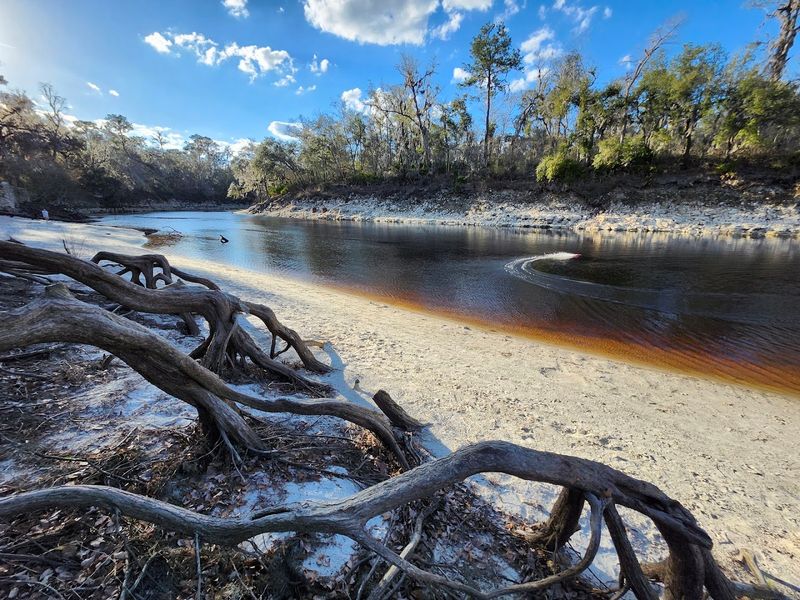
Hidden near the river, this once-fashionable resort promised comfort, society, and the restorative power of mineral bathing.
Grand ambitions shaped the property during its heyday, when hotel buildings, bathhouses, and landscaped grounds welcomed guests from across the Southeast.
Rail connections made the journey practical, turning rural isolation into part of the appeal.
Promoters sold an experience of refinement in a natural setting, complete with meals, excursions, and the reassuring routines of a proper stay.
Advertisements praised the curative qualities of the mineral content, but the resort’s success also depended on architecture and service.
Porches, stairways, and formal spaces created a sense that one had arrived somewhere important.
Remnants now tell the story with unusual force because decline never fully erased the original vision. Broken walls and surviving traces suggest the scale of a place that once pulsed with conversation, trunks, and train schedules.
Walking through the site today, you encounter not just ruins but evidence of how transportation, hospitality, and regional aspiration combined to create one of Florida’s most intriguing lost leisure landscapes.
Green Cove Springs – Green Cove Springs
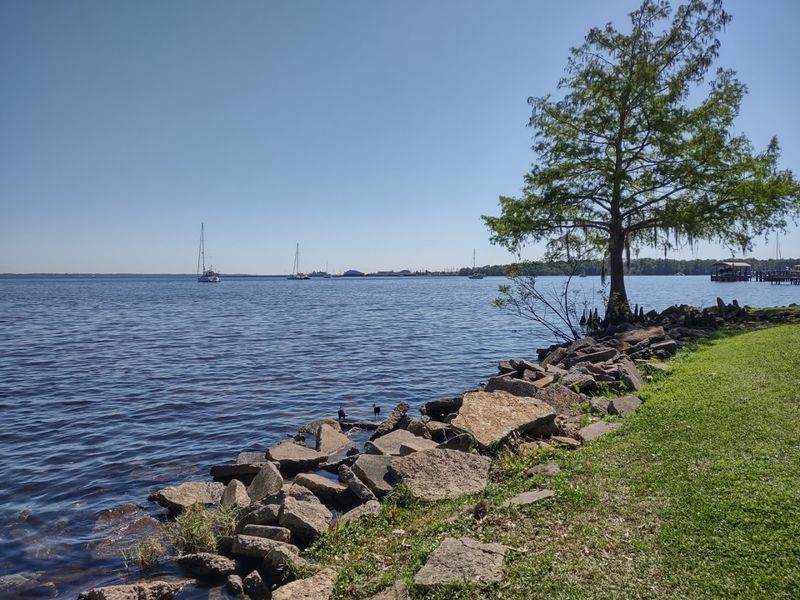
Along the St. Johns, this spring influenced the shape of a town that grew around both strategic value and leisure appeal.
Military presence left an early imprint, and the nearby riverfront encouraged settlement, transport, and trade.
Soon the spring itself became a civic centerpiece, connecting everyday life with a broader stream of newcomers.
Developers understood that accessibility could turn local geography into a tourism asset.
Boarding houses, hotels, and recreational facilities emerged as the community marketed itself as healthy, pleasant, and well positioned for coastal travel.
Streets, businesses, and public spaces developed in conversation with that image, giving the town a character tied directly to its natural landmark.
Civic identity still reflects those intertwined roles of defense, hospitality, and waterfront growth.
Rather than standing apart from the town, the spring helped determine where people gathered, invested, and imagined the future.
Time spent here reveals how closely the historic center, riverfront, and tradition of public recreation are connected.
Their combination helped create a strong sense of place that continues to define the area today.
Silver Springs State Park – Ocala
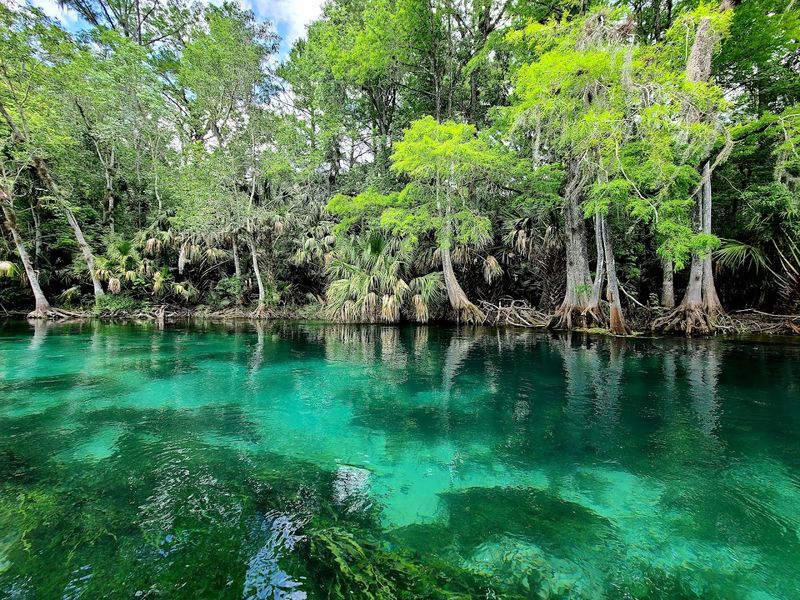
Famous long before interstate vacations became routine, this spring mastered the art of turning nature into showmanship without losing its wonder.
Glass-bottom boats gave guests a theatrical view below the surface, and that innovation helped define Florida tourism for generations.
Operators understood spectacle, timing, and storytelling, making each ride feel like a performance.
Hollywood soon noticed the cinematic quality of the landscape.
Film crews used the spring and surrounding forest as a backdrop for jungle adventures, historical dramas, and scenes that needed an exotic glow without leaving the state.
That screen presence amplified its fame and linked the site to a broader dream of Florida as entertainment capital and natural paradise.
Modern visitors inherit a place shaped by entrepreneurship as much as geology.
Trails and exhibits now widen the experience, but the central appeal remains the same: you are entering a landmark that taught Florida how to present itself to the world.
Few natural sites have influenced postcard imagery, family road trips, and the business of sightseeing as profoundly as this enduring classic.
Wekiwa Springs State Park – Apopka
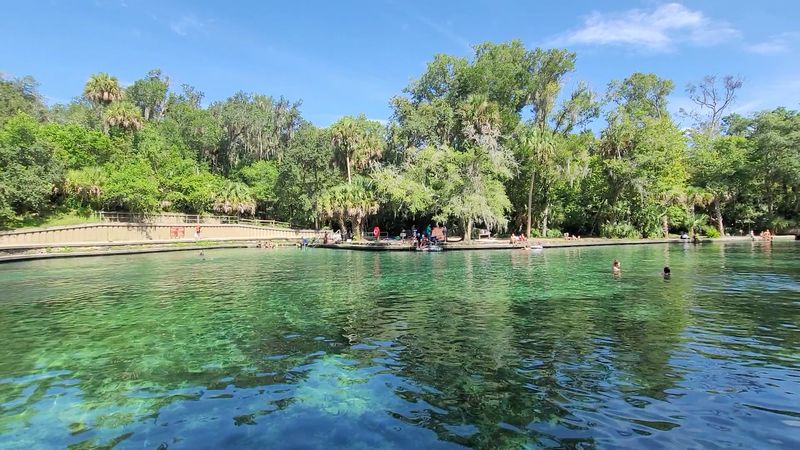
Set within a landscape that still feels unexpectedly wild, this spring tells a story about recreation changing alongside public values.
Early outings centered on simple pleasures such as picnics, boating, and escaping city heat for a day beneath shade trees.
Over time, appreciation broadened from enjoyment alone to stewardship of a fragile ecosystem.
Population growth in Central Florida increased pressure on natural places, making preservation here especially consequential.
Park planning gradually balanced access with protection, limiting overdevelopment while encouraging trails, paddling, and low-impact exploration.
That shift reveals how residents and officials came to see springs not merely as playgrounds but as living systems requiring careful management.
Today, the experience feels richer because conservation shapes what you notice.
Birdsong, forest edges, and the winding run create a sense of continuity that mass tourism often erases elsewhere.
A visit here becomes less about checking off a famous destination and more about understanding the value of preservation.
That perspective gives the spring a unique place in Florida’s travel story, showing how natural beauty can remain meaningful when it is carefully protected.
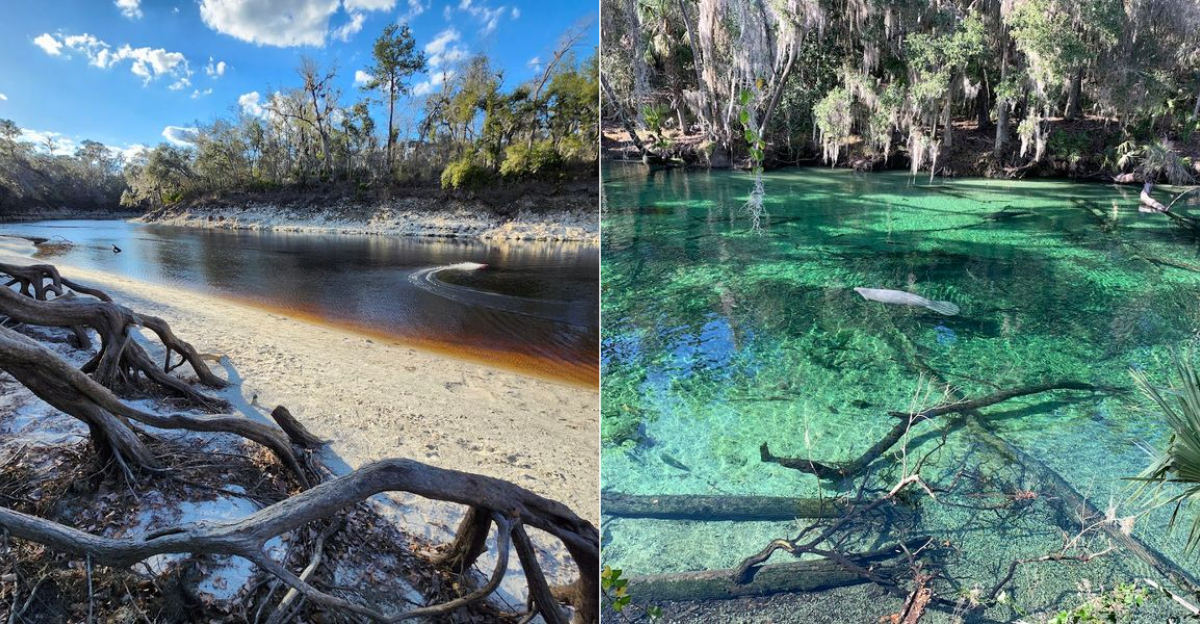
Blue Spring State Park – Orange City
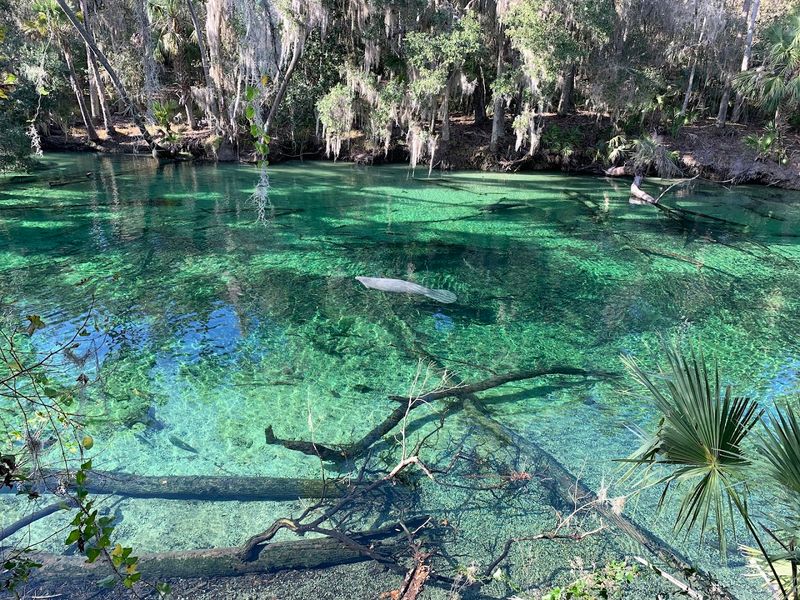
Winter transforms this spring into one of Florida’s most meaningful wildlife spectacles.
Manatees gather in large numbers, and that seasonal return has reshaped how people understand the site, not simply as a recreation area but as a sanctuary with national importance.
Public fascination brought attention, yet protection became the defining achievement.
Before conservation took center stage, the area passed through phases of private leisure use and modest tourism development.
Cabins, picnic grounds, and river access invited families to spend unhurried days outdoors, while growing awareness of habitat loss gradually changed management priorities.
Boardwalks and viewing rules emerged from that tension between human enjoyment and ecological responsibility.
Watching the annual congregation now feels like participating in a carefully negotiated tradition.
Rangers, researchers, and guests all play a role in preserving the conditions that make the spectacle possible.
What stays with visitors is not only the closeness of the encounter.
The experience also highlights how Florida’s most memorable destinations increasingly depend on patience, thoughtful limits, and respect for the wildlife that makes them special.
Weeki Wachee Springs State Park – Weeki Wachee
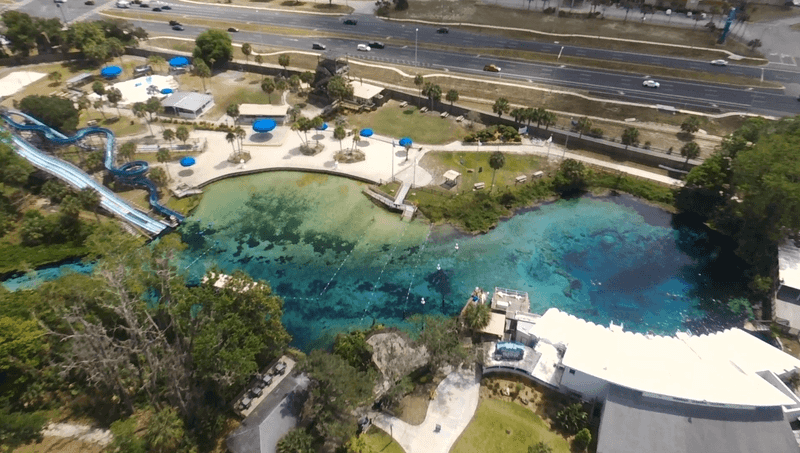
Roadside Florida reached one of its most memorable expressions at this spring, where underwater mermaid performances turned natural beauty into pure midcentury theater.
The concept was eccentric, expertly marketed, and impossible to forget. Audiences came for fantasy, but they also encountered a place that captured the optimism of automobile-era travel.
Show design, synchronized movement, and carefully staged illusion gave the performances genuine craft. Behind the scenes, the venue functioned like a polished entertainment business, with trained performers, promotional campaigns, and supporting facilities built to handle families on the move.
That blend of novelty and professionalism helped the park outlast many competitors from the golden age of roadside attractions.
Nostalgia certainly fuels its fame, yet the site means more than kitsch.
It preserves a chapter when Florida sold itself through surprise, color, and unforgettable stops along the highway.
Arriving today, you can still feel the delight of a place that understood spectacle as a regional language and transformed a spring into a permanent symbol of the state’s playful imagination.
Wakulla Springs – Wakulla County
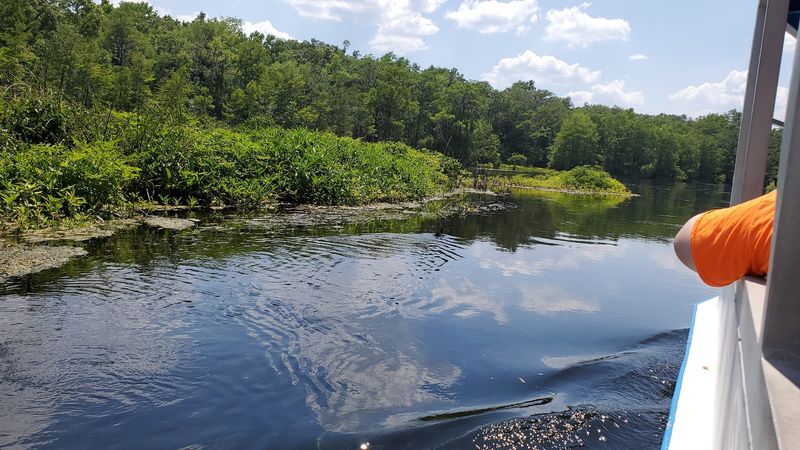
Grand architecture gives this spring an immediate sense of occasion.
The historic lodge, built with Depression-era ambition and crafted details, frames the landscape with a style that feels both monumental and warmly inviting.
Entering the property, you step into an older model of travel where comfort, scenery, and ceremony belonged together.
Movie history added another layer to its identity.
Filmmakers used the site for scenes requiring lush drama, and the surrounding wilderness delivered exactly the kind of timeless Florida image that cameras love.
River tours, polished interiors, and broad public rooms reinforced the impression that this was not merely a day stop but a complete experience.
Unlike places that survive by reinventing themselves beyond recognition, this spring draws strength from continuity.
Ceiling fans, terrazzo floors, and quiet corridors maintain an atmosphere that modern resorts rarely attempt. Spend enough time here and you begin to appreciate preservation as something more than simply protecting old structures.
The experience creates a connection to an earlier travel era, when elegance, natural scenery, and an unhurried pace were essential parts of the journey.