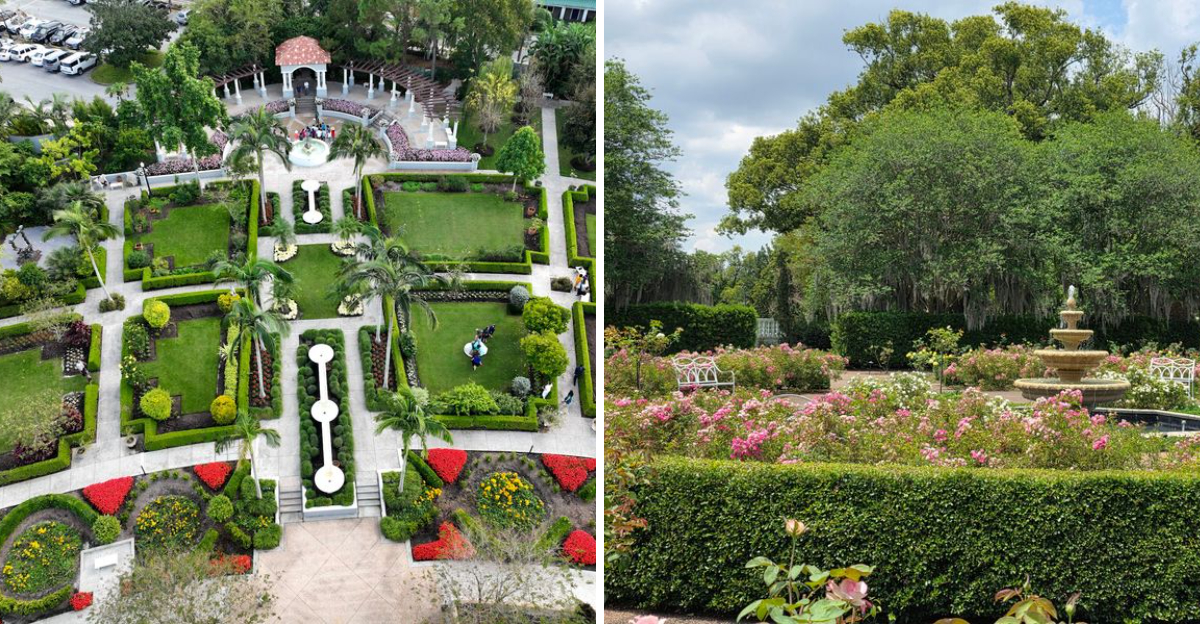
Florida’s beaches may steal the spotlight, but some of the state’s most unforgettable places are filled with flowers instead of sand.
Step through the gates of these free public gardens, and you’ll find shady paths, towering palms, colorful blooms, and quiet corners that feel worlds away from the busy coast.
You don’t need an admission ticket to enjoy these peaceful escapes. From tropical collections and butterfly habitats to native forests and lakeside trails, each garden offers its own little surprise waiting around the next bend.
Some are hidden inside bustling cities, while others sit in small towns where nature takes center stage.
Every stop brings fresh colors, sweet floral scents, and plenty of picture-perfect moments.
If you’re ready to trade beach crowds for blooming gardens, this list is packed with beautiful places that prove Florida has far more to offer than sun, surf, and shoreline views.
Florida Botanical Gardens (Largo)
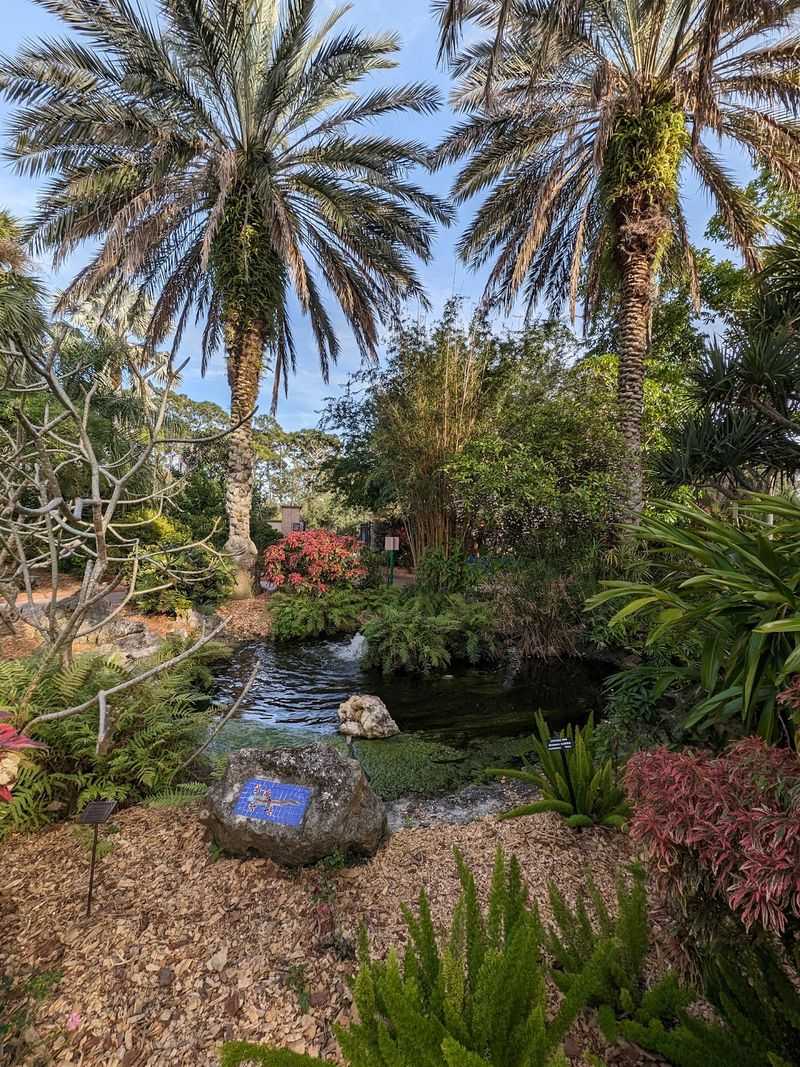
Spanning over 100 acres in Pinellas County, this massive garden complex welcomes visitors year-round without any admission fees. You’ll find an impressive variety of themed areas including tropical plant displays, native Florida ecosystems, and dedicated butterfly gardens that attract dozens of colorful species.
The walking trails wind through different habitats, giving you plenty of opportunities to spot local wildlife and enjoy the peaceful surroundings. Families love bringing picnic lunches to enjoy under shaded pavilions after exploring the grounds.
Volunteers and staff maintain the gardens beautifully, ensuring something blooms during every season. Educational signs throughout the property teach visitors about Florida’s unique plant life and conservation efforts.
Located just minutes from the Gulf beaches, this garden offers a refreshing contrast to sandy shores. Many locals visit weekly for morning walks or photography sessions, making it a true community treasure that costs absolutely nothing to experience.
Harry P. Leu Gardens (Orlando)
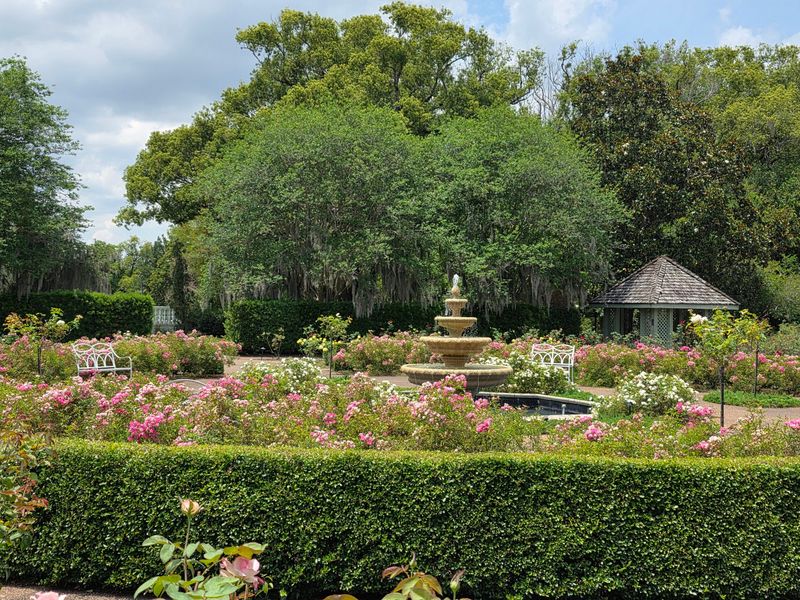
Smart budget travelers mark their calendars for free admission Mondays at this Orlando treasure. Nearly 50 acres of stunning landscapes await, featuring impressive collections of camellias, roses, and towering palm trees that create picture-perfect scenes.
The lakeside location adds extra charm, with peaceful water views complementing the colorful flower beds. During camellia season, thousands of blooms transform the garden into a sea of pink, red, and white petals.
Walking paths connect different garden sections, including a butterfly garden, desert plant collection, and historic Leu House Museum. Bird watchers often spot herons, egrets, and other water birds near the lake edges.
While regular admission applies most days, those free Mondays make this premium experience accessible to everyone. Check the garden’s website before visiting to confirm which Mondays offer complimentary entry, as the schedule varies throughout the year for special events and maintenance periods.
Port St. Lucie Botanical Gardens
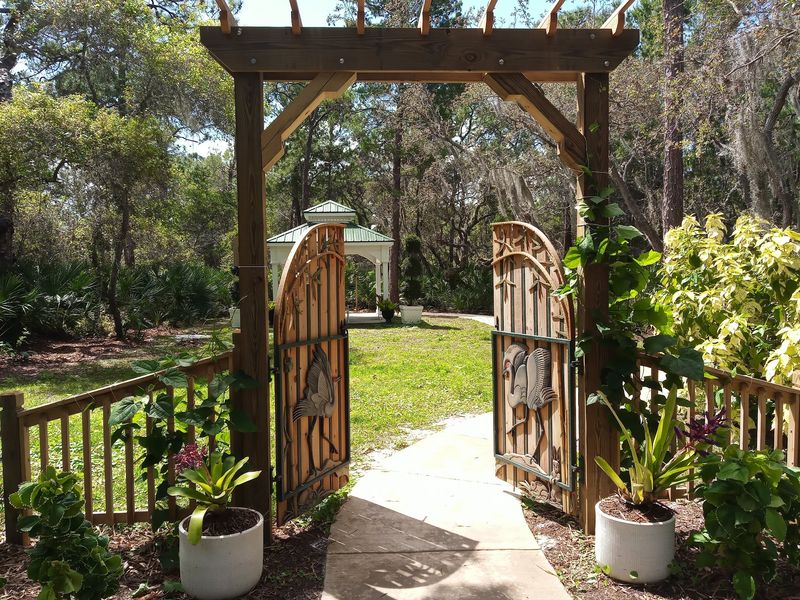
Community spirit blooms as brightly as the flowers at this volunteer-maintained treasure. Local residents donate their time and gardening expertise to create beautiful themed spaces that change with the seasons, making each visit feel fresh and different.
Bamboo groves provide cool, shaded walking areas that rustle gently in the breeze. The herb garden fills the air with fragrant scents of basil, mint, lavender, and rosemary that visitors can touch and smell.
Butterflies flock to specially planted nectar gardens, creating living kaleidoscopes of color during warm months. Kids especially enjoy watching monarchs, swallowtails, and painted ladies dance between blooms.
The garden hosts educational workshops and community events throughout the year, all free to attend. Benches scattered along the paths offer perfect spots for quiet reflection or sketching the scenery.
This grassroots approach to public gardening proves that beautiful spaces don’t require big budgets, just dedicated people who love sharing nature’s beauty with their neighbors.
Wilmot Botanical Gardens (Gainesville)
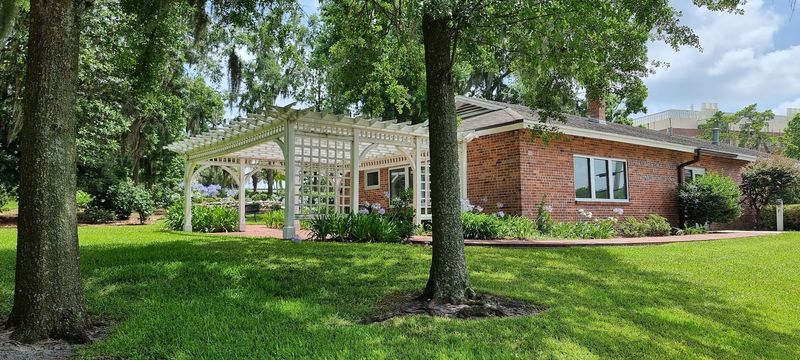
Tucked away on the University of Florida campus, these gardens serve a special purpose beyond simple beauty. They combine therapeutic gardening programs with accessible landscaping, creating spaces where people of all abilities can connect with nature.
Shaded pathways wind through carefully designed plant collections that demonstrate water-wise landscaping and native Florida species. Students often study between classes on benches surrounded by seasonal blooms and interesting foliage.
The therapeutic garden sections feature raised beds and sensory plants chosen specifically for their textures, scents, and colors. These areas help visitors understand how gardening benefits mental and physical health.
Educational displays explain sustainable gardening practices that work well in Florida’s climate. You’ll learn about composting, water conservation, and choosing plants that attract beneficial insects and pollinators.
Even though it’s located on a busy campus, the gardens maintain a tranquil atmosphere. Visitors from outside the university community are welcome to explore anytime during daylight hours without paying admission fees.
Mead Botanical Garden (Winter Park)
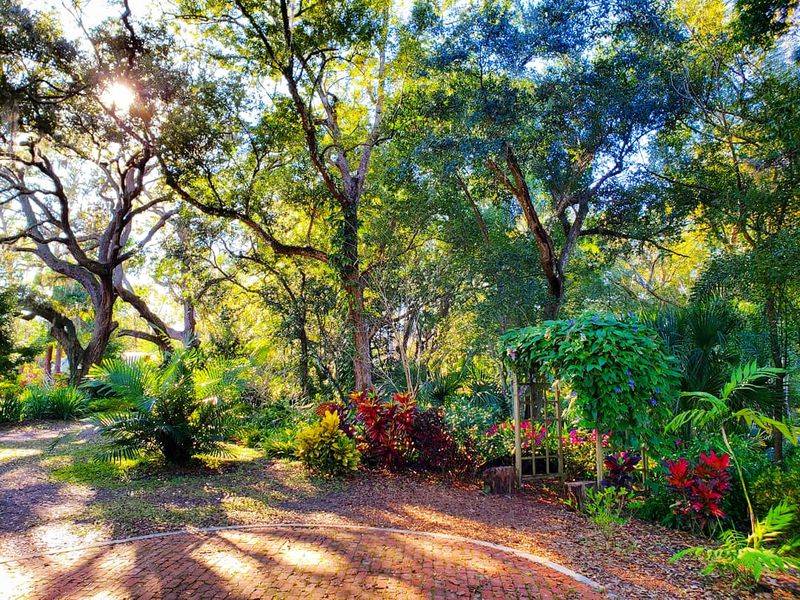
Finding nearly 50 acres of wilderness just minutes from downtown Orlando feels almost impossible, yet this urban sanctuary delivers exactly that experience. Towering oak trees draped in Spanish moss create natural cathedral ceilings above winding boardwalks that cross wetland areas teeming with wildlife.
The butterfly garden attracts hundreds of colorful visitors during peak migration seasons. Photographers arrive early morning to capture dewdrops on flower petals and butterflies just beginning their daily activities.
Boardwalk sections let you walk directly through wetland habitats without getting your feet wet. Watch for turtles sunning on logs, wading birds hunting for fish, and the occasional alligator keeping cool in shaded pools.
Families spread blankets at designated picnic spots under ancient oaks for weekend lunches. The garden stays cooler than surrounding areas thanks to thick tree canopy and water features that moderate temperatures.
Nature trails accommodate both quick 15-minute strolls and longer exploration sessions. Every path reveals something different, from native wildflowers to interesting fungi growing on fallen logs.
Hearthstone Gardens (Wellborn)
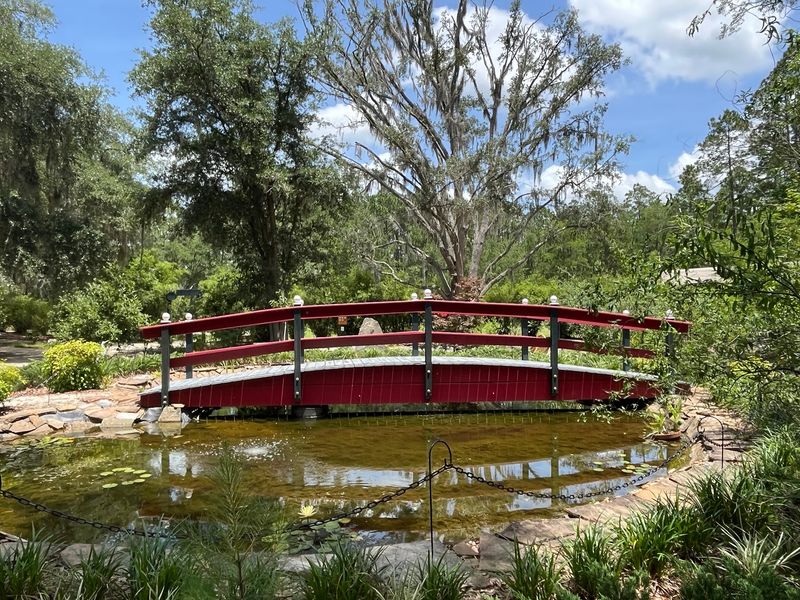
Way up in North Florida, far from theme parks and crowded attractions, this nonprofit garden offers something increasingly rare in the Sunshine State: genuine peace and quiet. Daily free admission ensures anyone can escape into nature without worrying about entrance fees or parking charges.
Native plant collections showcase species that naturally thrive in North Florida’s unique climate and soil conditions. Gardeners find inspiration for their own yards while learning which plants need less water and maintenance.
The flowering gardens rotate seasonal displays that peak at different times throughout the year. Spring brings azaleas and dogwoods, while summer features heat-loving tropicals and colorful zinnias.
Educational signs explain each plant’s role in local ecosystems and their benefits to wildlife. You’ll discover which flowers attract hummingbirds, which trees provide winter berries for birds, and how native plants support butterfly populations.
Walking paths meander through different garden sections at a leisurely pace. There’s no rush here, no crowds pushing past, just quiet trails where birdsong provides the only soundtrack to your visit.
UCF Arboretum (Orlando)
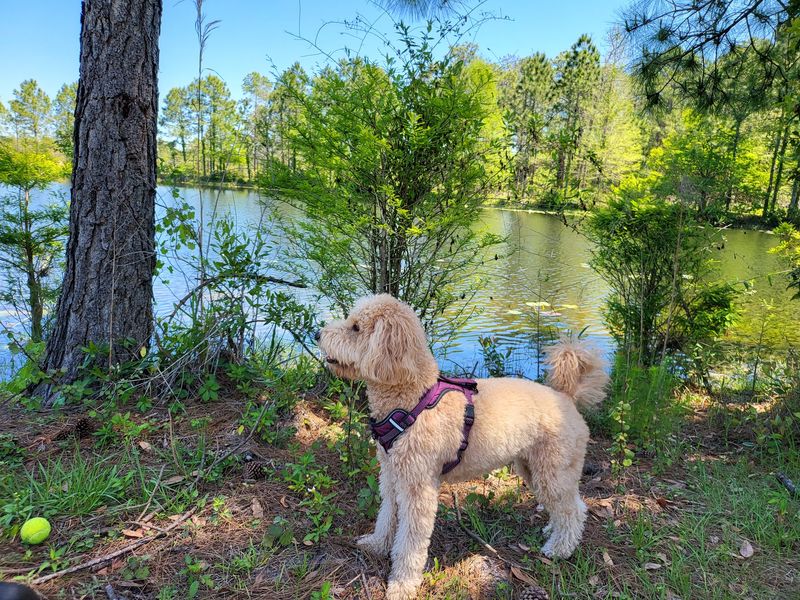
Hidden in plain sight on a bustling university campus, this 80-acre natural wonder remains one of Central Florida’s best-kept secrets. Miles of peaceful trails wind through authentic Florida ecosystems that existed long before the surrounding development.
Pine flatwoods stretch across much of the property, showing visitors what Central Florida looked like centuries ago. Longleaf pines tower overhead while wiregrass and wildflowers carpet the forest floor beneath them.
Wetland boardwalks cross swampy areas where cypress trees grow straight from standing water. These sections stay several degrees cooler than surrounding areas, offering welcome relief during hot summer months.
Lakeside paths provide opportunities to spot wading birds, turtles, and fish just below the surface. Early morning visitors often encounter deer, armadillos, and various bird species before student foot traffic increases.
Educational markers identify trees, plants, and ecological communities throughout the arboretum. Biology students conduct research here, but the trails welcome everyone interested in experiencing genuine Florida wilderness.
Always free and open during daylight hours, this arboretum proves world-class nature experiences don’t require admission tickets.
Hollis Garden (Lakeland)
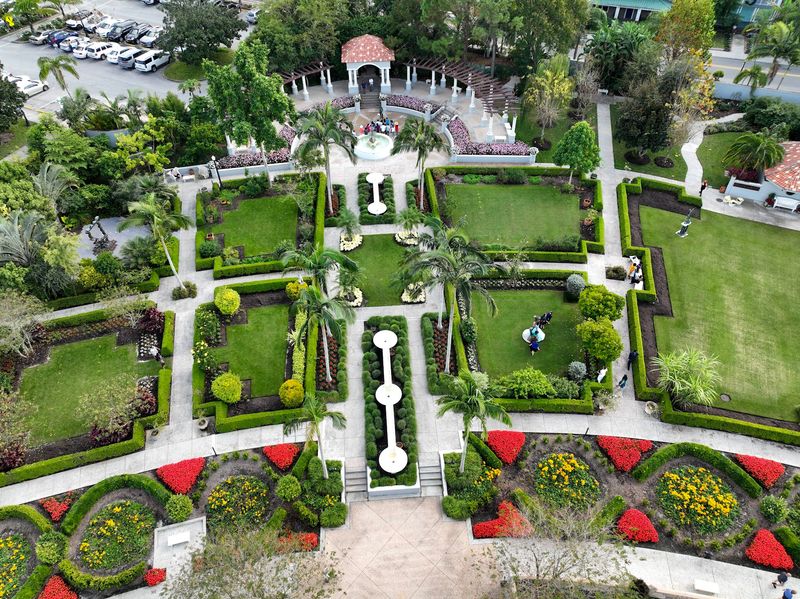
Imagine walking through 16 completely different garden rooms in a single afternoon without spending a penny. That’s exactly what Hollis Garden delivers in downtown Lakeland, where formal landscaping meets accessible public space.
Each themed section creates its own atmosphere and style. One room might feature Mediterranean plants and terracotta accents, while the next showcases tropical palms and bold foliage in a completely different color scheme.
Gardeners rotate plantings throughout the year to maintain peak beauty during every season. What you see in spring might transform completely by fall, giving repeat visitors fresh experiences each time they return.
Decorative fountains and architectural elements add structure to the garden’s design. Stone pathways connect the different rooms, creating a logical flow that guides visitors through the entire space naturally.
The lakefront location provides beautiful water views as a backdrop to the carefully arranged plants. Benches positioned throughout the garden invite visitors to pause and absorb the peaceful surroundings.
Despite its formal appearance and meticulous maintenance, admission remains completely free every single day of the year.
Miami Beach Botanical Garden (Miami Beach)
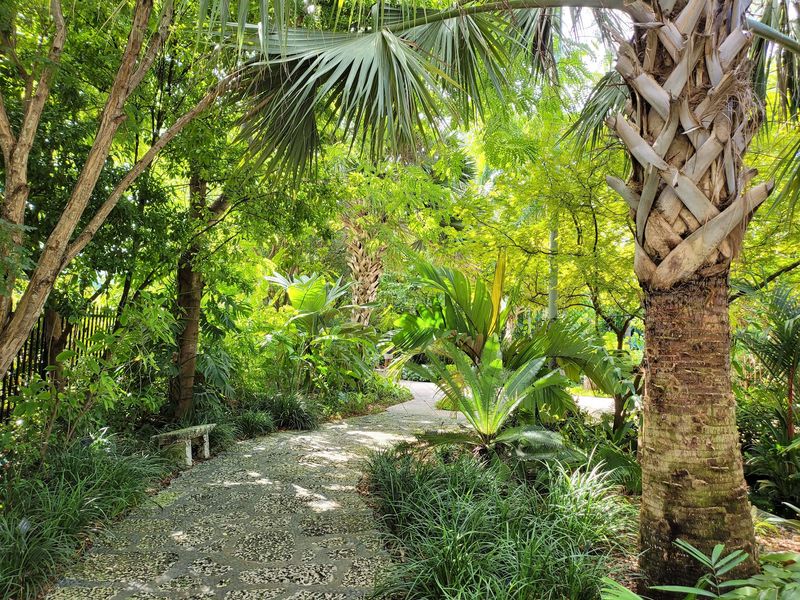
Squeezing 2.6 acres of paradise into one of Florida’s most densely developed areas seems impossible, yet this urban oasis accomplishes exactly that feat. After a major renovation in 2011, the garden emerged as a stunning example of tropical landscape design.
Renowned landscape architect Raymond Jungles transformed the space with careful plant selection and creative layout strategies. Native Florida species mix with exotic tropicals to create layers of texture and color that change as you move through different sections.
Water features provide soothing sounds that mask nearby traffic noise. The garden feels much larger than its actual size thanks to clever design tricks that create distinct areas and hide boundary fences behind strategic plantings.
Japanese gardens, orchid displays, and native hammock sections each offer unique experiences within steps of each other. Pathways encourage slow wandering rather than rushing through the compact space.
Beach visitors often stop here to cool off under shade trees and rinse salt water from their skin at outdoor fountains. The garden stays open year-round with no admission charges ever required.
Kraft Azalea Garden (Winter Park)
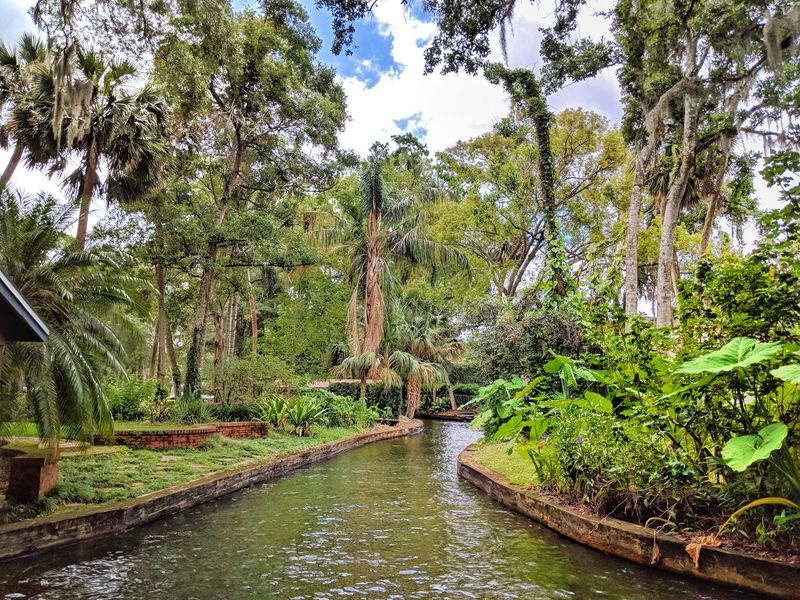
Lake Maitland’s calm waters provide a stunning backdrop to this scenic public park where azaleas steal the show each spring. Massive bushes explode with pink, white, and coral blooms that reflect beautifully in the lake’s mirror-like surface during peak season.
The waterfront location attracts both garden lovers and water enthusiasts. Kayakers launch from nearby areas and paddle past the shoreline gardens, while land-based visitors enjoy the view from comfortable benches and grassy areas.
Ancient cypress trees frame the lake edges, their knobby knees rising from shallow water like natural sculptures. Spanish moss drapes from oak branches, creating that classic Old Florida atmosphere that feels increasingly rare.
While azaleas provide the main attraction during early spring, the park maintains beauty throughout the year with diverse plantings and mature trees. Summer brings lush green foliage and occasional wildlife sightings including herons and egrets.
Being free and easily accessible makes this gem popular with locals who return frequently for morning walks, photography sessions, or simply sitting by the water watching boats drift past on lazy afternoons.