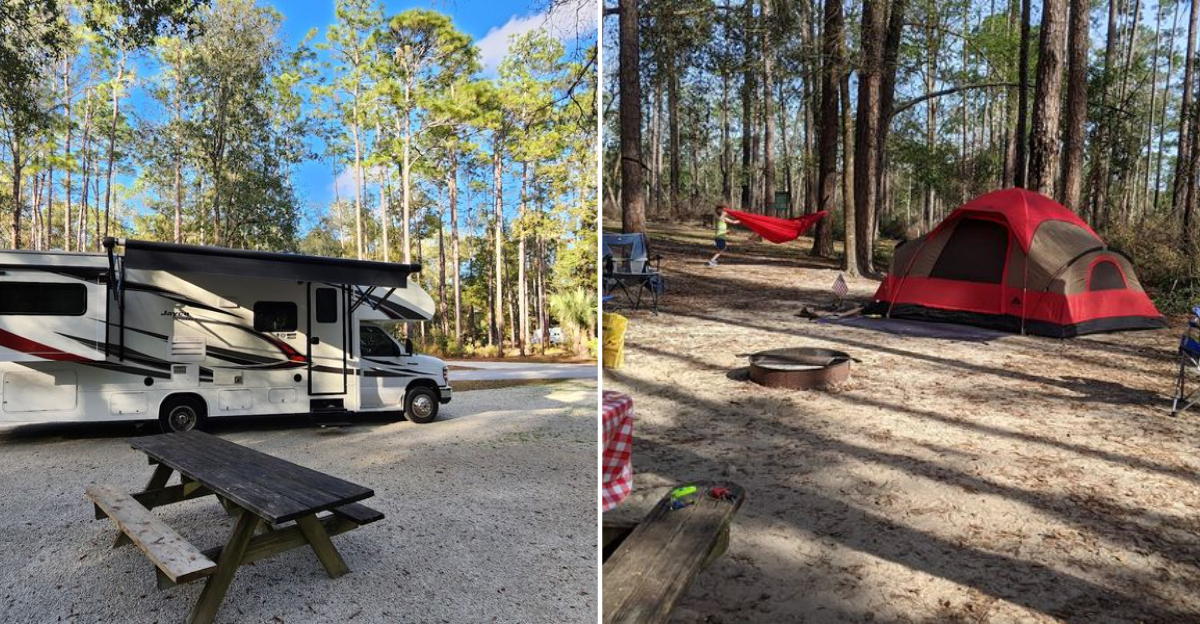
Few Florida camping upgrades beat waking up close enough to a crystal-clear spring that your morning swim is an easy stroll. This list rounds up state parks where overnight stays put you near famous headsprings, spring runs, or connected spring-fed water worth planning around.
If you want less driving, more paddling, and that cool-water reward right after breakfast, these are the parks to know. From iconic manatee refuges to quieter North Florida gems, each stop brings you closer to the kind of campsite-spring pairing that feels like a cheat code.
Wekiwa Springs State Park
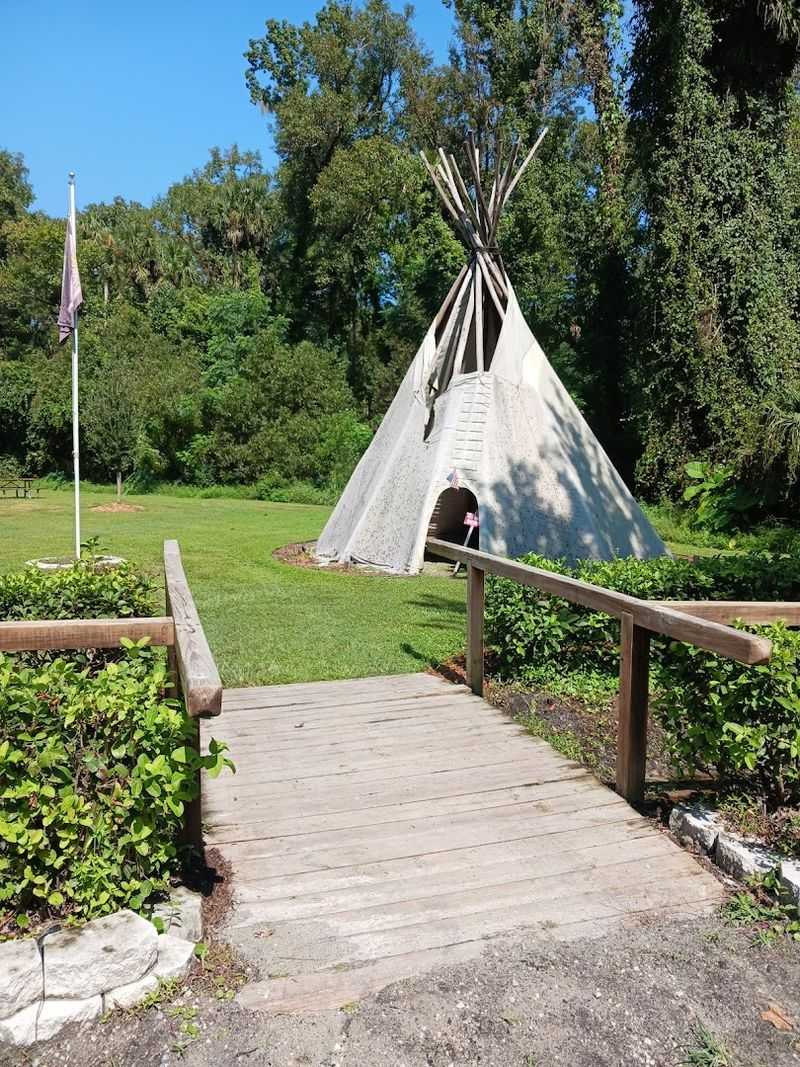
At Wekiwa Springs State Park in Apopka, you get one of Central Florida’s easiest spring-camping combinations. The campground has developed sites, a wooded feel, and quick access to the main recreation area where the famous spring boils up clear and cool.
That short walk matters when you want an early swim before day visitors arrive.
The spring feeds Wekiwa Springs Run, so kayaking and canoeing are natural add-ons if you want more than a dip. Trails through hammock and sandhill habitat also give you a solid land-based option when the water calls for a break.
It feels easy to fill an entire weekend here without ever leaving the park.
This park works especially well if you want convenience without losing the natural atmosphere. You can camp, swim, paddle, hike, and return to your site without turning the trip into a complicated logistical exercise.
Address: 1800 Wekiwa Circle, Apopka, FL 32712. Official website: floridastateparks.org.
Blue Spring State Park
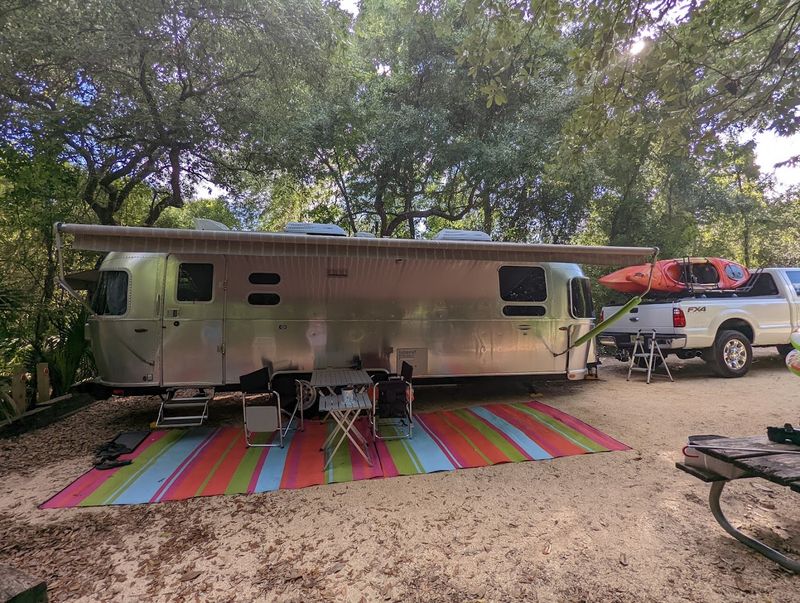
Blue Spring State Park in Orange City pairs overnight stays with one of Florida’s best known spring experiences. The campground and cabins place you near the spring run, where a short walk leads to the boardwalk and viewing areas above striking blue water.
In warm months, that means swimming and paddling nearby, while winter turns the spring into a manatee sanctuary.
The appeal here is how quickly the park shifts from campsite calm to memorable wildlife viewing. You can spend a morning watching manatees drift below the boardwalk, then head back to camp for lunch without ever feeling rushed.
That close connection makes the overnight stay feel more worthwhile than a day trip.
If you like mixing comfort with marquee scenery, Blue Spring delivers. It is organized, family friendly, and beautifully set along the St. Johns River system, giving you both iconic Florida nature and easy spring access.
Address: 2100 W French Ave, Orange City, FL 32763. Official website: floridastateparks.org.
Rainbow Springs State Park
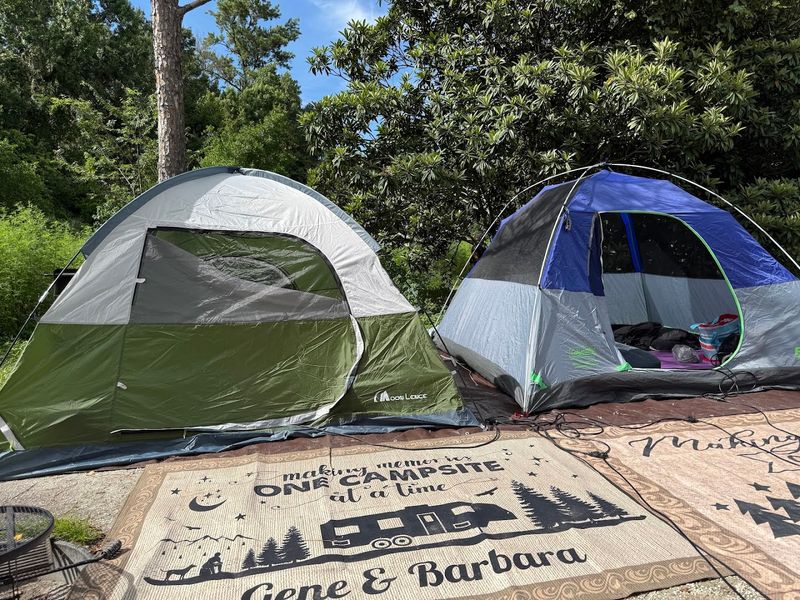
Rainbow Springs State Park in Dunnellon gives you a polished campground experience with easy reach to one of Florida’s most beautiful spring systems. The camping area sits along the Rainbow River side of the park, while the headsprings area showcases clear water, gardens, waterfalls, and walking paths.
It feels especially good for campers who want both scenery and convenience.
The short access between your overnight base and the water is the real selling point. You can plan a tubing or kayaking day, return to camp to reset, then come back out for a sunset stroll beside the river.
That flexibility makes the park feel bigger than a standard campground stay.
Rainbow Springs also suits travelers who want a spring park that feels accessible without losing its natural charm. The water is stunning, the facilities are strong, and the overall experience lands comfortably between relaxing and active.
Address: 19158 SW 81st Place Rd, Dunnellon, FL 34432. Official website: floridastateparks.org.
Silver Springs State Park
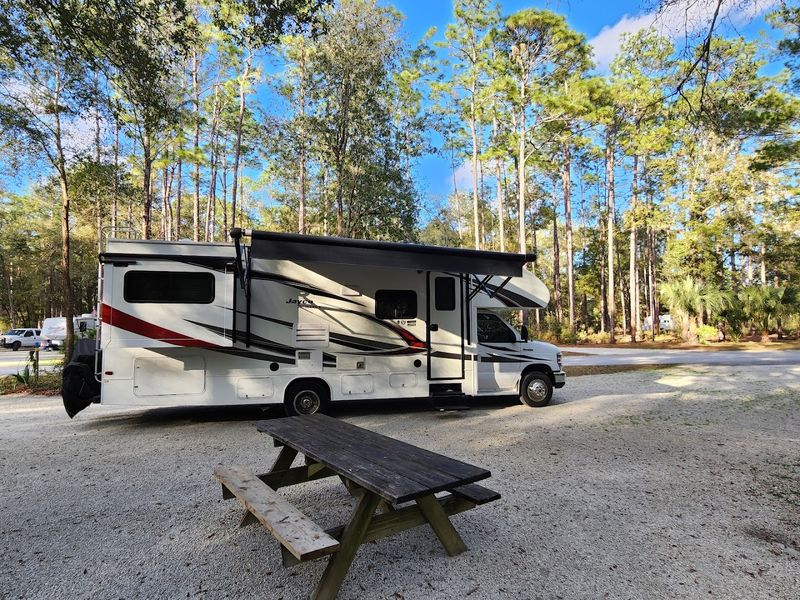
Silver Springs State Park near Ocala combines a spacious campground with quick access to one of the state’s most famous spring systems. Short trails and park roads connect overnight areas to the clear spring-fed river, where glass-bottom boat history, paddling, and wildlife watching all come together.
It is an easy place to keep everyone in your group entertained.
The spring basin and Silver River area are known for visibility, fish, turtles, and occasional monkeys in the broader corridor. From camp, you can move into a paddling day or scenic walk without spending much time repositioning the car.
That smooth transition is exactly what makes spring camping more enjoyable.
If your ideal trip mixes classic Florida history with easy outdoor access, Silver Springs stands out. The campground gives you a practical home base, while the water and surrounding forest provide the memorable part of the stay.
Address: 5656 E Silver Springs Blvd, Silver Springs, FL 34488. Official website: floridastateparks.org.
Gilchrist Blue Springs State Park
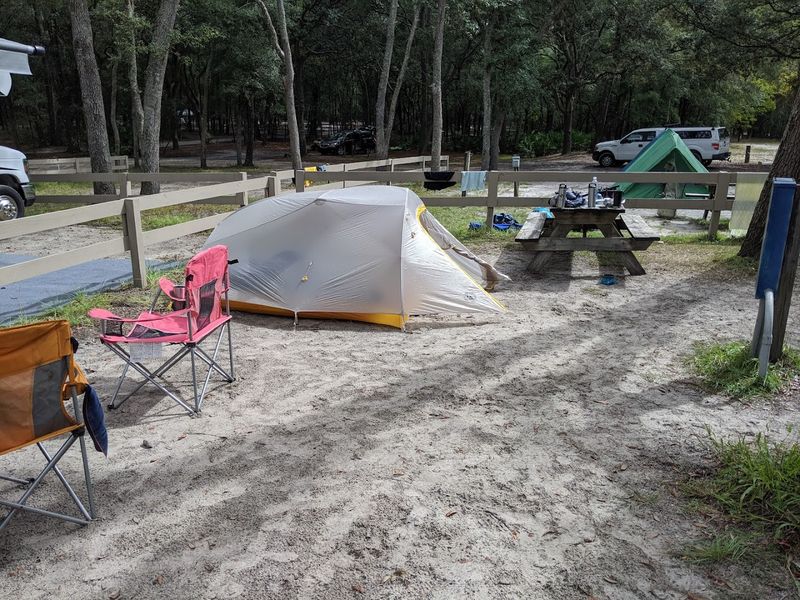
Gilchrist Blue Springs State Park near High Springs is one of the newer stars in Florida’s spring lineup, and camping nearby makes the most of it. The park is centered on an intensely blue main spring, with additional springs and spring-fed stretches adding variety beyond the primary swimming area.
You never feel limited to one quick dip.
For campers, the payoff is how close the water-based fun sits to the overnight experience. You can walk over for a swim, launch a paddle on the Santa Fe River, or explore smaller nearby spring features at an easy pace.
That makes the park feel flexible for families and relaxed weekend travelers alike.
Because the spring is so visually striking, even a short visit feels memorable. Staying overnight lets you enjoy the color, clarity, and quieter hours that day visitors often miss entirely.
Address: 7450 NE 60th St, High Springs, FL 32643. Official website: floridastateparks.org.
Manatee Springs State Park
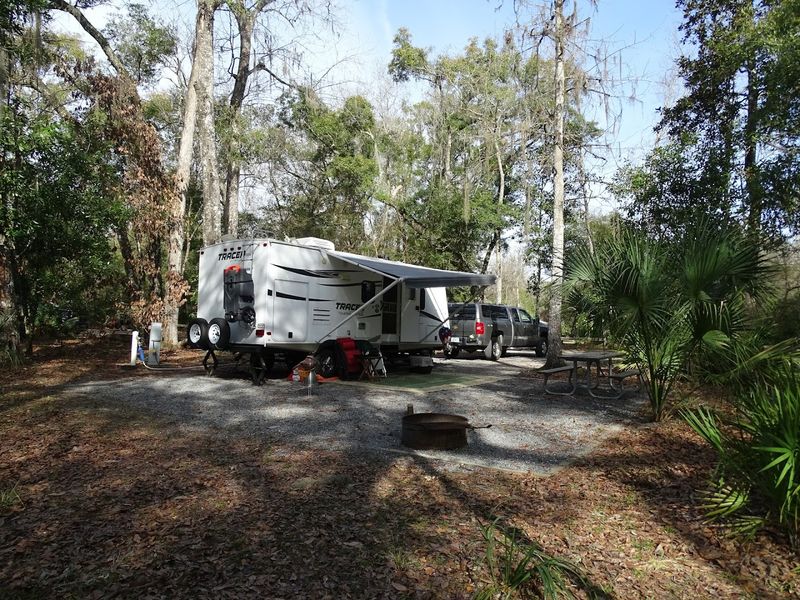
Manatee Springs State Park in Chiefland is one of the cleanest examples of a campground and spring feeling tightly connected. Boardwalks and trails link the camping area to the spring, making it easy to walk from your site to the basin and spring run without much effort.
That connection is exactly what many campers want.
The spring is beautiful in every season, but winter adds the possibility of seeing manatees gather in warmer water. When the weather is hot, swimming, paddling, and long boardwalk strolls take over, with the Suwannee River nearby adding even more options.
It is a park that stays useful beyond a single attraction.
If you value convenience, this park earns its reputation quickly. You can settle into camp once, then spend the rest of the trip moving between spring, river, and trails on foot or by paddle.
Address: 11650 NW 115th St, Chiefland, FL 32626. Official website: floridastateparks.org.
O’Leno State Park
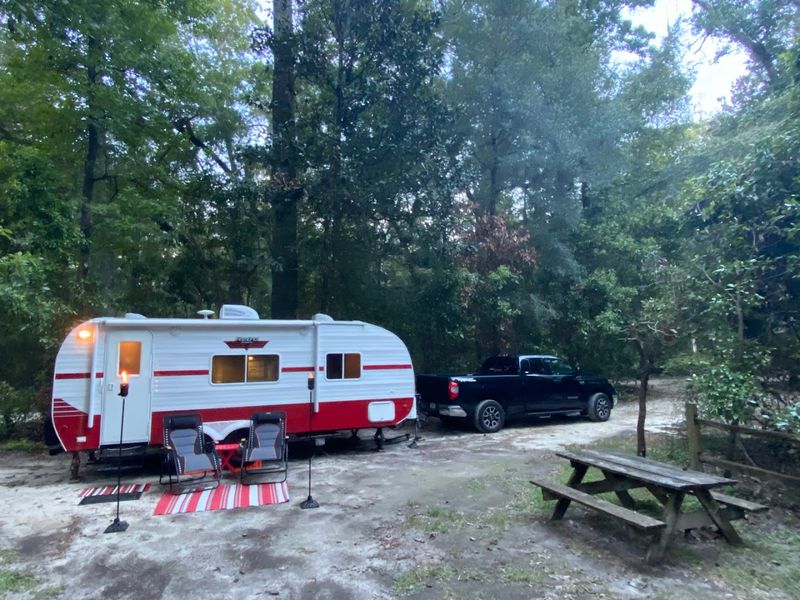
O’Leno State Park near High Springs earns its place through the Santa Fe River’s unusual behavior and the area’s strong spring connections. The campground sits in a wooded setting close to trails, river scenery, and the broader hydrologic story that defines this part of North Florida.
It is a smart base if you want camping with geological intrigue.
The nearby river sink and resurgence system creates a landscape that feels more layered than a standard campground. You can hike through hardwood forest, cross historic features, and explore the water-focused terrain without spending much time in transit.
That short-distance variety is a real advantage on a weekend trip.
While O’Leno is not centered on one giant swimming basin in the same way as some other parks, it gives you close access to spring country in a more immersive setting. For hikers and curious campers, that can be even more rewarding.
Address: 410 SE O’Leno Park Rd, High Springs, FL 32643. Official website: floridastateparks.org.
River Rise Preserve State Park
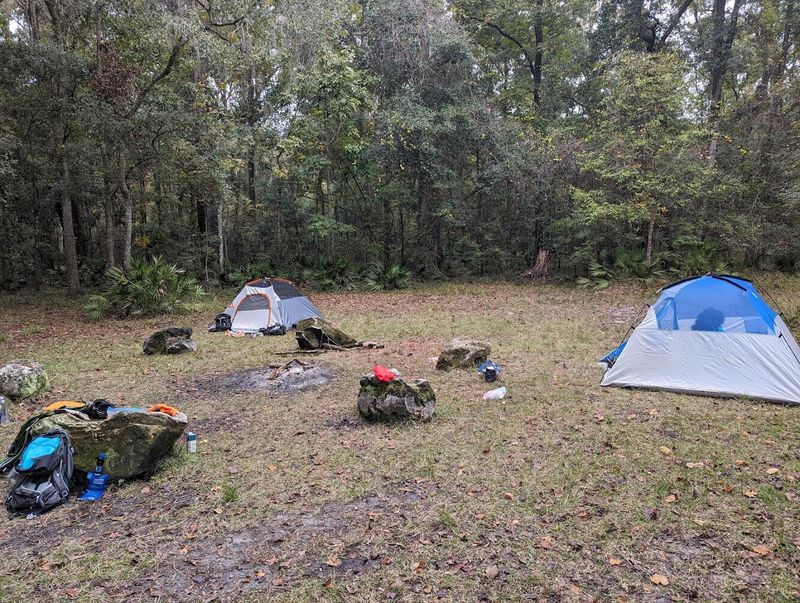
River Rise Preserve State Park near High Springs is a compelling option if you like primitive camping tied to a dramatic water feature. Here, the Santa Fe River reemerges after traveling underground, creating a spring-fed resurgence area that feels both scenic and geologically impressive.
Staying overnight nearby gives the landscape a more immersive feel.
The preserve is better known for horseback riding, hiking, and open natural scenery than for a traditional swim-centric spring basin. Still, the short access to the river rise and surrounding trails makes it a strong fit for campers who want to experience Florida’s underground water story firsthand.
It feels spacious and less crowded than headline spring parks.
This is a good pick when your ideal trip leans quiet, rustic, and exploratory. Instead of heavily developed attractions, you get starry skies, a primitive camp setup, and close contact with one of the region’s most fascinating hydrologic features.
Address: 373 SW US Hwy 27, High Springs, FL 32643. Official website: floridastateparks.org.
Florida Caverns State Park
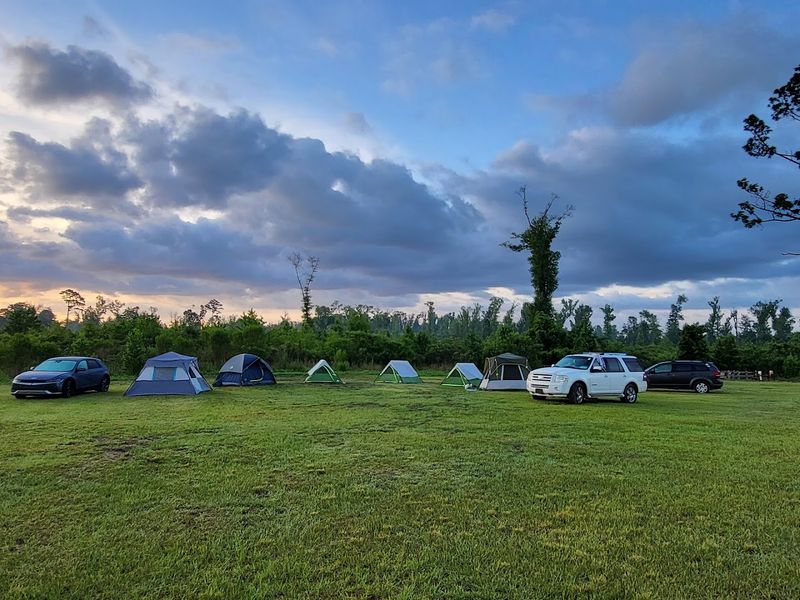
Florida Caverns State Park gives you a different kind of spring camping experience, one that mixes limestone scenery, wooded campsites, and an easy walk to Blue Hole. The campground feels tucked away and relaxed, so you can settle in without losing quick access to the water.
That balance makes the park especially appealing if you want swimming and shade in the same outing.
Blue Hole is smaller and quieter than some headline springs, but that is part of the charm. You get clear water, a more peaceful setting, and an easy detour back to camp when the afternoon heats up.
Suwannee River State Park
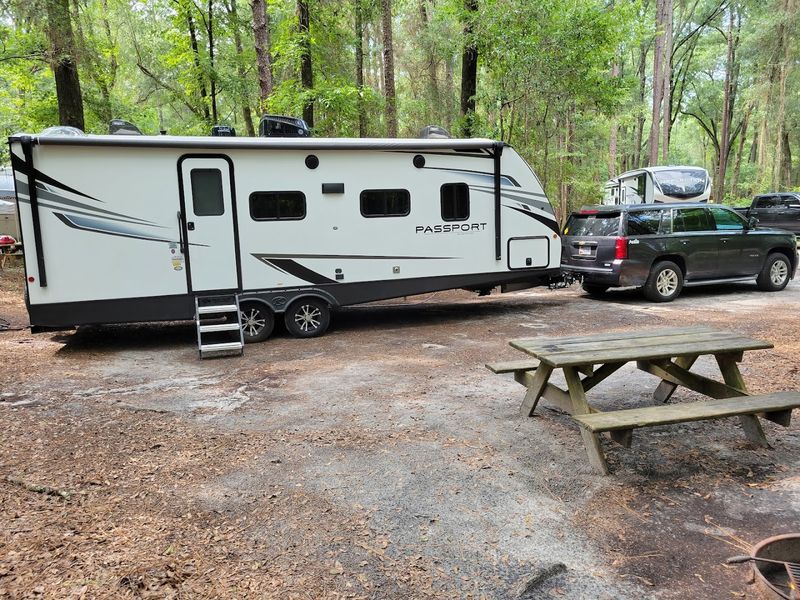
Suwannee River State Park is better known for river views and history, but it also works for campers who like exploring spring-fed spots without going far from their site. The campground sits in a shady section of the park, and nearby trails lead you toward cool-water features tied to the limestone landscape.
It feels quieter and more old-Florida than the bigger spring destinations.
What stands out here is the atmosphere. You can spend part of the day hiking to sinkholes and spring runs, then be back at camp quickly enough to keep the evening easy, which is exactly the kind of convenience I look for.
Falling Waters State Park
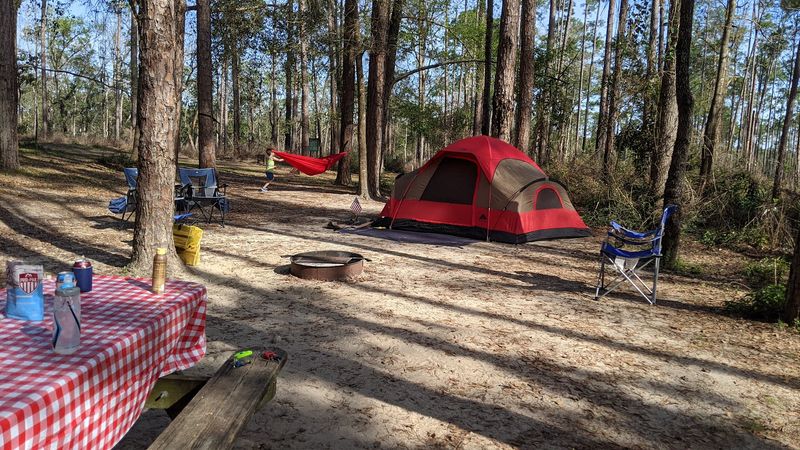
Falling Waters State Park is not a classic big-swim spring park, but it still belongs in the conversation if you like campsites near Florida’s natural water features. The campground is compact, shaded, and convenient to the park’s trails, which pass sinkhole terrain shaped by groundwater over time.
That makes the whole place feel geologically interesting without demanding much effort from camp.
The appeal here is less about spending all day floating and more about easy access to a cool, spring-influenced landscape. If you enjoy quieter parks, short walks, and a less crowded Panhandle stop, this one adds welcome variety to your spring-camping list.
Mike Roess Gold Head Branch State Park
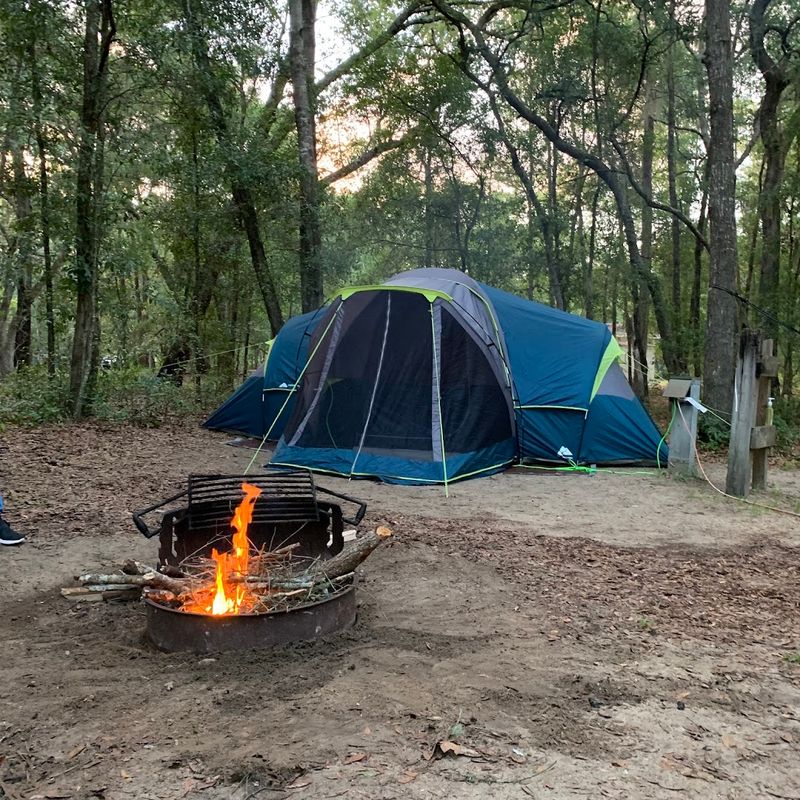
Mike Roess Gold Head Branch State Park gives you a different kind of spring experience, shaped by cool seepage springs, ferny ravines, and old Florida forest. The campground sits in a shaded section of the park, and trails lead toward the spring-fed branch without much effort.
If you like quiet places more than crowded swim areas, this one feels rewarding.
What stands out here is the atmosphere. The water is not a big swimming boil, but the spring-fed landscape keeps the park lush and scenic year-round.
It is a strong pick when you want camping with access to water, overlooks, and a setting that feels calm.
Faver-Dykes State Park
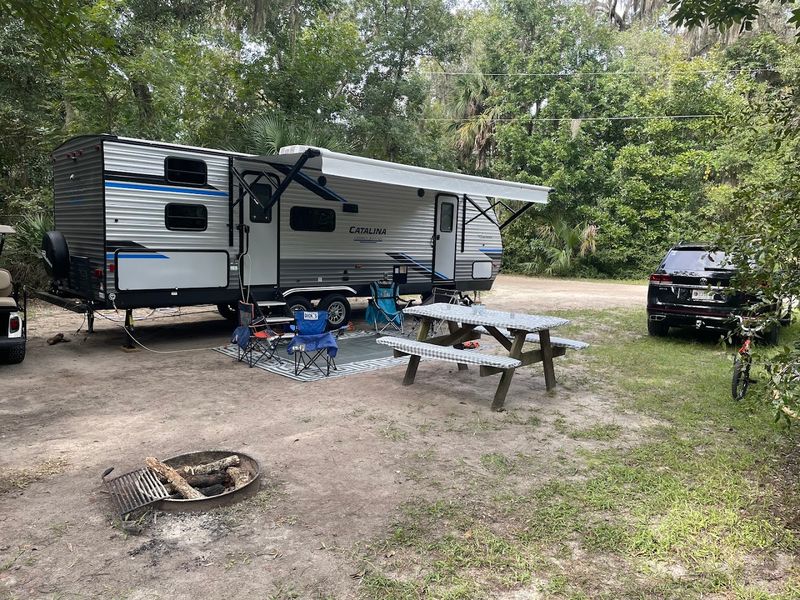
Faver-Dykes State Park is a quieter choice, but that is exactly why it works for campers who want a little breathing room. From the campground, you can explore the marshy edges of Pellicer Creek and look for the small spring influences that help keep the water system lively and clear.
The walk is easy, the setting feels tucked away, and mornings here come with birdsong instead of crowds.
This is less about a headline spring and more about a peaceful spring landscape. If you enjoy paddling, slow trails, and a campsite close to natural water, it fits beautifully.
It feels discovered, not crowded.
Jonathan Dickinson State Park
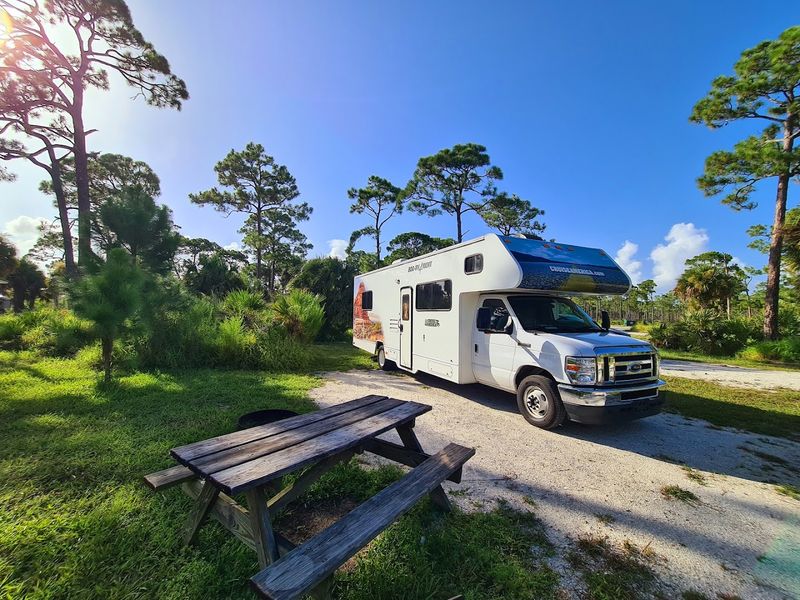
Jonathan Dickinson State Park is better known for the Loxahatchee River, but campers also notice how much clear, spring-influenced water shapes the feel of the park. From the campground, short walks and easy explorations put you near quiet waterways, shady banks, and cooling breezes that make camp life better in warm weather.
It does not have the giant boil, yet the water experience still feels fresh, natural, and closely tied to camp.
This choice works best if you want variety. You can mix hiking, paddling, and campground time without losing that near-the-water payoff.
For anyone building a Florida springs road trip, it adds texture.