Not all of Florida feels fast or crowded. Beyond the busy beaches and well-known coastal cities, there are small villages where life still moves with the tide.
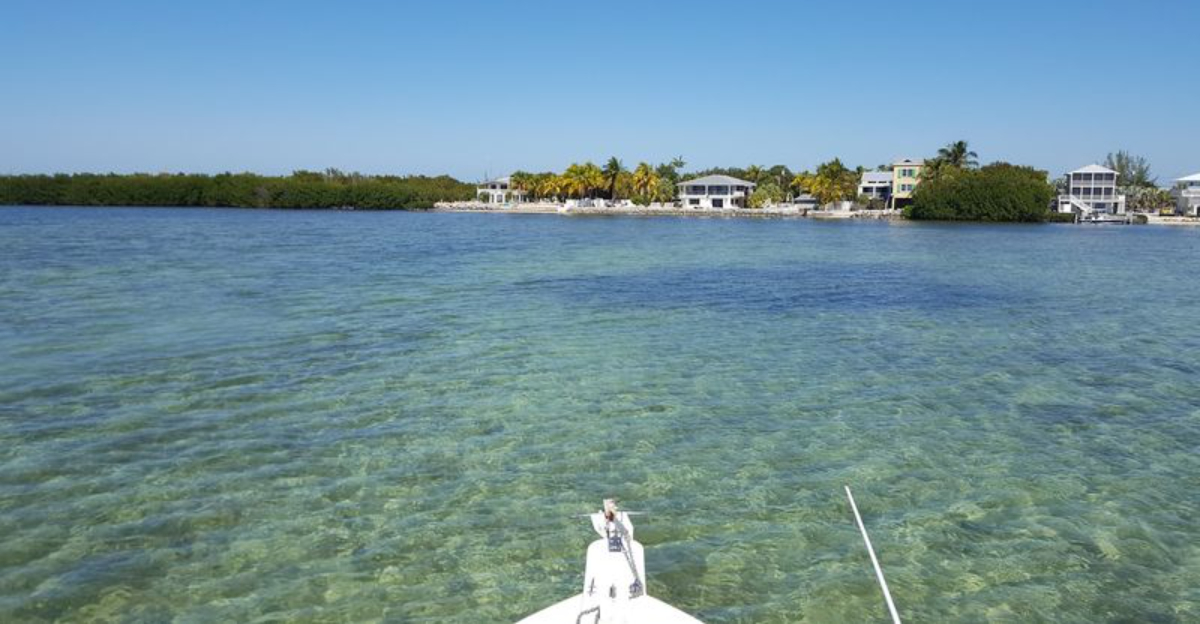
Wooden docks creak in the morning heat, pelicans glide over quiet water, and sandy roads lead to marinas, mangroves, and simple waterfront cafés that feel unchanged for years.
In spring, the Gulf breeze softens the afternoons and the Keys carry a calm, salt-heavy air that invites you to linger a little longer. These places are less about attractions and more about atmosphere—sunlight on still water, empty stretches of shoreline, and conversations that don’t feel rushed.
If you’re drawn to slow coastal days and communities that feel close to the water in every sense, these Florida villages offer exactly that kind of escape.
Here are 14 Florida villages that feel like quiet coastal escapes.
Cedar Key
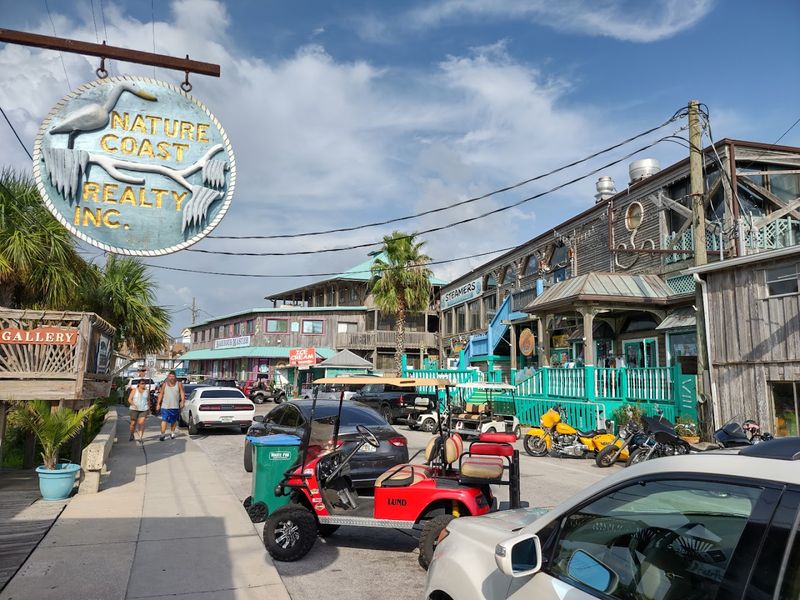
Salt air, clapboard cottages, and the low hum of golf carts set the tone before you even notice how slowly everything moves. Out on the Gulf, the horizon looks wide and unbothered, and that feeling follows you ashore.
In Cedar Key, you come for seafood, sunsets, and a version of Florida that still feels wonderfully unpolished.
This small island community in Levy County is known for its historic waterfront, artist studios, and working fishing roots. You can wander Dock Street, watch pelicans circle over the marinas, and settle into a meal featuring the local clam industry that helped redefine the town.
Nothing here feels rushed, which is exactly the point.
Nature adds another layer of quiet. Nearby islands, marshes, and the Cedar Keys National Wildlife Refuge create a landscape that feels both expansive and hidden.
Kayaking, birding, and simply sitting by the water all make sense here, especially if you want your trip to feel restorative instead of scheduled.
What stays with you most is the mood. Cedar Key is not trying to impress with gloss or spectacle, and that restraint makes it memorable.
If you want a coastal escape that feels historic, local, and gently removed from modern noise, this is an easy place to love.
Matlacha
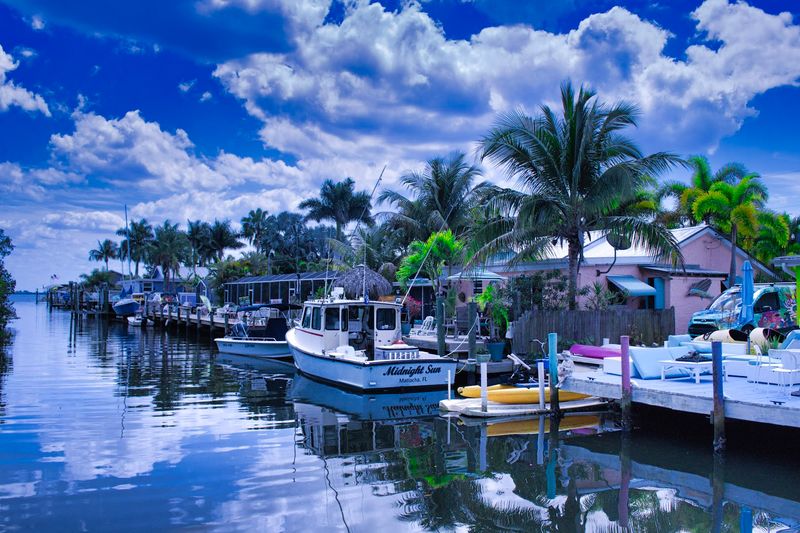
Bright paint, bait shops, and water on both sides make this little island stop feel playful without losing its laid-back heart. You notice the color first, but the slower rhythm is what really lands.
In Matlacha, the charm comes from a fishing village soul wrapped in an artsy, easygoing shell.
Set in Lee County between Cape Coral and Pine Island, this tiny community sits along Matlacha Pass and carries a strong Old Florida identity. Galleries, seafood spots, and quirky storefronts line the main road, while boats drift through the canals behind them.
It feels lived in, local, and pleasantly unconcerned with polish.
The surrounding water helps define the experience. Anglers head out for redfish and snook, kayakers explore mangrove tunnels, and sunset watchers find plenty of edges where the sky opens wide.
Even when visitors arrive, Matlacha rarely feels overbuilt or anonymous, which gives every stop a more personal texture.
If you are looking for a polished resort town, this is not it. That is exactly why Matlacha stands out.
It feels creative, weathered, and connected to the sea in a way many busier coastal places no longer do, making it one of Florida’s most distinct quiet escapes.
Boca Grande
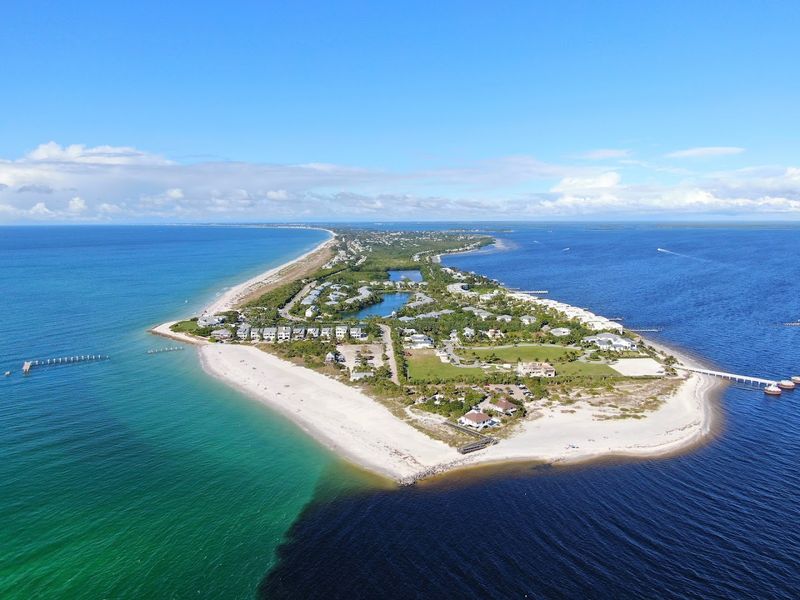
Shaded lanes, pale sand, and the soft clatter of bicycles create a kind of calm that feels immediately intentional. Nothing seems loud here, not the streets, not the beaches, not even the architecture.
In Boca Grande, the luxury is subtle, and the quiet is one of the main reasons people fall hard for it.
Located on Gasparilla Island, this barrier island village spans Lee and Charlotte counties and has long carried a refined but understated reputation. Historic homes, tidy gardens, and classic inns give it an old-money coastal elegance without turning it into a scene.
You are more likely to notice porches, palms, and sea grapes than flashy development.
Its beaches are broad and beautiful, yet often feel calmer than many better-known Florida stretches. Fishing also matters here, especially tarpon season, though you do not need a rod to appreciate the maritime culture.
A walk to the lighthouse or along the village center can easily fill an afternoon in the best way.
Boca Grande feels polished, but never overly performative. It offers space to breathe, swim, wander, and dress life down a notch.
If your ideal coastal escape leans quiet, graceful, and lightly nostalgic, this is one of the state’s most satisfying places to slow all the way down.
Cortez
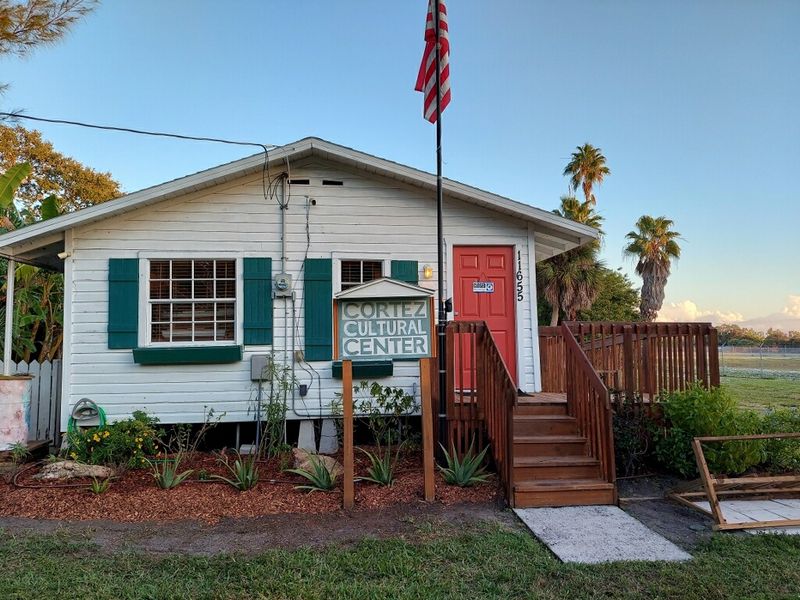
Weathered docks, shrimp boats, and a deep sense of continuity give this place a texture that newer beach towns simply cannot fake. You feel the working waterfront before you think about sightseeing.
In Cortez, the appeal comes from authenticity, where daily life and maritime history are still tied closely together.
This village in Manatee County is one of Florida’s last true commercial fishing communities, and that identity shapes everything around it. The Florida Maritime Museum adds context, but the real story is outside, near the boats, seafood markets, and humble buildings that have anchored the area for generations.
It feels practical, rooted, and local.
Despite its proximity to busier Anna Maria Island and Bradenton Beach, Cortez keeps a quieter, more grounded personality. You can eat fresh grouper, watch the bay shift color, and walk streets that still suggest a coastal village rather than a resort district.
The contrast with nearby development makes its preservation even more meaningful.
If you want glamour, you will likely keep driving. If you want a place where Florida’s Gulf fishing culture still feels visible and intact, Cortez delivers something rarer.
It is peaceful in an honest way, and that honesty makes the village feel like a genuine coastal escape.
Apalachicola
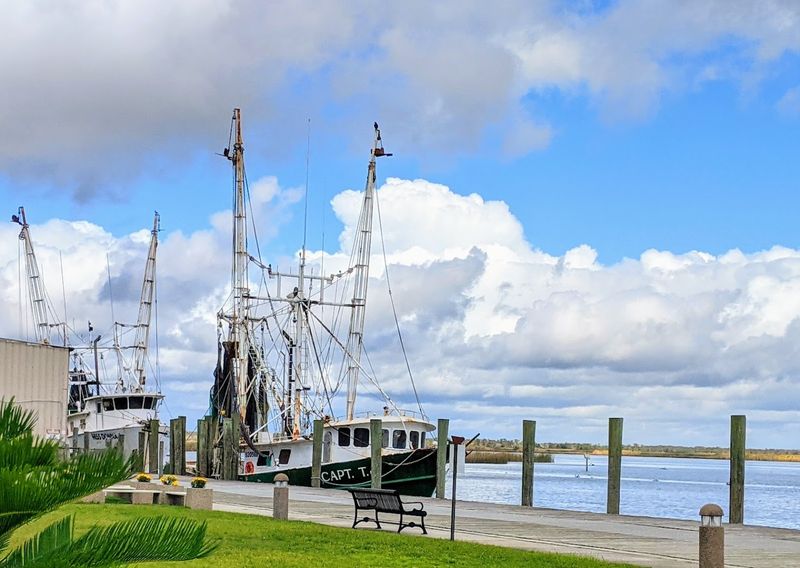
Brick streets, old storefronts, and river breezes give this town an immediate sense of character that feels deeper than a beach stop. There is history in the air, but it never feels heavy.
In Apalachicola, the pace is easy, the waterfront is central, and the town still knows exactly what it is.
Set in Franklin County along the Apalachicola River near the Gulf, this small community is famous for its oyster heritage and preserved downtown. You can browse bookstores, galleries, and seafood restaurants housed in handsome old buildings, then head toward the marina to watch boats and light shift across the water.
It feels intimate without feeling sleepy.
The surrounding environment adds to the appeal. Nearby St. George Island, estuaries, and wetlands make this part of the Panhandle especially rich for birding, paddling, and scenic drives.
Even if you do very little, the combination of architecture, seafood culture, and coastal geography creates a satisfying sense of place.
Apalachicola works because it offers more than one kind of quiet. You get natural calm, small-town ease, and a historical atmosphere that encourages lingering.
If your ideal escape includes excellent oysters, thoughtful wandering, and a town that feels both soulful and grounded, this one deserves serious attention.
Carrabelle
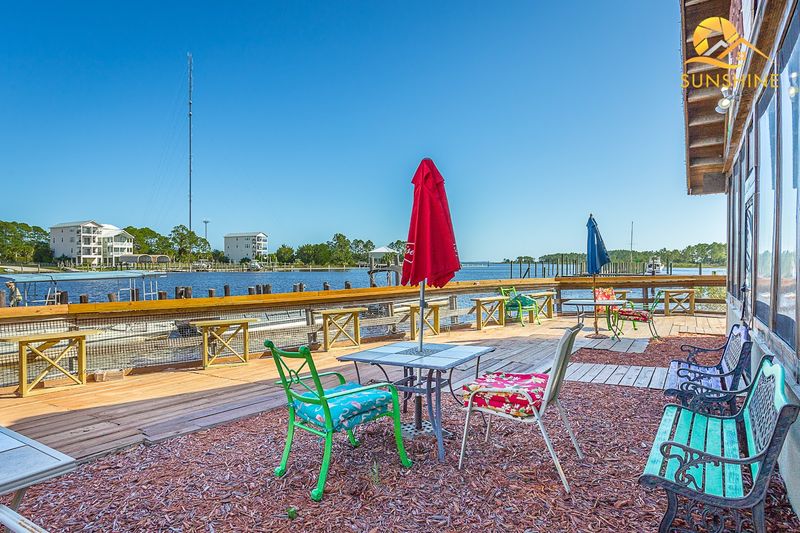
Wide skies, small marinas, and a sense of distance from the state’s louder coasts make this town feel like a deliberate exhale. You are not here for nightlife or flashy attractions.
In Carrabelle, the reward is space, simplicity, and access to a Forgotten Coast landscape that still feels mostly untamed.
Located in Franklin County, Carrabelle has long been tied to fishing, boating, and life on the water. The waterfront is modest, the pace is slow, and local landmarks like the Crooked River Lighthouse add a touch of character without tipping into tourist theater.
It is the kind of place where a quiet drive and a seafood lunch can be enough.
Nearby beaches, marshes, and river systems make the area especially appealing if you enjoy fishing, paddling, or wildlife watching. Dog Island sits just offshore, helping deepen the region’s secluded feel.
Even the roads approaching town seem to prepare you for a calmer kind of coastal experience.
Carrabelle will not overwhelm you with options, and that restraint is part of its appeal. It invites you to notice wind, water, and horizon instead of schedules.
If you want a remote Florida village that feels grounded, breezy, and genuinely under the radar, this one is easy to appreciate.
St. Marks
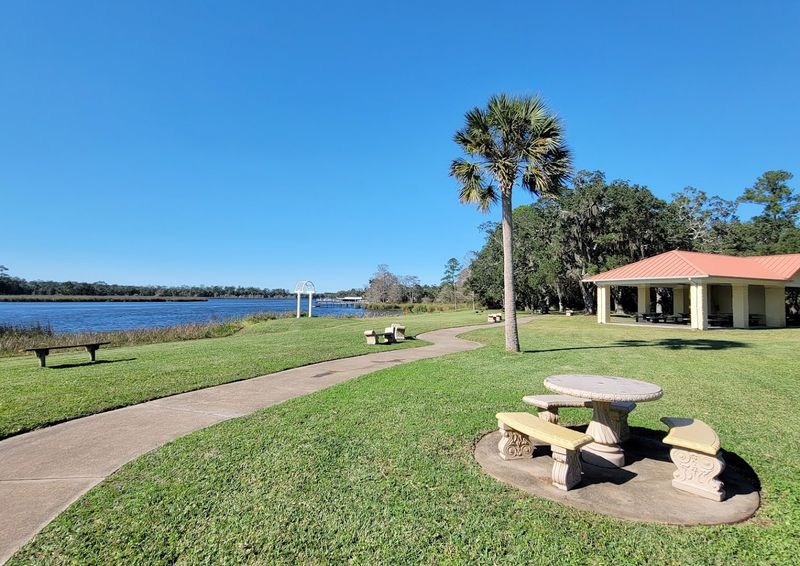
Where river and coast meet, the scenery turns hushed, marshy, and full of birds, and that mood defines the visit from the start. This is the kind of place that feels more like a pause than a destination checklist.
In St. Marks, nature and history do most of the talking.
Found in Wakulla County, this tiny settlement sits near the mouth of the St. Marks River and carries a long coastal story. The San Marcos de Apalache Historic State Park and the beloved St. Marks Lighthouse give the area a clear sense of time and place.
Nothing here feels overdone, which makes the setting feel more genuine.
Boaters, anglers, and birders have plenty to enjoy, especially with the St. Marks National Wildlife Refuge surrounding much of the landscape. The refuge’s marshes, trails, and scenic roads create a peaceful backdrop that rewards patience and slow looking.
Even a short visit can leave you feeling pleasantly removed from everything louder inland.
St. Marks is ideal if you want a coastal stop that leans heavily into habitat, water, and quiet reflection. It is small, understated, and deeply tied to its environment.
For travelers who prefer lighthouses, estuaries, and stillness over beach crowds, this village feels refreshingly rare.
Steinhatchee
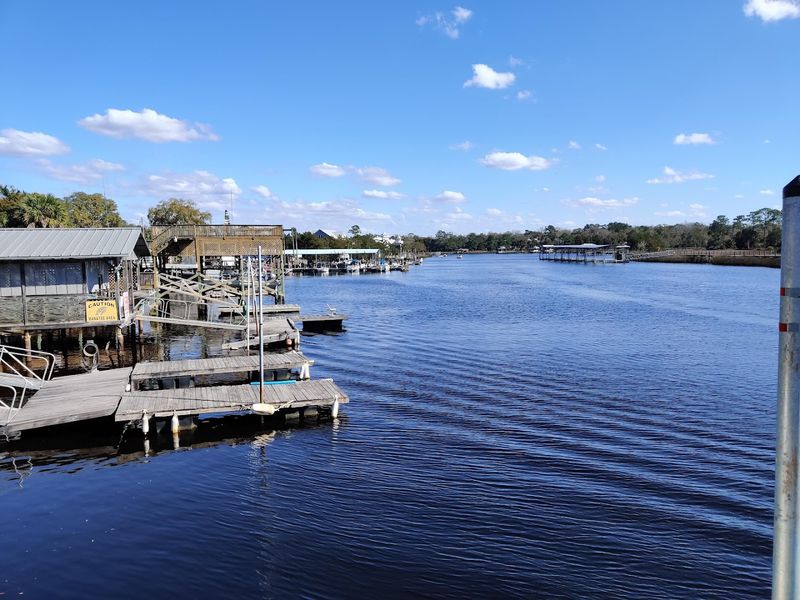
Early boats, calm river water, and the promise of a day outdoors shape the experience long before any itinerary takes form. This is a place where fishing and scalloping are not marketing slogans but part of everyday identity.
In Steinhatchee, the atmosphere feels relaxed, practical, and genuinely connected to the Gulf.
Set in Taylor County where the Steinhatchee River nears the coast, this small community is especially known for seasonal scalloping and laid-back fishing culture. Marinas, rental homes, and local restaurants support visitors, but the village still feels low-density and easy to navigate.
You come here to be outside, not to be entertained indoors.
The surrounding marshes, flats, and waterways make it a natural fit for boaters and anglers who like room to roam. Even during busier summer weekends, the area usually feels more open and less commercial than many beach-centered destinations.
Sunset along the river can be reason enough to stay one more night.
Steinhatchee is best for travelers who enjoy simple pleasures done well: fresh seafood, early starts, and water in every direction. It does not chase trendiness, and that works in its favor.
If you want a quiet coastal escape with a strong outdoorsy heartbeat, this village absolutely delivers.
Suwannee
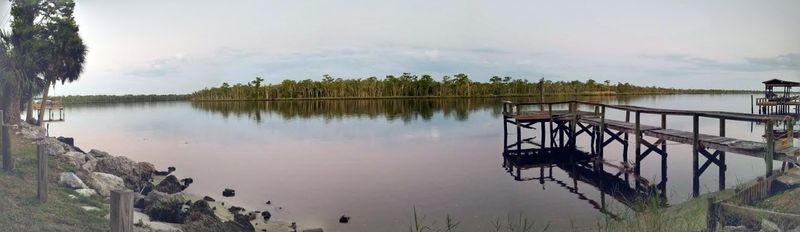
Marsh channels, stilted homes, and a feeling of near-total remove make this tiny community seem almost hidden at the edge of the map. It is quiet in a literal sense, with far more wind and water than traffic.
In Suwannee, remoteness is not a drawback but the central appeal.
Located in Dixie County where the famous Suwannee River reaches the Gulf, this small settlement is built around boating, fishing, and access to surrounding wetlands. The landscape feels broad and elemental, with houses raised above the terrain and docks extending into calm channels.
It is not polished, but it is memorable in a way polished places rarely are.
What you do here depends largely on how much you enjoy being outside. Fishing, scalloping, birding, and paddling all make sense, and simply watching the light change across the marsh can fill more time than you expect.
The area is especially appealing if you want to unplug and let the environment set the schedule.
Suwannee will not suit travelers looking for boutiques or beach bars. What it offers instead is rarity: an unhurried, working coastal community shaped by river, tide, and weather.
If that sounds restorative rather than inconvenient, this is one of Florida’s most quietly compelling escapes.
Keaton Beach
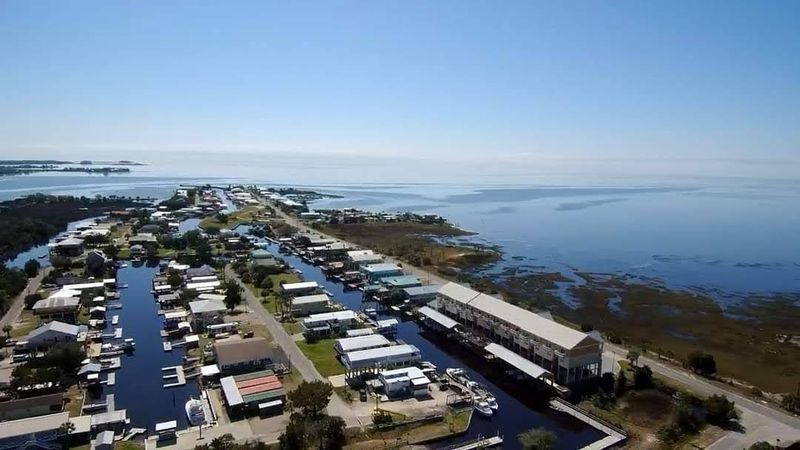
Low docks, open marsh views, and a tiny footprint make this one feel less like a town and more like a peaceful outpost on the Gulf. You do not arrive expecting much bustle, and that expectation is rewarded.
In Keaton Beach, the pleasure comes from simplicity and space.
This very small coastal hamlet in Taylor County is known mostly to anglers, boaters, and travelers who appreciate forgotten corners of Florida. There is a public beach area, a boat ramp, and just enough infrastructure to support a day centered on water and weather.
The setting feels straightforward, unpretentious, and easy to understand.
Fishing and scalloping are major draws, but the larger experience is about atmosphere. The shoreline here is modest rather than dramatic, shaped by marsh and Gulf flats instead of high dunes or big surf.
That subtlety gives the place a calm, almost meditative quality, especially during early morning and sunset hours.
Keaton Beach is not the kind of destination that overwhelms you with things to do. It quietly suggests that doing less might be enough.
If you want a coastal escape built around boats, breezes, and a true sense of being away from everything, this little hamlet is worth your attention.
Big Pine Key
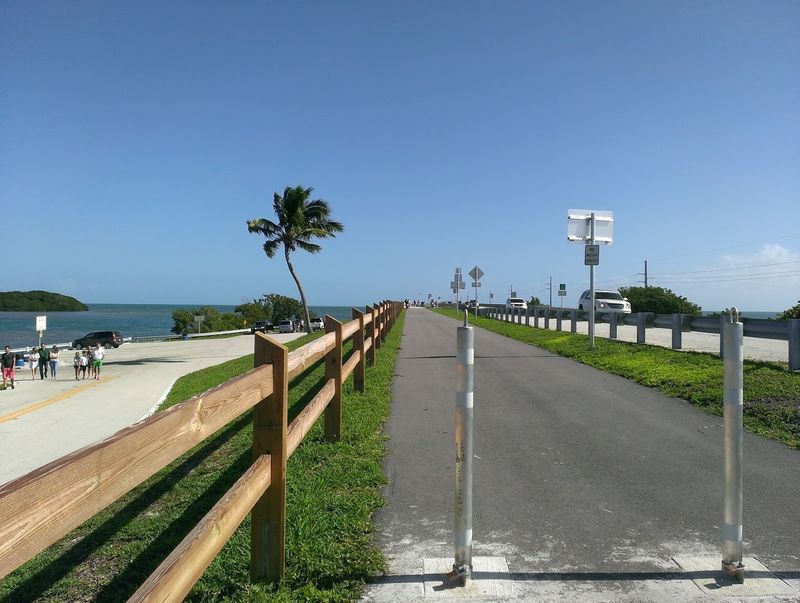
Tropical light, low-slung homes, and the possibility of spotting tiny Key deer give this island a different kind of calm from the mainland Gulf villages. It feels unmistakably Keys, but without the constant buzz some visitors expect farther south.
In Big Pine Key, nature and neighborhood quiet coexist beautifully.
Located in Monroe County in the Lower Keys, this community is best known for its connection to the National Key Deer Refuge. That protected landscape preserves native habitat while keeping development relatively restrained.
As you drive through, you notice more open space, fewer crowds, and a pace that feels gentler than busier stretches of the Overseas Highway.
Boating, snorkeling trips, and access to nearby Bahia Honda State Park add outdoor appeal, but much of Big Pine’s charm is simply in its everyday atmosphere. Canals, modest local businesses, and residential roads create a lived-in feeling rather than a resort one.
You can settle in here quickly and stop trying so hard to fill every hour.
Big Pine Key works well if you want the Florida Keys without nonstop motion. It offers wildlife, water access, and a strong sense of place, all in a setting that still feels approachable and quiet.
For a coastal escape with tropical character and room to breathe, it stands out.
Cudjoe Key
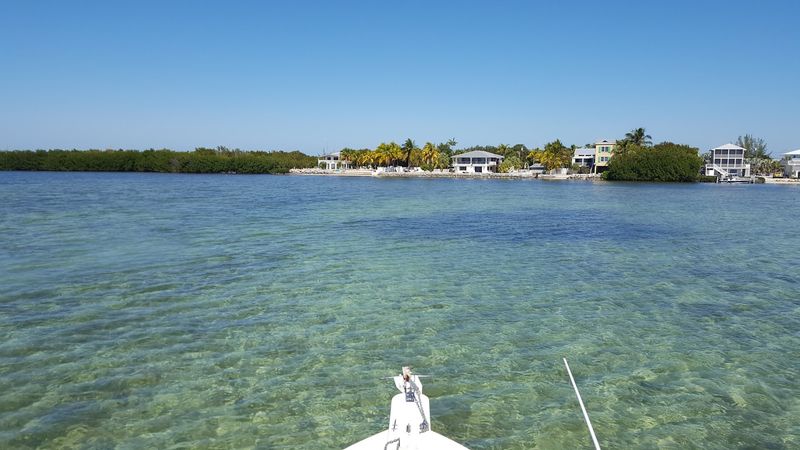
Long views over shallow water and a notably residential feel give this Lower Keys island a softer energy than many visitors expect. It is the kind of place where mornings linger and evenings arrive without much fanfare.
In Cudjoe Key, the quiet feels built into the landscape itself.
Part of Monroe County, this community sits between larger Keys destinations yet manages to maintain a distinctly low-density character. Homes, canals, and small local stops define the setting more than big attractions do.
That can make it seem understated at first, but the longer you stay, the more the calm begins to feel like the main event.
Boaters appreciate the easy access to surrounding waters, while travelers looking for a base in the Lower Keys often like how removed it feels from heavier traffic. You are close enough to explore places like Key West or Bahia Honda, but you can return to something quieter at the end of the day.
That balance is hard to overstate.
Cudjoe Key is especially appealing if you want tropical scenery without an overloaded itinerary. It offers sun, water, and a strong sense of local rhythm, all with fewer distractions.
For a Florida coastal escape that feels comfortably residential and genuinely restful, it earns a place on this list.
Duck Key
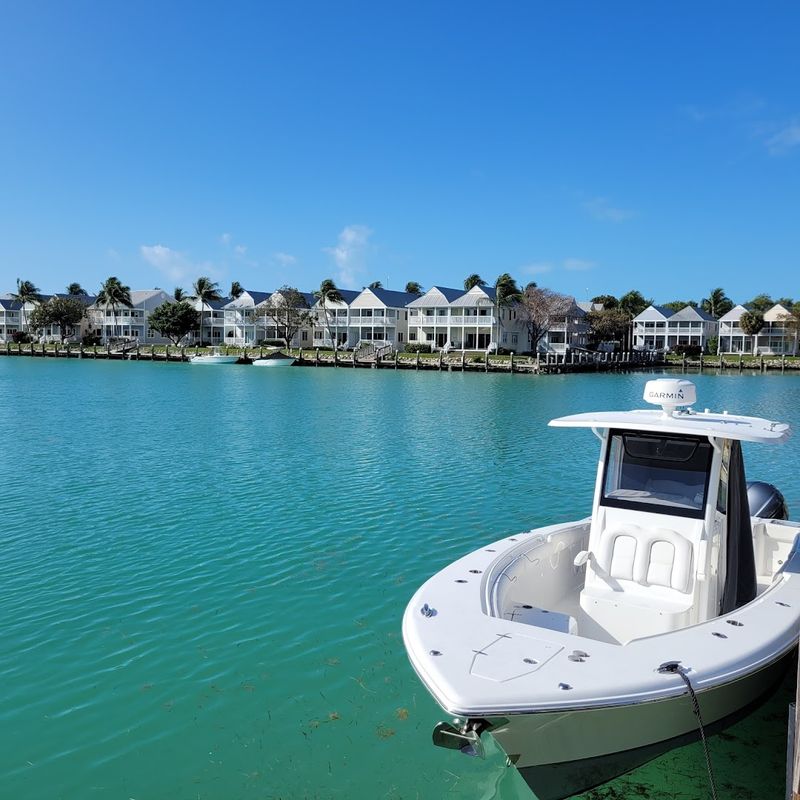
Curving roads, clipped palms, and turquoise water wrapping around neatly planned neighborhoods give this island a polished kind of calm. It feels orderly, breezy, and quietly self-contained.
In Duck Key, you get the beauty of the Middle Keys in a setting that stays far more peaceful than many better-known stops.
This small Monroe County island community is mostly residential, with canals, marinas, and water views shaping nearly every angle. While a resort presence exists, the overall atmosphere still leans tranquil rather than hectic.
You are more likely to notice golf carts, boats, and sunset reflections than crowds spilling onto busy sidewalks.
Its central location in the Keys makes it convenient for day trips, yet Duck Key itself encourages you to stay put and enjoy the immediate surroundings. Boating, paddleboarding, and quiet waterfront walks all fit naturally here.
Even when the weather shifts, the island keeps a tucked-away feeling that works well for unwinding.
Duck Key may not have the raw rusticity of some Old Florida villages, but it absolutely delivers on the idea of a quiet coastal escape. If you want tropical water, easy access, and a calmer version of Keys life, this island makes a strong case for itself.
Ozello
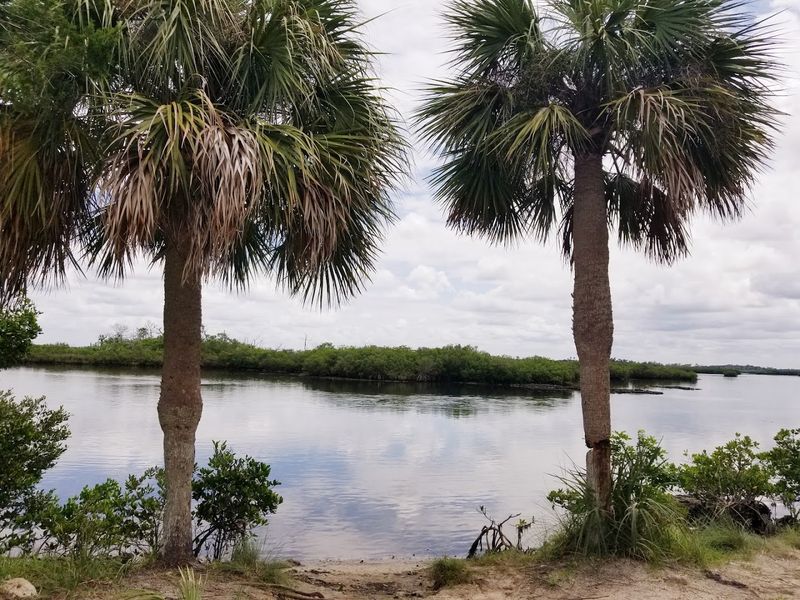
A winding road through mangroves sets the mood long before you reach the water, and that approach is part of the magic. By the time you arrive, the outside world already feels distant.
In Ozello, seclusion is woven into every mile, making the place feel like a hidden coastal pocket.
This small hamlet in Citrus County sits amid backwaters, islands, and marshy inlets near the Gulf. It is known less for conventional sightseeing than for its striking setting and access to fishing and paddling.
Waterfront restaurants and scattered homes appear almost as clearings in the landscape rather than signs of heavy development.
The surrounding water is the reason most people come, whether to launch a kayak, cast a line, or simply take in the layered scenery. Mangroves, tidal creeks, and quiet channels create a deeply textured environment that feels both intimate and expansive.
Even on a casual day trip, Ozello leaves a strong impression of having escaped somewhere secret.
If your idea of a coastal village involves broad beaches and busy downtown blocks, this is not that place. Ozello offers something moodier and more secluded.
For travelers who love backwater beauty, low-key adventure, and a sense of near-complete remove, it is one of Florida’s best quiet escapes.