A free underwater adventure is waiting beneath a Florida bridge, and it’s far more magical than you might expect.
The Phil Foster Snorkel Trail in Riviera Beach turns a swim into a treasure hunt filled with colorful fish, curious sea creatures, and fascinating reef structures.
Located beneath the Blue Heron Bridge, this hidden gem invites visitors to discover Florida’s underwater world without paying for a boat tour.
Every visit can reveal something new, from tiny seahorses hiding among the rocks to graceful rays gliding through the clear water.
It’s the kind of place that makes you feel like you’ve found a playground.
Whether you are snorkeling for the first time or chasing unforgettable ocean moments, this free attraction delivers memories that will stay with you long after your adventure ends.
A Hidden Underwater Adventure Right Beneath Blue Heron Bridge
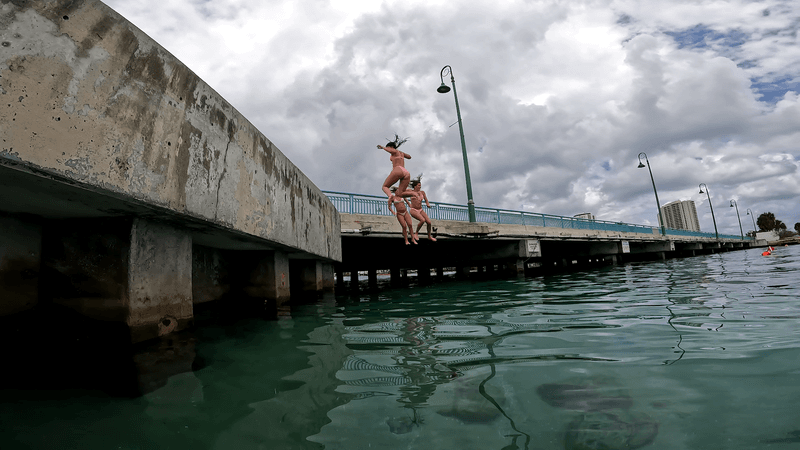
Most people drive right past without realizing an incredible underwater world exists just steps from the parking lot. Phil Foster Memorial Park sits quietly along Blue Heron Boulevard in Riviera Beach, but beneath the surface lies one of Florida’s most unusual free attractions.
This shore-access snorkeling spot welcomes visitors to walk right into the water from the sandy beach and begin exploring a purpose-built underwater reef system. No boat required, no expensive tour needed, just your basic snorkeling gear and a sense of adventure.
The trail stretches across the shallow area near the bridge, where limestone boulders and reef structures create an underwater playground.
What started as a marine habitat improvement project has transformed into a beloved destination for snorkelers, scuba divers, and underwater photographers from around the country. People travel specifically to experience what locals call one of the best shore snorkeling locations in Florida.
The combination of easy access, diverse marine life, and zero admission cost makes this spot truly special.
The Story Behind Florida’s One-of-a-Kind Snorkel Trail
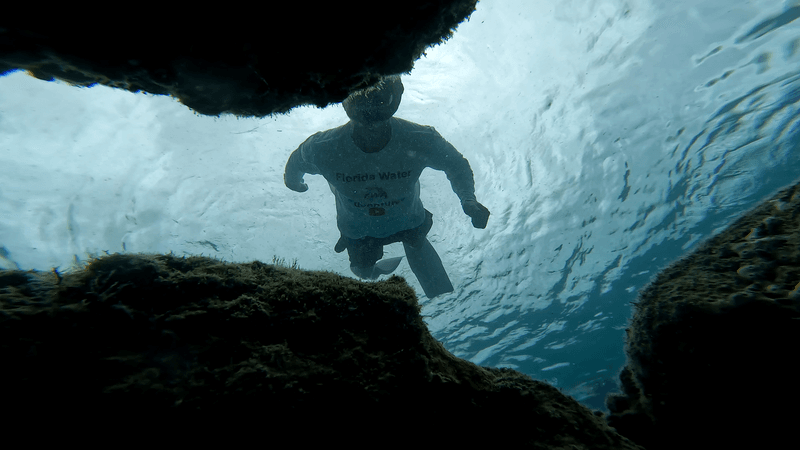
Back in the early 2000s, Palm Beach County officials recognized an opportunity to create something extraordinary. They wanted to improve marine habitat while offering residents a unique recreational experience that wouldn’t cost taxpayers ongoing maintenance fees.
Engineers designed an artificial reef system using roughly 600 tons of limestone boulders, specially designed reef modules, and other marine-friendly structures. These materials were carefully arranged across approximately two acres of shallow water near the Blue Heron Bridge.
The limestone rocks provide natural hiding spots, crevices, and surfaces where algae can grow, attracting small creatures that then bring larger marine animals.
The project succeeded beyond expectations. Within months, fish began gathering around the structures, and word spread quickly among Florida’s diving community.
What makes this trail different from typical artificial reefs is its accessibility—anyone can simply walk into the water and start exploring. The county created something that benefits both marine ecosystems and people looking for outdoor adventure.
What Makes This Snorkel Spot So Special
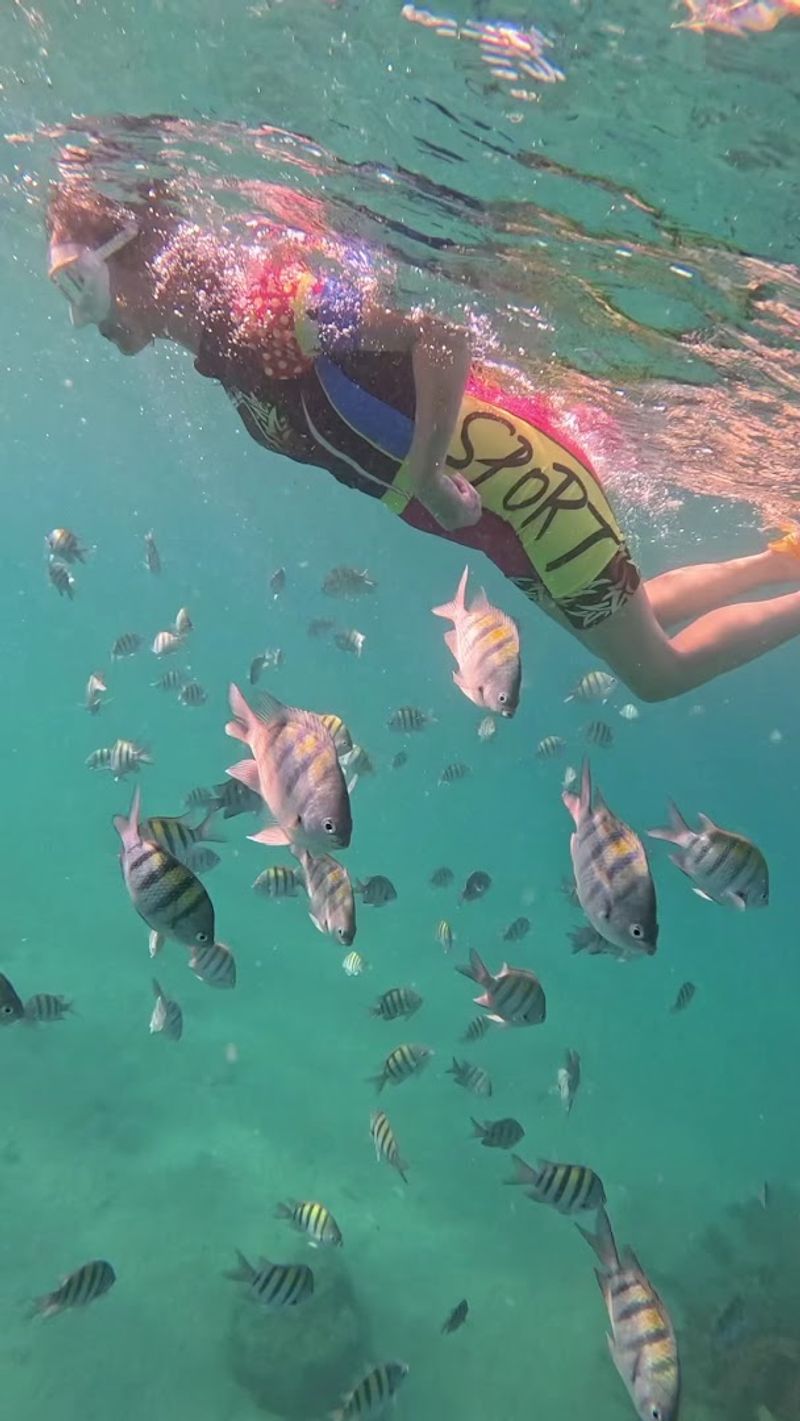
Plenty of Florida beaches offer decent snorkeling, but Phil Foster stands apart for several important reasons. The water depth ranges from around six to ten feet throughout most of the trail, creating perfect conditions for snorkelers of all experience levels.
Unlike many shore snorkeling locations where you might see scattered fish and coral, this trail offers concentrated marine life gathered around the artificial structures. The nearby Lake Worth Inlet constantly pushes fresh ocean water into the area, bringing nutrients and maintaining better visibility than you’d find at typical beach locations.
When conditions align properly, you can see twenty feet or more underwater.
The protected setting near the bridge also means calmer water compared to open ocean locations. Beginners appreciate having reef structures to follow rather than just swimming aimlessly hoping to spot something interesting.
Experienced snorkelers keep returning because the ecosystem continues evolving, with new creatures moving in and seasonal visitors appearing throughout the year. Every trip offers something different.
The Incredible Marine Life You Can Spot Along the Trail
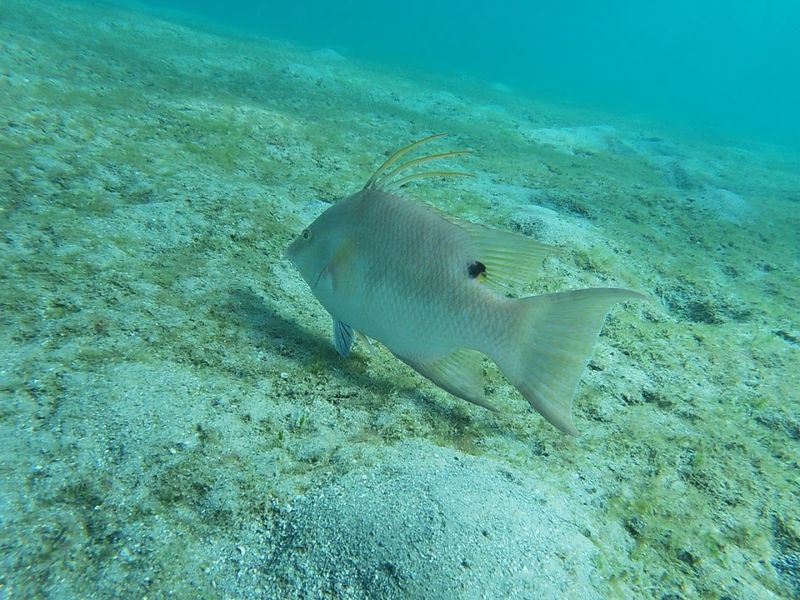
Here’s where the magic really happens. Snorkelers regularly encounter an astonishing variety of sea creatures that make every visit feel like discovering a hidden treasure.
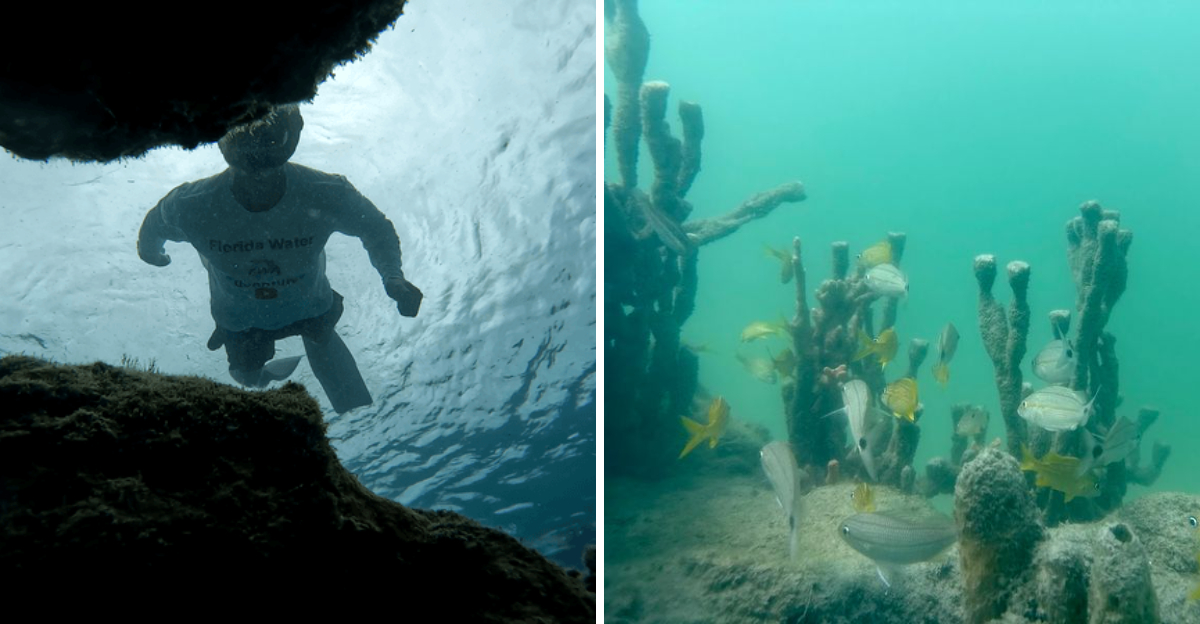
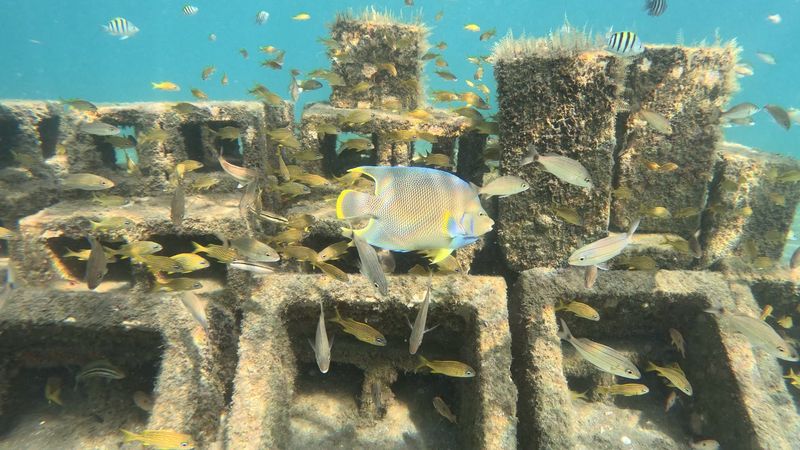
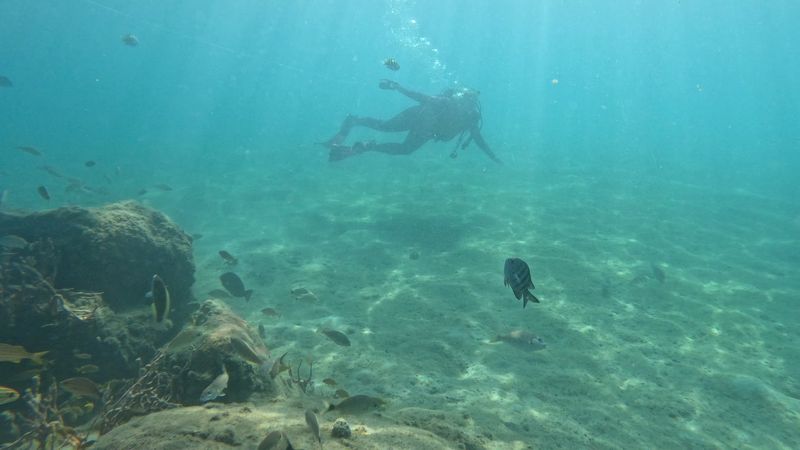
Colorful tropical fish dart between the limestone boulders—parrotfish, angelfish, tangs, grunts, and dozens of other species create an ever-changing underwater display.
Spotted eagle rays occasionally glide past like underwater birds, their graceful movements mesmerizing to watch. Patient observers might spot octopuses changing colors as they navigate between hiding spots, or discover seahorses clinging to structures in the quieter areas.
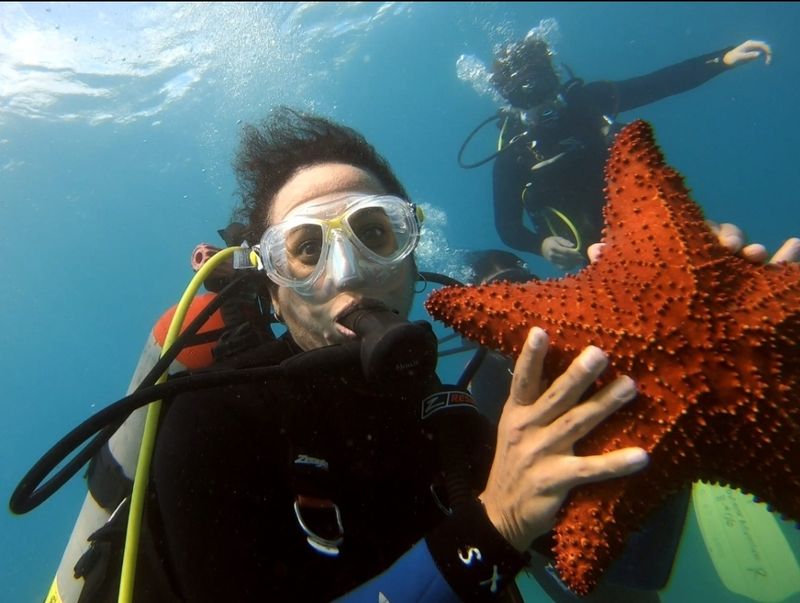
Starfish, sea urchins, crabs, and other invertebrates cover the rocks and sandy patches.
Night snorkeling brings entirely different animals—squid, eels, and nocturnal fish emerge after sunset. Underwater photographers particularly love this location because small, unusual creatures gather in concentrated areas rather than being scattered across miles of coastline.
You never know exactly what you’ll encounter, which keeps people coming back season after season to see who’s moved into the neighborhood.
Exploring the Famous Shark Sculptures and Reef Structures
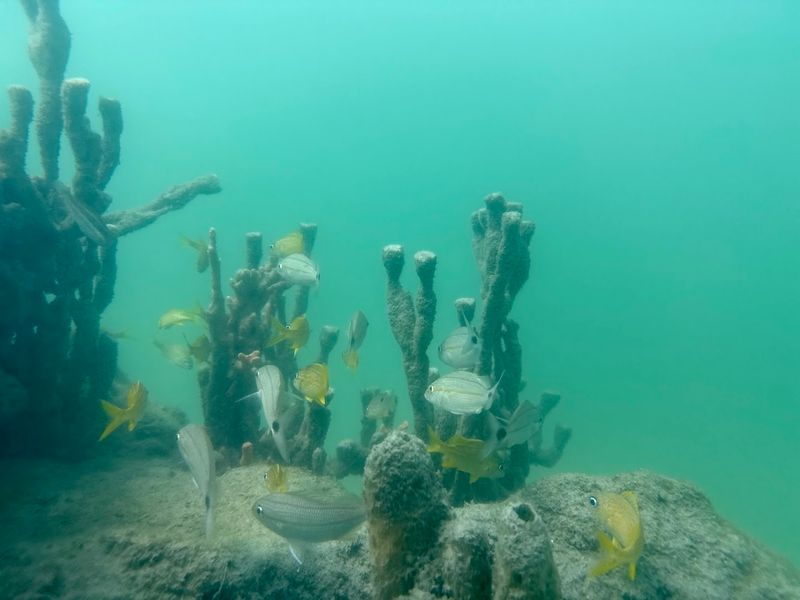
Swimming along the marked pathway feels more like exploring an underwater park than typical beach snorkeling. The trail features recognizable landmarks that help visitors navigate while creating memorable photo opportunities.
Metal shark sculptures have become the trail’s most famous feature—not real sharks, but carefully placed artistic installations that give snorkelers something exciting to discover. These sculptures quickly developed coating of algae and small barnacles, making them look like they’ve always belonged there.
Fish gather around them just like they do with natural reef structures.
Beyond the sharks, you’ll find various rocky formations, reef balls with holes where creatures hide, and other artificial habitats designed specifically to attract marine life. Following the underwater markers keeps you on track while letting you explore different sections.
Some areas have more open sandy patches, while others feature dense clusters of limestone boulders creating maze-like passages. Each zone attracts slightly different animals, encouraging you to explore the entire trail rather than staying in one spot.
Why This Is a Perfect Snorkel Spot for Beginners
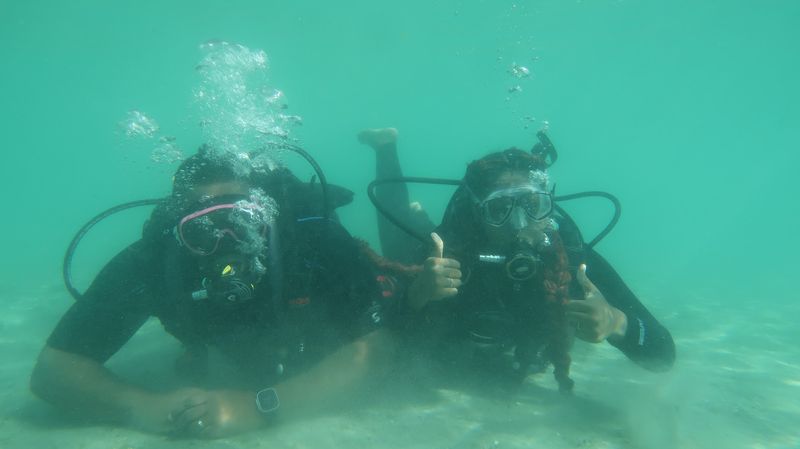
First-time snorkelers often feel nervous about venturing into open water, but Phil Foster removes most of those worries. The ability to walk directly from the beach into the snoreling area means no intimidating boat rides or long swims to reach interesting spots.
Shallow depths let beginners stand up whenever they need to adjust their mask, catch their breath, or simply take a break. You control the experience completely, moving at your own pace and returning to shore whenever you feel tired.
The marked trail provides clear direction, so you won’t worry about getting lost or swimming too far from safety.
Parents appreciate being able to introduce children to underwater exploration in a controlled environment where they can easily assist if needed. The calm, protected conditions near the bridge mean gentler waves and currents compared to open ocean snorkeling.
Many families visit specifically because it offers a genuine marine experience without requiring advanced skills, expensive equipment rentals, or booking guided tours that might not match their schedule.
The Best Time to Visit for Clear Water and Better Wildlife Views
Timing your visit correctly transforms a good snorkeling experience into an absolutely spectacular one. Tides play the starring role at Phil Foster because the nearby Lake Worth Inlet directly affects water conditions throughout the trail area.
High tide brings the clearest water—fresh ocean water flows in from the Atlantic, pushing out any sediment or murky lagoon water. Many experienced visitors check tide charts before planning their trip, aiming to arrive within two hours of high tide.
Incoming tides also tend to bring more marine life, as fish follow the current searching for food particles.
Early morning visits often provide the best visibility before boat traffic and afternoon winds stir up the bottom. Summer months bring warmer water temperatures but sometimes reduced visibility compared to winter’s clearer conditions.
Some dedicated snorkelers prefer slack tide periods when currents are weakest, making swimming easier while still enjoying decent clarity. Weather patterns also matter—avoid visiting after heavy rains, which can temporarily reduce visibility as runoff enters the lagoon system.
More Than Snorkeling: Diving, Photography, and Park Adventures
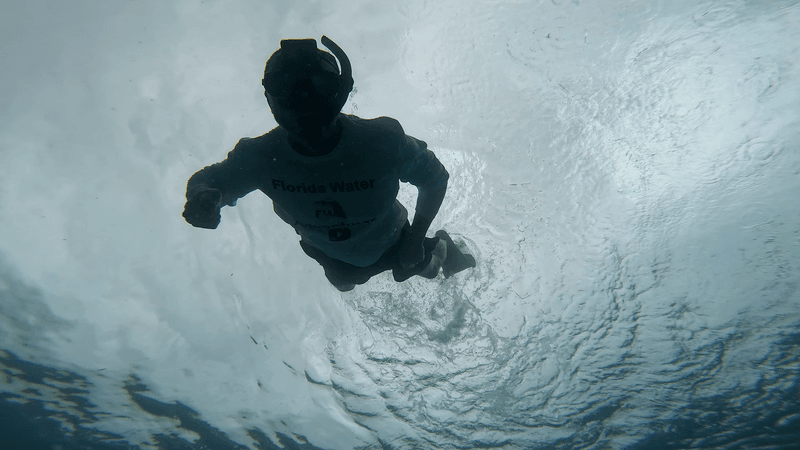
The underwater trail represents just one part of what makes Phil Foster Memorial Park such a fantastic destination. Scuba divers consider this location among Florida’s premier shore diving sites, particularly for macro photography enthusiasts hunting tiny, colorful creatures that hide in the reef structures.
Underwater photographers arrive with serious camera equipment, spending hours capturing images of seahorses, nudibranchs, frogfish, and other unusual species that gather here. The concentration of marine life in accessible shallow water creates photography opportunities you’d normally need to travel to remote locations or expensive dive resorts to experience.
Night diving brings entirely different photographic subjects as nocturnal creatures emerge.
Above the waterline, the park offers complete family-friendly amenities. Picnic areas with tables and grills let families make a full day of their visit.
Clean restroom facilities and outdoor showers help everyone rinse off after snorkeling. Fishing enthusiasts cast lines from designated areas along the shoreline.
The beach itself provides space for relaxing, building sandcastles, or simply enjoying the Florida sunshine between underwater adventures.
How to Enjoy the Trail Responsibly and Protect Marine Life
With great access comes great responsibility. The trail’s continued success depends entirely on visitors treating the underwater environment with respect and care.
Never touch, chase, or harass marine animals, no matter how tempting it might be to get closer. Touching can remove protective slime coatings that keep fish healthy, and many creatures bite or sting when threatened.
Standing on reef structures damages the delicate ecosystem and crushes small organisms living there. Collecting shells, starfish, or any marine life is illegal and harmful.
Wear reef-safe sunscreen that won’t leach harmful chemicals into the water. Watch your fins to avoid accidentally kicking coral or rocks as you swim.
Take only photographs and memories, leave only bubbles. Carry out any trash you bring, and consider picking up litter you find even if it’s not yours.
Following these simple guidelines ensures the trail remains healthy and enjoyable for future generations. The reef system has taken years to develop its current ecosystem—protecting it requires every visitor’s cooperation and commitment to conservation.
What to Know Before You Go: Phil Foster Snorkel Trail Visitor Guide
Planning your adventure requires knowing a few essential details. Phil Foster Memorial Park is located at 900 East Blue Heron Boulevard in Riviera Beach, FL 33404, easily accessible from major South Florida highways.
Beach areas typically open from sunrise to sunset, giving you flexibility for morning or afternoon visits. Free parking is available at the park, though spaces fill quickly during weekends and peak snorkeling conditions.
Arriving early, especially on Saturdays, ensures you’ll find parking close to the beach access points.
Bring your own mask, snorkel, and fins—no rental shops operate on-site. Water shoes protect your feet from sharp rocks and shells.
Reef-safe sunscreen prevents burns without harming marine life. A waterproof camera lets you capture amazing memories.
Pack towels, drinking water, and snacks for after your swim.
Safety matters: always snorkel with a buddy, check tide and weather conditions before entering the water, and be aware that currents near the bridge channels can become stronger during tidal changes. This free Florida adventure awaits anyone ready to explore beneath the surface.